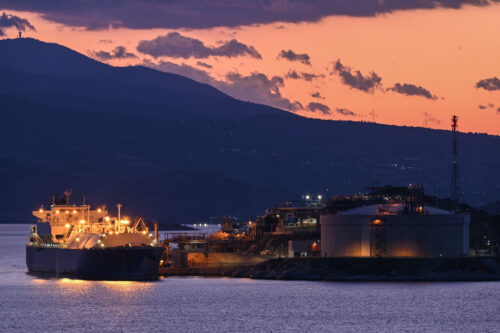
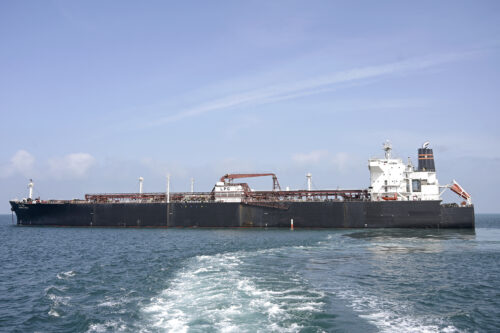
In less than two decades, a string of offshore discoveries has turned the Eastern Mediterranean into a significant gas-producing region, making Israel an exporter, twice lifting Egypt into the ranks of liquefied natural gas (LNG) exporters, and giving Cyprus finds it has yet to bring to market. This backgrounder explores the potential and challenges of exploiting and managing LNG resources in the region.
Deadlock in Gaza and the West Bank at a Breaking Point
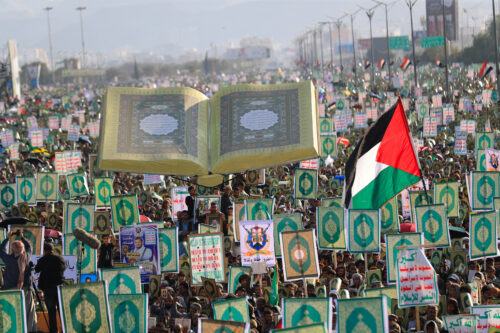
A year after world leaders gathered in Sharm el-Sheikh to mark the end of the war in Gaza, Israel controls about 70% of the Strip, Hamas retains its arms, and reconstruction has yet to begin. Meanwhile, in the West Bank, record settler violence and settlement expansion are colliding with a Palestinian Authority on the brink of fiscal collapse. Hosts Alistair Taylor and Matthew Czekaj are joined by MEI Associate Fellow Tahani Mustafa to discuss why the Gaza peace plan is deadlocked, an increasingly emboldened Israel in the West Bank, Mahmoud Abbas’s postponement of Palestinian elections, the Palestinian Authority’s deepening economic crisis, and what role the US could play.
MINURSO’s Future: What the Security Council’s Choice May Reveal
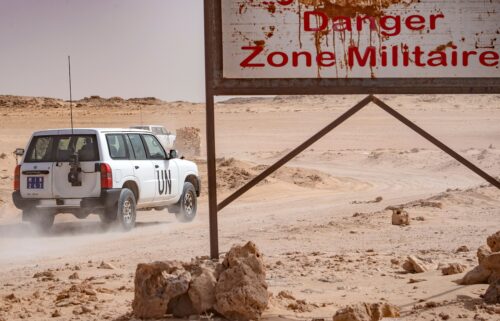
As the United Nations Security Council (UNSC) approaches the October 31 renewal deadline of the UN Monitoring Mission in Western Sahara (MINURSO), the mission’s longer-term future remains uncertain. Another largely unchanged renewal remains a likely immediate outcome. But beyond that holding pattern, three possible scenarios are also on the table.
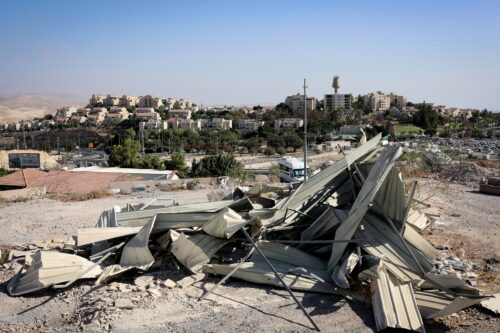
Since 1967, Israeli settlements in the West Bank have been a contested feature of the Israeli-Palestinian conflict. The ultimate disposition of the settlements and ongoing activity related to their growth have repeatedly defied agreement in negotiations over a resolution to the conflict.
The Houthis are a political-military faction and Zaydi religious movement founded in northwestern Yemen in the 1980s. A key member of Iran’s Axis of Resistance with links to other militant organizations in the Arabian Peninsula and the Horn of Africa, the group has continued to pose a threat to Western interests on a global scale.
The India-Middle East-Europe Economic Corridor (IMEC) is a proposed multinational infrastructure initiative aimed at upgrading connectivity between the three regions through integrated trade, energy, and digital networks. Announced at the G20 summit in New Delhi in September 2023, IMEC is envisioned partially as a counterweight to China’s international infrastructure project, the Belt and Road Initiative.
After a decade of post-Arab Spring isolation, Turkey’s leaders have recognized that their ambition to position the country as an agenda-setter on the world stage requires active engagement in all directions. President Recep Tayyip Erdoğan’s consolidation of executive authority has centralized foreign policy decision-making and tied it to his domestic political priorities, transforming the country’s revisionist approach to one shaped primarily by personal and pragmatic interests.
MEI Senior Fellow Brian Katulis engages friends, colleagues, and policy experts in casual conversations on the most important happenings in the Middle East.
With Egypt hosting COP 27 this week, all eyes are on climate change in the MENA region. For today’s episode, Senior Fellow and Director of the Climate and Water Program Mohammed Mahmoud asked several of MEI’s Climate and Water Program scholars what they consider to be the most pressing issues regarding climate change, water resources, and the environment. Today’s guests include Andrei Covatariu, Athraa Khamis, Malak Altaeb, Megan Ferrando, Orestes Morfin, and Youssef Wehbe.
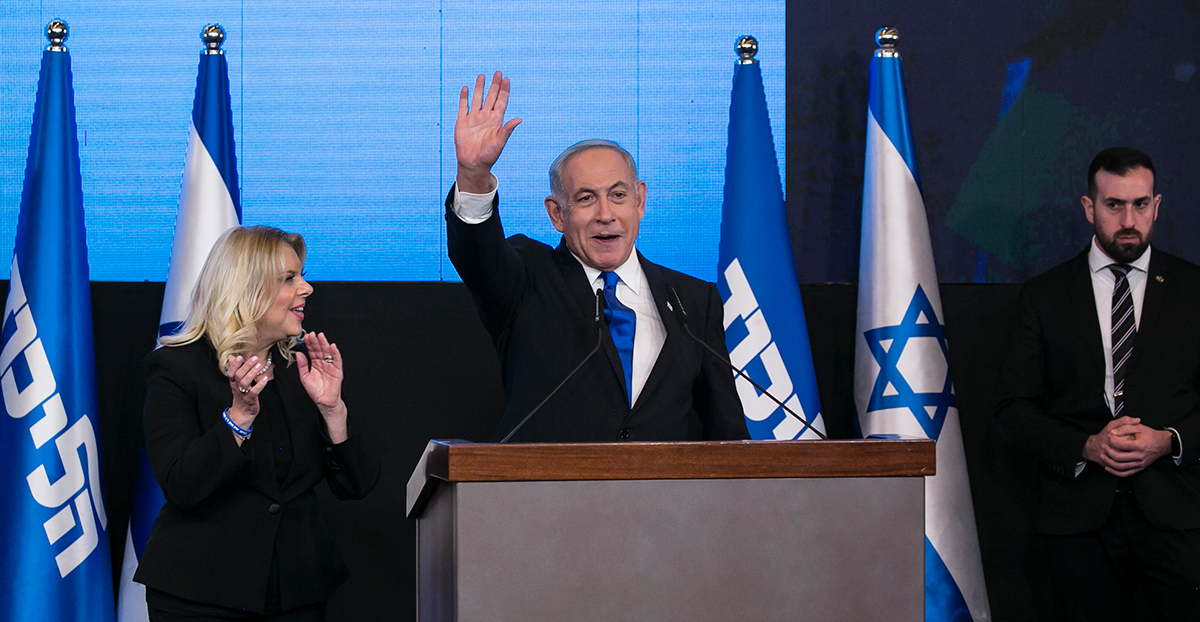
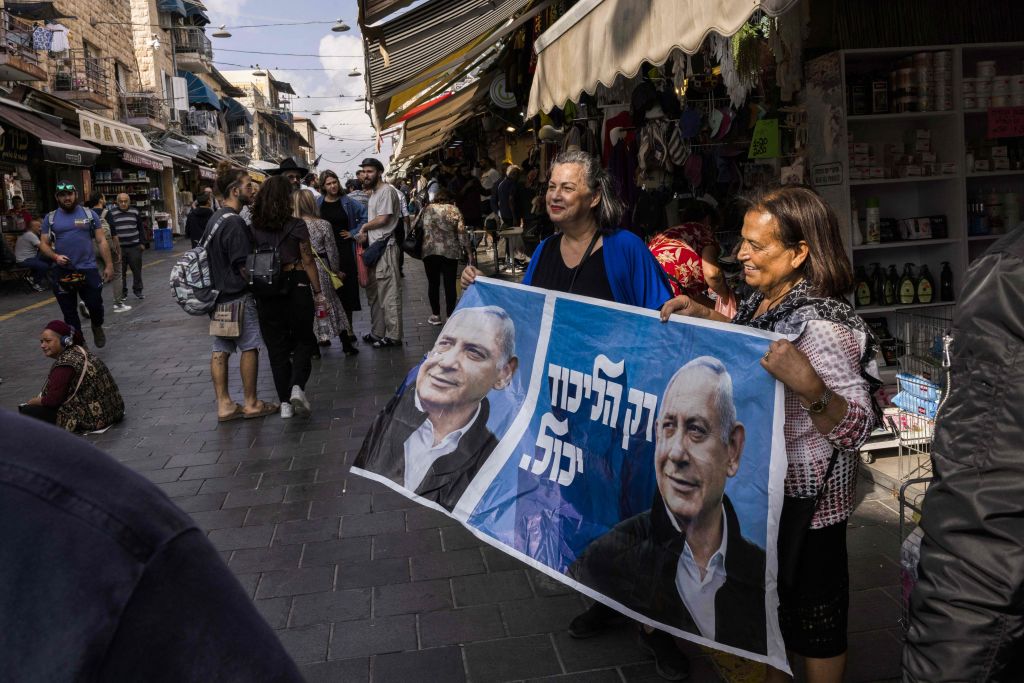
Israel’s election produces a clear winner — and a lurch further to the right
On Nov. 1, Israel’s democracy was shaken, perhaps as never before. It is not so much that former Prime Minister Benjamin Netanyahu has been returned to power, but that if he does become prime minister again, as seems overwhelmingly likely, it will undoubtedly be with crucial support provided by the “Religious Zionism” party, which includes “Jewish Power,” the vehicle of the veteran neo-Kahanist Itamar Ben-Gvir.
Tehran lashes out at Israelis’ support for Iranian protest movement
The Iranian regime is pointing the finger at Israel and the U.S. for allegedly orchestrating the nationwide protests. But while the U.S. and Israel both might have an interest in shaping and aiding the protest movement once it began, this large-scale mobilization of the Iranian public is a result of the regime’s own policies.
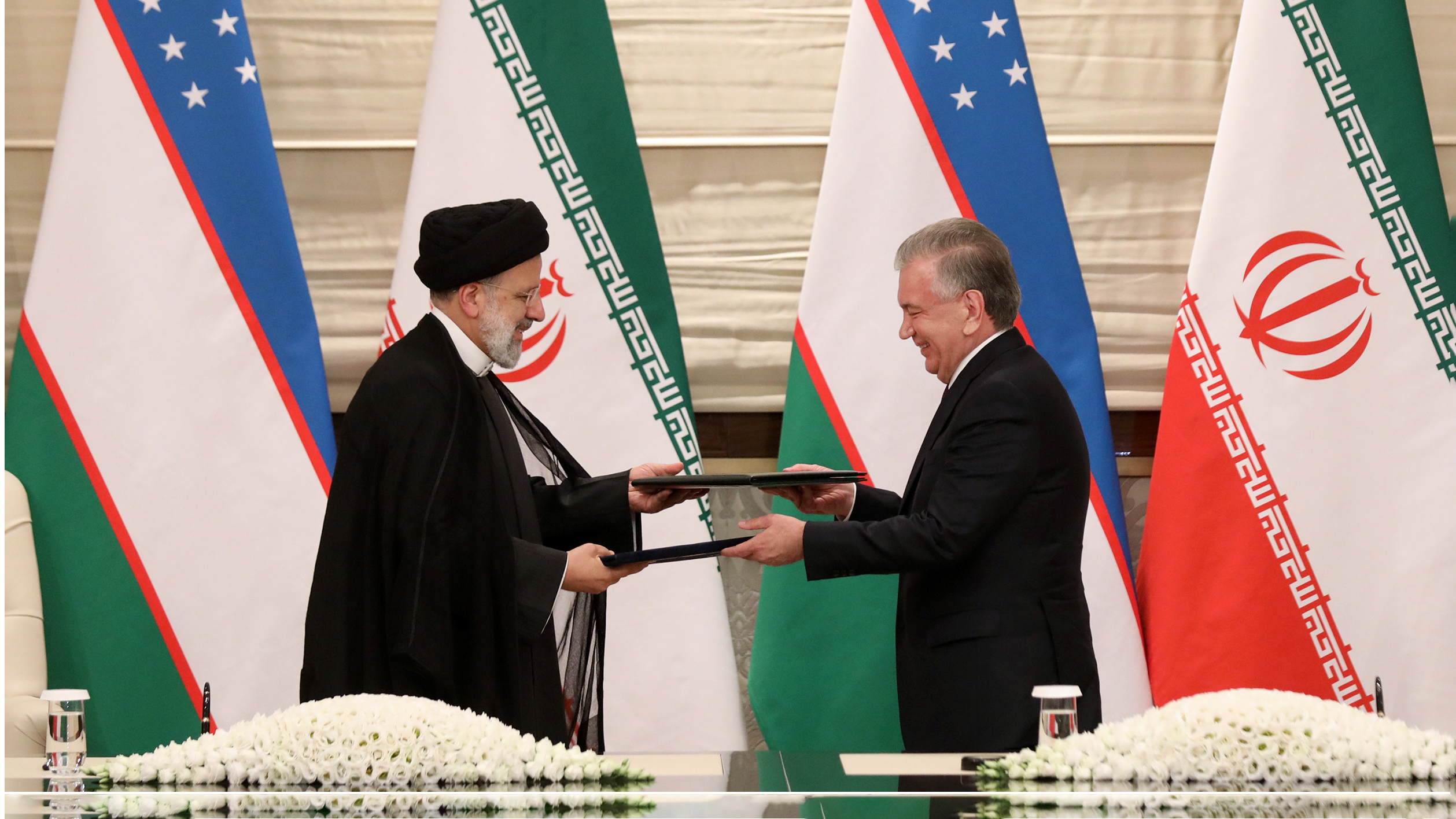
The SCO Summit in Samarkand: Reviving Iran and Uzbekistan relations on an oil and transit axis
The 22nd Shanghai Cooperation Organization (SCO) summit in the Uzbekistani city of Samarkand this past September turned out to be a boon for Iran’s regional policy. Not only was the Islamic Republic extended a roadmap to join the grouping, but the meeting also offered a convenient opportunity to revive and strengthen ties with Uzbekistan.
Russia’s War on Ukraine: Iran’s Growing Role and the Nuclear Threat
In today’s episode, Alistair Taylor sits down with experts from MEI’s Frontier Europe Initiative to assess the trajectory of Russia’s war on Ukraine. They discuss Russia’s growing attacks on critical infrastructure, its recent deployment of Iranian drones and their impact on the battlefield, the potential nuclear threat, and where things might be headed from here.
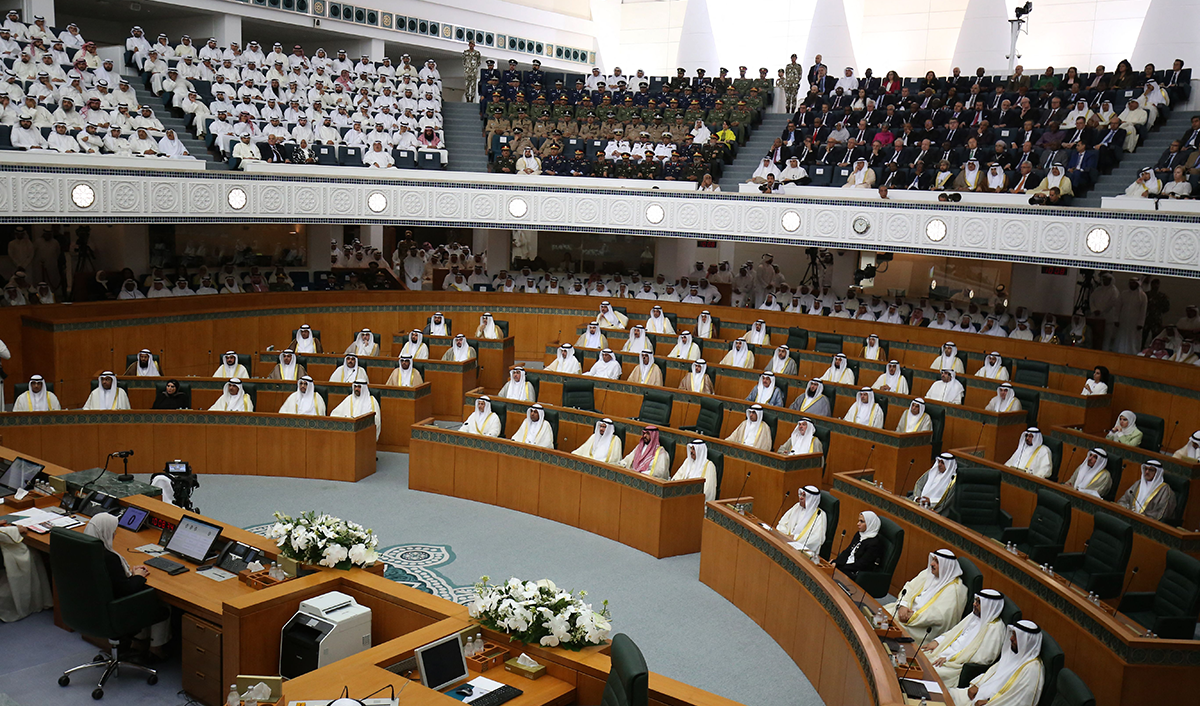
Will Kuwait’s new parliament resolve its political impasse?
Kuwait’s Sept. 29 parliamentary elections were supposed to bring change to the gridlock and governmental churn that had plagued the country in recent years. Kuwaitis initially appeared optimistic about the results, calling on the amir to appoint a strong government to work with the National Assembly. Questions remain, however, as to how well the government and the majority opposition parliament will be able to cooperate to implement the necessary reforms.
The Arab Peace Initiative returns. Will it supplant the Abraham Accords?
Although the Abraham Accords have been the main focus of Arab-Israeli peace-making since they were signed, the Arab Peace Initiative (API), introduced by the late Saudi King Abdullah 20 years ago, remains relevant and may be the better reflection of a path forward for Middle East peace
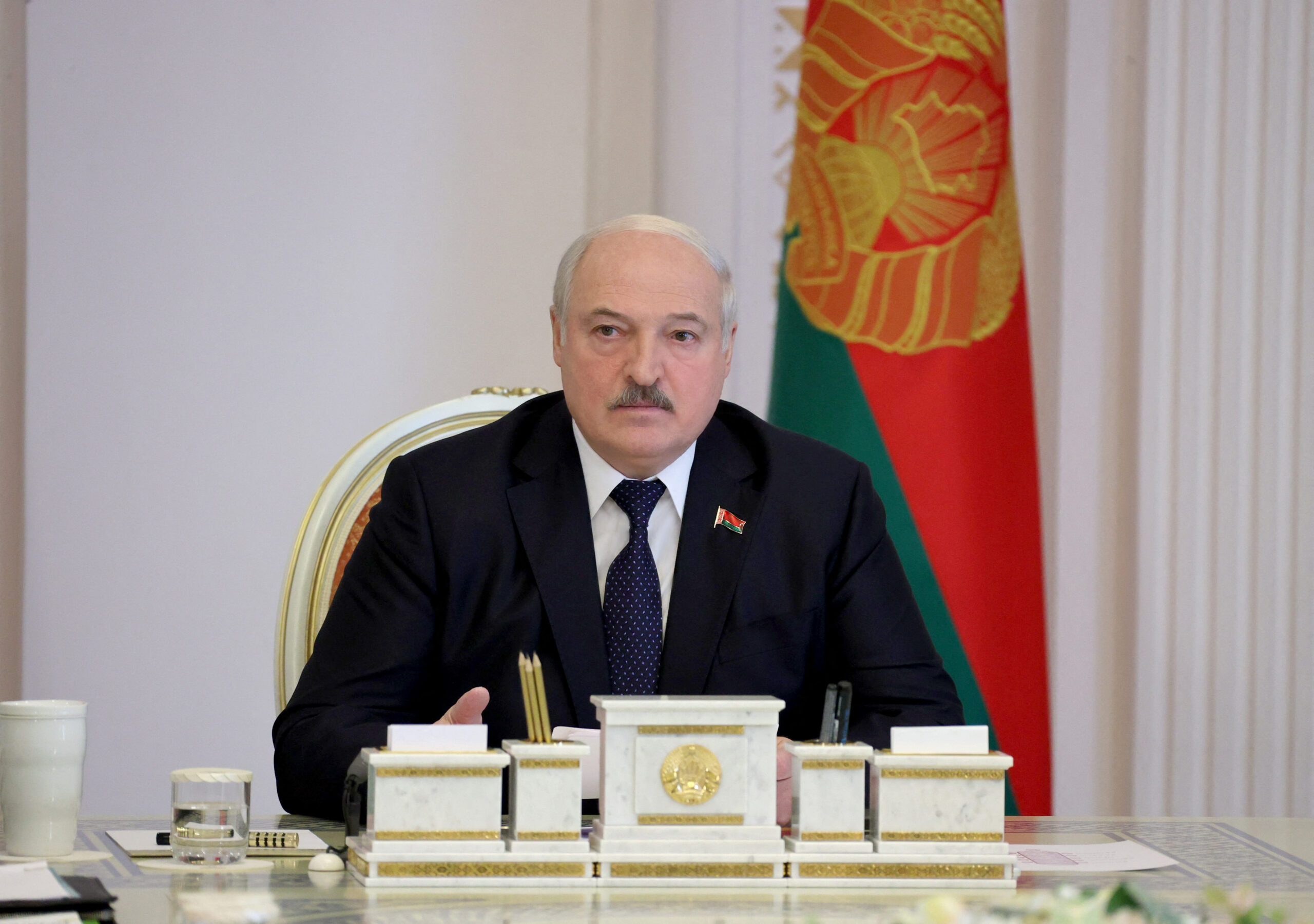
Lukashenka’s visit to Abkhazia: A prelude to recognition?
Almost immediately following a meeting with Vladimir Putin in Sochi, Belarusian President Alyaksandr Lukashenka quietly traveled to the Russian-occupied Georgian region of Abkhazia for the first time. Given Belarus’s isolation from the West and deep dependency on Russia, it is highly likely that Lukashenka’s visit to Abkhazia was directed by his Kremlin counterpart.
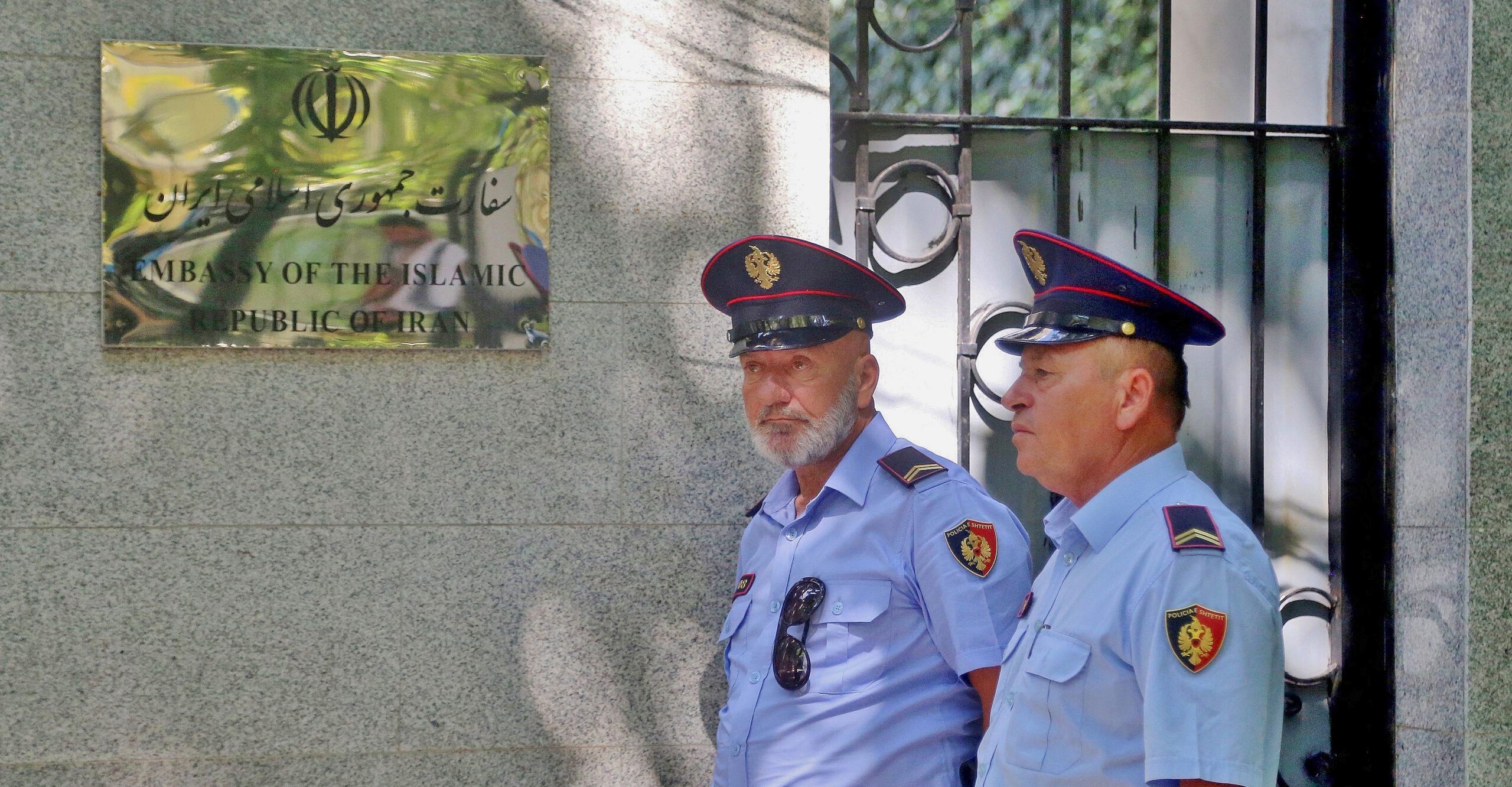
Albania finds itself caught in the middle as Iran and the West square off
Albania, a close U.S. ally, has found itself on the front line of the clash between the West and Iran. Though angered by the MEK’s presence in Albania, to date, there is little evidence to suggest that Tehran intends to further fuel the conflict with Tirana. This could change, however, If the Iranian proxy war with the U.S. and Israel intensifies.
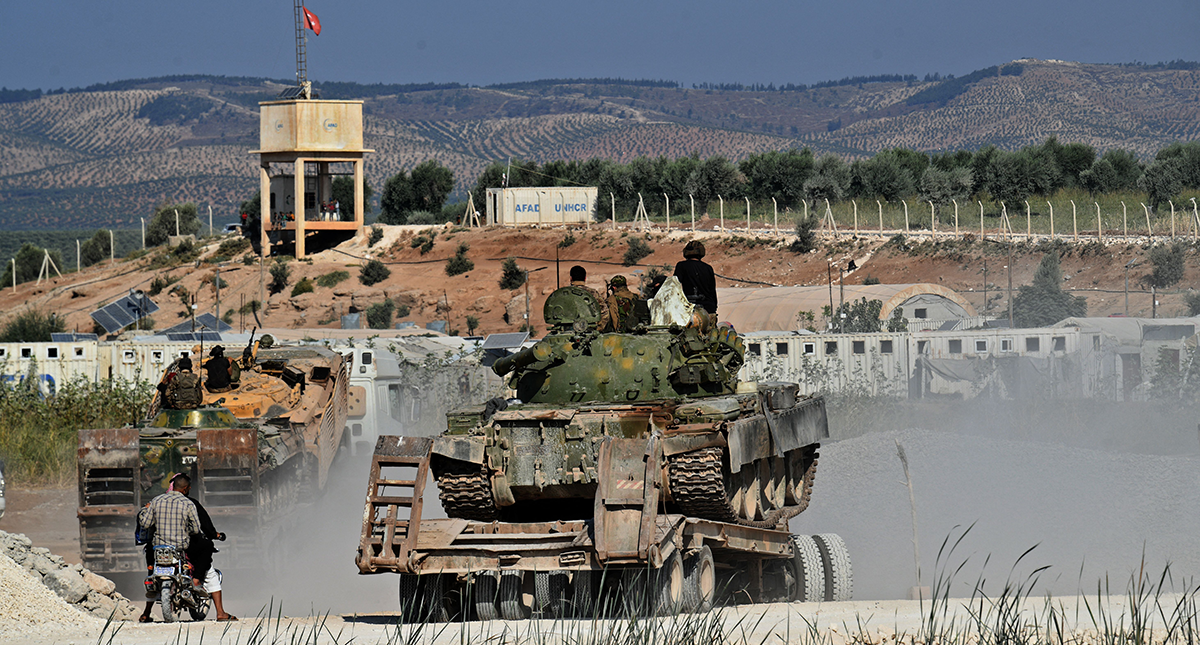
During the second week of October, unprecedented full-fledged military confrontations broke out in northern Syria between factions of the Turkish-backed Syrian National Army (SNA), with Hay’at Tahrir al-Sham (HTS) subsequently intervening in support of some factions over others. Tukey’s weariness about the constantly deteriorating state of security in the north, resulting mainly from infighting among the SNA forces it backs, and its willingness to impose order on them, could explain its silence on HTS’s military aggression. For HTS, however, expanding its rule and settling scores with some SNA factions may be the main drivers behind its recent attacks.
The Biden Administration’s National Security Strategy
The Biden Administration’s National Security Strategy has drawn some criticism for its relatively late release, but what of its actual substance? Today, Alistair Taylor talks with four experts, each with unique insights into the context and strategy of this document with regards to the Middle East, North Africa, and American foreign policy at large.
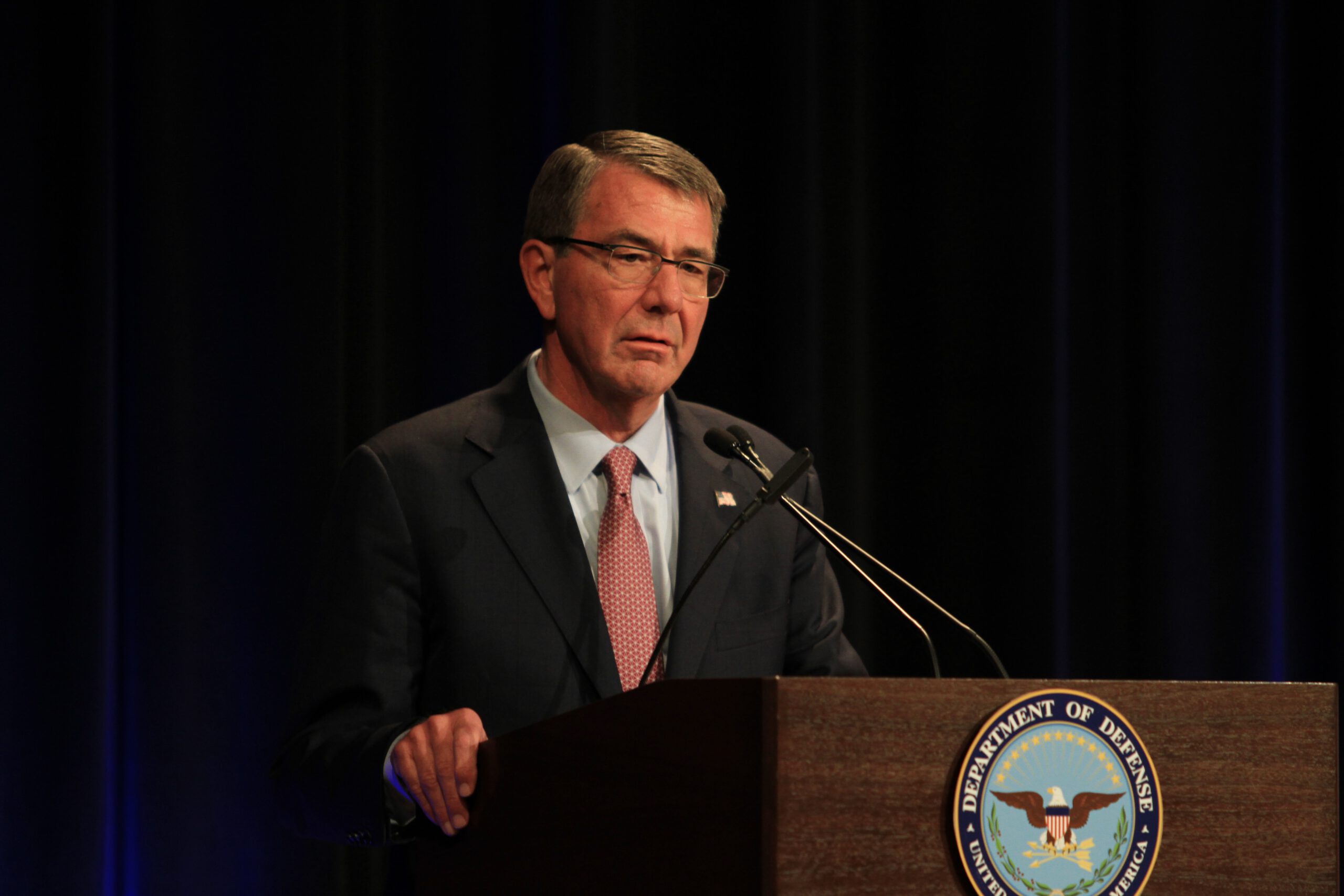
Ashton B. Carter, the 25th U.S. Secretary of Defense, who served under former President Barack Obama, passed away on October 24, 2022. MEI’s scholars react to the news and remember his rich legacy.
Since June 2015 and especially after the failed coup attempt in July 2016, the AKP has taken an increasingly nationalist and Eurasianist turn, as Erdoğan worked to consolidate power by satisfying various nationalist elements. The transition to the presidential system in mid-2018 has intensified Turkey’s existing foreign policy problems and given rise to new ones. This paper lays out the evolution of the AKP’s foreign policy, the consequences of the transition to the presidential system, the impact of Erdoğan’s coalition with the nationalists and Eurasianists, and potential pathways forward.
The oldest peer-reviewed publication dedicated to the study of the modern Middle East, MEI’s flagship journal covers politics, society, and culture in the region.