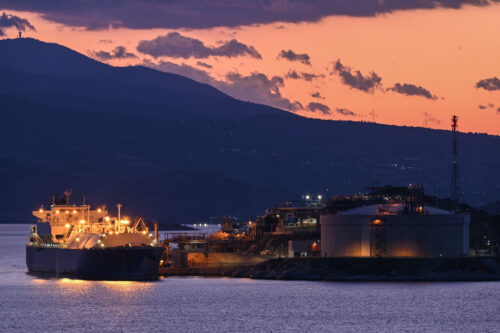
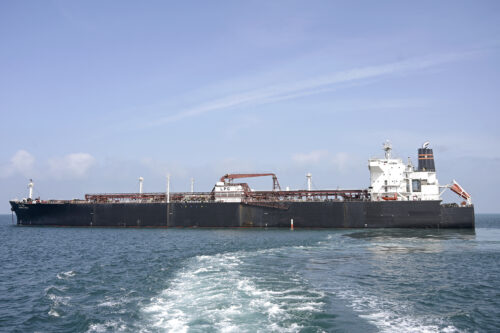
In less than two decades, a string of offshore discoveries has turned the Eastern Mediterranean into a significant gas-producing region, making Israel an exporter, twice lifting Egypt into the ranks of liquefied natural gas (LNG) exporters, and giving Cyprus finds it has yet to bring to market. This backgrounder explores the potential and challenges of exploiting and managing LNG resources in the region.
Deadlock in Gaza and the West Bank at a Breaking Point
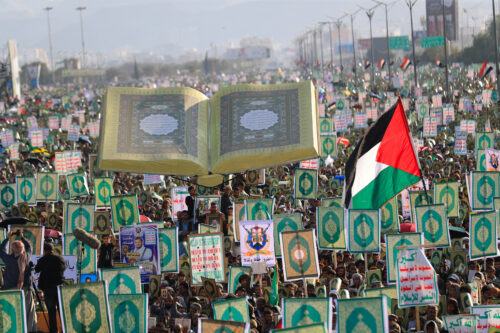
A year after world leaders gathered in Sharm el-Sheikh to mark the end of the war in Gaza, Israel controls about 70% of the Strip, Hamas retains its arms, and reconstruction has yet to begin. Meanwhile, in the West Bank, record settler violence and settlement expansion are colliding with a Palestinian Authority on the brink of fiscal collapse. Hosts Alistair Taylor and Matthew Czekaj are joined by MEI Associate Fellow Tahani Mustafa to discuss why the Gaza peace plan is deadlocked, an increasingly emboldened Israel in the West Bank, Mahmoud Abbas’s postponement of Palestinian elections, the Palestinian Authority’s deepening economic crisis, and what role the US could play.
MINURSO’s Future: What the Security Council’s Choice May Reveal
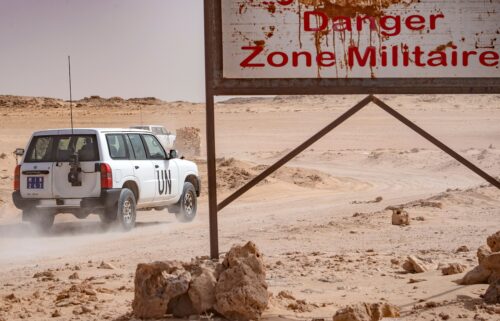
As the United Nations Security Council (UNSC) approaches the October 31 renewal deadline of the UN Monitoring Mission in Western Sahara (MINURSO), the mission’s longer-term future remains uncertain. Another largely unchanged renewal remains a likely immediate outcome. But beyond that holding pattern, three possible scenarios are also on the table.
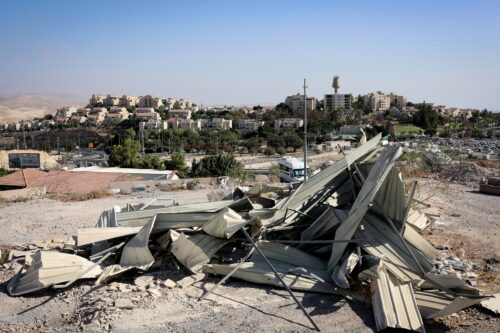
Since 1967, Israeli settlements in the West Bank have been a contested feature of the Israeli-Palestinian conflict. The ultimate disposition of the settlements and ongoing activity related to their growth have repeatedly defied agreement in negotiations over a resolution to the conflict.
The Houthis are a political-military faction and Zaydi religious movement founded in northwestern Yemen in the 1980s. A key member of Iran’s Axis of Resistance with links to other militant organizations in the Arabian Peninsula and the Horn of Africa, the group has continued to pose a threat to Western interests on a global scale.
The India-Middle East-Europe Economic Corridor (IMEC) is a proposed multinational infrastructure initiative aimed at upgrading connectivity between the three regions through integrated trade, energy, and digital networks. Announced at the G20 summit in New Delhi in September 2023, IMEC is envisioned partially as a counterweight to China’s international infrastructure project, the Belt and Road Initiative.
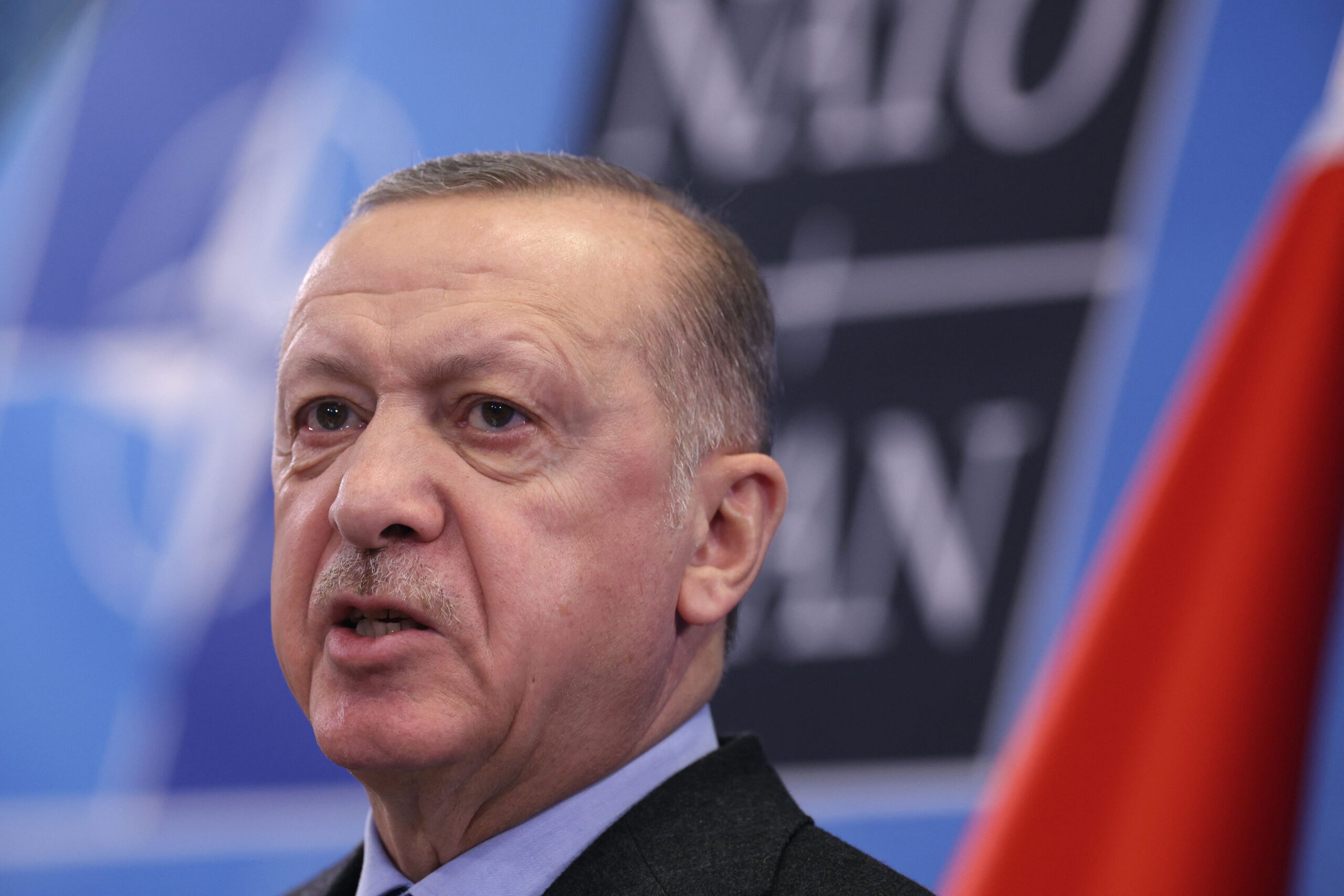
After a decade of post-Arab Spring isolation, Turkey’s leaders have recognized that their ambition to position the country as an agenda-setter on the world stage requires active engagement in all directions. President Recep Tayyip Erdoğan’s consolidation of executive authority has centralized foreign policy decision-making and tied it to his domestic political priorities, transforming the country’s revisionist approach to one shaped primarily by personal and pragmatic interests.
MEI Senior Fellow Brian Katulis engages friends, colleagues, and policy experts in casual conversations on the most important happenings in the Middle East.
حزب الله الحجاز: جماعة شيعية سعودية يكتنفها الغموض
تهدف هذه الورقة البحثية إلى مقاربة النفوذ الإيراني داخل المجتمع الشيعي في السعودية من خلال التركيز على أتباع مرجعية المرشد الأعلى والمعروفين بـ “خط الإمام” والجناح العسكري المنسوب للتيار والمعروف دوليًا بـ “حزب الله الحجاز” أو “حزب الله السعودي” والذي تتوجه له أصابع الاتهام بتنفيذ تفجير الخبر ١٩٩٦.
Hezbollah Al-Hejaz: A Saudi Shi’a Group Cloaked in Mystery
Since the 1979 Islamic Revolution in Iran, Saudi Arabia has been concerned about the potential influence of Iran’s supreme leader among its Shi’a population, especially since Ayatollah Sayyid Ali Khamenei took on the title of Vali-ye faqih, or “guardian-jurist.” Such concern is understandable given that the two countries are both neighbors and rivals: Khamenei is a marj’a, the highest-ranking Shi’a religious authority, but he is also the commander-in-chief of the Iranian Armed Forces. This paper aims to investigate the Iranian influence within the Shi’a community in Saudi Arabia by focusing on the followers of the supreme leader’s marj’aiyyah, known as “Khat al-Imam,” and its military wing, “Hezbollah Al-Hejaz,” often held responsible for carrying out the 1996 Khobar Towers bombing.
أُخُوة يخنقها العداء: التنافس الجزائري المغربي وتحديات الاندماج المغاربي
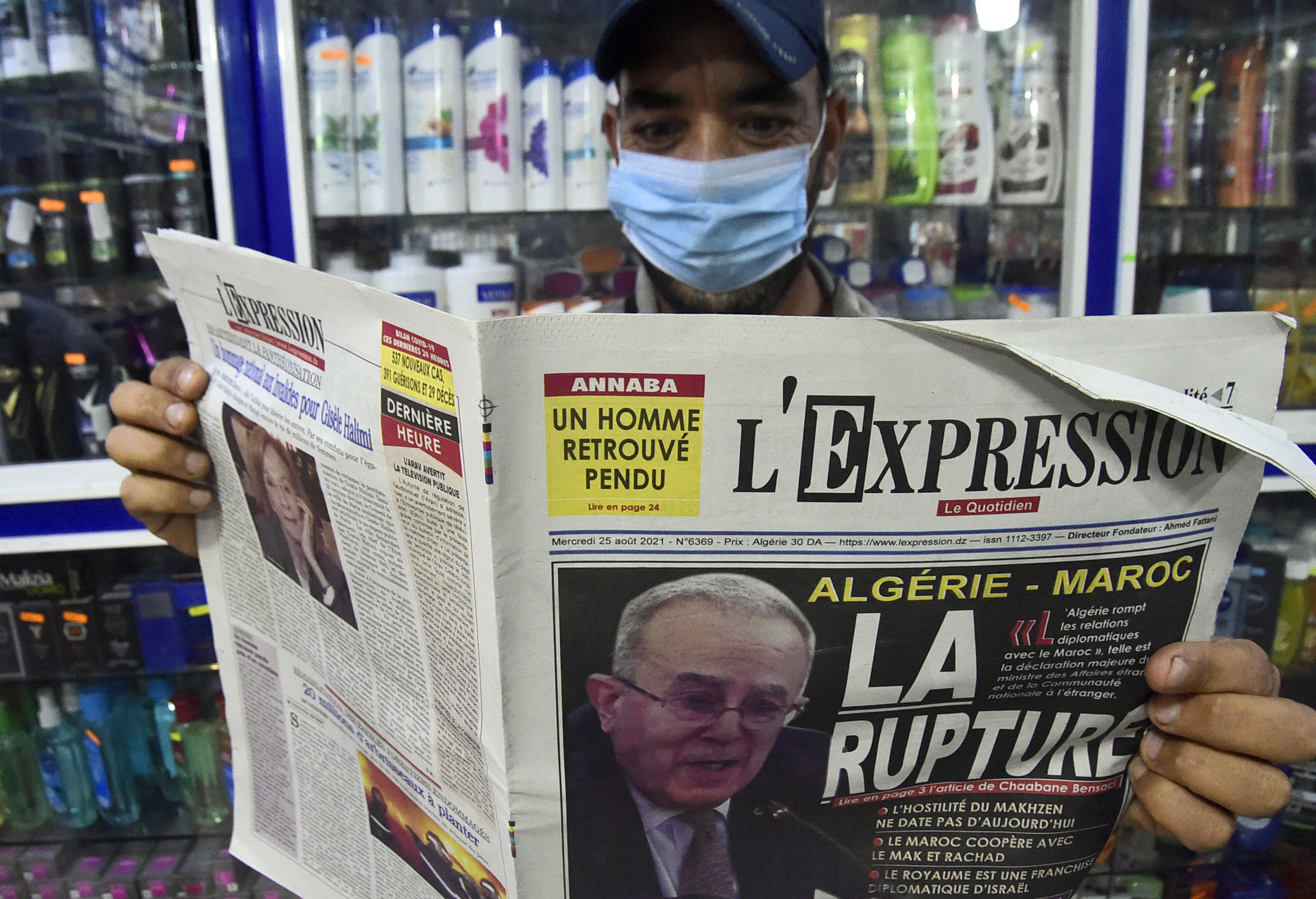
صَدم وزير الخارجية الجزائري، رمطان لعمامرة، العالم بإعلانه القطع المفاجئ للعلاقات الدبلوماسية بين الجزائر والرباط، بعد ثلاثة عقود من تجاور بارد بين القوتين المغاربيتين. واتهم لعمامرة، في بيان رسمي، تلاه أواخر أغسطس/آب 2021، المغرب بالتخلي عن التزامه بتنظيم استفتاء لتقرير المصير في الصحراء الغربية، من بين ما أسماه “أعمال عدائية ومشينة” أخرى ارتكبها ضد الجزائر.
Brothers at arm’s length: Moroccan-Algerian rivalry and the challenge of Maghrebi integration
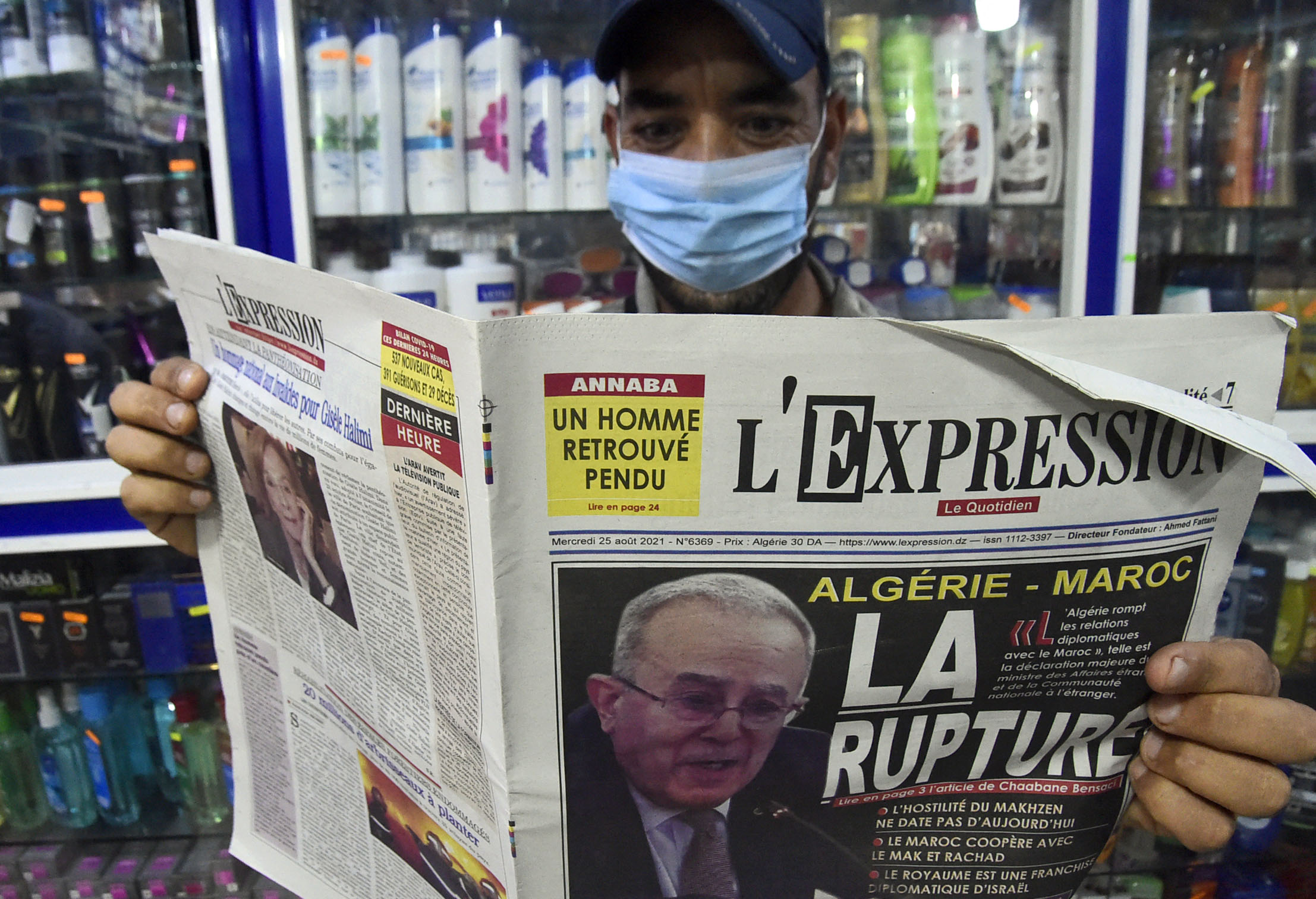
In late August 2021, Algerian Minister of Foreign Affairs, Ramtane Lamamra, shocked the world by abruptly severing diplomatic relations with Rabat after three decades of a cold modus vivendi between the two Maghrebi powerhouses. In an official statement, Lamamra accused Morocco of abandoning its commitment to organizing a referendum for self-determination in Western Sahara, among other “hostile and despicable acts” against Algeria.
Staying the course … for now: Germany’s MENA policy under the Scholz government
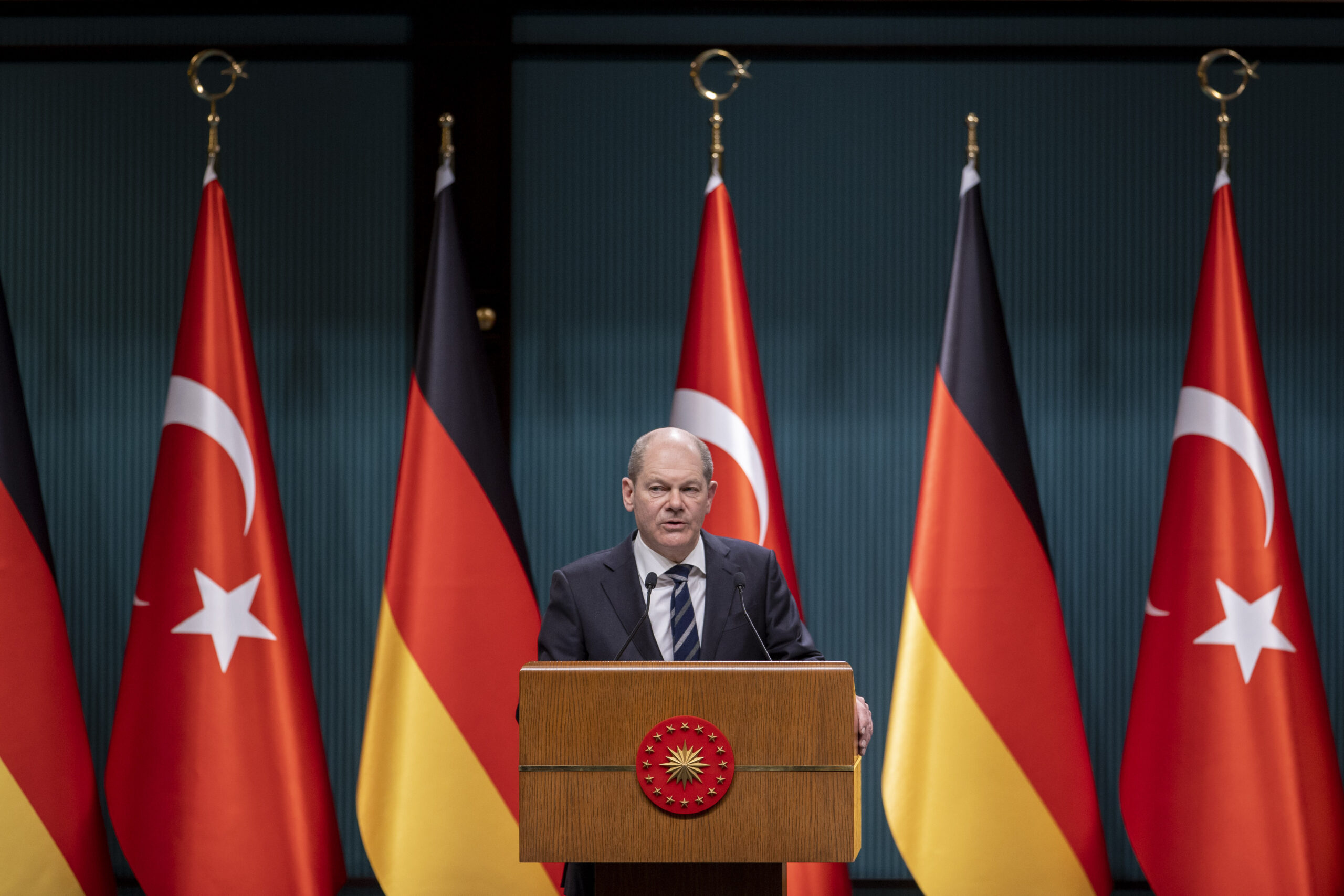
After 16 years under Angela Merkel, Olaf Scholz’s assumption of Germany’s chancellorship on Dec. 8, 2021 marked a new chapter in the nation’s politics. Within the “traffic light” coalition government formed by the Social Democrats, the Free Democratic Party, and the Greens, Annalena Baerbock heads the Ministry of Foreign Affairs. Before taking office, the co-leader of Alliance 90/The Greens was known for both her welcoming attitude toward immigrants and her full-throated condemnation of human rights violations by authoritarian governments. The Middle East and North Africa (MENA) region has no shortage of the latter: According to the Economist Intelligence Unit’s Democracy Index, 17 out of the 20 countries in the region are “authoritarian” and not one is characterized as a “full democracy.” Beyond human rights, other key MENA policy issues for the new government include Iran, Turkey, ongoing conflicts in the region, and immigration. The challenges are numerous, if well-known, but how will Berlin respond? Is Germany’s policy toward MENA likely to change or remain the same under the new government?
Canada-Iran soccer row highlights the ongoing fight over Flight 752
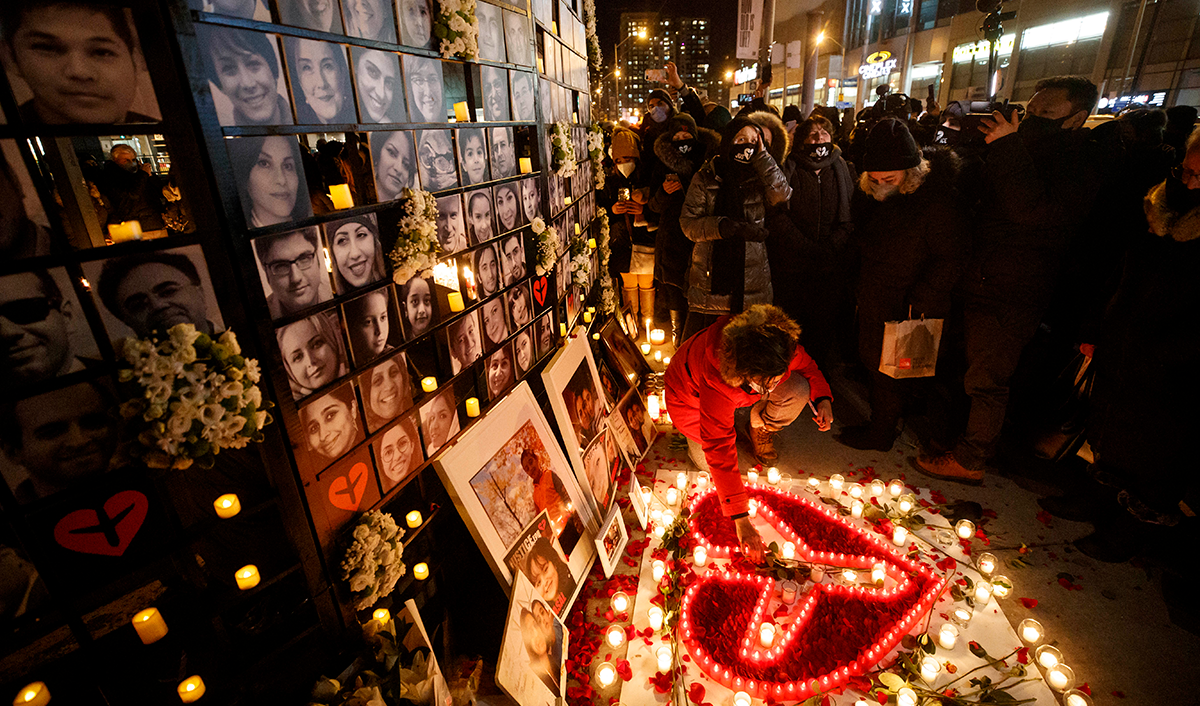
The international friendly soccer match scheduled to take place between the Canadian and Iranian men’s national teams on June 5 was canceled in the face of widespread opposition from the families of the Canadians killed in the downing of Ukrainian International Airlines Flight 752 by the IRGC. The Canadian government has called the January 2020 shootdown of PS752, which killed 55 Canadian citizens and 30 permanent residents, a “national tragedy” and the decision to cancel the match should serve as a reminder that the Iranian regime has been unresponsive to the demands of the PS752 families.
Economic Diversification and Energy Transition in Iraq and the Gulf
To identify pathways to deal with demands for economic reform and volatility in resource revenue in Iraq, in November 2021 the Middle East Institute (MEI) and Iraq Policy Group (IPG) convened a high-level workshop on the side-lines of the American University of Kurdistan’s annual Middle East Peace and Security Forum. This report provides the insights and analyses of a select group of participants, and forms part of a series of forthcoming Iraq- and Gulf-focused reports and initiatives that MEI and IPG will be convening.
Bridging the Cost Gap: Three Labor Policies to Close the Wage Gap Between Saudi and Foreign Labor
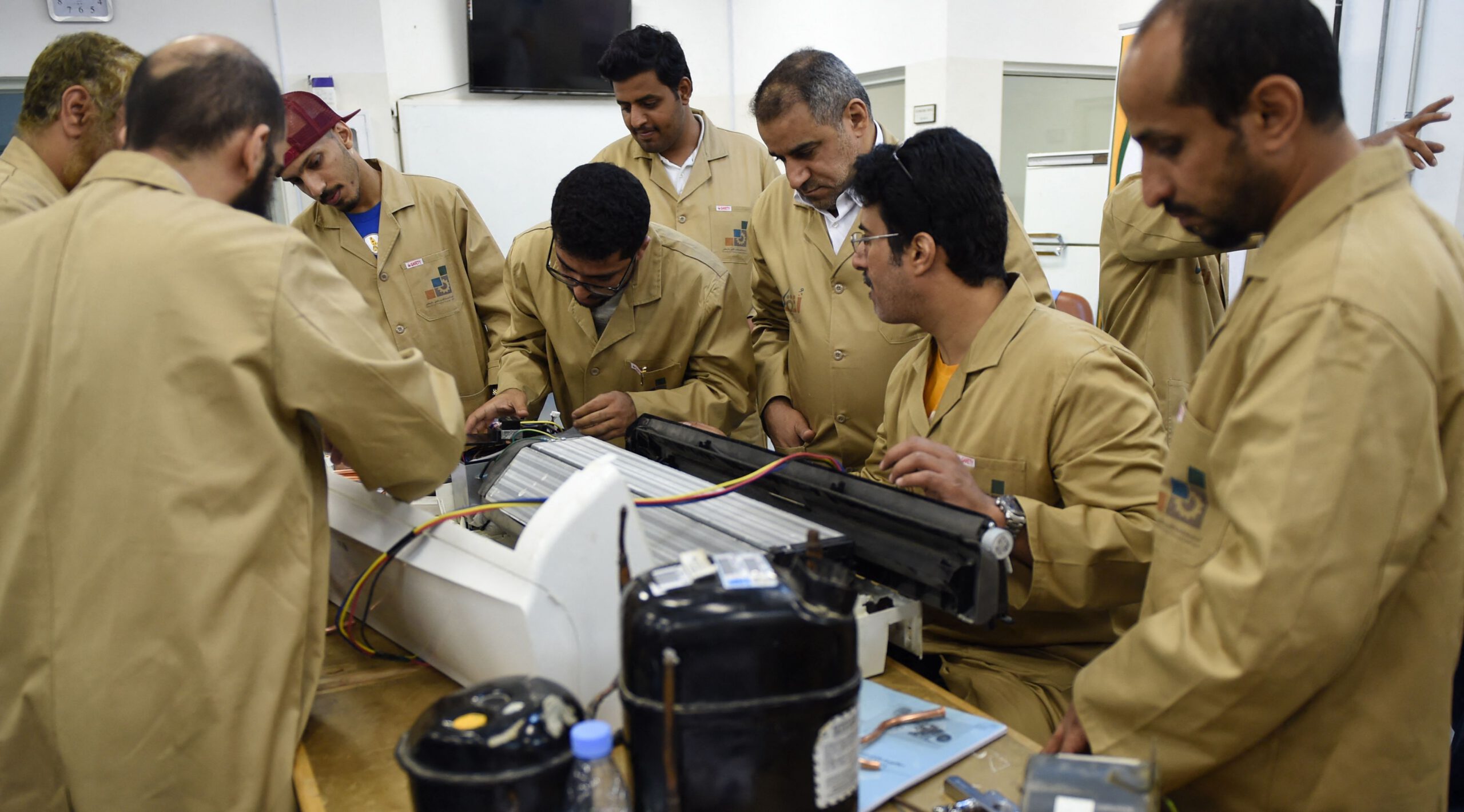
Since the launch of Vision 2030 six years ago, Saudi Arabia has made considerable progress in reducing the labor-cost gap between national and foreign workers in the private sector. While the total unemployment rate has declined recently among nationals, it remains high at 11%. Drawing on evidence from Bahrain’s experience with labor market reform, this can be significantly reduced through policies designed to bridge the cost gap between citizens and foreign labor in the private sector.
Turkey: A new emerging gas player with resources and infrastructure
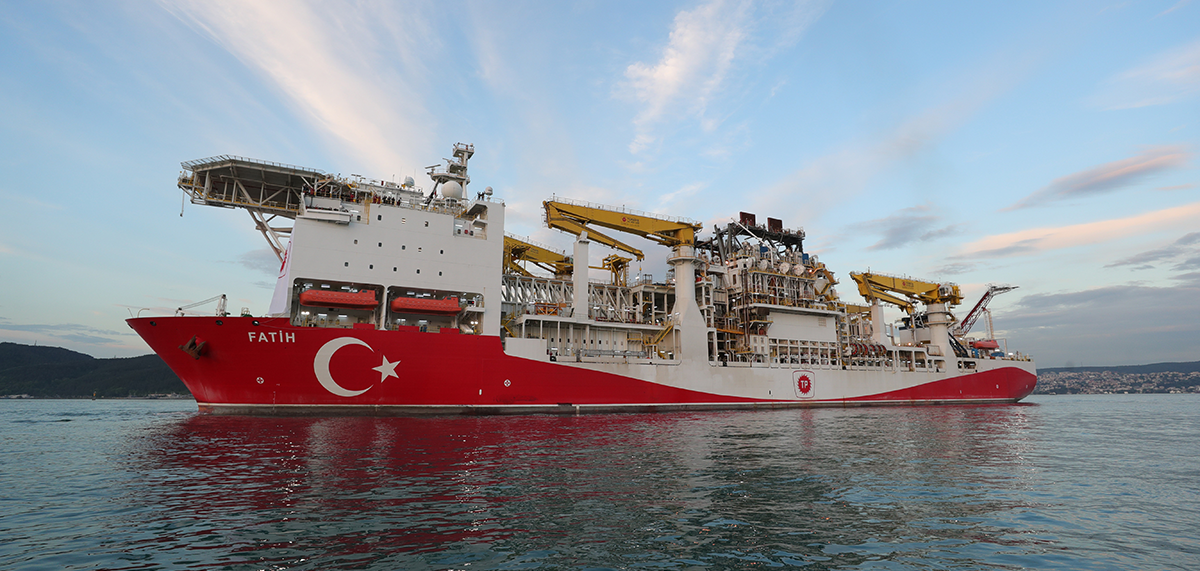
With its recent deepwater exploration success in the Black Sea and prominent geographic location for interregional hydrocarbon pipelines, Turkey can play a material role in shaping the geopolitical landscape today, especially in the natural gas sector. The country will face a strategic conundrum, whether to utilize newly discovered gas resources entirely for domestic needs and thereby reduce gas imports that come with political baggage as well as foreign currency expenditures, or export gas to capture foreign revenue that Ankara desperately needs.
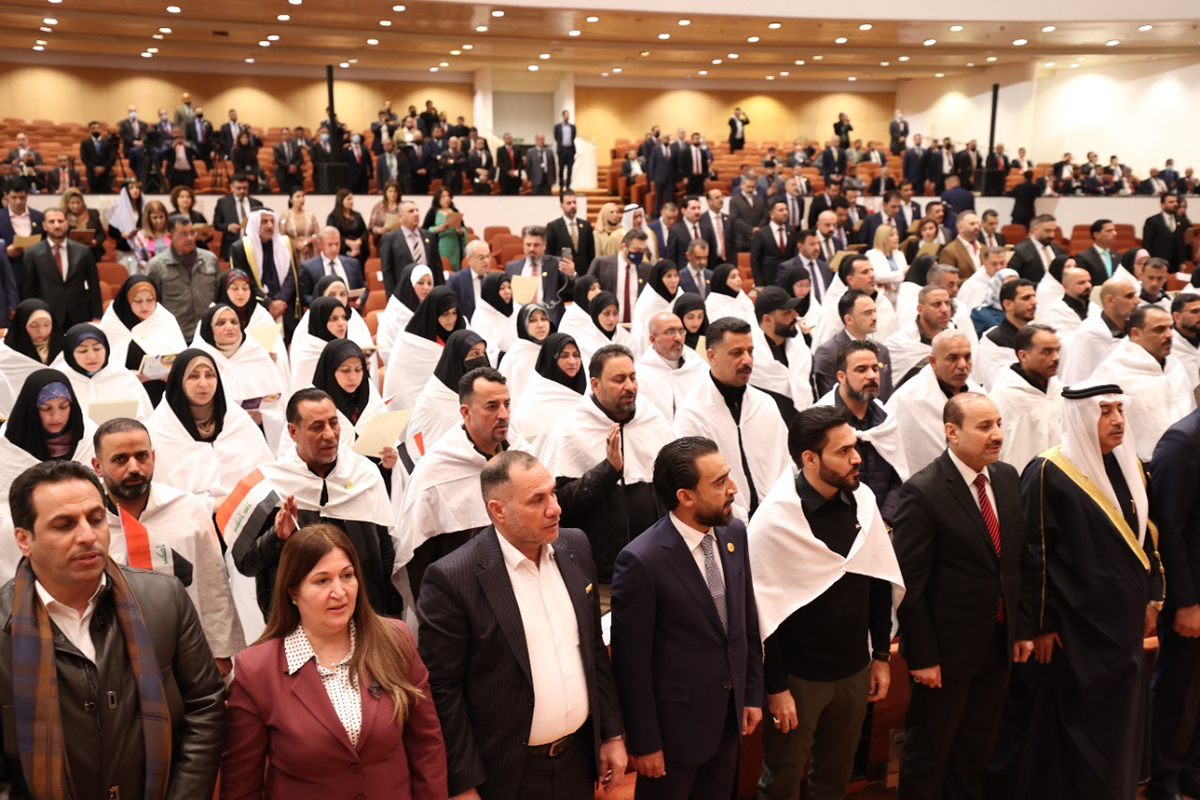
Iraq once again leaps into the void, but not before political elites secure funding
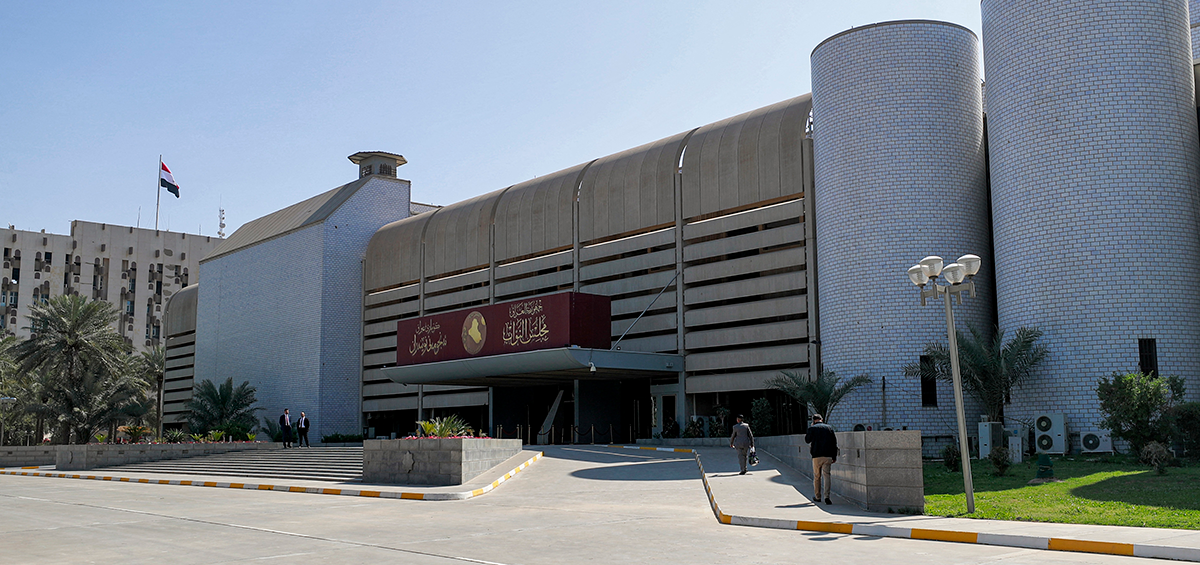
For Iraqis, two key events last week will shape the rest of this year, but hopefully not many more to come. First, on June 8 the divided parliament voted in surprising harmony to pass the so-called “Food Security and Development Bill,” a controversial piece of legislation with a $17 billion price tag. Second, this was followed, almost overnight on June 9, by a call from firebrand populist Shi’a cleric Muqtada al-Sadr to lawmakers loyal to his movement to “prepare their resignations.” On June 12, the 73 MPs of the Sadrist Movement tendered their resignations, and Iraq leapt even deeper into the void of political uncertainty.
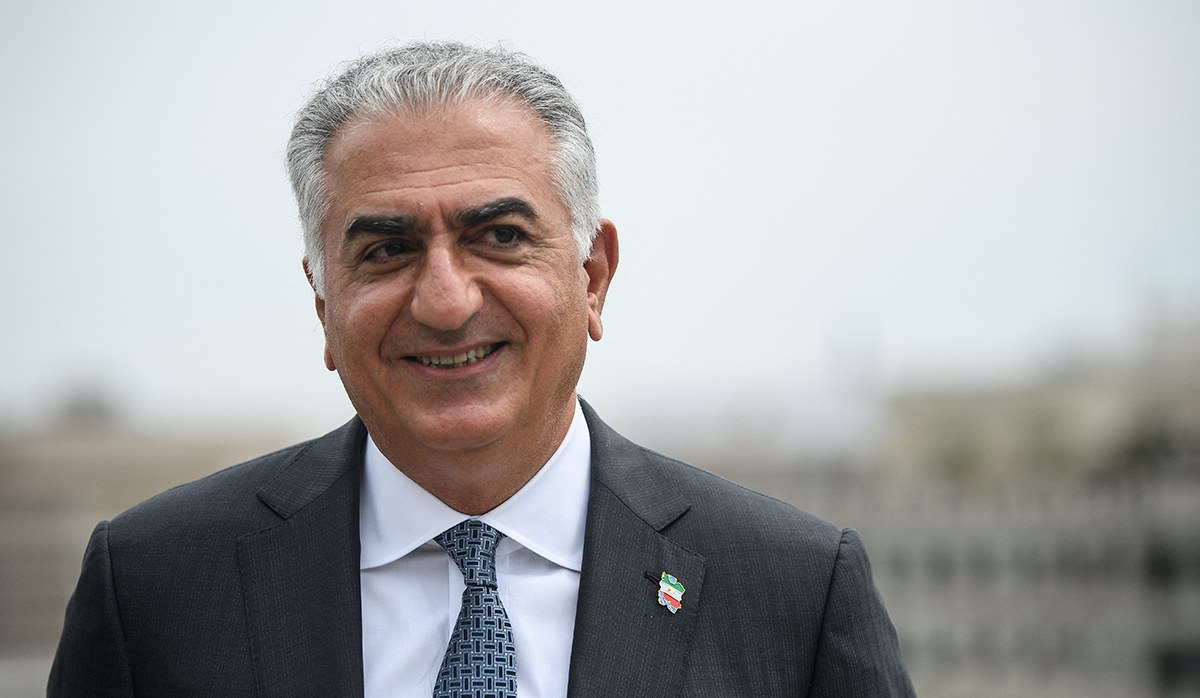
Pahlavi address highlights growing disillusionment with Iran’s leadership and the search for alternatives
The June 3 address by Reza Pahlavi, son of the last shah, to the people of Iran was bad news for Supreme Leader Ayatollah Ali Khamenei. In his live televised speech, Reza Pahlavi made several accusations against the current leadership of Iran, and judging from their reaction, it has put Iranian officials on edge.
The oldest peer-reviewed publication dedicated to the study of the modern Middle East, MEI’s flagship journal covers politics, society, and culture in the region.