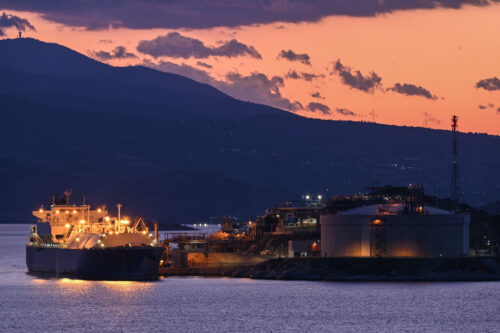
In less than two decades, a string of offshore discoveries has turned the Eastern Mediterranean into a significant gas-producing region, making Israel an exporter, twice lifting Egypt into the ranks of liquefied natural gas (LNG) exporters, and giving Cyprus finds it has yet to bring to market. This backgrounder explores the potential and challenges of exploiting and managing LNG resources in the region.
Deadlock in Gaza and the West Bank at a Breaking Point
A year after world leaders gathered in Sharm el-Sheikh to mark the end of the war in Gaza, Israel controls about 70% of the Strip, Hamas retains its arms, and reconstruction has yet to begin. Meanwhile, in the West Bank, record settler violence and settlement expansion are colliding with a Palestinian Authority on the brink of fiscal collapse. Hosts Alistair Taylor and Matthew Czekaj are joined by MEI Associate Fellow Tahani Mustafa to discuss why the Gaza peace plan is deadlocked, an increasingly emboldened Israel in the West Bank, Mahmoud Abbas’s postponement of Palestinian elections, the Palestinian Authority’s deepening economic crisis, and what role the US could play.
MINURSO’s Future: What the Security Council’s Choice May Reveal
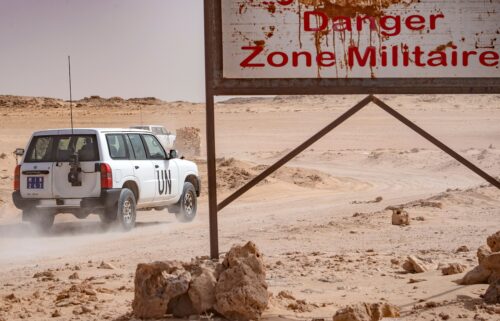
As the United Nations Security Council (UNSC) approaches the October 31 renewal deadline of the UN Monitoring Mission in Western Sahara (MINURSO), the mission’s longer-term future remains uncertain. Another largely unchanged renewal remains a likely immediate outcome. But beyond that holding pattern, three possible scenarios are also on the table.
Since 1967, Israeli settlements in the West Bank have been a contested feature of the Israeli-Palestinian conflict. The ultimate disposition of the settlements and ongoing activity related to their growth have repeatedly defied agreement in negotiations over a resolution to the conflict.
The Houthis are a political-military faction and Zaydi religious movement founded in northwestern Yemen in the 1980s. A key member of Iran’s Axis of Resistance with links to other militant organizations in the Arabian Peninsula and the Horn of Africa, the group has continued to pose a threat to Western interests on a global scale.
The India-Middle East-Europe Economic Corridor (IMEC) is a proposed multinational infrastructure initiative aimed at upgrading connectivity between the three regions through integrated trade, energy, and digital networks. Announced at the G20 summit in New Delhi in September 2023, IMEC is envisioned partially as a counterweight to China’s international infrastructure project, the Belt and Road Initiative.
After a decade of post-Arab Spring isolation, Turkey’s leaders have recognized that their ambition to position the country as an agenda-setter on the world stage requires active engagement in all directions. President Recep Tayyip Erdoğan’s consolidation of executive authority has centralized foreign policy decision-making and tied it to his domestic political priorities, transforming the country’s revisionist approach to one shaped primarily by personal and pragmatic interests.
MEI Senior Fellow Brian Katulis engages friends, colleagues, and policy experts in casual conversations on the most important happenings in the Middle East.
While Iraq’s next government may be “business as usual,” the election has planted the seeds for change
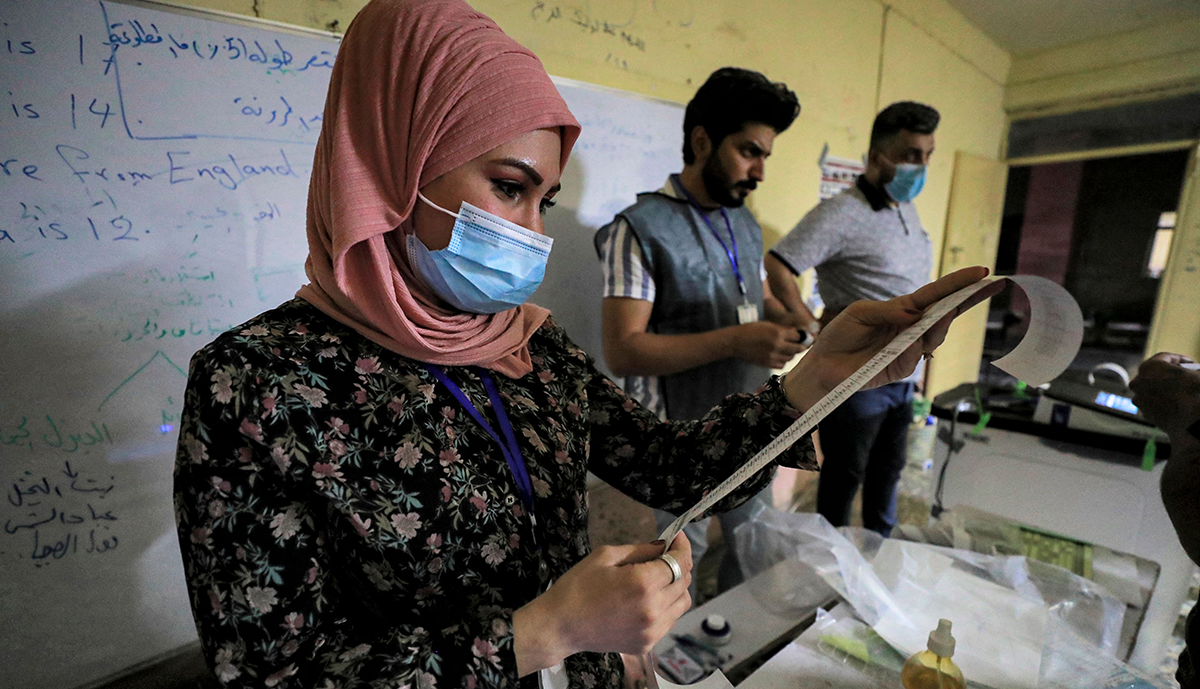
Iraq’s Oct. 10 election may be more consequential than its immediate results suggest. Some of the subtle facts and dynamics surrounding the election point to interesting trends and possibilities, more so than the headline-grabbing expansion of Muqtada al-Sadr’s power in the Iraqi legislature, or the losses suffered by candidates representing Iran-backed militias.
Expert Views: What should be the key outcomes from COP26?
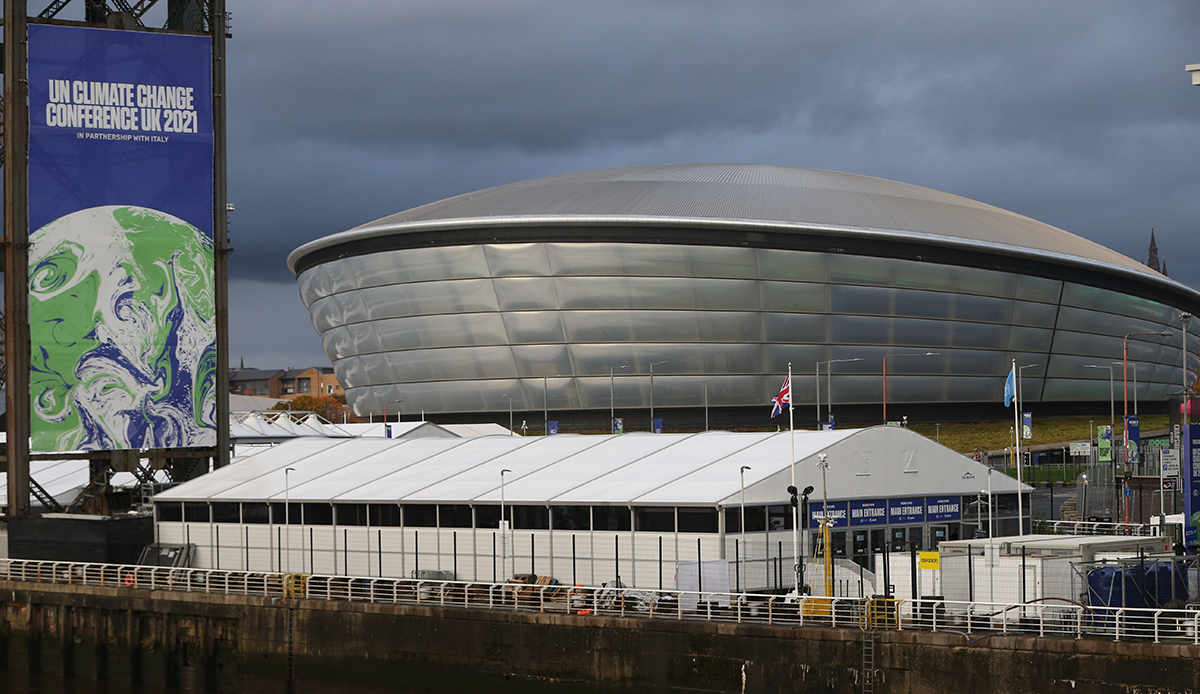
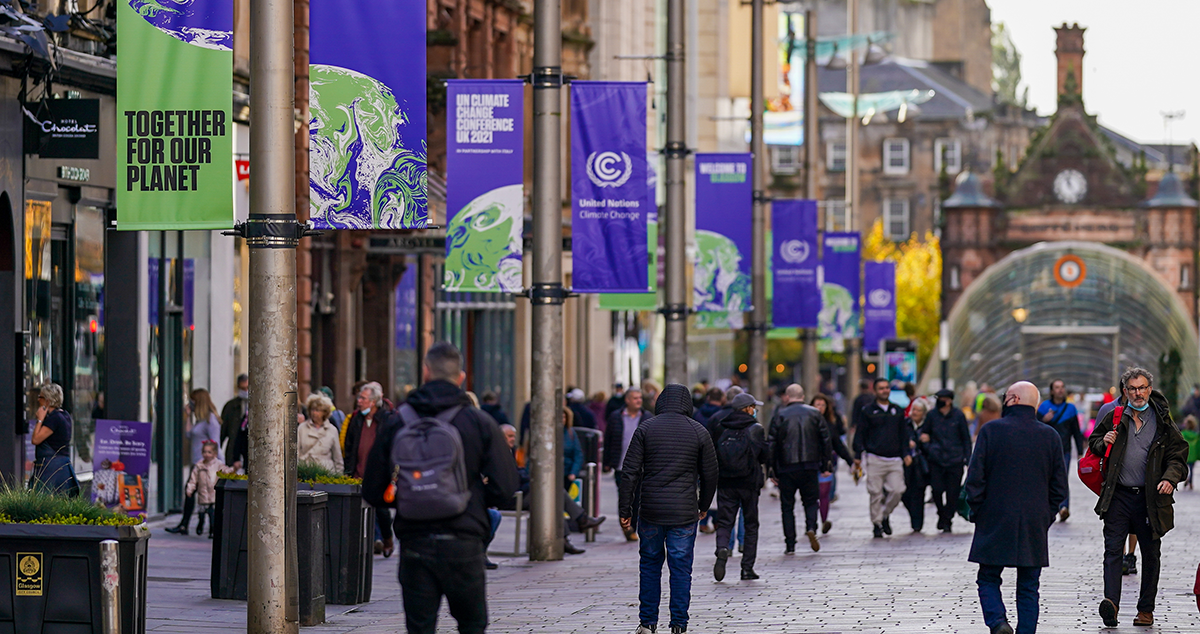
As the U.N. Climate Change Conference (COP26) kicks off in Glasgow, climate change is front and center on the global agenda. Few regions of the world have more at stake than the Middle East and North Africa, given the current environmental and sustainability challenges and potential future scenarios. Experts from across MEI weigh in with their thoughts on what should be the key outcomes from COP26.
Mohammed Alsulami and Kasra Aarabi join Banafsheh Keynoush to discuss the latest talks between long-time regional rivals Saudi Arabia and Iran. Several rounds of talks between Riyadh and Tehran been held in Baghdad since April. They are taking place amid a broader regional trend toward deconfliction and as negotiations in Vienna over the revival of the 2015 Iran nuclear deal appear to have bogged down.
A storm brews over the Black Sea: Turkey’s contradictory maritime policy
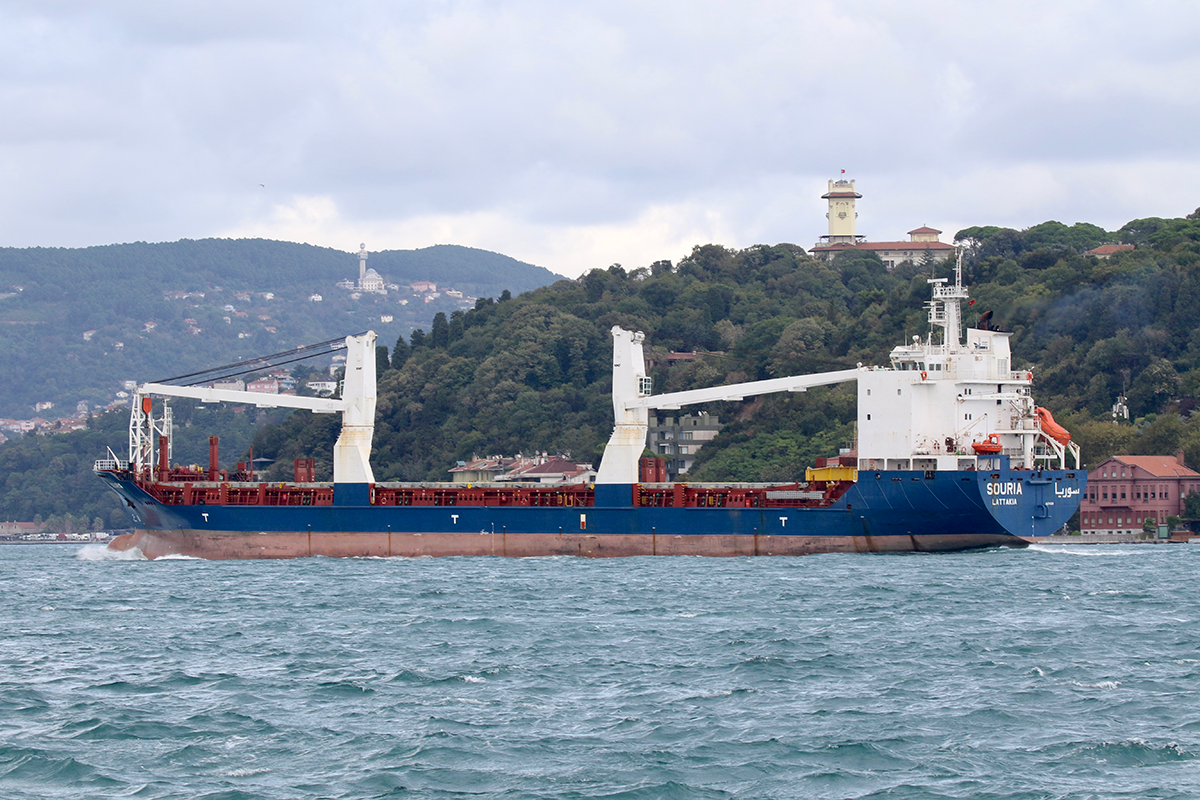
Turkey’s official policy supports the territorial integrity of Ukraine and Georgia, and it sells UAVs and ships to Ukraine. Yet, trade continues with the Russian-occupied territories of Abkhazia and Crimea. By allowing this illegal trade, Turkey undermines both its own credibility and its trading partners’ security. Shipped goods not only help connect occupied zones to Russia, but trade also brings hard currency into these zones, which are outside the international banking system.
Looking ahead to COP26: How recent developments could shape this year’s meeting
Next week, tens of thousands of world leaders, negotiators, scientists, business executives, activists, and observers from all over will gather in Glasgow, Scotland for the 26th United Nations Climate Change Conference, which will run from Oct. 31 to Nov. 12. Also known as the Conference of the Parties (COP), this distinguished body meets annually to make decisions regarding the implementation of the United Nations Framework Convention on Climate Change (UNFCCC), which aims to “prevent anthropogenic interference with the climate system.”
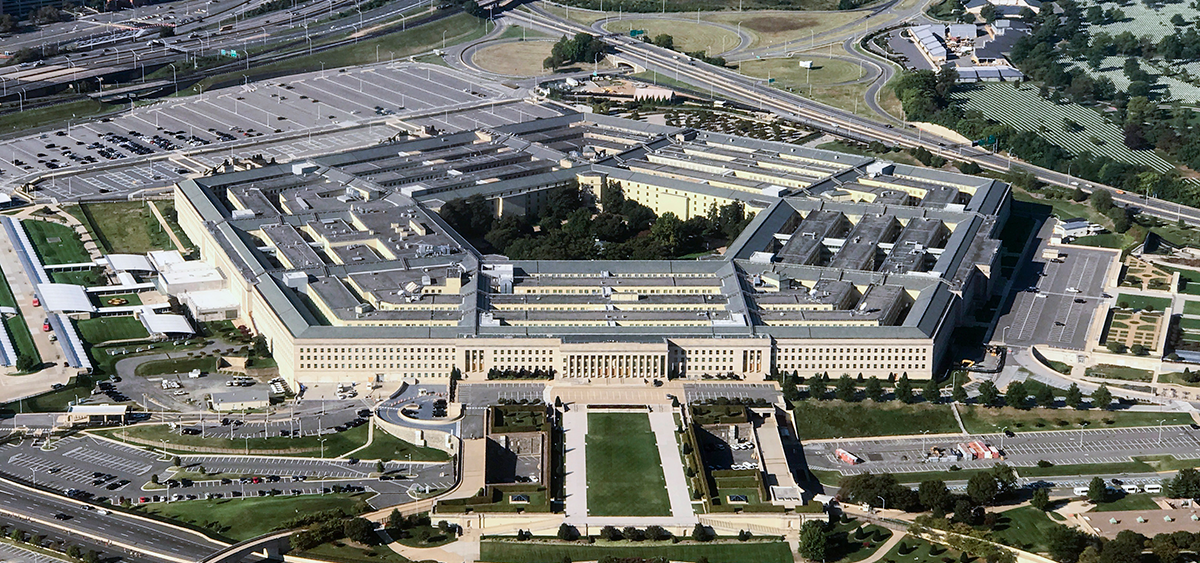
The Department of Defense’s new overarching principle, U.S. strategic competition, will likely replace great power competition in the next National Defense Strategy, set to be released in 2022. In the latest installment of the Defense Rapid Reaction series, experts from MEI’s Defense & Security Program weigh in with their thoughts on what strategic competition means for the U.S. and how it should go about implementing it in practice.
Turkey finally ratified the Paris Agreement. Why now?
Turkey, like many countries worldwide, has recently faced severe environmental events. Suffering from floods and the worst wildfires in its history in the summer of 2021, the country finally took an important step to tackle climate change, ratifying the Paris Agreement international treaty on climate change on Oct. 6, 2021.
Why Hezbollah wanted the Ministries of Finance and Public Works
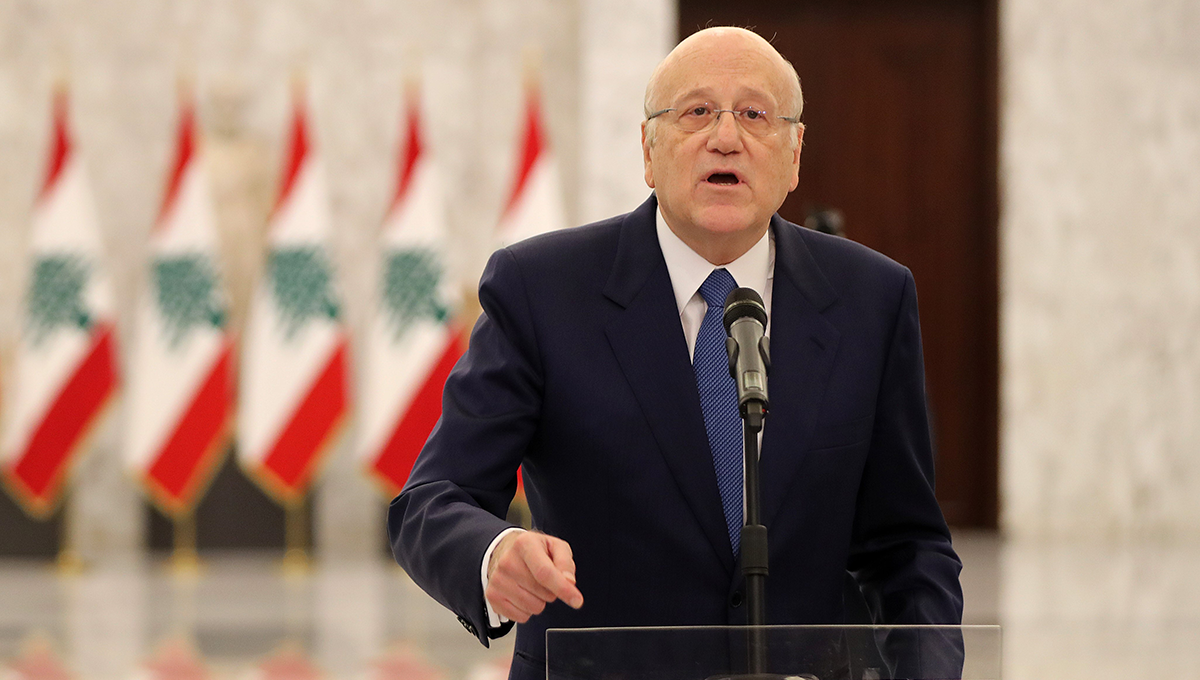
After 13 months of political gridlock, economic collapse, and civil unrest, Lebanese politicians formed a new government on Sept. 10. Three-time Prime Minister Najib Mikati heads a new cabinet, the first since the previous one resigned in the wake of Beirut’s devastating port blast in August 2020. Though the formation of a new government provides a way forward to address the myriad crises facing the country, it falls far short of the near-revolutionary changes demanded by Lebanese citizens protesting in the streets. Instead of non-partisan specialists forming a new unity government, Lebanon’s notorious sectarian elites have handpicked a government of technocrats close to them to handle the current situation, the most brazen of which are the new ministers of finance and public works.
Has Israel’s campaign between the wars reached an impasse?
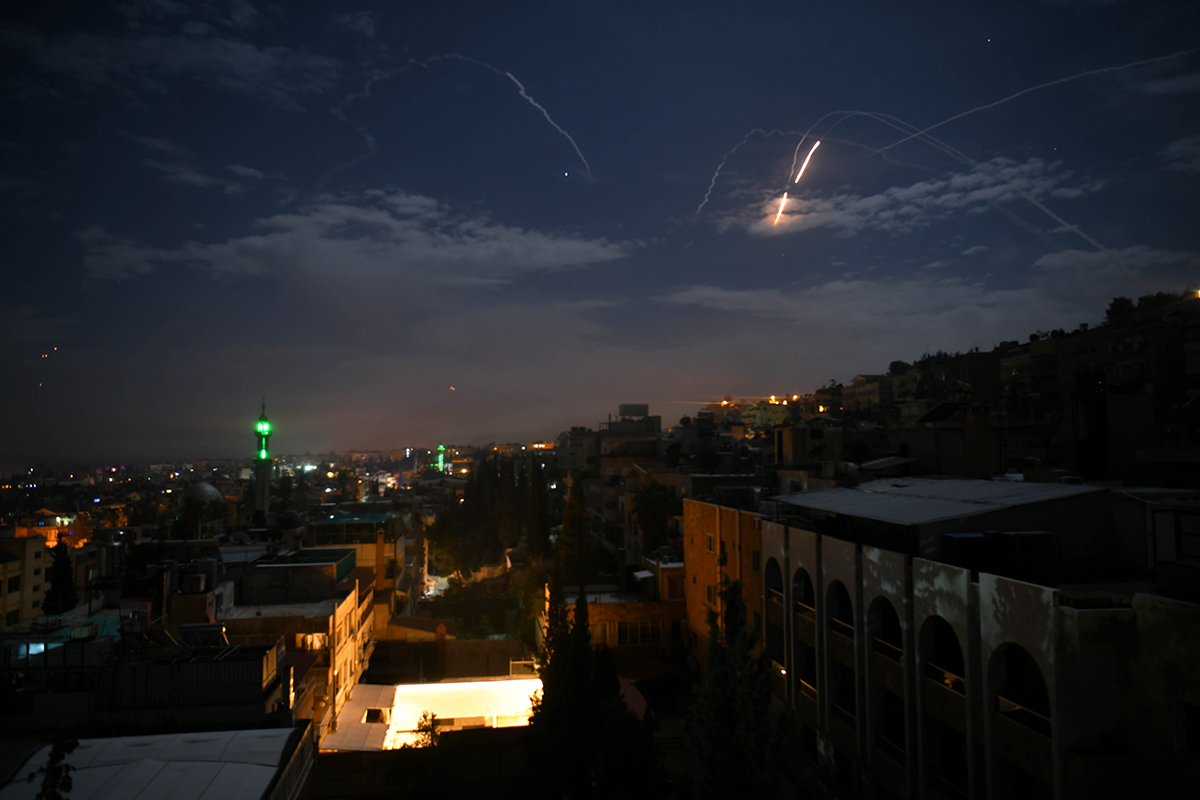
In recent years, Israel has waged a campaign against the military buildup of its enemies, mainly Iran, Syria, and Hezbollah. This ongoing effort is called “the campaign between the wars,” or the Mabam Campaign. Several events in recent weeks have given rise to questions about the effectiveness of this campaign, however, and have underscored the need to rethink its future.
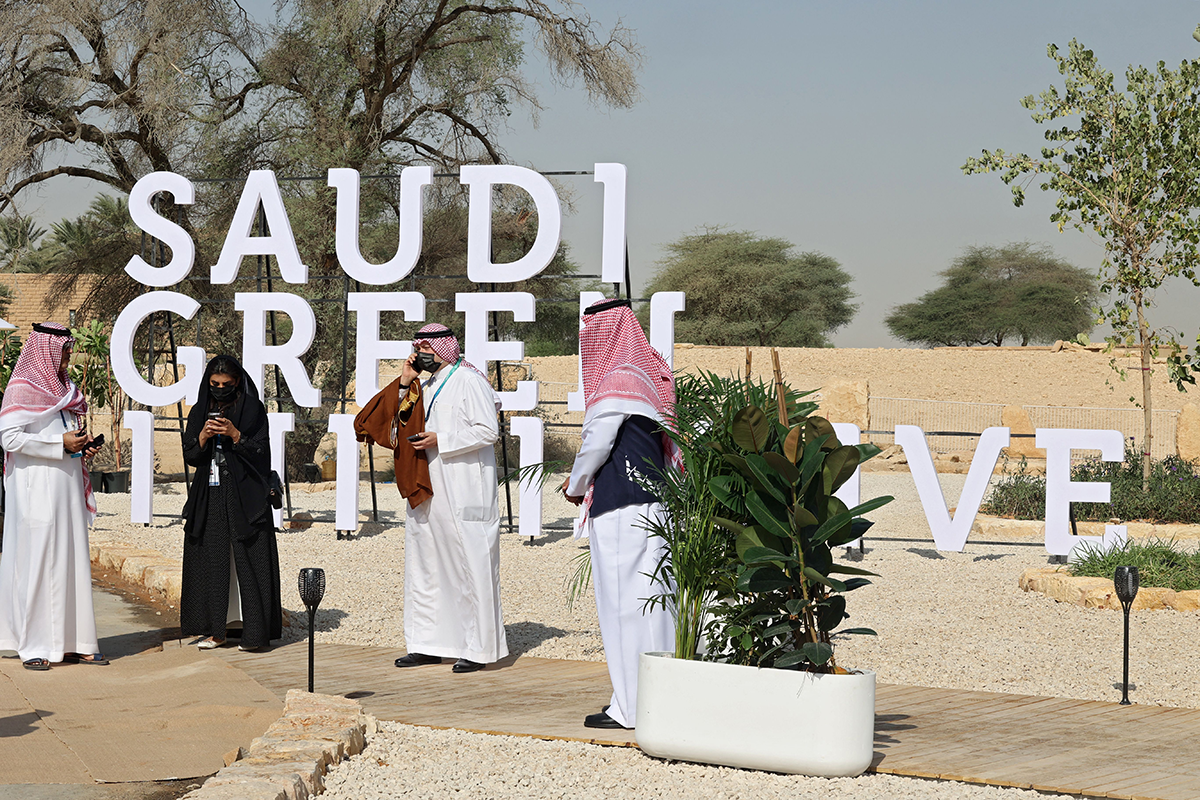
The kingdom is unlikely to achieve net zero emissions soon, but the ambition to do so, and the plan, is an impactful step in the right direction, write Jim Krane and Karen E. Young in their new piece for Al-Monitor.
أرسل الشباب العراقي رسالة حازمة في الانتخابات، وأعطت المقاعد العشرة جرعة من الأمل لحركة تشرين رغم تركيز عناوين الأخبار على المالكي والصدر. يستعرض إبراهيم الأصيل رأياً لحفصة حلاوة حول الانتخابات العراقية ونتائجها. — Ibrahim Al-Assil Hafsa Halawa
حلقة 54: إعصار شاهين والتغير المناخي — مع محمد محمود
يستضيف إبراهيم الأصيل في هذه الحلقة محمد محمود مدير برنامج التغير المناخي في معهد الشرق الأوسط لمناقشة إعصار شاهين الذي ضرب سلطنة عمان، والوقوف على أسبابه وآثاره وما يمكن أن نتوقعه في المستقبل من آثار التغير المناخي على المنطقة. — Ibrahim Al-Assil
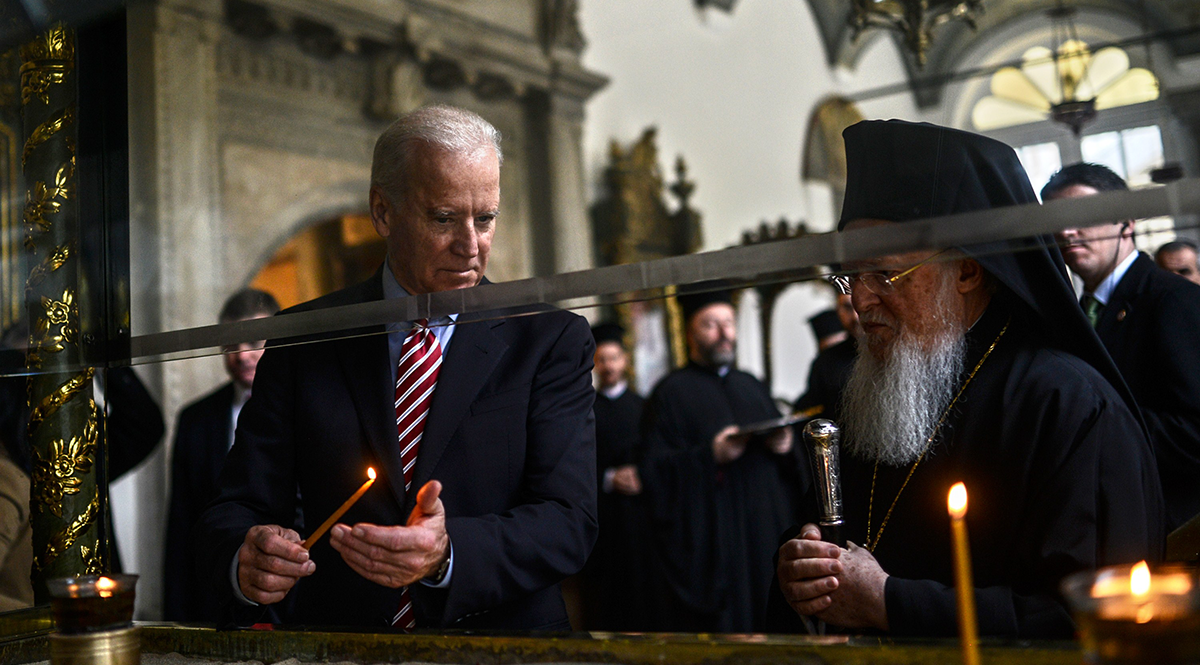
لقاء بايدن في البيت الأبيض مع البطريرك المسكوني يوفر فرصة فريدة
سيزور برثلماوس الأول، البطريرك المسكوني للقسطنطينية والزعيم الروحي لما يقرب من 300 مليون مسيحي أرثوذكسي على مستوى العالم، الولايات المتحدة بين 23 أكتوبر/تشرين الأول و3 نوفمبر/تشرين الثاني. وسيعلن بدء الاحتفال بالذكرى المئوية لتأسيس أبرشية الروم الأرثوذكس بأمريكا في زيارته الأولى للولايات المتحدة الأمريكية منذ 12 عامًا. ستكون المحطة الأولى للبطريرك المسكوني هي واشنطن العاصمة، حيث من المقرر أن يلتقي بالرئيس جو بايدن في البيت الأبيض.
The oldest peer-reviewed publication dedicated to the study of the modern Middle East, MEI’s flagship journal covers politics, society, and culture in the region.