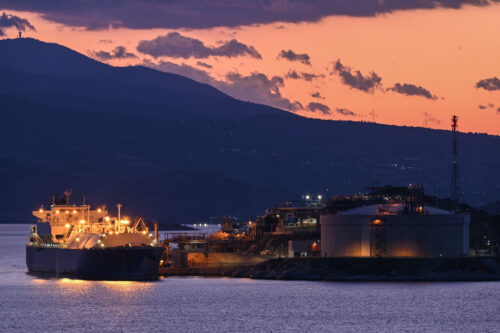
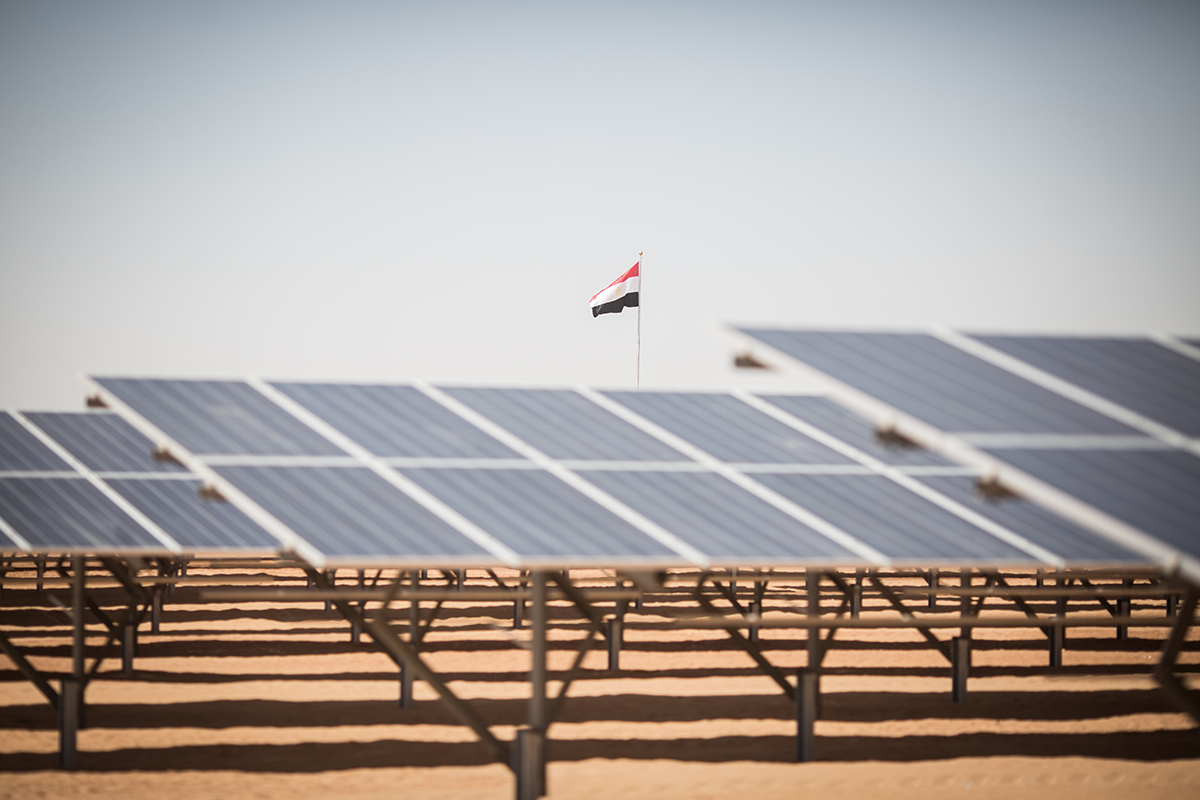
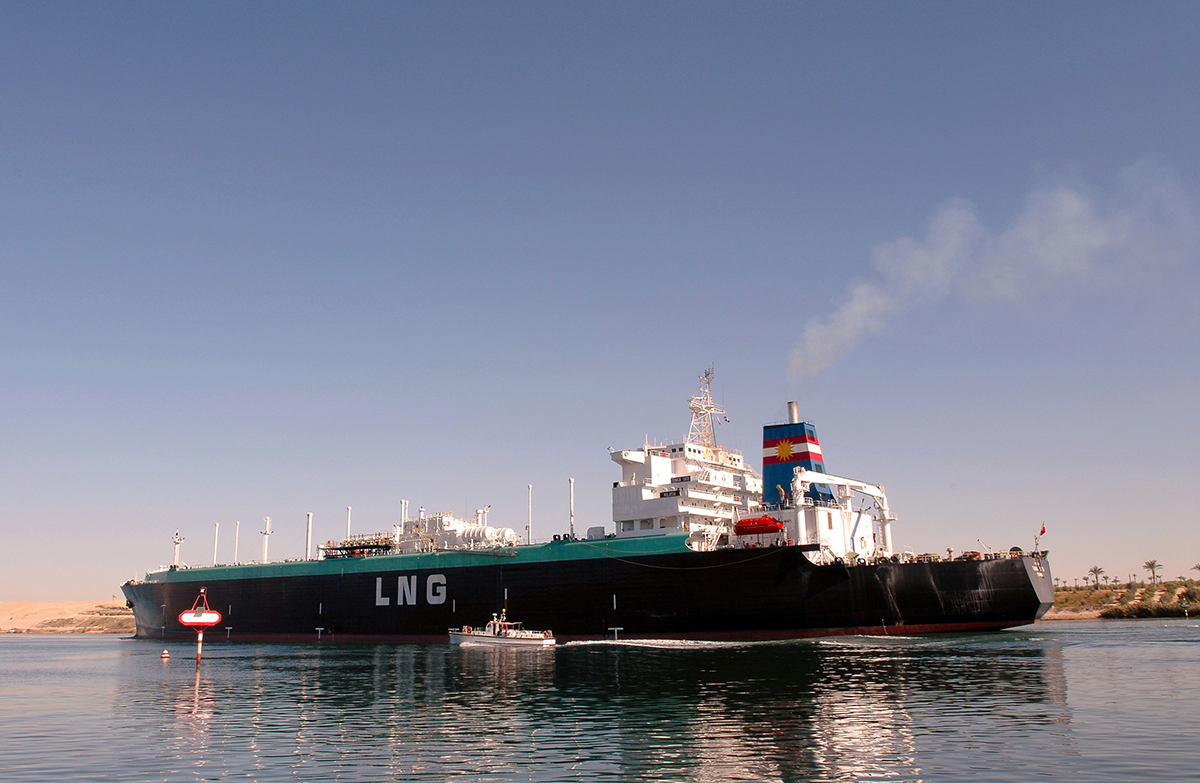
In less than two decades, a string of offshore discoveries has turned the Eastern Mediterranean into a significant gas-producing region, making Israel an exporter, twice lifting Egypt into the ranks of liquefied natural gas (LNG) exporters, and giving Cyprus finds it has yet to bring to market. This backgrounder explores the potential and challenges of exploiting and managing LNG resources in the region.
Deadlock in Gaza and the West Bank at a Breaking Point
A year after world leaders gathered in Sharm el-Sheikh to mark the end of the war in Gaza, Israel controls about 70% of the Strip, Hamas retains its arms, and reconstruction has yet to begin. Meanwhile, in the West Bank, record settler violence and settlement expansion are colliding with a Palestinian Authority on the brink of fiscal collapse. Hosts Alistair Taylor and Matthew Czekaj are joined by MEI Associate Fellow Tahani Mustafa to discuss why the Gaza peace plan is deadlocked, an increasingly emboldened Israel in the West Bank, Mahmoud Abbas’s postponement of Palestinian elections, the Palestinian Authority’s deepening economic crisis, and what role the US could play.
MINURSO’s Future: What the Security Council’s Choice May Reveal
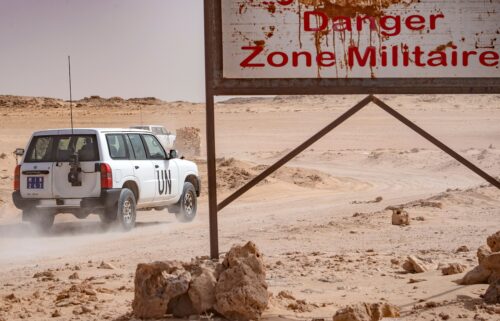
As the United Nations Security Council (UNSC) approaches the October 31 renewal deadline of the UN Monitoring Mission in Western Sahara (MINURSO), the mission’s longer-term future remains uncertain. Another largely unchanged renewal remains a likely immediate outcome. But beyond that holding pattern, three possible scenarios are also on the table.
Since 1967, Israeli settlements in the West Bank have been a contested feature of the Israeli-Palestinian conflict. The ultimate disposition of the settlements and ongoing activity related to their growth have repeatedly defied agreement in negotiations over a resolution to the conflict.
The Houthis are a political-military faction and Zaydi religious movement founded in northwestern Yemen in the 1980s. A key member of Iran’s Axis of Resistance with links to other militant organizations in the Arabian Peninsula and the Horn of Africa, the group has continued to pose a threat to Western interests on a global scale.
The India-Middle East-Europe Economic Corridor (IMEC) is a proposed multinational infrastructure initiative aimed at upgrading connectivity between the three regions through integrated trade, energy, and digital networks. Announced at the G20 summit in New Delhi in September 2023, IMEC is envisioned partially as a counterweight to China’s international infrastructure project, the Belt and Road Initiative.
After a decade of post-Arab Spring isolation, Turkey’s leaders have recognized that their ambition to position the country as an agenda-setter on the world stage requires active engagement in all directions. President Recep Tayyip Erdoğan’s consolidation of executive authority has centralized foreign policy decision-making and tied it to his domestic political priorities, transforming the country’s revisionist approach to one shaped primarily by personal and pragmatic interests.
MEI Senior Fellow Brian Katulis engages friends, colleagues, and policy experts in casual conversations on the most important happenings in the Middle East.
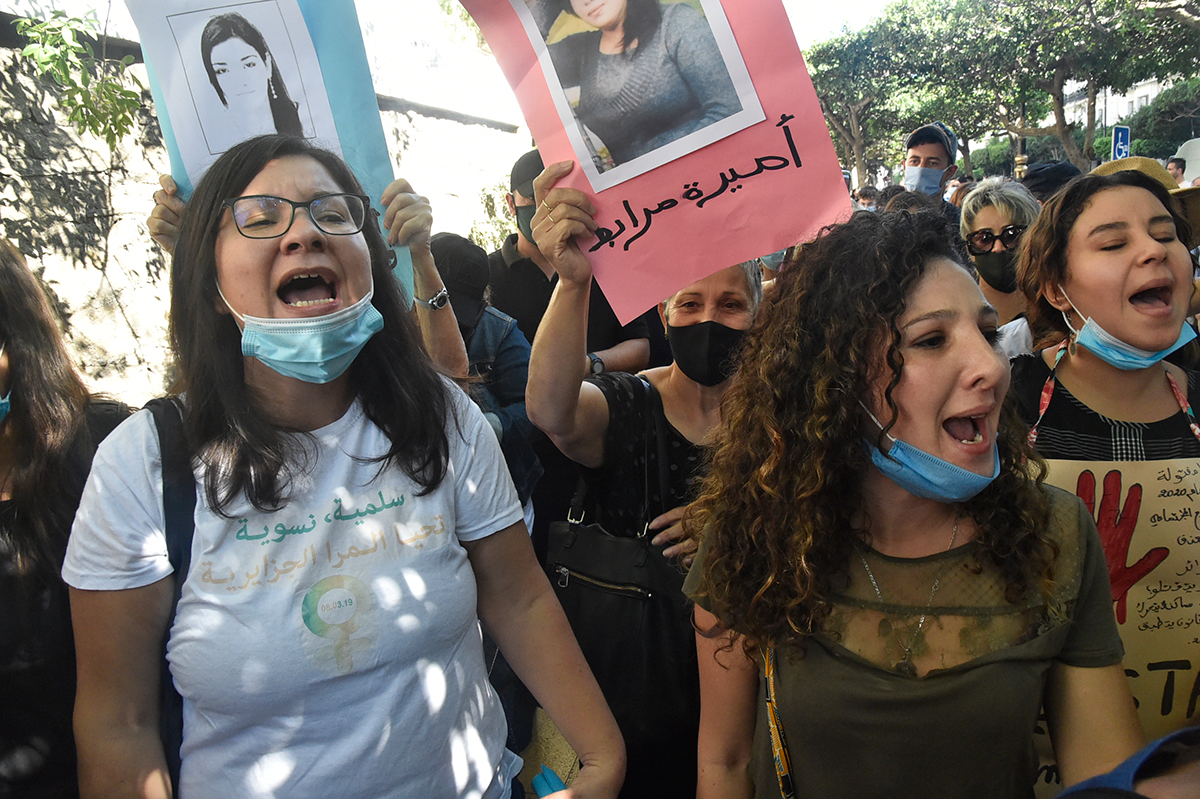
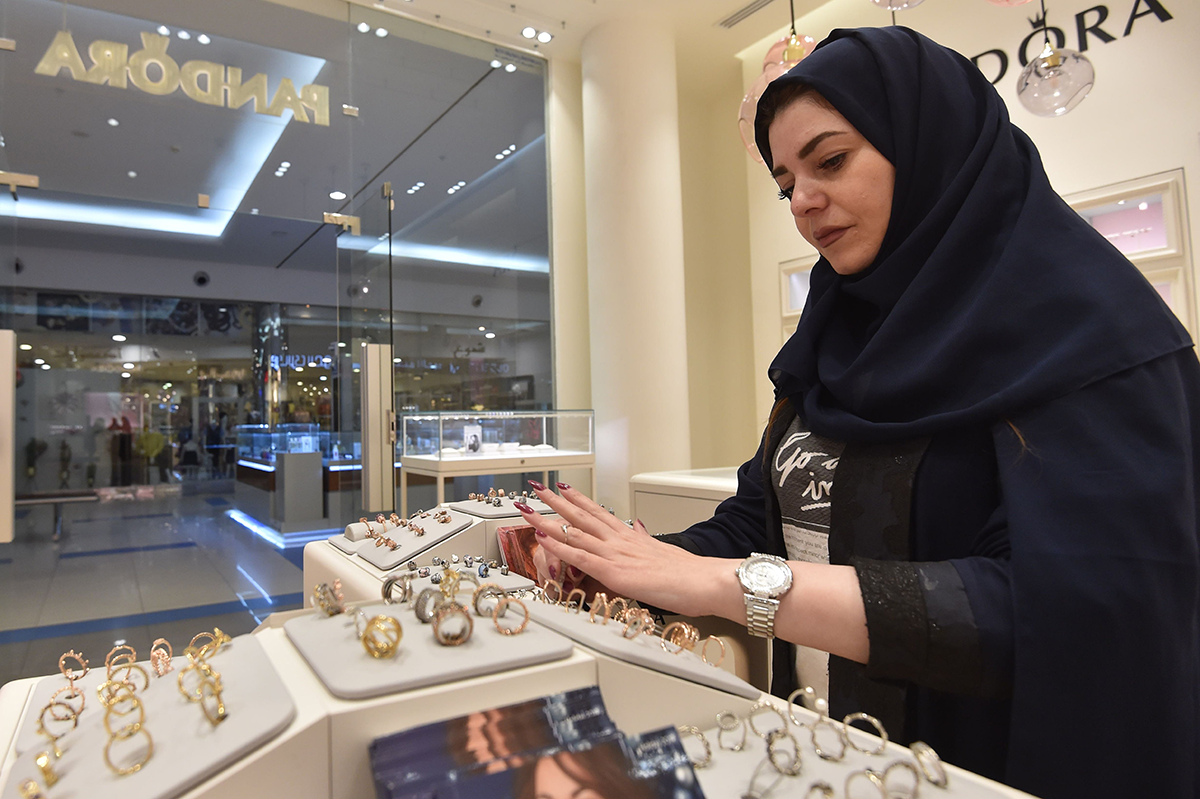
The Arab region’s diverse collection of 22 countries has one thing in common: Women continue to experience a backlash against their own long-overdue rights and fundamental freedoms. A combination of patriarchal structures, prolonged insecurities, and protracted crises means that this region ranks the lowest in the world in terms of women’s rights, with a gender gap that needs 153 years to close. No Arab country is even among the top 100 on this list.
The Primacy of the G Word: Governance, Not Only Growth
No one should deny the primacy of security concerns in the Middle East given the number of conflicts, of displaced people and refugees, and of implicated regional and international powers. What should inform future strategies and action plans, however, is the equal importance of maximization of well-being, liberty, and dignity for all.
The last year and a half has been tough on the world. The COVID-19 pandemic affected all aspects of life. We have done what we can to keep the disease at bay, and respected each other by following hygiene and physical distancing rules. Yet for much of the world’s poor — including the 82.4 million displaced people globally — the lockdowns were catastrophic, plunging millions into poverty, risking eviction and forced into overcrowded shelters. If you are living hand-to-mouth, only able to buy food and pay rent based on what you have earned that day, staying at home is impossible. And for refugees and other forcibly displaced persons fleeing persecution and conflict, keeping safe at home is not even an option.
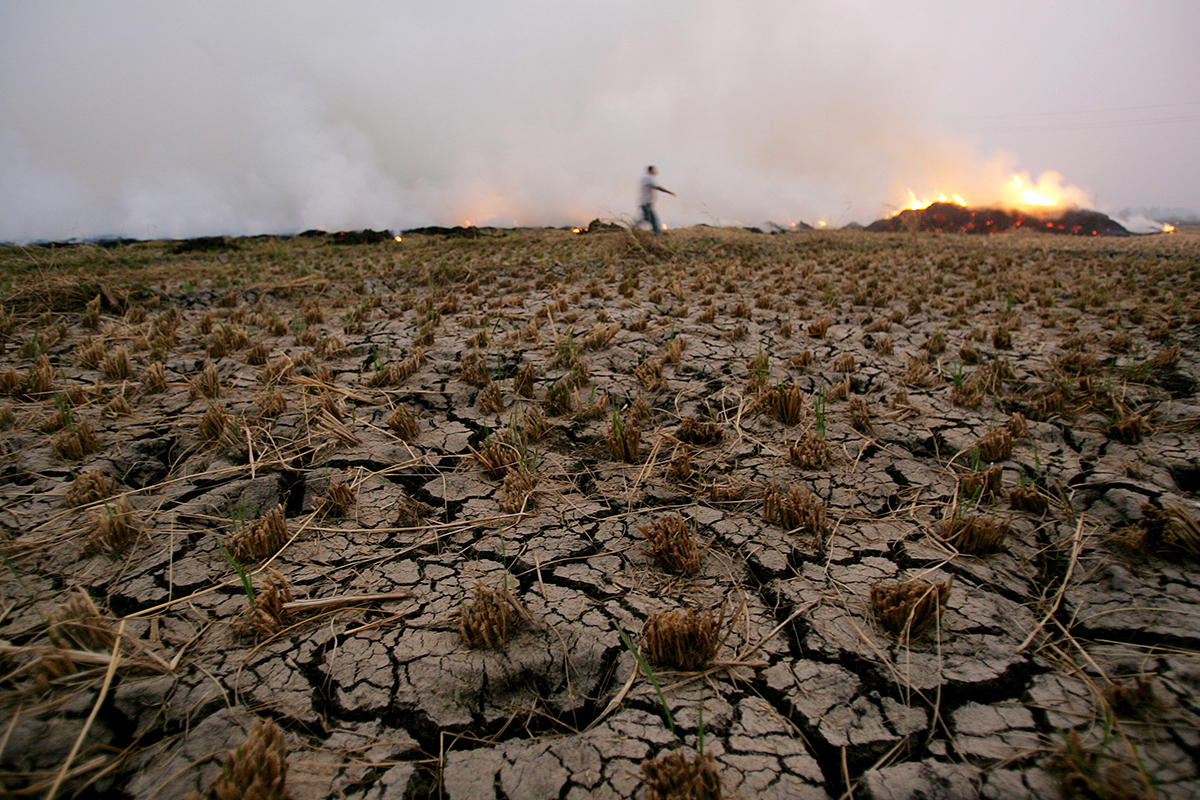
Projecting the Middle East into the future, climate change tops the challenges facing the region. With rising temperatures, higher sea levels, desertification, and the increasing frequency of extreme weather events, climate impacts are widely felt in everyday lives. To be sure, conditions vary given geographic diversity, but while heat stresses may be more extreme in the Arab Gulf, food and water security undermine long-term livability throughout the Middle East.
The most immediate threat posed by climate change to the Middle East, one that will be in the forefront of climate adaptation efforts within the next five years, is extreme heat. Average global temperatures have been projected to increase up to 1.5°C by 2030.
A Window of Opportunity to Avoid Devastating Climate Outcomes in MENA
The latest study released by the Intergovernmental Panel on Climate Change — a body of scientists assembled by the United Nations — delivered a sobering message: The devastating impacts of climate change are now unavoidable.
The Middle East is at the center of our global energy transition and we can expect the next five to ten years to be a period of difficult transformation, but also unique opportunity for oil and gas producers.
Building Forward Better in the Middle East and North Africa: A Medium-Term Perspective
The strong and coordinated policy actions to save lives and support the recovery in Middle East and North Africa (MENA) region will hopefully put the health crisis behind us in a few years. Meanwhile, this crisis has posed major challenges to the region’s economies that have embarked on a long and divergent path to recovery and highlighted the limitations of the current growth model. But it also provides a rare opportunity in the quest to move to a new development model to enhance growth and accelerate the transition toward a more sustainable and inclusive path.
America’s reputation and local actors in a trust vacuum
The rapid collapse of the U.S.-supported Afghan government after the withdrawal of U.S. troops raised a number of questions about America’s credibility and reputation in the eyes of its allies, especially those who had participated in and contributed to the 20-year war. Analysts and commentators have focused on how NATO member states or the European Union now perceive the U.S., but it is also important to consider the perspective of non-state groups or individuals who served or could serve as local partners for the U.S. government and military.
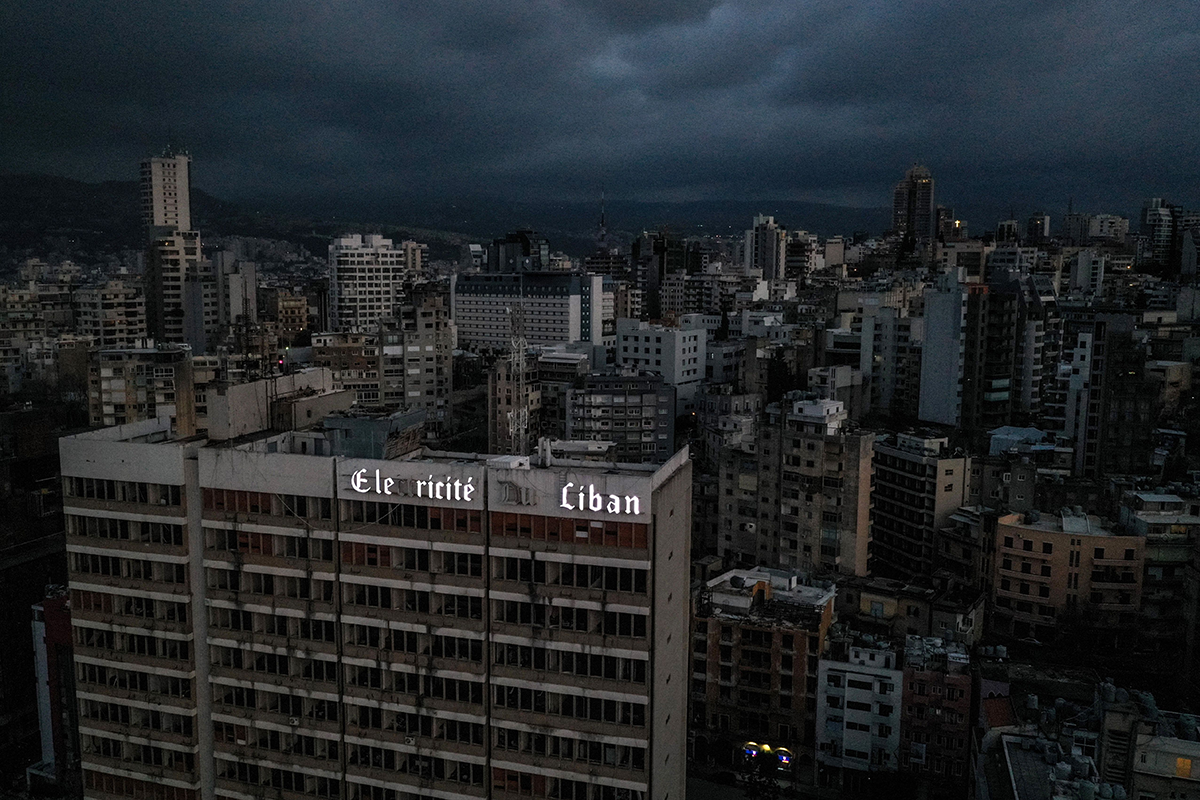
Not unlike during the lost decade of the 1980s, all Arab states are, to various degrees, in some form of deep crisis: weakened by fiscal deficits, losing their capacity to deliver services, unable to tax fragile economies, and facing the threat of social unrest. COVID-19 has revealed most of these weaknesses further.
The Political Economy of Reform in Post-COVID MENA
Everybody wants development, nobody wants to change. This adage, variants of which have been attributed to many authors, is certainly true for the Middle East and North Africa (MENA).
Although foresight on the Middle East and North Africa (MENA) is having a heyday today, this was far from always the case. A survey shows that in the early 2000s, a mere 14 foresight studies on the region came out — more than half of which were undertaken in the United States, and a quarter in Europe.
The world is changing and priorities are changing with it. The 2020 global pandemic has reshaped our evaluation of risks and rewards. The capacity of governments to manage crises and safeguard the well-being of populations has become the new metric by which citizens measure their success. The potential for global phenomena outside the management capacity of any governing institution to produce political and economic upheaval has become a reality.
The Future of Regional and International Dynamics in the Middle East
Amid the troubling imagery of a Taliban victory in Afghanistan, teetering governments in Lebanon and Iraq, and ongoing civil wars in Syria, Yemen, and Libya, it is hard to defend the view that the future of the Middle East will be better than the present. Pessimism about the region’s future has become accepted as a truism among those of us who observe and analyze this troubled part of the world. But pessimistic projections that the region will remain mired in its current state of turmoil cloud our ability to properly analyze the future as much as, or even more than, naïve and gratuitous optimism.
The oldest peer-reviewed publication dedicated to the study of the modern Middle East, MEI’s flagship journal covers politics, society, and culture in the region.