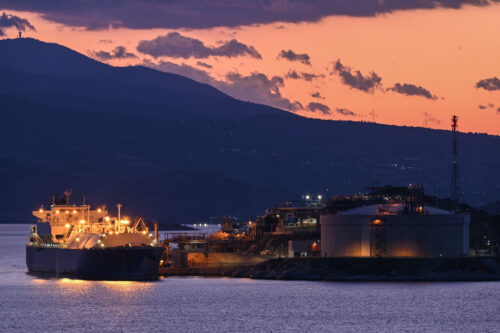
In less than two decades, a string of offshore discoveries has turned the Eastern Mediterranean into a significant gas-producing region, making Israel an exporter, twice lifting Egypt into the ranks of liquefied natural gas (LNG) exporters, and giving Cyprus finds it has yet to bring to market. This backgrounder explores the potential and challenges of exploiting and managing LNG resources in the region.
Deadlock in Gaza and the West Bank at a Breaking Point
A year after world leaders gathered in Sharm el-Sheikh to mark the end of the war in Gaza, Israel controls about 70% of the Strip, Hamas retains its arms, and reconstruction has yet to begin. Meanwhile, in the West Bank, record settler violence and settlement expansion are colliding with a Palestinian Authority on the brink of fiscal collapse. Hosts Alistair Taylor and Matthew Czekaj are joined by MEI Associate Fellow Tahani Mustafa to discuss why the Gaza peace plan is deadlocked, an increasingly emboldened Israel in the West Bank, Mahmoud Abbas’s postponement of Palestinian elections, the Palestinian Authority’s deepening economic crisis, and what role the US could play.
MINURSO’s Future: What the Security Council’s Choice May Reveal
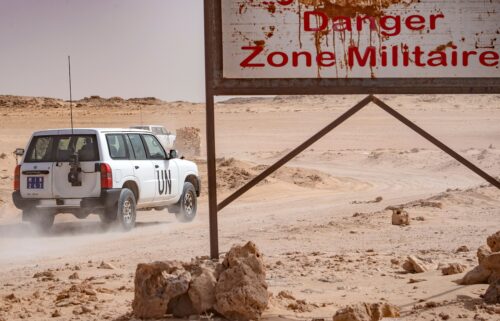
As the United Nations Security Council (UNSC) approaches the October 31 renewal deadline of the UN Monitoring Mission in Western Sahara (MINURSO), the mission’s longer-term future remains uncertain. Another largely unchanged renewal remains a likely immediate outcome. But beyond that holding pattern, three possible scenarios are also on the table.
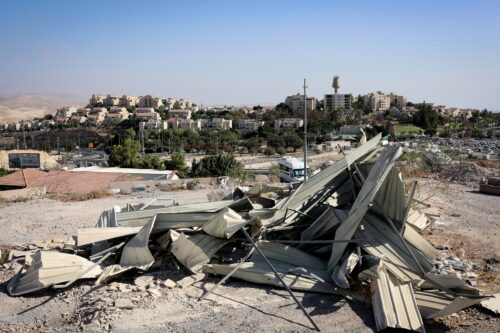
Since 1967, Israeli settlements in the West Bank have been a contested feature of the Israeli-Palestinian conflict. The ultimate disposition of the settlements and ongoing activity related to their growth have repeatedly defied agreement in negotiations over a resolution to the conflict.
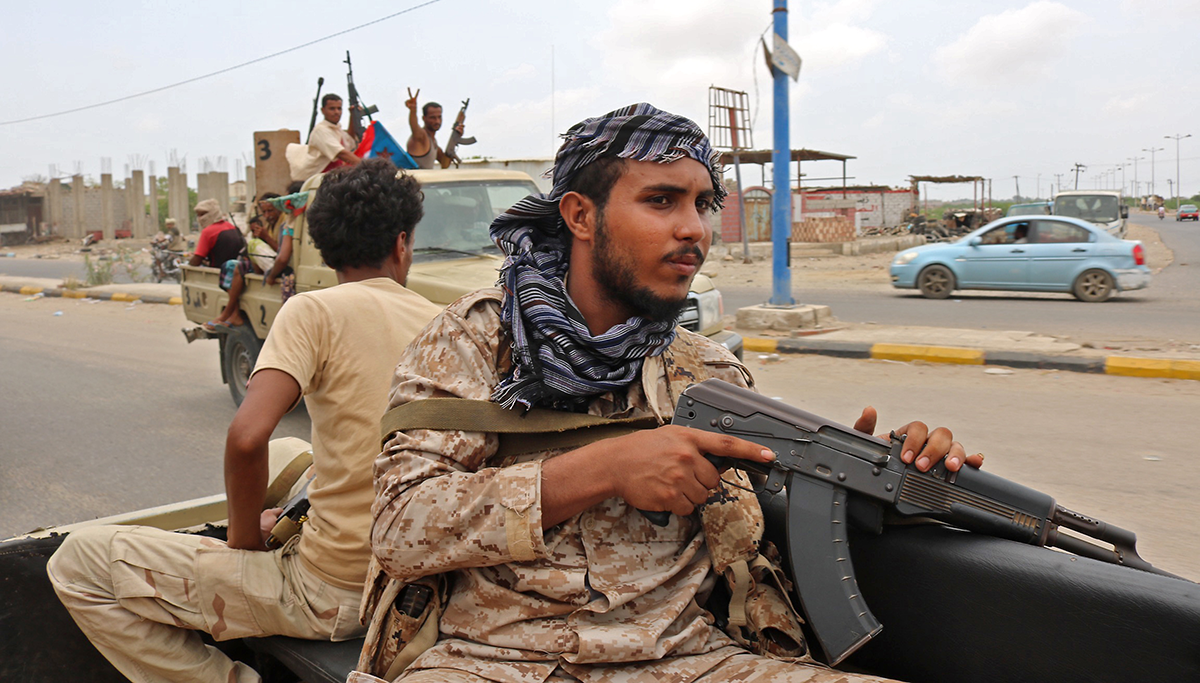
The Houthis are a political-military faction and Zaydi religious movement founded in northwestern Yemen in the 1980s. A key member of Iran’s Axis of Resistance with links to other militant organizations in the Arabian Peninsula and the Horn of Africa, the group has continued to pose a threat to Western interests on a global scale.
The India-Middle East-Europe Economic Corridor (IMEC) is a proposed multinational infrastructure initiative aimed at upgrading connectivity between the three regions through integrated trade, energy, and digital networks. Announced at the G20 summit in New Delhi in September 2023, IMEC is envisioned partially as a counterweight to China’s international infrastructure project, the Belt and Road Initiative.
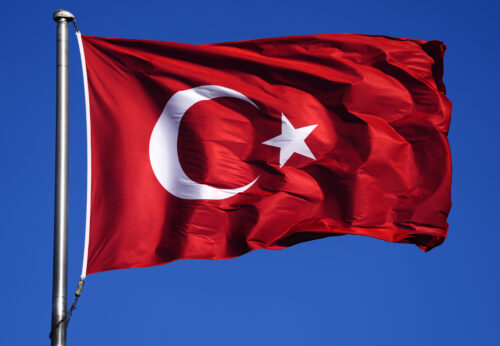
After a decade of post-Arab Spring isolation, Turkey’s leaders have recognized that their ambition to position the country as an agenda-setter on the world stage requires active engagement in all directions. President Recep Tayyip Erdoğan’s consolidation of executive authority has centralized foreign policy decision-making and tied it to his domestic political priorities, transforming the country’s revisionist approach to one shaped primarily by personal and pragmatic interests.
MEI Senior Fellow Brian Katulis engages friends, colleagues, and policy experts in casual conversations on the most important happenings in the Middle East.
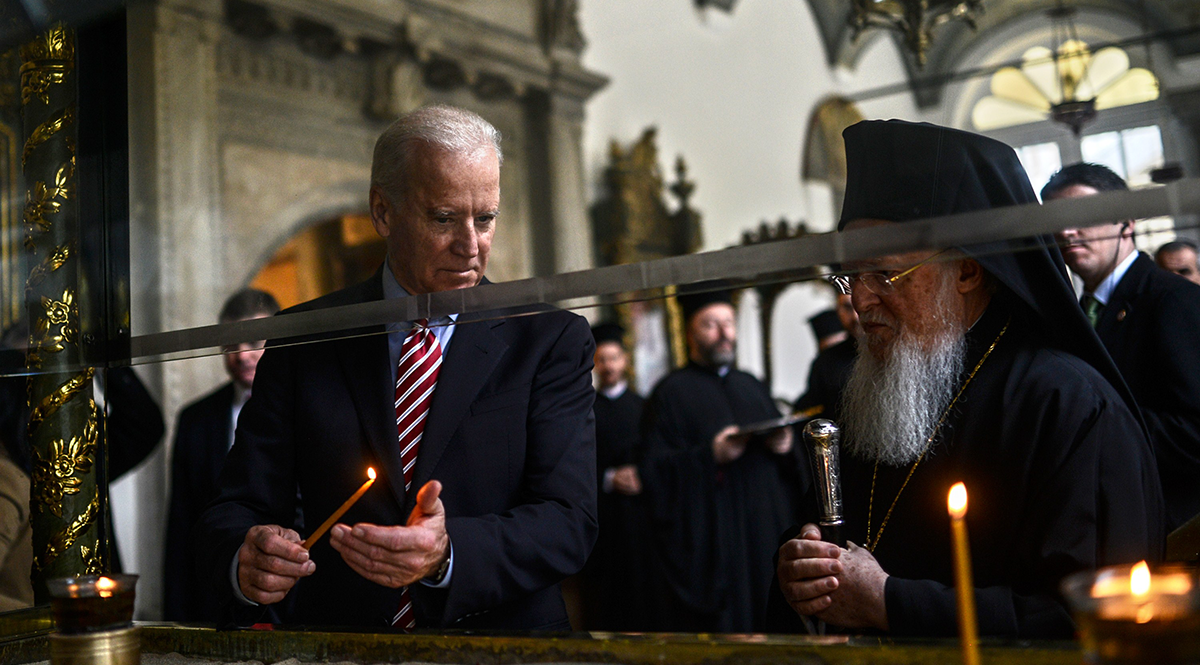
Biden’s White House meeting with the Ecumenical Patriarch offers a unique opportunity
Bartholomew I, the Ecumenical Patriarch of Constantinople and spiritual leader of nearly 300 million Orthodox Christians globally, will visit the United States between Oct. 23 and Nov. 3. He will inaugurate the centennial celebration of the founding of the Greek-Orthodox Archdiocese of America in his first U.S. visit in 12 years. The Ecumenical Patriarch’s first stop will be Washington, DC, where he is due to meet with President Joe Biden at the White House. This in-person meeting provides the Biden administration a unique opportunity not only to raise human rights and religious freedom issues in Turkey but also to push back against Russian attempts to undermine the Ecumenical Patriarchate, which the Kremlin sees as a threat and targets with disinformation campaigns.
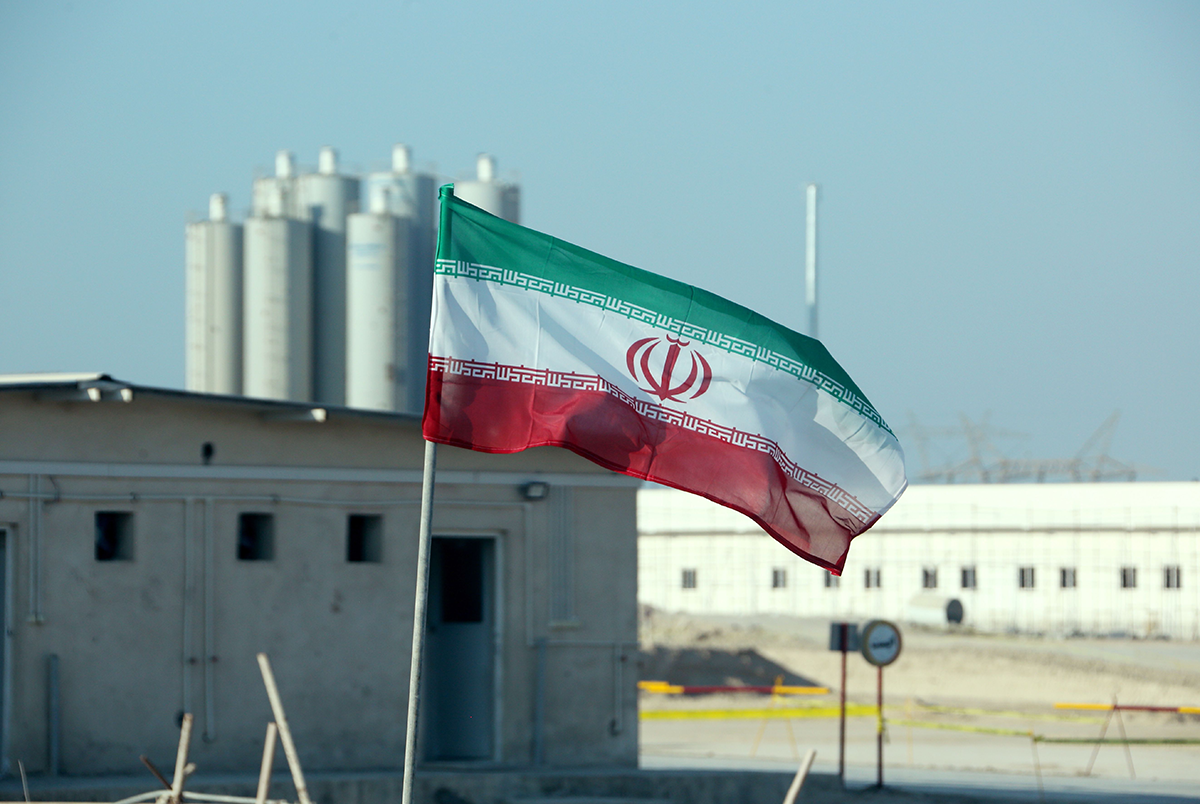
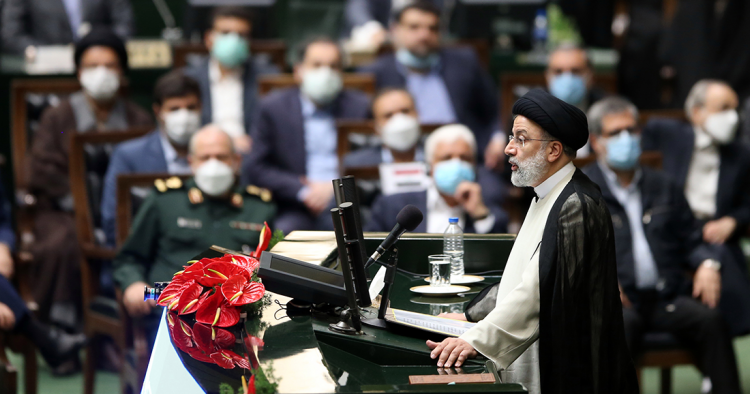
The government of President Ebrahim Raisi has been in place since early August and yet Tehran is still unsure about when and how it should resume the nuclear talks with world powers in Vienna.
What do hardliner women make of Iran’s new government?
Women in higher positions within the Iranian state who are loyal to the system of the Islamic Republic and Supreme Leader Ayatollah Ali Khamenei’s leadership are dissatisfied with the new government under President Ebrahim Raisi, and especially with its composition. They had expressed their hopes that with women accounting for half of Iran’s population, they could be responsible for at least one of the ministries in the cabinet. Instead, Raisi’s government, approved by parliament at the end of August, is made up of conservatives and includes not a single woman. What impact is that likely to have on support among women who back the system? Will these women fight for greater political participation within the government or become disillusioned with it? And what consequences might that have for the Iranian state in the longer run?
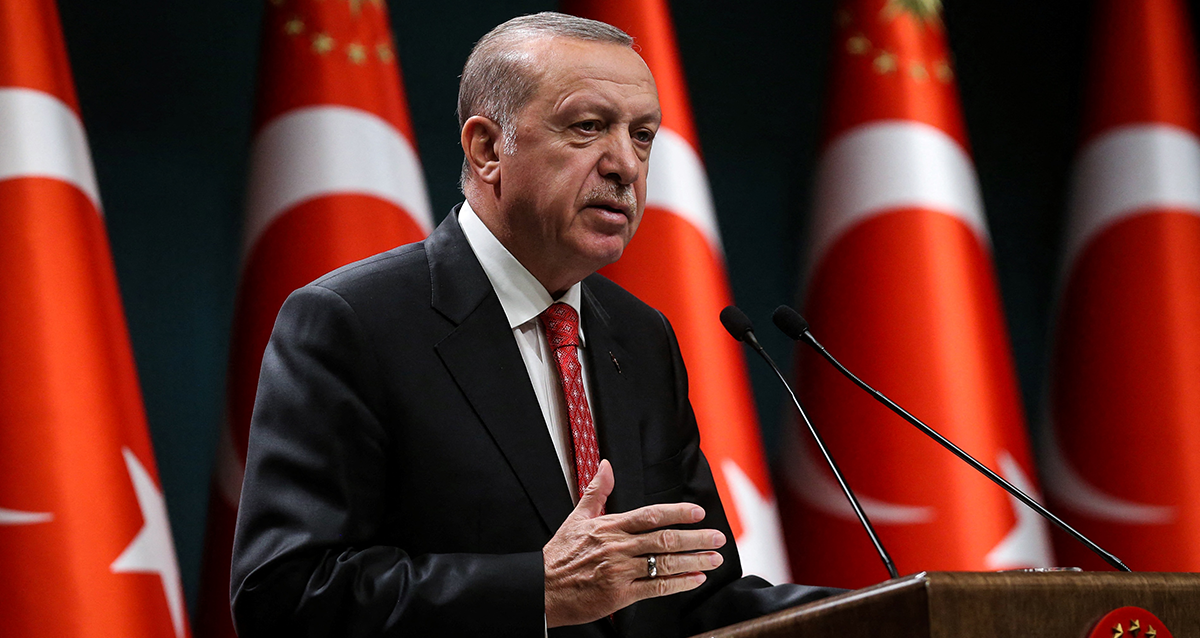
The perils of personalizing power: Erdoğan’s one-man rule has made him increasingly vulnerable
Turkish President Recep Tayyip Erdoğan long believed that establishing one-man rule would end all his headaches. Instead, the system he created has only caused him more trouble. So great is Erdoğan’s remorse that he is now said to be thinking of amending the executive presidency to strengthen the role of parliament.
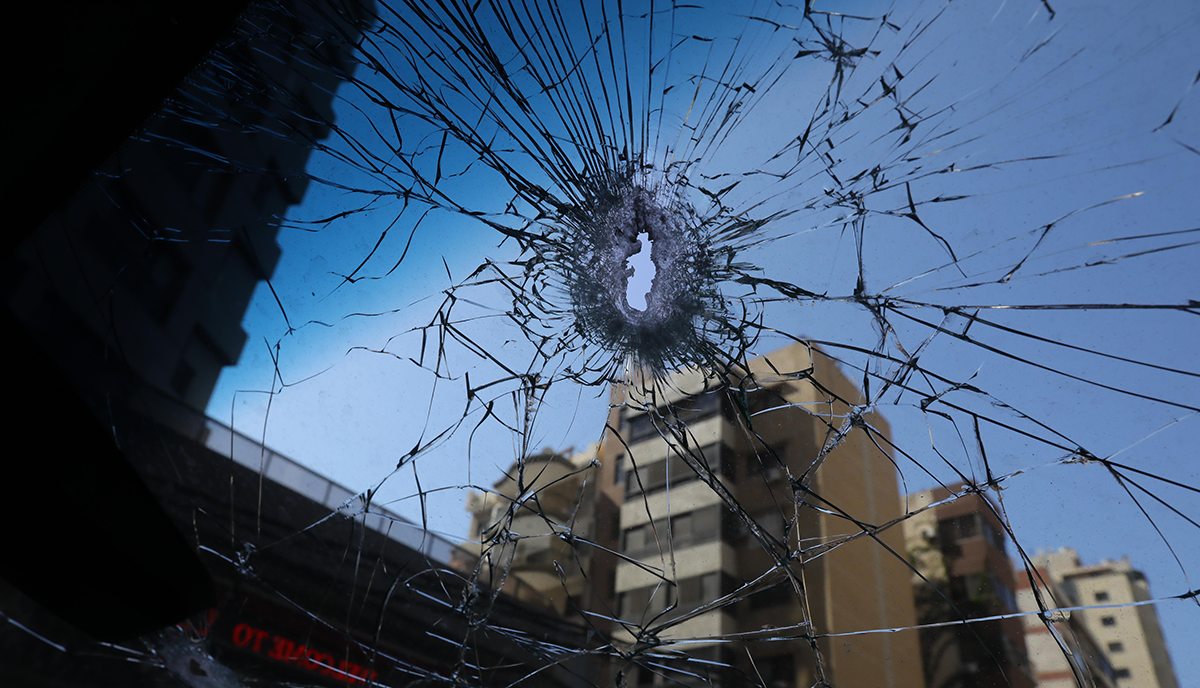
Memories of the Lebanese civil war resurfaced this week as images appeared of children hiding in hallways and behind cars while deadly sectarian clashes unfolded outside their schools in Beirut’s Tayouneh neighborhood. Protests organized by Hezbollah and the Amal Movement to demand the removal of the judge investigating the August 2020 Beirut port blast quickly went south when as yet unidentified snipers opened fire on the crowds, eventually killing seven and wounding dozens. The “peaceful” protesters seemingly retaliated with gunfire and rocket-propelled grenades. The two sides turned Tayouneh and its surrounding areas into a war zone, terrorizing citizens and destroying property at a time of unprecedented socio-economic hardship.
أرسل الشباب العراقي رسالة حازمة في الانتخابات، وأعطت المقاعد العشرة جرعة من الأمل لحركة تشرين رغم تركيز عناوين الأخبار على المالكي والصدر. يستعرض إبراهيم الأصيل رأياً لحفصة حلاوة حول الانتخابات العراقية ونتائجها.
توقّفت شبكة الكهرباء اللبنانية عن العمل نهاية الأسبوع الماضي مع نفاذ الوقود في محطتي الطاقة الرئيسيتين في البلاد. توفر هاتان المحطتان، الزهراني ودير عمار، 45٪ من كهرباء لبنان من مؤسسة كهرباء لبنان المملوكة للدولة. التوقُّف هو الأحدث في سلسلة من الانقطاعات المتزايدة للشبكة واستخدام الحكومة للضغط العام لتقديم مزيد من المدفوعات المُسبَقة أو السُلف للمرفق المفلس ليتمكن من دفع ثمن واردات الوقود، وبالتالي الإبقاء على الوضع الراهن المستمر منذ 30 عامًا.
Century-old grievances continue to fester in Yemen’s Tihama region
Grievances have been piling up unaddressed in Tihama, Yemen’s Red Sea coastal plain, for almost a hundred years. Since the revolt of al-Zaraniq against Imam Yahya Hameed al-Din of the Mutawakkilite Kingdom (then North Yemen) in 1925-26, consecutive Imams and the republican elite have pursued policies that have systematically marginalized the Tihamis. They have been deprived of a fair share of their region’s wealth, as well as opportunities for equitable power-sharing and economic empowerment.
Iran’s new conservative government under President Ebrahim Raisi has based its approach to the nuclear talks for the revival of the 2015 JCPOA on three key documents that lay out clear directives.
Cost of Conflict: An Analysis of the Costs of Russia’s Ongoing Hostilities in the Black Sea Region
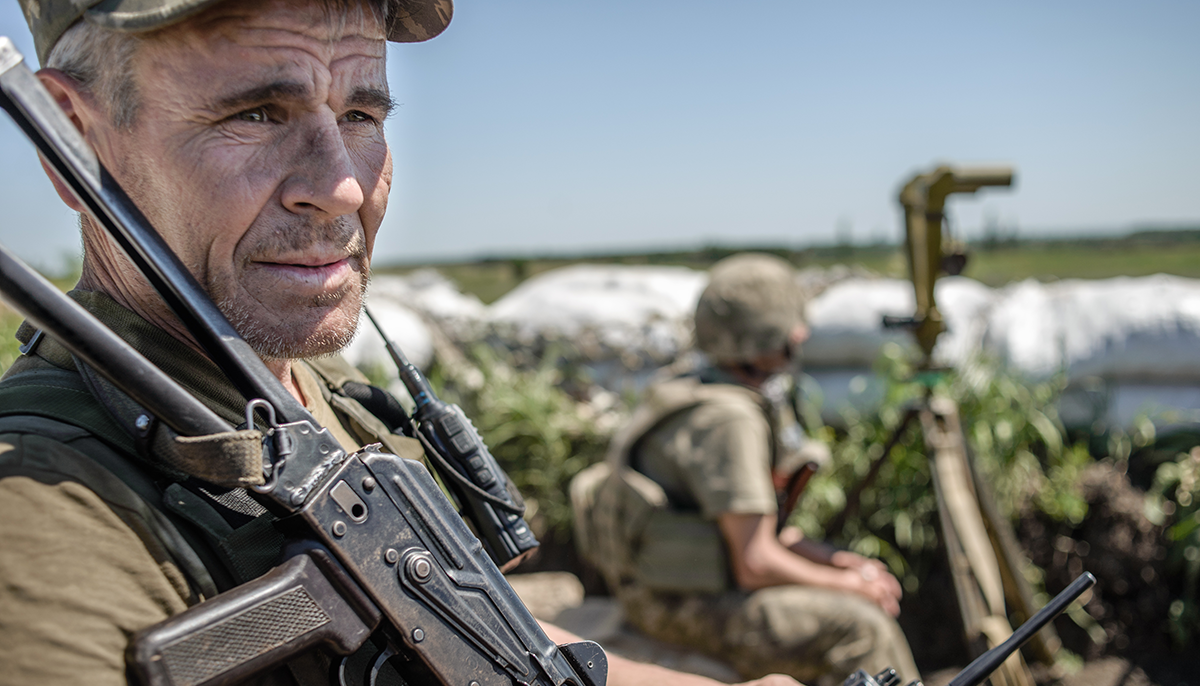
Conflicts are enormously destructive. They destroy lives and property, uproot communities, and reduce the economic potential for all involved. This devastation often has an unaccounted cost, both in terms of the obvious direct destruction of lives and assets, as well as the indirect costs that weigh on economies, often for years to come. This is true of all conflicts, and has certainly been true, and visible, during Russia’s unjustified and illegal invasions of its neighbors, Georgia and Ukraine.
The Schism of Jihadism in the Sahel: How Al-Qaeda and the Islamic State are Battling for Legitimacy in the Sahelian Context
This paper examines the prospects of jihadist expansion in the Sahel region and its implications for security actors and civilian populations alike. It investigates the role of propaganda and public discourse narratives in bolstering jihadist group legitimacy and advancing attempts by groups seeking to generate local embeddedness and mass support. It offers a nuanced perspective of inter-jihadist contestation, one that goes beyond mere focusing on security operations and clashes and delves more deeply into group framing and identity.
The oldest peer-reviewed publication dedicated to the study of the modern Middle East, MEI’s flagship journal covers politics, society, and culture in the region.