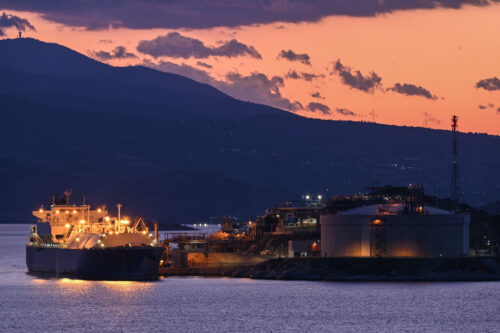
In less than two decades, a string of offshore discoveries has turned the Eastern Mediterranean into a significant gas-producing region, making Israel an exporter, twice lifting Egypt into the ranks of liquefied natural gas (LNG) exporters, and giving Cyprus finds it has yet to bring to market. This backgrounder explores the potential and challenges of exploiting and managing LNG resources in the region.
Deadlock in Gaza and the West Bank at a Breaking Point
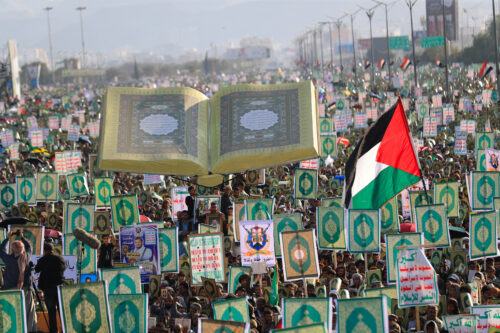
A year after world leaders gathered in Sharm el-Sheikh to mark the end of the war in Gaza, Israel controls about 70% of the Strip, Hamas retains its arms, and reconstruction has yet to begin. Meanwhile, in the West Bank, record settler violence and settlement expansion are colliding with a Palestinian Authority on the brink of fiscal collapse. Hosts Alistair Taylor and Matthew Czekaj are joined by MEI Associate Fellow Tahani Mustafa to discuss why the Gaza peace plan is deadlocked, an increasingly emboldened Israel in the West Bank, Mahmoud Abbas’s postponement of Palestinian elections, the Palestinian Authority’s deepening economic crisis, and what role the US could play.
MINURSO’s Future: What the Security Council’s Choice May Reveal
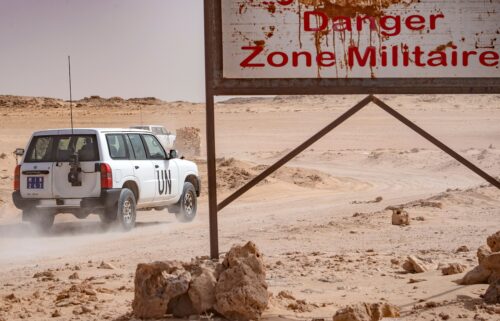
As the United Nations Security Council (UNSC) approaches the October 31 renewal deadline of the UN Monitoring Mission in Western Sahara (MINURSO), the mission’s longer-term future remains uncertain. Another largely unchanged renewal remains a likely immediate outcome. But beyond that holding pattern, three possible scenarios are also on the table.
Since 1967, Israeli settlements in the West Bank have been a contested feature of the Israeli-Palestinian conflict. The ultimate disposition of the settlements and ongoing activity related to their growth have repeatedly defied agreement in negotiations over a resolution to the conflict.
The Houthis are a political-military faction and Zaydi religious movement founded in northwestern Yemen in the 1980s. A key member of Iran’s Axis of Resistance with links to other militant organizations in the Arabian Peninsula and the Horn of Africa, the group has continued to pose a threat to Western interests on a global scale.
The India-Middle East-Europe Economic Corridor (IMEC) is a proposed multinational infrastructure initiative aimed at upgrading connectivity between the three regions through integrated trade, energy, and digital networks. Announced at the G20 summit in New Delhi in September 2023, IMEC is envisioned partially as a counterweight to China’s international infrastructure project, the Belt and Road Initiative.
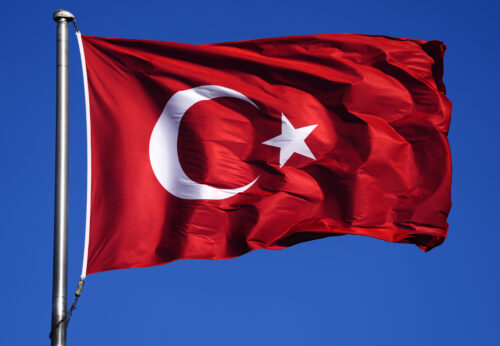
After a decade of post-Arab Spring isolation, Turkey’s leaders have recognized that their ambition to position the country as an agenda-setter on the world stage requires active engagement in all directions. President Recep Tayyip Erdoğan’s consolidation of executive authority has centralized foreign policy decision-making and tied it to his domestic political priorities, transforming the country’s revisionist approach to one shaped primarily by personal and pragmatic interests.
MEI Senior Fellow Brian Katulis engages friends, colleagues, and policy experts in casual conversations on the most important happenings in the Middle East.
Women and COVID-19 in the Middle East: A year onward
Evidence shows that the impact of the Covid-19 pandemic on the women of the Middle East has been disastrous, as lost employment, disproportionate health and well-being, and the burden of care work have set women back in terms of political and economic gains. Where have the biggest losses been sustained, and how are activists and policymakers across the region seeking to address them? Sahar Khamis and Negar Mortazavi join guest host Eliza Campbell to discuss.
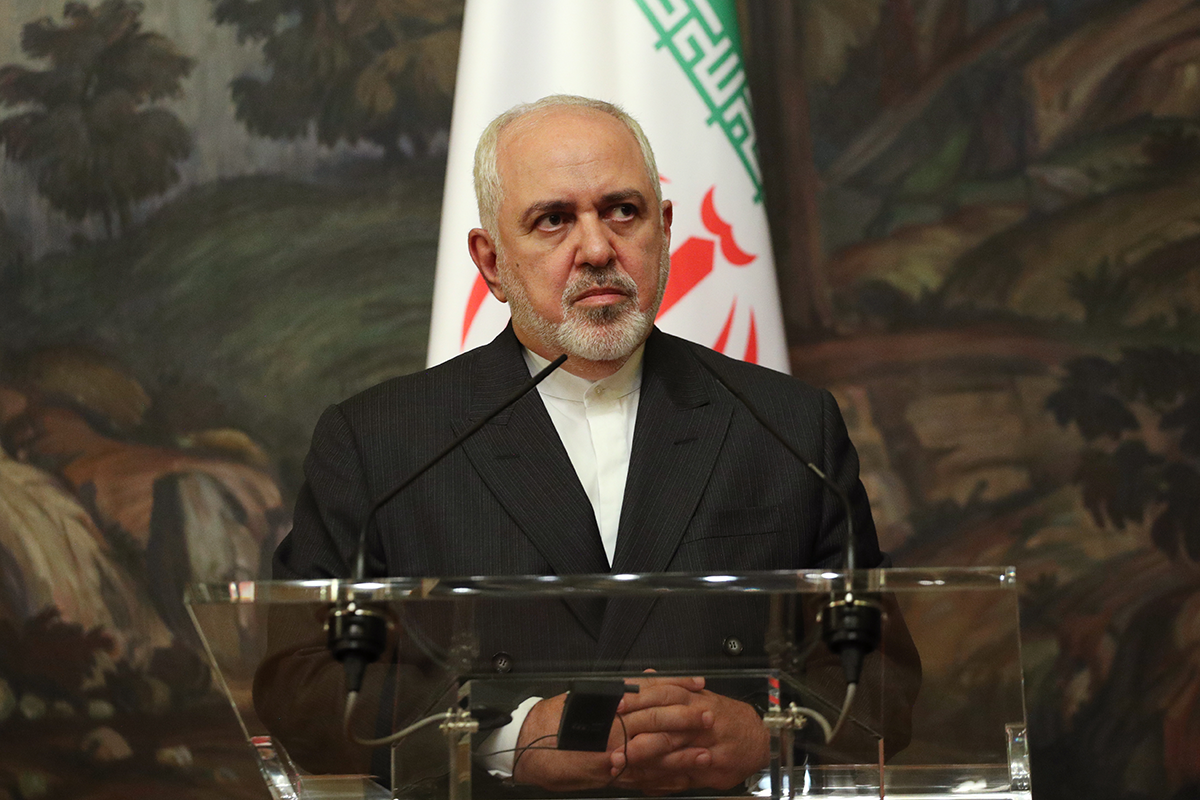
The future of Javad Zarif: A foreign asset in waiting
A leaked recording of Iranian Foreign Minister Mohammad Javad Zarif criticizing the role and influence of the regime’s ideological army, the Islamic Revolutionary Guard Corps (IRGC), and its late leader, Gen. Qassem Soleimani, has been making the rounds in international and Iranian media. For Zarif, the Islamic Republic’s shrewdest political mind, who once said he “ensures the details of private meetings are not disclosed,” the recording, of a three-hour interview in March with the journalist Saeed Leylaz, was extremely frank and generous in detail. The timing of the leak also appears to be key.
“إذا كان الاجتماع الإيراني السعودي في بغداد نتيجة دبلوماسية عراقية قديرة وذكية، فإن مأساة المستشفى هي نتيجة للفساد المستشري في الطبقة السياسية وثقافة الإفلات من العقاب”.
Iran’s pre-election social media buzz: Toward avoiding a repeat of 2020
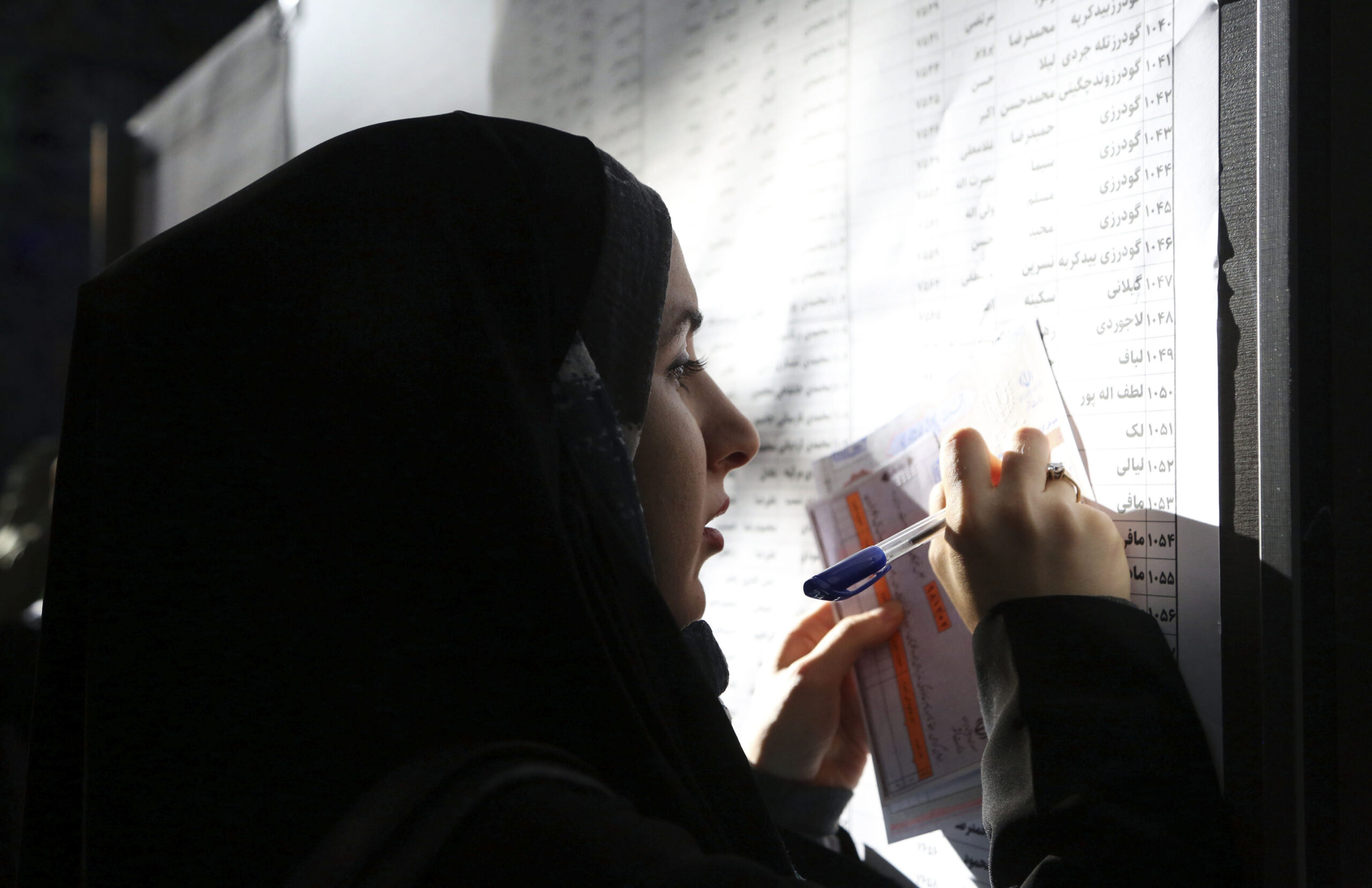
Iran’s presidential election is set to be held in less than two months, but the dynamics in the country’s domestic politics have changed significantly compared to 2017. The parliamentary elections of February 2020 saw the lowest voter turnout since the 1979 revolution, with only about 40% of Iranians casting a vote. Now, with the June presidential elections on the horizon, Tehran fears a repeat.
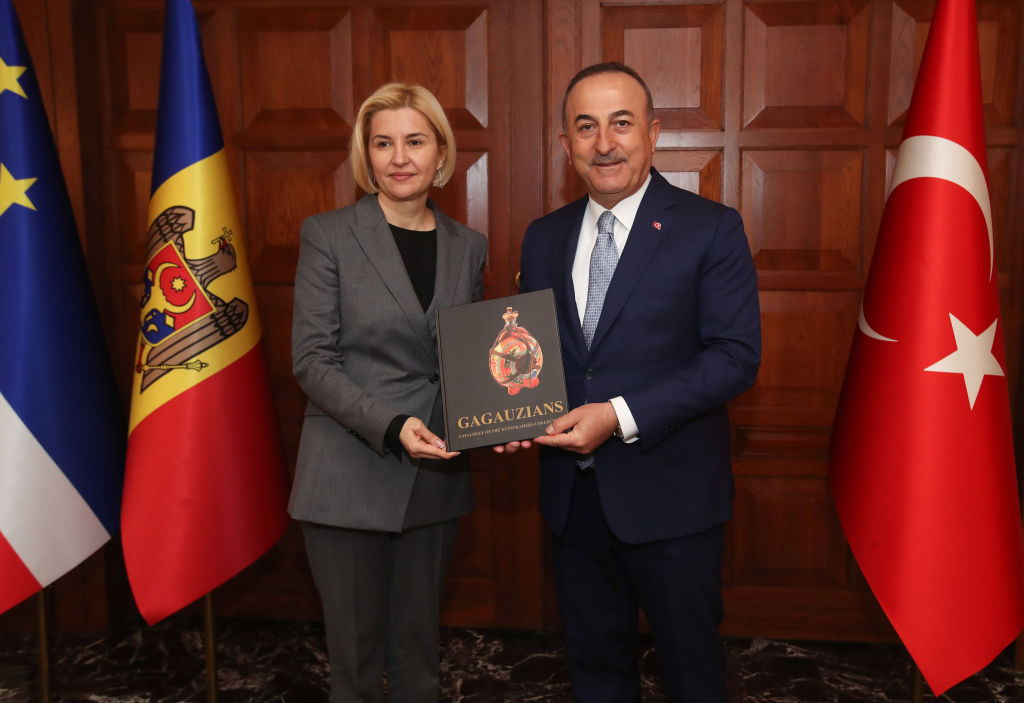
The Autonomous Territorial Unit of Gagauzia: A new focal point for Russo-Turkish competition?
Although many policymakers and commentators in the West tend to see Turkish President Recep Tayyip Erdoğan and Russian President Vladimir Putin as often working together, history shows us that the natural state of affairs between Russia and Turkey is one of competition, confrontation, and even conflict.
Recent geopolitical events remind us of this. However, there is another area to keep an eye on that serves as a historical and cultural fault line of Turkish and Russian geopolitical rivalry: the Autonomous Territorial Unit of Gagauzia located in southern Moldova.
Expert Views: The Biden administration and the Middle East: Reflecting on the first 100 days
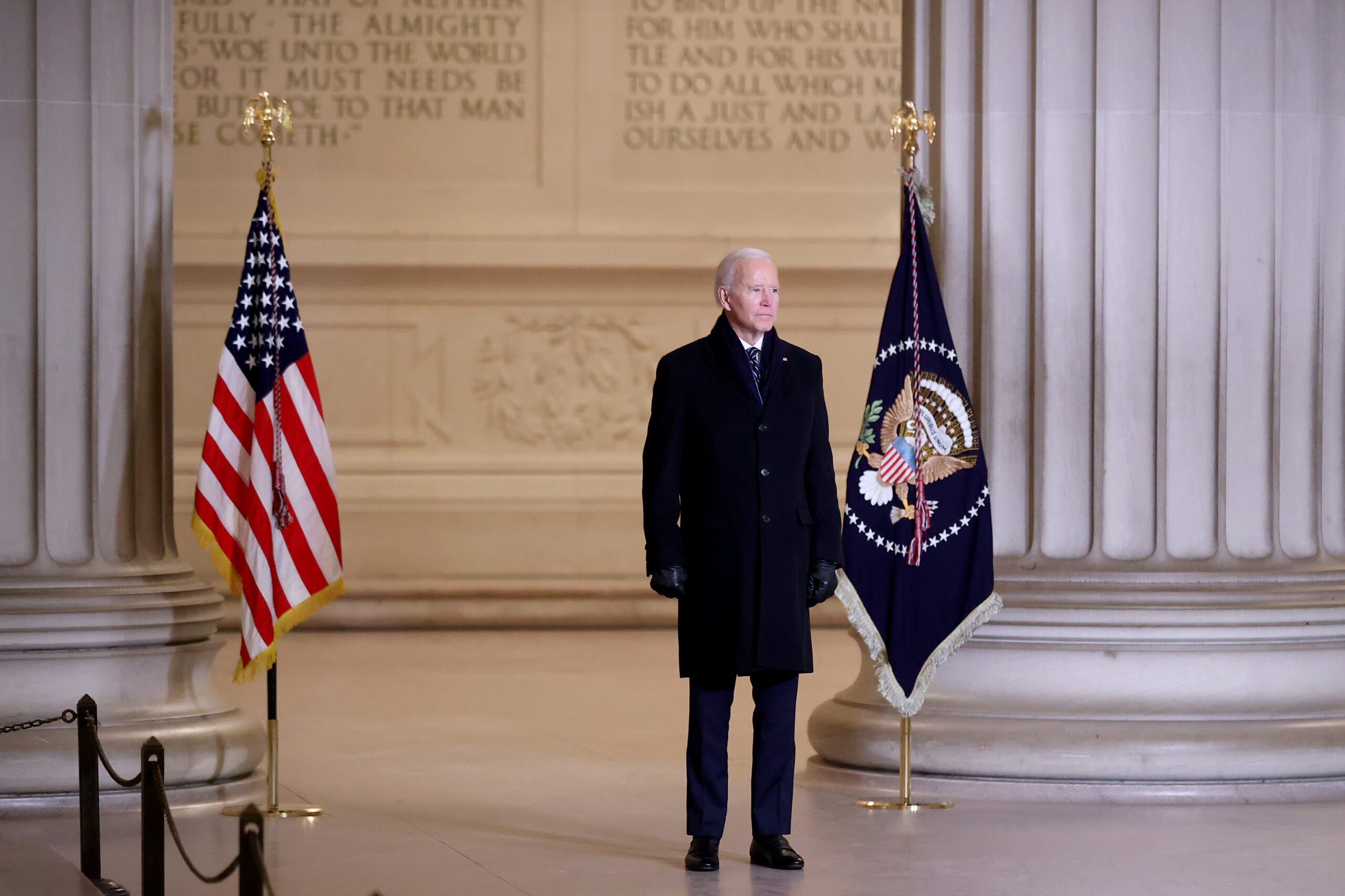
At the end of Joe Biden’s first 100 days as president of the United States, where do things stand when it comes to U.S. policy toward the Middle East and North Africa? We asked experts and scholars from across MEI to weigh in with their thoughts on the changes we’ve seen so far, the new challenges that have emerged, and what we know about the administration’s key priorities for the region.
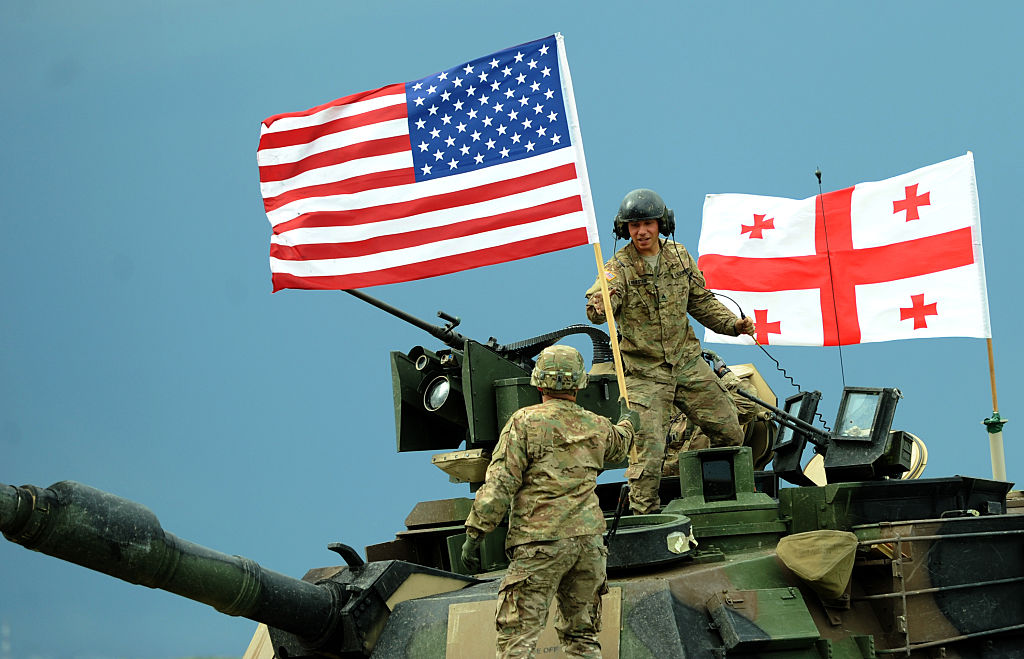
United States partnerships with Georgia and Ukraine: Prospects for advancing military cooperation
A spotlight has been cast over the Black Sea region for the past two decades. Located at the geopolitical junction of Western Europe, Russia, and the Middle East, the Black Sea littoral states have partnered with Western powers on global counterinsurgency and anti-terrorism efforts. Simultaneously, the Black Sea region continues to face insecurities triggered by enduring great power competition. The importance of stability in the Black Sea region has long been recognized by the West.
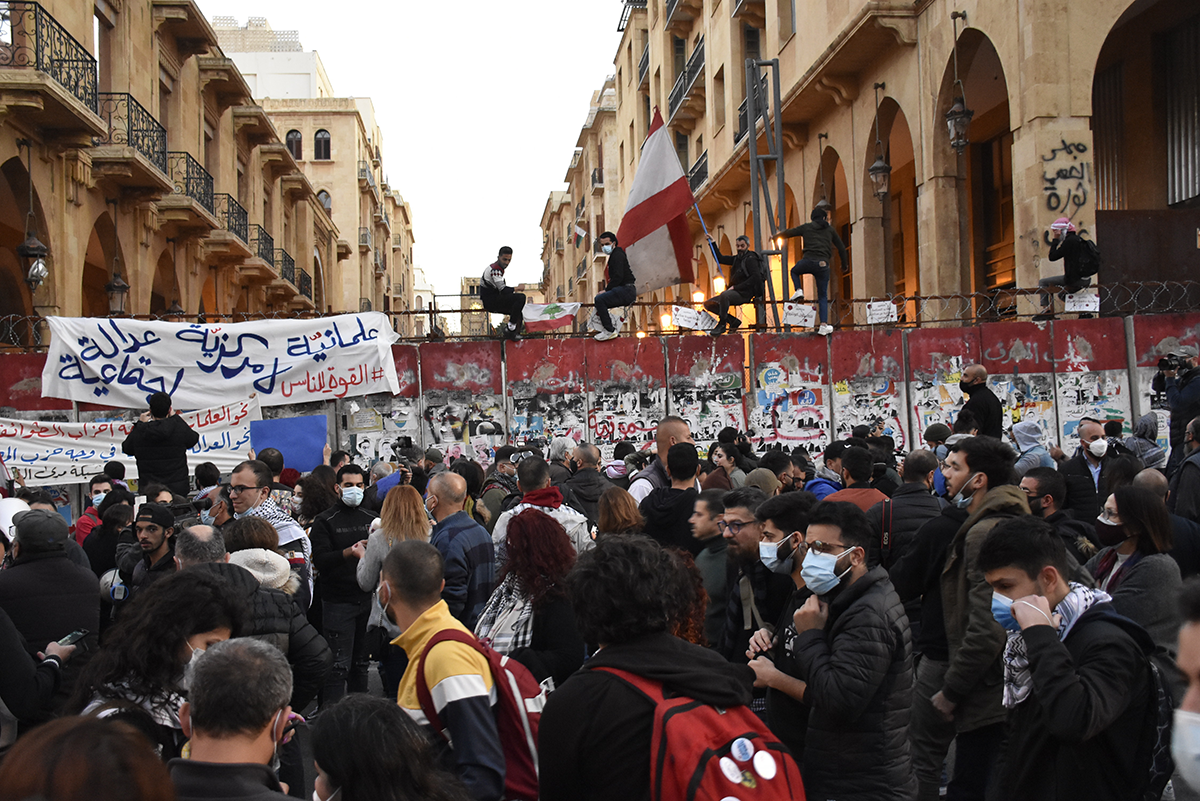
The unfolding struggle for political survival in Lebanon
Lebanon’s political leaders are getting deeper into trouble, and they know it. This does not make them any less dangerous. Recurring skirmishes over cabinet formation — namely those referencing constitutional powers, cabinet size, sectarian representation, and ministerial allocation — continue to dominate the public discourse and waste precious time. They remain, however, peripheral to the central issue that establishment parties currently face: an all-out struggle for political survival at a time when tough and unapologetic decisions need to be made.
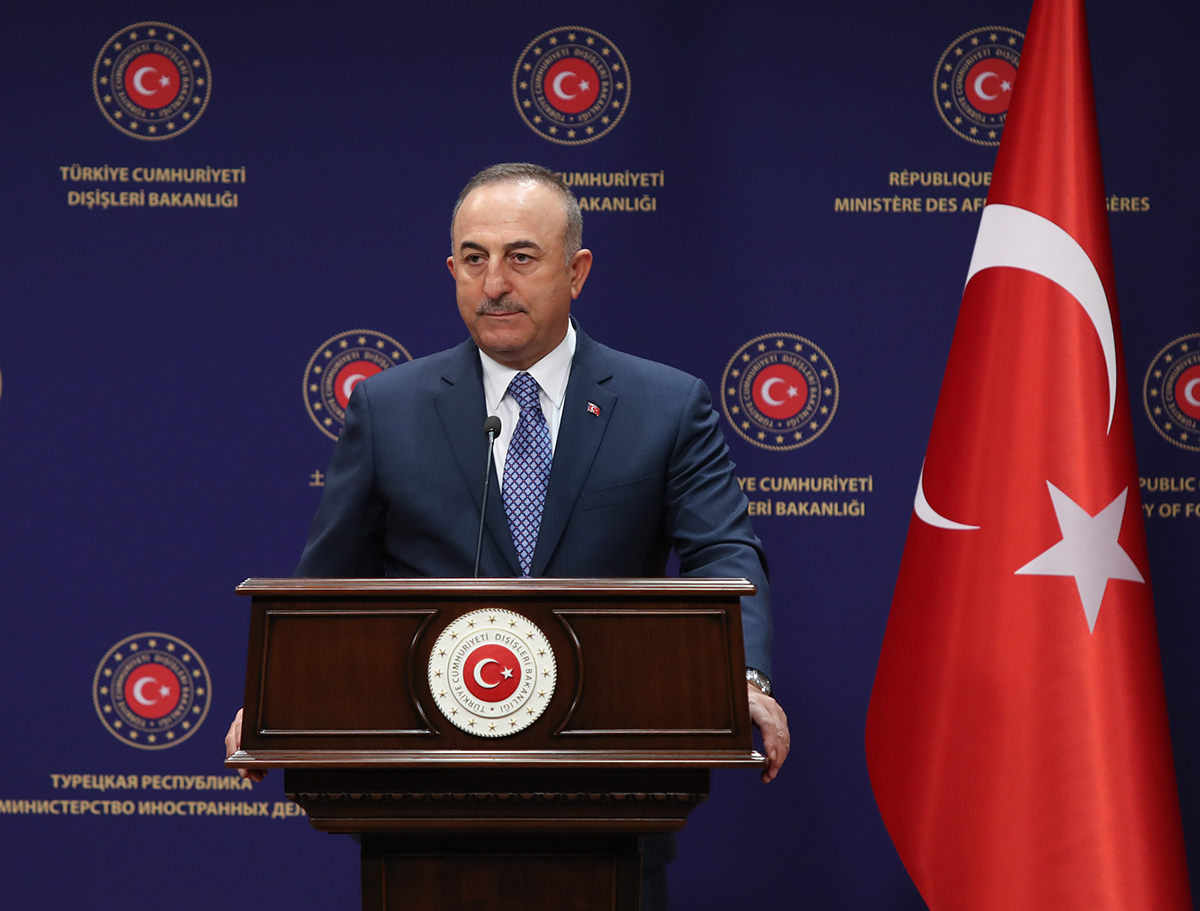
The new wave of normalization in Turkey’s Middle East foreign policy
In the past several weeks, news has been coming out of Ankara regularly about normalization in relations with countries with which Turkey has had problematic relationships for some time.
The Biden administration should play a key role in building a stronger Egypt where human-rights abuses are both rare and addressed by pushing back against the potential for any new regime.
Ukraine is an intractable problem, made worse by a lack of strategy
There are three clear steps the Biden administration must take if it hopes to de-escalate the crisis with Russia in Eastern Europe without being drawn into conflict. First, recognize that the Normandy Format has failed. Second, take the lead on peace negotiations with Russia. And third, shape a strategy for the Black Sea region.
The Roadblocks to a Regional Security Dialogue in the Middle East
It’s easy to see why there’s an enduring attraction for a regional security dialogue in the Middle East. Countries in the region face shared and borderless challenges — including terrorism, insurgency, environmental safety, arms races, cybersecurity, maritime piracy, and the proliferation of weapons of mass destruction — that can be dealt with more effectively through multilateral measures.
Making sense of the Iran-China strategic agreement
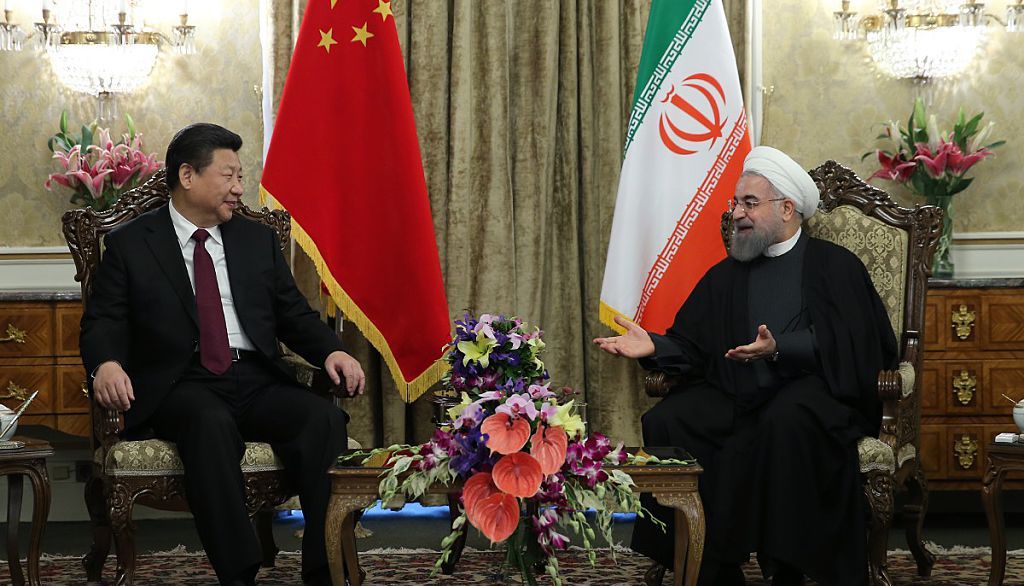
The 25-year agreement between Iran and China that made headlines this past month is far from new. It was first announced in 2016 during a state visit by President Xi Jinping to Tehran, at a time when sanctions on Iran were being lifted as part of the 2015 nuclear deal. Chinese and Iranian officials have been working out the details of the deal ever since as part of a slow process of consultation and negotiations. The timing of the latest announcement about the agreement is, therefore, less about developments in relations between Beijing and Tehran and more about the fast-deteriorating relations between Beijing and Washington. China is looking to identify areas where it can cultivate leverage, and Iran is a prime opportunity.
The oldest peer-reviewed publication dedicated to the study of the modern Middle East, MEI’s flagship journal covers politics, society, and culture in the region.