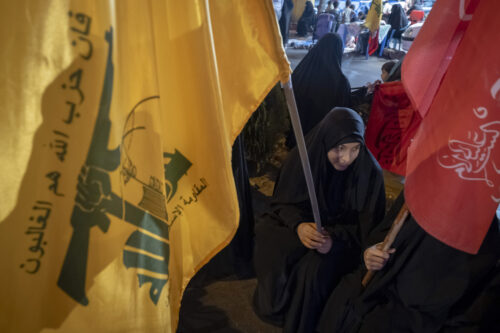
Hizballah: The murderers of elected Lebanese politicians, the killers of peacekeepers, the thugs of the streets they dominated because all other militias had disarmed, the agents of destruction of their own communities on behalf of foreign paymasters reigning 1,000 miles away from Beirut, the brainwashers of children into an ideology of “resistance” that only invited invasion. That’s the Hizballah that today is begging the Lebanese state to return to them the 1,000 pounds of explosives so rudely taken from them by Lebanese soldiers doing their job at a checkpoint in the Bekaa Valley.
Many of the immediate consequences of the Israeli-American war with Iran are already clear. The further emergence of drones and missiles as dominant weapons of war; the danger to the global economy from the threats to vital chokepoints such as the Strait of Hormuz and the Bab el-Mandeb; and the inadequacy of US weapons procurement, among other issues, have garnered widespread and entirely merited attention.
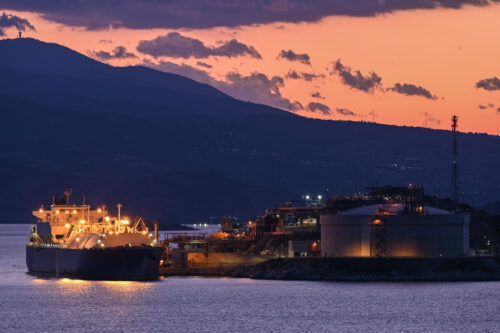
In less than two decades, a string of offshore discoveries has turned the Eastern Mediterranean into a significant gas-producing region, making Israel an exporter, twice lifting Egypt into the ranks of liquefied natural gas (LNG) exporters, and giving Cyprus finds it has yet to bring to market. This backgrounder explores the potential and challenges of exploiting and managing LNG resources in the region.
Since 1967, Israeli settlements in the West Bank have been a contested feature of the Israeli-Palestinian conflict. The ultimate disposition of the settlements and ongoing activity related to their growth have repeatedly defied agreement in negotiations over a resolution to the conflict.
The Houthis are a political-military faction and Zaydi religious movement founded in northwestern Yemen in the 1980s. A key member of Iran’s Axis of Resistance with links to other militant organizations in the Arabian Peninsula and the Horn of Africa, the group has continued to pose a threat to Western interests on a global scale.
The India-Middle East-Europe Economic Corridor (IMEC) is a proposed multinational infrastructure initiative aimed at upgrading connectivity between the three regions through integrated trade, energy, and digital networks. Announced at the G20 summit in New Delhi in September 2023, IMEC is envisioned partially as a counterweight to China’s international infrastructure project, the Belt and Road Initiative.
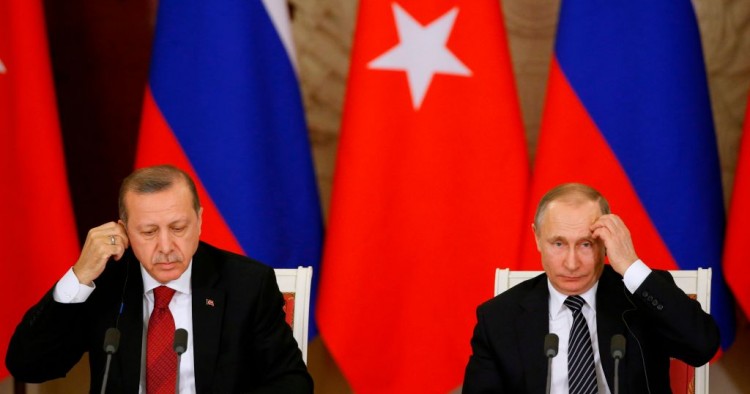
After a decade of post-Arab Spring isolation, Turkey’s leaders have recognized that their ambition to position the country as an agenda-setter on the world stage requires active engagement in all directions. President Recep Tayyip Erdoğan’s consolidation of executive authority has centralized foreign policy decision-making and tied it to his domestic political priorities, transforming the country’s revisionist approach to one shaped primarily by personal and pragmatic interests.
MEI Senior Fellow Brian Katulis engages friends, colleagues, and policy experts in casual conversations on the most important happenings in the Middle East.
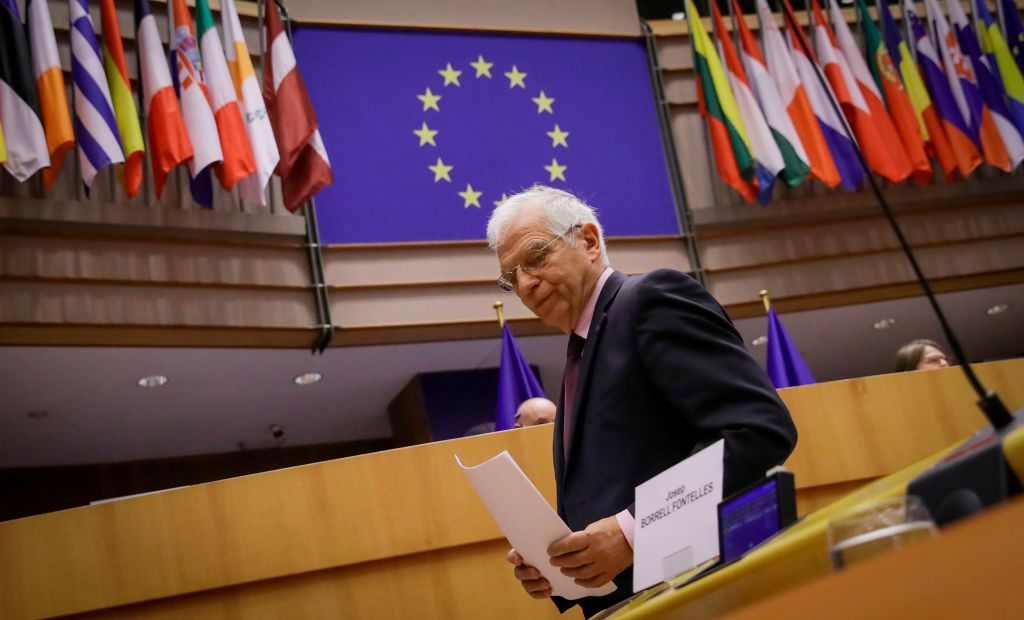
President Joe Biden’s victory was cheered in Europe as the Transatlantic news of the year, given the strained Transatlantic ties during the Trump Administration. But just one month into the Biden Administration, (Western) Europe’s enthusiasm is waning. This Administration has indicated that while reinforcing Transatlantic ties will be a priority, Washington will maintain its heightened threat perception of both Russia and China. While the U.S. sees enhanced deterrence as necessary, the European Union’s major powers see this as provocative and counterproductively hawkish. If the EU indeed prioritizes a reinforced West, it will need to carefully develop its own balanced and realistic Eastern European security policy.
Sahar Khamis, Sabina Henneberg, Karam Shaar, and Ibrahim Jalal join host Alistair Taylor to examine the legacy and impact of the Arab Spring in Tunisia, Egypt, Yemen, and Syria ten years after the uprisings began.
What will the Middle East look like in 2030? An Israeli Perspective
The following article addresses the question of how the Middle East might develop in the coming decade. Long-term and detailed strategic predictions are a thankless task and are often doomed to failure. Therefore, this article refrains from attempts at prophecy but deals instead with “thinking about the future.” It opens with an analytical framework for scenario development, supplemented by “trends impact” and “horizon scanning.” The second section studies “the futures of the past,” in terms of what we might learn about the pitfalls of future projection and scenario-building from those outlining possible futures for 2020 from years past. Then, on the basis of the first two sections, four scenarios elaborate some distinctly different pathways that the Middle East might take to 2030. Finally, the article concludes with several key takeaways for Israeli decision makers.
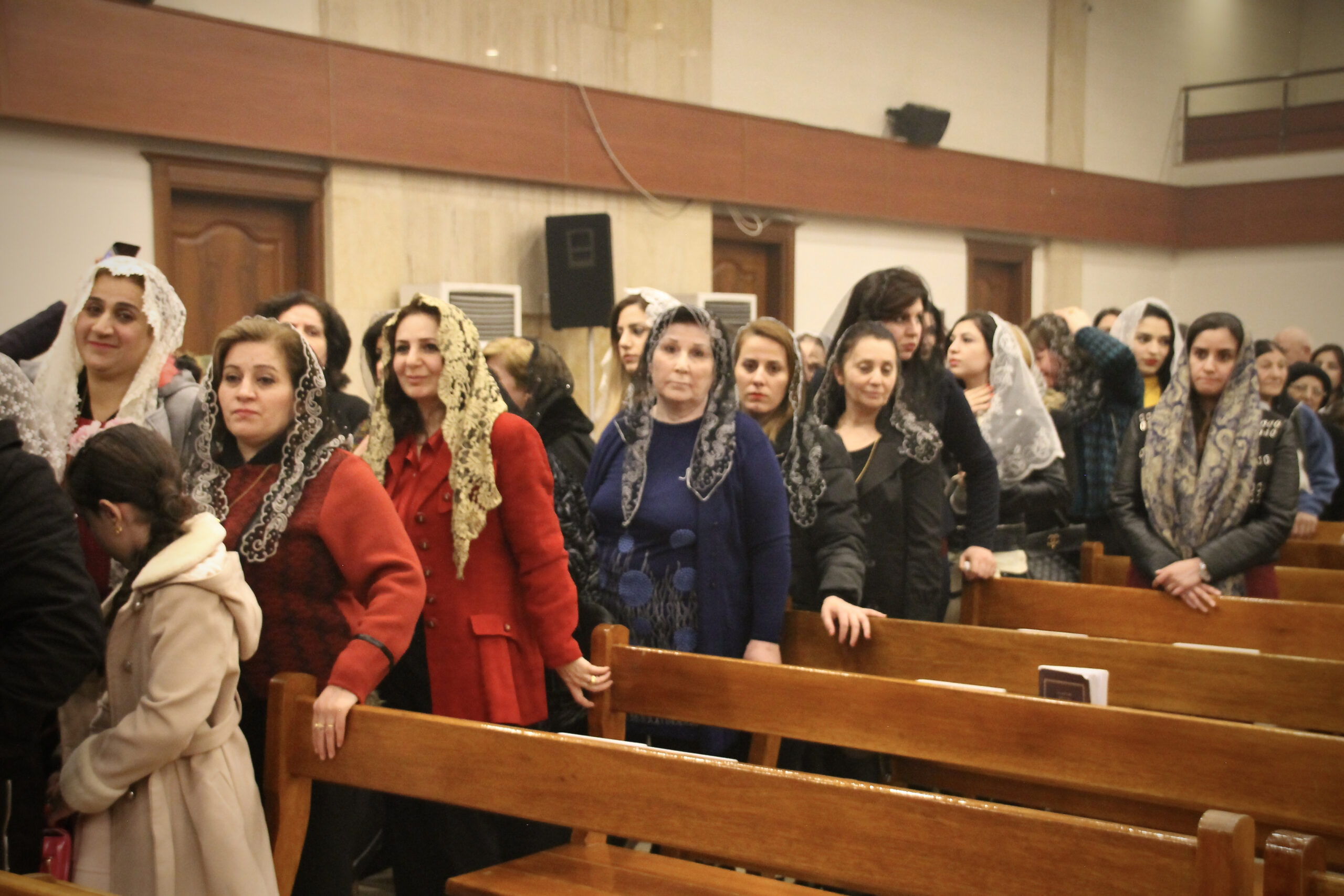
Only two days after an extremist attack that saw 14 missiles rain down on Erbil, and in the midst of a new coronavirus surge and lockdown, the Chaldean Catholic Archbishop of Mosul, Najeeb Michaeel, was optimistic about the upcoming visit of Pope Francis.
“Everyone is very happy about this historic event,” he said of Iraq’s inaugural papal visit, from his home in Ankawa, Erbil’s Christian enclave, which has given refuge to thousands of those displaced by ISIS. A previously planned visit in 2000 by Pope John Paul II to Ur, birthplace of the Prophet Abraham according to the Torah, was foiled by protracted negotiations with the government of Saddam Hussein. In 2020, Pope Francis had to cancel a trip due to security and pandemic concerns.
Now is not the time for the West to turn away from Georgia
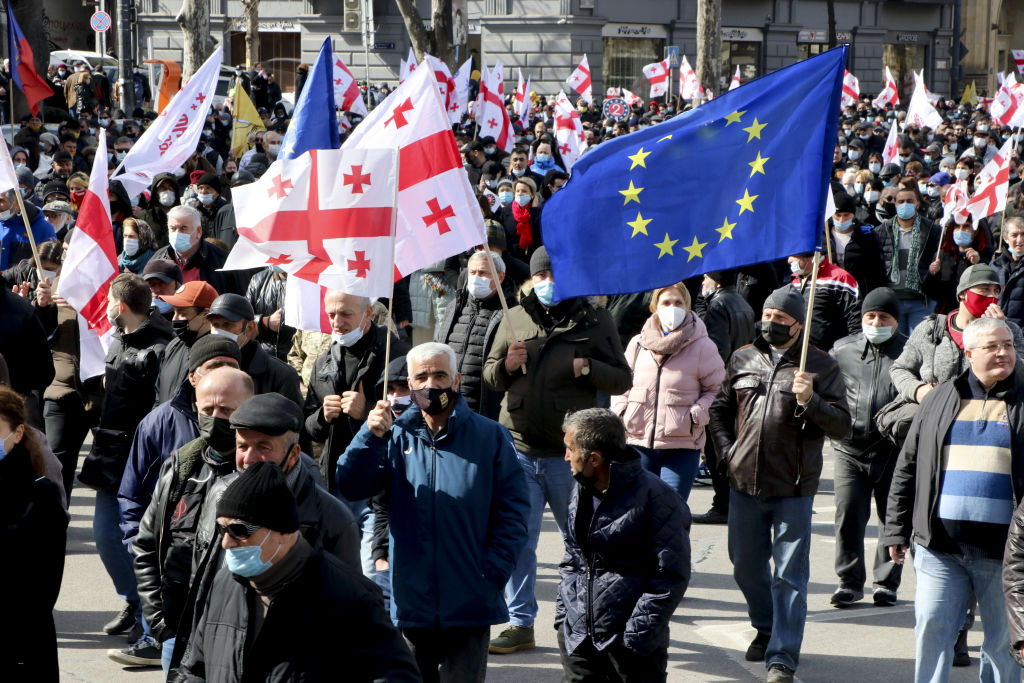
Earlier this week, Georgian law enforcement arrested United National Movement (UNM) party chairman Nika Melia on charges of inciting violence during anti-government demonstrations in 2019. The arrest has left many outraged and is the latest event to deepen political divisions in the country. There are valid arguments as to how the government could have handled Melia’s arrest better. But more important is what’s at stake for the future of Georgia – both domestically and as a member of the international community.
Why Biden shouldn’t seek to deprive Iran of conventional deterrence
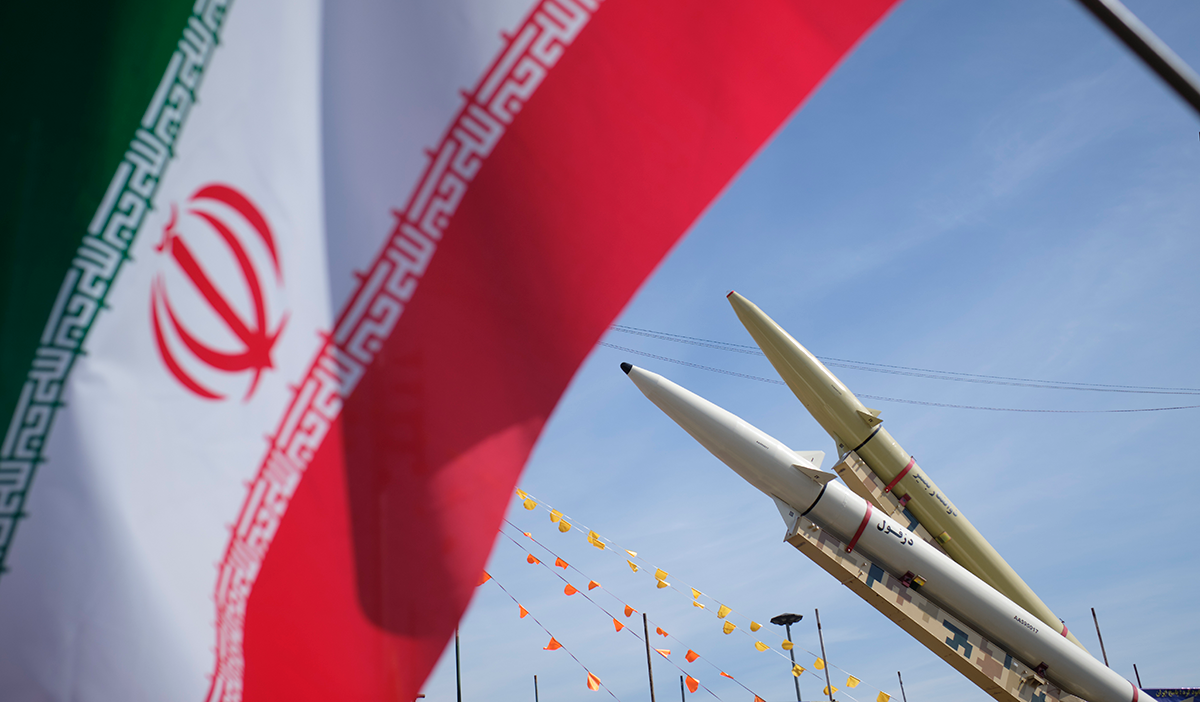
Earlier in February, Iran’s minister of intelligence, Mahmoud Alavi, signaled that if the U.S. continues provoking the country, Tehran might lash out like a “cornered cat” and consider the nuclear option. Will Joe Biden’s late reentry into the JCPOA and the expected resulting increase in tensions influence Iran’s strategic logic on nuclear weapons? A look back at the history of Iran’s decision making on the issue suggests that shifts in military threat assessments are as important as technical developments when it comes to Tehran’s nuclear strategy.
Iran and the Black Sea region: Tehran’s forgotten bridge to Europe
There have been some Iranian advances in building relations with Black Sea states over the last 30 years. However, Tehran’s wavering commitment to deeper ties with its northern neighbors, with the exception of Russia, has considerably reduced the potential footprint Iran could have otherwise had in the Black Sea region. Tehran’s ongoing standoff with the United States, its ideologically driven preoccupation to make advances in the Arab world, and a gradual but clear submission to Russian hegemony has meant that the Black Sea region is a policy matter of secondary importance to decision-makers in Tehran.
The tectonics of Middle Eastern geopolitics: Seismic signs in the Caucasus
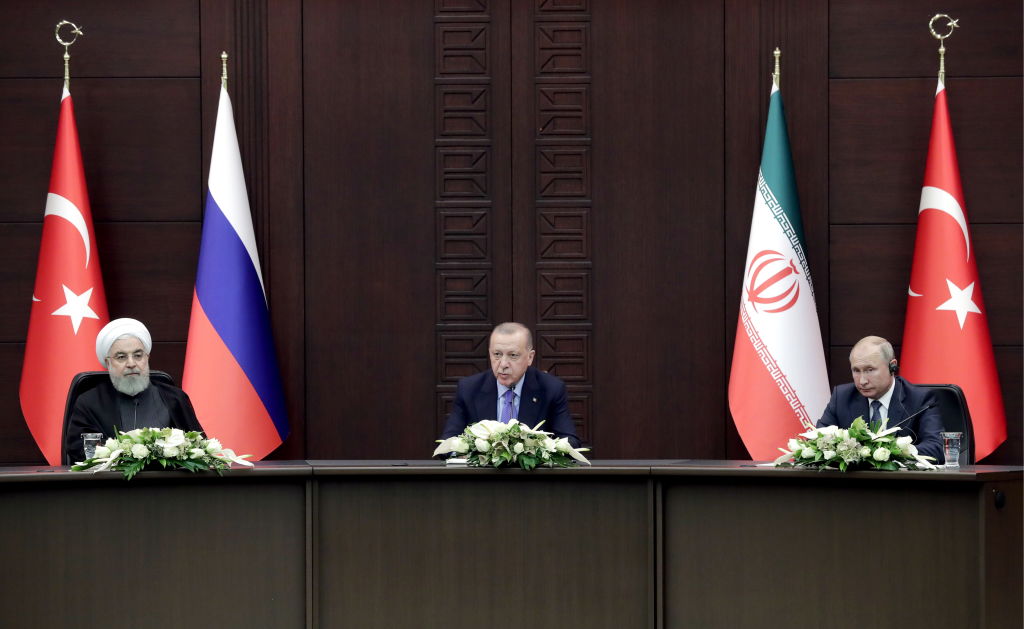
Throughout 2020, the geopolitics between the Middle East and its northern frontier have converged further. Russia, Turkey, and Iran not only compete for influence (as states and through non-state actors) in core countries of the Middle East and North Africa like Syria, Iraq, Libya, Egypt and beyond in the Gulf. They also happen to be the three former imperial powers in the Caucasus – the crucial link between the Black and Caspian Seas on the seam of Europe, the Middle East, and Central Asia.
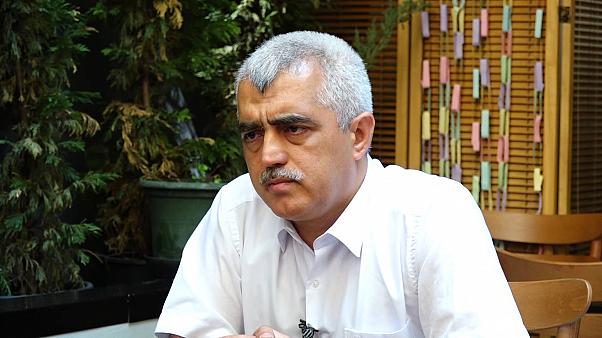
Ömer Faruk Gergerlioğlu is everything Turkish President Recep Tayyip Erdoğan hates. He is a disillusioned former Islamist, a member of Parliament from the pro-Kurdish Peoples’ Democratic Party (HDP), and a human rights defender. Hence the jail sentence of two years and six months against him for a 2016 Twitter post advocating peace. Last week, Turkey’s top appeals court approved the jail sentence against Gergerlioğlu for spreading terrorist propaganda five years after his Twitter post, paving the way for him to be barred from Parliament.
Beyond the elite: Taking protest and public opinion seriously in the Kurdistan Region
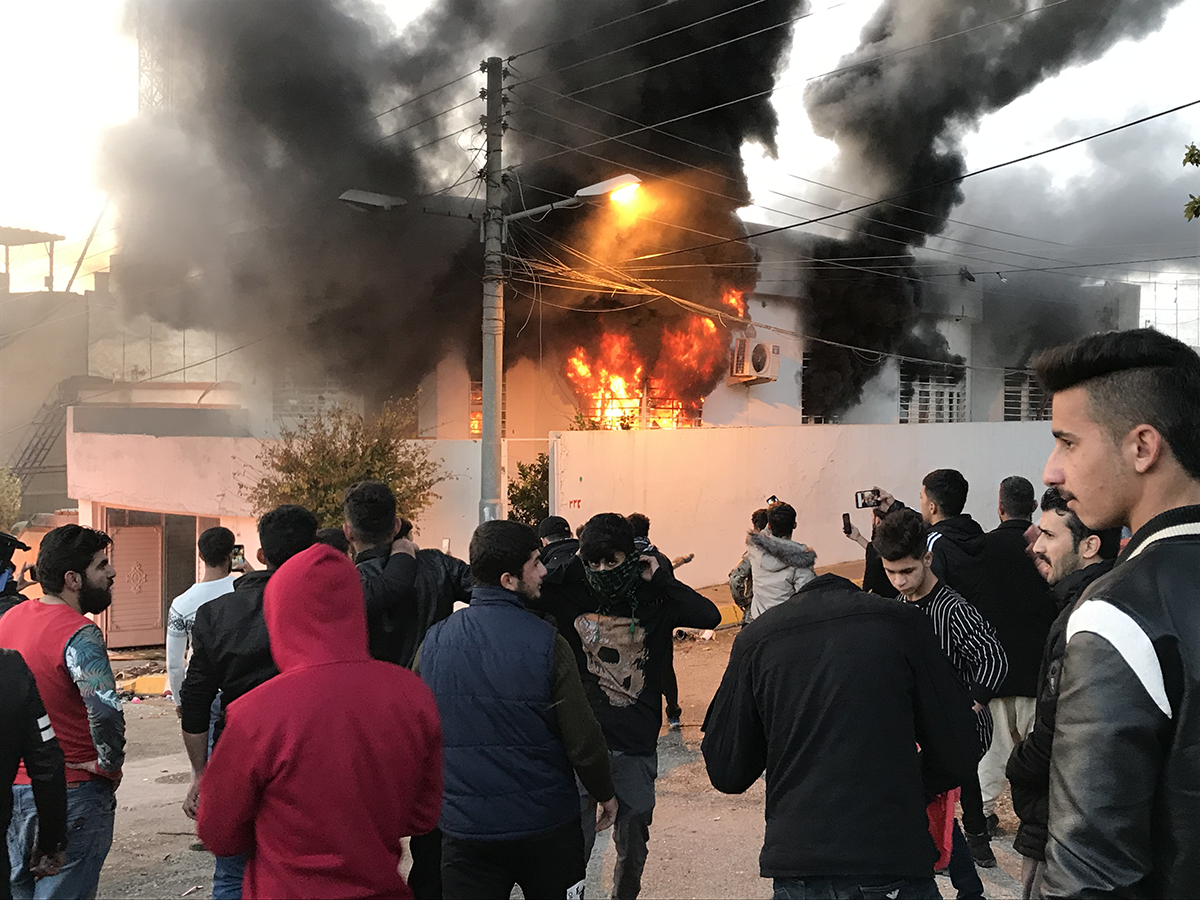
In early December 2020, at least eight people were killed and hundreds of others were injured during violent protests in the Kurdistan Region of Iraq (KRI) sparked by deteriorating economic conditions and the government’s failure to pay public sector salaries. Stories like this rarely break out beyond the local press, and analysis about the KRI is all too often driven by elite-centered narratives that do not properly account for the opinions and social realities of the broader population. This does a disservice not only to the ostensible subjects of reporting and analysis about the Kurdistan Region but also reinforces misperceptions about Kurdistan that have major policy implications.
Chinese Health Diplomacy and the Maghreb in the COVID-19 Era
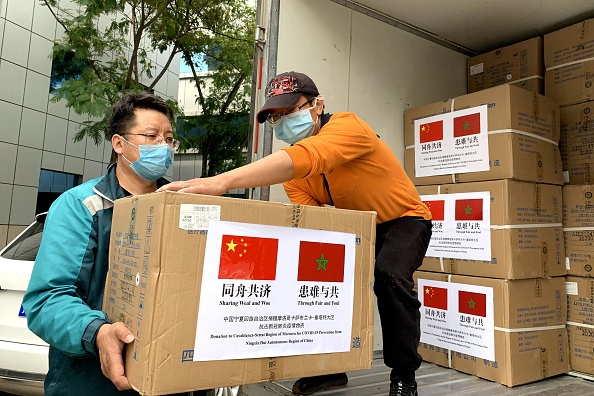
Beijing’s economic presence across the Maghreb has grown in recent years. The new global power has forged a close partnership with Algeria and Morocco, while also continuing to develop relationships with other countries in the region. The COVID-19 pandemic has illuminated the depth of Sino-Maghreb relations.
Fossil fuel subsidies and renewable energies in MENA: An oxymoron?
The Middle East and North Africa (MENA) region plays a central role in the global oil and natural gas markets. The region is home to more than 52 and 42 percent of global crude oil and natural gas proven reserves, respectively. In the past decade, the region generated 36 and 22 percent of global crude oil and natural gas, respectively. The abundance of hydrocarbons has sometimes been a mixed blessing for the economies of MENA countries, which have been reluctant to promote energy efficiency or sector diversification. Around the globe, energy intensity —energy use (kg of oil equivalent) per $1,000 GDP— became 15% more efficient between 2001 and 2018. In contrast, MENA became 8% less energy efficient according to the same measure during that period.
Iran’s attempts to achieve cyber dominance both within the MENA region and around the world have been well documented, particularly its efforts to spread pro-Iranian messaging and “tell Iran’s story.” This strategy is shaped by the challenging international context facing Tehran, which is suffering economically under U.S. sanctions and largely constrained from purchasing weapons under a recently expired U.N. arms embargo.
Preventing the next crisis in U.S.-Israeli relations
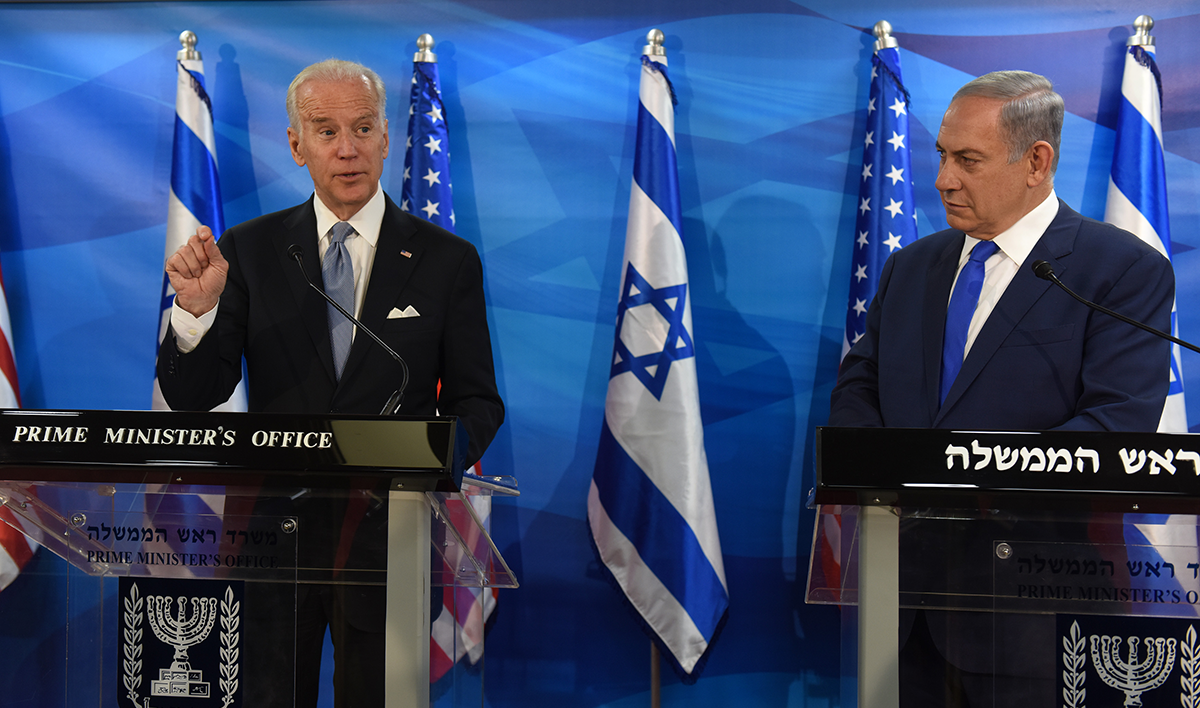
There was little daylight between Washington and Jerusalem during the four years of Donald Trump’s presidency. The new U.S. administration under President Joe Biden appears poised — based on staffing decisions and declared policies — to revert to a U.S. policy in the Middle East that more closely resembles that of Obama. Meanwhile, Netanyahu, who fought bitterly and publicly against Obama’s policies regarding the Israeli-Palestinian conflict and the Iran nuclear issue, remains at the helm in Israel. The stage may be set for a sequel of the acrimonious relationship between Jerusalem and Washington.
On January 14, 2021, outgoing Secretary of State Mike Pompeo tweeted about Palestinian refugees, proclaiming “(less than) 200,000 Arabs displaced in 1948 are still alive and most others are not refugees by any rational criteria.” A month earlier, on December 11, a group of 22 Republican members of Congress sent a letter to President Trump requesting that he instruct the Bureau of Population, Refugees and Migration to declassify a report on the approximate number of Palestinian refugees, with the intention of redefining and disenfranchising millions of Palestinian refugees of their refugee status. The intent behind the request is made evident by the letter, which states, “The issue of the so-called Palestinian ‘right of return’ of 5.3 million refugees to Israel as part of any ‘peace deal’ is an unrealistic demand, and we do not believe it accurately reflects the number of actual Palestinian refugees
The oldest peer-reviewed publication dedicated to the study of the modern Middle East, MEI’s flagship journal covers politics, society, and culture in the region.