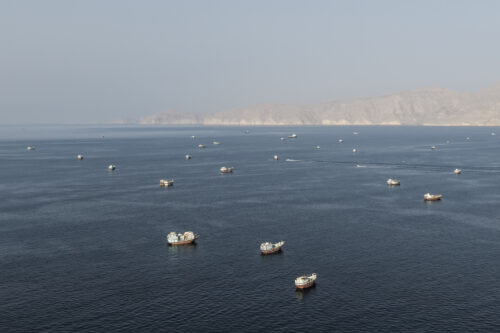
Crude oil is flowing out of the Gulf again, but the market is no better prepared for another disruption in the Strait of Hormuz. It has assembled a temporary system for managing one. Crude exports from the Gulf, excluding Iran, returned to pre-war levels in September, while total Gulf shipments reached 15.5 million barrels a day, more than 80% of the pre-conflict volume.
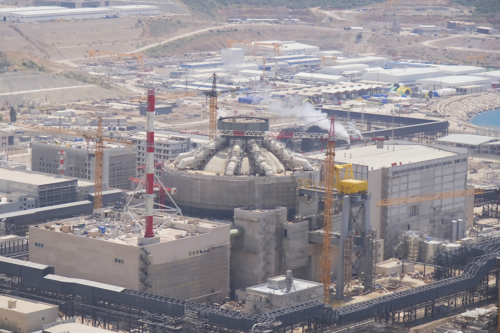
As a result of the Iran war, Turkish thinking about nuclear weapons appears to be shifting. Iran’s emergent ability to threaten regional states (and possible determination to acquire a nuclear weapon itself), growing concern about Israeli aggressiveness, doubts about US security guarantees, and greater Saudi nuclear autonomy are all pushing Ankara to consider a future nuclear option.
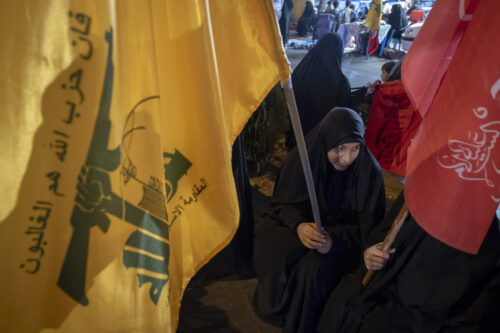
Hizballah: The murderers of elected Lebanese politicians, the killers of peacekeepers, the thugs of the streets they dominated because all other militias had disarmed, the agents of destruction of their own communities on behalf of foreign paymasters reigning 1,000 miles away from Beirut, the brainwashers of children into an ideology of “resistance” that only invited invasion. That’s the Hizballah that today is begging the Lebanese state to return to them the 1,000 pounds of explosives so rudely taken from them by Lebanese soldiers doing their job at a checkpoint in the Bekaa Valley.
Since 1967, Israeli settlements in the West Bank have been a contested feature of the Israeli-Palestinian conflict. The ultimate disposition of the settlements and ongoing activity related to their growth have repeatedly defied agreement in negotiations over a resolution to the conflict.
The Houthis are a political-military faction and Zaydi religious movement founded in northwestern Yemen in the 1980s. A key member of Iran’s Axis of Resistance with links to other militant organizations in the Arabian Peninsula and the Horn of Africa, the group has continued to pose a threat to Western interests on a global scale.
The India-Middle East-Europe Economic Corridor (IMEC) is a proposed multinational infrastructure initiative aimed at upgrading connectivity between the three regions through integrated trade, energy, and digital networks. Announced at the G20 summit in New Delhi in September 2023, IMEC is envisioned partially as a counterweight to China’s international infrastructure project, the Belt and Road Initiative.
After a decade of post-Arab Spring isolation, Turkey’s leaders have recognized that their ambition to position the country as an agenda-setter on the world stage requires active engagement in all directions. President Recep Tayyip Erdoğan’s consolidation of executive authority has centralized foreign policy decision-making and tied it to his domestic political priorities, transforming the country’s revisionist approach to one shaped primarily by personal and pragmatic interests.
MEI Senior Fellow Brian Katulis engages friends, colleagues, and policy experts in casual conversations on the most important happenings in the Middle East.
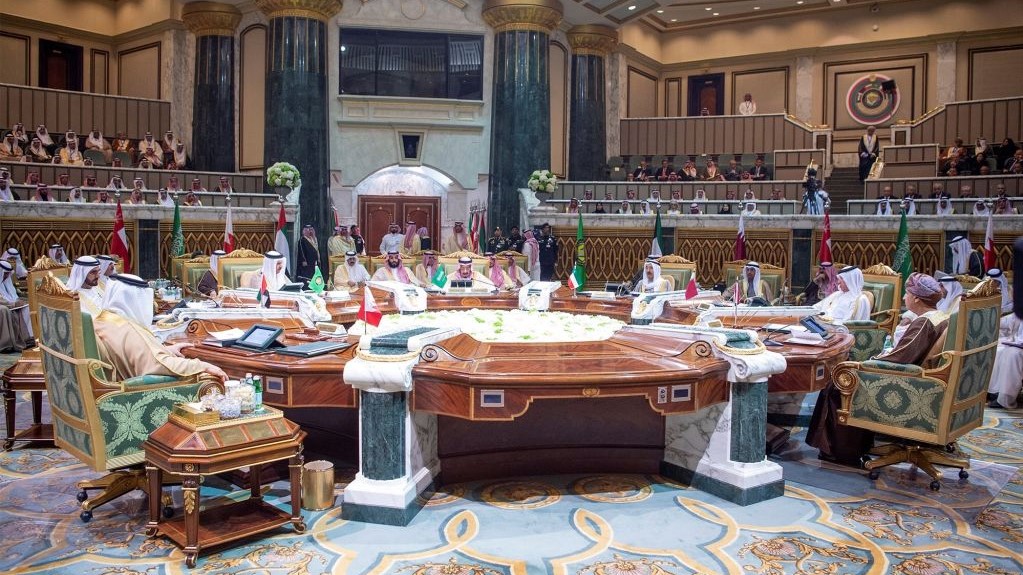
Cautious optimism that the Riyadh summit will open the door to ending the intra-GCC dispute
The leaders of the six GCC member states will meet in Riyadh on Dec. 10 amid signs that the 30-month-old confrontation with Qatar by the self-described “Anti-Terror Quartet” is diminishing.
The geopolitical map of Europe and neighboring regions has changed profoundly in recent years. Yet the countries “in between” are still very much stuck in the middle, either because their internal situation remains complex or because of external interference, from disinformation warfare to more straightforward armed aggression.
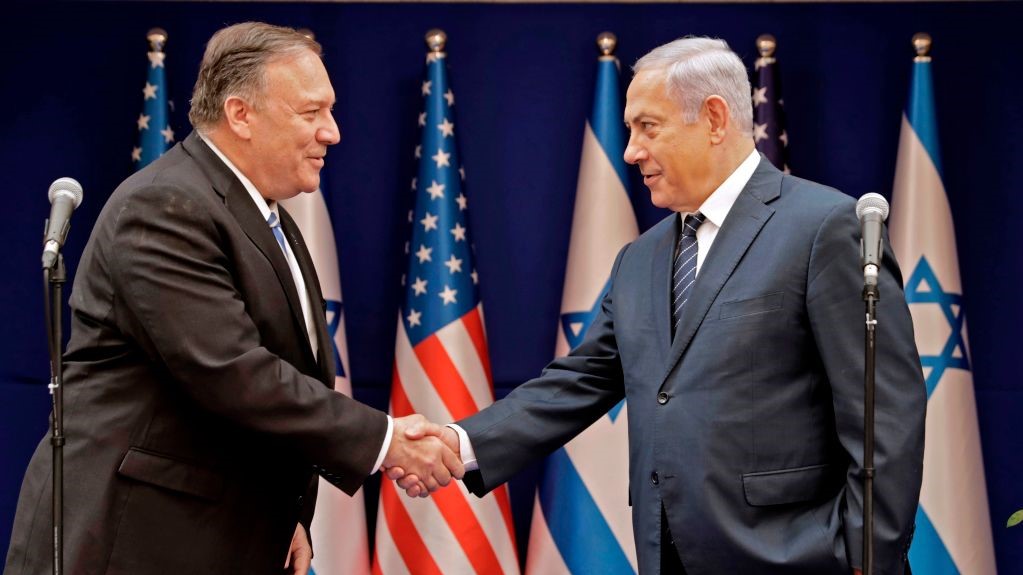
An Israel-US defense treaty will ruin relations with Arab states
Attempts by the indicted Israeli leader to railroad through a joint U.S.-Israel defense treaty in opposition to the Palestinians and other Arabs will be disastrous for America’s national interest.
Political analyst Hafsa Halawa and MEI Senior Fellow Alex Vatanka join host Alistair Taylor to discuss the political crisis in Iraq following the resignation of Prime Minister Adel Abdul Mahdi, the protest movements that have rocked both Iraq and Iran, and the impact of Iranian impact in Baghdad on Iraq’s development going forward.
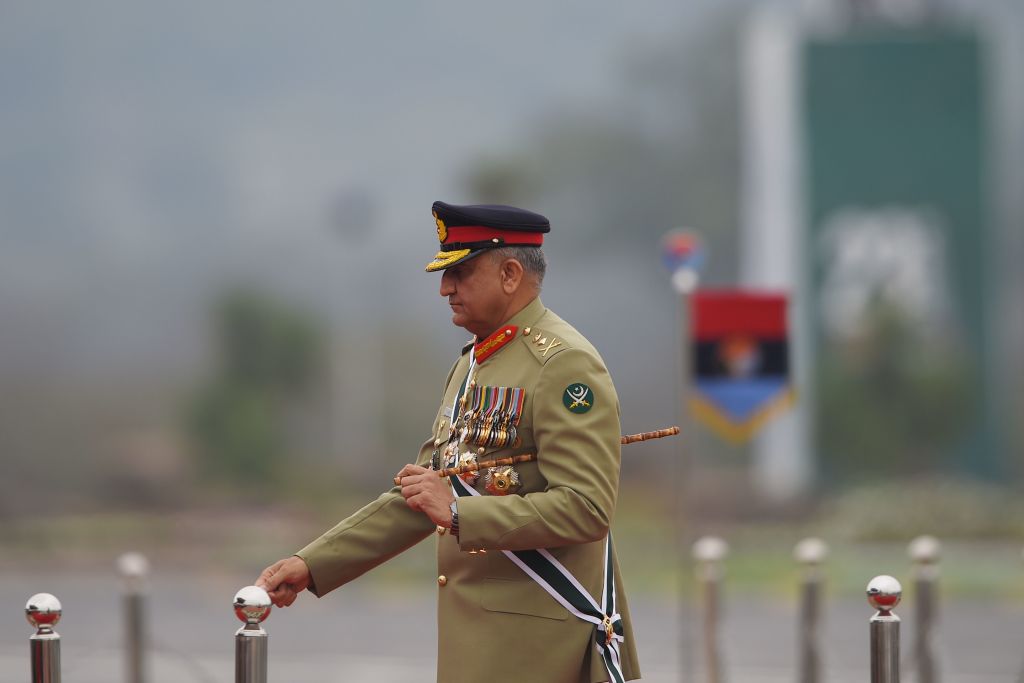
Pakistan’s Gen. Bajwa gets an extension amid political drama
Understanding a state and its society involves understanding how the state treats its military, its record of governance, and the relationship between the military and civilian politicians. By all accounts, Pakistan, a state founded in 1947 as a homeland for the Muslim population of British India, is a unique case where the military dominates all other institutions in both state and society. This was on clear display in the recent court battle over the extension of Army Chief of Staff Gen. Qamar Javed Bajwa’s tenure.
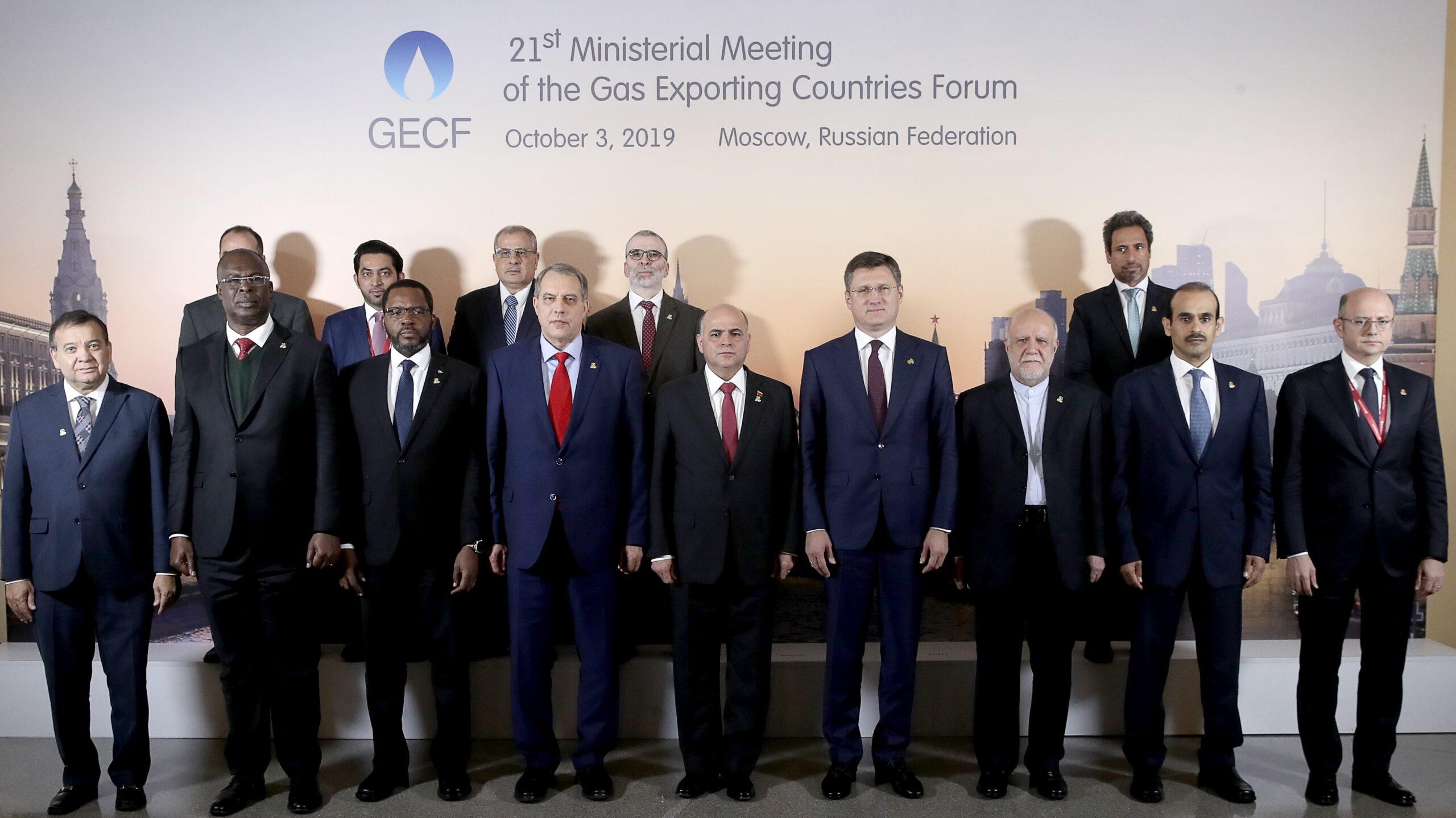
The 12-country Gas Exporting Countries Forum (GECF), which held its latest meeting in Equatorial Guinea on Nov. 28, has never had OPEC’s ability to control energy prices, but that is likely to change as liquefied natural gas (LNG) transforms the gas market from a regional to a global one.
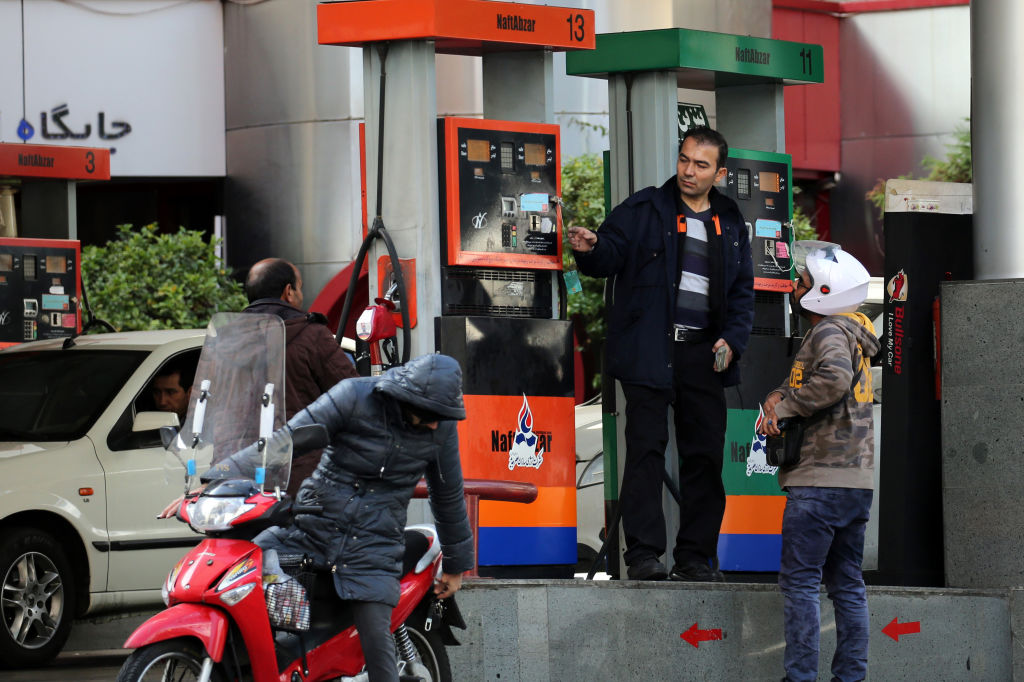
Rouhani vs. the pump: Ignoring better policy alternatives, again?
Faced with rapidly deteriorating public finances, Iranian policymakers had no choice but to reduce gasoline subsidies through a combination of rationing and price hikes. However, the way in which they did so was problematic, especially when they had other, better policy options that would have ensured a more equitable, effective, and efficient outcome.
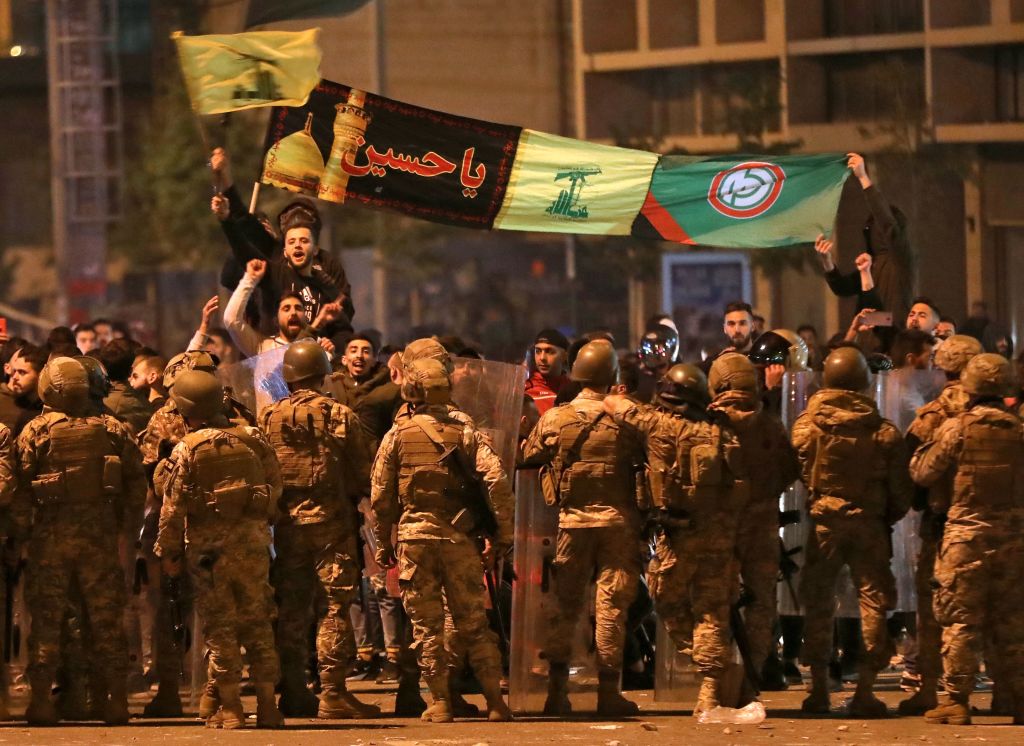
Hezbollah and Amal change tactics and ratchet up violence amid ongoing protests
While Hezbollah has largely remained immune to criticism, owing to its widely perceived role as an effective resistance movement against Israeli aggression, the powerful Iran-backed Shi’a militia and political party is now viewed by many demonstrators as part of the corrupt and morally bankrupt political establishment that must be replaced. Against this backdrop, supporters of Hezbollah and its Shi’a ally the Amal Movement have been quick to resort to violence.
Bringing Social Class into Humanitarian Debates: The Case of Northern Lebanon
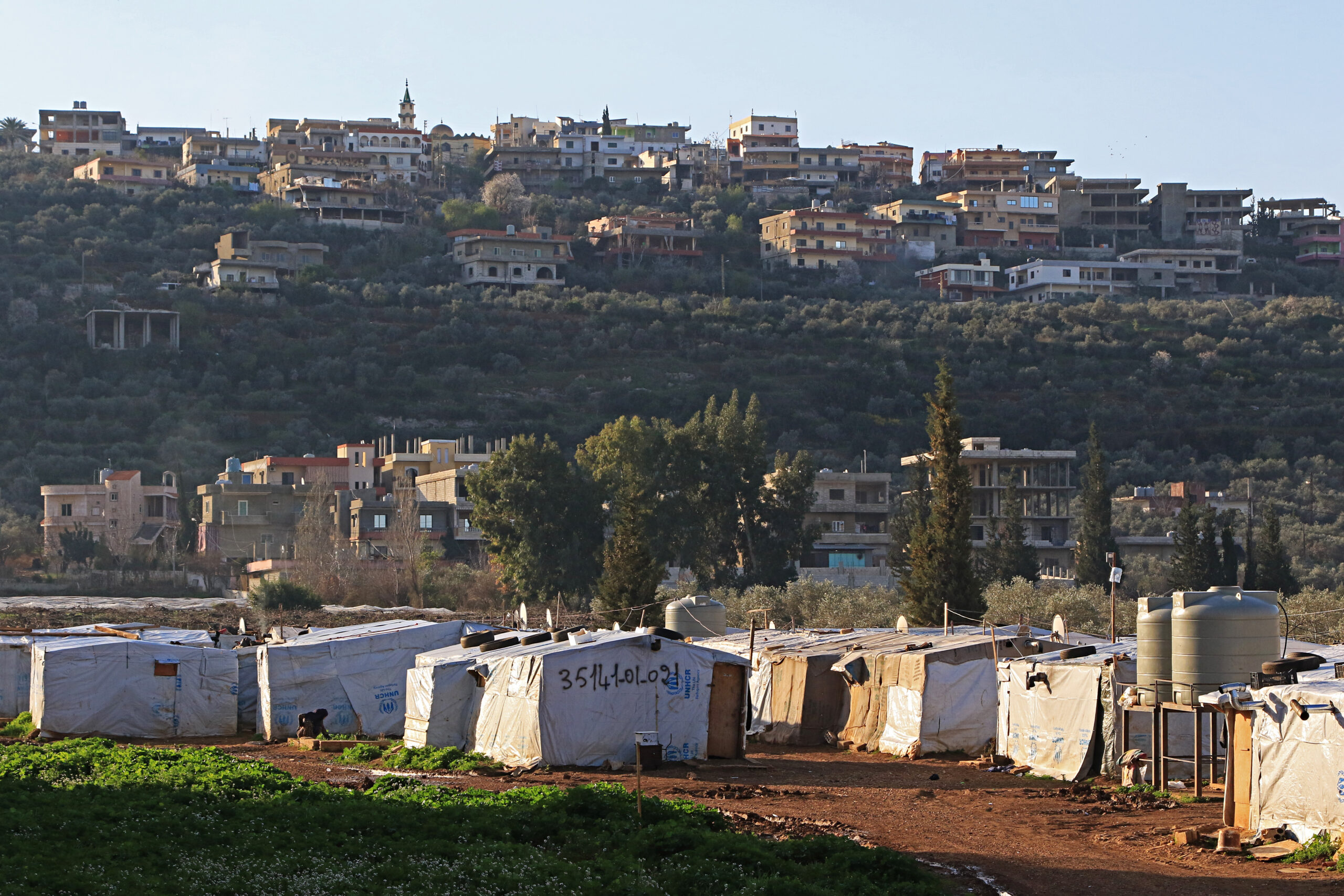
Cities are commonly regarded as the primary places where class economies become layered and articulated; however, the debates on “urban humanitarianism” have neglected social class as a key factor that significantly marks the relationship between aid providers and recipients in settings of aid provision. The small city of Halba, in northern Lebanon, vividly illustrates how the class economy has tacitly been shaping humanitarian programming and how the very presence of humanitarian actors on the ground reinforced the pre-existing class-based inequality.
Will protests in Iran lead to negotiations with the US?
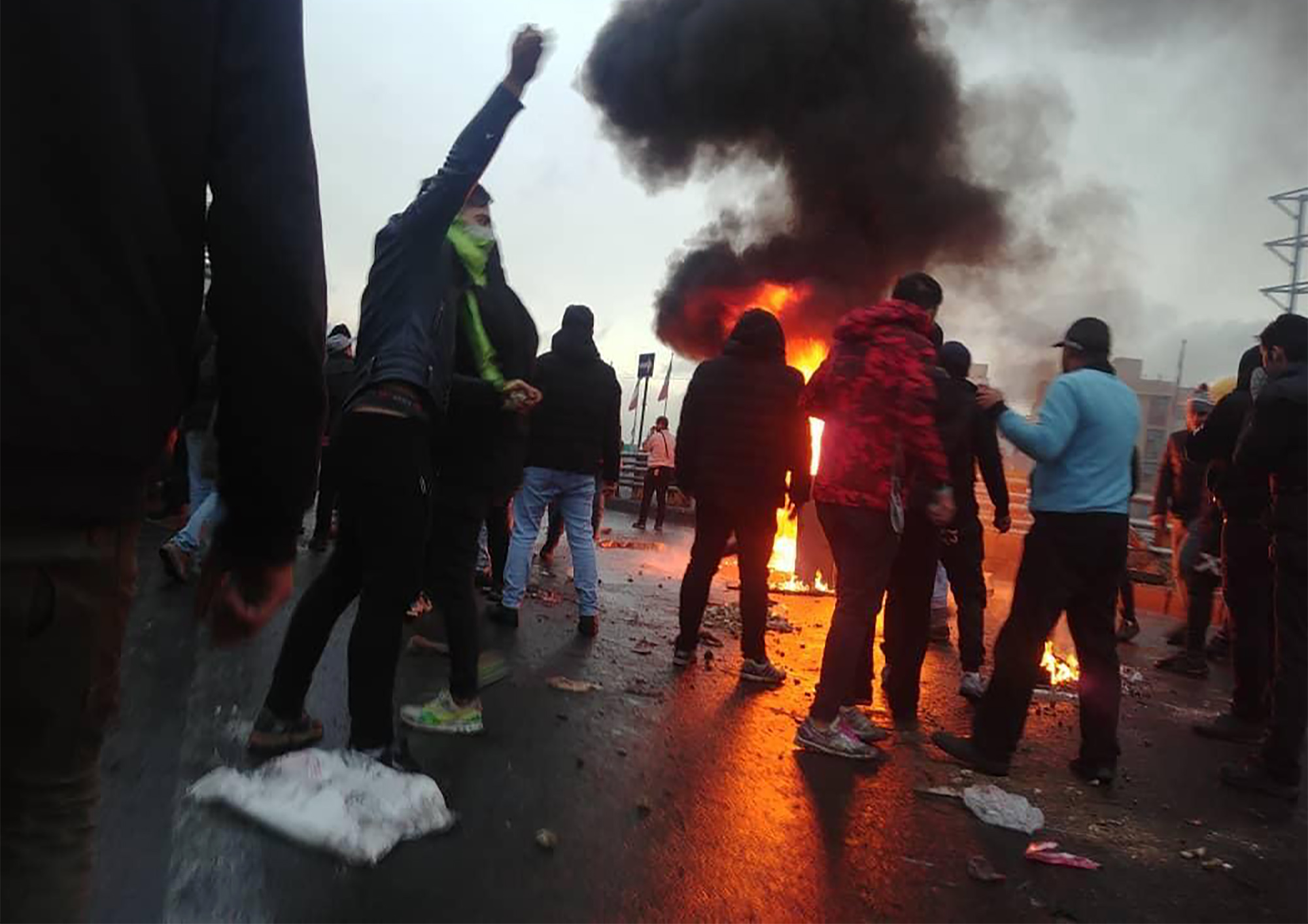
The protests that began in Iran in mid-November may well have a direct impact on Tehran’s relations with Washington. Initially sparked by the Iranian government’s sudden decision to raise fuel prices, the demonstrations have made clear the country’s fragile socio-economic and political situation.
Gen. (Ret.) Joseph Votel discusses the role of Afghanistan in US regional strategic interests, whether a peace deal is possible with the Taliban, and how important Pakistan is to achieving a sustainable political settlement.
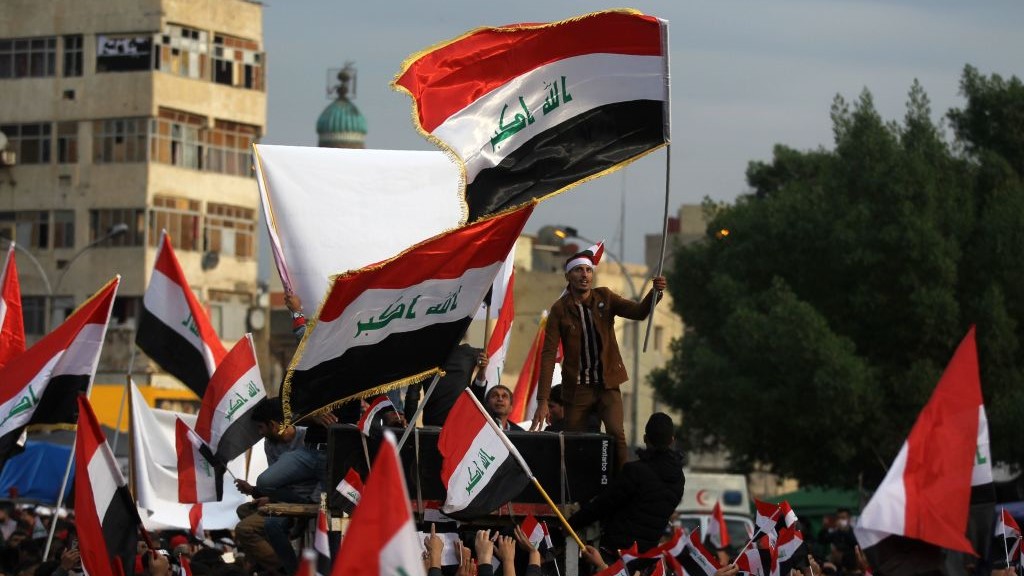
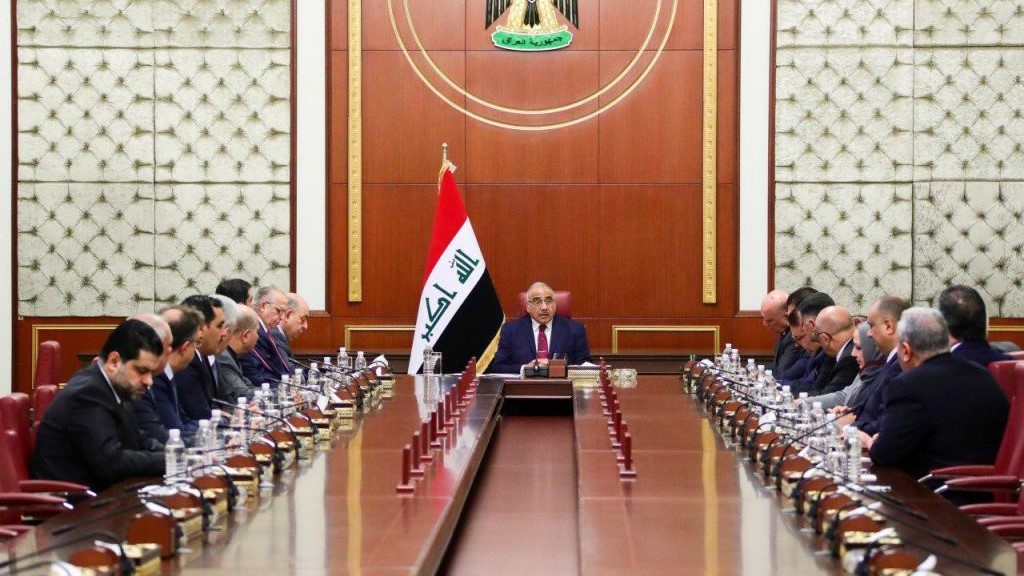
There is no end in sight to Iraq’s political crisis even though Parliament unanimously voted to remove Prime Minister Adel Abdul-Mahdi on Sunday. Abdul-Mahdi now tends a caretaker government while Iraq’s political leaders are interpreting the country’s constitution to give President Barham Salih 15 days starting from Nov. 30 to name a new prime minister.
The oldest peer-reviewed publication dedicated to the study of the modern Middle East, MEI’s flagship journal covers politics, society, and culture in the region.