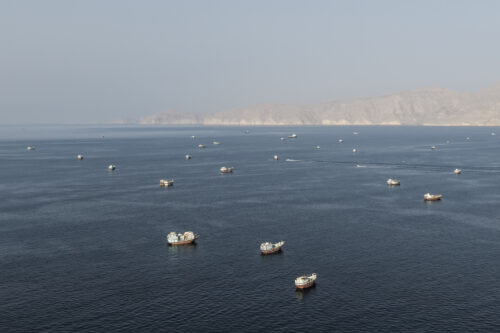
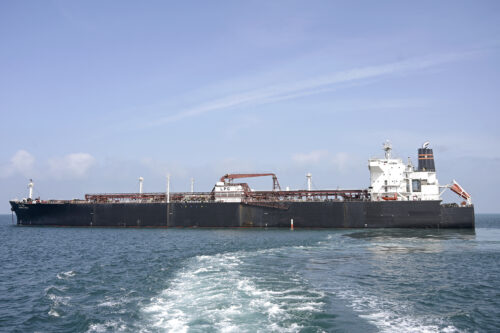
Crude oil is flowing out of the Gulf again, but the market is no better prepared for another disruption in the Strait of Hormuz. It has assembled a temporary system for managing one. Crude exports from the Gulf, excluding Iran, returned to pre-war levels in September, while total Gulf shipments reached 15.5 million barrels a day, more than 80% of the pre-conflict volume.
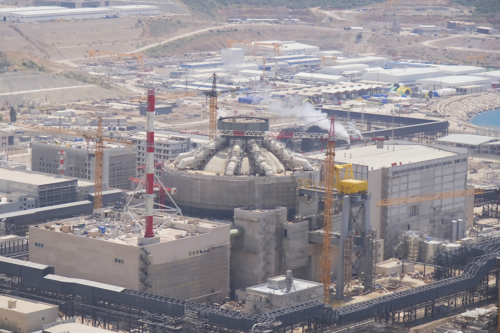
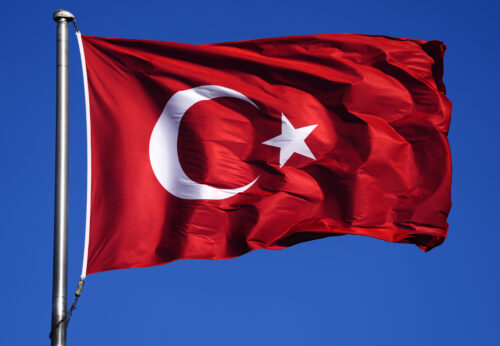
As a result of the Iran war, Turkish thinking about nuclear weapons appears to be shifting. Iran’s emergent ability to threaten regional states (and possible determination to acquire a nuclear weapon itself), growing concern about Israeli aggressiveness, doubts about US security guarantees, and greater Saudi nuclear autonomy are all pushing Ankara to consider a future nuclear option.
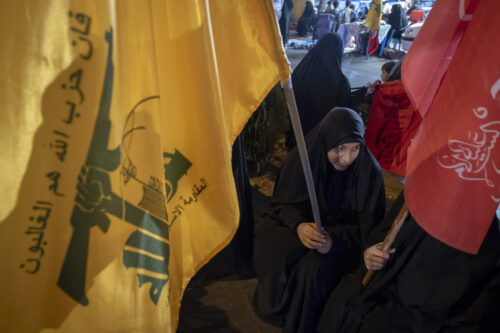
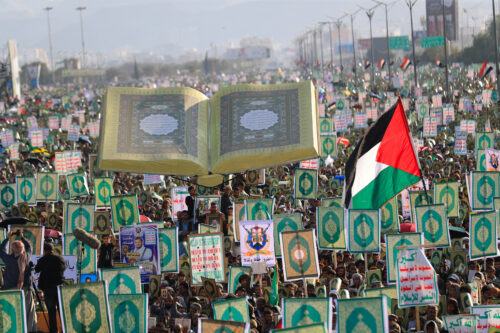
Hizballah: The murderers of elected Lebanese politicians, the killers of peacekeepers, the thugs of the streets they dominated because all other militias had disarmed, the agents of destruction of their own communities on behalf of foreign paymasters reigning 1,000 miles away from Beirut, the brainwashers of children into an ideology of “resistance” that only invited invasion. That’s the Hizballah that today is begging the Lebanese state to return to them the 1,000 pounds of explosives so rudely taken from them by Lebanese soldiers doing their job at a checkpoint in the Bekaa Valley.
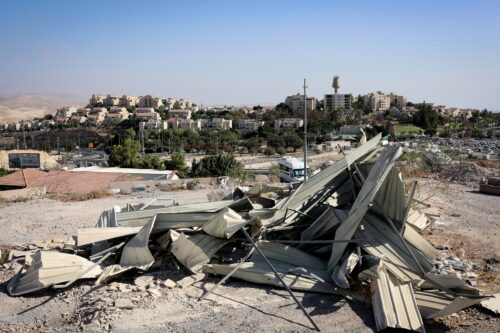
Since 1967, Israeli settlements in the West Bank have been a contested feature of the Israeli-Palestinian conflict. The ultimate disposition of the settlements and ongoing activity related to their growth have repeatedly defied agreement in negotiations over a resolution to the conflict.
The Houthis are a political-military faction and Zaydi religious movement founded in northwestern Yemen in the 1980s. A key member of Iran’s Axis of Resistance with links to other militant organizations in the Arabian Peninsula and the Horn of Africa, the group has continued to pose a threat to Western interests on a global scale.
The India-Middle East-Europe Economic Corridor (IMEC) is a proposed multinational infrastructure initiative aimed at upgrading connectivity between the three regions through integrated trade, energy, and digital networks. Announced at the G20 summit in New Delhi in September 2023, IMEC is envisioned partially as a counterweight to China’s international infrastructure project, the Belt and Road Initiative.
After a decade of post-Arab Spring isolation, Turkey’s leaders have recognized that their ambition to position the country as an agenda-setter on the world stage requires active engagement in all directions. President Recep Tayyip Erdoğan’s consolidation of executive authority has centralized foreign policy decision-making and tied it to his domestic political priorities, transforming the country’s revisionist approach to one shaped primarily by personal and pragmatic interests.
MEI Senior Fellow Brian Katulis engages friends, colleagues, and policy experts in casual conversations on the most important happenings in the Middle East.
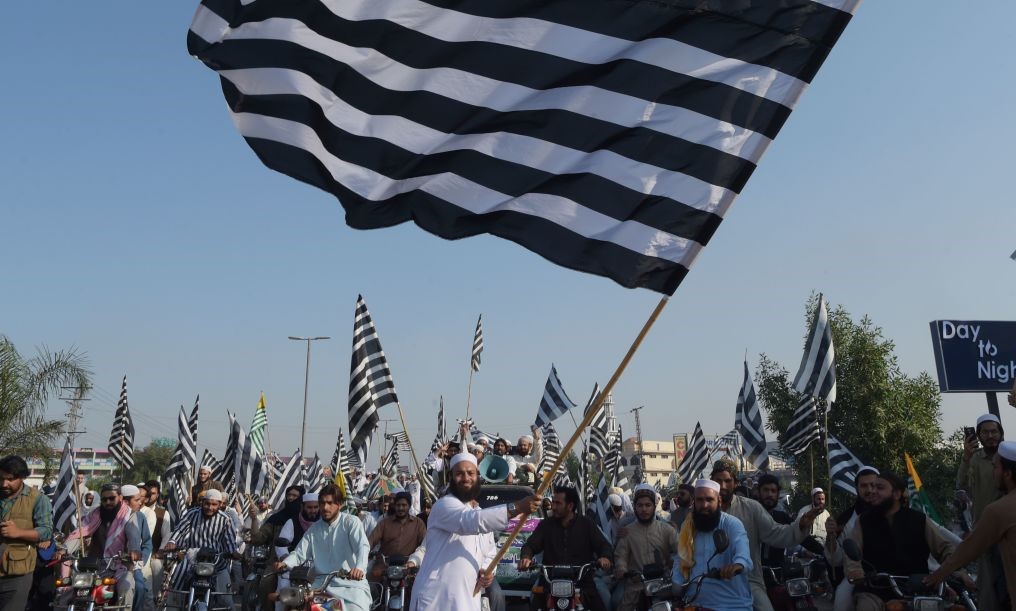
Once again, an elected Pakistani government is being pressed to resign
While there is probably zero chance Prime Minister Khan will step down, efforts will persist in trying to delegitimize those in power because this is what Pakistan’s opposition parties seem best programmed to do.
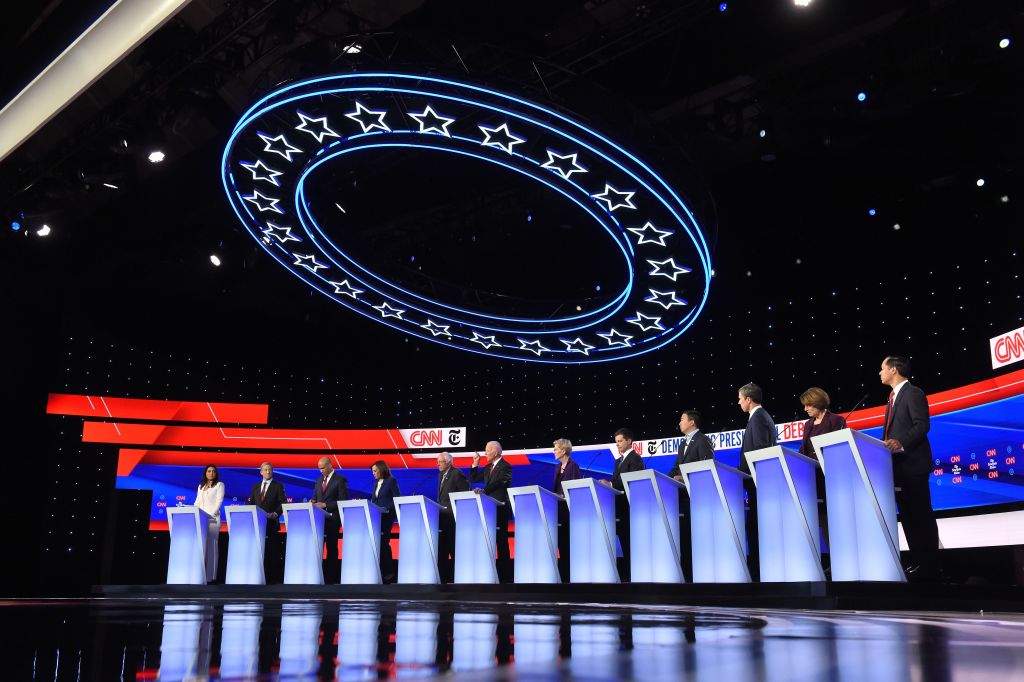
Securing the 2020 election from disinformation is going to get complicated
The increasing involvement of Iran in disinformation and attempted email hacking, in tandem with the revelation of Turla hijacking Iranian hacking infrastructure, risks muddying the waters even further with regard to attributing and countering election interference in 2020.
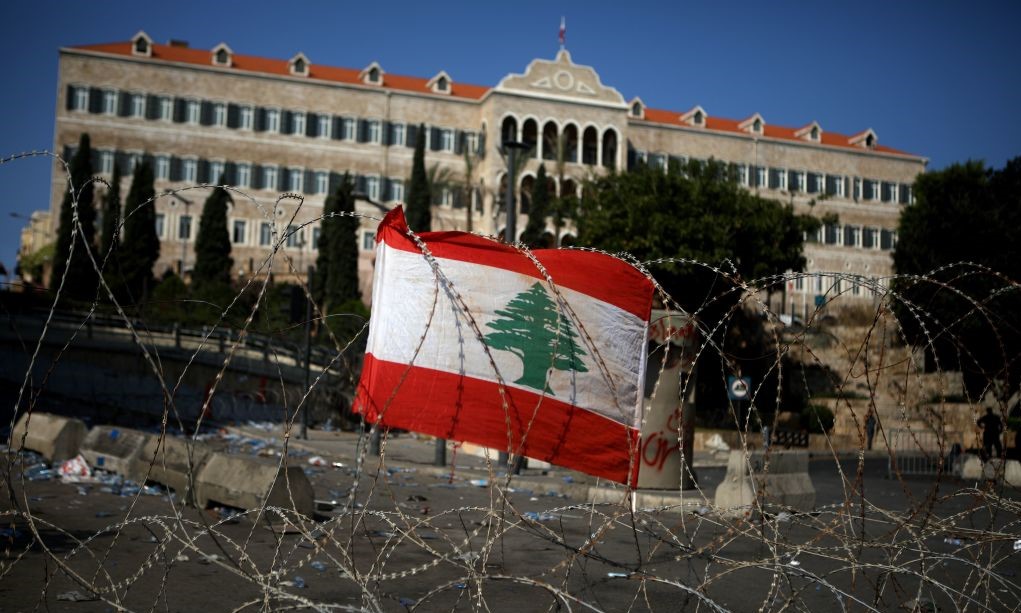
As protestors take to the streets across the country, Lebanon appears to be heading towards an economic meltdown with severe consequences for Lebanese citizens of all walks of life. We are concerned that failure to tackle current problems immediately and comprehensively could result in spiraling unemployment, uncontrollable inflation, more social unrest, civil strife and a severe deterioration in public health services and other basic resources.
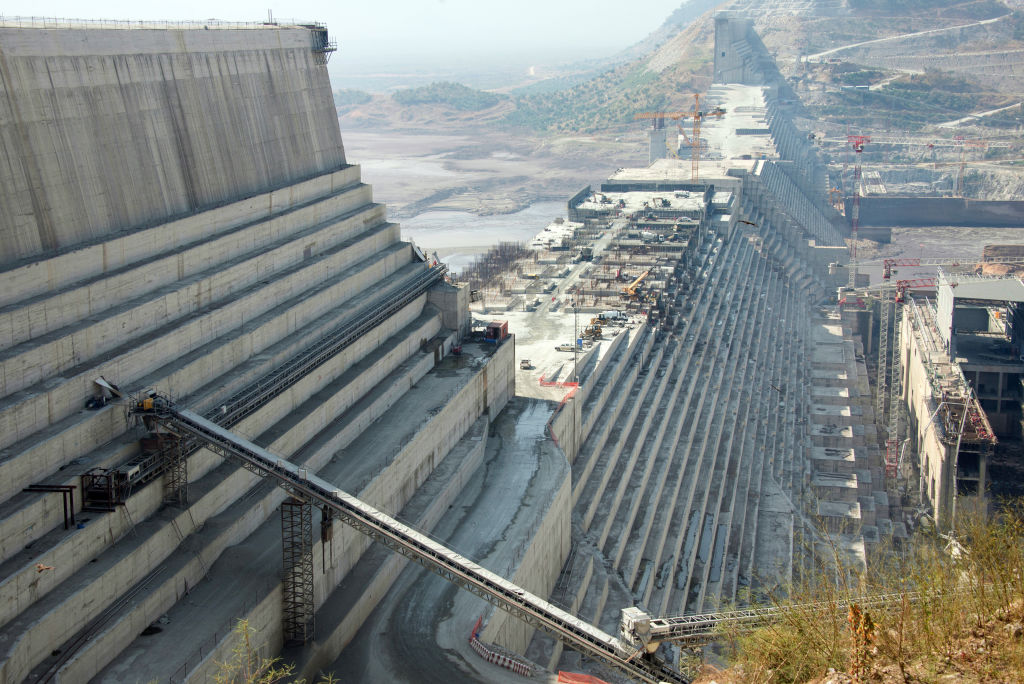
Water dispute with Ethiopia is an existential issue for Egypt
Egypt and Ethiopia remain at odds over the Great Ethiopian Renaissance Dam. Currently almost 70 percent complete, the giant upstream dam, which can hold the entire annual rainfall of the Nile, has the capacity to essentially turn the taps off on Egypt, depriving the country of the river water that supplies a mind-numbing 90 percent of its fresh water.
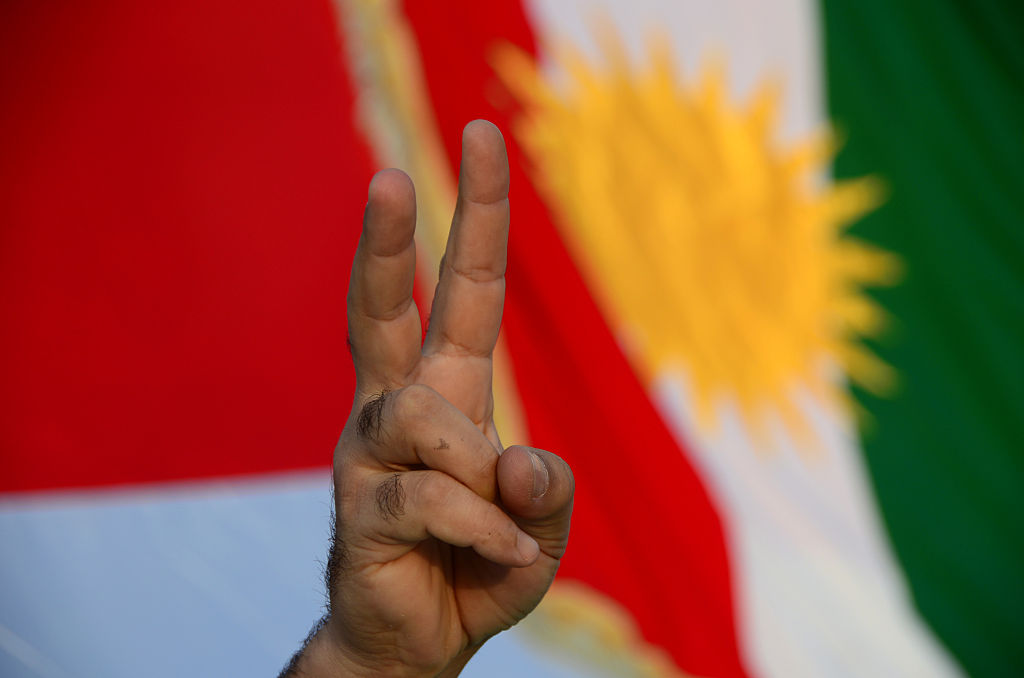
Borders Beyond Borders: The Many (Many) Kurdish Political Parties of Syria
The launch of Turkey’s military incursion into northern Syria on Oct. 9 represents an existential threat for the Autonomous Administration in Northeast Syria (AANES) and Kurdish parties in Syria as a whole, prompting Kurdish political factions, both within Syria and abroad, to reevaluate their survival strategies and alliances. This report explores the various political factions within the Kurdish coalitions in Syria as they functioned under the AANES and the major rifts between them. Even under these dire circumstances Kurdish political factions in Syria have responded to the Turkish invasion independently.
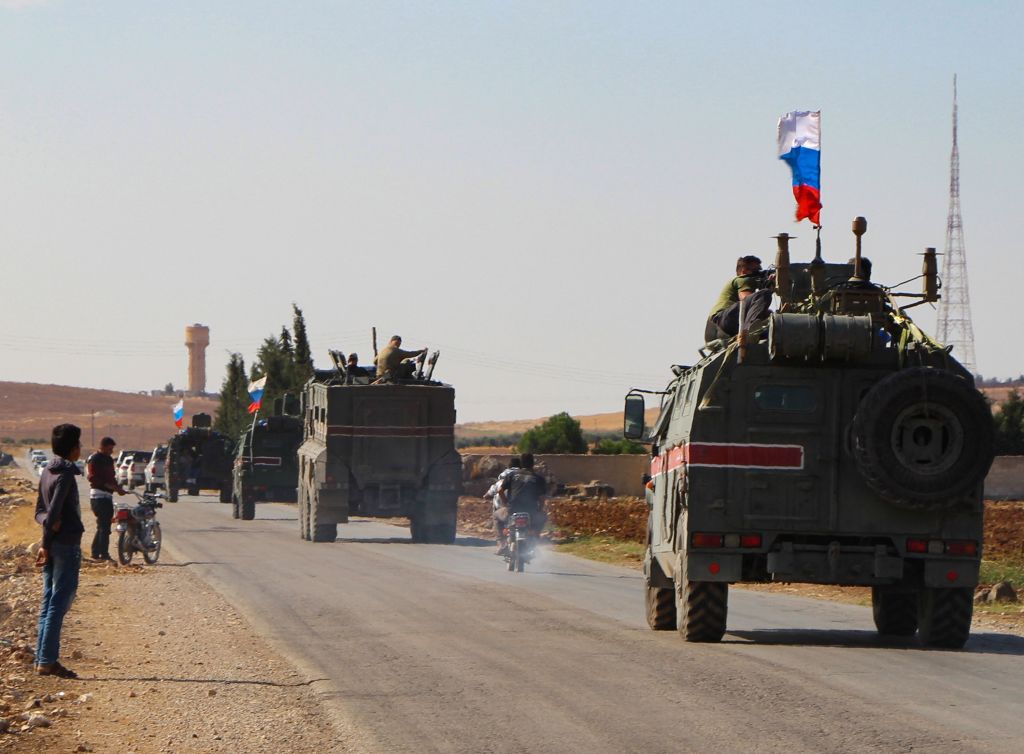
Iran may not like it, but it can live with a Turkey-Russia deal on Syria
While the Iranians would have preferred it if the Turks had not invaded Syria, it does not change their most immediate policy objective, which is the survival of the Assad regime. As long as the Russians keep the Turks away from Assad’s forces, Tehran will, at least in the short term, be able to manage the consequences of Ankara’s actions.
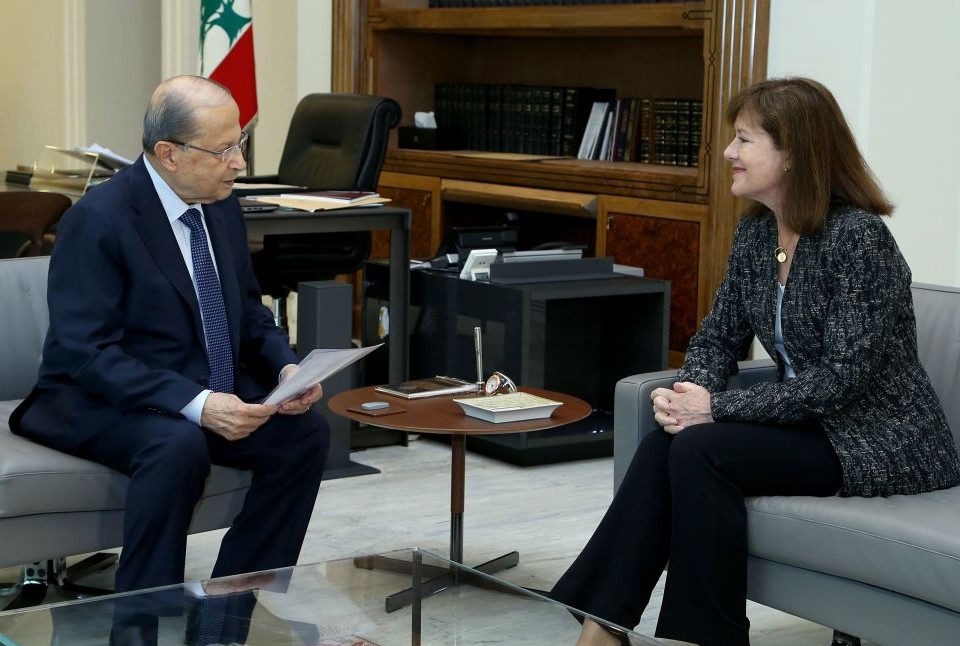
Resolving the Lebanese-Israeli border dispute: What’s in it for Washington?
On Sept. 25, Lebanese President Michel Aoun told the UN General Assembly that Lebanon is prepared to welcome any country’s help in demarcating its land and maritime borders. He was referring to Lebanon’s decades-old border dispute with Israel, the resolution of which has become increasingly important as the country inches closer toward its first oil and gas drilling operations later this year.
MEI experts Paul Salem, Randa Slim, and Bilal Saab join host Alistair Taylor to discuss the massive uprising that has swept across Lebanon since last weekend, including what’s driving the protests, how the government has responded so far, and where things may go from here.
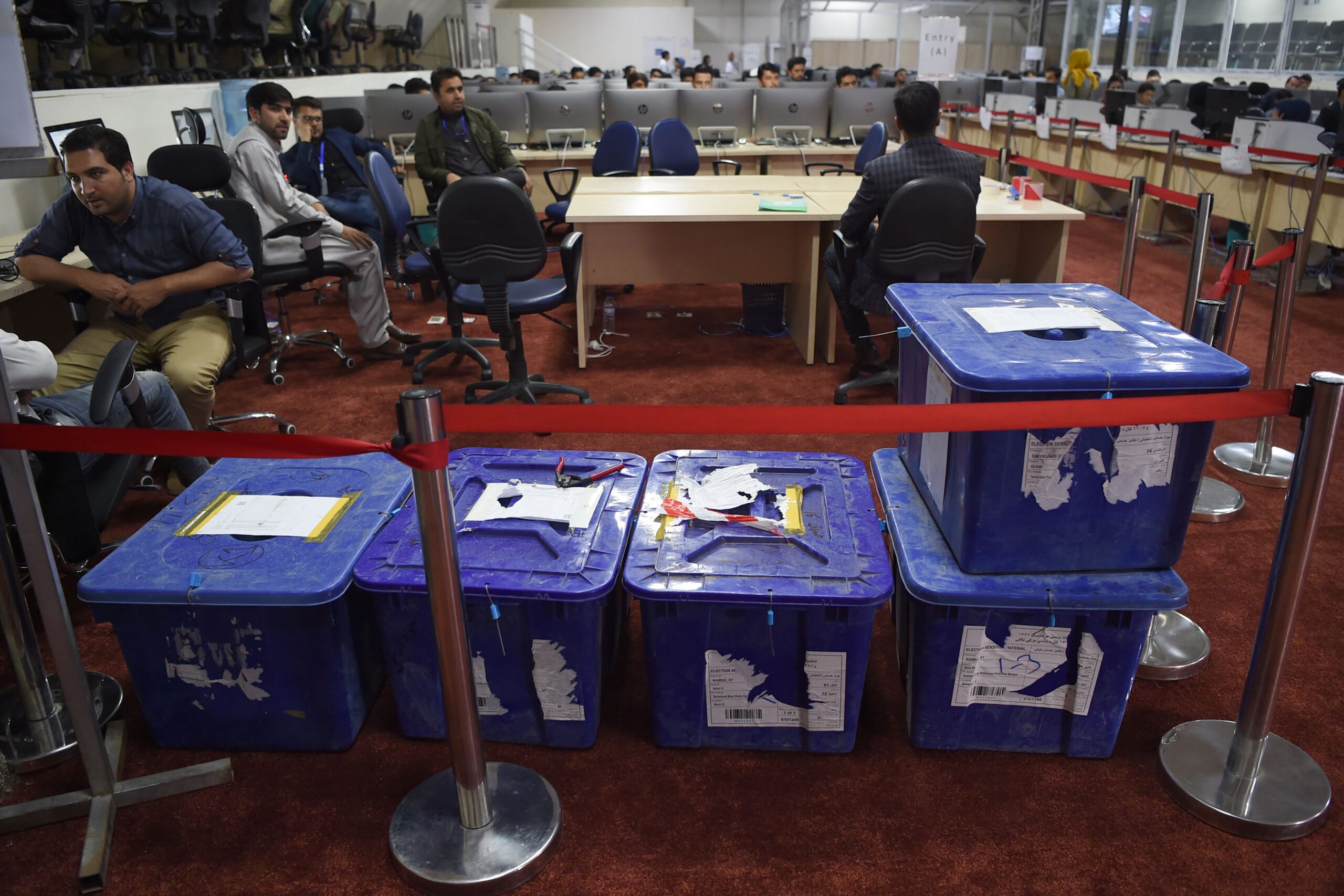
The US eyes the exit as Afghan election results are once again delayed
In a move that surprised no one, on Oct. 19 the Afghan election commission said it was unable to announce the preliminary results of the Sept. 28 presidential election as planned, due to delays in processing biometric data. Held amid political uncertainty, terrorist violence, and general skepticism, the September election was the fourth presidential contest in Afghanistan since 2001, when the brutal Taliban regime was toppled in the wake of the Sept. 11 terror attacks on the United States.
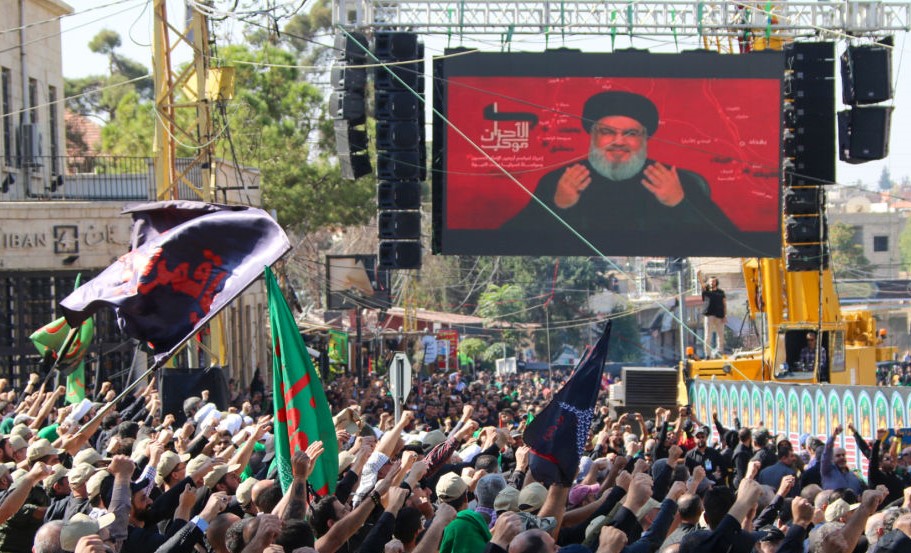
Lebanon’s current uprising, larger than the Cedar Revolution and rooted in long-held socio-economic grievances, has united protestors across the country in calls for fundamental political change. And this time, Shiites have joined the struggle. This is not a good outcome for Hezbollah — nothing threatens it more than discord within the Shi’a community — and it now finds itself in uncharted territory.
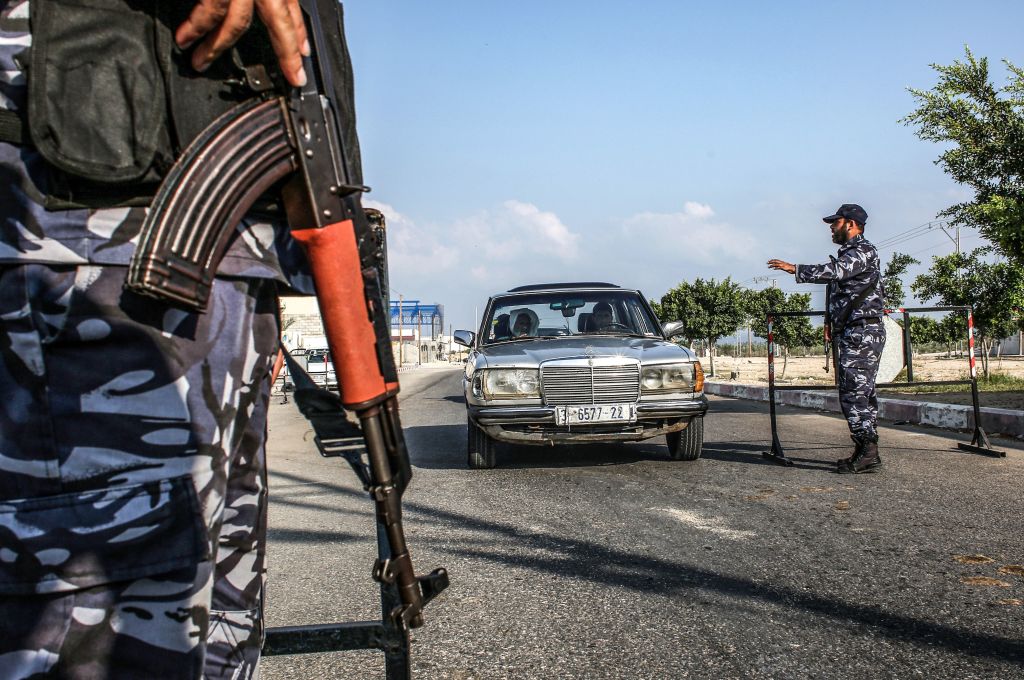
Disrupting a delicate status quo: The Hamas crackdown on Salafi-jihadists
Reports of a secret war being waged by Hamas against Salafi-jihadist groups in the Gaza Strip are indicative of increasing challenges to the former’s security control within the enclave. Hamas’ current approach to violent Salafist cells in Gaza is equally demonstrative of an ongoing warming of relations between Cairo and Hamas, and one that has afforded Hamas international legitimacy and an ease in border restrictions.
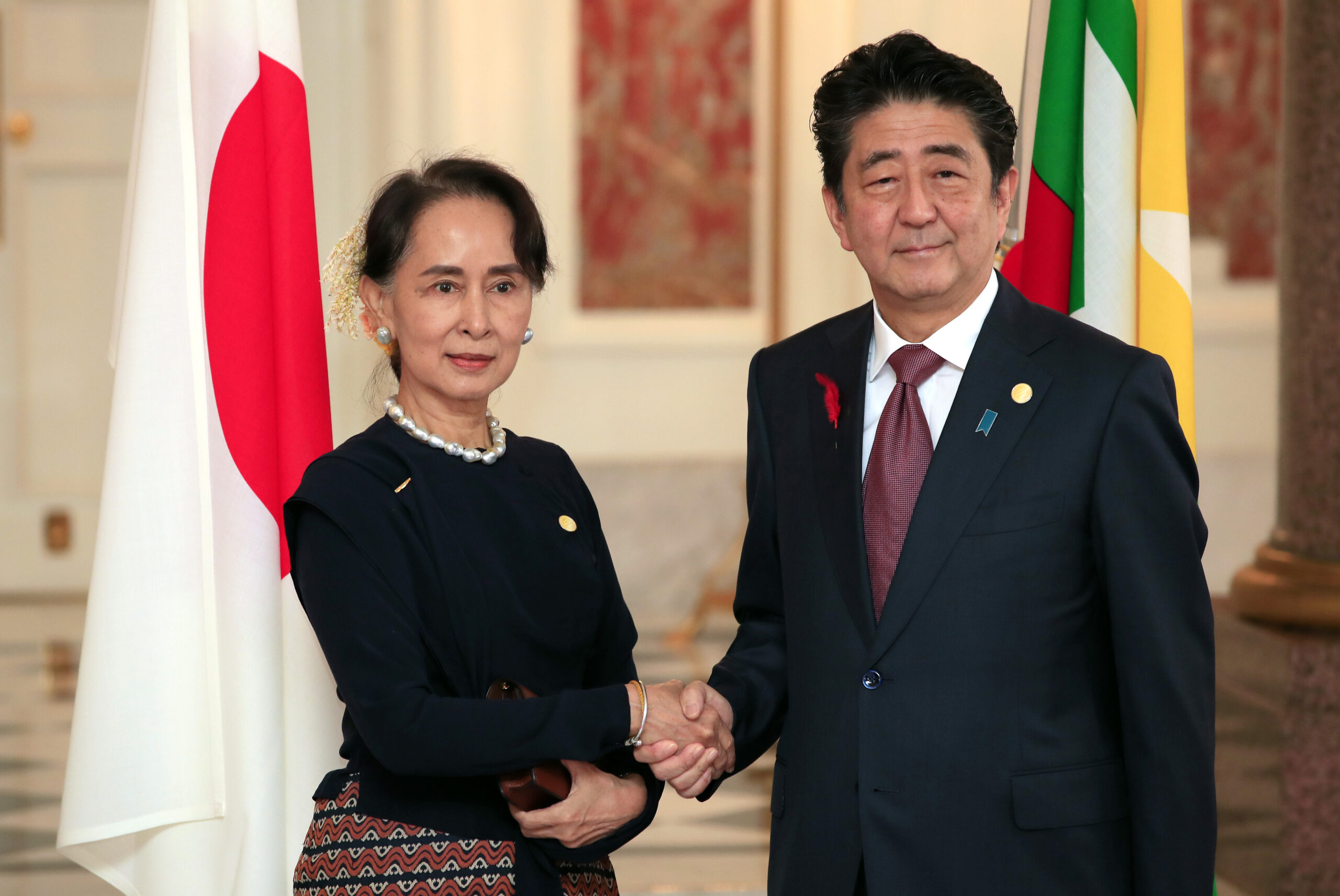
Japan’s Defense of Myanmar and the Rohingya Genocide
This article examines Japan’s response to Myanmar’s genocidal campaign against the Rohingyas. The author sharply critiques Japan’s practices of investing in and extending aid to Myanmar ostensibly to contribute to nation-building and democracy.
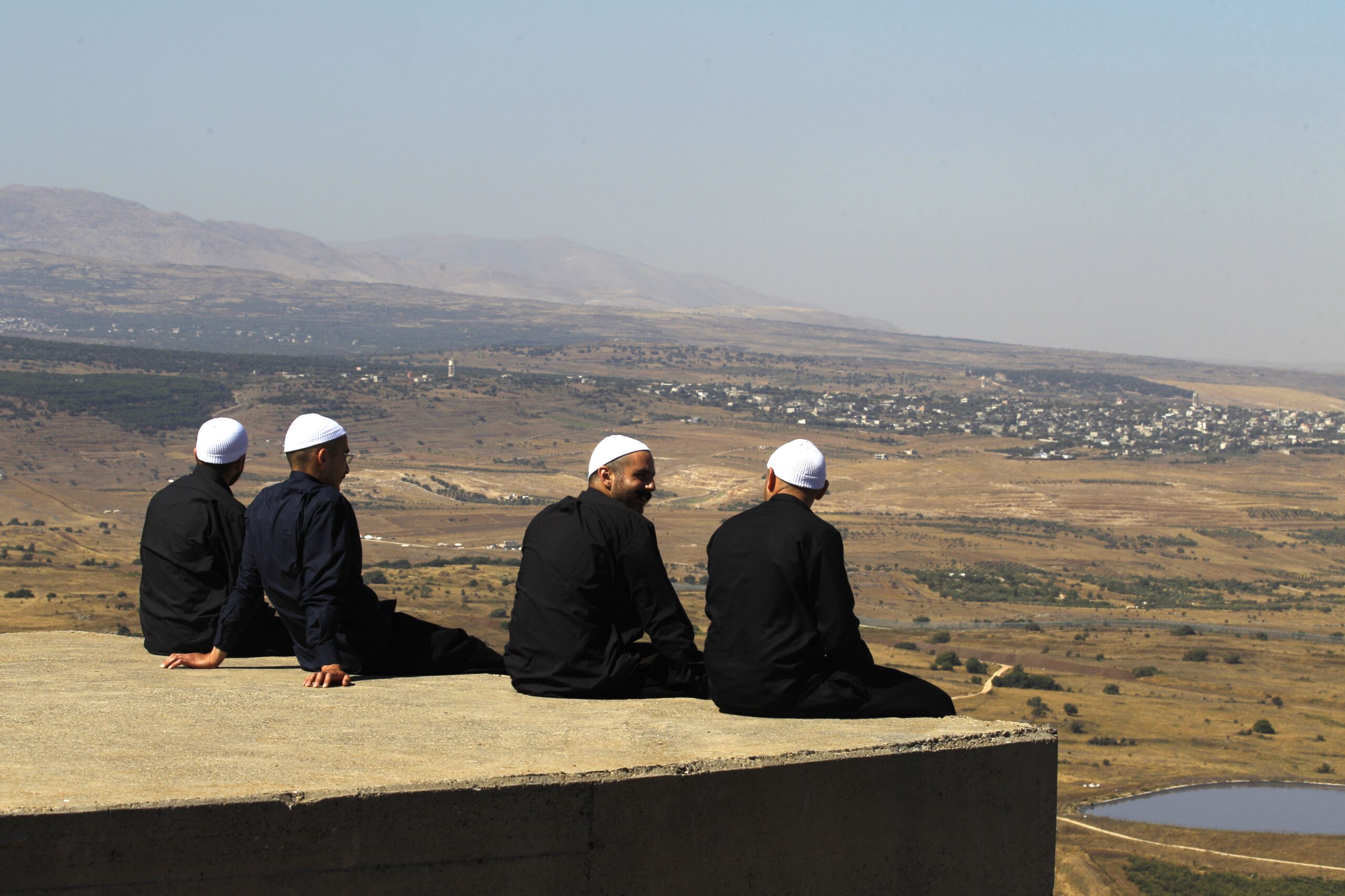
Divide and Conquer: The Growing Hezbollah Threat to the Druze
Deep political, familial, and religious ties have allowed Druze communities across the Levant to remain largely unified against external threats, but eight years of violence in Syria and a coordinated campaign by the regime and its allies now threaten to destabilize regional Druze politics and erode the sect’s political and military power. An Iranian-backed campaign by Hezbollah to incite inter-Druze violence in Lebanon has curtailed this unity, laying the groundwork for Hezbollah to expand into Syria’s Suwayda province with impunity.
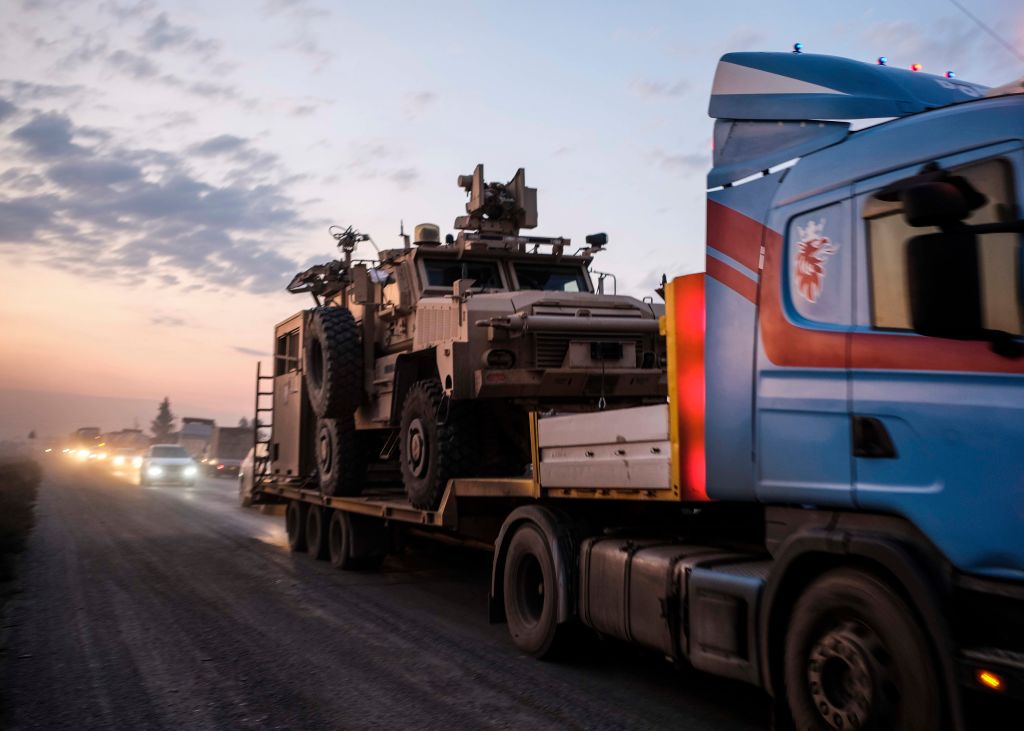
That some in Washington think another about-turn in policy allowing us to stay in negligible numbers, in a smaller piece of territory, would somehow enable us to sustain an anti-ISIS campaign and control Syria’s oil fields is nothing short of a fantasy.
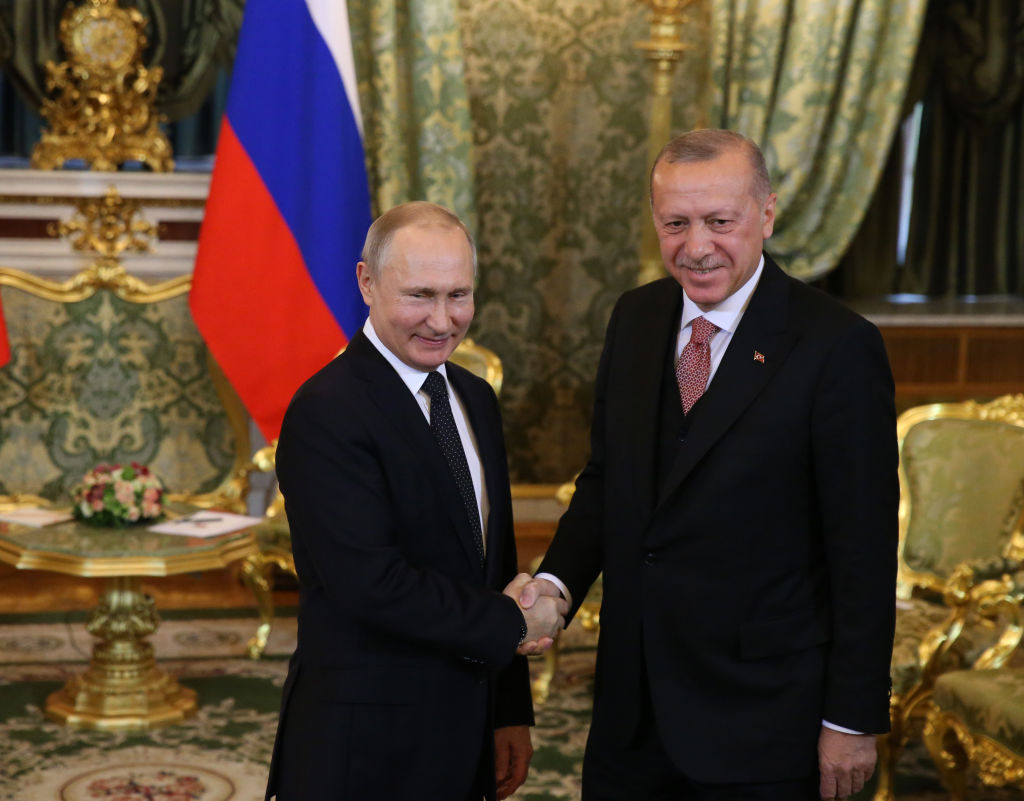
Erdogan heads to Russia for Syria safe zone talks with Putin
To make his case for an expansive safe zone in northern Syria stretching to Iraqi border, Recep Tayyip Erdogan is meeting with Russian President Vladimir Putin in Sochi. Putin might accept a limited Turkish presence in the area for now, but he is unlikely to agree to Turkey’s current plans.
The oldest peer-reviewed publication dedicated to the study of the modern Middle East, MEI’s flagship journal covers politics, society, and culture in the region.