Washington says it doesn’t know who runs Iran. Tehran insists its leadership is united. MEI Senior Fellow Alex Vatanka joins hosts Alistair Taylor and Matthew Czekaj to sort out where the truth lies. They look at the small circle of political and military figures now steering the war effort in Tehran: who they are, how they make decisions, and how unified they really are. They also discuss the current state of US-Iran negotiations, the role of the upcoming midterm elections in the United States, and how the Islamic Republic is preparing for a potential renewal of conflict afterward.
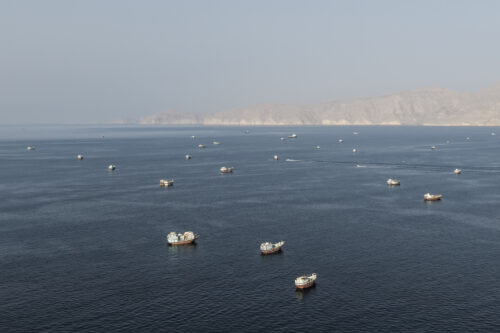
Crude oil is flowing out of the Gulf again, but the market is no better prepared for another disruption in the Strait of Hormuz. It has assembled a temporary system for managing one. Crude exports from the Gulf, excluding Iran, returned to pre-war levels in September, while total Gulf shipments reached 15.5 million barrels a day, more than 80% of the pre-conflict volume.
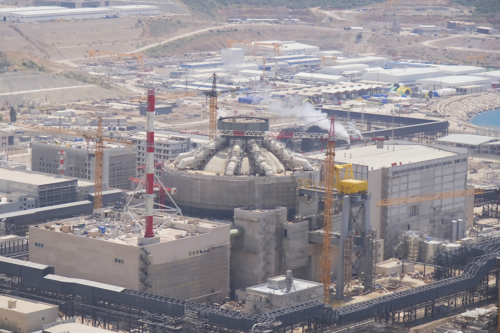
As a result of the Iran war, Turkish thinking about nuclear weapons appears to be shifting. Iran’s emergent ability to threaten regional states (and possible determination to acquire a nuclear weapon itself), growing concern about Israeli aggressiveness, doubts about US security guarantees, and greater Saudi nuclear autonomy are all pushing Ankara to consider a future nuclear option.
Since 1967, Israeli settlements in the West Bank have been a contested feature of the Israeli-Palestinian conflict. The ultimate disposition of the settlements and ongoing activity related to their growth have repeatedly defied agreement in negotiations over a resolution to the conflict.
The Houthis are a political-military faction and Zaydi religious movement founded in northwestern Yemen in the 1980s. A key member of Iran’s Axis of Resistance with links to other militant organizations in the Arabian Peninsula and the Horn of Africa, the group has continued to pose a threat to Western interests on a global scale.
The India-Middle East-Europe Economic Corridor (IMEC) is a proposed multinational infrastructure initiative aimed at upgrading connectivity between the three regions through integrated trade, energy, and digital networks. Announced at the G20 summit in New Delhi in September 2023, IMEC is envisioned partially as a counterweight to China’s international infrastructure project, the Belt and Road Initiative.
After a decade of post-Arab Spring isolation, Turkey’s leaders have recognized that their ambition to position the country as an agenda-setter on the world stage requires active engagement in all directions. President Recep Tayyip Erdoğan’s consolidation of executive authority has centralized foreign policy decision-making and tied it to his domestic political priorities, transforming the country’s revisionist approach to one shaped primarily by personal and pragmatic interests.
MEI Senior Fellow Brian Katulis engages friends, colleagues, and policy experts in casual conversations on the most important happenings in the Middle East.
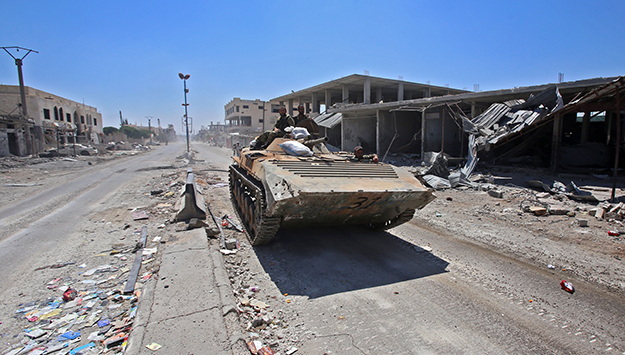
In this week’s Monday Briefing, MEI experts Robert S. Ford, Gerald Feierstein, Marvin G. Weinbaum, and Bilal Y. Saab provide analysis on Iran’s efforts to stay in Syria, Pompeo’s upcoming trip to Abu Dhabi, the Pakistan Muslim League’s struggle in the upcoming National Assembly elections, and Qatar’s decision to renege on its Russian S-400 purchase.
Protests have broken out in Iran’s capital several times in recent weeks, leading to clashes with police and the temporary closure of Tehran’s Grand Bazaar. As with the demonstrations that swept the country earlier this year, these protests focused mainly on Iranians’ economic grievances. MEI’s Alex Vatanka and Ahmad Majidyar join guest host Greg Myre, national security correspondent for NPR, to discuss the factors driving Iran’s economic struggles, and the potential political impact.
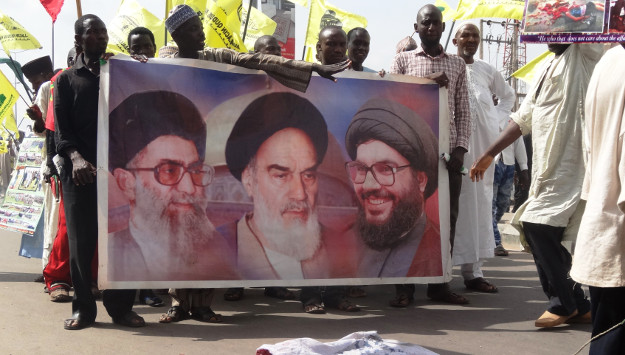
Hezbollah allegedly training Nigerian Shiites to expand influence in West Africa
While Hezbollah’s military expansion across the Middle East, particularly since the start of the Syrian conflict in 2011, has drawn a great deal of attention, the Lebanese organization’s efforts to increase its presence and influence in Africa has largely been overlooked. Nigeria is a case in point. Sources close to Hezbollah say the organization provides ideological and military training to Nigerian Shiites inside Lebanon.
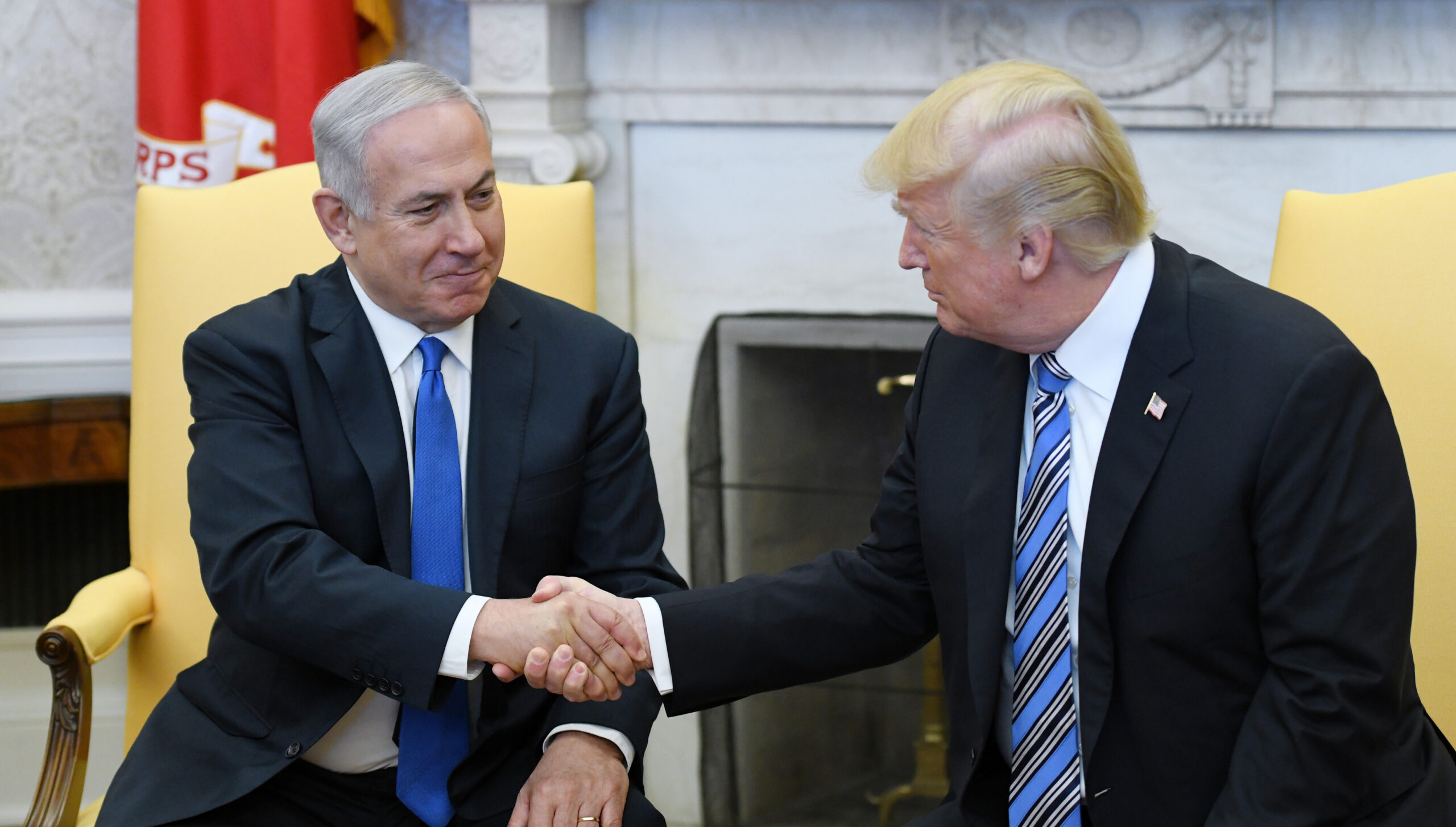
Netanyahu's ambition a test for US-Israel relations
After U.S. Vice President Mike Pence laid out the Trump administration’s agenda in a speech earlier this year before Israel’s parliament, the Knesset, one attendee asked, “was that the messiah or the vice president of the United States?”
In this week’s Monday Briefing, MEI experts Charles Lister, Alex Vatanka, Randa Slim, and Marvin G. Weinbaum provide analysis on the US’s silence amid the Assad regime’s expansion, the Iranian president’s trip to Europe, the uptick in violence after Iraq’s elections, and the upcoming Pakistani parliamentary elections.
This article aims to put a spotlight on the status of Judaism in China and the actors who promote its agendas. It discusses Chinese and Israeli attempts to promote Judaism within China. And it shows that Chinese authorities, owing to domestic and foreign policy considerations, appear committed to leaving the status of the Jewish religion within the country unchanged.
The importance of understanding Middle Eastern arts and culture
Middle East policy is most commonly viewed through a security or geopolitical lens, but arts and culture is the human lens into the region. MEI Vice President Kate Seelye and Lyne Sneige, director of MEI’s Arts & Culture program, join Paul Salem to discuss the importance of culture as a tool for enriching policy discourse.
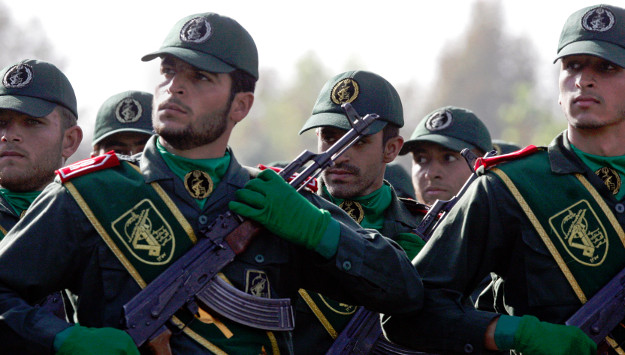
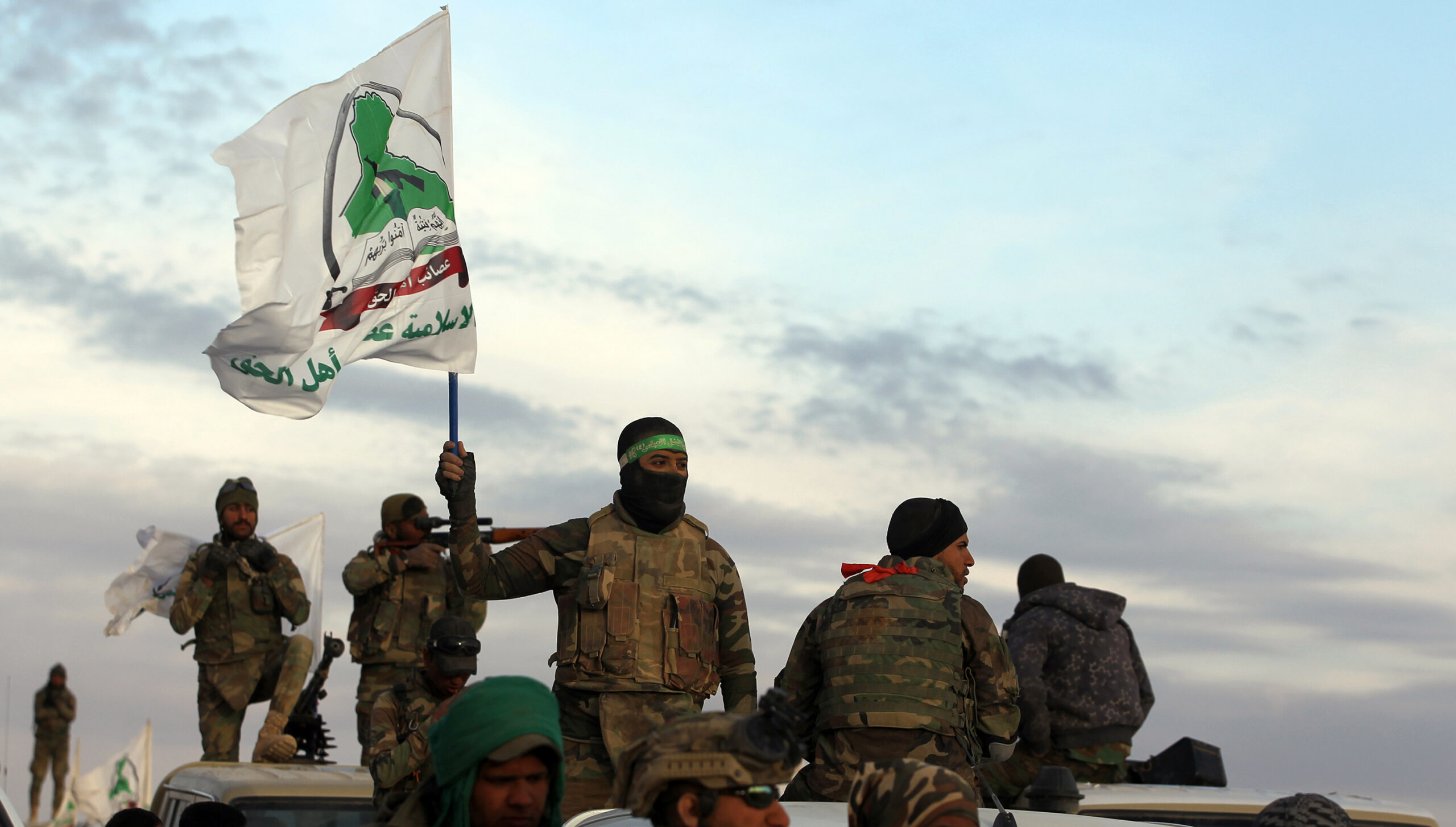
Since its 1979 revolution, the Islamic Republic of Iran has incited violent, radical, and often sectarian nonstate groups across the Middle East to serve as proxies in its military campaigns to influence regional and international politics. This “proxy model” has become increasingly salient since the U.S. invasion of Iraq in 2003 and more recently in Iraq and Syria, and is now Iran’s primary tool for advancing its regional intersts.
The fighter jet that could break US-Turkey defense relations
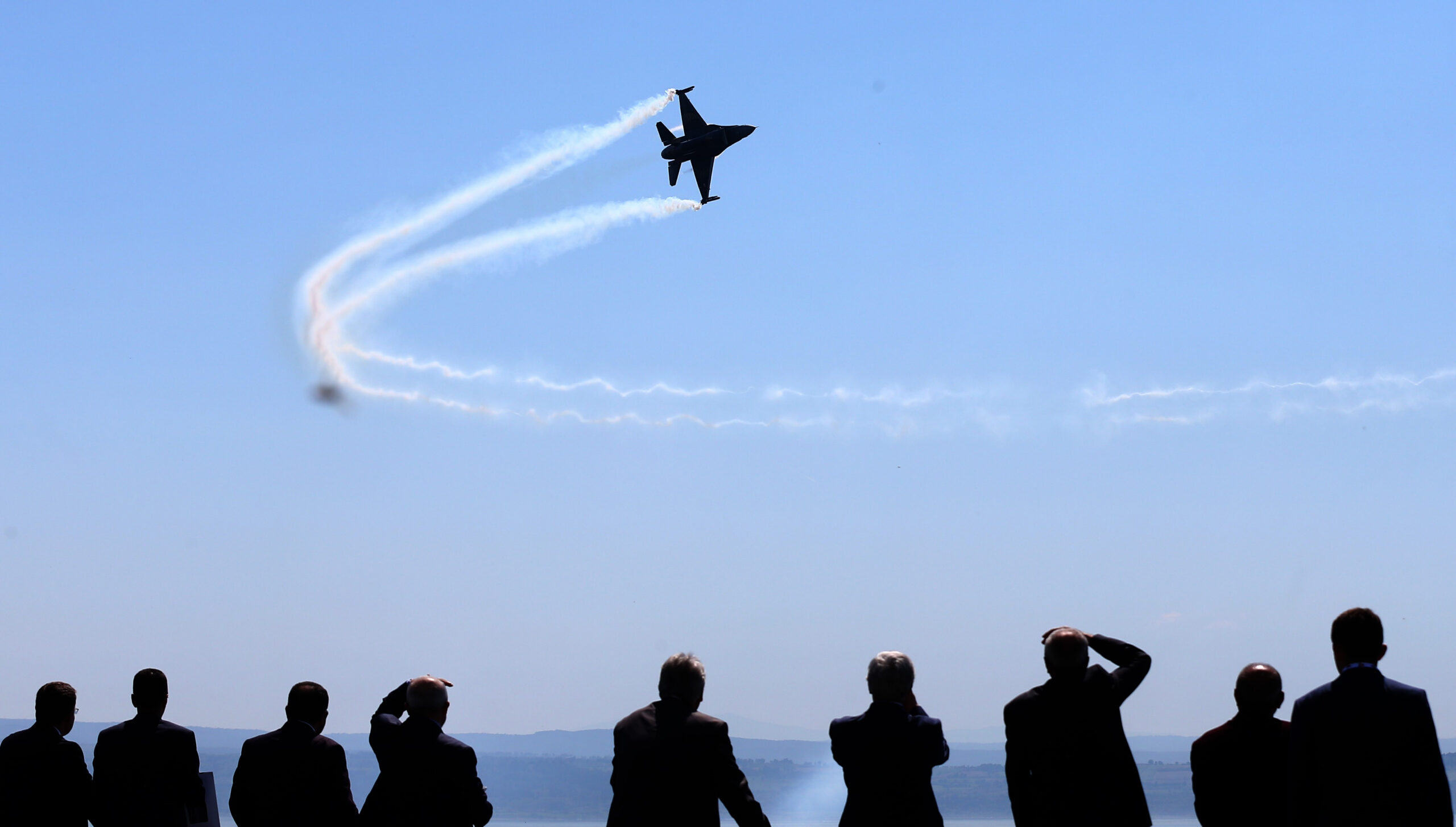
On Jun. 18, the U.S. Senate voted for the National Defense Authorization Act (NDAA), which proposes blocking the delivery of F-35 combat aircraft to Turkey and advises the removal of Turkey from the 20-year-old international program for joint production of F-35s. This motion was preceded by a May 25 vote in the U.S.
There are promising signs that the Saudi-backed coalition in Yemen’s assault on the port of Hodeida is opening a window of opportunity for a return to the political process. After a year of stalling, the Houthis have reportedly expressed a willingness to hand over operation of the port to a neutral third party, most likely the U.N. itself. Meanwhile, U.N.
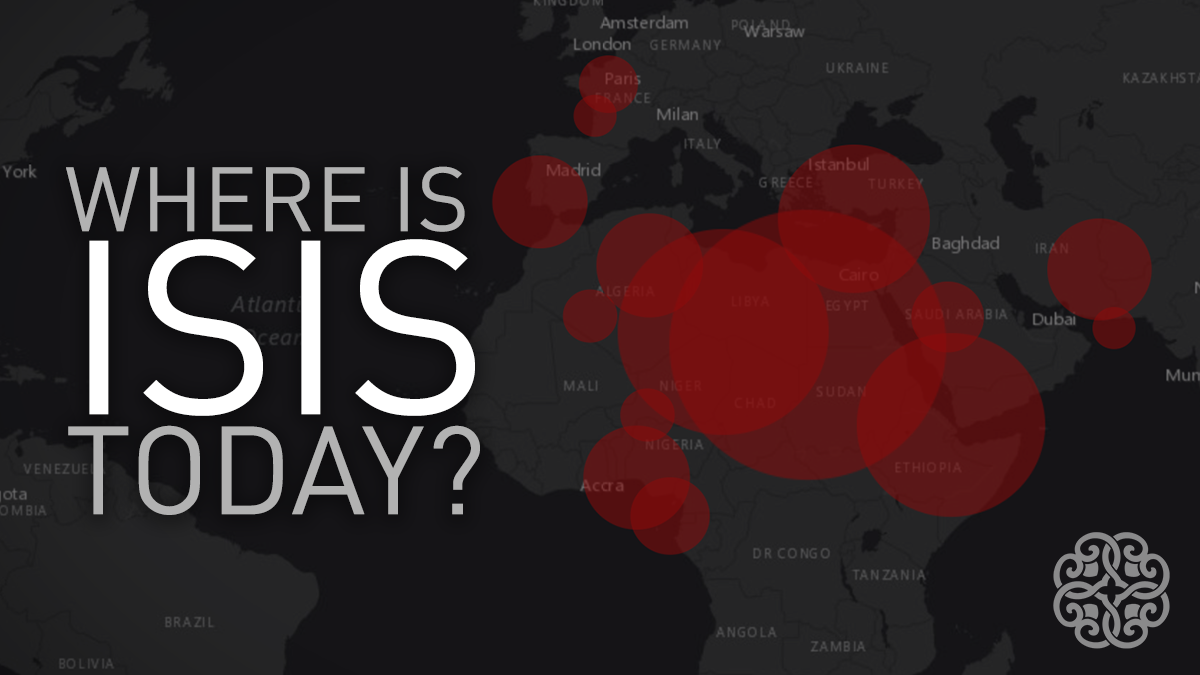
After years of international intervention, ISIS was routed from its Iraqi stronghold in Mosul and from its so-called capital in the Syrian city of Raqqa last year. However, the group remains dangerous both in the region and globally. Charles Lister discusses how ISIS is operating today, and what the international community must do to combat it.
China’s Belt and Road Initiative (BRI) and Turkey’s Middle Corridor: “Win-Win Cooperation”?
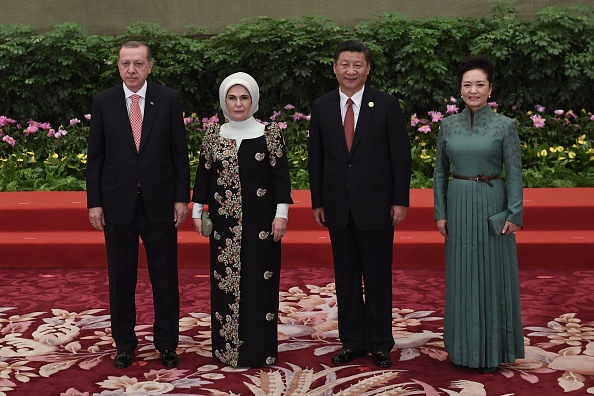
The launching of the Belt and Road Initiative (BRI) and the Middle Corridor have provided wider scope and greater potential for China, now the world’s second-largest economy and Turkey, a G20 member, to develop more extensive bilateral trade and investment ties and further advance their respective regional and global aspirations. This article examines the headway that China and Turkey have made and the roadblocks that they have encountered in enhancing their economic relations.
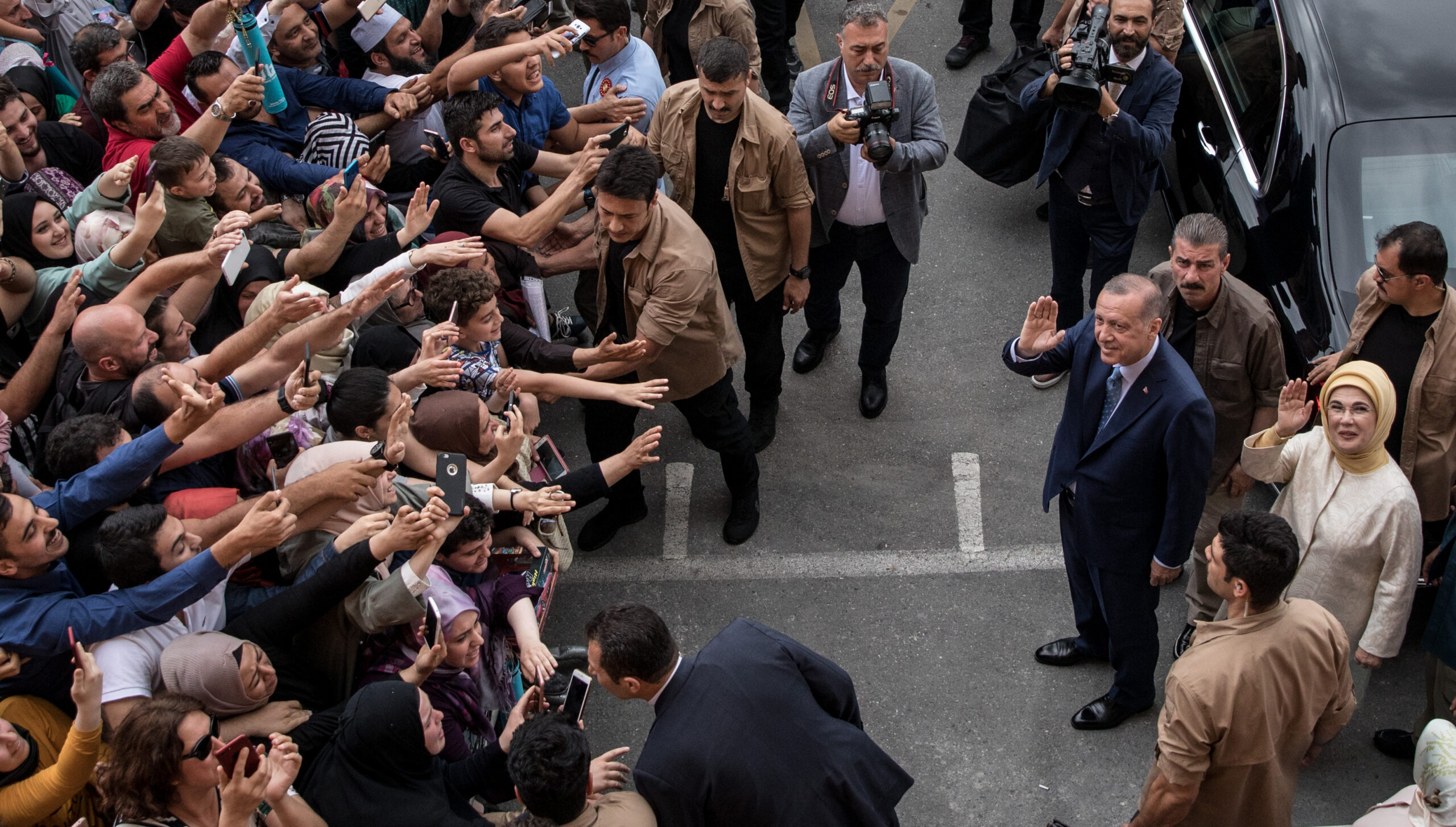
Turkey’s President Recep Tayyip Erdogan claimed victory in critical presidential and parliamentary elections on Sunday. The vote grants him five more years in office as well as unprecedented powers in a powerful presidential system. His critics had hoped that this time they had a real shot at defeating the strongman. The notoriously fractured opposition had united to deny the ruling party a parliamentary majority. The main opposition, the Republican People’s Party (CHP), had fielded a firebrand candidate who was determined to reach out well beyond the party’s secularist, nationalist base.
The oldest peer-reviewed publication dedicated to the study of the modern Middle East, MEI’s flagship journal covers politics, society, and culture in the region.