Bonus Episode: Previewing Israel’s First Post-October 7 Election
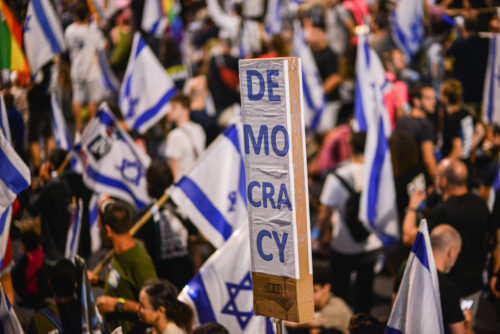
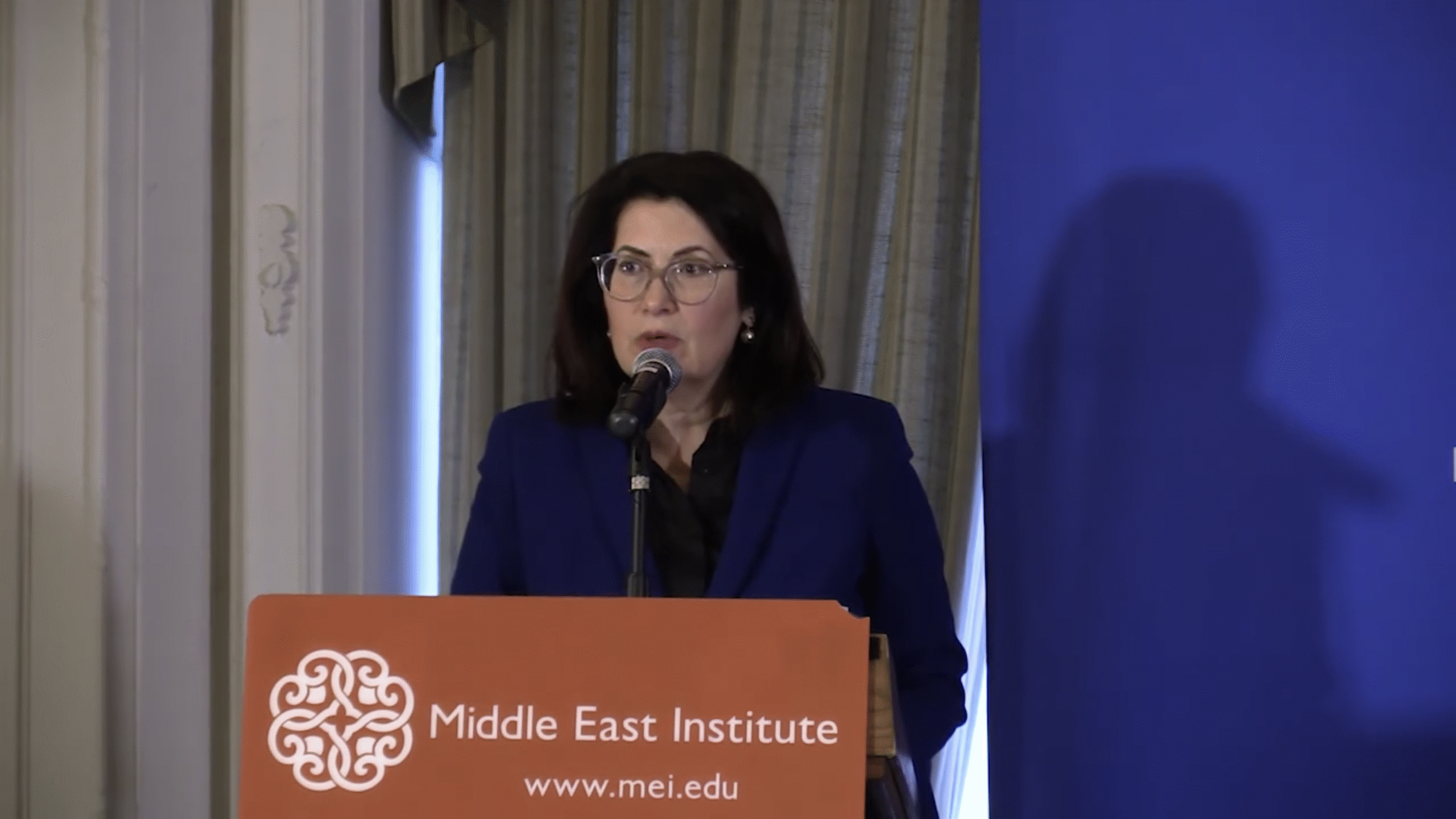
Israel is preparing to hold what may be its most consequential election in decades. On October 27, Prime Minister Benjamin Netanyahu will face his first electoral test since October 7, 2023. In this bonus episode of Middle East Focus, we present the audio from a recent MEI webinar, hosted in Israel on the eve of the vote. Senior Fellow Natan Sachs is joined by Dr. Shira Efron, Distinguished Chair for Israel Policy and senior fellow at the RAND Corporation, and Neri Zilber, veteran journalist and Financial Times correspondent. They explore what’s at stake in this historic election and how different outcomes could reshape Israel’s domestic politics and the wider region.
Israel Was Built on Hope. This Election May Be Our Last Chance to Save It
Israel’s national anthem, Hatikva, means “the hope.” Israel is not just another country, but the culmination of a 2,000-year-old dream of national redemption. The rebirth of the Jewish people’s ancestral homeland, just three years after the Holocaust, was a miraculous triumph of hope over all odds.
Today, that hope has been shattered and the elections on October 27 have become the most consequential in Israel’s history.
Washington says it doesn’t know who runs Iran. Tehran insists its leadership is united. MEI Senior Fellow Alex Vatanka joins hosts Alistair Taylor and Matthew Czekaj to sort out where the truth lies. They look at the small circle of political and military figures now steering the war effort in Tehran: who they are, how they make decisions, and how unified they really are. They also discuss the current state of US-Iran negotiations, the role of the upcoming midterm elections in the United States, and how the Islamic Republic is preparing for a potential renewal of conflict afterward.
Since 1967, Israeli settlements in the West Bank have been a contested feature of the Israeli-Palestinian conflict. The ultimate disposition of the settlements and ongoing activity related to their growth have repeatedly defied agreement in negotiations over a resolution to the conflict.
The Houthis are a political-military faction and Zaydi religious movement founded in northwestern Yemen in the 1980s. A key member of Iran’s Axis of Resistance with links to other militant organizations in the Arabian Peninsula and the Horn of Africa, the group has continued to pose a threat to Western interests on a global scale.
The India-Middle East-Europe Economic Corridor (IMEC) is a proposed multinational infrastructure initiative aimed at upgrading connectivity between the three regions through integrated trade, energy, and digital networks. Announced at the G20 summit in New Delhi in September 2023, IMEC is envisioned partially as a counterweight to China’s international infrastructure project, the Belt and Road Initiative.
After a decade of post-Arab Spring isolation, Turkey’s leaders have recognized that their ambition to position the country as an agenda-setter on the world stage requires active engagement in all directions. President Recep Tayyip Erdoğan’s consolidation of executive authority has centralized foreign policy decision-making and tied it to his domestic political priorities, transforming the country’s revisionist approach to one shaped primarily by personal and pragmatic interests.
MEI Senior Fellow Brian Katulis engages friends, colleagues, and policy experts in casual conversations on the most important happenings in the Middle East.
Russia and Pakistan align their Afghanistan policies
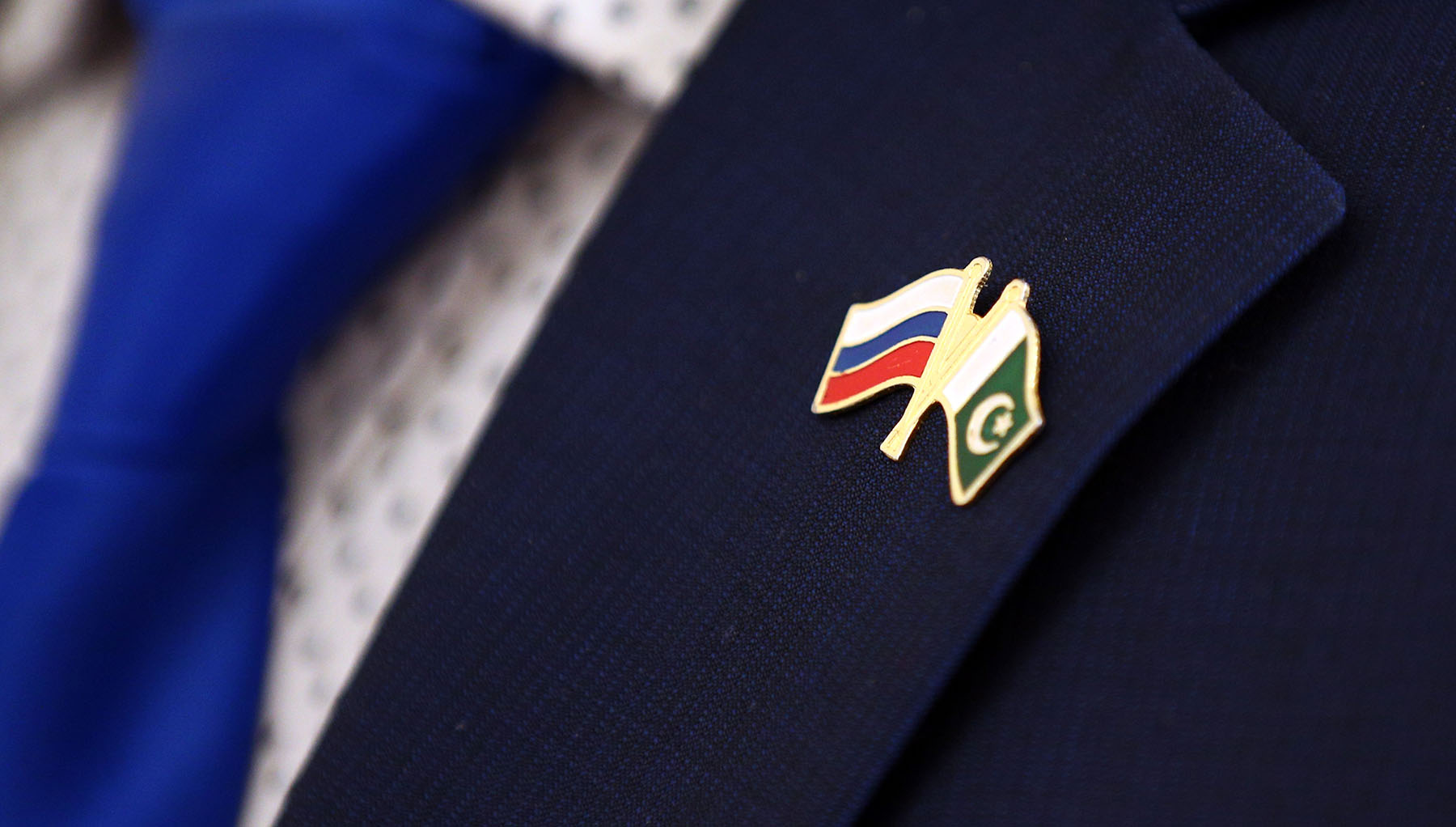
Pakistani foreign minister Khawaja Muhammad Asif’s visit to Russia from Feb. 19 to Feb. 22 was a desperate attempt by Islamabad to woo Moscow into countering mounting American pressure on Pakistan to close safe havens used by the Taliban, most notably the Haqqani network. However, the growing Moscow-Islamabad bonhomie is not good news for Washington’s current Afghan strategy, as it unmistakably signifies changing Russian perceptions and priorities in South Asia.
Khamenei rules out negotiation with West over Iran’s regional role
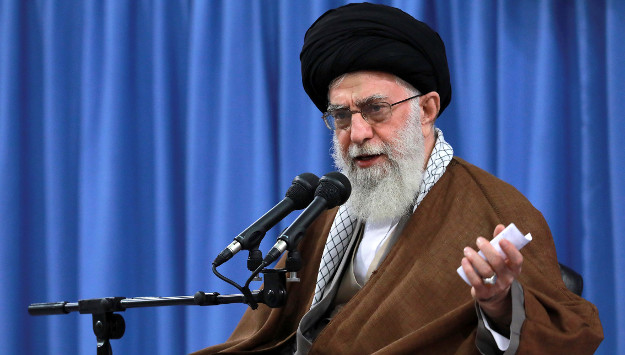
Iran’s Supreme Leader Ali Khamenei said today that the Islamic Republic will not negotiate with the West regarding its presence and policies in the Middle East,
AEIO spokesman: Iran can resume 20% enrichment, builds nuclear-powered ships
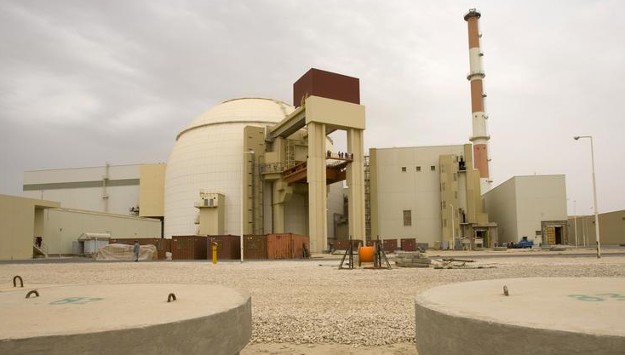
Iran can resume 20 percent uranium enrichment within two days using new enrichment machines the country has developed, the spokesman of the Atomic Energy Organization of Iran (AEOI) has said. Behrouz Kamalvandi further warned that if the Trump administration cancels the 2015 nuclear agreement, Tehran will further enhance the scope of its nuclear enrichment capabilities.
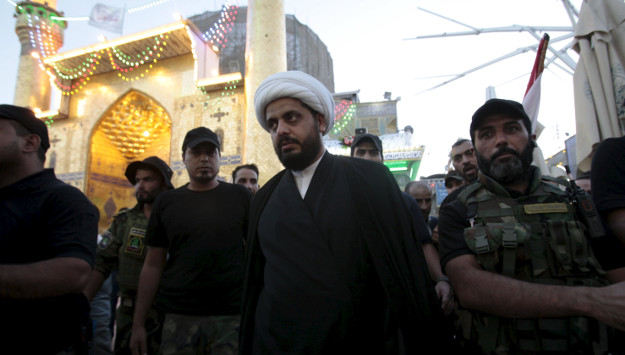
Iran-backed Iraqi militia group says it’s “legitimate” to confront US forces
The spokesman of Asa’ib Ahl al-Haq (AAH), an Iraqi militia group with close ties with Iran’s Revolutionary Guards and the Lebanese Hezbollah, described the US presence in Iraq as “illegal” and called for the withdrawal of American troops from the country. His remarks were the latest in a series of similar statements against the US presence in Iraq by Iranian-backed groups in recent months.
Turmoil in Aden over the past few weeks has underlined the existential crisis confronting Yemen. The alliances that have been at the center of the three-year-old civil war—the Hadi government and its Saudi-led coalition of supporters versus the Houthi alliance with former President Ali Abdullah Saleh—have fractured.
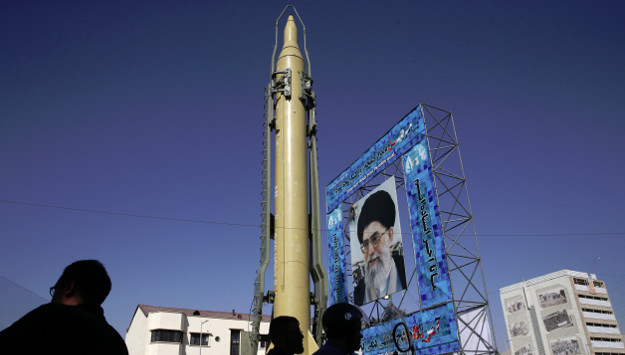
IRGC says Iran has tripled missile production in defiance of Western demands
A senior commander of the Islamic Revolution Guards Corps said today that Iran has increased its missile and defense-related production three-fold despite mounting pressure by the United States and its allies,
Japan’s Elusive Quest for a “Balanced Energy Mix” and Middle East Energy Relations
Japan’s energy policy is at a turning point. Seven years ago, the country experienced a devastating earthquake and tsunami that severely damaged the Tokyo Electric Power Company (TEPCO) Fukushima Daiichi nuclear power plant. The accident led to the shutdown of all 54 of Japan’s nuclear power reactors[1] and to a revision of the country’s energy policy.
Reevaluating U.S. security assistance to the Middle East
Since 9/11, American security strategy has focused on building the military capabilities of global allies in order to advance shared goals and address joint threats. In the Middle East, the results of this approach have been mixed at best. Frustration over U.S. security assistance to the region has grown in Washington, as funding and arms transfers to various state and non-state partners have led to unintended consequences, prompting the Trump administration to reevaluate U.S. aid to Egypt, Pakistan, and the Palestinians.
Oil in Iraq: pathways to enabling better governance
Despite setbacks from the war against ISIS, Iraq remains the world’s fourth largest producer of oil, second only to Saudi Arabia among OPEC states. However, the administration of this vital natural resource has been plagued by corruption and disputes over how revenues should be allocated to promote equitable economic growth. The issue has drawn Iraq’s ethnic, sectarian, and political divisions to the surface.
Iraqi Hezbollah calls on Baghdad government to set up US exit timeline
The Iraqi Hezbollah welcomed the latest decision by the country’s parliament to devise a timetable for the withdrawal of foreign troops and accused the American forces of promoting instability in the war-torn country. “America will create new terrorist groups to justify keeping its forces in Iraq,” the milita group said in a statement.
Israel-Egypt gas deal: politics, or business as usual?
On Feb. 19, a consortium of oil companies led by the U.S.’s Noble Oil and Israel’s Delek signed a contract to supply the Egyptian energy company Dolphinus with up to 32 billion cubic meters of Israeli gas over ten years.
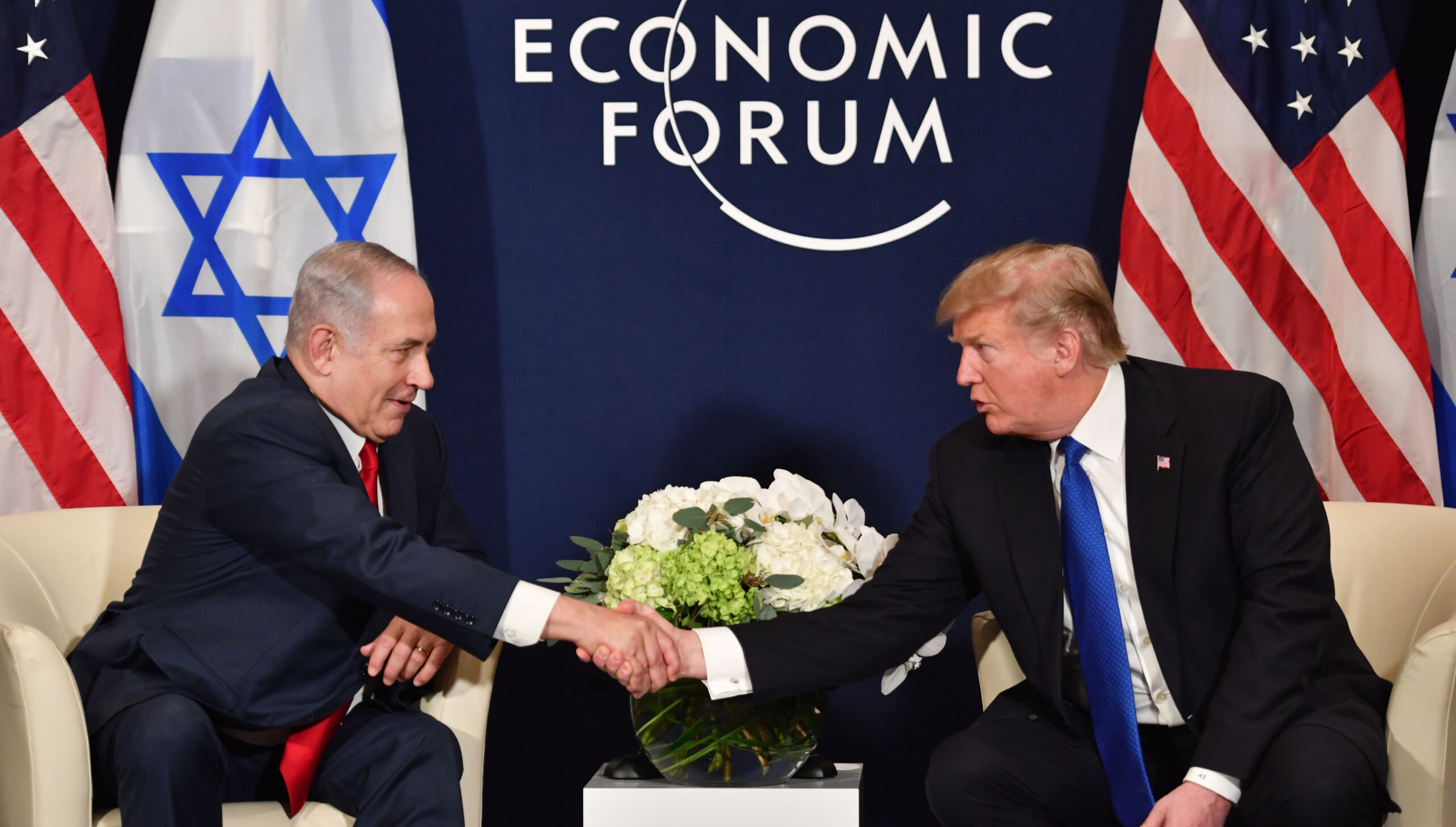
Monday Briefing: Trump and Netanyahu's ultimate deal
In this week’s Monday Briefing, MEI experts Eran Etzion, Gerald Feierstein, Marvin G. Weinbaum, and Gonul Tol provide analysis on recent and upcoming events including Netanyahu’s meeting with Trump, the Saudi Crown Prince’s first extended travel abroad, the Taliban’s call for peace negotiations with the U.S., and Turkey’s pivot to Africa.
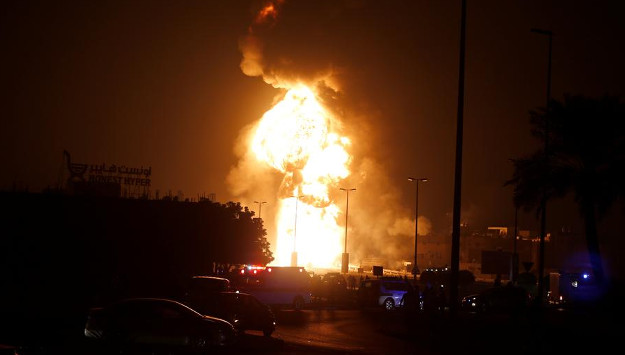
Bahrain says arrested 116 members of IRGC-established “terror cell”
The Bahraini government said on Saturday that its security forces had foiled a number of terrorist plots and arrested 116 people who were allegedly members of an armed group run by Iran’s Islamic Revolution Guards Corps (IRGC). “The Revolutionary Guards formed several terrorist organizations and brought them together under one umbrella,” a statement released by the Bahraini Interior Ministry said.
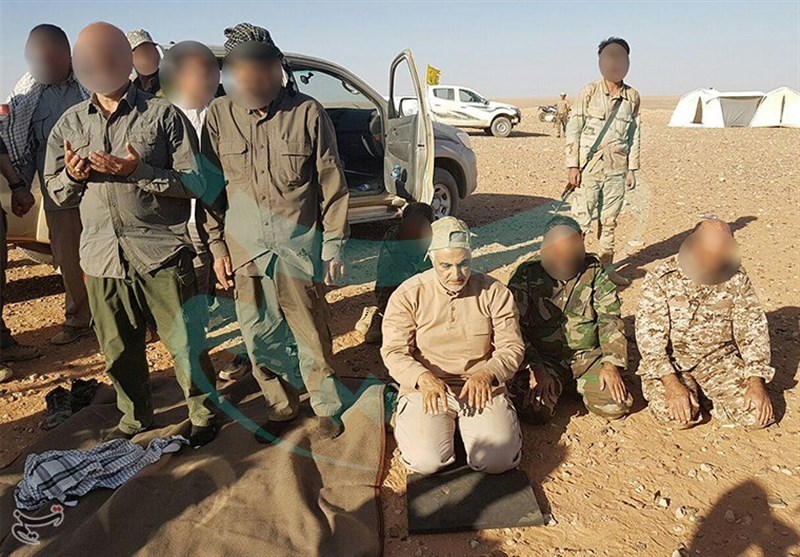
Afghans fear IRGC may deploy Fatemiyoun fighters to Afghanistan
On March 2, Mohammad-Hashem Esmat-Allahi, who served as a senior adviser to former President of Afghanistan Hamid Karzai, praised Afghan Shiite militiamen fighting in Syria.
The humanitarian disaster in Syria’s eastern Ghouta
The Damascus suburb of eastern Ghouta is the site of a humanitarian disaster unfolding day by day as the Syrian regime and its Russian and Iranian backers have maintained a massive aerial assault that has killed hundreds. MEI Fellows Ibrahim al-Assil and Charles Lister join host Paul Salem to discuss the conditions on the ground and what led to the campaign that has turned Ghouta into a “Hell on Earth.”
The oldest peer-reviewed publication dedicated to the study of the modern Middle East, MEI’s flagship journal covers politics, society, and culture in the region.