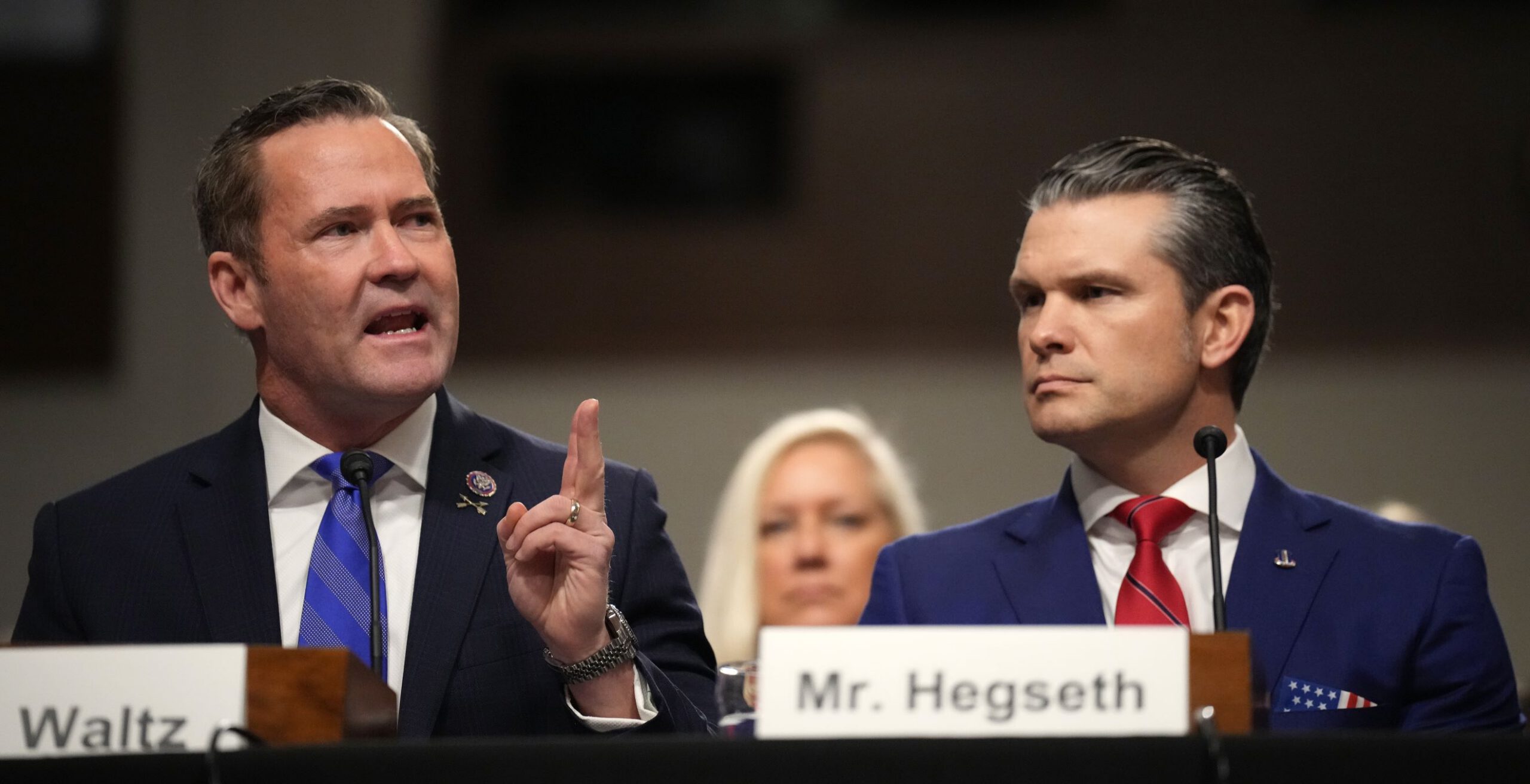
Kim Ghattas on a Murder That Explains the Middle East
Brian sits down with author and Emmy Award-winning journalist Kim Ghattas to talk about her new book, The Best Kind of American, which tells the story of the 1984 assassination of Malcolm Kerr, then president of the American University of Beirut. They discuss her inspiration for the project, what Kerr’s murder revealed about the Middle East at the time, and why his story still resonates four decades later.
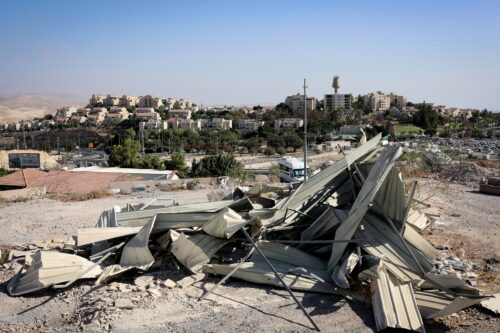
The Israeli government’s plan to build 3,401 housing units in the 12-square-kilometer E-1 corridor, between Jerusalem’s municipal boundary and the Israeli settlement of Ma’ale Adumim, would cut the West Bank in two. Israeli officials are under no illusion about the implications. Announcing the plan’s approval in August 2025, Finance Minister Bezalel Smotrich called it a “significant step that practically erases the two-state delusion.”
The Americans Are Gone. Will Iraq’s Militias Disarm?
On September 30, the US completed its military withdrawal from Iraq, ending a 12-year-long mission to combat ISIS that began in 2014. The date was also meant to be the deadline for disarming the largely Iranian-backed militias known as the Popular Mobilization Forces (PMF), but Prime Minister Ali al-Zaidi has now pushed that cutoff back to June 30, 2027. MEI Distinguished Diplomatic Fellow Amb. (ret.) Robert S. Ford joins hosts Alistair Taylor and Matthew Czekaj to discuss what the US military withdrawal means for Iraqi security and the nature of the bilateral relationship going forward. They also speak about what it will take for Baghdad to bring the PMF militias to heel, and how Iraq may navigate the post-Iran war era.
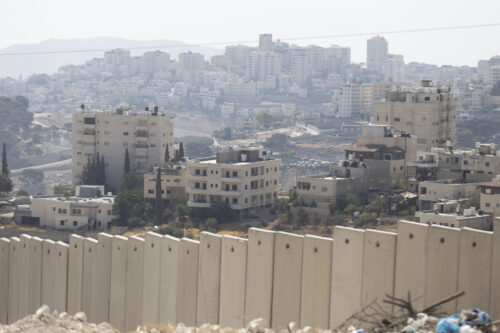
Since 1967, Israeli settlements in the West Bank have been a contested feature of the Israeli-Palestinian conflict. The ultimate disposition of the settlements and ongoing activity related to their growth have repeatedly defied agreement in negotiations over a resolution to the conflict.
The Houthis are a political-military faction and Zaydi religious movement founded in northwestern Yemen in the 1980s. A key member of Iran’s Axis of Resistance with links to other militant organizations in the Arabian Peninsula and the Horn of Africa, the group has continued to pose a threat to Western interests on a global scale.
The India-Middle East-Europe Economic Corridor (IMEC) is a proposed multinational infrastructure initiative aimed at upgrading connectivity between the three regions through integrated trade, energy, and digital networks. Announced at the G20 summit in New Delhi in September 2023, IMEC is envisioned partially as a counterweight to China’s international infrastructure project, the Belt and Road Initiative.
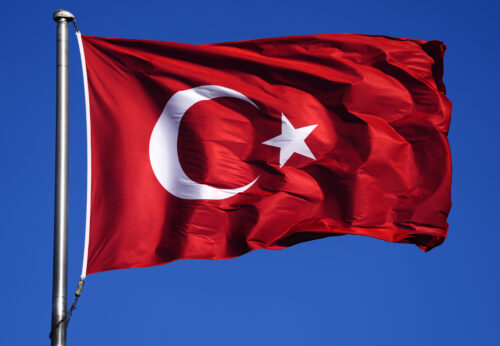
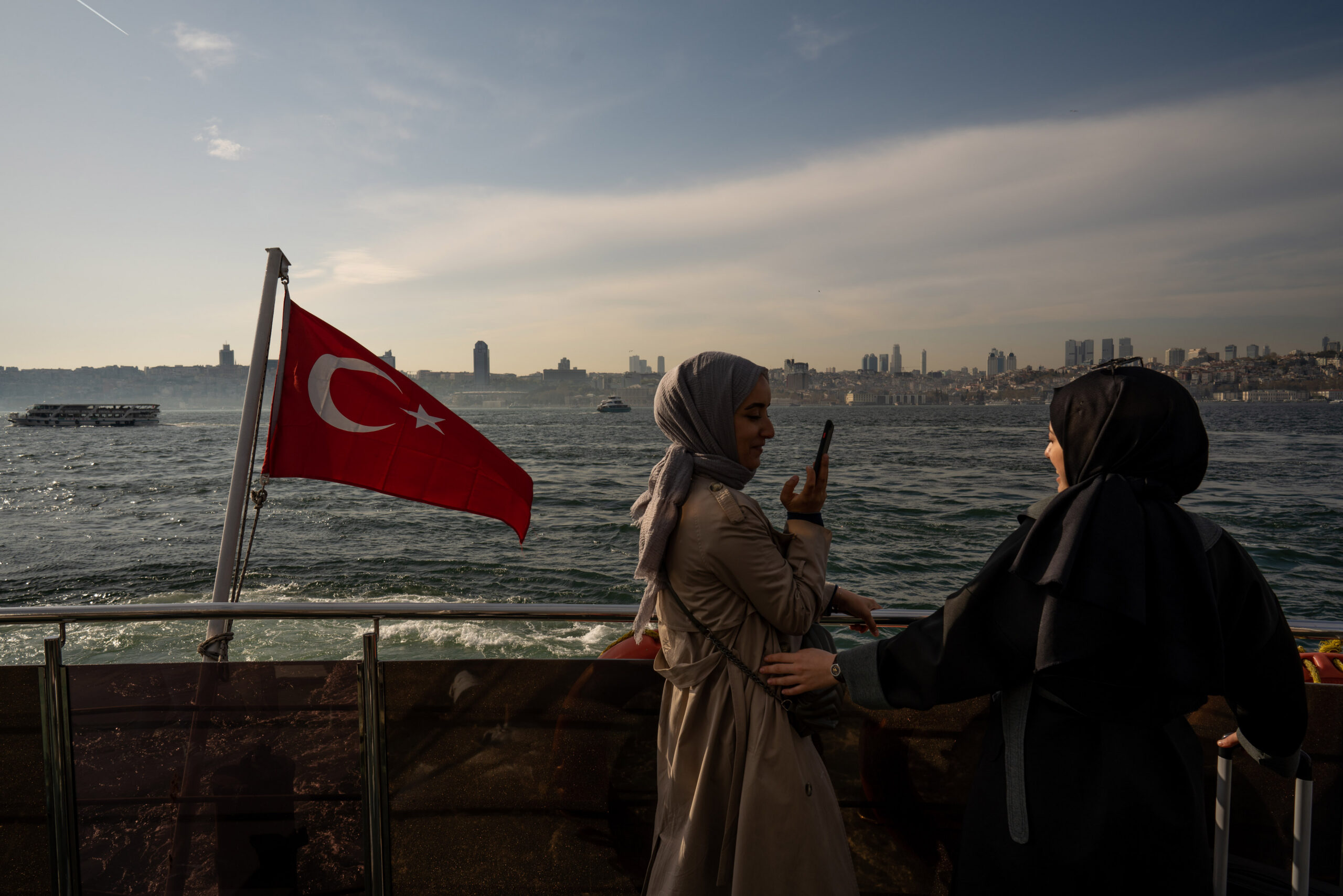
After a decade of post-Arab Spring isolation, Turkey’s leaders have recognized that their ambition to position the country as an agenda-setter on the world stage requires active engagement in all directions. President Recep Tayyip Erdoğan’s consolidation of executive authority has centralized foreign policy decision-making and tied it to his domestic political priorities, transforming the country’s revisionist approach to one shaped primarily by personal and pragmatic interests.
MEI Senior Fellow Brian Katulis engages friends, colleagues, and policy experts in casual conversations on the most important happenings in the Middle East.
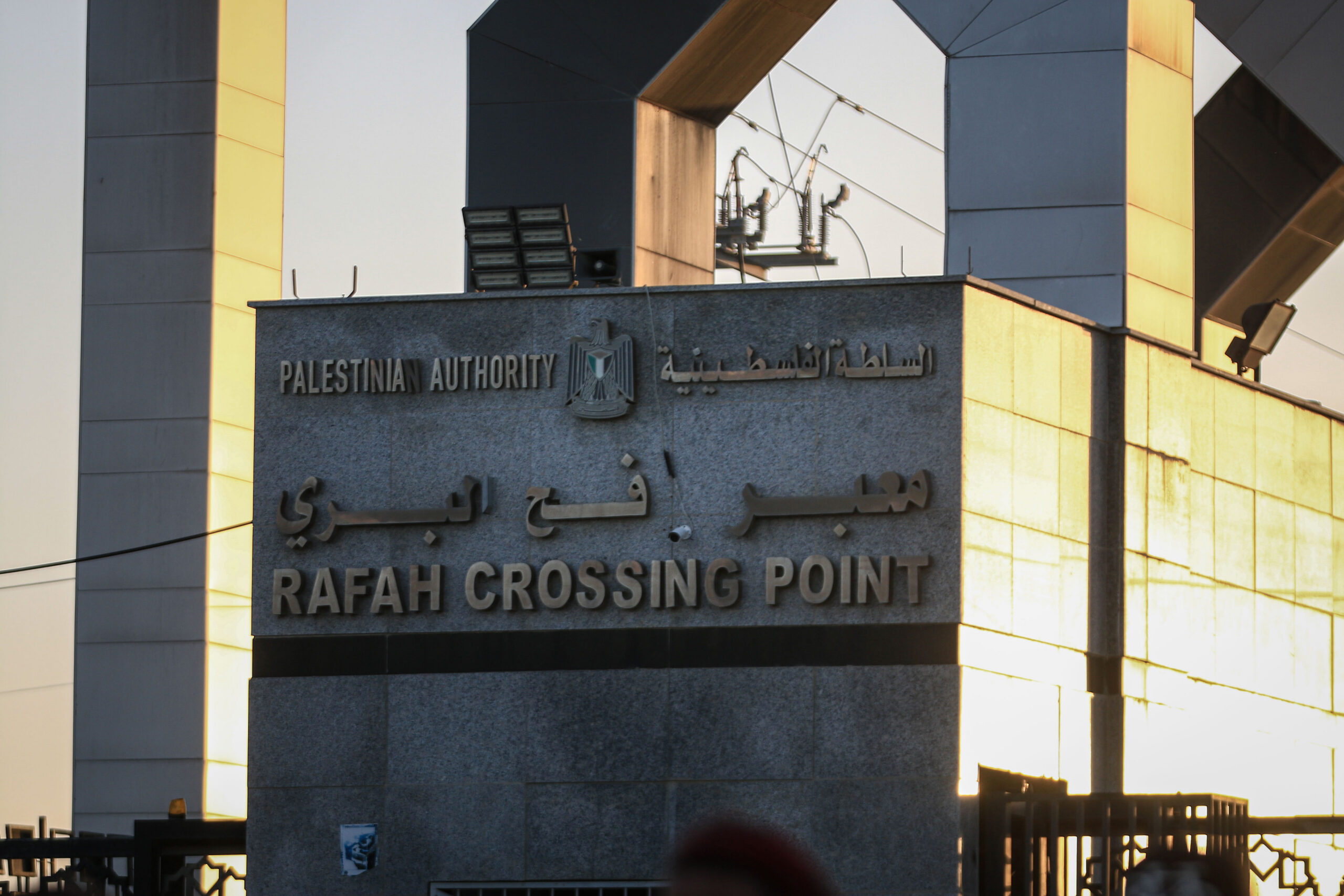
Pressuring Egypt over Gaza will not work and is not in the US interest
Almost immediately after the start of the conflict in Gaza, Israeli Prime Minister Benjamin Netanyahu and his governing coalition began a concerted effort to persuade first the European Union and then the United States to pressure Egypt to accept Palestinian refugees. Egypt refused and continues to do so. Capitulating is not in Cairo’s national interest and bullying it will only backfire.
Diplomacy, Technology, and Innovation: Amb. Stuart Jones on the Evolution of US-Middle East Relations
We’re excited to relaunch Middle East Focus with an insightful conversation featuring MEI’s new CEO, Amb. Stuart Jones. In this episode, hosted by MEI’s Alistair Taylor and Matthew Czekaj, Ambassador Jones shares his perspectives on the second Trump administration’s foreign policy approach, the rapidly evolving geopolitical landscape in the region, and Iraq’s place in the developing order. Drawing from his extensive experience in both diplomacy and the private sector, he also explores emerging US-Middle East business partnerships and cooperation in AI and technology.
Trump’s upcoming Middle East trip presents opportunities at a time of increased risks
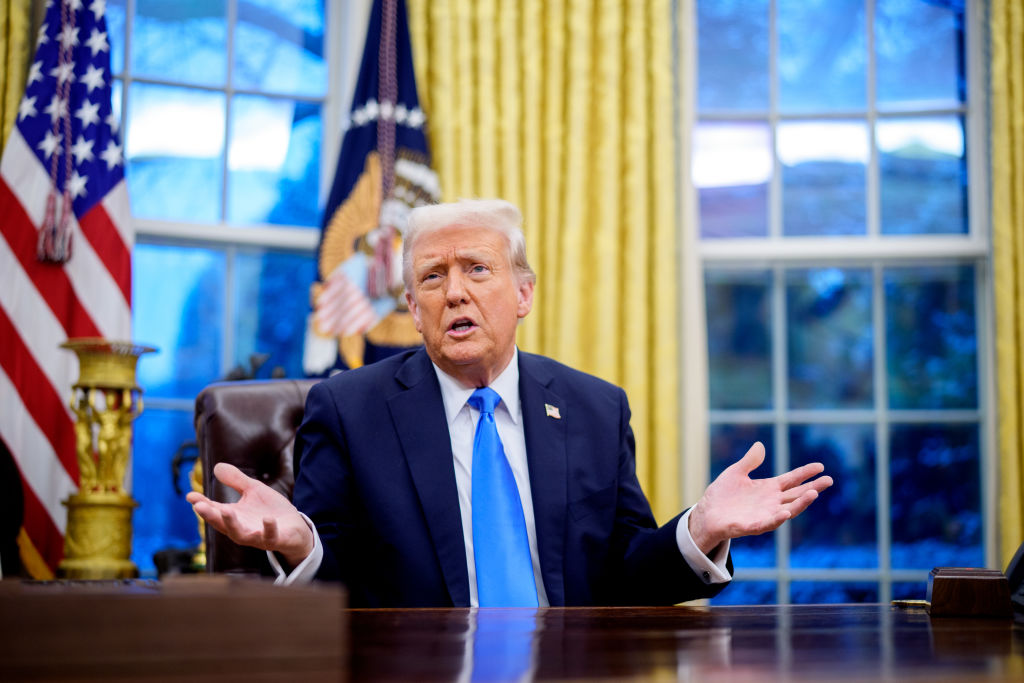
President Donald Trump confirmed this week that he plans to travel to Saudi Arabia and other Middle East countries later this spring. This visit will bring the region into sharper focus at a time when Trump’s priorities have focused closer to home and on his unique brand of economic warfare.
The first two months of Trump 2.0 in the Middle East: Hard push for elusive breakthroughs
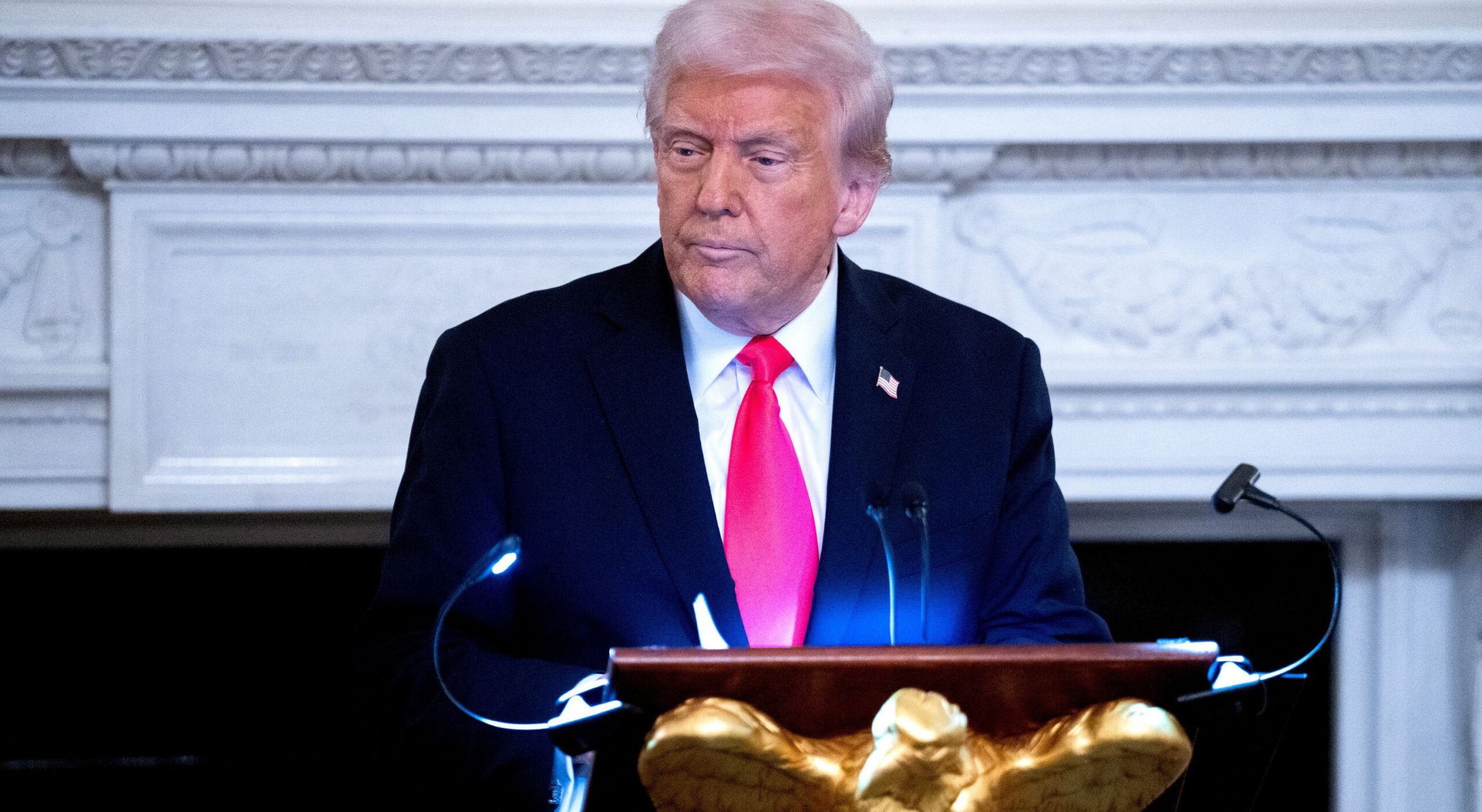
President Donald Trump is focused on realizing two transformative breakthroughs that his predecessors failed to accomplish: an end to the Arab-Israeli conflict, centered on a tripartite US-Saudi-Israeli deal, and an agreement between the US and Iran. Both would be historic achievements. So far, however, progress in each case has proven difficult and plodding.
Rethinking Democracy Ep. 7: The Protests and Political Crisis Shaping Turkey's Democratic Future
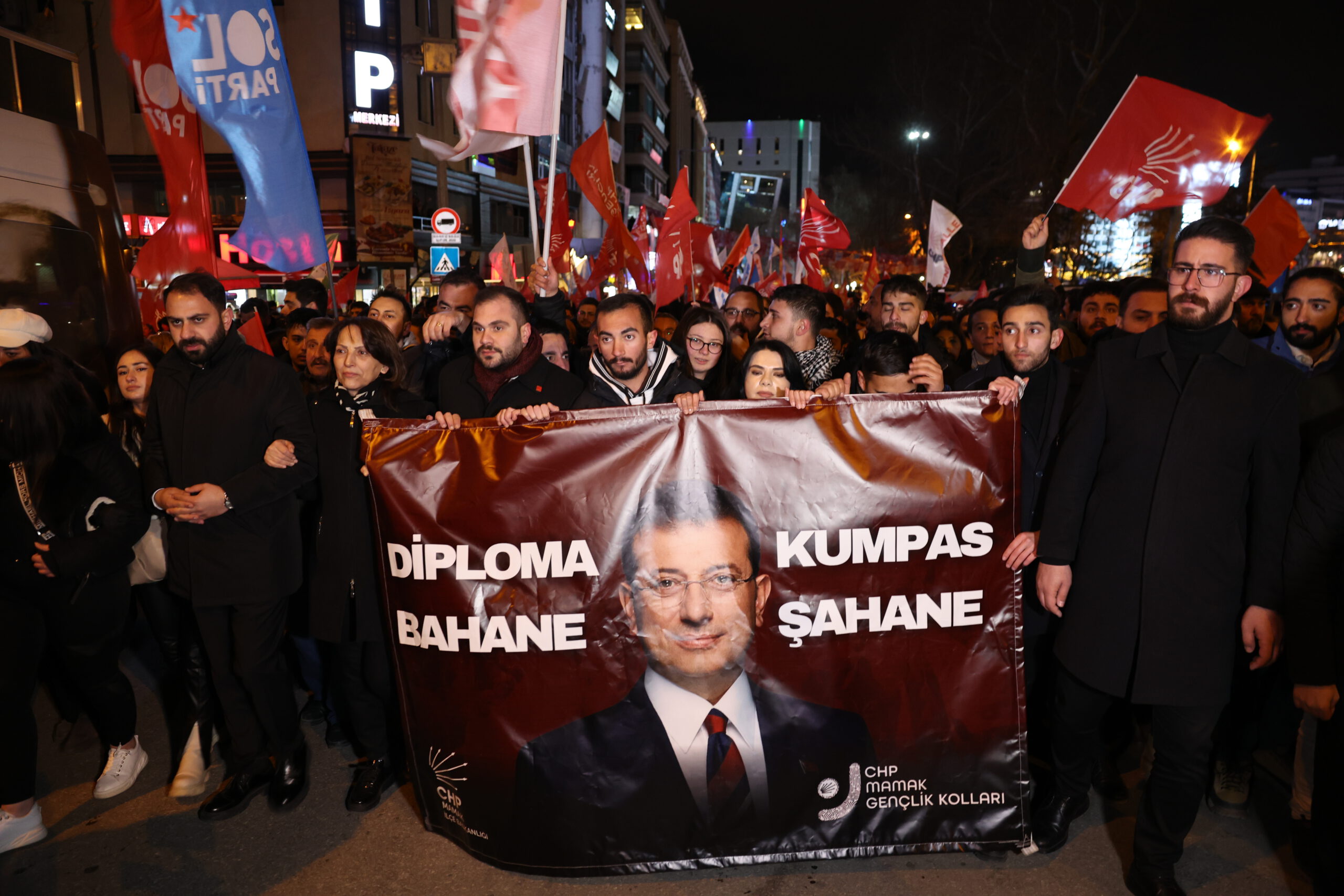
Turkey has plunged into turmoil after authorities arrested Istanbul Mayor Ekrem İmamoğlu, President Erdoğan’s strongest opponent, on charges of corruption. Mass protests, the largest in over a decade, have erupted nationwide after İmamoğlu was removed from office and jailed just hours before the opposition was set to declare him its presidential candidate.
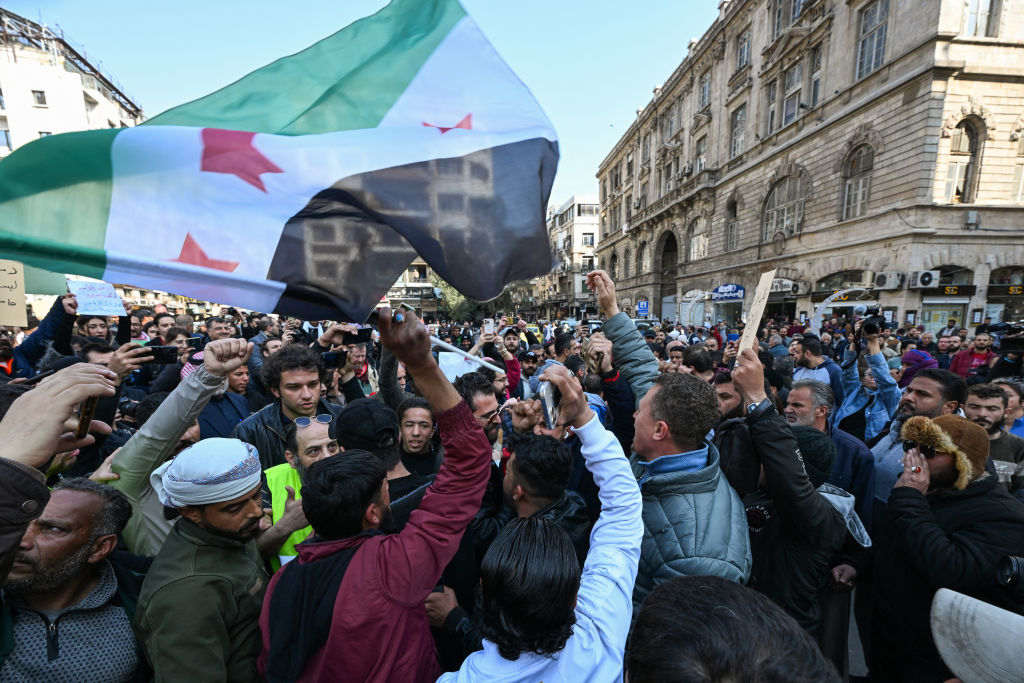
In the past six weeks, the Israeli military has launched at least 70 ground incursions into southwestern Syria and conducted at least 31 sets of airstrikes across Syria. The intensity of Israel’s ground and air actions in Syria has sharply increased as the country’s profoundly fragile transition seeks to pull the country back together after nearly 14 years of debilitating conflict.
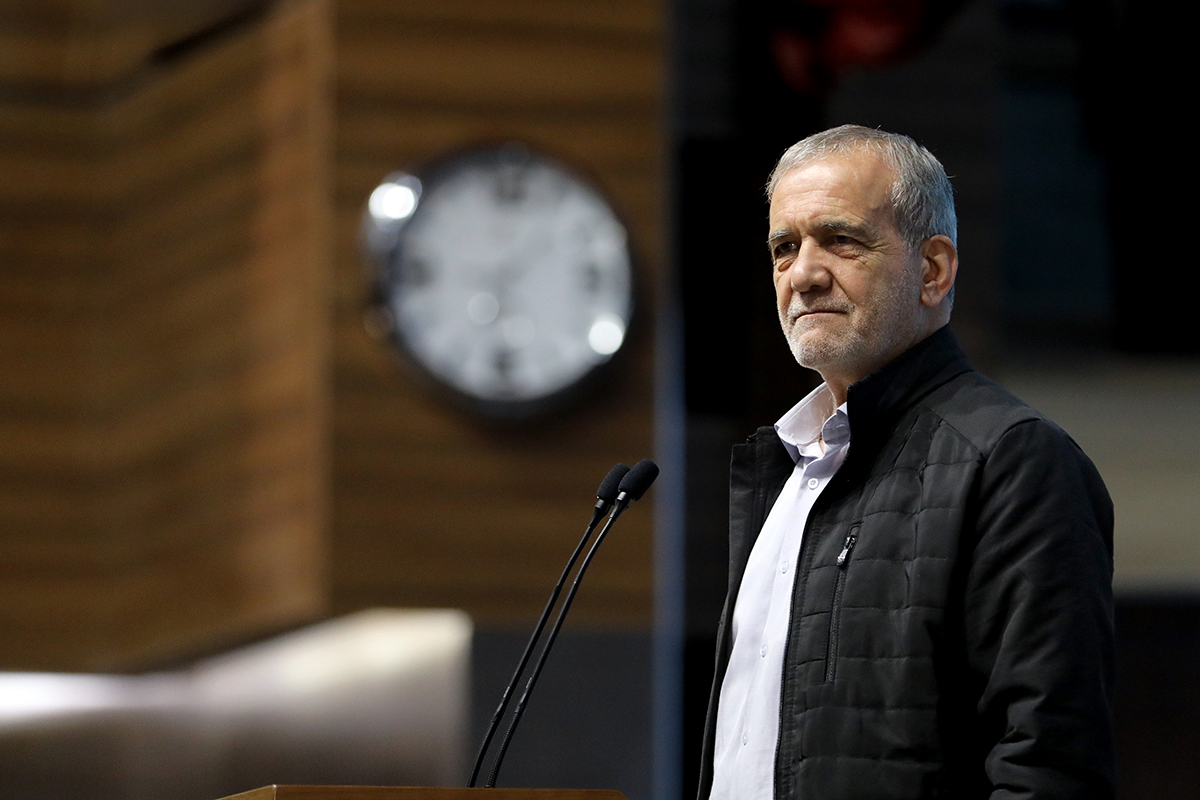
President Masoud Pezeshkian might be the loneliest man in Iran. Just eight months into his term in office, he is already losing the support of those who once championed him. While the Iranian presidency is a thankless job, Pezeshkian is not helping his own case.
The thickening fog of tactics and propaganda in Trump’s foreign policy
The leaked Signal chat among top US administration officials discussing military strikes against the Houthis laid bare the central problems with Trump 2.0’s nascent national security approach: a strong inclination to prioritize tactics and propaganda in statecraft without a clear and practical strategic framework to deal with the biggest challenges in the world and in the Middle East.
Dan Shapiro | 'Taking the Edge Off the Middle East' Ep. 9
In this episode, Brian is joined by former U.S. Ambassador to Israel Dan Shapiro, who recently served as Deputy Assistant Secretary of Defense for the Middle East. They discuss the Trump administration’s early approach to the region in its second term, including its handling of Iran, Gaza, and regional normalization efforts. Drawing on his decades of experience across the NSC, State Department, and Pentagon, Dan shares his candid assessments of what’s working, what’s not, and what’s still unsettled. He also reflects on his own career path and what young people interested in U.S.
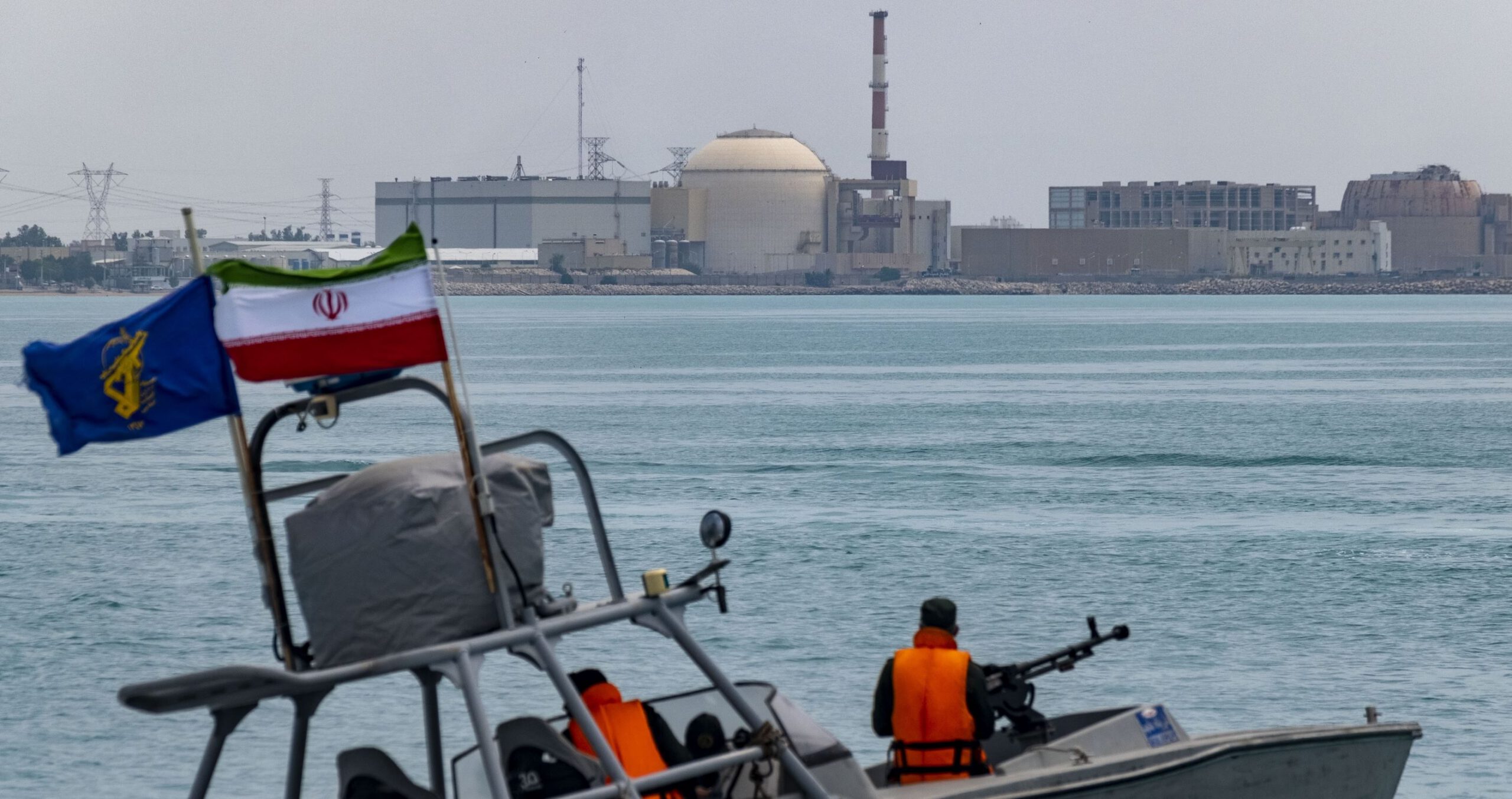
Iran is accumulating enough near-weapons-grade enriched uranium to build a nuclear weapon within weeks or months, not years. President Donald Trump, having withdrawn the United States in 2018 from the nuclear deal that would have postponed that possibility, is now appealing for negotiations with Tehran. But in the Middle East, the nuclear question does not concern only Iran.
Sovereignty first: Reshaping international cooperation in North Africa
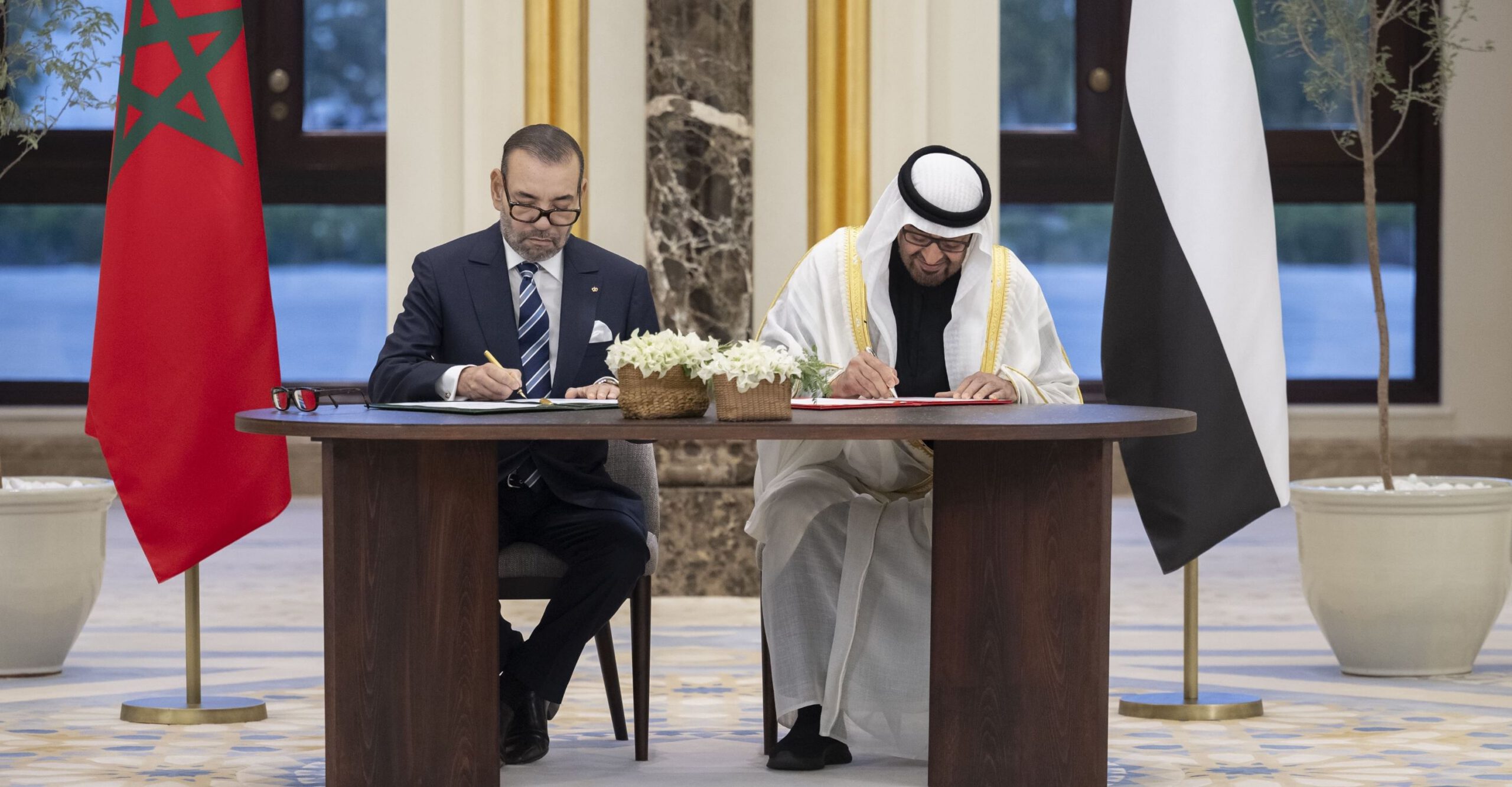
Countries in North Africa and around the world are increasingly prioritizing a strict definition of sovereignty and tending toward transactional diplomacy. Understanding the motivations behind North Africa’s “sovereignty-first” approach can help the United States and Europe build mutually beneficial and durable links with the region in this new reality.
Illegal arrest and detention of Libyan Asset Recovery head reflects worsening Libyan corruption
Endemic corruption in Libya continues to deter foreign investment, cripple public services, and erode trust in government. This dismal situation is driven by the ongoing power struggles among Libya’s political and military elite. Recently, bad actors in both Libya’s east and west have undertaken a spree of arbitrary arrests and detentions that the United Nations Support Mission in Libya has now warned are not only illegal, but creating “a climate of fear.”
A foreign policy for the working class is not merely a call to rebuild America’s physical and technological infrastructure but to restore its moral and spiritual foundations.
Turkey Competes with Israel and India to be a Major MENA Weapons Supplier
With record-breaking arms exports globally, Turkey’s growing market share in the Arab monarchies holds the potential to greatly expand Ankara’s role as a security provider across the Middle East and North Africa. At the same time, Turkey faces growing competition from Israel and India, which have significantly expanded their own weapons sales to the Arab monarchies, notably the UAE and Morocco.
The oldest peer-reviewed publication dedicated to the study of the modern Middle East, MEI’s flagship journal covers politics, society, and culture in the region.