MINURSO’s Future: What the Security Council’s Choice May Reveal
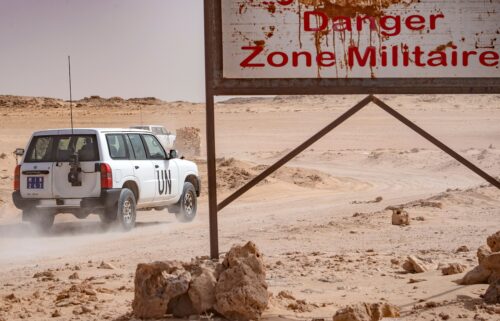
As the United Nations Security Council (UNSC) approaches the October 31 renewal deadline of the UN Monitoring Mission in Western Sahara (MINURSO), the mission’s longer-term future remains uncertain. Another largely unchanged renewal remains a likely immediate outcome. But beyond that holding pattern, three possible scenarios are also on the table.
How Lebanon can be Trump’s first success in a troubled region
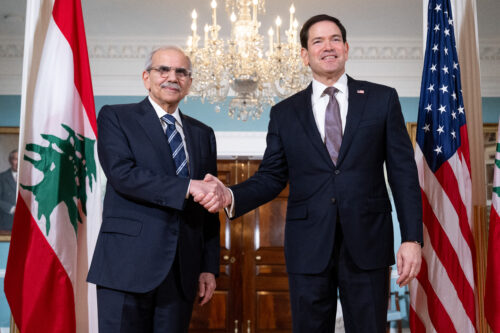
The Trump administration has done more than any of its predecessors to restore sovereignty for a much traumatized nation, Lebanon. The Israel Defense Forces’ operations in 2024 against Hezbollah decimated that organization, long the “A Team” in global terror.
Kim Ghattas on a Murder That Explains the Middle East
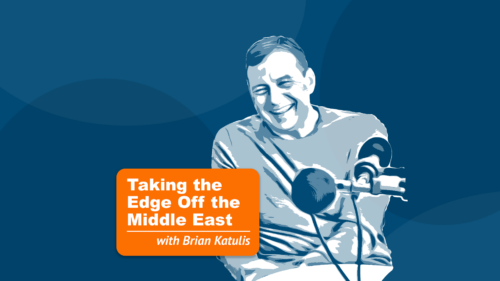
Brian sits down with author and Emmy Award-winning journalist Kim Ghattas to talk about her new book, The Best Kind of American, which tells the story of the 1984 assassination of Malcolm Kerr, then president of the American University of Beirut. They discuss her inspiration for the project, what Kerr’s murder revealed about the Middle East at the time, and why his story still resonates four decades later.
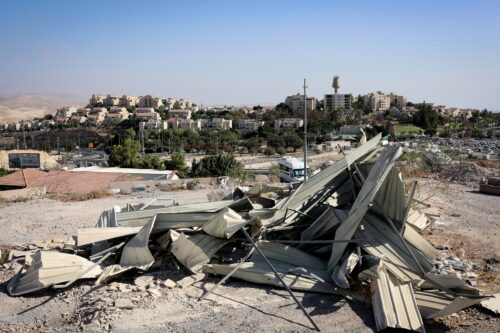
Since 1967, Israeli settlements in the West Bank have been a contested feature of the Israeli-Palestinian conflict. The ultimate disposition of the settlements and ongoing activity related to their growth have repeatedly defied agreement in negotiations over a resolution to the conflict.
The Houthis are a political-military faction and Zaydi religious movement founded in northwestern Yemen in the 1980s. A key member of Iran’s Axis of Resistance with links to other militant organizations in the Arabian Peninsula and the Horn of Africa, the group has continued to pose a threat to Western interests on a global scale.
The India-Middle East-Europe Economic Corridor (IMEC) is a proposed multinational infrastructure initiative aimed at upgrading connectivity between the three regions through integrated trade, energy, and digital networks. Announced at the G20 summit in New Delhi in September 2023, IMEC is envisioned partially as a counterweight to China’s international infrastructure project, the Belt and Road Initiative.
After a decade of post-Arab Spring isolation, Turkey’s leaders have recognized that their ambition to position the country as an agenda-setter on the world stage requires active engagement in all directions. President Recep Tayyip Erdoğan’s consolidation of executive authority has centralized foreign policy decision-making and tied it to his domestic political priorities, transforming the country’s revisionist approach to one shaped primarily by personal and pragmatic interests.
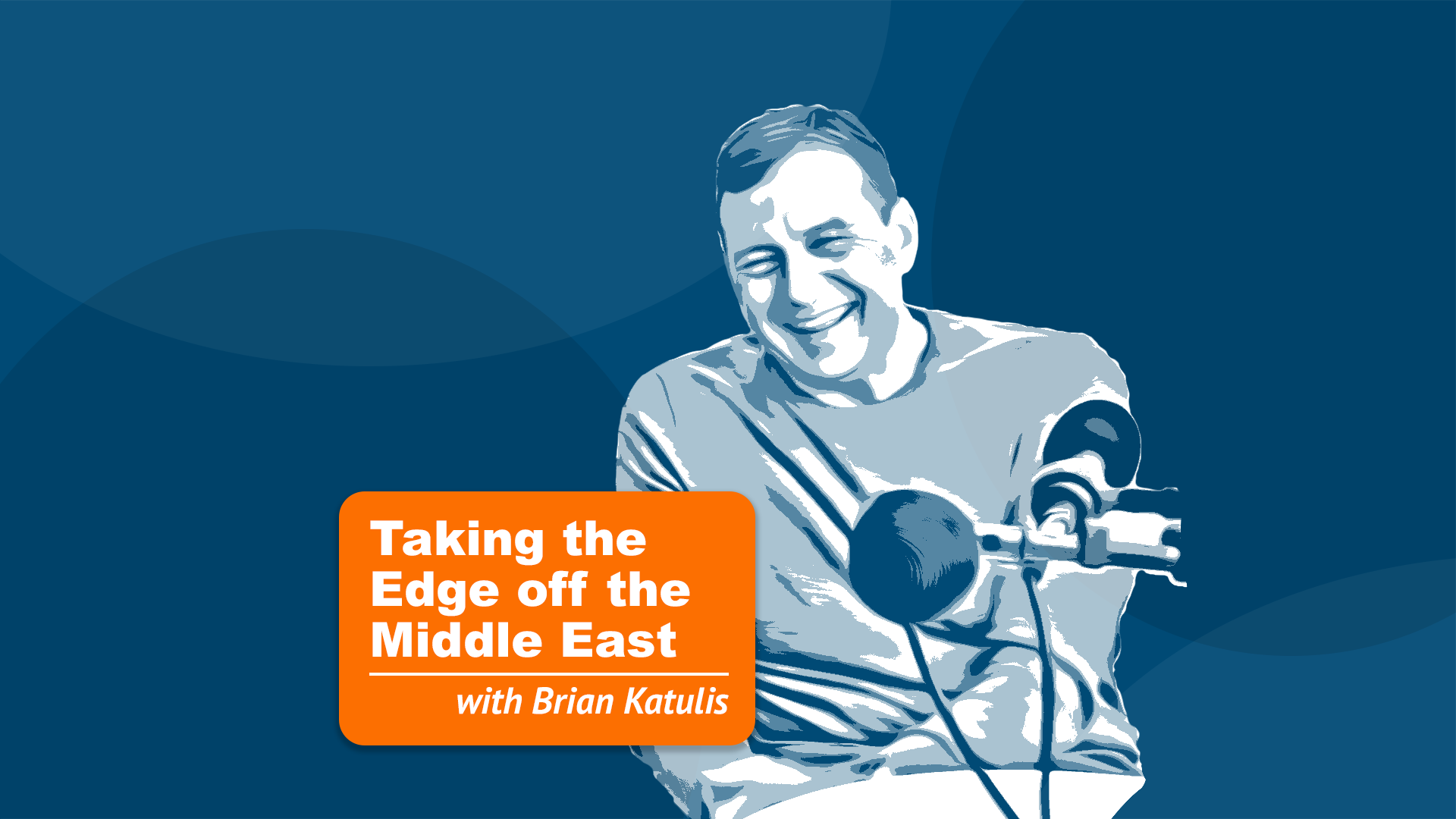
MEI Senior Fellow Brian Katulis engages friends, colleagues, and policy experts in casual conversations on the most important happenings in the Middle East.
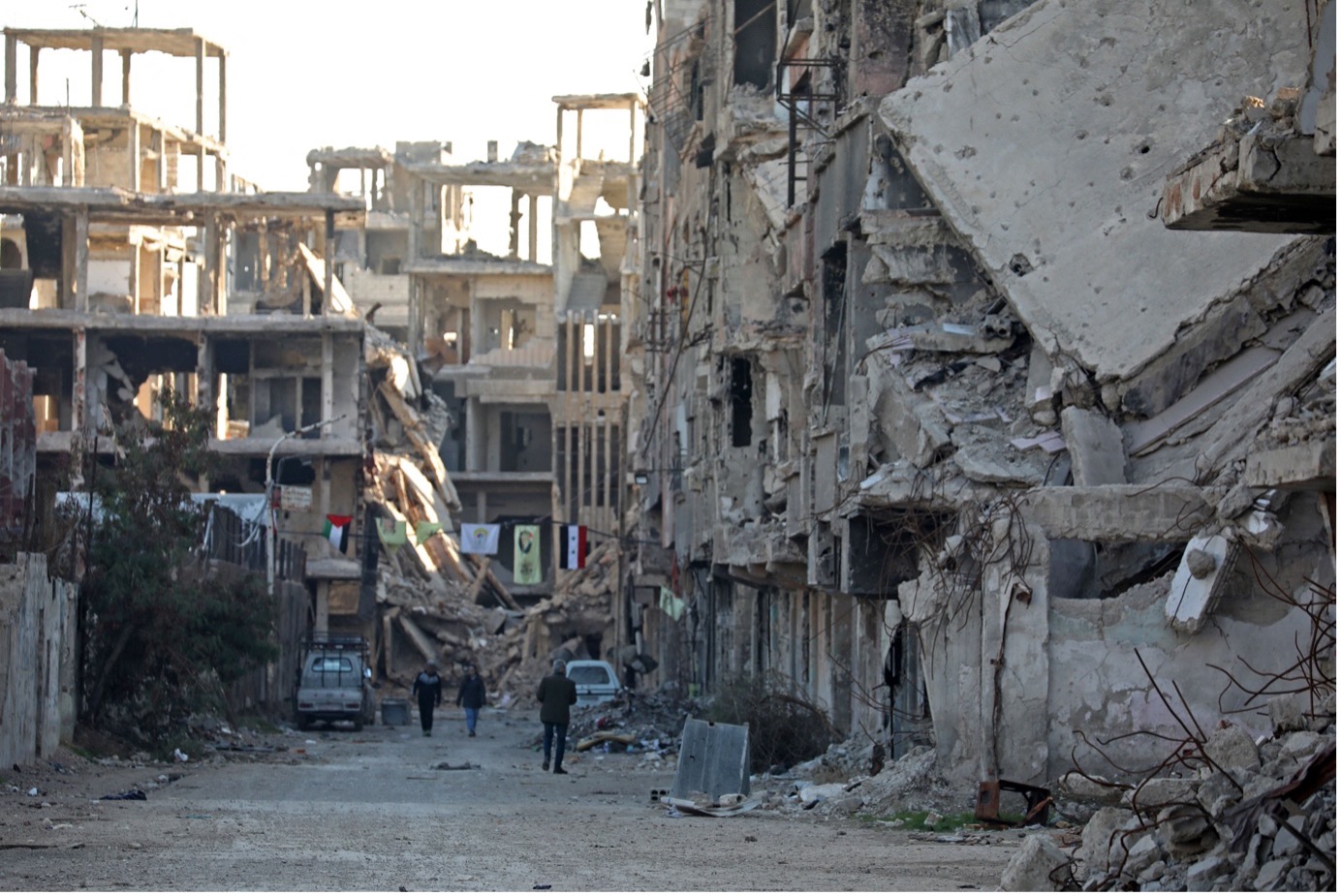
Inside Damascus’s Reconstruction Lab: Navigating the Framework of Return and Recovery
Since the end of the civil war in Syria, government officials have inaugurated high-end tourist projects and upscale urban housing schemes, while at the same time preventing Syrian refugees and internally displaced persons from returning to their ruined neighborhoods or rebuilding their demolished homes. The focus on luxury housing in a country devastated by conflict and within a city suffering from massive destruction and housing shortages encapsulates the contradictions of the regime’s policy for reconstruction and early recovery not only in Damascus but in the whole country.
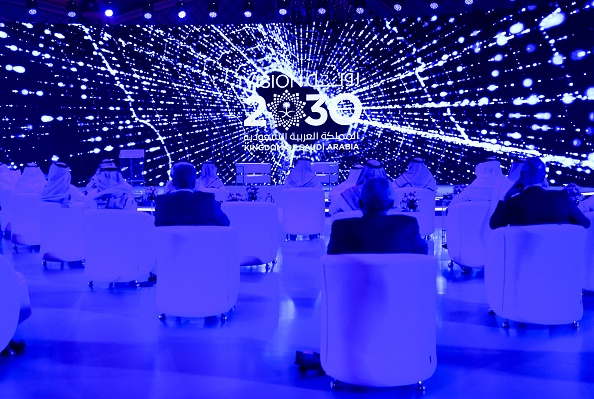
Beyond oil: Google’s big bet on Saudi Arabia’s AI future
In a landmark move signaling the growing importance of the Middle East in the global tech landscape, Google has entered into a strategic partnership with Saudi Arabia’s Public Investment Fund (PIF), the kingdom’s sovereign wealth fund. The partnership underscores the “growing interlink” between AI and energy, as Saudi Arabia — along with the United Arab Emirates and other Gulf states — uses its energy surplus to power data centers, a critical pillar of AI infrastructure.
3 National Security Wild Cards That Could Sway the Election
When news broke Friday night that Israel had launched its largest-ever military strike on Iran, a group of diplomats, administration officials, journalists and think tankers had just sat down for dinner at one of the best restaurants in Washington, hosted by a prominent ambassador.
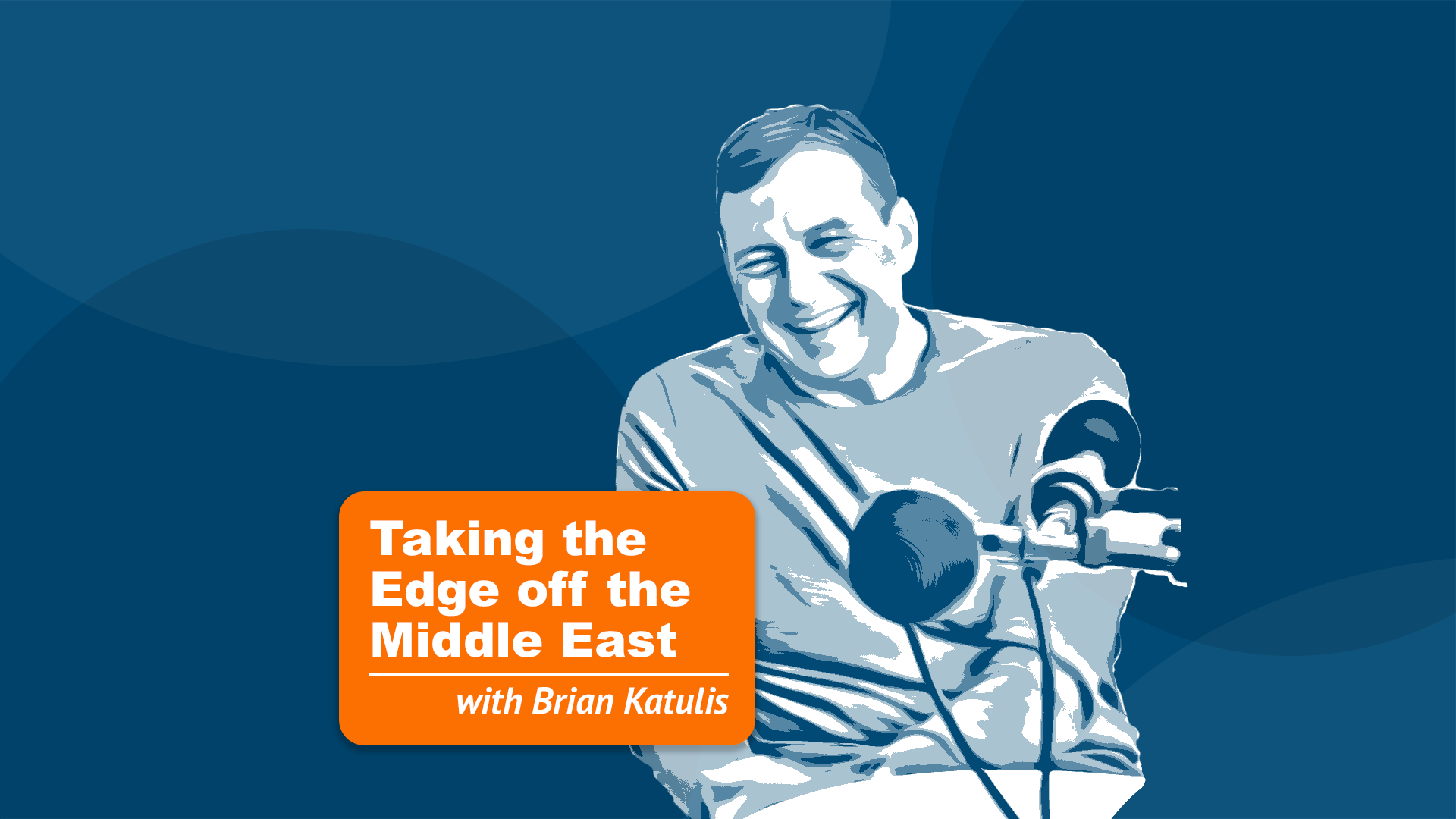
Danielle Pletka | ‘Taking the Edge Off the Middle East’ Ep. 4
Middle East Focus Presents: ‘Taking the Edge Off the Middle East’ with Brian Katulis
A series of casual conversations with leading policy professionals on the most important happenings in the Middle East today – hosted by MEI’s Senior Fellow for US Foreign Policy Brian Katulis.
Danielle Pletka, Distinguished Senior Fellow at the American Enterprise Institute, sits down with Brian to discuss how she made the jump from journalism to policy, her views on the Iraq War, and the need for strong leadership in US-MENA foreign policy.
Erdoğan has big plans, but the Kurdish problem keeps getting in the way
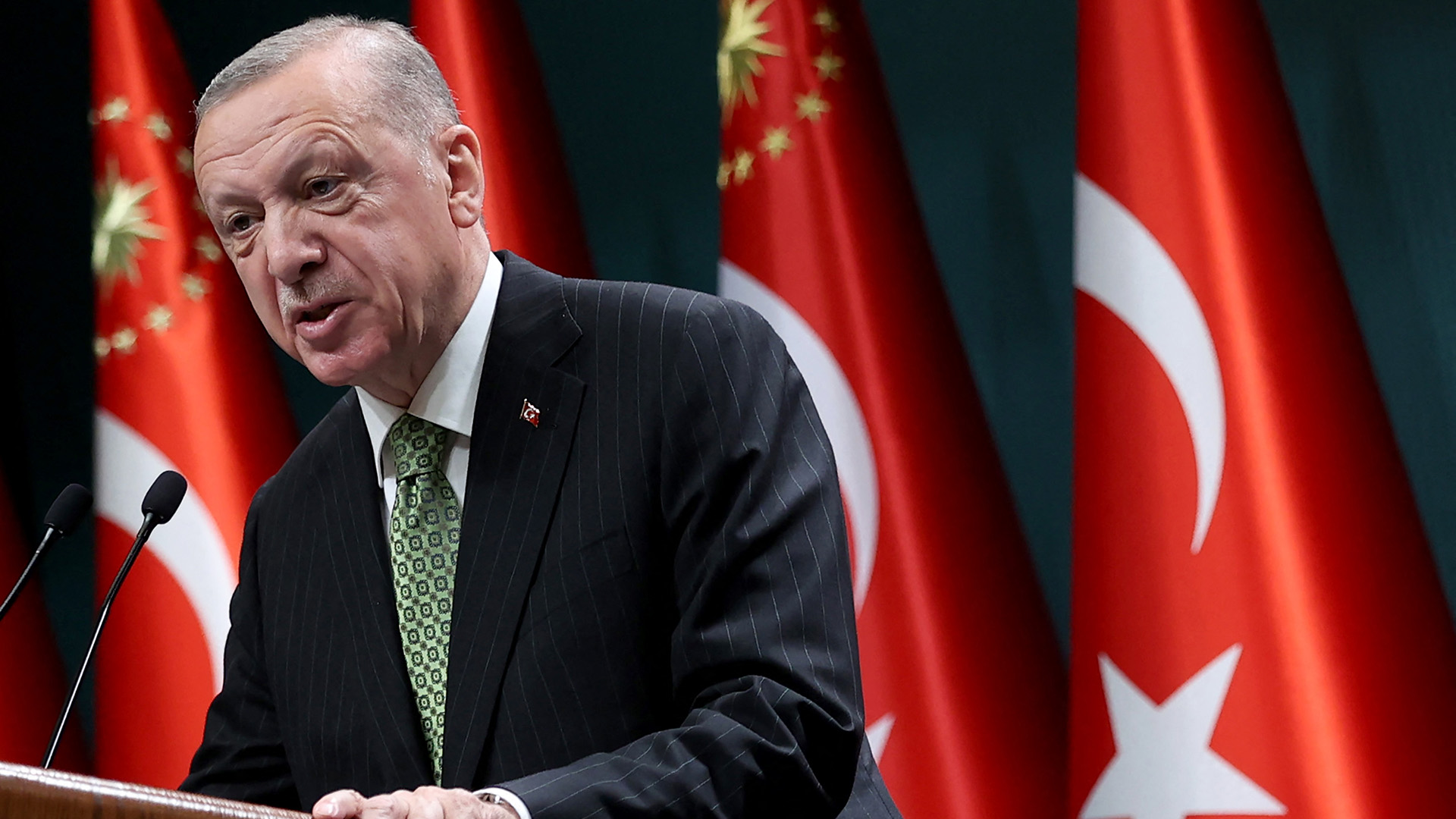
Gunmen armed with explosives and assault rifles assailed the headquarters of Turkey’s state-run aerospace company near Ankara on October 23, in a terrorist attack claimed by the outlawed Kurdistan Workers’ party (PKK). The incident complicates President Recep Tayyip Erdoğan’s efforts to exploit the regional chaos that followed Hamas’s attack on Israel a year ago to advance his domestic and regional goals.
Assad’s economic fragility exposed by Israel’s war on Lebanon
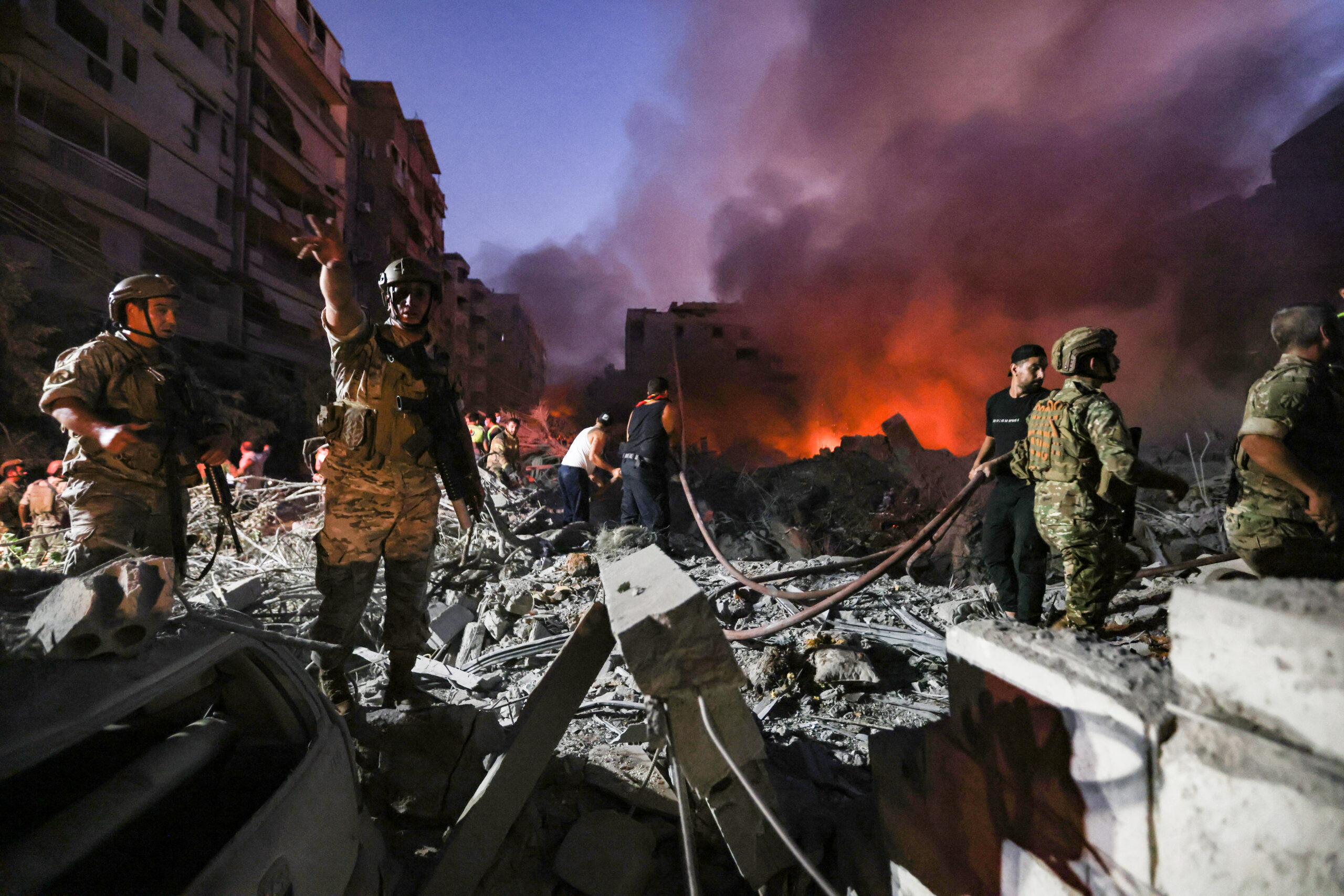
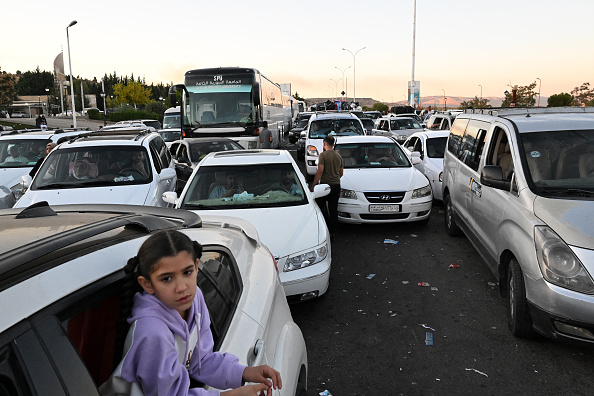
Israel’s escalation of its military campaign against Hezbollah in Lebanon has severely disrupted the cross-border flow of goods into Syria that have long served as a critical lifeline for Damascus. These interruptions have worsened existing shortages, triggering sharp increases in the prices of essential commodities for Syrian who were already struggling economically.
There is no alternative to Hezbollah’s disarmament
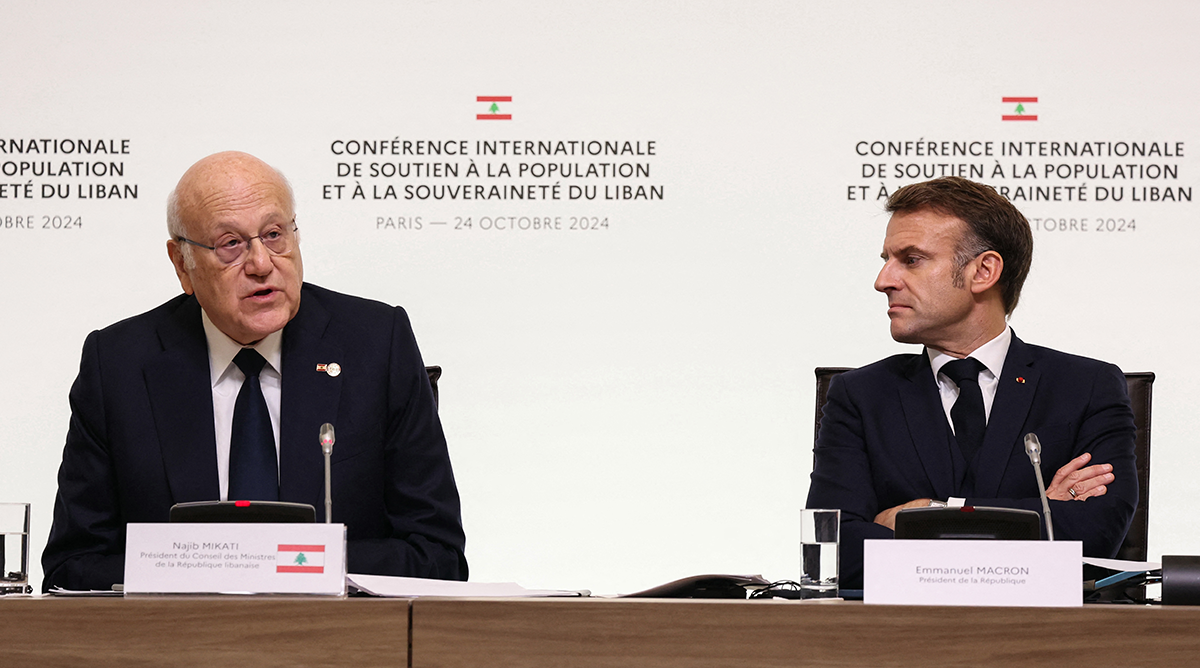
Last week, representatives from around 70 countries convened in Paris to pledge nearly $1 billion in aid for Lebanon. Moving forward, France and the US should work together to summon the political will needed to craft and implement a lasting political solution — one that can effectively safeguard against future wars between Israel and Lebanon.
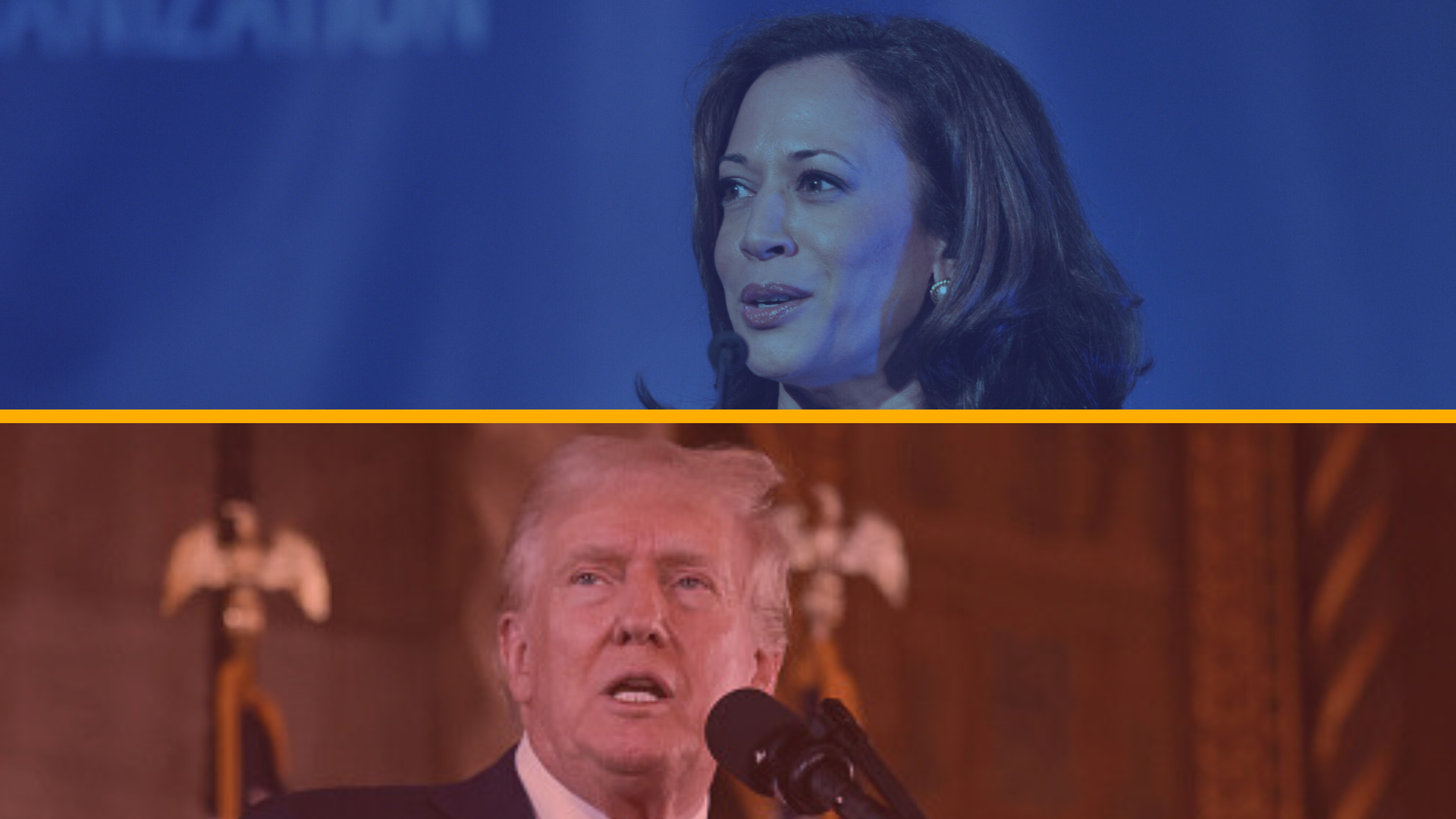
Harris vs. Trump on the War and Crisis in the Middle East
This policy assessment examines the statements and positions staked out by the Harris and Trump campaigns on the Middle East. The spotlight is on the past few weeks, with a stronger focus on two main issues that are likely to dominate the regional agenda of the next US administration: Iran and Israeli-Palestinian affairs.
Iran looms large as an important policy question in the Middle East these days. But it barely received mention on the campaign trail in the United States, where American voters are fixated on issues closer to home: the economy, abortion, immigration, and the health of America’s democratic system are all front and centre. This doesn’t mean that Iran is unimportant when it comes to US national security policy—it just these issues aren’t very likely to determine who will win the presidential race in November.
Over the past month, Iran and its regional network of allies and proxies – the Axis of Resistance – has suffered a string of dramatic losses and defeats. What is the future of the Axis and its members, and what can the US and its allies do to confront and disrupt this Iranian-led network?
MEI Managing Editor Matthew Czekaj speaks to Meir Javedanfar and Alex Vatanka on Iran’s role in keeping its network of proxies together and the conflicting interests that may force the country to rethink its antagonistic regional strategy.
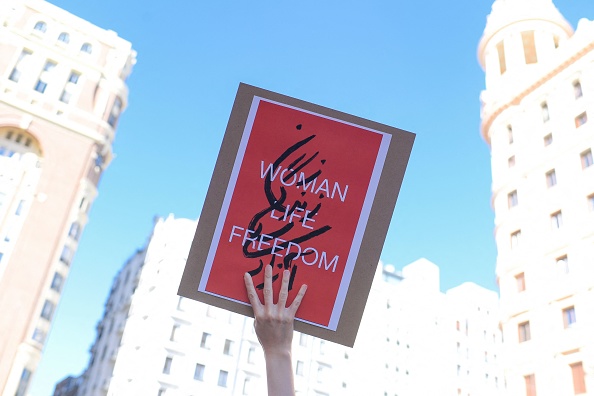
Last month marked the second anniversary of the death of 22-year-old Kurdish-Iranian Mahsa Amini and the “Women, Life, Freedom” movement born of her murder. The authorities’ subsequent brutal crackdown on the protesters is but one flagrant example of the government’s appalling human rights record. The regime’s disdain for international human rights norms is not the recent result of Iran’s transition from Islamic theocracy to nationalistic military-security state. Rather, it has been a feature of the regime from the beginning, as shown by (inter alia) the 1988 mass executions of Iranian prisoners.
The Islamic Republic, the most unpatriotic in Iranian history?
It is no exaggeration to say that the Islamist political system in Tehran is on the brink of experiencing perilous blowback for the foreign policy choices it has made. Whether Tehran continues to prioritize the fight against Israel or decides to look for ways to deprioritize the conflict as a national security matter will not be settled in the foreseeable future — or perhaps the matter will be taken out of Iran’s hands.
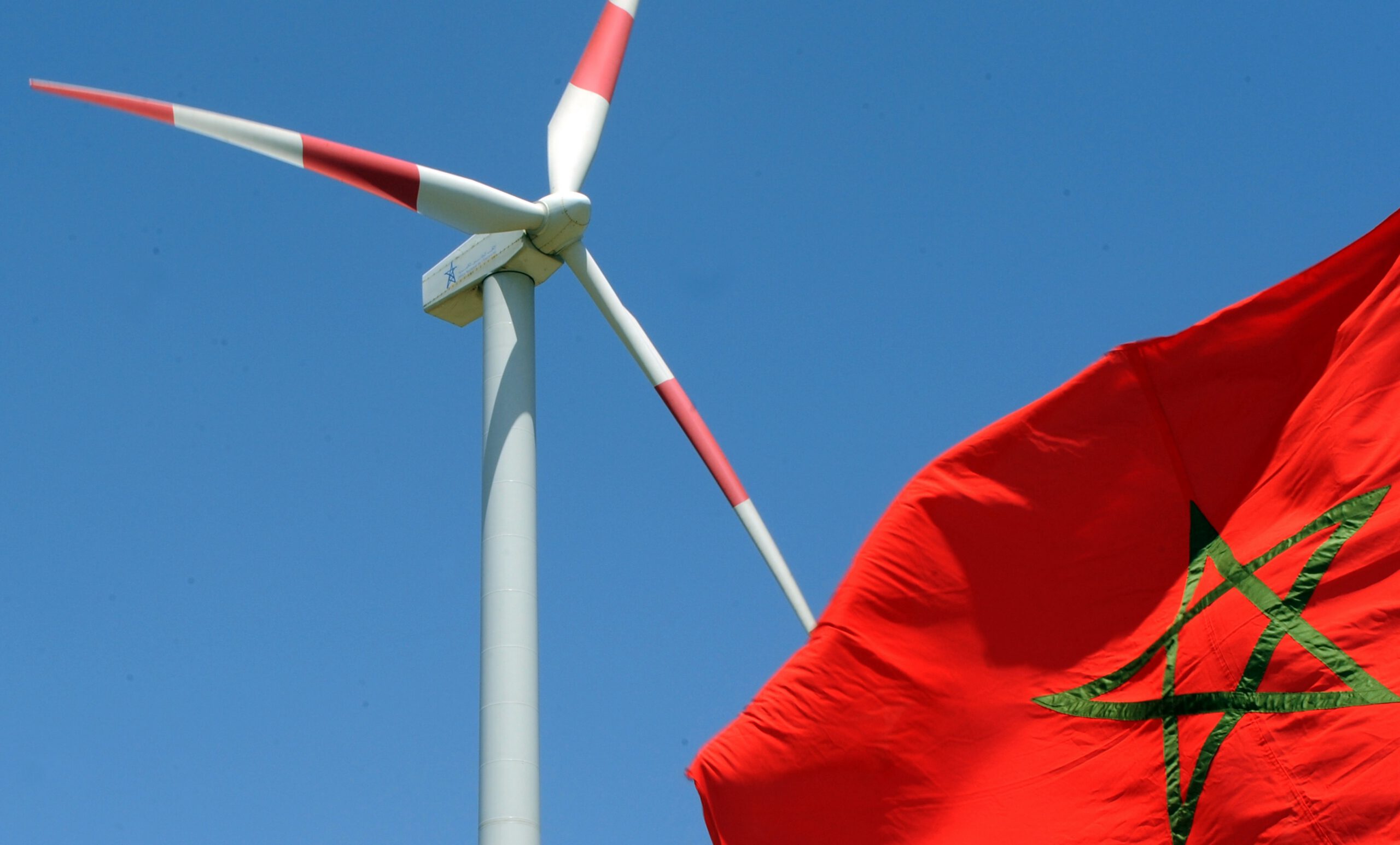
Renewable Energy and Morocco’s New Green Industries: How Morocco’s Green Energy Ecosystem Can Expand Women and Youth Employment Through Sustainable Development
A leader in renewable energy in the Middle East and North Africa, Morocco is developing a dynamic green energy ecosystem that is beginning to incorporate renewable power into major sectors of its economy. Moving forward, renewable energy and the green energy ecosystem hold significant potential to drive the creation of employment opportunities for its growing population. Indeed, the expansion of green industrial manufacturing and agricultural production in Morocco could become the engine of sustainable human development more broadly. This case study explores current and planned efforts to expand the kingdom’s renewable energy sector and green energy ecosystem, assessing the opportunities and challenges in using these new green industries as a driver of long-term employment, particularly among women, youth, and rural populations.
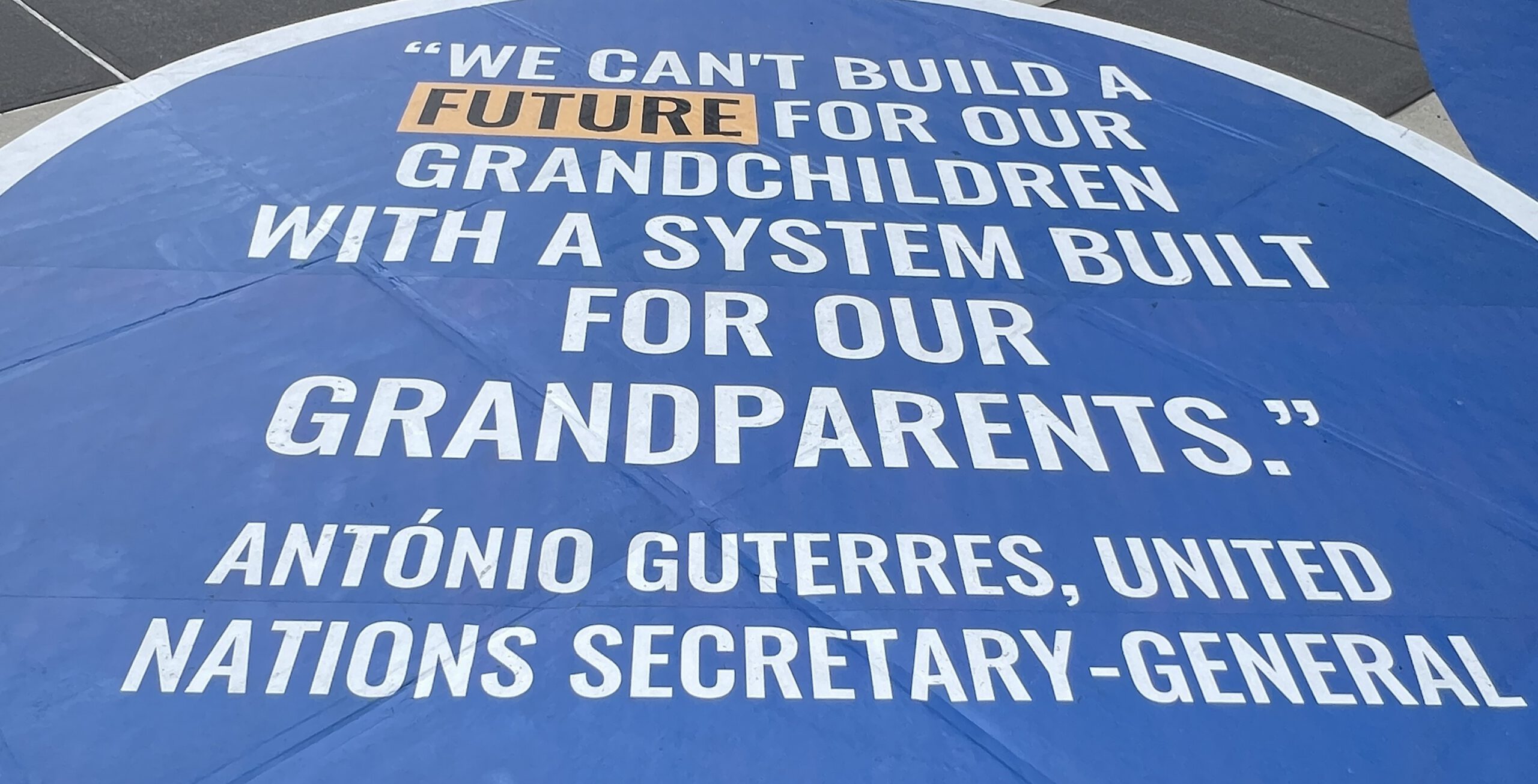
At last month’s Summit of the Future, the more than 190 UN member countries agreed to unprecedented new commitments on behalf of future generations, and they pledged to build a long-term future perspective into their mechanisms of governance, domestically and multilaterally. MEI’s Strategic Foresight Initiative program director Steven Kenney reflects on attending the summit and its outcomes.
The oldest peer-reviewed publication dedicated to the study of the modern Middle East, MEI’s flagship journal covers politics, society, and culture in the region.