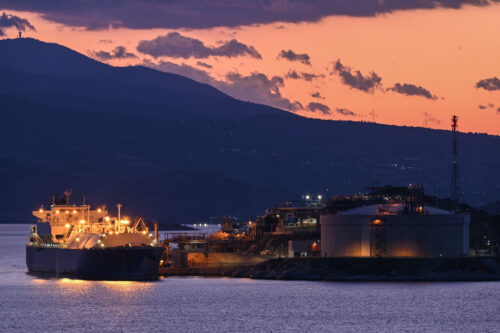
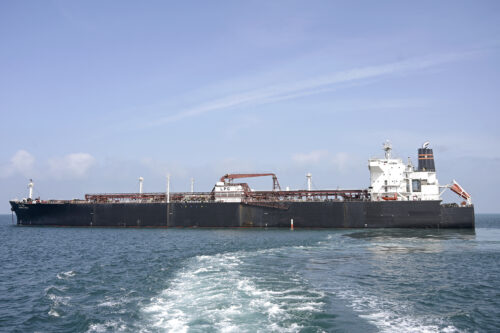
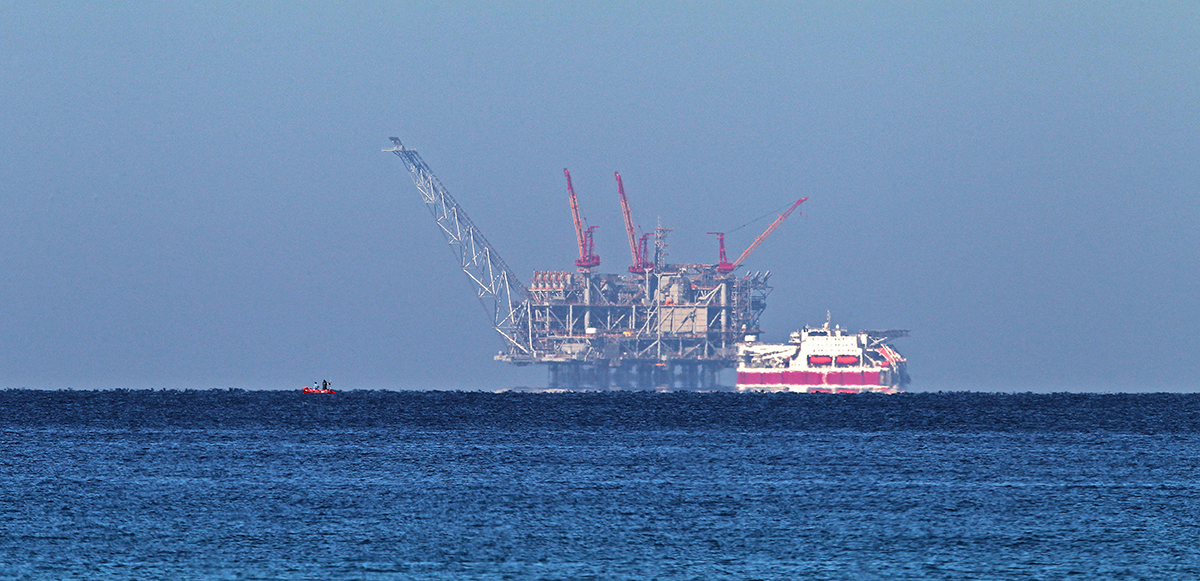
In less than two decades, a string of offshore discoveries has turned the Eastern Mediterranean into a significant gas-producing region, making Israel an exporter, twice lifting Egypt into the ranks of liquefied natural gas (LNG) exporters, and giving Cyprus finds it has yet to bring to market. This backgrounder explores the potential and challenges of exploiting and managing LNG resources in the region.
Deadlock in Gaza and the West Bank at a Breaking Point
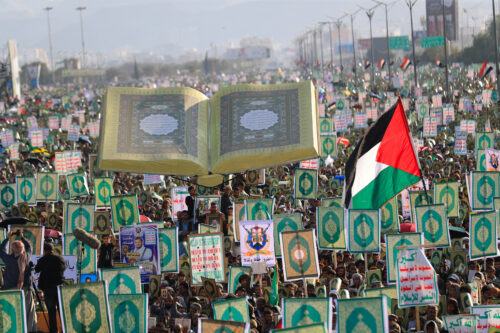
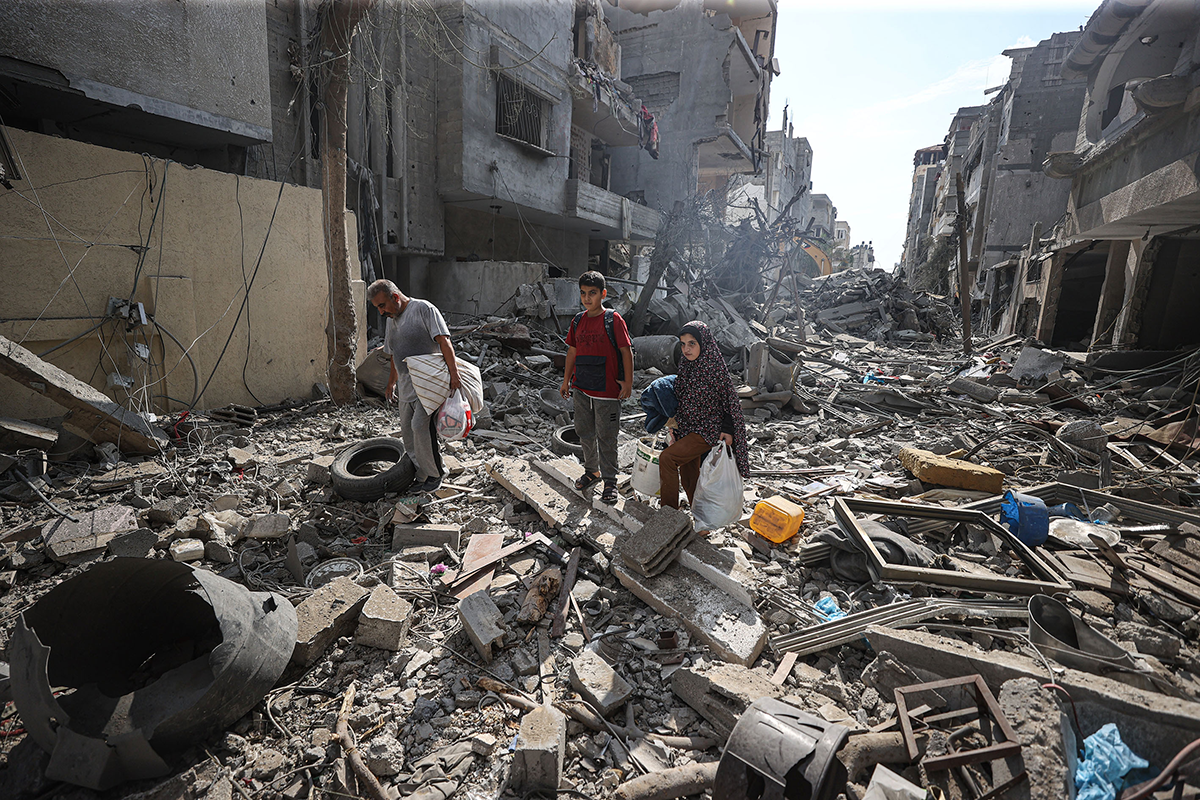
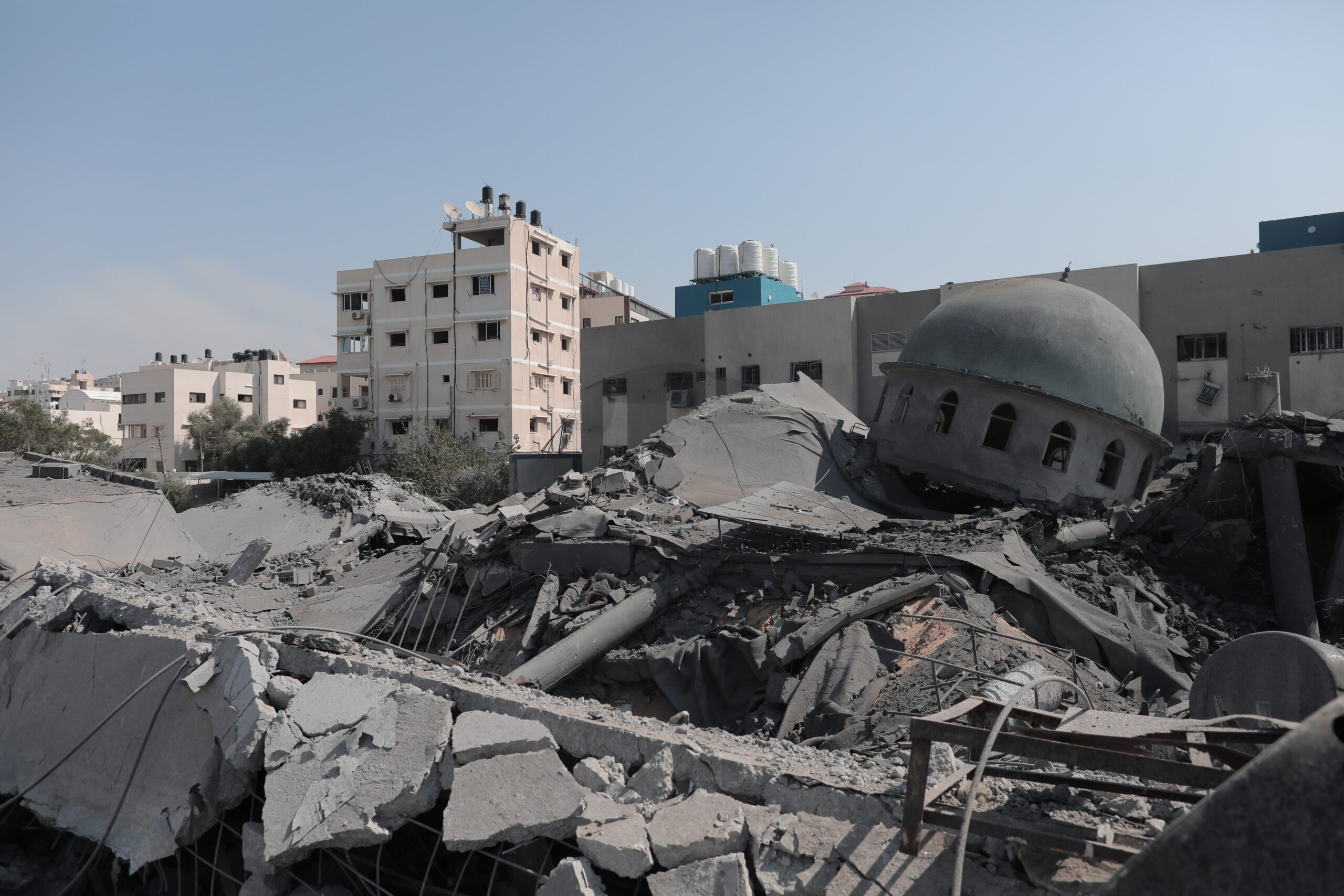
A year after world leaders gathered in Sharm el-Sheikh to mark the end of the war in Gaza, Israel controls about 70% of the Strip, Hamas retains its arms, and reconstruction has yet to begin. Meanwhile, in the West Bank, record settler violence and settlement expansion are colliding with a Palestinian Authority on the brink of fiscal collapse. Hosts Alistair Taylor and Matthew Czekaj are joined by MEI Associate Fellow Tahani Mustafa to discuss why the Gaza peace plan is deadlocked, an increasingly emboldened Israel in the West Bank, Mahmoud Abbas’s postponement of Palestinian elections, the Palestinian Authority’s deepening economic crisis, and what role the US could play.
MINURSO’s Future: What the Security Council’s Choice May Reveal
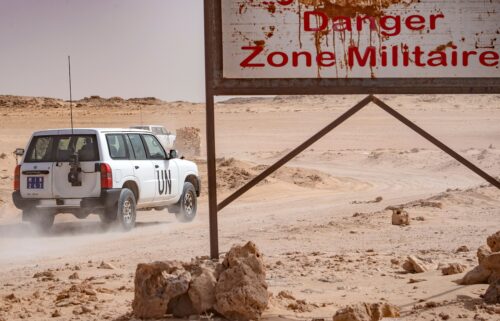
As the United Nations Security Council (UNSC) approaches the October 31 renewal deadline of the UN Monitoring Mission in Western Sahara (MINURSO), the mission’s longer-term future remains uncertain. Another largely unchanged renewal remains a likely immediate outcome. But beyond that holding pattern, three possible scenarios are also on the table.
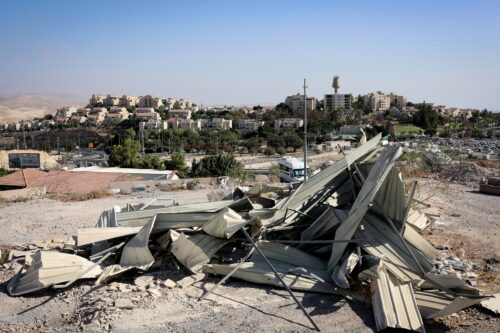
Since 1967, Israeli settlements in the West Bank have been a contested feature of the Israeli-Palestinian conflict. The ultimate disposition of the settlements and ongoing activity related to their growth have repeatedly defied agreement in negotiations over a resolution to the conflict.
The Houthis are a political-military faction and Zaydi religious movement founded in northwestern Yemen in the 1980s. A key member of Iran’s Axis of Resistance with links to other militant organizations in the Arabian Peninsula and the Horn of Africa, the group has continued to pose a threat to Western interests on a global scale.
The India-Middle East-Europe Economic Corridor (IMEC) is a proposed multinational infrastructure initiative aimed at upgrading connectivity between the three regions through integrated trade, energy, and digital networks. Announced at the G20 summit in New Delhi in September 2023, IMEC is envisioned partially as a counterweight to China’s international infrastructure project, the Belt and Road Initiative.
After a decade of post-Arab Spring isolation, Turkey’s leaders have recognized that their ambition to position the country as an agenda-setter on the world stage requires active engagement in all directions. President Recep Tayyip Erdoğan’s consolidation of executive authority has centralized foreign policy decision-making and tied it to his domestic political priorities, transforming the country’s revisionist approach to one shaped primarily by personal and pragmatic interests.
MEI Senior Fellow Brian Katulis engages friends, colleagues, and policy experts in casual conversations on the most important happenings in the Middle East.
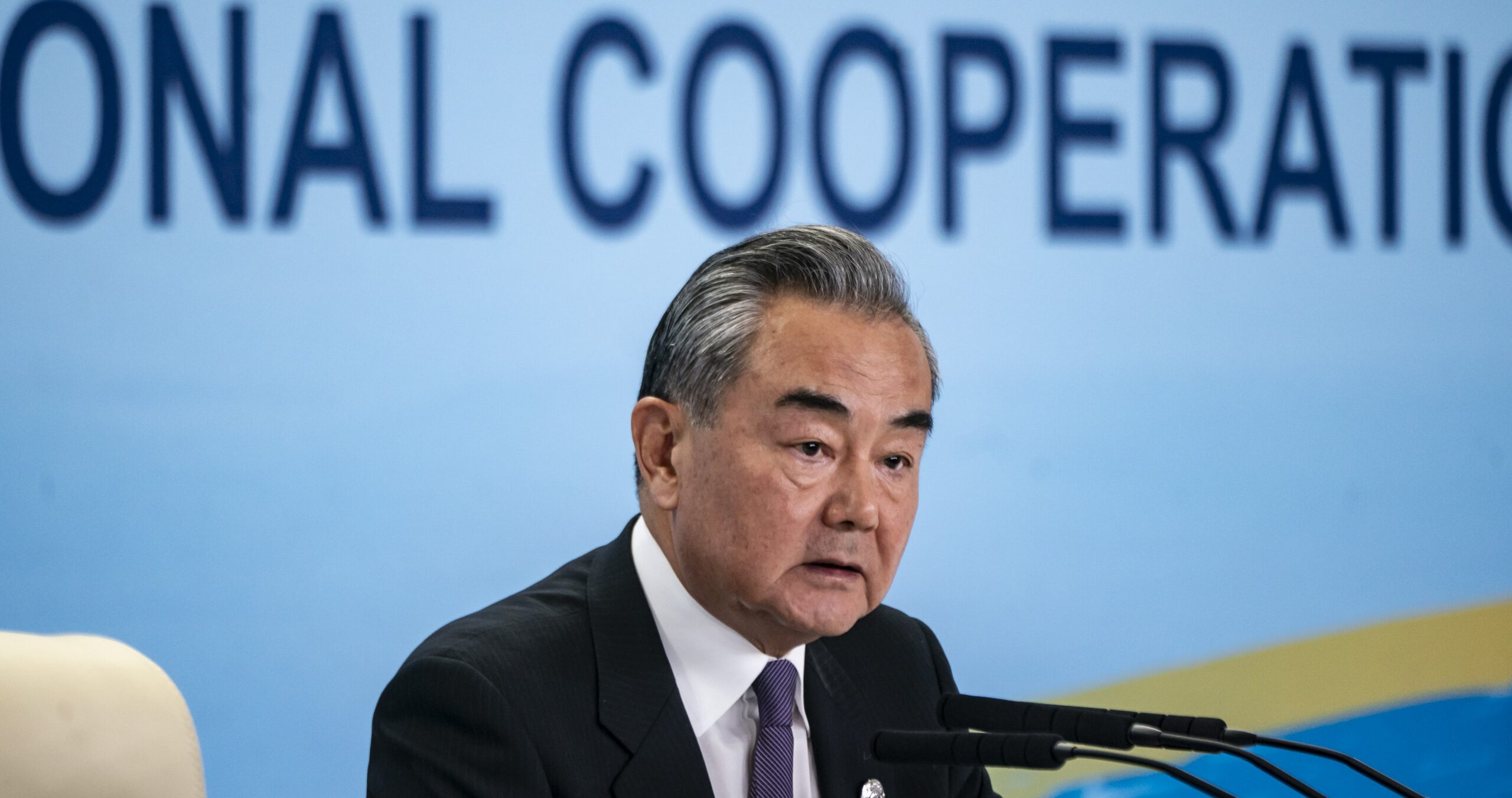
The war in Gaza as a major test of China’s Middle East peace diplomacy
China has long sought to brand itself as a “neutral” player and force for peace in the Middle East and elsewhere, willing and able to talk to “all sides.” Beijing’s nascent ambition to play the role of peacemaker and its potential to shape regional events was on display when it succeeded last March in brokering the détente between Riyadh and Tehran. The Israel-Hamas war offers no such low-hanging fruit. On the contrary, it poses a major test of China’s Middle East peace diplomacy — and an opportunity to examine some of our own, perhaps faulty assumptions.
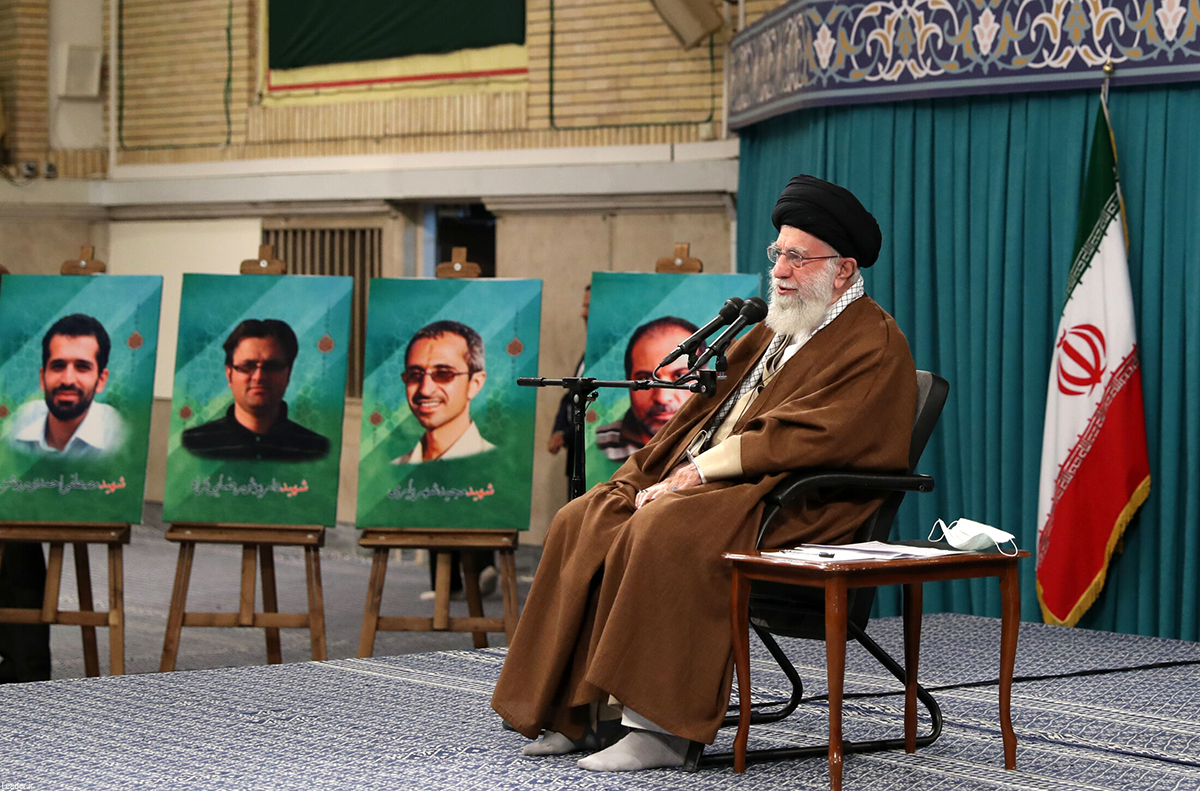
As the war rages on between Israel and Hamas in Gaza, the role of Iran will remain a central factor. Tehran is not only Israel’s top regional foe but also the leading provider of military aid and training for Hamas. But what is its endgame? As with all stakeholders in this war, Tehran’s calculations are evolving and shaped by events on the ground in Gaza.
From petrostates to green leaders: China and the Gulf's climate commitment
The 28th Conference of the Parties to the UN Framework Convention on Climate Change (COP28) will take place from November 30 to December 12, 2023, at Expo City Dubai in the United Arab Emirates (UAE). COP28 comes at a pivotal moment for international climate action. The findings of the UN “Global Stocktake” on global action to address climate change, released in a Synthesis Report in September, reveal just how far the world is from achieving the Paris Agreement’s goals and emphasize that the window of opportunity is closing.
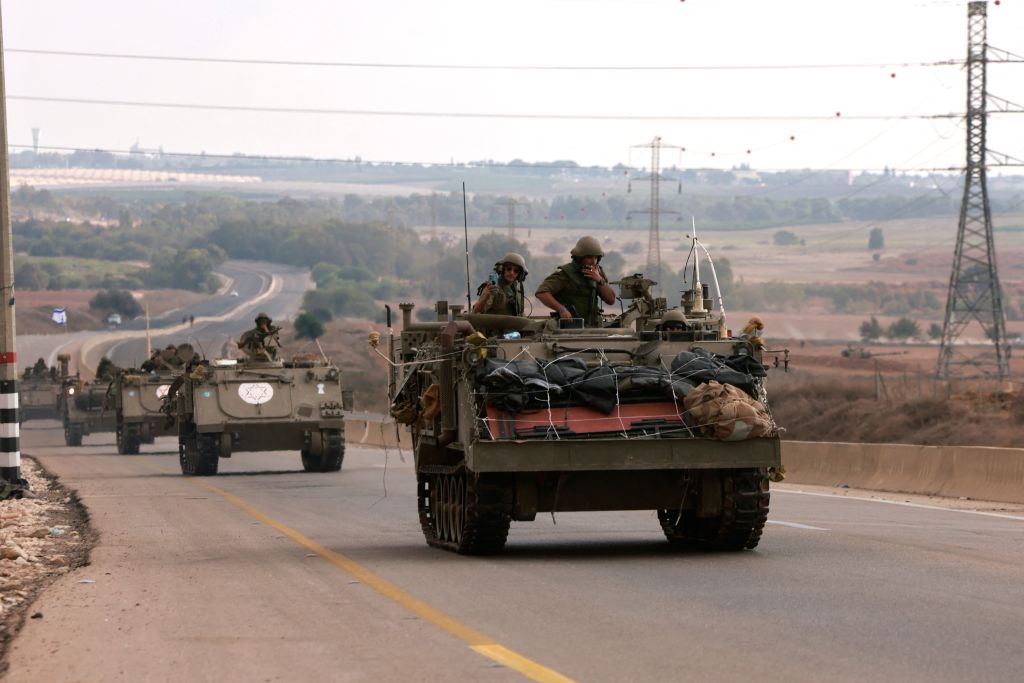
An Israeli ground assault on Gaza requires an endgame
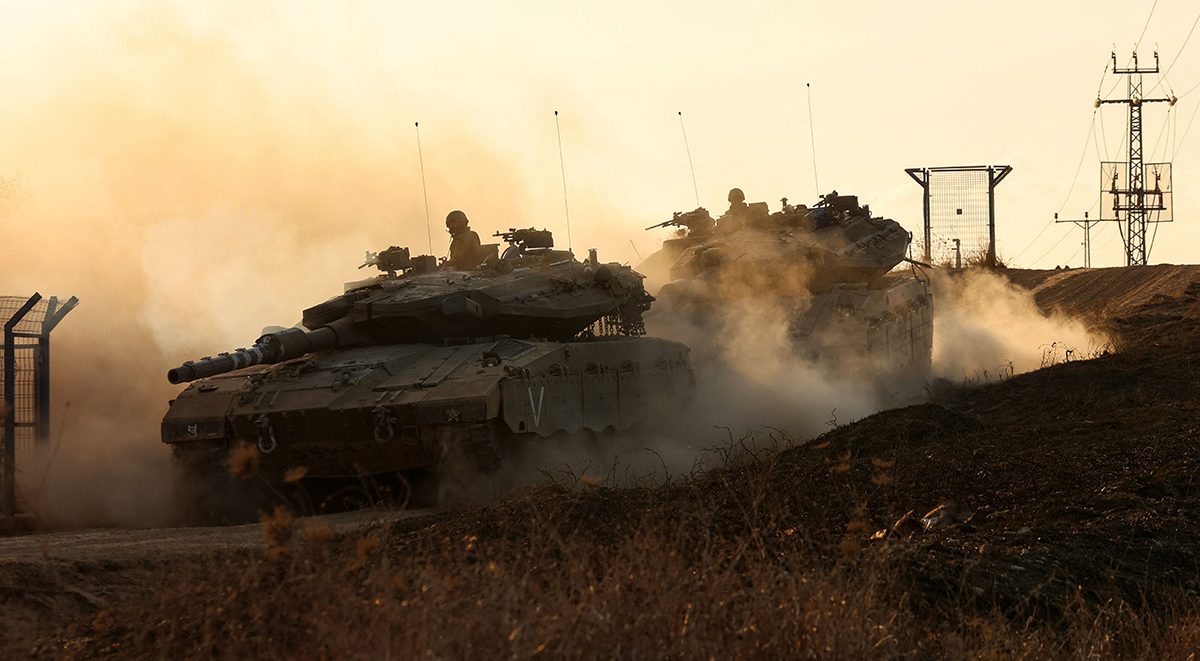
Though it has mobilized 360,000 reservists, the highest number since its 1982 invasion of Lebanon, in pursuing a large-scale ground invasion of Gaza Israel risks unprecedentedly high casualties of its own and massive condemnation by both the Arab world and the West if Palestinian deaths, already reported as exceeding 3,000, rise to multiples of that figure.
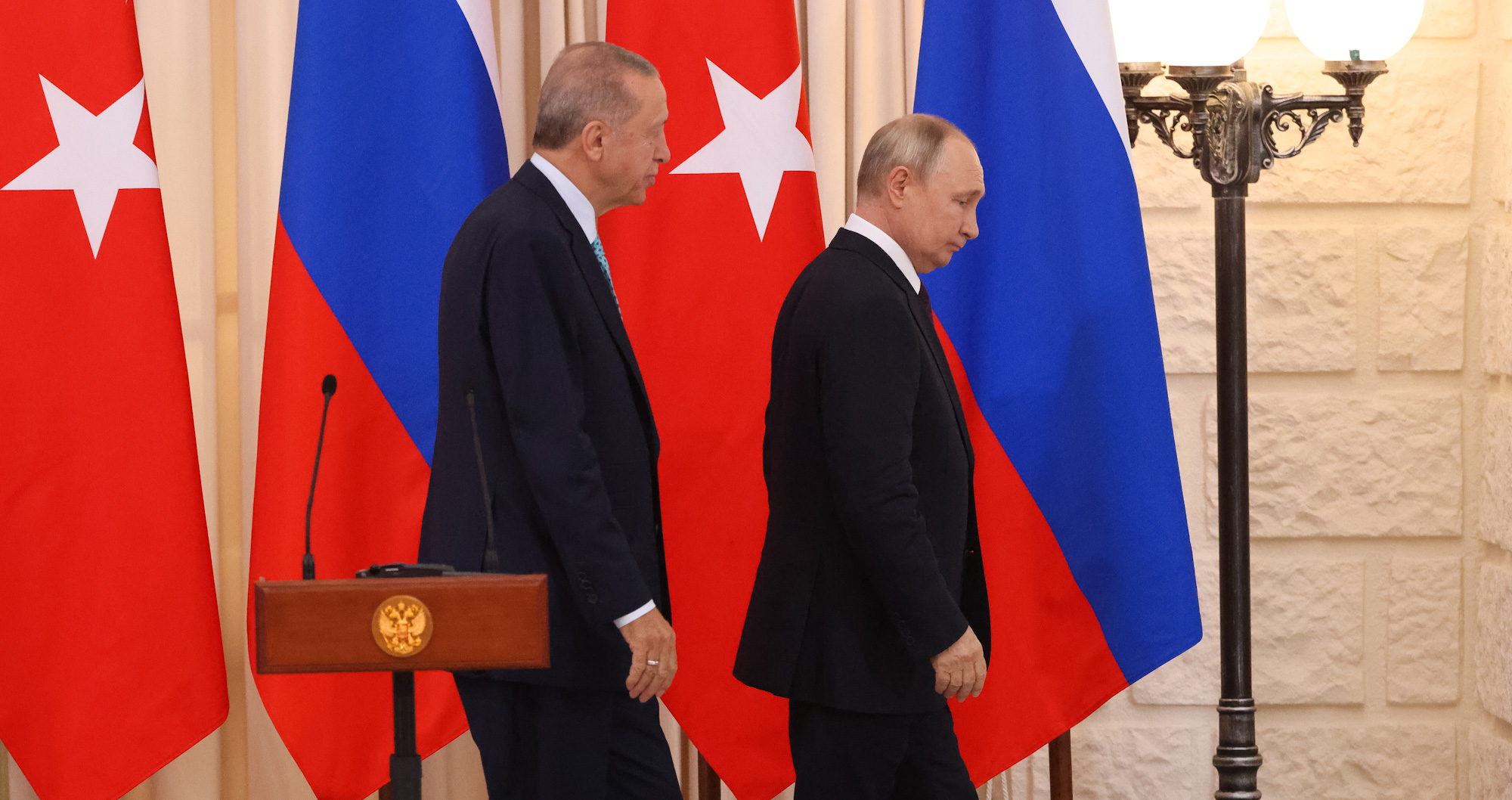
With Russia’s future uncertain, Turkey and the West need each other
Prigozhin’s coup was a serious warning sign that should prompt Turkey to cool ties with Russia and rebuild its relationship with the West. Yet today, Turkey and the West look at each other in terms of problems not solutions. While the political risks of reengagement are high for both sides, the potential rewards are well worth the effort needed to overcome them.
Earthquake in Afghanistan: Natural disasters, international isolation, and Taliban incapacity
On Oct. 15, a third earthquake hit western Afghanistan’s Herat province within the span of roughly one week. The Taliban’s international isolation has neither compelled the Taliban to change its behavior nor improved its capacity to respond to such disasters. A new policy for Afghanistan is long overdue and must place Afghans at the center of the debate. It’s time for the international community to wake up to that stark reality and respond to thehumanitarian crises turning Afghanistan into a black hole.
Bytes and Beltways: Decoding Beijing’s Tech-Centric Geopolitics in the Gulf
As China pursues a grand strategy aimed at displacing the US-led global order, technology has emerged as a fourth pillar alongside the political, military, and economic elements of its plans. A test case is the Arabian Gulf. Since the 2010s, China has been strategically enhancing its influence in West Asia, with a particular focus on the Gulf states, leveraging technology as a potent tool. This approach involves the deployment of Chinese software and hardware, coupled with joint technology and cyber initiatives.
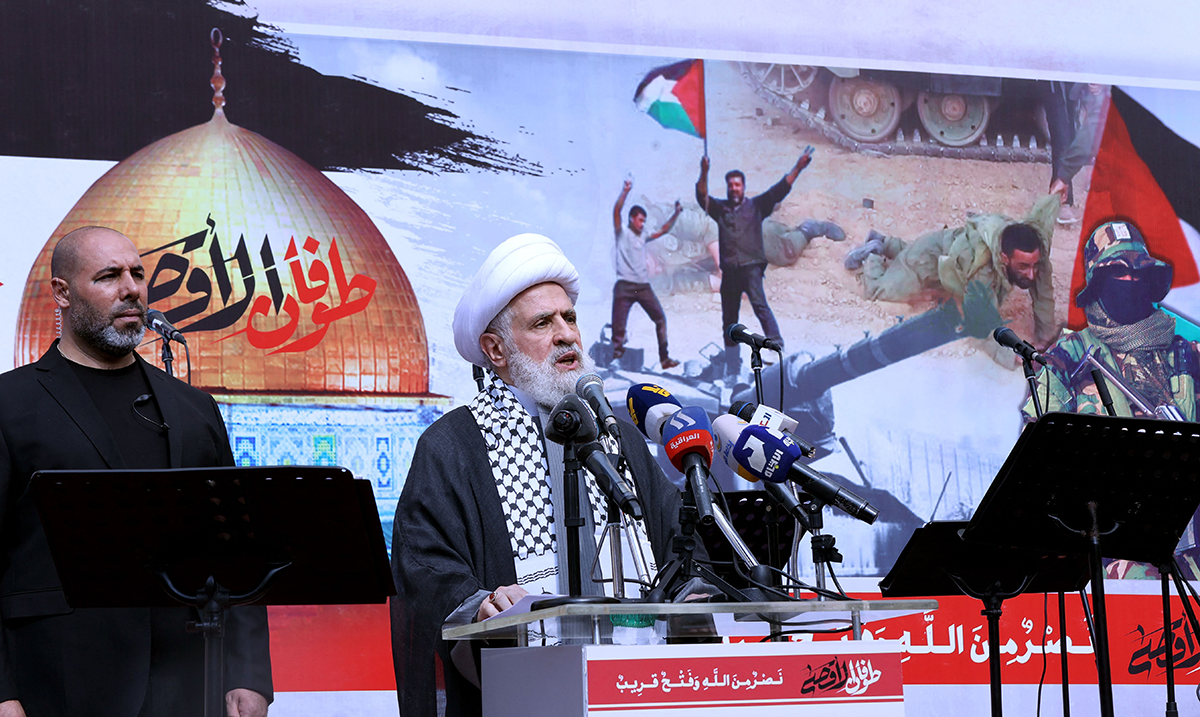
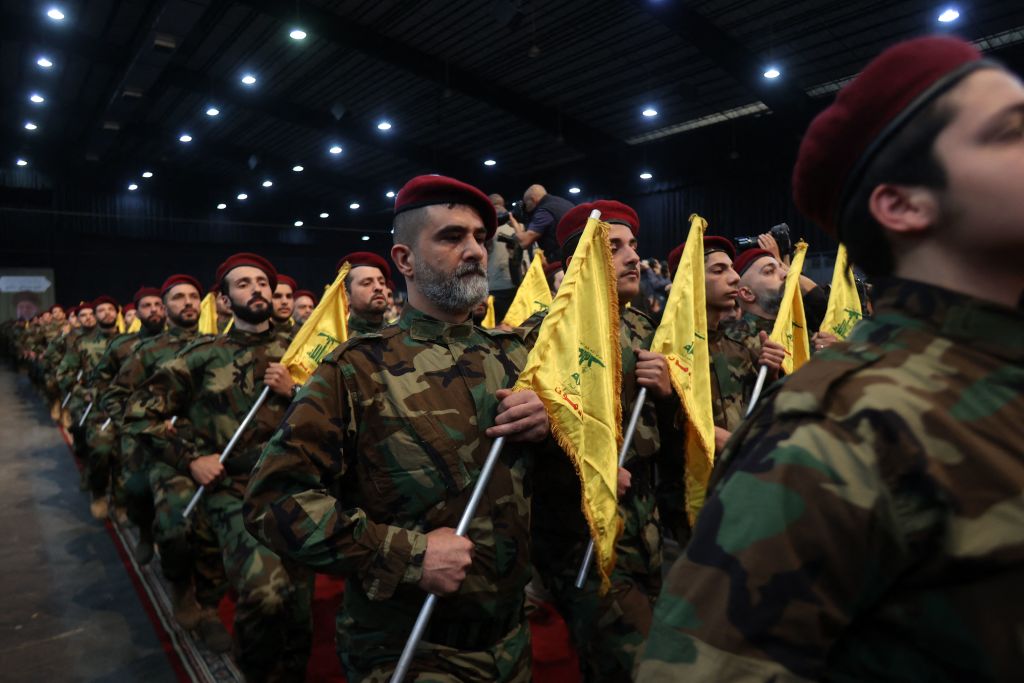
Hezbollah’s calculations on opening a second front against Israel
Since the Hamas attack on Oct. 7, regional and extra-regional actors have been working to prevent an expansion of the conflict beyond the Gaza-Israel theater, focusing particularly on the Lebanese-Israeli border. A decision by Hezbollah to enter the ongoing war would open a second front and bring into the fight their large arsenal of rockets and precision-guided missiles capable of hitting critical Israeli infrastructure. It would also bring destruction to Lebanon while the country reels from a severe economic crisis.
Israel-Hamas war: Conflict scenarios, US diplomacy, and shoring up regional stability
Nine days after the Hamas attack inside Israel, the Israel Defense Forces (IDF) is massing troops for a large-scale ground incursion into Gaza. For now, the outlines and endgame of Israel’s military action are not entirely clear. Meanwhile, escalation is rising along the Israel-Lebanon border and U.S. Secretary of State Antony Blinken is crisscrossing the Middle East communicating both deterrence and diplomacy.
If the war in Gaza isn’t horrific enough, the world also has to worry about its possible expansion. The one theater that could prove to be the most lethal and devastating to the entire region is Lebanon-Israel. There, Israel would have to deal with Hezbollah, a foe with capabilities far more significant than Hamas’s, and which many view as the world’s most powerful non-state militant actor.
So, will Hezbollah join the fight and turn this into a regional war to aid its Palestinian partner?
The energy risks of Israel’s new war are large and growing
The state of Israel and the terrorist group Hamas are engaged in an existential conflict, each threatening the survival of the other, as well as the survival of civilians, both Palestinian and Israeli, caught in-between. The conflict could widen into a regional or even global crisis. For energy markets and the global economy, the risks are considerable and could swerve or accelerate in response to multiple variables.
Dehumanization, lack of empathy for Palestinians is alarming—and dangerous
The scale and brutality of Hamas’s grisly attack on Israel last Saturday has understandably triggered a massive outpouring of sympathy and solidarity with Israel. And yet, there has been no similar outpouring of sympathy for Palestinians, who are now also dying in disturbingly large numbers.
As Israel-Hamas war begins, it’s not too late to shape this historic inflection point
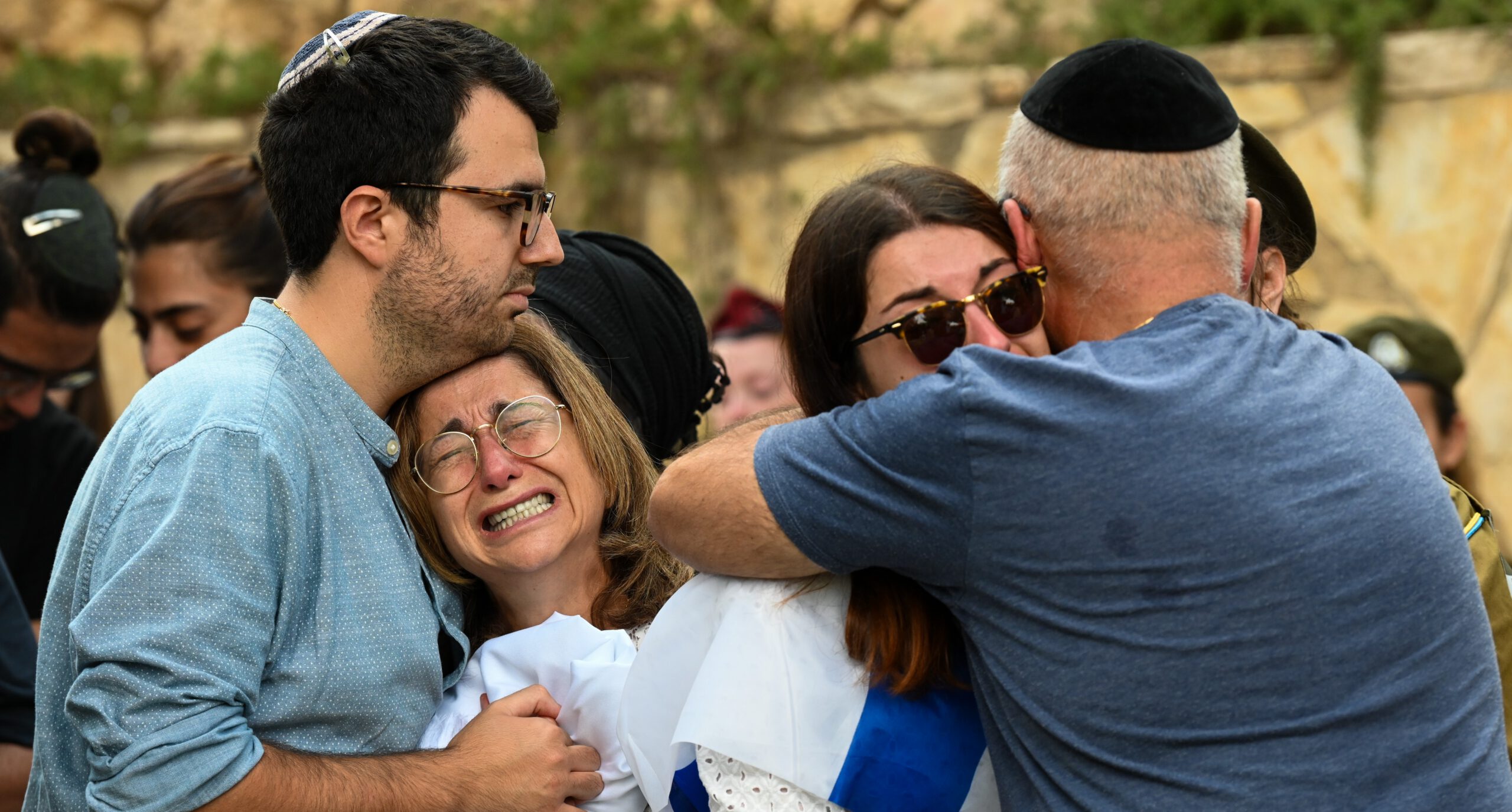
Hamas’ murderous raid on Oct. 7, resulting in the deaths of more than 1,300 Israelis, mostly civilians, may well turn out to be a consequential inflection point, having unleashed political and popular forces that could lead in a positive or, just as likely, extremely negative direction.
A devastating Israel-Lebanon war is brewing, but it can still be stopped
This week’s shock attack by Palestinian militant group Hamas against Israel left the Middle East on a knife’s edge. The world remains focused on Israel’s unfolding military response in Gaza, which in the days ahead will surely prove long, punishing, and unpredictable.
The oldest peer-reviewed publication dedicated to the study of the modern Middle East, MEI’s flagship journal covers politics, society, and culture in the region.