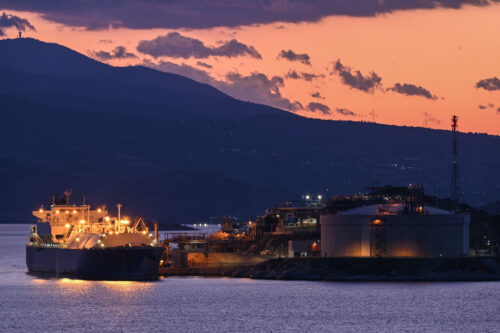
In less than two decades, a string of offshore discoveries has turned the Eastern Mediterranean into a significant gas-producing region, making Israel an exporter, twice lifting Egypt into the ranks of liquefied natural gas (LNG) exporters, and giving Cyprus finds it has yet to bring to market. This backgrounder explores the potential and challenges of exploiting and managing LNG resources in the region.
Deadlock in Gaza and the West Bank at a Breaking Point
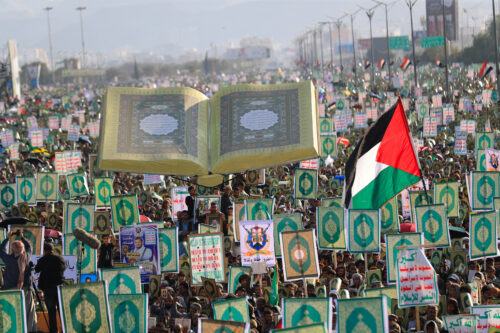
A year after world leaders gathered in Sharm el-Sheikh to mark the end of the war in Gaza, Israel controls about 70% of the Strip, Hamas retains its arms, and reconstruction has yet to begin. Meanwhile, in the West Bank, record settler violence and settlement expansion are colliding with a Palestinian Authority on the brink of fiscal collapse. Hosts Alistair Taylor and Matthew Czekaj are joined by MEI Associate Fellow Tahani Mustafa to discuss why the Gaza peace plan is deadlocked, an increasingly emboldened Israel in the West Bank, Mahmoud Abbas’s postponement of Palestinian elections, the Palestinian Authority’s deepening economic crisis, and what role the US could play.
MINURSO’s Future: What the Security Council’s Choice May Reveal
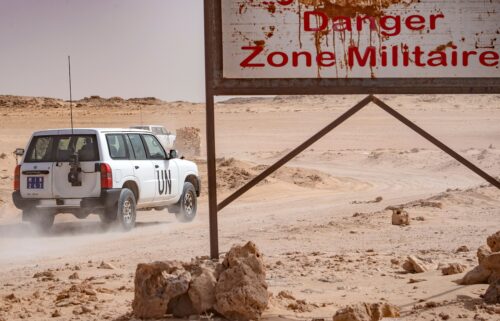
As the United Nations Security Council (UNSC) approaches the October 31 renewal deadline of the UN Monitoring Mission in Western Sahara (MINURSO), the mission’s longer-term future remains uncertain. Another largely unchanged renewal remains a likely immediate outcome. But beyond that holding pattern, three possible scenarios are also on the table.
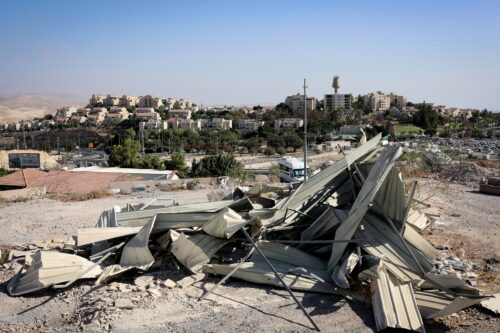
Since 1967, Israeli settlements in the West Bank have been a contested feature of the Israeli-Palestinian conflict. The ultimate disposition of the settlements and ongoing activity related to their growth have repeatedly defied agreement in negotiations over a resolution to the conflict.
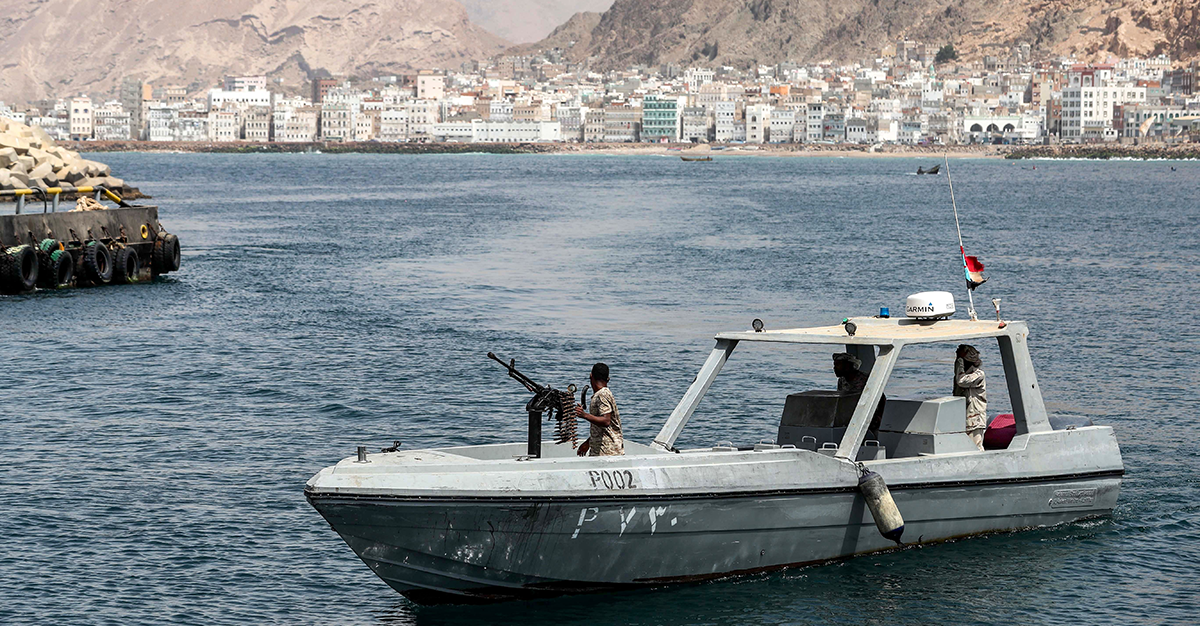
The Houthis are a political-military faction and Zaydi religious movement founded in northwestern Yemen in the 1980s. A key member of Iran’s Axis of Resistance with links to other militant organizations in the Arabian Peninsula and the Horn of Africa, the group has continued to pose a threat to Western interests on a global scale.
The India-Middle East-Europe Economic Corridor (IMEC) is a proposed multinational infrastructure initiative aimed at upgrading connectivity between the three regions through integrated trade, energy, and digital networks. Announced at the G20 summit in New Delhi in September 2023, IMEC is envisioned partially as a counterweight to China’s international infrastructure project, the Belt and Road Initiative.
After a decade of post-Arab Spring isolation, Turkey’s leaders have recognized that their ambition to position the country as an agenda-setter on the world stage requires active engagement in all directions. President Recep Tayyip Erdoğan’s consolidation of executive authority has centralized foreign policy decision-making and tied it to his domestic political priorities, transforming the country’s revisionist approach to one shaped primarily by personal and pragmatic interests.
MEI Senior Fellow Brian Katulis engages friends, colleagues, and policy experts in casual conversations on the most important happenings in the Middle East.
Effectiveness, not size, key to US involvement in Middle East
In the summer of 2016, I was honoured to be asked by former US national security advisor Stephen Hadley and former US Secretary of State Madeleine Albright to help design a wargame, or a simulated crisis, to test whether more or less US engagement in the Middle East would be more beneficial for US interests and regional security.
The crisis revolved around a fictitious incident at sea between Saudi and Iranian naval forces. We postulated that several small attack craft belonging to the Iranians confronted a Saudi frigate in the Arabian Gulf southwest of the island of Abu Musa.
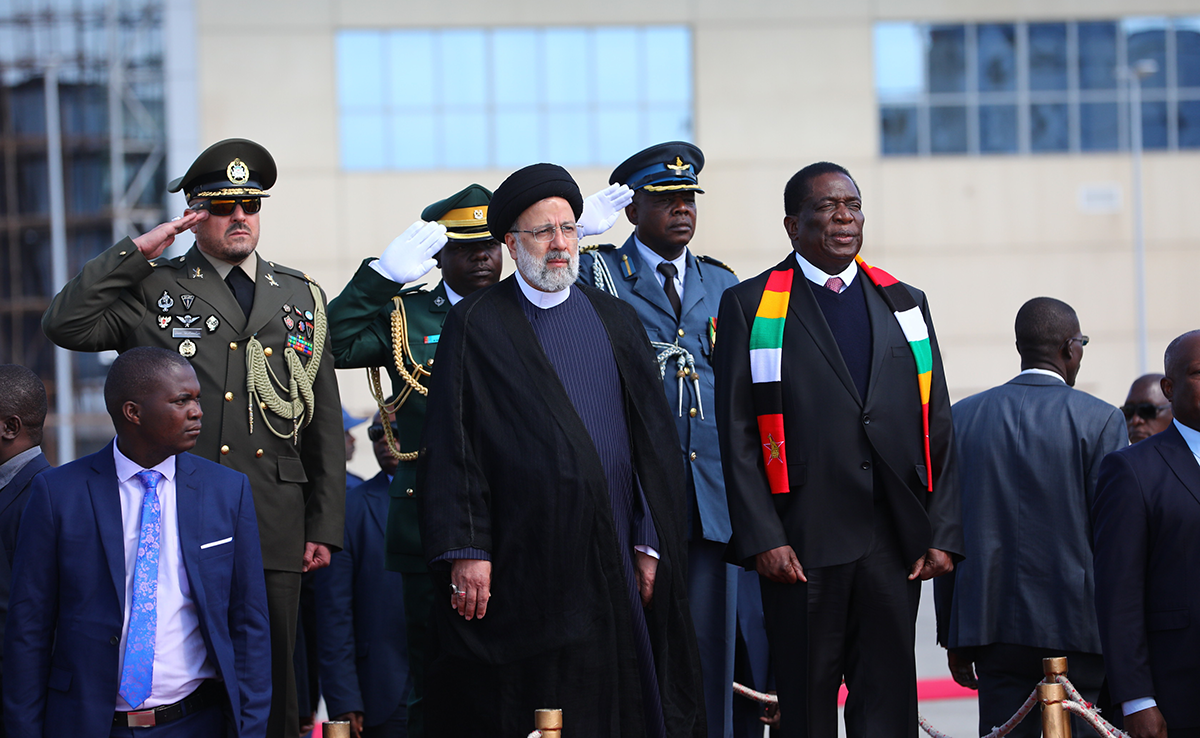
Iran’s renewed Africa policy: Raisi’s ambition and the perception of Western decline
Amin Naeni discusses the revival of Iranian foreign policy with non-Western states, particularly African nations, in light of President Raisi’s recent visit to the continent. Additionally, the piece touches upon how this process has differed between Raisi versus Ahmadinejad, and whether Raisi’s Africa policy will prove any more successful than his predecessor’s.
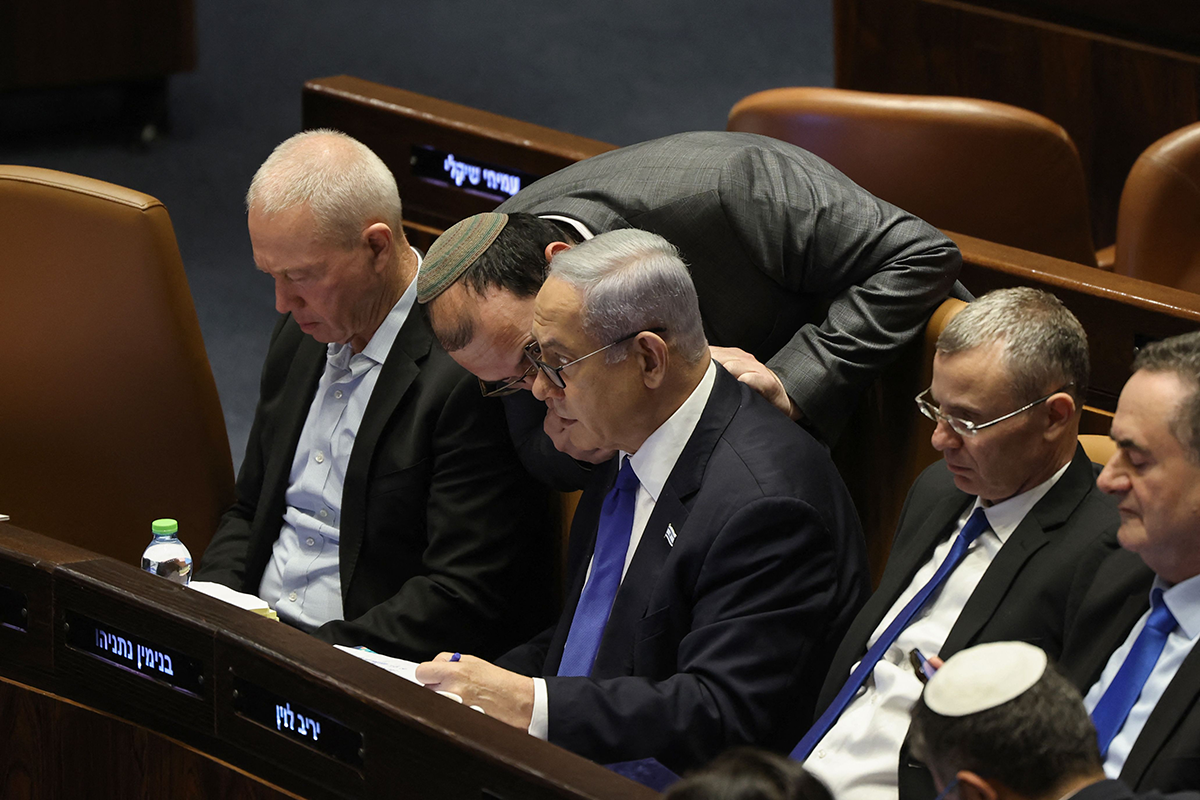
A difficult road ahead for Israel’s far-right government despite its victory
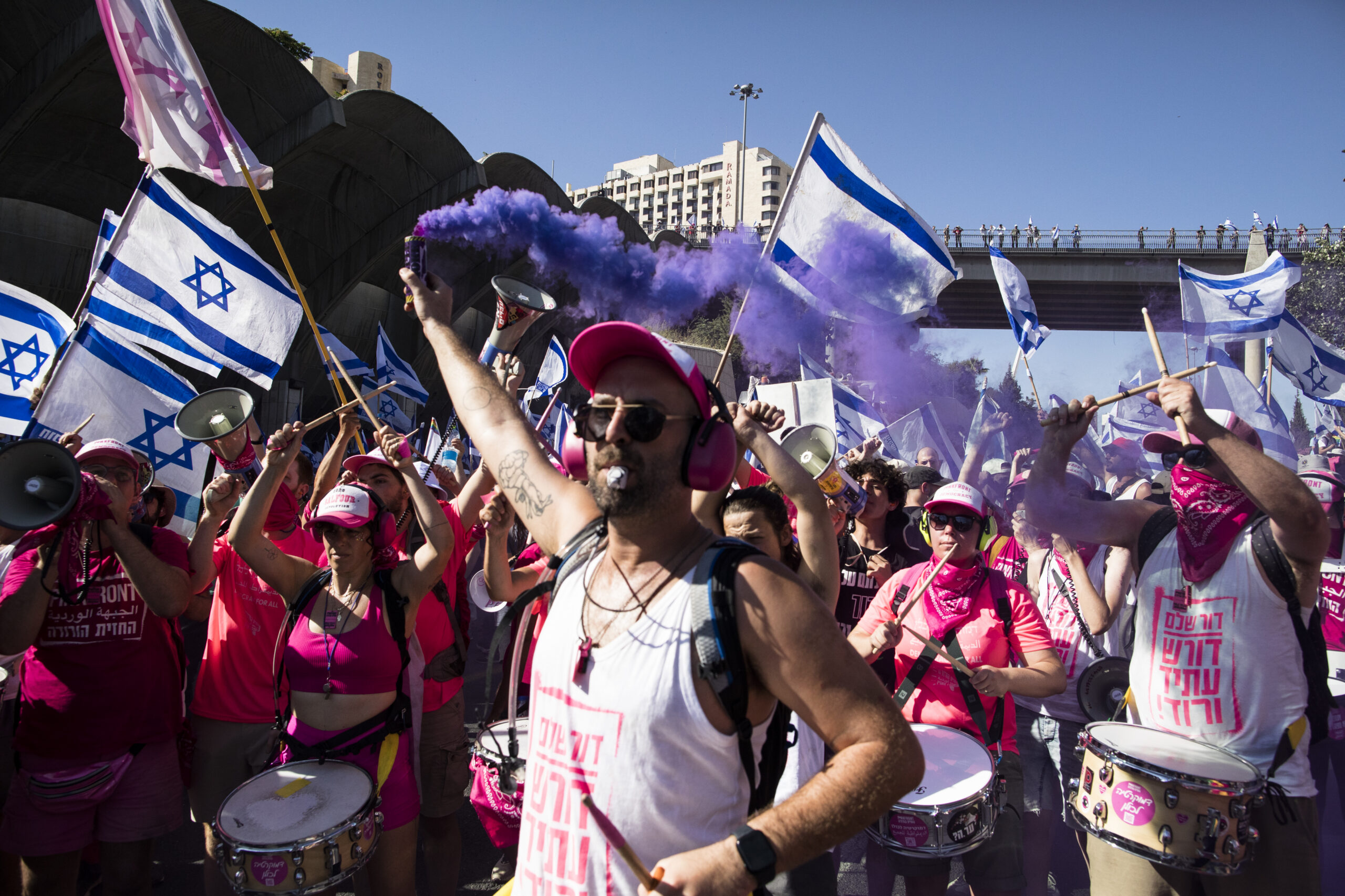
On July 24, the Knesset voted to limit the powers of the Supreme Court to strike down legislation as the first step in a comprehensive “judicial overhaul” orchestrated by Israel’s far-right government. This is by no means the “end” of Israeli democracy. To the contrary, the coalition that forced it through is itself the product of some unlikely circumstances and may not survive much longer, especially given the economic, security, and diplomatic chal-lenges it will very shortly face.
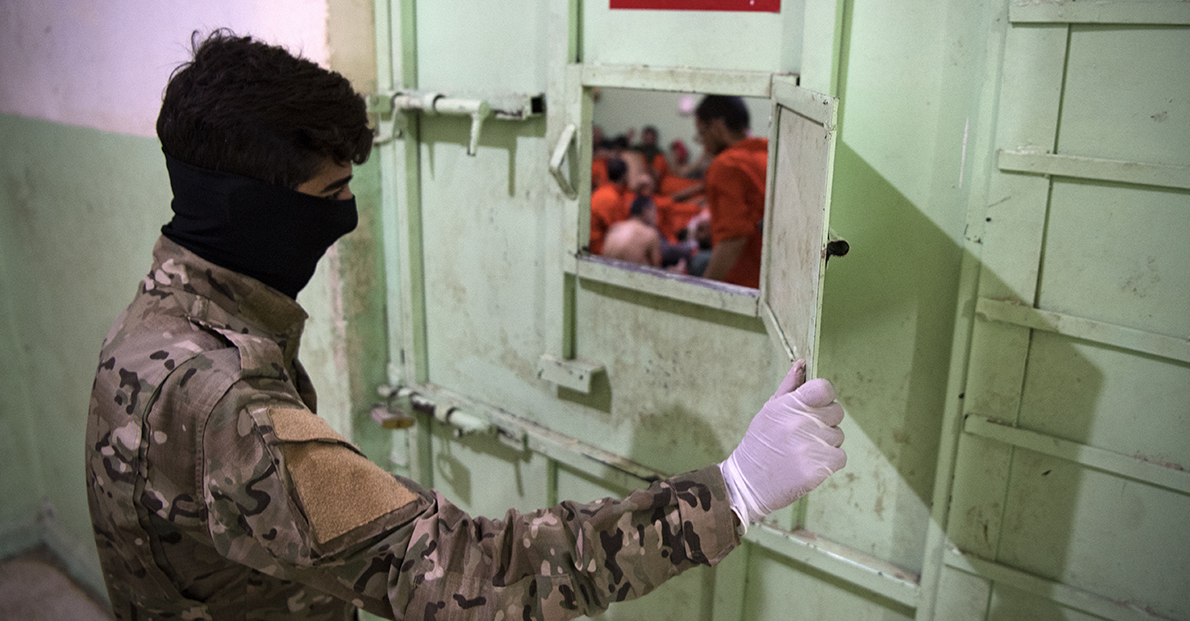
As the clock ticks down on the repatriation of IS foreign fighters from Syria, a recent development has added a new sense of urgency to the situation. On June 11, the Autonomous Administration of North and East Syria (AANES), announced its intention to prosecute 2,000 IS foreign fighters. How-ever, the lack of international recognition for the AANES and its courts renders these trials illegiti-mate, further complicating future international legal efforts to prosecute these combatants.
The Russia-Ukraine war forces Egypt to face the need to feed itself: Infrastructure, international partnerships, and agritech can provide the solutions
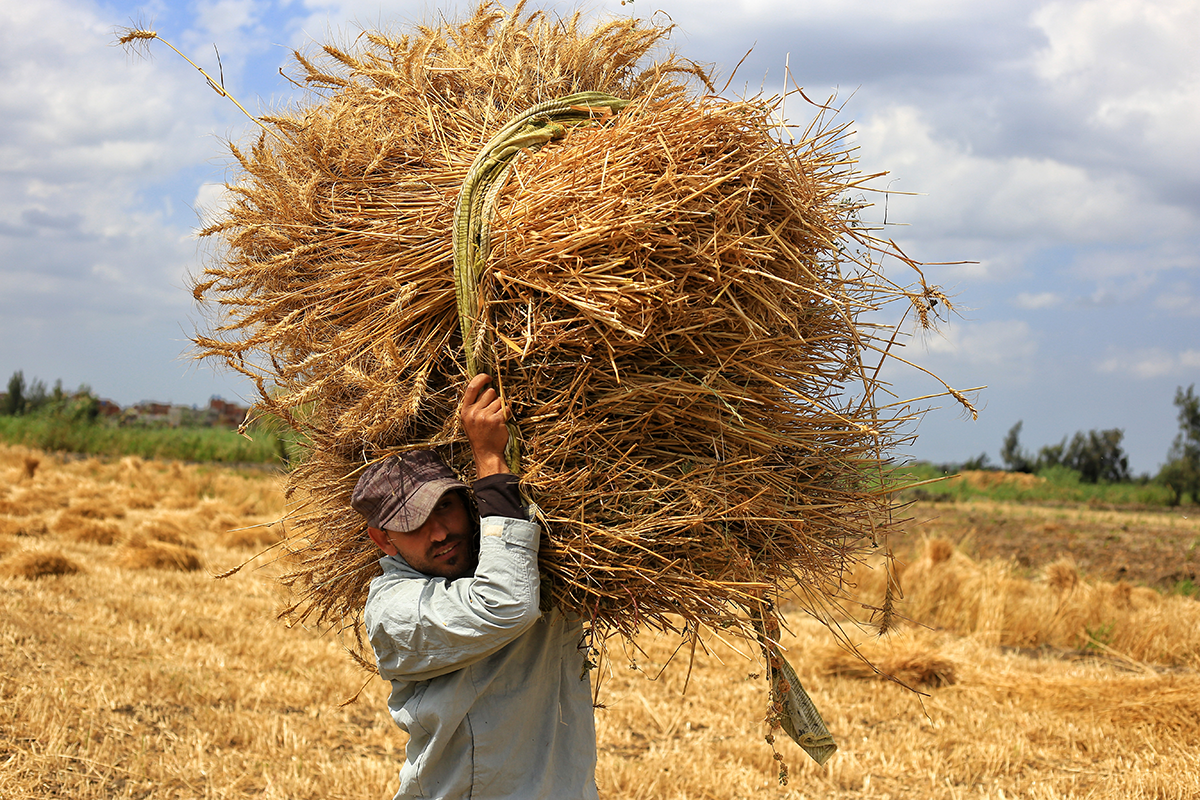
After 500 days of coping with the debilitating impact of Russia’s invasion of Ukraine, Egypt’s economy is faltering. At the core of the crisis is its fragile food security. Now, the Egyptian economy is fast approaching a tipping point and Cairo has no alternative but to boost its domestic agrifood production. In addition to building out its infrastructure, Egypt must also adopt cutting-edge agritech solutions to improve the water-use efficiency of the crops themselves.
Realigning priorities: Egypt's strategic shift toward Qatar, Turkey, and Iran
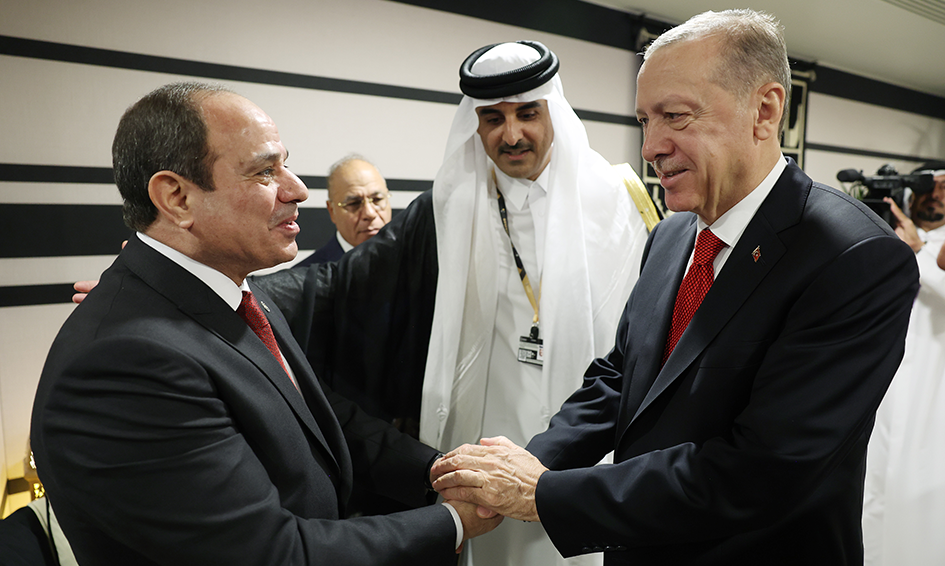
While some analysts attribute Egypt’s realignment toward Turkey, Qatar, and Iran to a change in the foreign policies of its influential allies, the UAE and Saudi Arabia, it can be argued that Egypt’s shift is primarily motivated by its domestic dynamics and its unfulfilled foreign policy objectives between 2014 and 2018. Egypt’s realignment, in that sense, seeks to achieve multiple unmet domestic and regional aims.
Pilgrims and profits: Jordan looks to holy baptism site to boost religious tourism
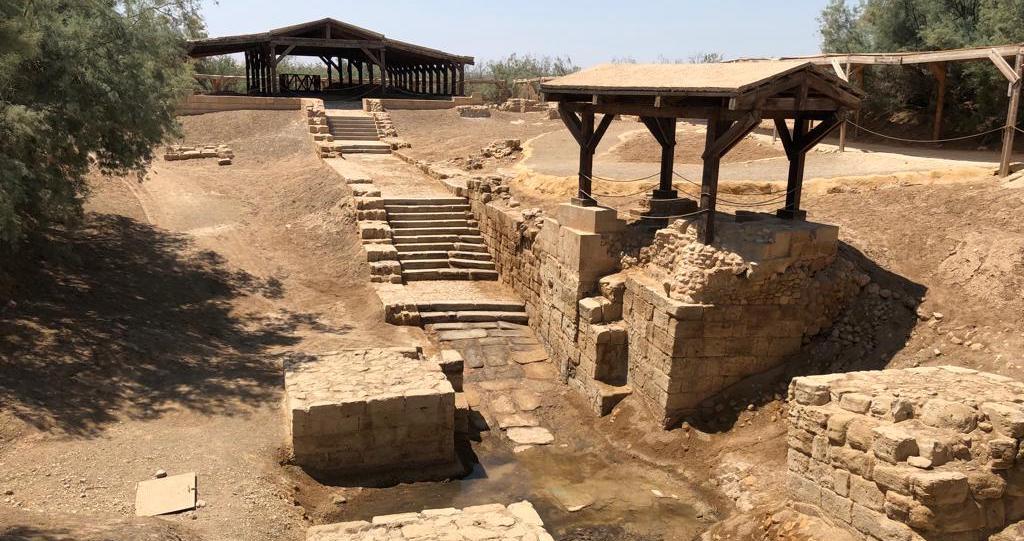
The Jordanian government has sought to further develop the Bethany Beyond the Jordan baptism site in an effort to boost the tourism sector and the broader economy. But striking the right balance between economic, religious, political, and environmental considerations won’t be easy.
Changing dynamics reshape power networks in Yemen’s “two Hadramawts”
Since 2015, Yemen’s largest governorate, Hadramawt, has been informally divided between two distinct centers of power with different military loyalties and external backing. The balance of power within the governorate is no longer fixed, however. Changes in Hadramawt’s military, political, and economic dynamics are reshaping power networks in the governorate and beyond, with implications for the conflicting agendas of the Saudis, Emiratis, and Houthis.
Russia, Ukraine, and the Reshuffling of the European Security Order
In a 1994 article for Foreign Affairs, former US national security advisor Zbigniew Brzezinski famously argued that “without Ukraine, Russia ceases to be an empire.” His analysis is no less valid today.
At the time, Brzezinski was arguing against the United States pressuring Ukraine to give up its nuclear weapons. It seems reasonable to say that there would be no war in Ukraine today if the country had not done so under the terms of the flawed Budapest Memorandum.
Turkey's role after the Black Sea grain deal collapse has become even more critical
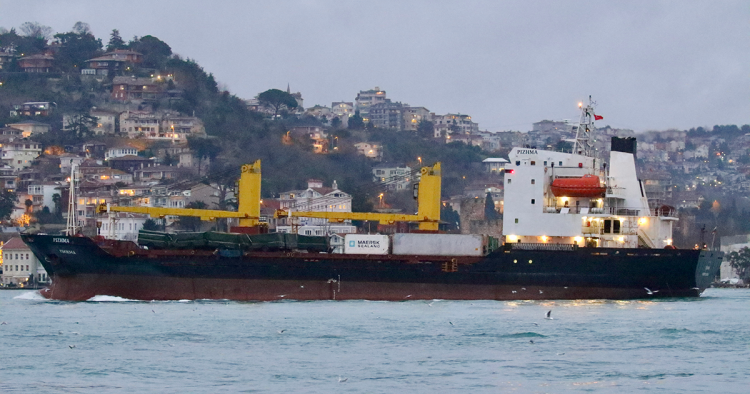
During the 500 days since Russia’s invasion of Ukraine, the Middle East avoided a catastrophic food crisis, thanks in part to the Black Sea grain initiative. Russia’s decision to cancel that agreement is raising fears that the return of supply shortages and skyrocketing wheat prices could quickly plunge the most vulnerable countries of the region into crisis.
France’s Foreign Policy Towards Lebanon and its Discontents
MEI U.S.-Lebanon Fellow Fadi Nicholas Nassar is joined by Karim Bitar for a discussion on French foreign policy towards Lebanon. The pair focus on the current state of affairs in Lebanon, historical trends in French policy towards the country and the region, and more in the latest episode of Middle East Focus.
Climate Change Threatens Turkey’s Role as a Food Supplier to Europe and the Middle East
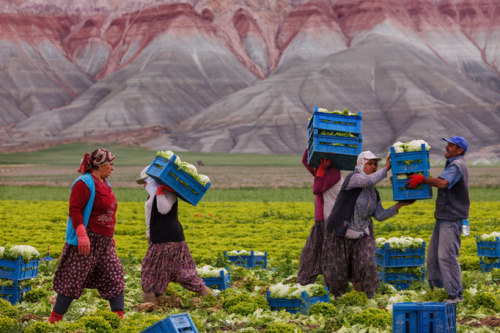
The persistence of high food inflation in Turkey belies a deeper problem. Turkish agrifood production cannot adequately cope with increasing water scarcity due to climate change. Challenging Turkey’s own food security, the growing crisis also threatens Turkey’s role as a food supplier to Europe and the Middle East. Regional food supply chain breakdowns due to a decline in Turkish production would create a debilitating economic impact on both regions.
5 ways the US, Europe can push for Israel-Arab environmental cooperation – opinion
Environmental challenges are creating new priorities for countries in the Middle East and the Mediterranean and increasing cross-border cooperation – including between Israel and Arab countries. Such cooperation can assist in tackling climate change through a regional and global lens, can foster regional stability, maintain and expand circles of peace and normalization, and increase prosperity and economic development.
The new wave of dealmaking by Gulf sovereign wealth funds
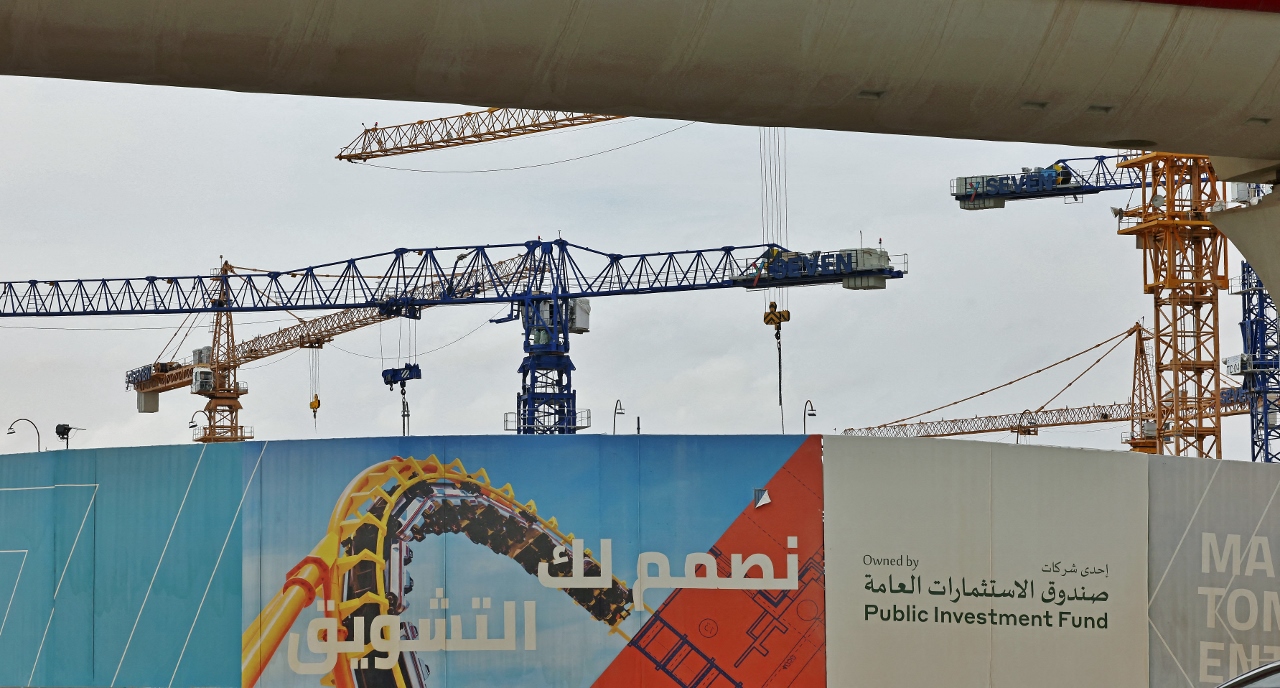
For resource-rich countries such as Gulf oil and natural gas producers, sovereign wealth funds have emerged as promising tools to save for future generations, mitigate the effects of outsized economic shocks, and/or be deployed as reserve investment and strategic development funds to spend on human, natural, social, and physical capital.
The oldest peer-reviewed publication dedicated to the study of the modern Middle East, MEI’s flagship journal covers politics, society, and culture in the region.