MENA Energy Recap, Q2-2026: Mideast Energy Confronts its Hormuz Era
The MENA Energy Recap is a quarterly review of key energy developments that took place in the region from April through June of 2026 and what they signal in the months ahead. The Recap views these developments through the lens of policy and strategy, energy security, and markets.
The Other MoU: Launching a Europe-Gulf Resilience Initiative After the US-Iran Deal
The Islamabad Memorandum of Understanding (MoU) between the United States and Iran may have ended one of the most consequential Middle Eastern crises in decades, but it has not resolved the strategic problem it exposed. Whether the 60-day talks it set in motion will produce a final agreement remains far from certain.Yet the central lessons are already clear: Iran has preserved significant leverage, Washington has had to scale back its ambitions, and Europe and the Gulf face the prospect of protracted regional tension. Europe and the Gulf should therefore use the aftermath of the US-Iran deal to articulate their own “other MoU”: a Europe-Gulf Resilience initiative.
When Will Energy Markets Recover From the Iran War?
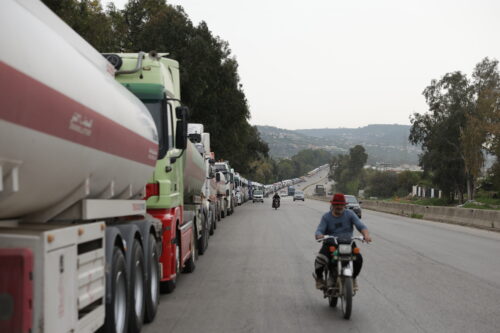
Two and a half months into the blockade of the Strait of Hormuz, what lessons can markets draw from the resulting global energy shock? Colby Connelly, MEI Senior Fellow, joins hosts Alistair Taylor and Matthew Czekaj to assess the crisis’s impact on the energy industry. Together, they examine how producers are responding to the conflict in both the short and long term, how this moment differs from past energy disruptions, and how regional reverberations may shape international energy policies going forward.
Measure, verify, certify: How to future-proof Gulf companies in the energy transition
Several Gulf states have introduced renewable energy certificates into their low-carbon energy eco-system. What are RECs and how can they help companies navigate the energy transition?
Beijing to Baghdad: China’s growing role in Iraq’s energy sector
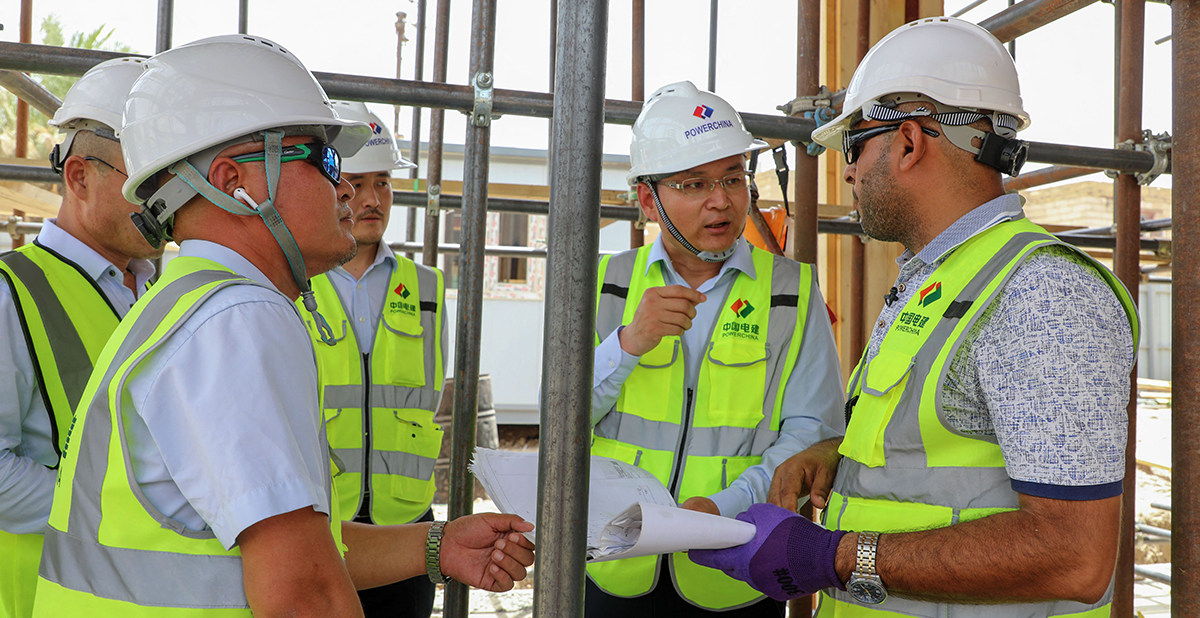
Chinese companies are well positioned to participate in Iraq’s efforts to expand its oil production capacity and develop domestic gas supplies, as they are actively engaged in various energy-related undertakings throughout the country. However, if indeed China’s strategy is, as some have suggested, to become the dominant player in Iraq’s economy, achieving that objective will likely prove difficult given Iraq’s challenging operating environment and contentious politics.
War as a catalyst for greater Black Sea-Gulf interconnectivity
Russia’s full-scale invasion of Ukraine has destabilized and distressed the entire Black Sea neighborhood. Yet despite the war, or perhaps because of it, strategically important foreign direct investments into Black Sea littoral countries, including from the Gulf, have endured or even grown.
Over the last two decades, the Mediterranean has become an important region. Many scholars, policymakers and analysts have mostly referred to this region from a nexus of security, geopolitics and traditional energy politics. With the war in Ukraine, the relevance of this whole region has increased along the same line. The Mediterranean today is home to some of the most enduring conflicts in the world. New energy resources are being discovered in disputed areas in an environment of intense geopolitical competition over regional leadership and energy routes within and beyond the region.
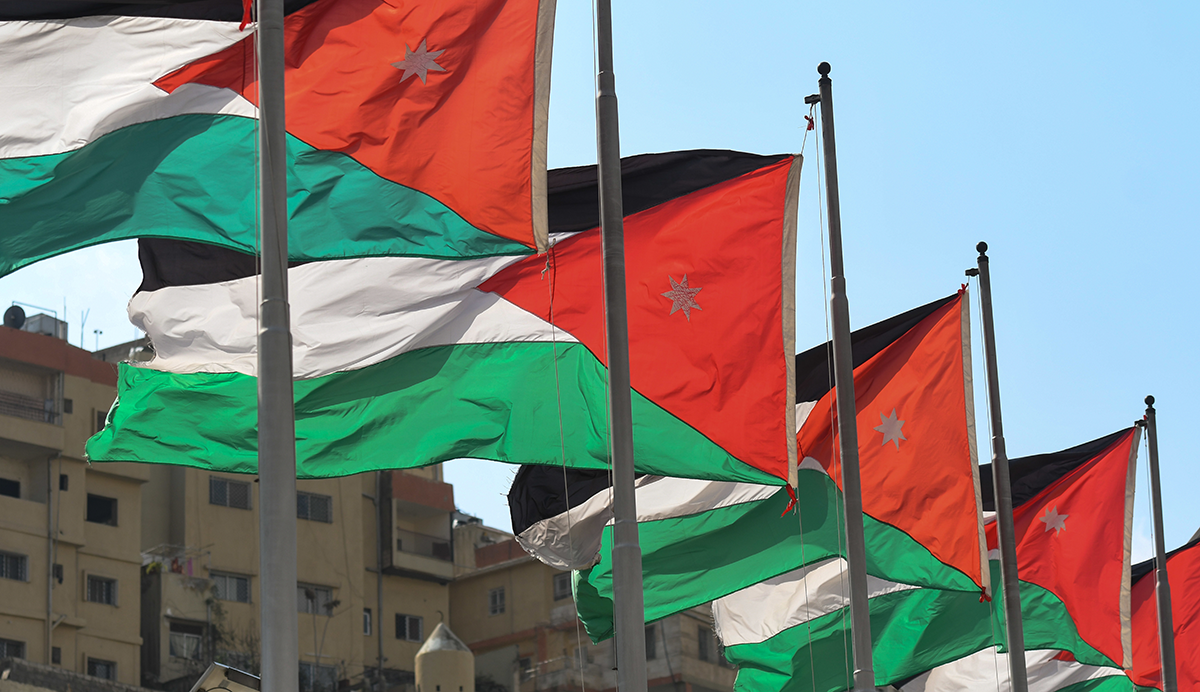
في السنوات القليلة الماضية، أصبح الدين العام الأردني مصدر قلق سياسي كبير للحكومة والمجتمع الدولي والمانحين الرئيسيين الذين يدعمون عمّان. فقد ارتفع الدين العام بشكل كبير خلال السنوات الخمس عشرة الماضية، مما أثار العديد من التساؤلات حول مستقبل الاستقرار الاقتصادي الكلي في الأردن، وقدرة الحكومة على تمويل مشاريع التنمية.
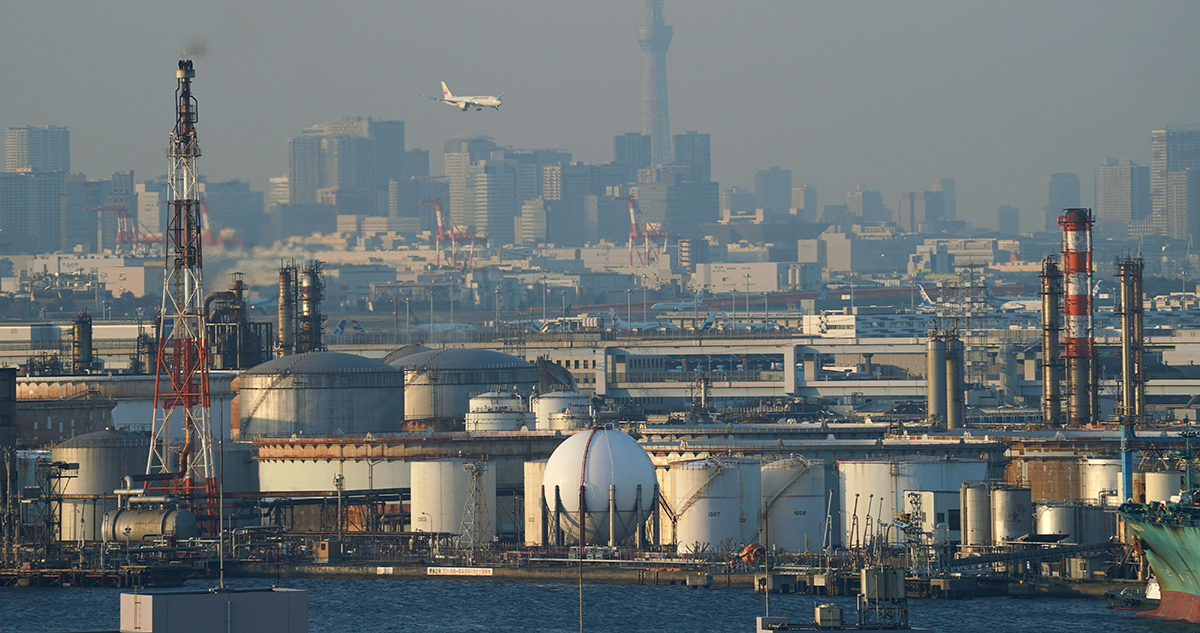
When Saudi Arabia suddenly announced in early April that it would reduce its oil production by 500,000 bpd, followed shortly thereafter by several other OPEC+ members, bringing the total cut to 1.1 million bpd, Japan was greatly concerned. In spite of Japan’s serious efforts to work toward a carbon-neutral society, the country is still heavily dependent on oil, the overwhelming majority of which comes from the Persian Gulf.
The road to Marrakech: US-China tensions loom over IMF/WB spring meetings
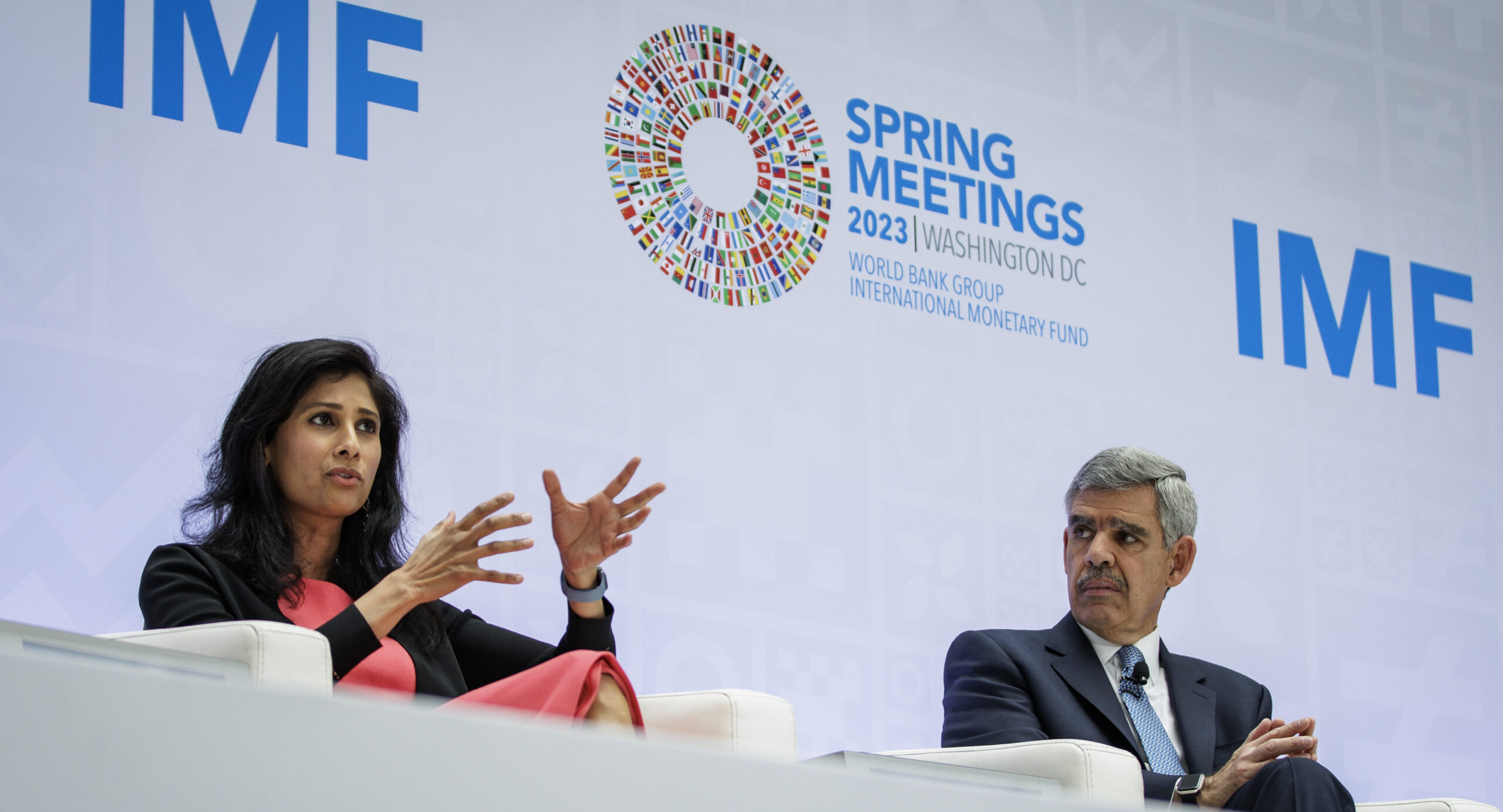
Last week’s spring meetings of the IMF and World Bank in Washington, D.C., were an important occasion for financial and economic leaders from the MENA region to meet with their counterparts from these IFIs and major bilateral donor countries. At the same time, they serve as a lead up to the important Annual Meetings that will be held in Marrakech, Morocco, in the fall — the first time they will be hosted by an Arab or African country.
الشرق الأوسط وأفريقيا: تباطؤ النمو وارتفاع أسعار المواد الغذائية يشكلان تحديات أمام رأس المال البشري
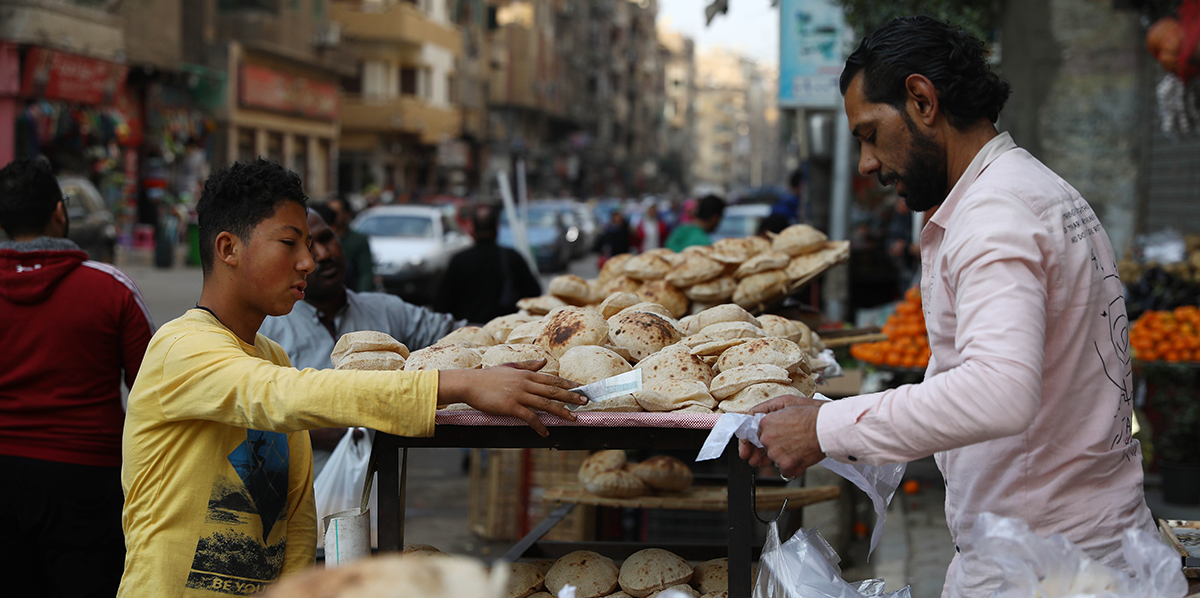
قد يكون التقرير الاقتصادي الإقليمي للبنك الدولي عن منطقة الشرق الأوسط وشمال أفريقيا، الصادر في 6 أبريل 2023، نذيراً بانقسام حاد، سواء داخل المنطقة، مع مسارها الاقتصادي غير المتكافئ والعقبات التي تعترض تنمية رأس المال البشري، أو على الصعيد العالمي، في شكل انقسام بين مصدري الطاقة ومستورديها.
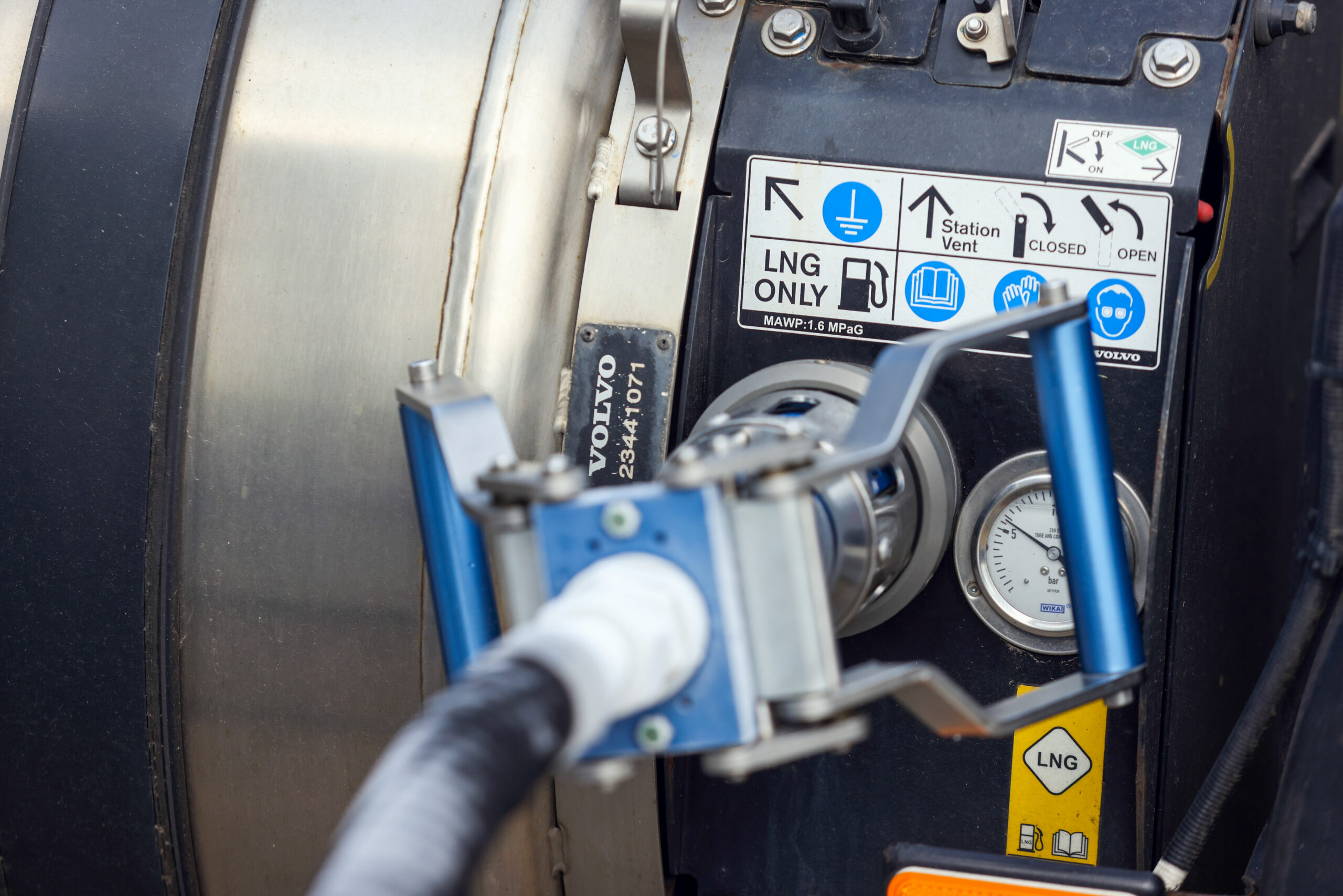
Small-scale LNG as a solution for Saudi Arabia’s environmental and fuel supply problems
The development of small-scale LNG and the domestic deployment of LNG as a transport and power-generation fuel could help to lower Saudi Arabia’s carbon footprint as well as improve air quality by reducing vehicle exhaust.
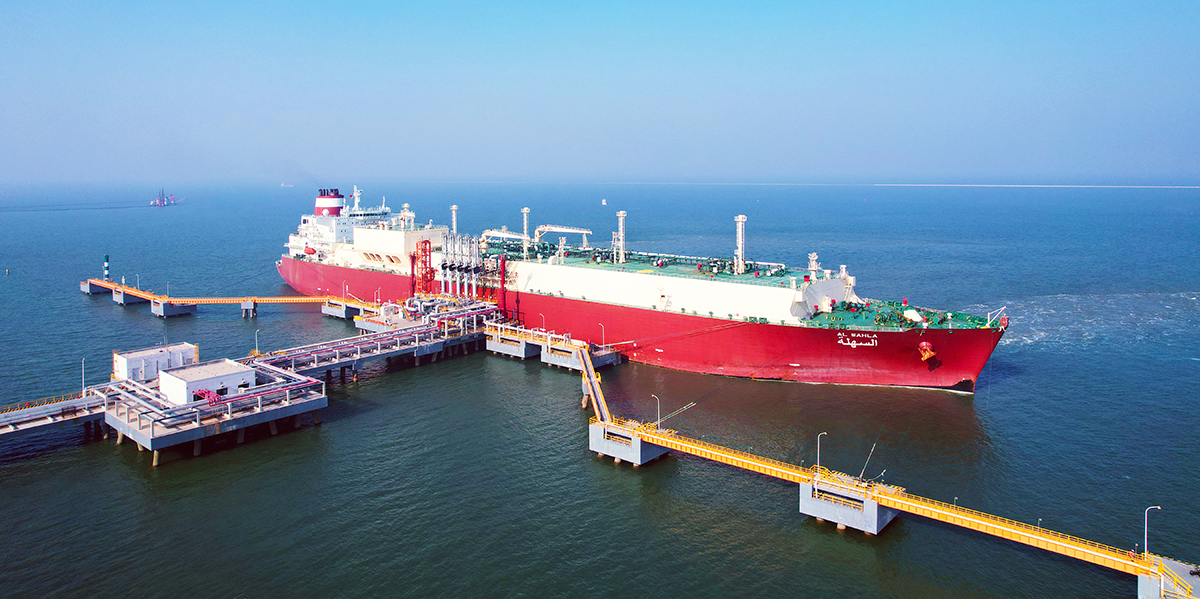
Qatar doubles down on LNG amid energy market volatility
The oil and gas sector has been the dominant driver of Qatar’s economy. Over the years, although that sector has remained the major focus of Qatari investments, the emphasis has increasingly shifted towards the expansion of the country’s gas production and LNG export capacity. While the construction boom ahead of the 2022 FIFA World Cup powered the Qatari economy in recent years, income generated by the expansion of the country’s LNG production and export capacity is likely to drive the economy for many years to come — both despite and partly because of the market turmoil caused by the fallout from Russia’s invasion of Ukraine in February 2022.
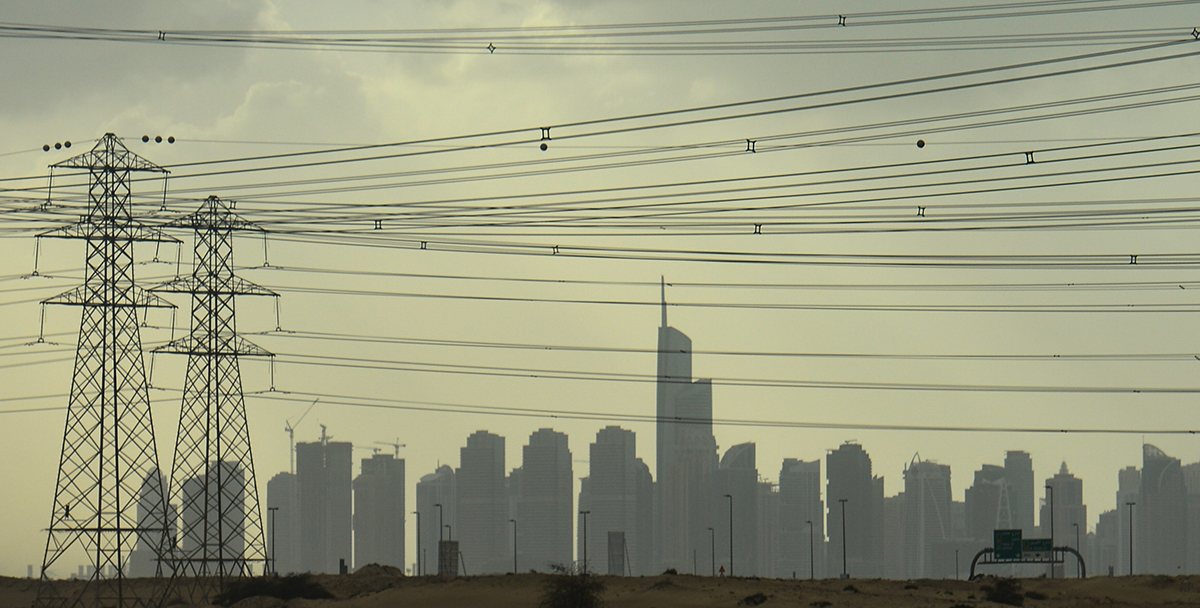
Missed opportunities: The billions sacrificed annually to generate electricity in the GCC
The GCC governments still cover over 40% of the cost of domestic electricity production. Yet, electricity subsidy bills alone do not reflect the full extent of their economic losses. Once the forgone revenues from the export of natural gas and oil used to meet rising domestic energy demand are added in, the total economic cost of the GCC’s electricity is too great to ignore.
The painful reality is that Washington’s hastily cobbled together ethno-sectarian political system for post-2003 Iraq ended up doing the opposite of what it intended. The regional domino effect was also the opposite of what the U.S. had hoped for, as Iraq became a cautionary tale that regimes could use to undermine the democratic desires of their own populations.