The Americans Are Gone. Will Iraq’s Militias Disarm?
On September 30, the US completed its military withdrawal from Iraq, ending a 12-year-long mission to combat ISIS that began in 2014. The date was also meant to be the deadline for disarming the largely Iranian-backed militias known as the Popular Mobilization Forces (PMF), but Prime Minister Ali al-Zaidi has now pushed that cutoff back to June 30, 2027. MEI Distinguished Diplomatic Fellow Amb. (ret.) Robert S. Ford joins hosts Alistair Taylor and Matthew Czekaj to discuss what the US military withdrawal means for Iraqi security and the nature of the bilateral relationship going forward. They also speak about what it will take for Baghdad to bring the PMF militias to heel, and how Iraq may navigate the post-Iran war era.
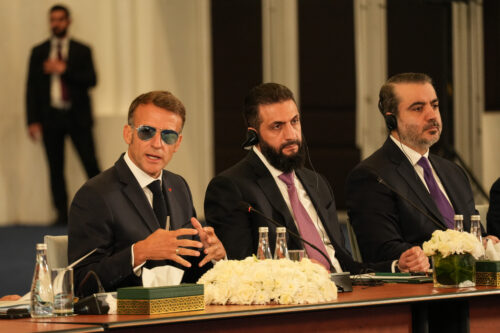
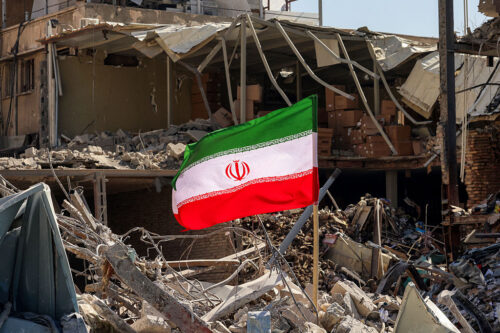
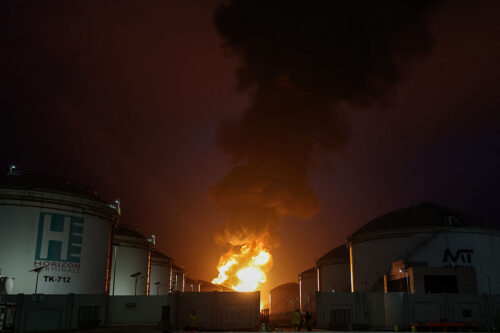
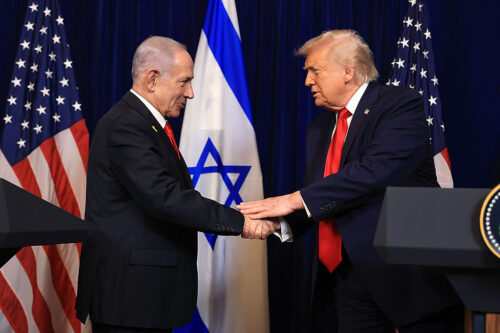
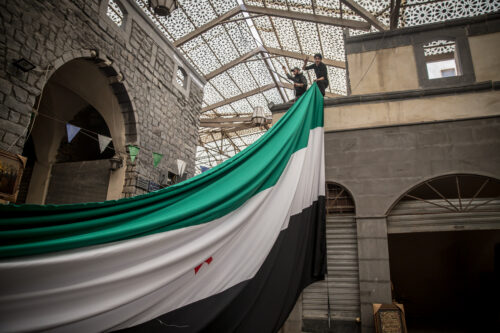
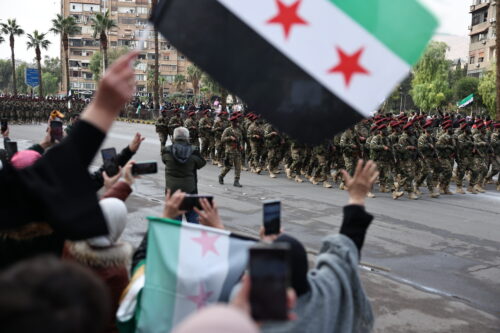
When the US and Israel launched military action against Iran on February 28, 2026, it set in motion a chain of events that saw violence spread across the Middle East. Yet as the region found itself engulfed in conflict, Syria has experienced its most peaceful months in 15 years, and the government in Damascus appears determined to stay its course toward recovery.
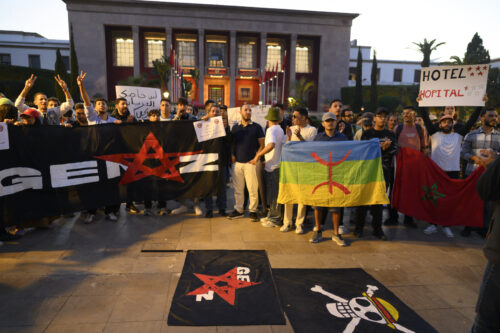
The Legacy of Morocco’s Gen Z Protests: Development as the New Political Language
Moroccans head to the polls on September 23 in a parliamentary election that is meant to formally close the chapter opened during last year’s Gen Z 212 protests. The demonstrations, which erupted almost exactly a year ago, drew attention to the mismatch that exists between Morocco’s economic and geopolitical ambitions, and the stark reality of its lagging domestic development.
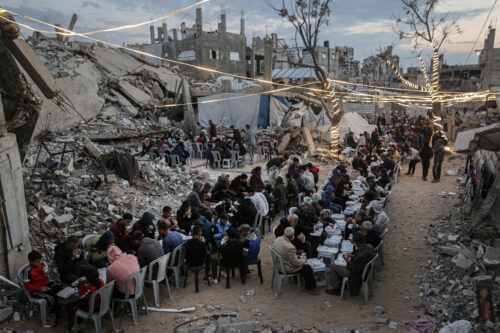
Disarmament as a Means, Not an End: A Practical Strategy for Gaza’s Governing Transition
Disarmament is necessary in Gaza. It is the only way to realize the goals articulated in the internationally endorsed 20-point plan laid out by the Trump administration. But a policy approach that makes disarmament a prerequisite for action on governance, recovery, freedom of movement for Gazans, and any credible political horizon is structurally and strategically counterproductive.
Is Turkey the New Iran — Or Is that the Wrong Question?
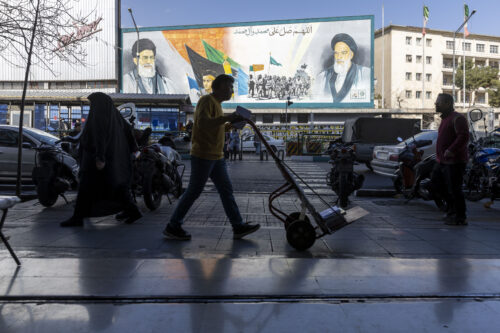
The balance of power in the Middle East is shifting. Iran is on the defensive — its military capabilities were badly degraded by last year’s 12 days of Israeli and US strikes, and growing protests at home have made the regime look more vulnerable than it has in years.
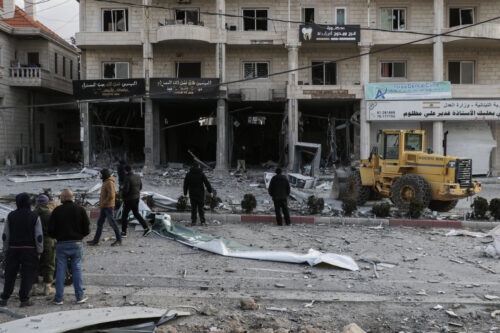
How Lebanon’s authorities can keep the Iran war from engulfing the country
Today’s decision taken by the Lebanese government — to declare all of Hizballah’s security and military activities illegal — is a landmark development. But how the government and the Lebanese Armed Forces implement this directive now that a new round of attacks has actually taken place will be the ultimate test of their credibility.
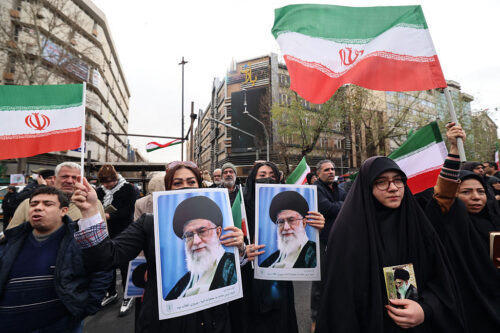
Against the backdrop of one of the largest US military deployments to the Middle East since 2003, MEI Senior Fellow Alex Vatanka joins hosts Alistair Taylor and Matthew Czekaj to assess the situation inside Iran on the eve of potential war. Weeks after the Islamic Republic’s brutal crackdown on anti-government protesters and as negotiations with the US fail to find common ground, Donald Trump is reportedly weighing options for military action against Iran. Vatanka breaks down the regime’s strategic calculus, the current dynamics of Iran’s opposition movement, and the likely domestic political consequences of a military strike.
Brian sits down with Holly Dagres, Libitzky Family Senior Fellow at the Washington Institute for Near East Policy, to discuss Iranian public opinion and protest movements. Dagres, who was born in Los Angeles and moved to Iran at age thirteen, offers a rare insider perspective on the views and aspirations of the Iranian people. The conversation explores the formative experiences of her teenage years in Iran, the roots of the country’s powerful women’s movements, the power of youth voices, and US policy toward Iran.
Syria’s Path Toward Stabilization — and How the US Can Help
After more than 50 years of brutal dictatorial rule and 13 years of civil conflict, the first year of Syria’s transition has been complex, imperfect, and fraught with difficulties. However, despite some significant challenges, Syria is clearly stabilizing. To sustain this progress, the United States must remain engaged.
Syria’s transition still faces a formidable array of challenges — from the implementation of the deal to integrate the SDF into state structures and the military, to the economy, reconstruction, transitional justice and accountability, refugee returns, and geopolitical tensions with Israel. However, a steady and significant decline in violence offers perhaps the most encouraging and consequential metric.
Whenever Iran is shaken by nationwide protests, as it was just last month, analysts and activists are consumed by the same two questions: will the country’s regime finally fall, and what will come next if it does? Answers abound.
Integration or conflict in northeastern Syria? Ten key points to consider
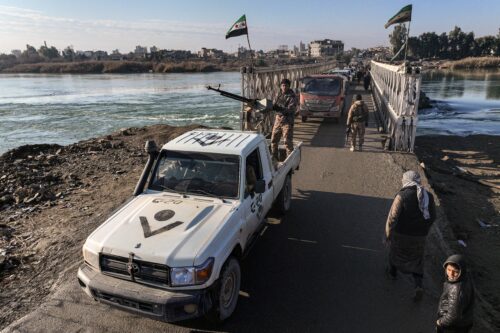
After 10 months of US-mediated talks failed to achieve an integration of the Syrian Democratic Forces into Syria’s transitional state, hostilities erupted in early January. US diplomacy stepped in to try to calm tensions and force through the integration of the SDF’s Kurdish core into the Syrian state. Here are 10 key takeaways and indications of where things could go next.
The oldest peer-reviewed publication dedicated to the study of the modern Middle East, MEI’s flagship journal covers politics, society, and culture in the region.