Ukraine’s success depends on Team Biden bolstering the jittery Germans
August 24, 2022
Share
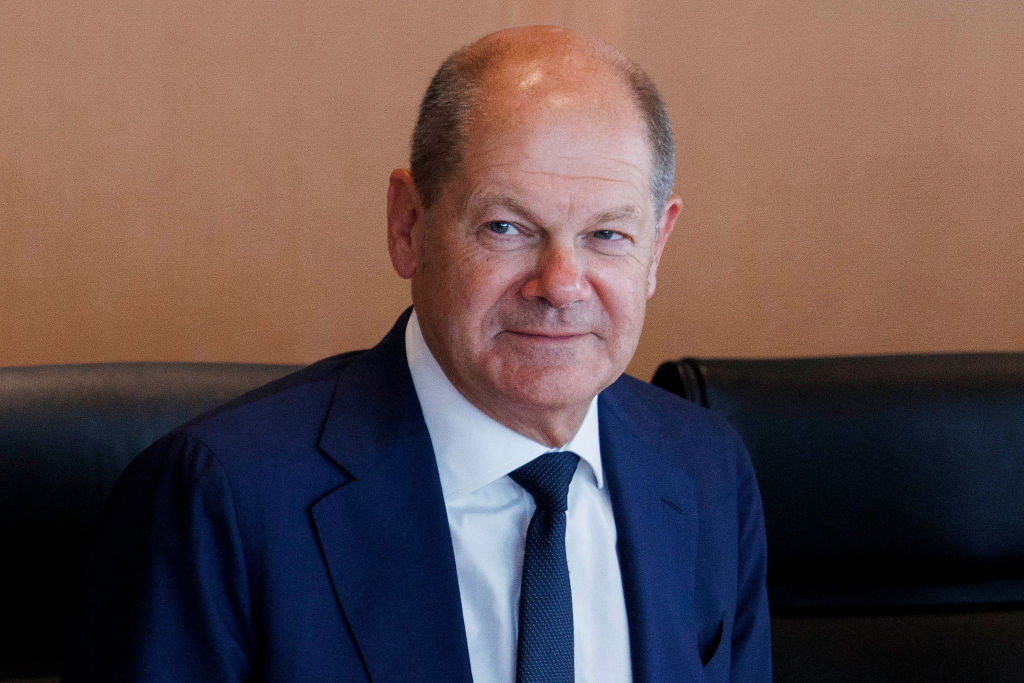
What a celebration it was in winter, when Germany’s Chancellor Olaf Scholz delivered his “Zeitenwende” speech. A transformation of German foreign policy was afoot; the leader of a party addicted to détente suddenly promised $100 billion for defense. But Scholz made his pledge only three days into the Russia-Ukraine war, and no one in Germany or elsewhere, for that matter, expected the conflict to drag on.
Now, six months into Russia’s invasion, the Germans are jittery. Winter is coming. Anxiety over inflation and talk of recession are in the air. Watch for the German Chancellery to support phony peace plans and partition of Ukraine if Russian President Vladimir Putin suddenly sues for peace.
If Berlin abandons the Ukrainian cause, we have a transatlantic nightmare. The Biden administration must help stiffen its backbone.
Germany has already been dragging its feet on military aid for Kyiv. Since Scholz’s February speech, the term “Scholzing” has become a common expression in Ukraine: It means promising something repeatedly without delivering on the promise.
The Middle East Institute (MEI) is an independent, non-partisan, not-for-profit, educational organization. It does not engage in advocacy and its scholars’ opinions are their own. MEI welcomes financial donations, but retains sole editorial control over its work and its publications reflect only the authors’ views. For a listing of MEI donors, please click here.