This individual is a guest contributor. MEI is not able to assist with contact requests.
Attiya Ahmad is Georgetown University’s 2009-10 Center for International and Regional Studies Post-Doctoral Fellow. She recently completed her PhD in Cultural Anthropology at Duke University. Dr. Ahmad’s work brings together scholarship on Islamic studies, globalization, diaspora and migration studies, economic anthropology, and political economy.
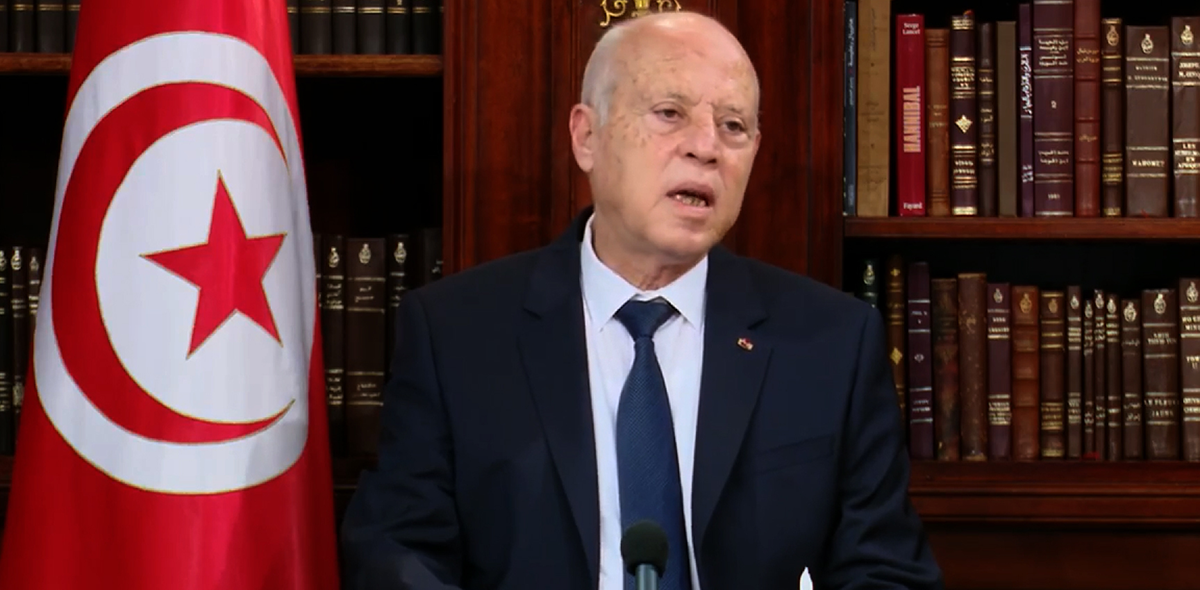
The Tunisian president’s political capital is finite
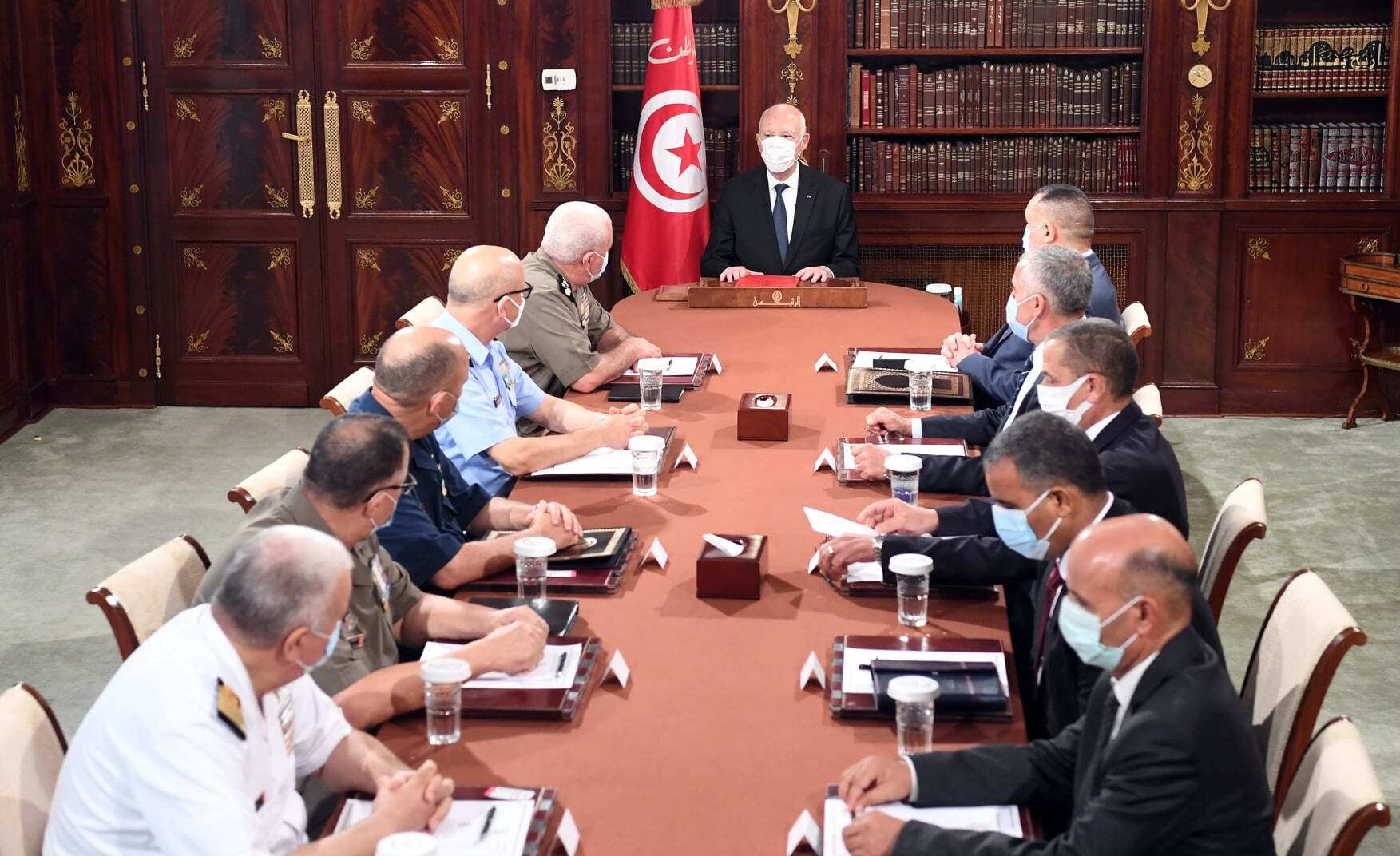
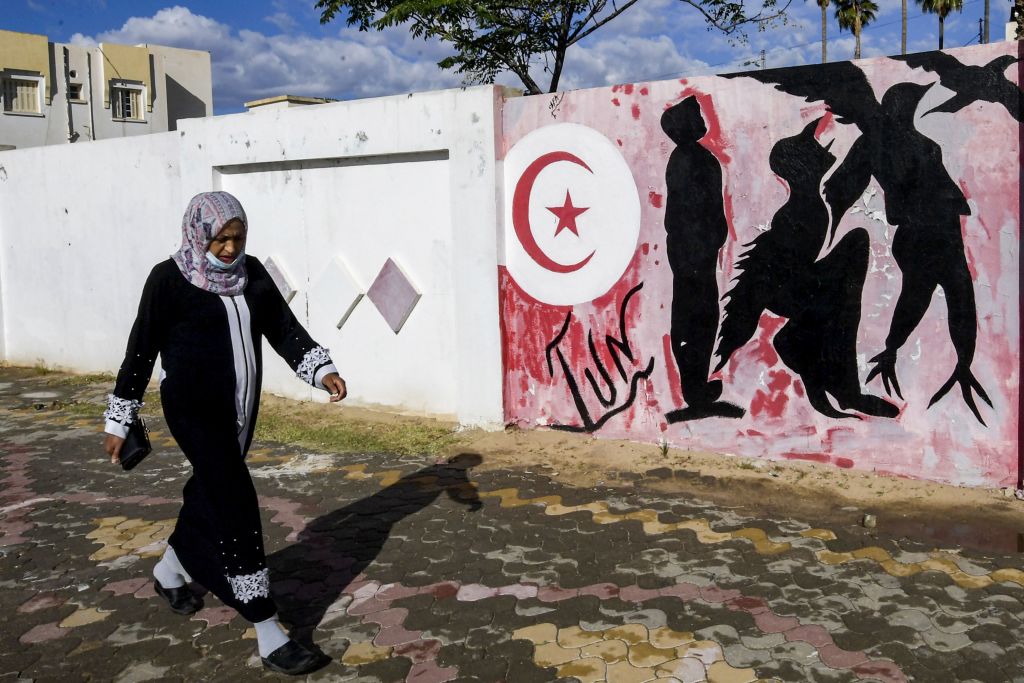
President Kais Saied’s July 25 decisions to suspend parliament and the government appear to have been largely popular, despite sharp criticism from those denouncing them as a coup, unconstitutional, or a dangerous overstep of his authority. The mass celebrations in the streets that broke out immediately after his televised announcement — in spite of a nighttime curfew — are evidence of the popularity of his moves. Some polling since then, which although unclear in their methodology, also seem to indicate that large majorities approve of Saied’s measures — for now.
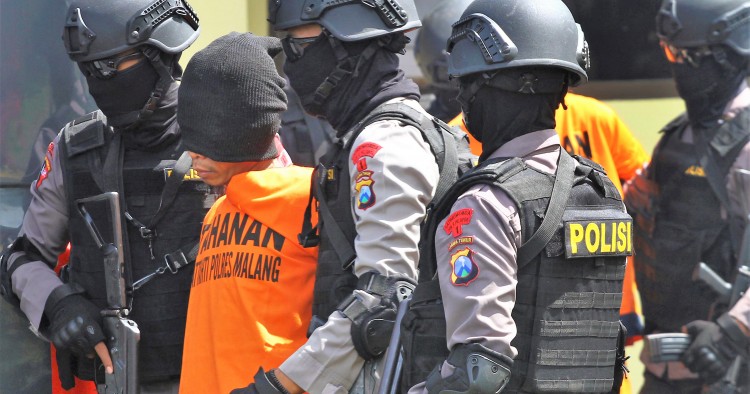
The Pro-Al Qaeda Indonesian Connection with HTS in Syria: Security Implications
Despite being largely low-key and limited in nature, ties between pro-Al Qaeda jihadists operating in Indonesia and Syria respectively continue to exist. Recent activity involving Jemaah Islamiyah (JI) and other militant Indonesian groups illustrates the potential security risks from this nexus, which should not be overlooked.
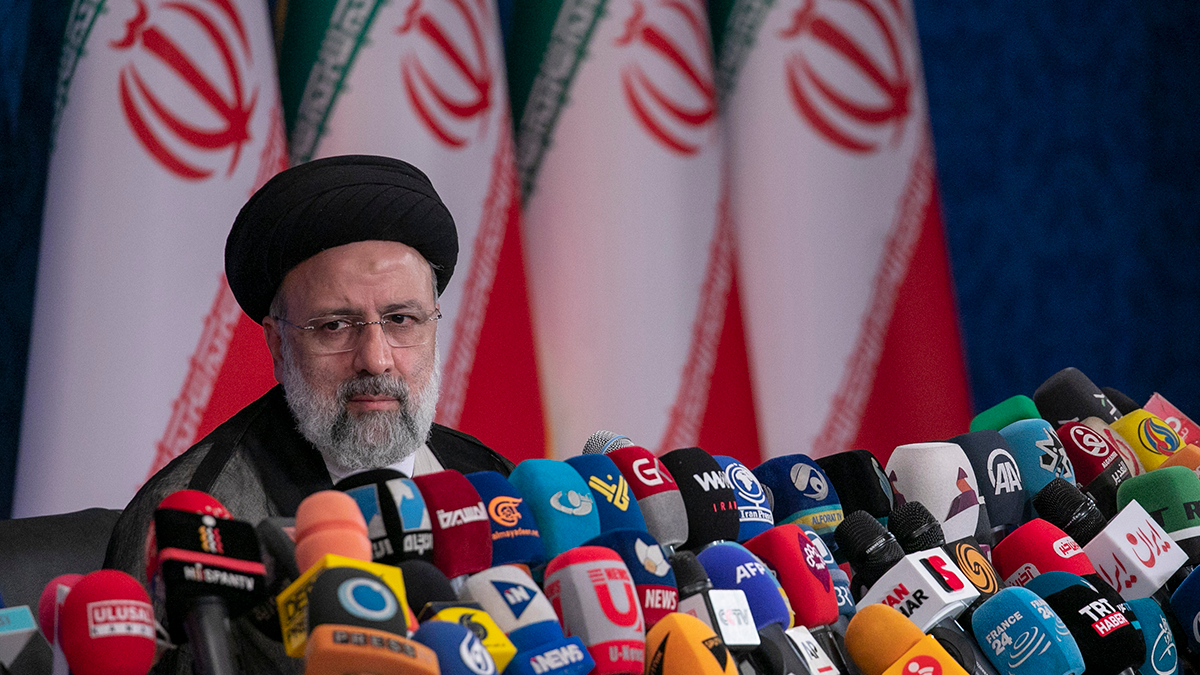
Incoming Iranian President Ebrahim Raisi may break the mold of his predecessor by exceeding expectations in his first 100 days, but make no mistake—less horrific is still horrific; no one should be fooled.
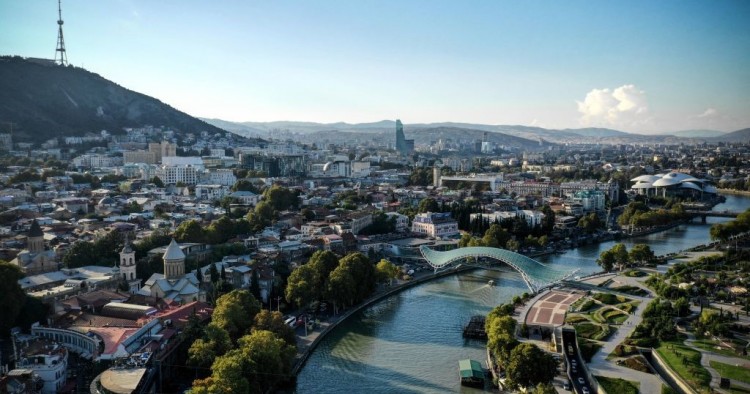
Now more than ever, the US needs to reaffirm its commitment to Georgia
As we near the 13th anniversary of the end of the Russia-Georgia war, we reflect on the continuing tragedy of Russia’s invasion and occupation of Georgia. The consequences of this Russian aggression continue to place a heavy burden on Georgia today. Since 2008, we have witnessed the country’s tremendous commitment to overcoming Russia’s malign influence. Georgians’ overwhelming and bipartisan support for the country’s path toward EU and NATO integration has not been diminished — despite continuous Russian pressure.
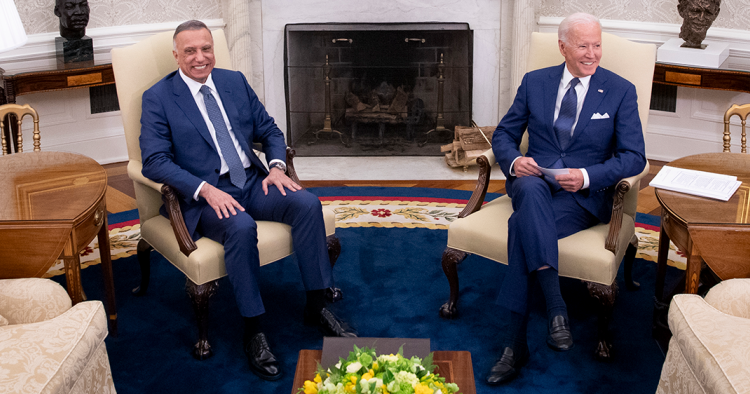
There were two parts to the Iraqi prime minister’s request to President Biden on July 26 in their meeting at the White House: end Washington’s combat mission in Iraq but maintain U.S. military assistance there. The first part was aimed mostly at Mustafa al-Kadhimi’s domestic audience; the roughly 2,500 U.S. troops in Iraq are there primarily to advise and assist the Iraqi army. But the second part deserves a bit of thought.
Ebrahim Raisi was sworn in as Iran’s new president on August 5. Ali Alfoneh and Henry Rome join guest host Alex Vatanka, director of MEI’s Iran Program, to discuss the political and economic challenges the new president will contend with, his relationship to Ayatollah Khamenei, and the future of Iran and the country’s leadership.
A Comprehensive Review of the Effectiveness of US and EU Sanctions on Syria
The subject of Western sanctions on Syria is a divisive one among analysts and policymakers interested in ending the misery of the country’s citizens. The division comes at a time when, more than ever, the country needs a comprehensive policy that ends the agony of most Syrians. This study assesses the effectiveness of the sanctions imposed on the regime of Bashar al-Assad by conducting a comprehensive review of their history, evaluating shortcomings in the current setup, and recommending ways to move forward.
Iran’s decision-makers must shoulder the blame for its water crisis
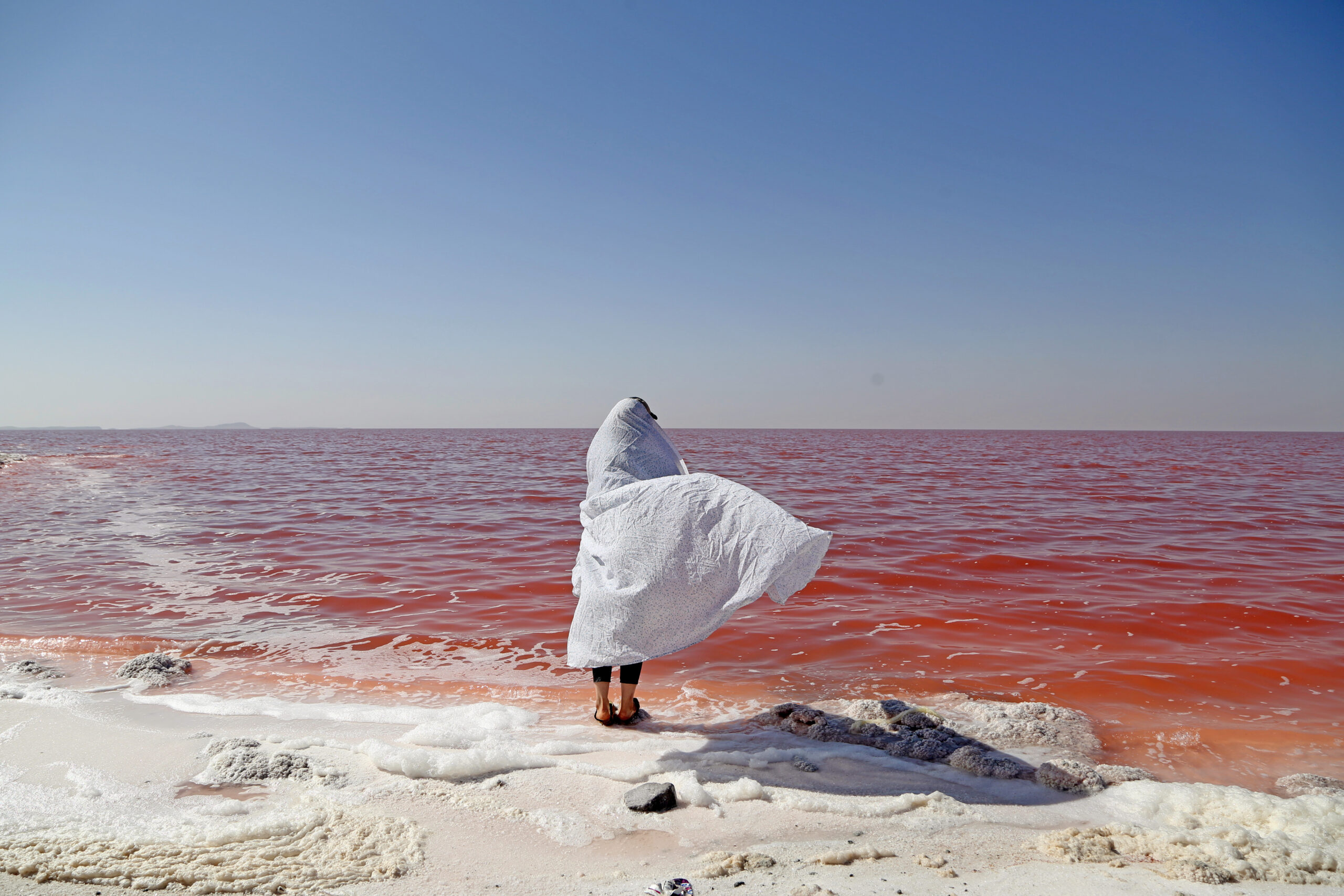
Iran’s water bankruptcy has been in the news lately, prompting deadly protests in Khuzestan province that also garnered the attention of global media. But this kind of problem is neither new or unique in the country. Drying rivers, vanishing lakes, shrinking wetlands, declining groundwater levels, land subsidence, sinkholes, desertification, soil erosion, dust storms, air, water and waste pollution, biodiversity loss, deforestation and wildfires are among the other familiar signs of Iran’s environmental devastation.
A coup or not? What happened in Tunisia and what comes next?
The debate over what Saied did, while important because of the legal and political implications, obscures the way in which his actions are themselves an indication of how Tunisian democracy has not been working for Tunisians. And what Saied did is, in the short term, unlikely to yield the results Tunisia needs.
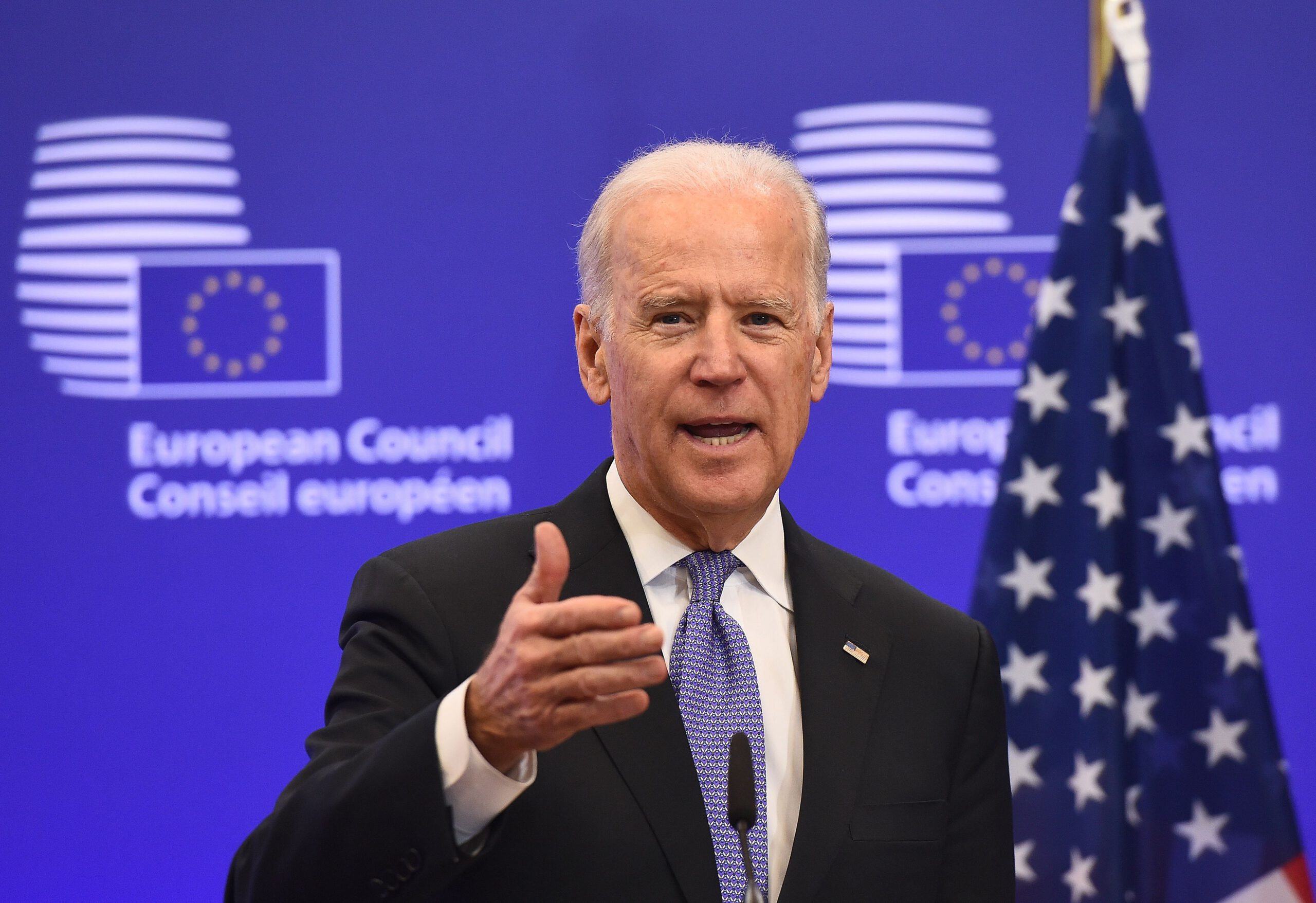
One of US President Joe Biden’s top foreign-policy priorities is to rebuild America’s alliances and partnerships, which are vital to US strategic interests and international security. Yet to ‘pick up the pieces of Donald Trump’s broken foreign policy’, as Biden tweeted in January 2020, will require a great deal of effort given the harm that his predecessor inflicted on the country’s reputation as a partner of choice.
تجنبت الدول الغربية تسمية استيلاء الرئيس قيس سعيّد على الحكومة في تونس بـ”الانقلاب”، كما امتنعت عن اتخاذ خطوات لتعليق المساعدات الاقتصادية لهذا البلد. ففي 27 يوليو/تموز، أجرى وزير الخارجية أنتوني بلينكن اتصالًا هاتفيًا بالرئيس التونسي للحث على احترام المبادئ الديمقراطية والحوار المفتوح مع جميع الفاعلين السياسيين في تونس.
Facing the abyss: Refugees and the Beirut port explosion one year later
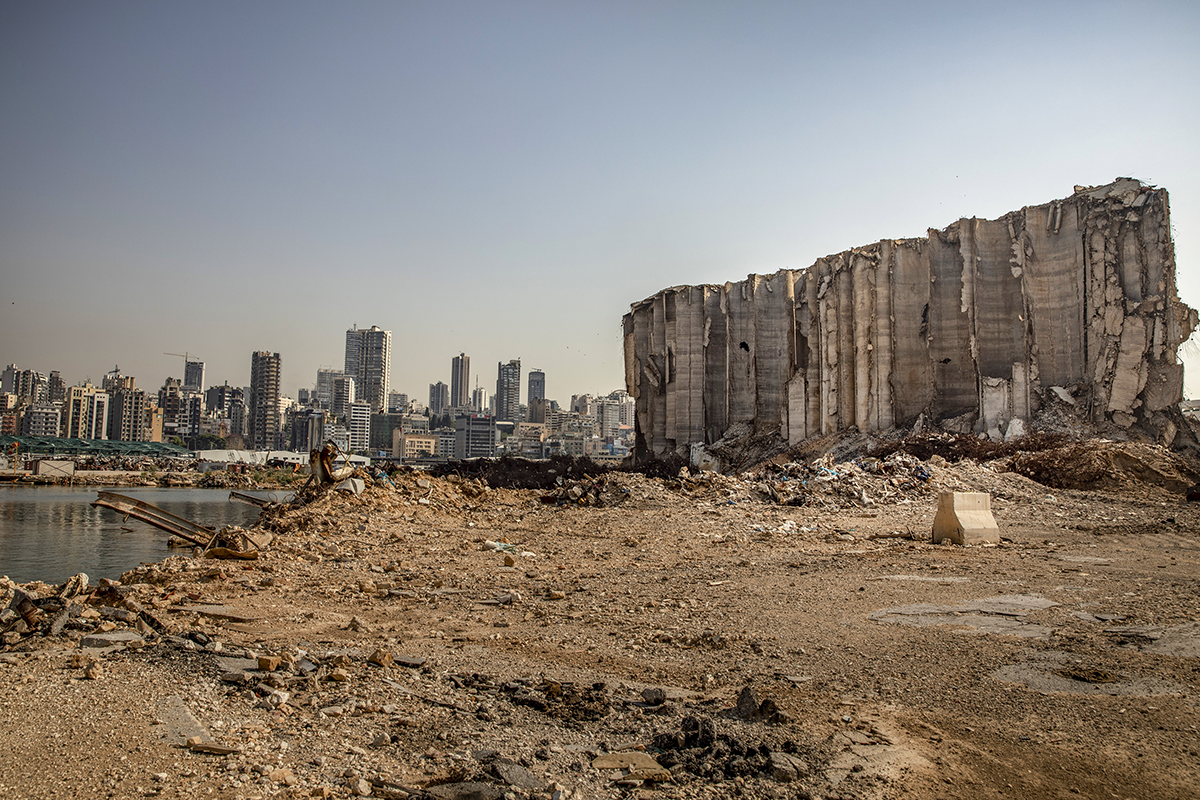
On the first anniversary of the catastrophic explosion at the Beirut port last August, Lebanon is threatened by political discord and economic collapse. The past year has been difficult for the average Lebanese citizen and it has been even worse for the country’s most marginalized communities. The ripple effects of the overlapping political, economic, and health crises have pushed the vast majority of refugees and migrant workers into extreme poverty. These communities now stand on the edge of the abyss.
Unforgiven and unforgotten: Beirut’s port blast one year on
On August 4, 2020, images out of Beirut shocked the world. Hundreds of tons of ammonium nitrate exploded in the capital’s port, destroying most of the city and leaving behind 206 victims, thousands of injured, and hundreds of thousands of displaced. In this series, guest contributors join MEI’s resident and non-resident experts to reflect upon the political, legal, urban, and foreign policy implications of what may well be Lebanon’s crime of the century.
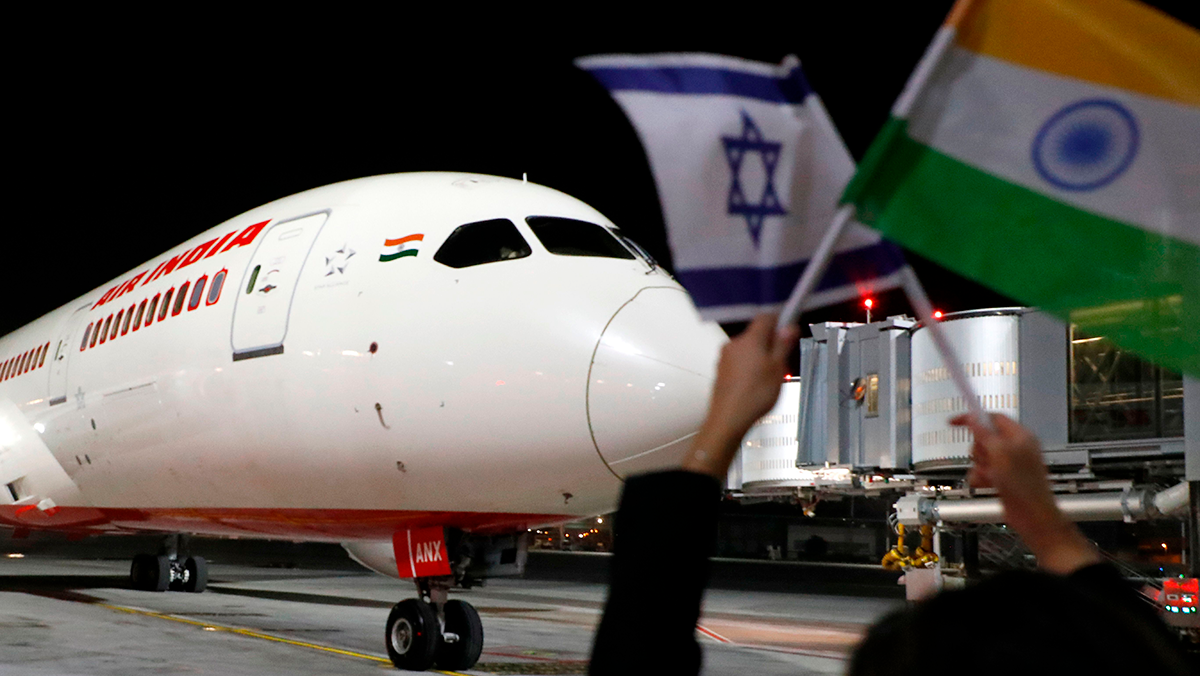
تحالف هندي-إبراهيمي في تصاعد: كيف تنشئ الهند وإسرائيل والإمارات نظامًا جديدًا عابرًا للإقليم
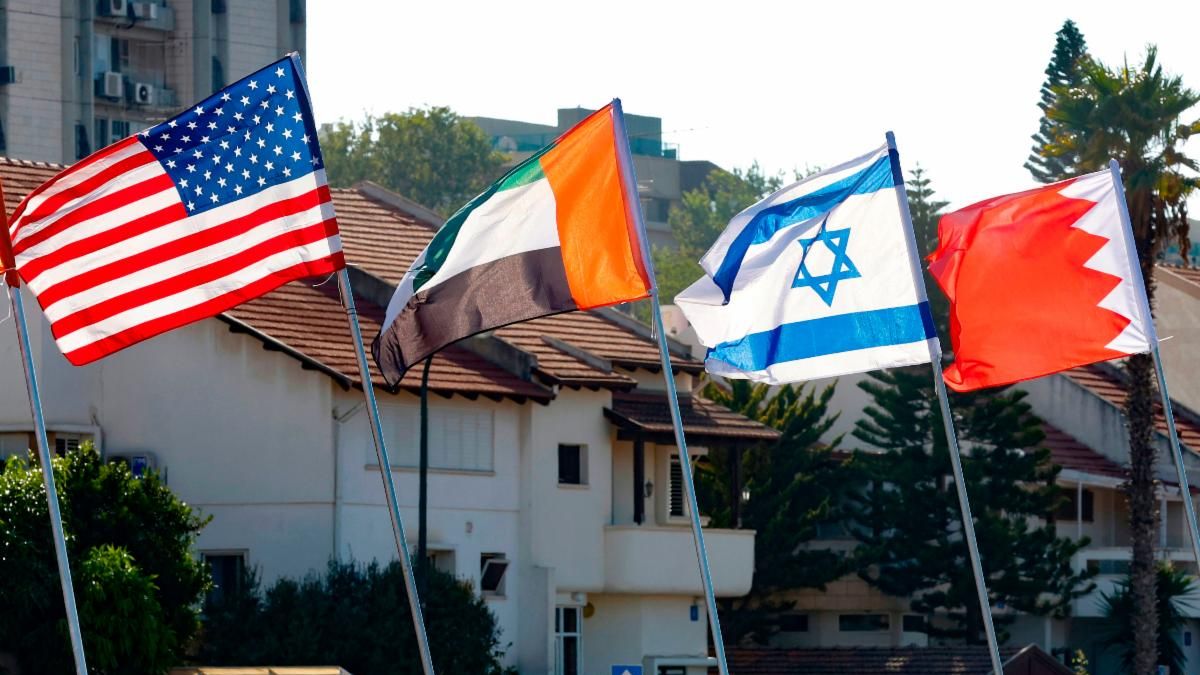
ثمة تحالف جيوستراتيجي جديد وملحوظ إلى حد ما وهو آخذ في التصاعد. لفترة طويلة، ظلت الهند وإسرائيل والإمارات تتمتع بعلاقات سطحية في مجال المعاملات، غير أن اتفاقيات التطبيع في العام الماضي بين إسرائيل والعديد من الدول العربية – وعلى رأسها الإمارات – جنبًا إلى جنب مع محاولة تركيا العودة كزعيمة للمنظومة الإسلامية والتباعد المتزايد بين الإمارات وباكستان، قد أوجدت تحالفًا غير مسبوق ولعله غير متوقع بين الهند ودول الاتفاقيات الإبراهيمية. هذا الاتفاق متعدد الأطراف قد يملأ الفجوة التي تُخلفها أمريكا في الشرق الأوسط كذا لديه القدرة على تغيير الجغرافيا السياسية والجيواقتصادية في المنطقة.