This individual is a guest contributor. MEI is not able to assist with contact requests.
Attiya Ahmad is Georgetown University’s 2009-10 Center for International and Regional Studies Post-Doctoral Fellow. She recently completed her PhD in Cultural Anthropology at Duke University. Dr. Ahmad’s work brings together scholarship on Islamic studies, globalization, diaspora and migration studies, economic anthropology, and political economy.
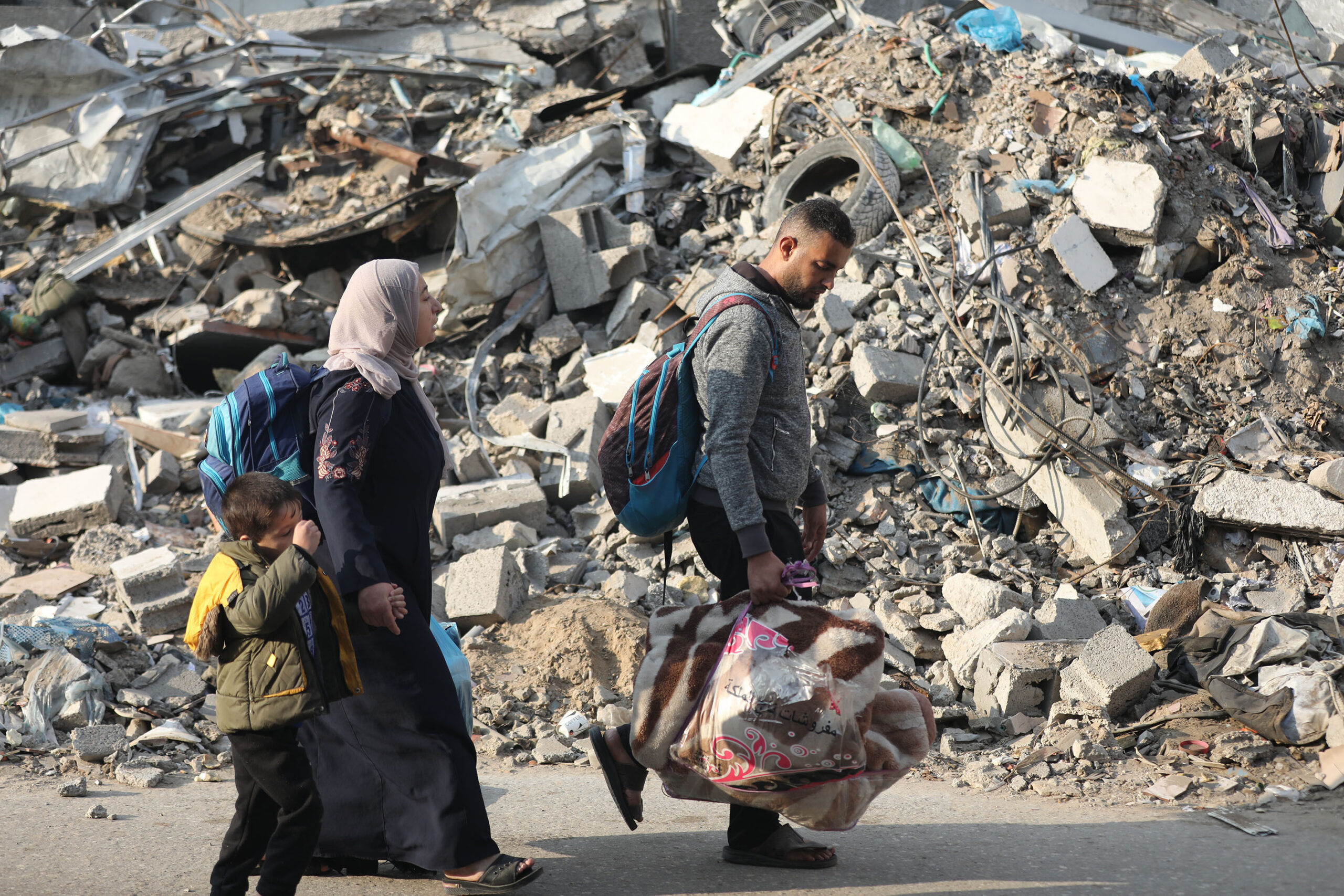
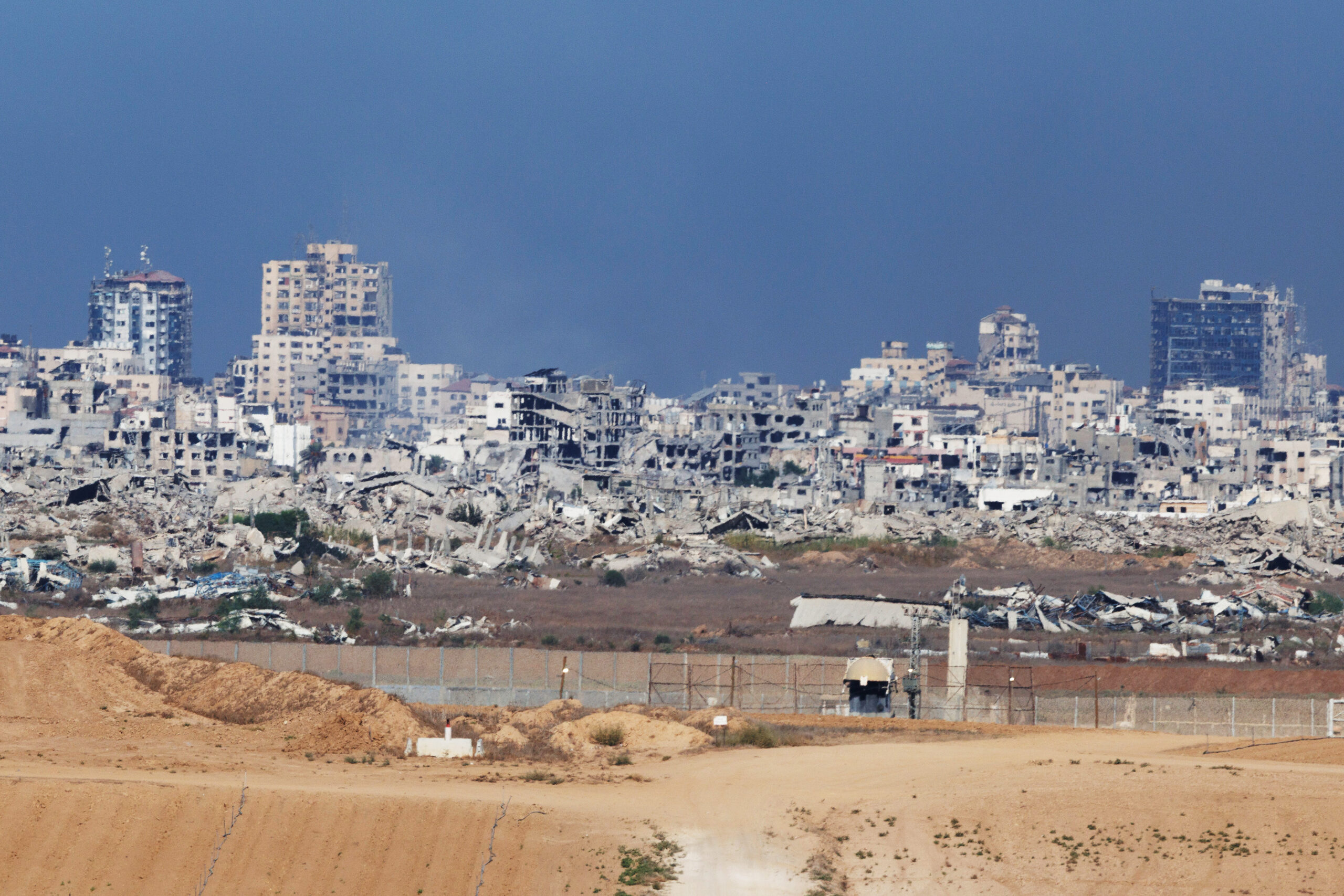
Two years after Hamas’ October 7, 2023, attacks and Israel’s devastating war in Gaza, the two sides have agreed to a new cease-fire. But can it last, and what kind of Middle East has emerged from the turmoil in the interim?
Trump’s big week in the Middle East weighed down by troubles on other fronts
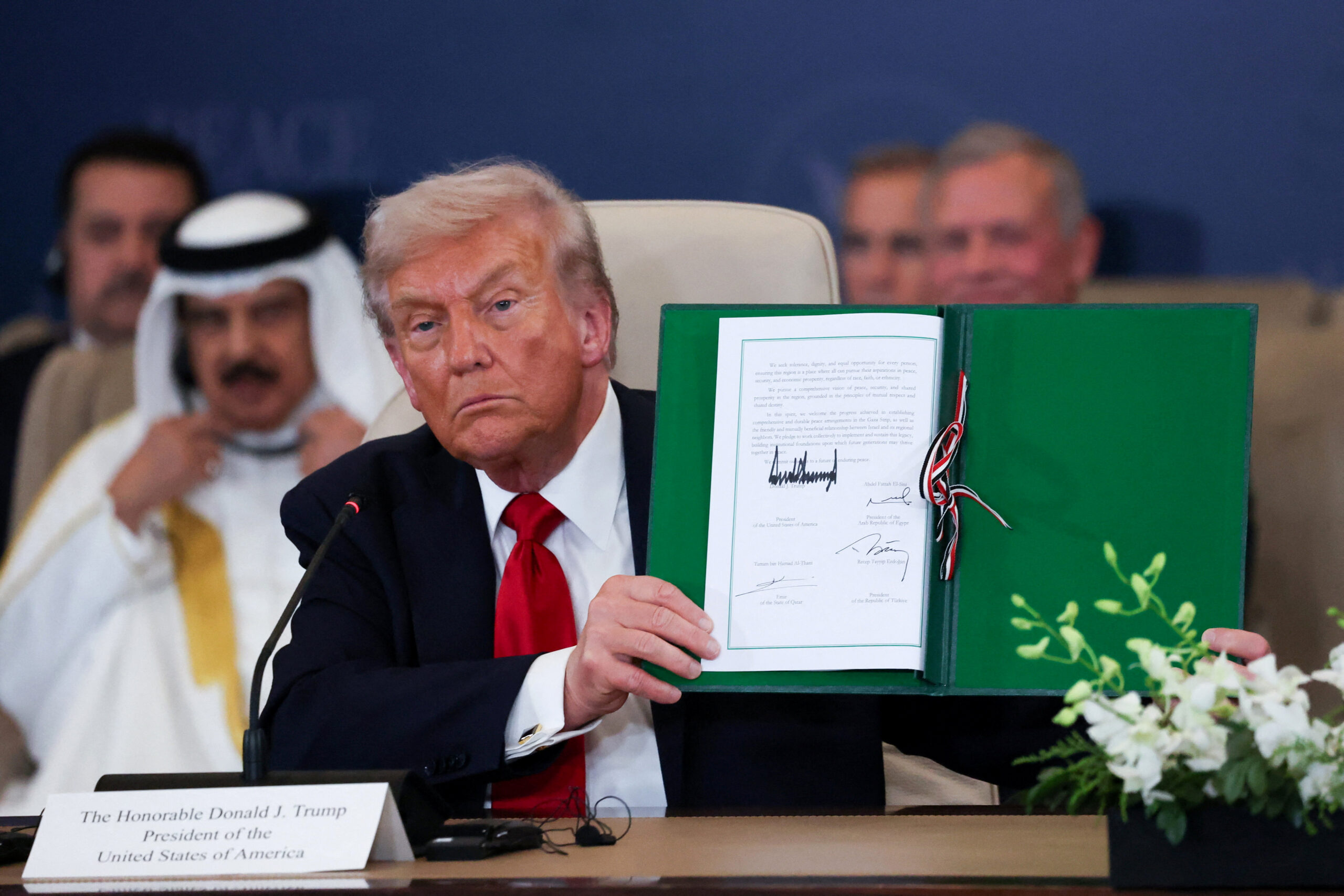
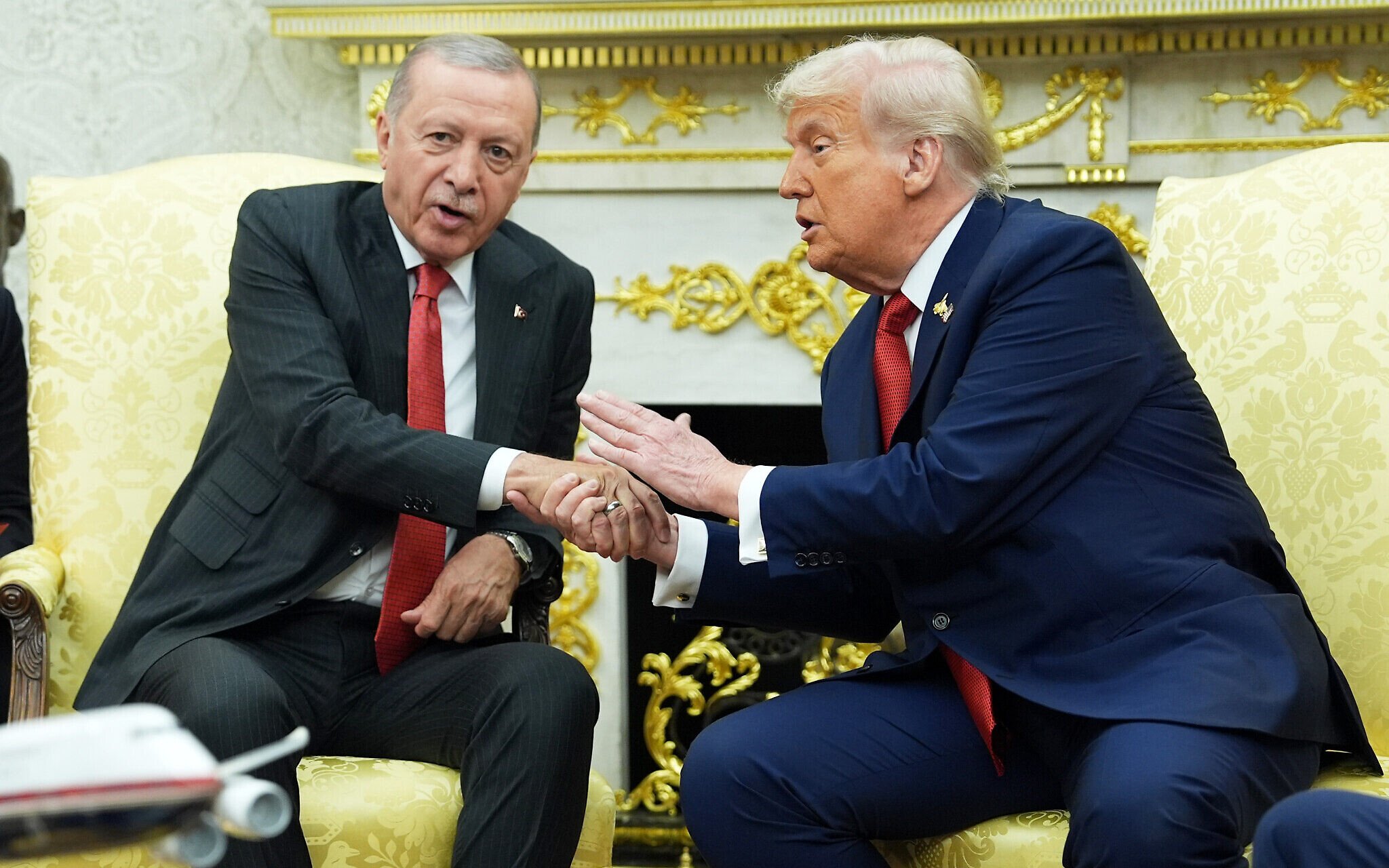
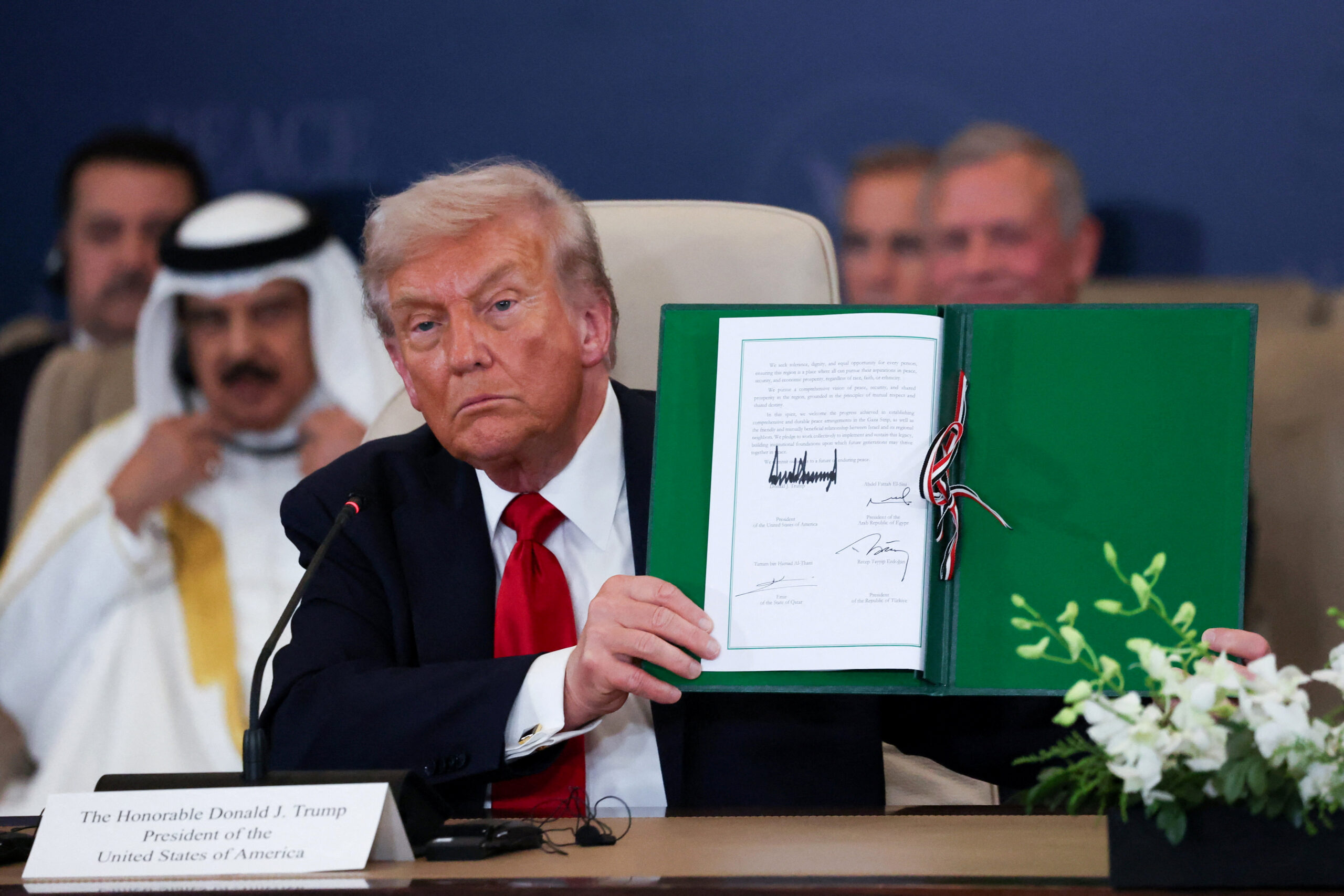
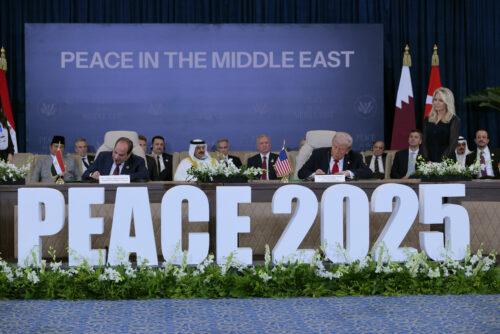
US President Donald Trump started off his week by flying to Israel and Egypt to mark the Gaza cease-fire and release of the last remaining Israeli hostages. But as these positive developments unfolded in the Middle East, the Trump administration’s overall agenda remained weighed down on other fronts.
Iran’s nuclear calculus in an unsettled Middle East
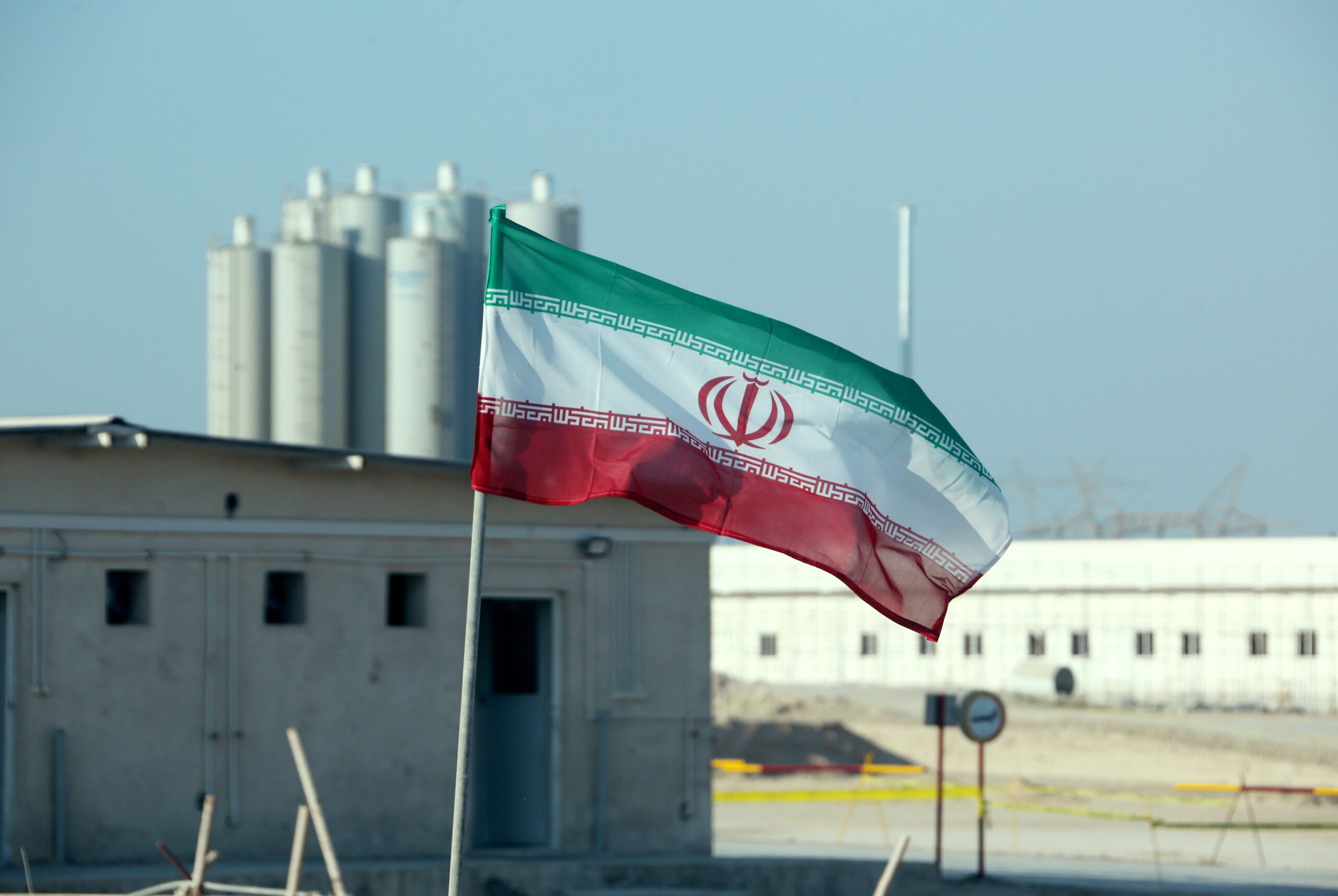
Iran’s nuclear trajectory is more like a cautious glide along a familiar route than a leap into the unknown, made up of tactical, reversible steps aimed at buying time rather than fundamentally changing the project.
In New York, Iranian officials quietly explored whether a brief delay to the re-imposition of UN sanctions (‘snapback’) could be negotiated on the sidelines of the General Assembly if negotiations addressed their stockpile enriched to 60 percent.
A year after Israel defanged Hezbollah, and in the wake of the annual opening of the UN General Assembly and several developments related to the Middle East, it may be a good time to take stock. In my 38-year career of diplomacy in the Middle East, anytime someone expressed optimism, I would suggest a head examination might be in order. However, today there are a few glimmerings of things that might help the region stabilize.
The October 2025 cease-fire and hostage-release deal that ended the Israel-Hamas conflict marks the beginning of a complicated post-war phase. In a new MEI Policy Memo, Brian Katulis breaks down why it matters for the US and the relevant policy considerations.
The October 2025 cease-fire and hostage-release deal that ended the Israel-Hamas conflict marks the beginning of a complicated post-war phase. The agreement has created important opportunities to advance stability in the Middle East and build a lasting and sustainable peace marked by enhanced regional security and integration, but there are considerable risks to manage. Achieving these goals will require coordinated international action along multiple lines of effort: security, rule of law, recovery and reconstruction, responsive governance, and steady and focused diplomacy to build confidence among key parties.
Gaza ceasefire takes off, but expect turbulence ahead
To use an analogy, if this Gaza ceasefire deal were an aeroplane, it is currently picking up speed on the runway and arrives at the crucial point of immediate takeoff when all hostages held in Gaza are released in exchange for 2,000 Palestinians in Israeli prisons. This moment of “takeoff” will mark the end of a war, but the beginning of what is sure to be a long and bumpy flight. Time will tell if the plane ascends to higher altitudes or comes crashing to the ground.
Has Pakistan agreed to use nuclear force to defend Saudi Arabia?
Saudi Arabia and Pakistan signed a mutual defense pact on September 17, 2025, declaring that “any aggression against either country shall be considered an aggression against both.” The wording of the agreement sparked speculation that Pakistan might use its nuclear capabilities to defend Saudi Arabia. MEI’s F. Gregory Gause contends otherwise, offering insight into the history and strategic calculations driving the deal. To learn more about the deal, visit our website.
After Two Years of War in Gaza, Can Trump’s Plan Deliver Peace?
Two years after Hamas’ October 7 attack and Israel’s punishing response, both sides say they accept in principle President Donald Trump’s 20-point plan to halt the war and chart a path toward enduring peace. MEI Senior Fellow Lucy Kurtzer-Ellenbogen joins hosts Alistair Taylor and Matthew Czekaj to unpack what’s in the plan, how compatible it is with earlier Arab and European proposals, and whether its vague “credible pathway” to Palestinian statehood can withstand politics in Jerusalem, Ramallah, and Washington. They also explore the sticking points—Hamas disarmament, Israeli withdrawal, and Palestinian Authority reform—as well as what success would actually look like on the ground.
Light at the end of the tunnel in the Gaza war? Three questions about Trump’s 20-point plan
US President Donald Trump sent his top Middle East envoy Steve Witkoff and his son-in-law Jared Kushner to take part in Israel-Hamas talks hosted by Egypt this week aimed at ending the war in Gaza, securing the release of hostages, and producing progress toward a lasting and sustainable resolution to the conflict. Here are three things to watch for in US policy on this front in the coming days and weeks.
Pakistan’s strategic defense pact with Saudi Arabia: A new security architecture in the wider Middle East
Following Israel’s September 9 strike on Hamas targets in Qatar, Pakistan has taken swift and significant foreign policy steps in response and adopted an unusually assertive stance. This shift was largely influenced by Pakistan’s military chief, Field Marshal Asim Munir. The latter is determined to enhance his country’s strategic autonomy and diplomatic leverage in an increasingly complex international environment by positioning Pakistan as a key security actor and an emerging middle power on the global stage.
Silent leverage, quiet gains? China and the Saudi-Pakistan defense pact
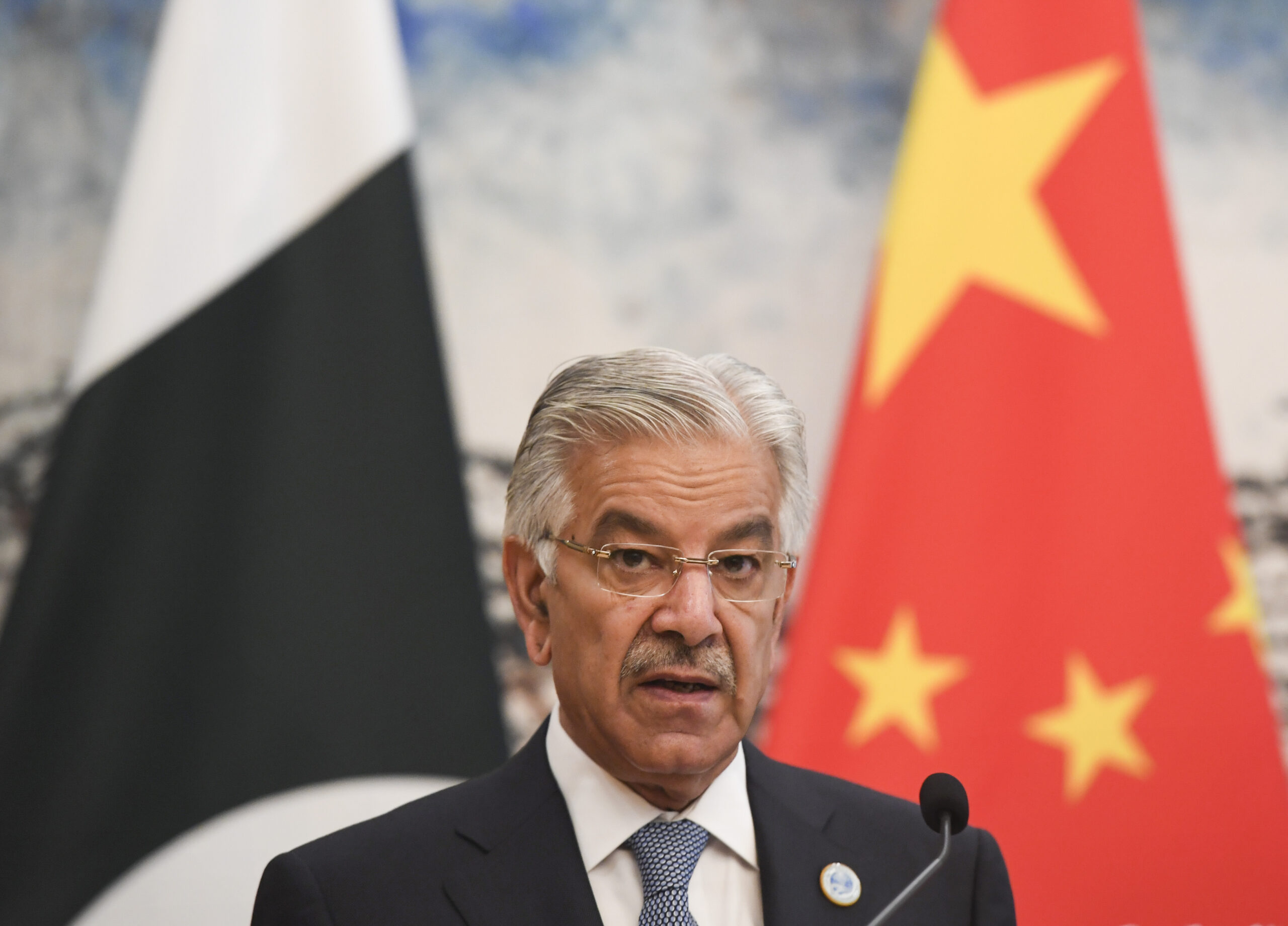
The Strategic Mutual Defense Agreement (SMDA) between Saudi Arabia and Pakistan, signed in Riyadh on September 17, is far more than a bilateral pledge. It represents a profound reordering of alignments in the Gulf and South Asia, reflecting and reinforcing the broader erosion of US preeminence in the Eurasian security architecture. While much of the initial commentary centered on the striking commitment of a wealthy Gulf monarchy to the defense of a nuclear-armed South Asian state, as well as the question of whether Pakistan had in fact extended its nuclear umbrella to Saudi Arabia, the deeper story is arguably China’s potential advance.