تمت ترجمة هذا النص بواسطة الذكاء الاصطناعي وقد يحتوي على أخطاء.
تخطي إلى المحتوى

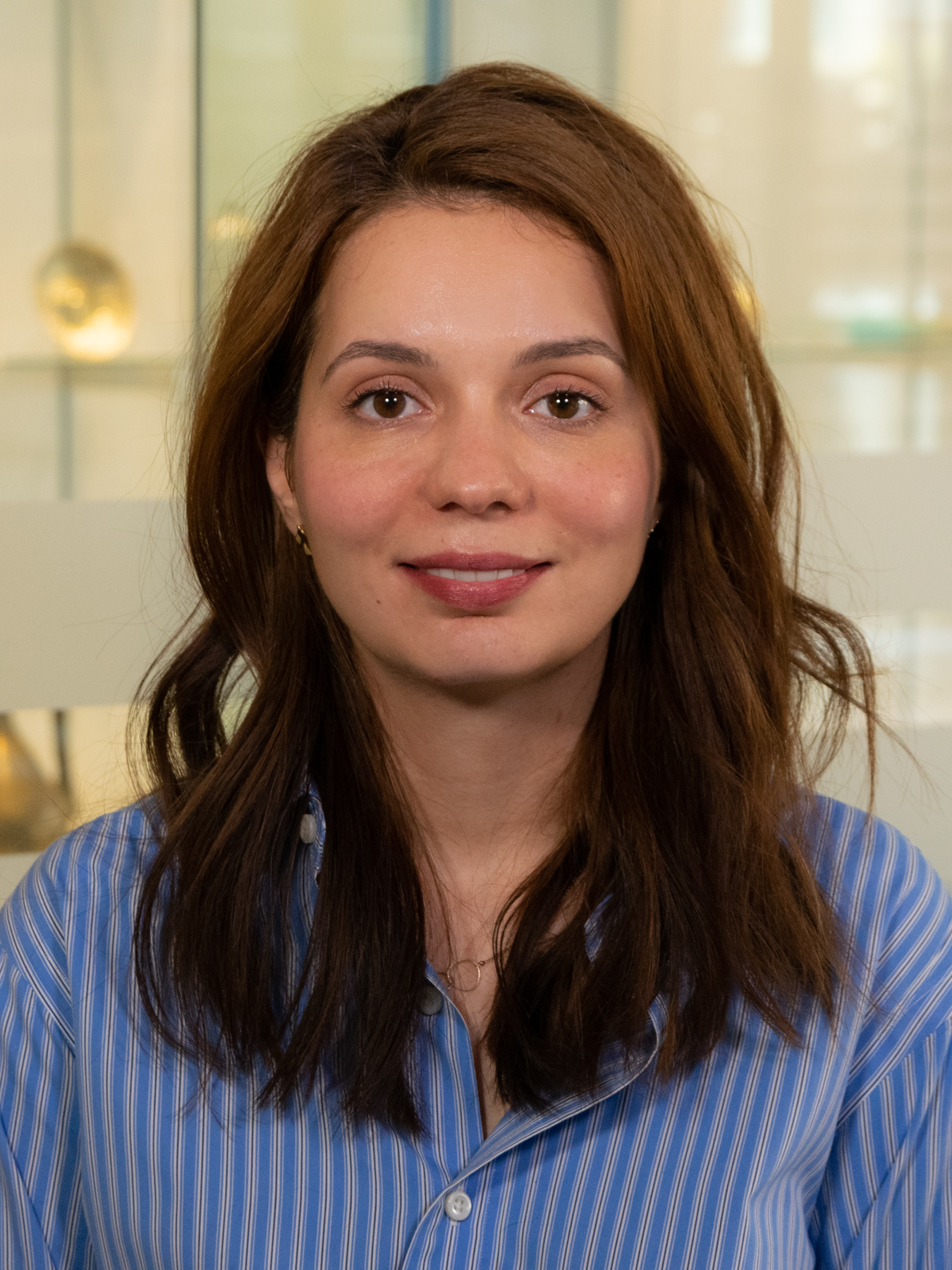
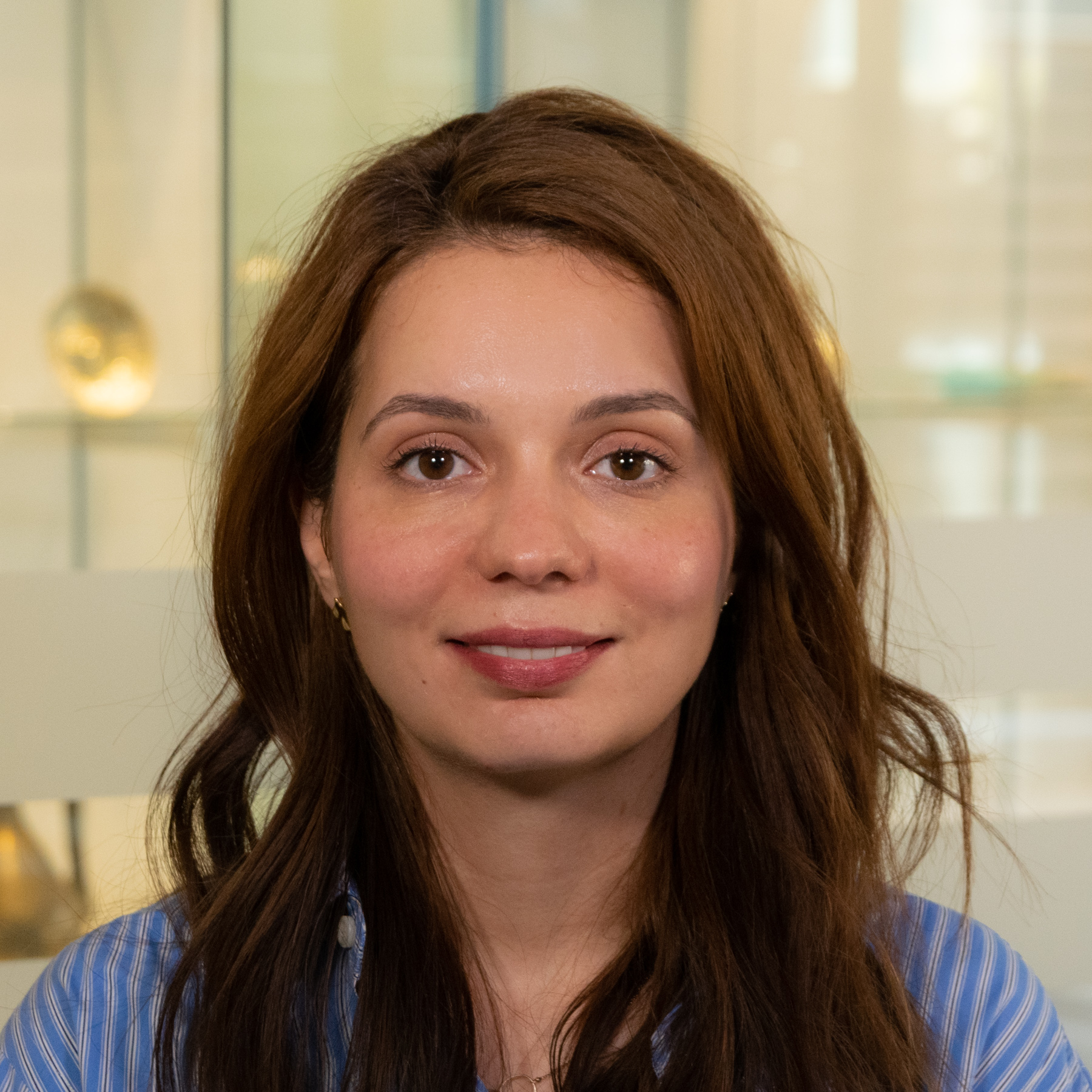
Iulia Joja is a senior fellow at the Middle East Institute (MEI), where she focuses on European and Black Sea security, with particular attention to defense, strategic cultures, and transatlantic relations. She is also an adjunct professor at Georgetown University and George Washington University, teaching European affairs and security.

Before joining MEI, Dr. Joja served as an adviser to the Romanian president and as a deputy project manager at NATO Allied Command Transformation in Virginia. She has also worked with the Romanian delegation to the United Nations, the European Parliament, and the Romanian Ministry of Foreign Affairs.

Dr. Joja has held prestigious academic positions, including as a visiting scholar at the Center of Military History and Social Sciences of the German Armed Forces in Potsdam/Berlin and as a German Academic Exchange Service (DAAD) post-doctoral fellow at the Foreign Policy Institute of the Johns Hopkins School of Advanced International Studies.

She holds a PhD in Strategic Studies from the National School of Political and Administrative Studies in Bucharest, an MA in International Conflict Studies from King’s College London, and a BA in Political Science and International Relations from Freie Universität in Berlin.

She is a native Romanian speaker.
The Latest from Iulia Joja

تصفية حسب
85 Results
Opinion: Putin’s nuclear chaos
  • تعليق
  • Opinion: Putin’s nuclear chaos

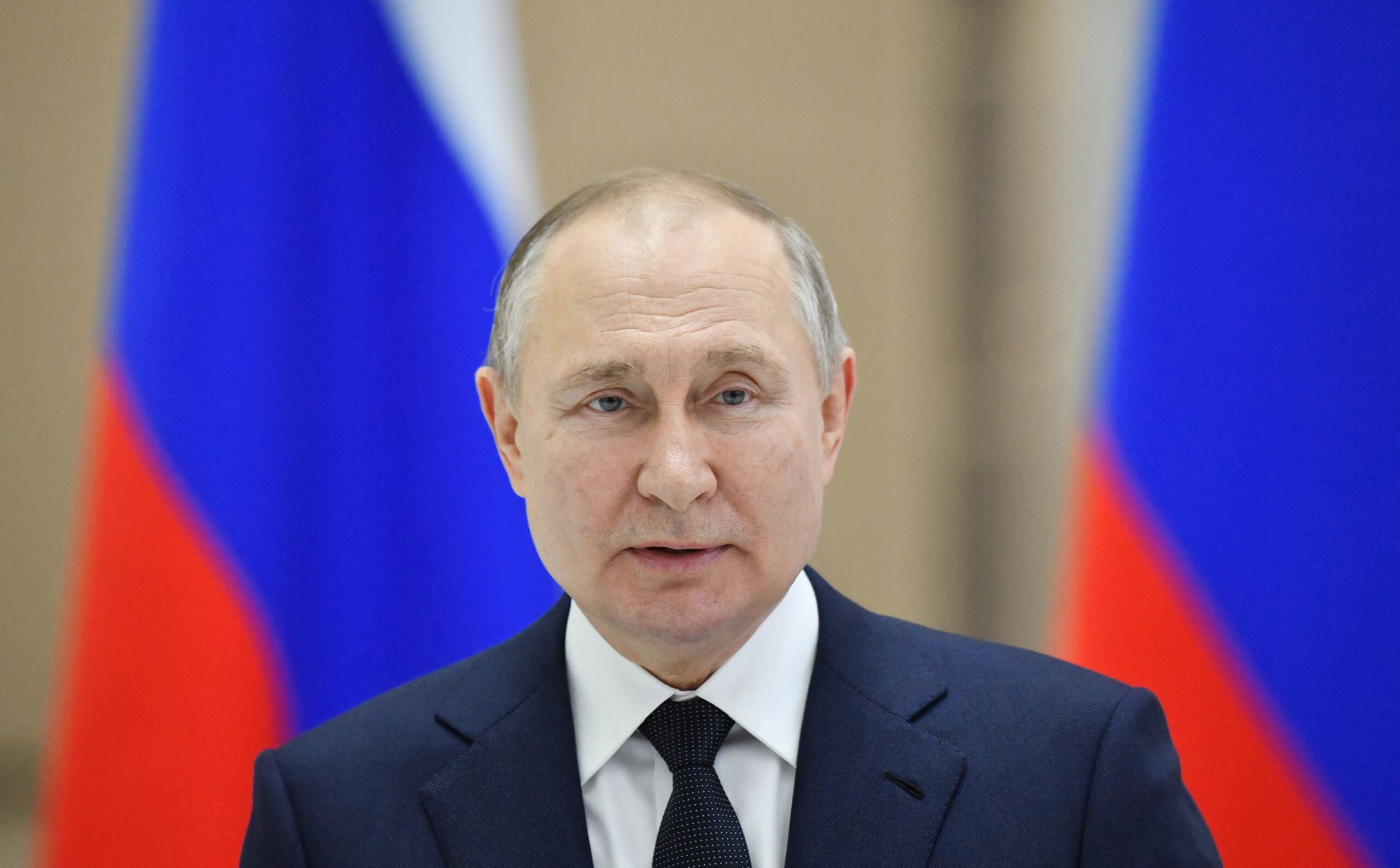
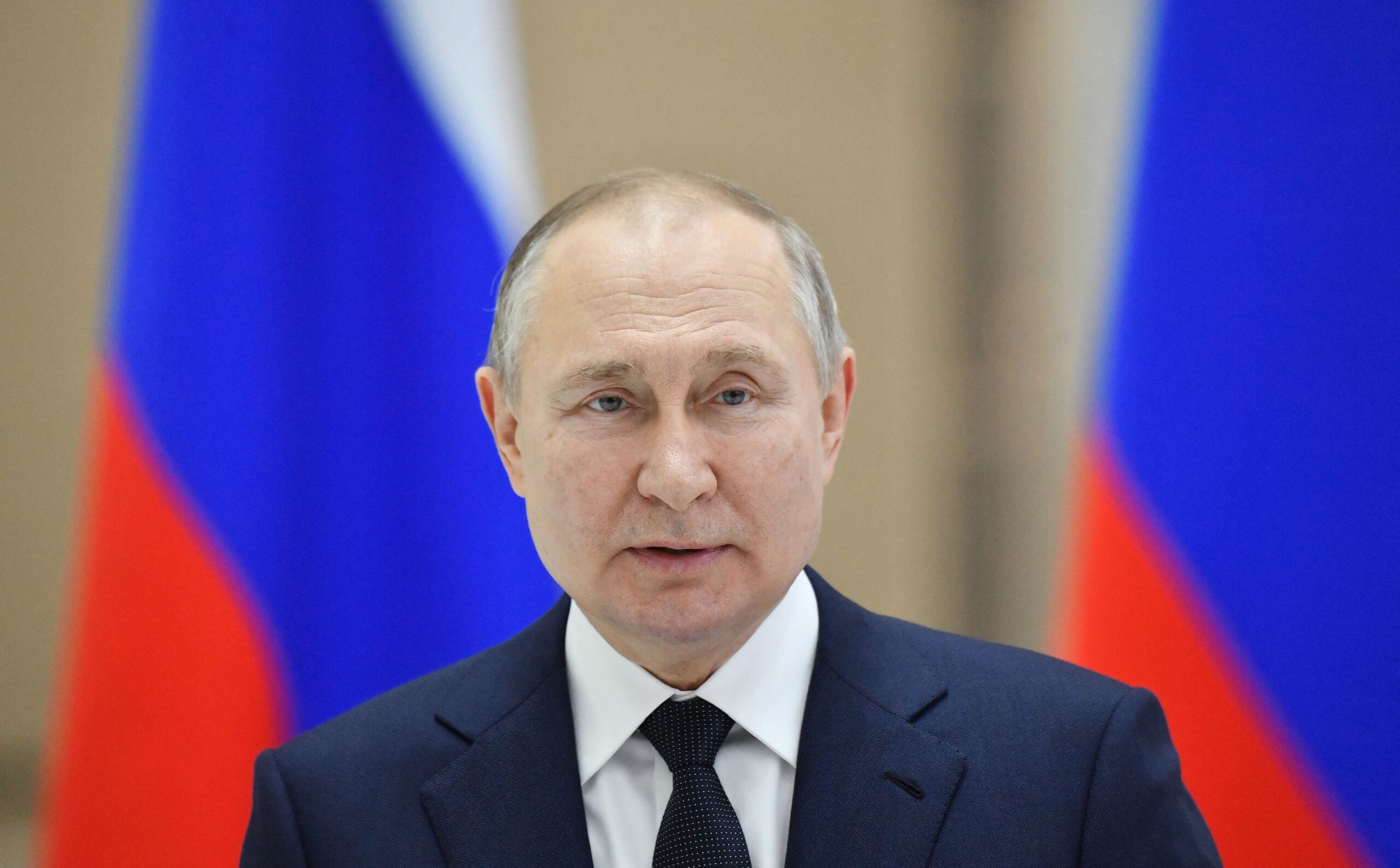
    “Fauda” is the name of the gripping Israeli television series about to launch its fourth season on Netflix. Fauda means “chaos” in Arabic and is the word Israeli special forces use when they lose control of an operation. Russian President Vladimir Putin is now creating chaos to snatch victory from the jaws of defeat.

    Russia Created a Refugee Crisis, and Now Putin Is Weaponizing It
  • تعليق
  • Russia Created a Refugee Crisis, and Now Putin Is Weaponizing It

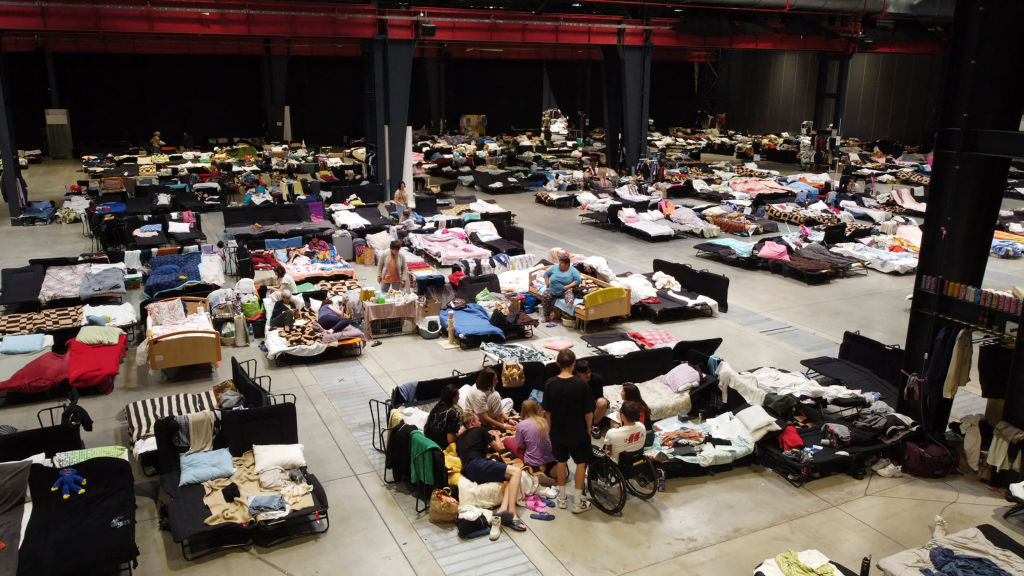
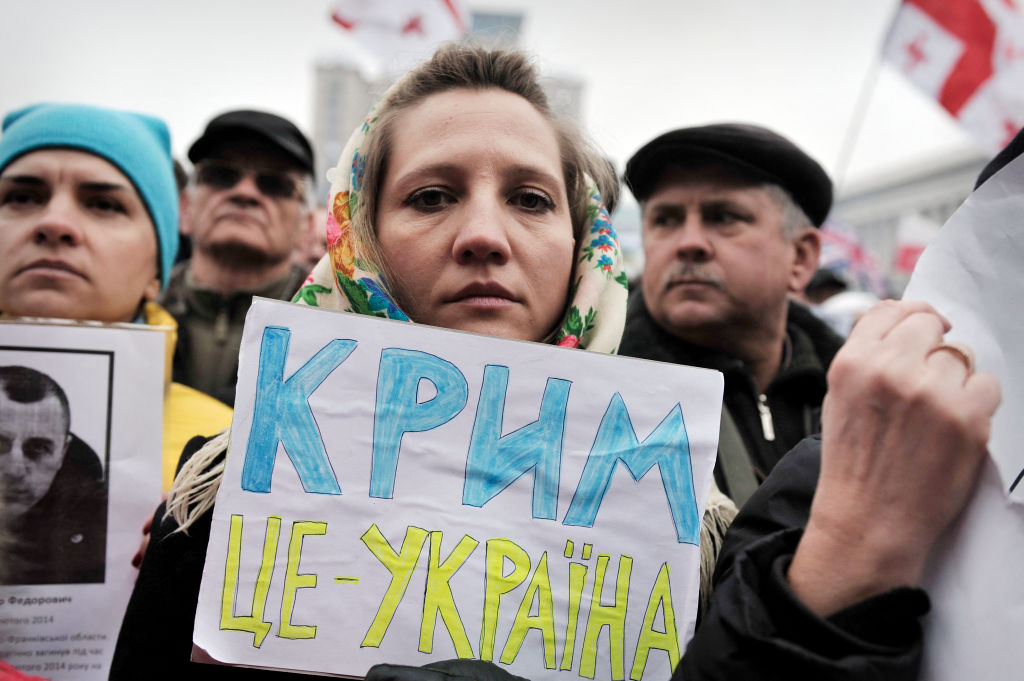
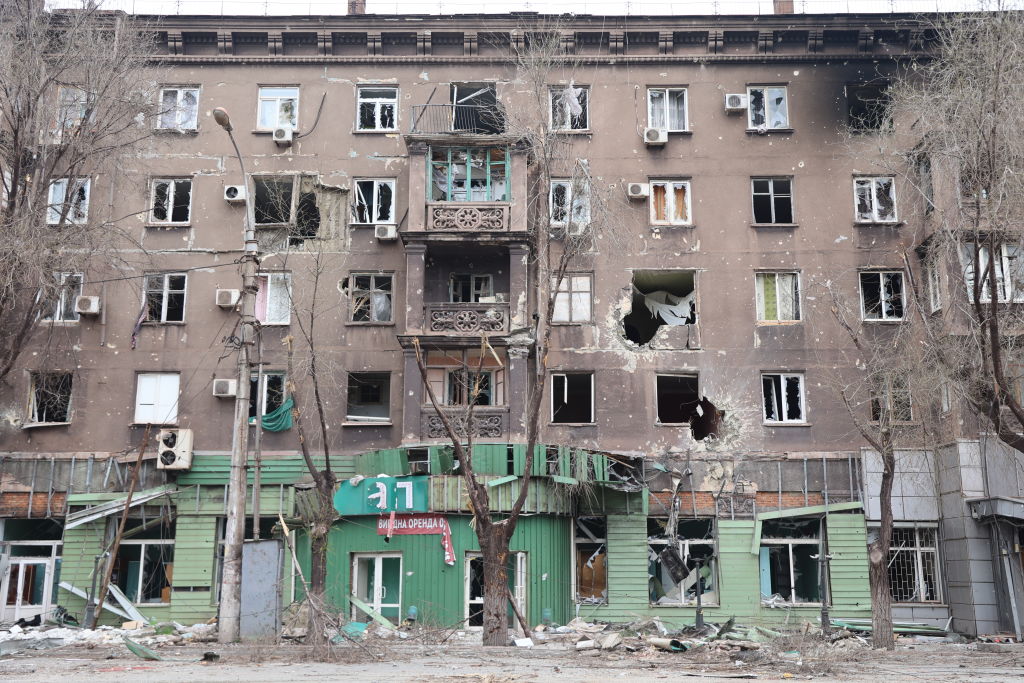
    Vladimir Putin’s hybrid war in Ukraine has created a multifaceted humanitarian crisis that the Kremlin plans to weaponize against the West to further provoke instability and chaos. Refugees have poured out of Ukraine since his February 24 invasion, and Russia’s attacks on Ukraine’s agricultural sector—from grain-export blockades to theft to strikes on agricultural facilities—are creating disruptions to the global food supply that are likely to create even more refugees worldwide. Foreign Minister Sergei Lavrov is touring Africa this week, blaming the West for the food crisis. Western leaders must realize the full destabilizing potential of Russia’s weaponization of the refugee crisis. In response, the United States should combine conventional military support with multilateral information operations to counter Russia’s plans.