Mohammed Mahmoud is the former founding director of the Climate and Water Program at the Middle East Institute. His areas of expertise include climate change adaptation, water policy analysis, and scenario planning.
Mohammed has held leadership positions in several organizations. Most recently as Chair of the Water Utility Climate Alliance; a coalition of 12 of the nation’s largest water utilities that collectively provide water to over 50 million people in the United States, with the purpose of providing leadership and collaboration on climate change issues that affect water agencies. Prior to that Mohammed was President of the North American Weather Modification Council; an organization dedicated to advancing research and development activities that increase the scientific knowledge and proper use of weather modification applications.
Mohammed’s professional accomplishments include negotiating and formalizing a 10-year multi-state cloud seeding funding agreement between seven Colorado River Basin states, developing and implementing the first ever climate adaptation plan for a multi-county water district in Arizona, and helping secure a 1.1 million dollar grant from NASA for Arizona State University to study the impacts of climate change on the hydrology of the Western United States. Furthermore, he has provided numerous subject matter interviews in press, radio, and video media on climate-associated topics such as regional climate change impacts, water resources management, extreme heat, droughts, and the food-water-energy nexus.
Mohammed has conducted water management research and work for the Middle East and North Africa region; most extensively on the Nile River Basin. His research on the Nile River Basin focused on the development of water resources in the Basin, analysis of Nile water- sharing agreements, and solutions for current and future challenges in the Nile River Basin.
Mohammed’s other water management work in the region explored formalizing the administration of Saudi Arabia’s groundwater resources by using other established groundwater management frameworks as application templates; such as Arizona’s 1980 Groundwater Management Code.
Mohammed’s educational background includes a B.S. and M.S. in Civil Engineering from Michigan Technological University, and a PhD in Hydrology and Water Resources from the University of Arizona.
The Latest from Mohammed Mahmoud

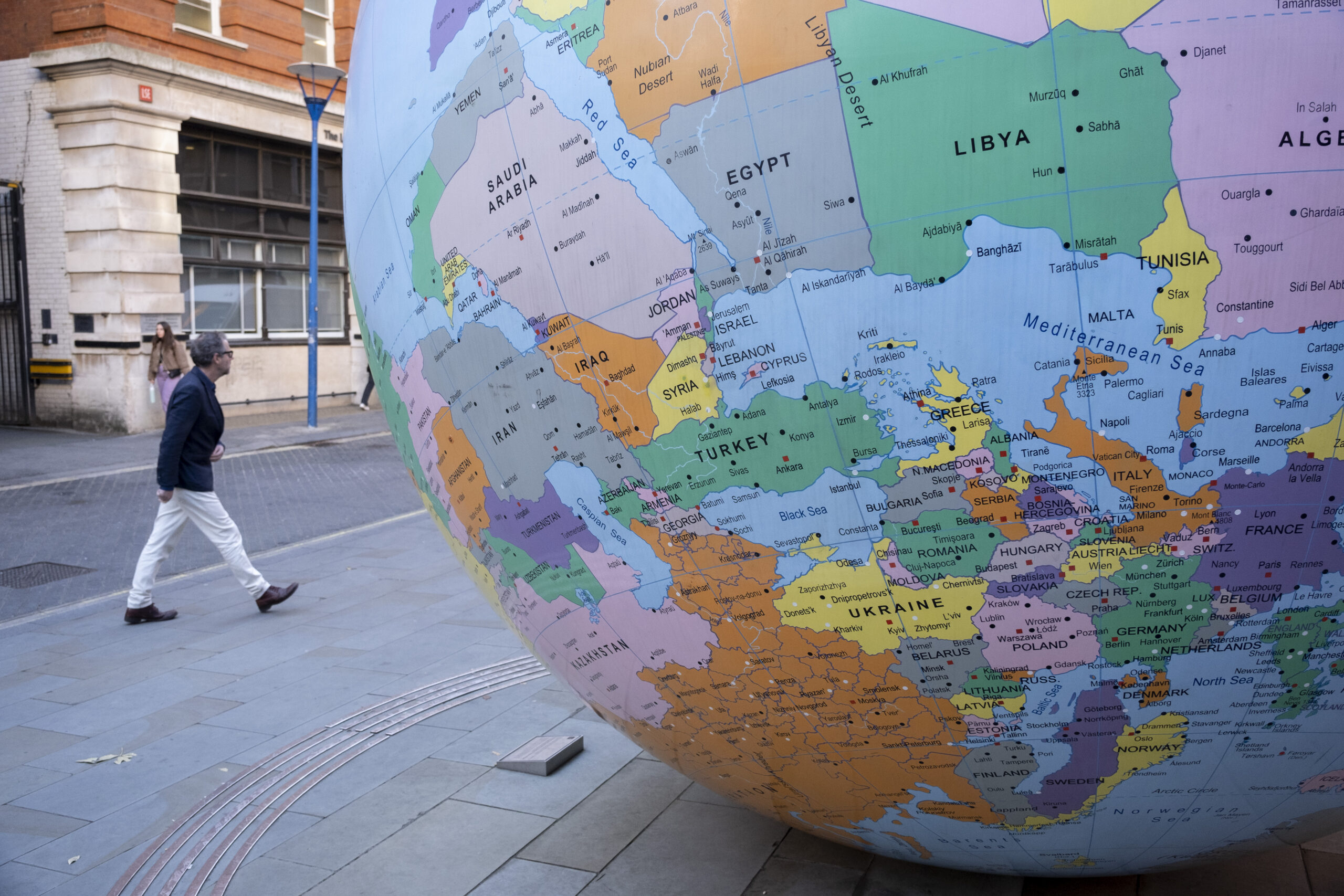
10 key events and trends in the Middle East and North Africa in 2022
Ten of the most important or far-reaching events and trends that dominated the MENA region in 2022.
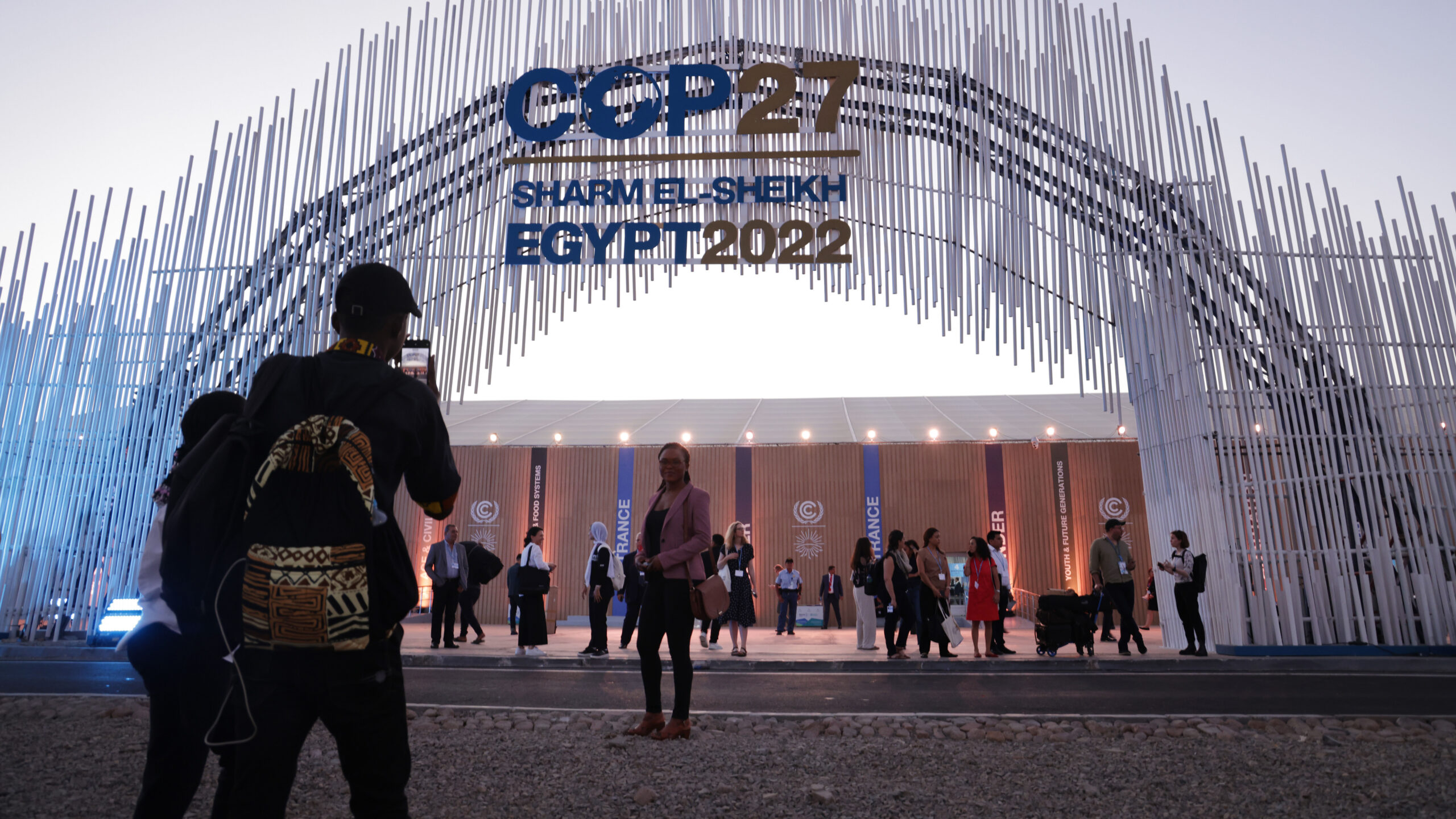
Dispatches from Sharm el-Sheikh: Reviewing COP27 from the MENA perspective
Participating in COP27 provided a unique opportunity to view the proceedings firsthand and evaluate the effectiveness of the meeting in advancing critical climate priorities that can alter the alarming trajectory of future climate change.

Monday Briefing: As Qatar World Cup begins, controversies highlight limits of sportswashing
Read MEI’s weekly briefing featuring expert analysis of key regional developments for the week ahead.
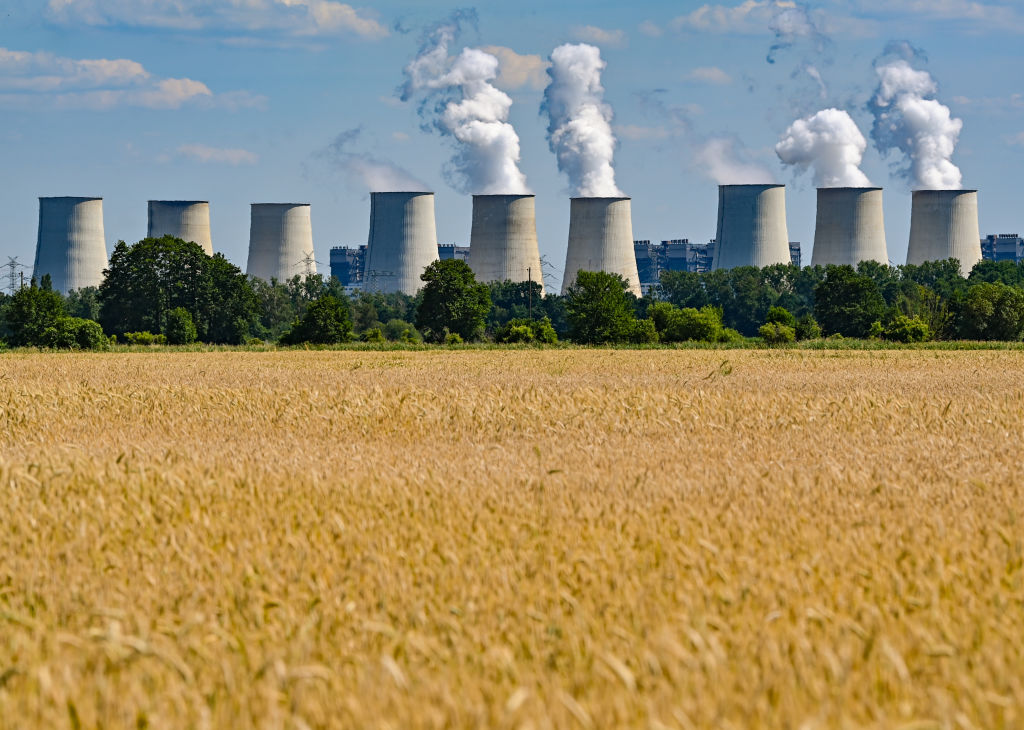
Briefing: Latest UN reports highlight urgency of emissions reductions just ahead of COP27
-
The latest Nationally Determined Contributions assessment report demonstrates that the parties to the Paris Agreement are boosting their plans to reduce carbon emissions.
-
However, current climate mitigation efforts are still insufficient to curb future global temperature increases to below 2°C — with a projected average temperature rise of 2.8°C by the end of century.
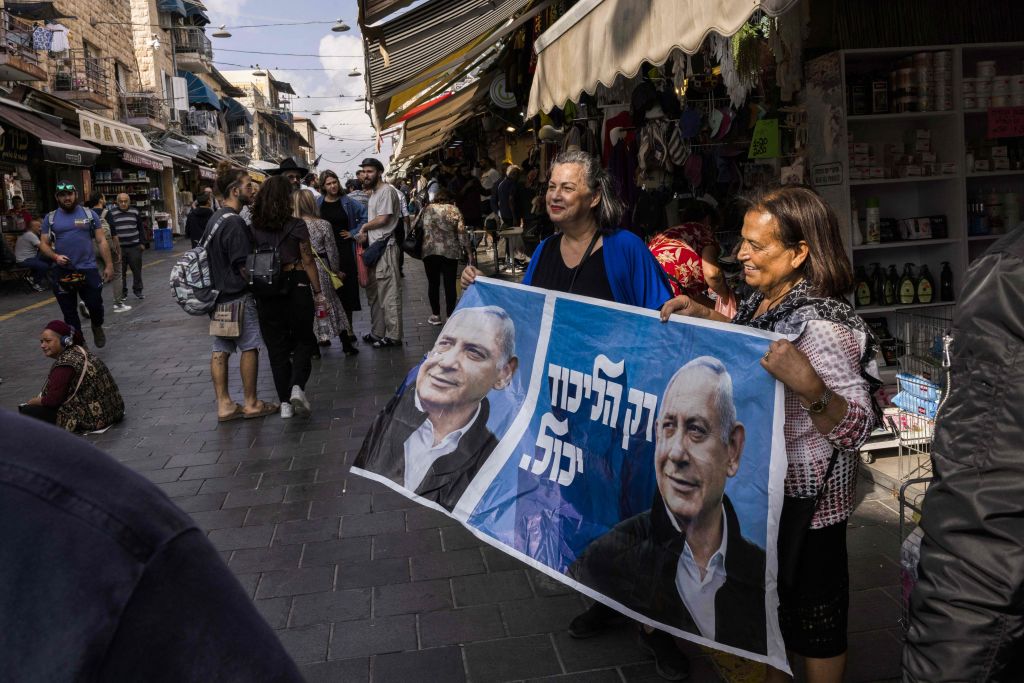
Monday Briefing: Israel’s election won’t resolve its political and democratic crisis
Read MEI’s weekly briefing featuring expert analysis of key regional developments for the week ahead.
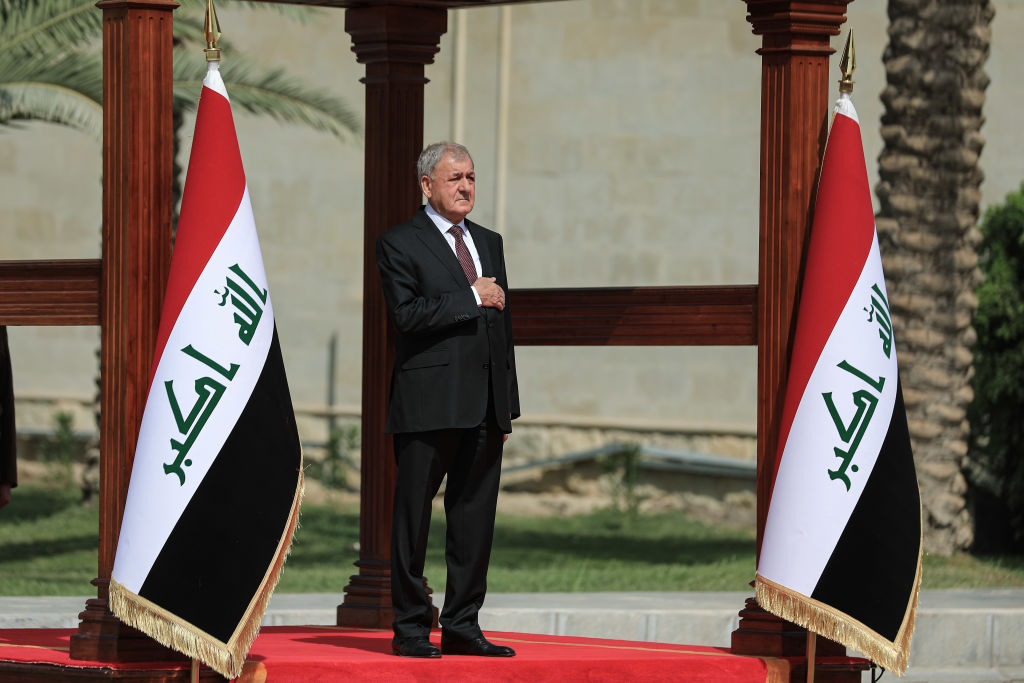
Monday Briefing: Government formation in Iraq: One year, one step
Read MEI’s weekly briefing featuring expert analysis of key regional developments for the week ahead.
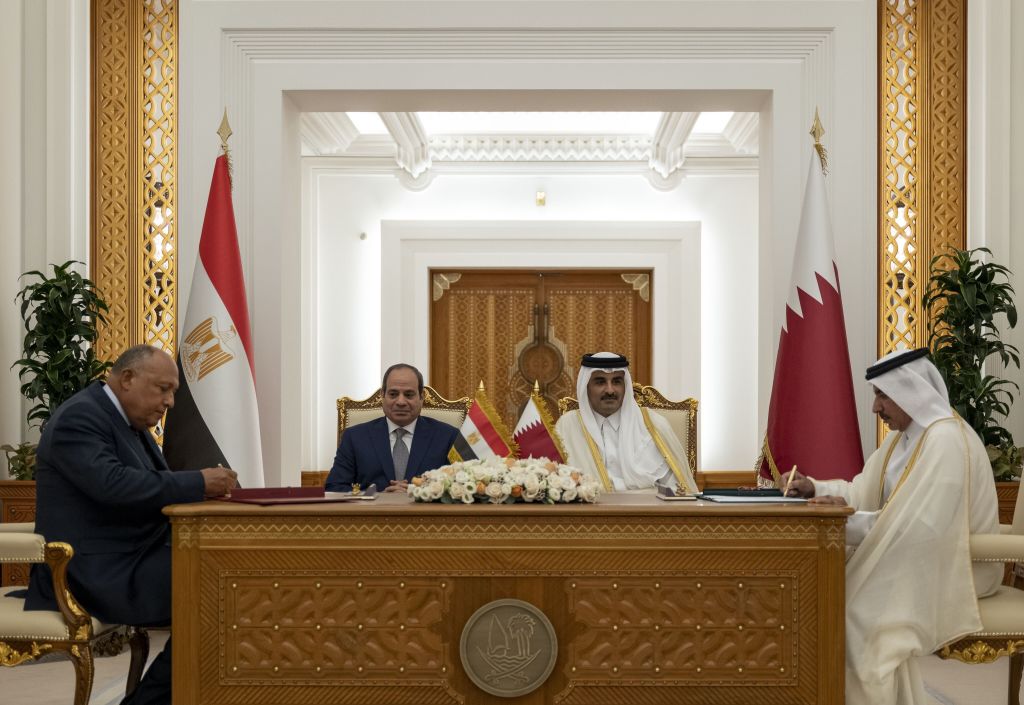
Monday Briefing: Amid growing Gulf investment, Egypt tries to maintain a tricky economic balancing act
Read MEI’s weekly briefing featuring expert analysis of key regional developments for the week ahead.
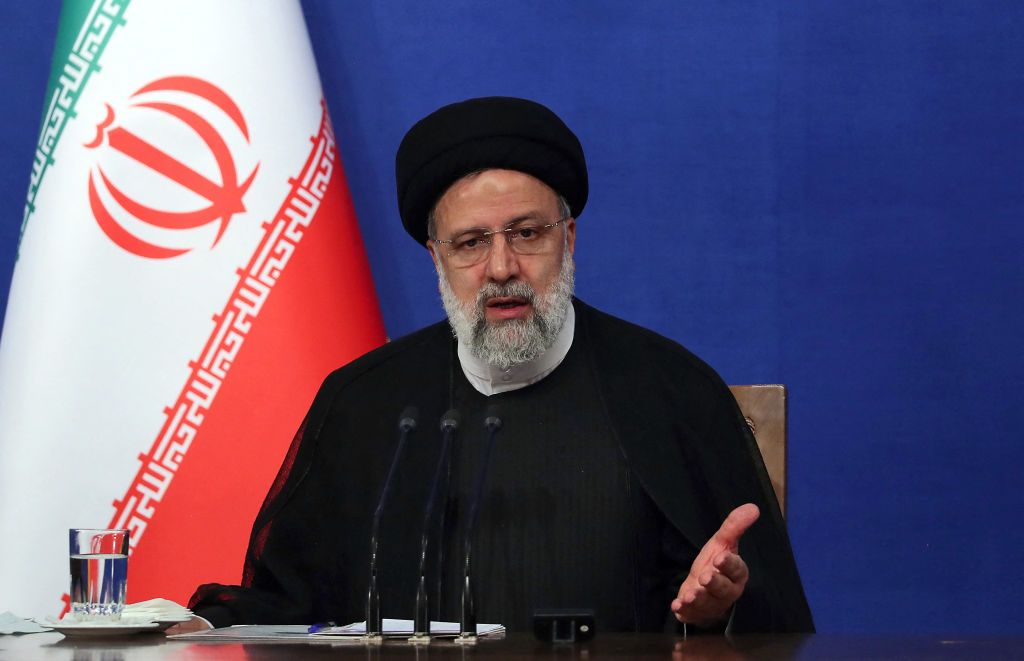
Monday Briefing: How the complex Middle East landscape affects a possible Iran deal
Read MEI’s weekly briefing featuring expert analysis of key regional developments for the week ahead.

Monday Briefing: Terrorism charges filed against former Pakistani Prime Minister Khan
Read MEI’s weekly briefing featuring expert analysis of key regional developments for the week ahead.
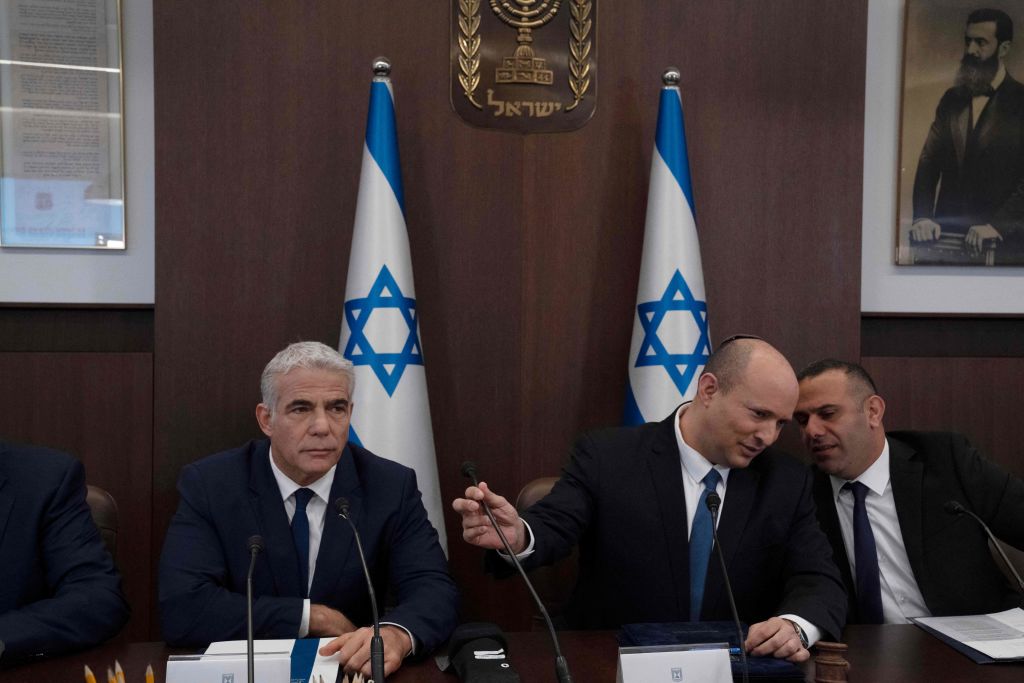
Monday Briefing: Under brutal pressure, Israel’s coalition is on the verge of crumbling
Read MEI’s weekly briefing featuring expert analysis of key regional developments for the week ahead.
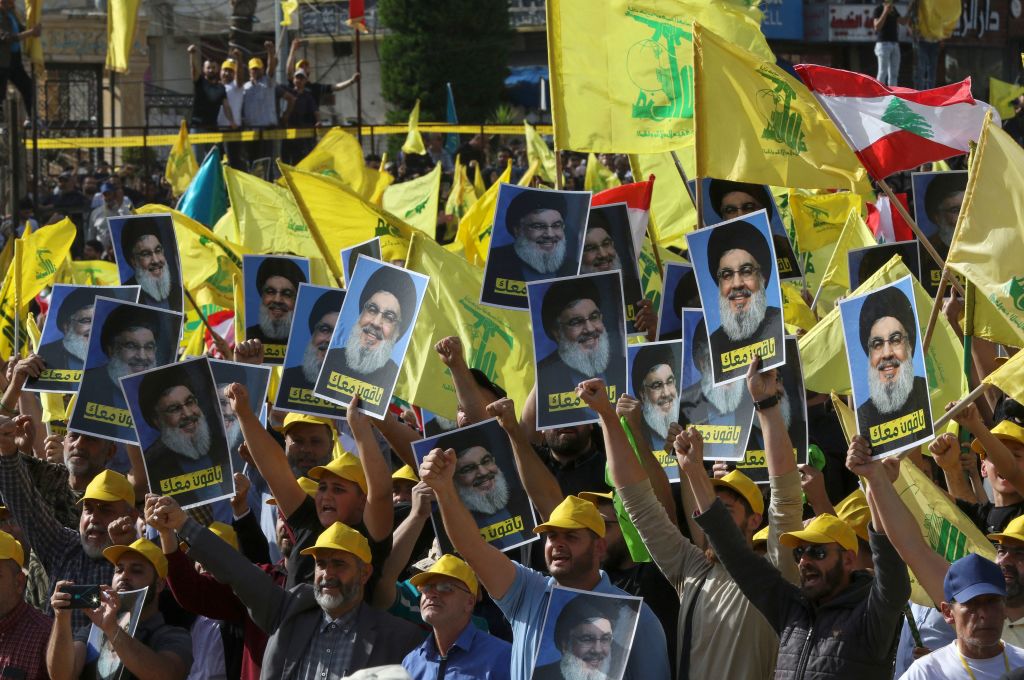
Monday Briefing: Four key dynamics to watch as Lebanon heads to the polls
Read MEI’s weekly briefing featuring expert analysis of key regional developments for the week ahead.
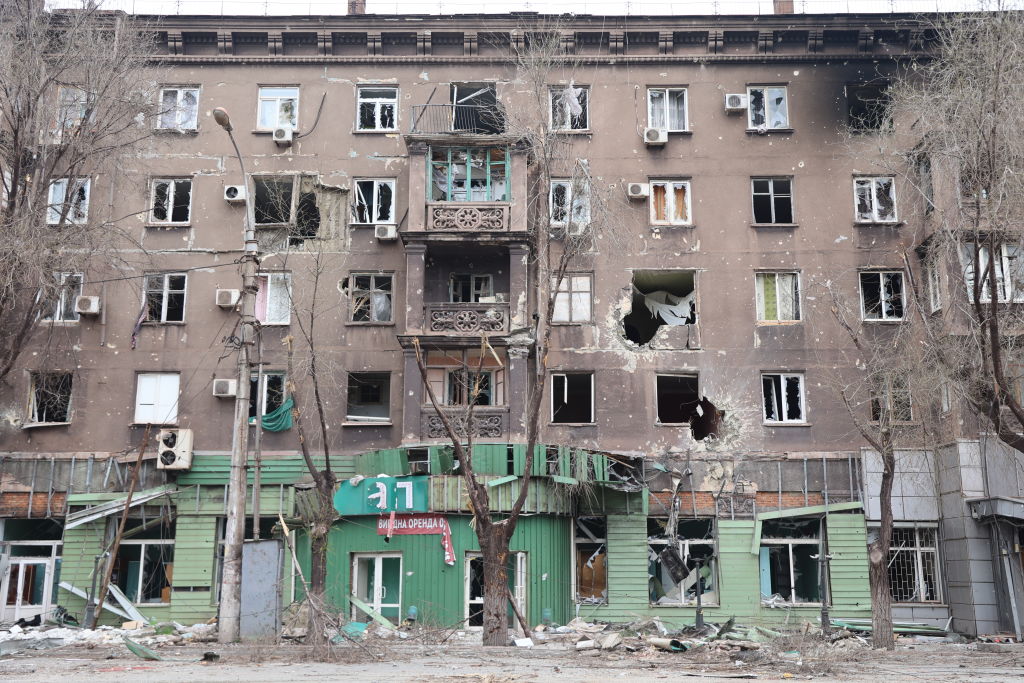
Monday Briefing: In Ukraine the focus of the war shifts to the east
Read MEI’s weekly briefing featuring expert analysis of key regional developments for the week ahead.
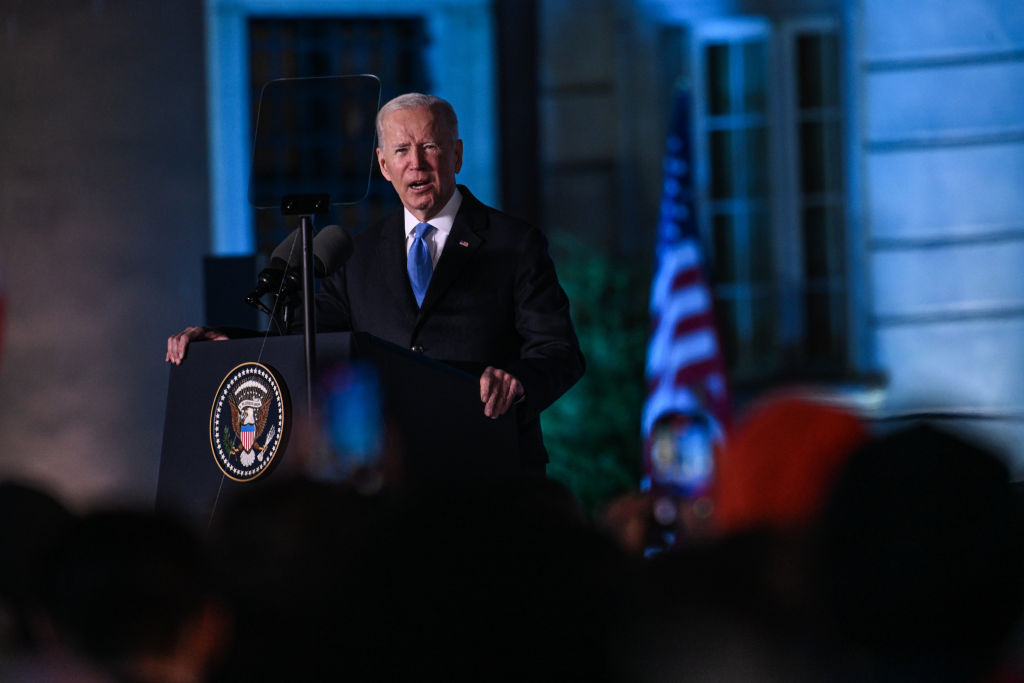
Monday Briefing: The Biden administration’s important opportunity to put “diplomacy first” in the Middle East
Read MEI’s weekly briefing featuring expert analysis of key regional developments for the week ahead.
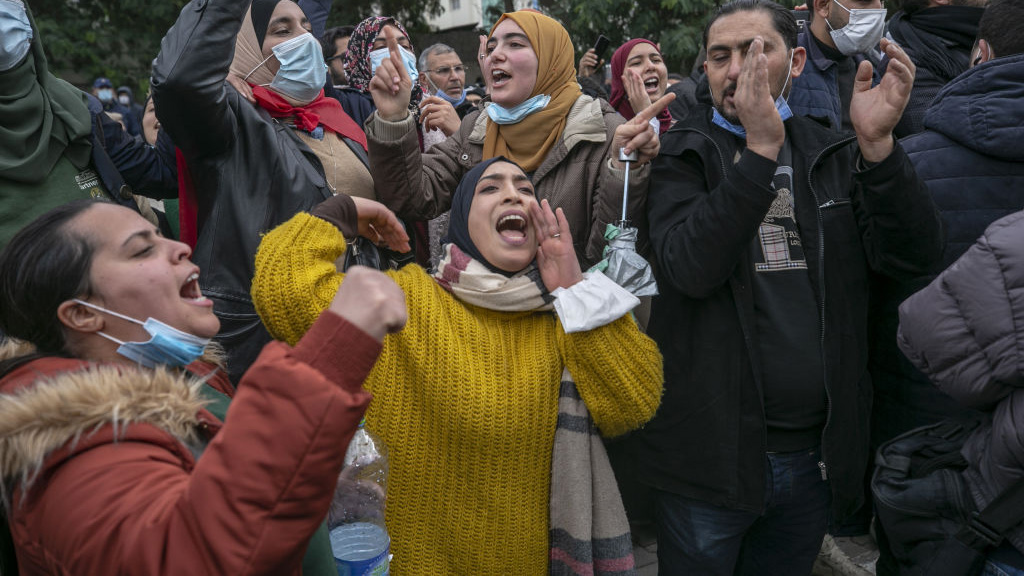
2022 trends and drivers to watch in the Middle East
Look to the people of the region first, then the evolving competition among regional states and global powers, for signs on what to expect.



