The future of America's Middle East posture is now
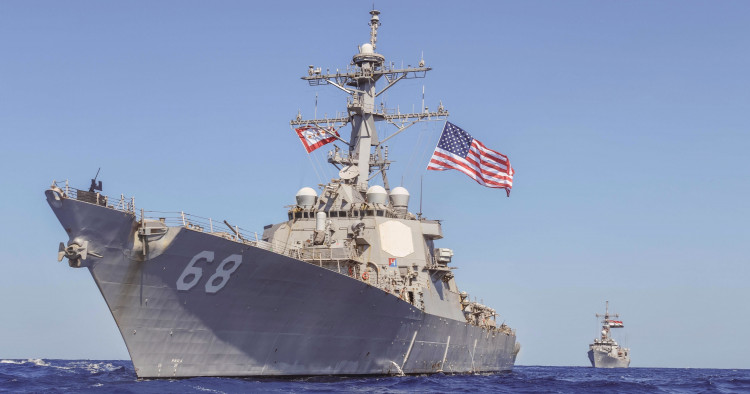
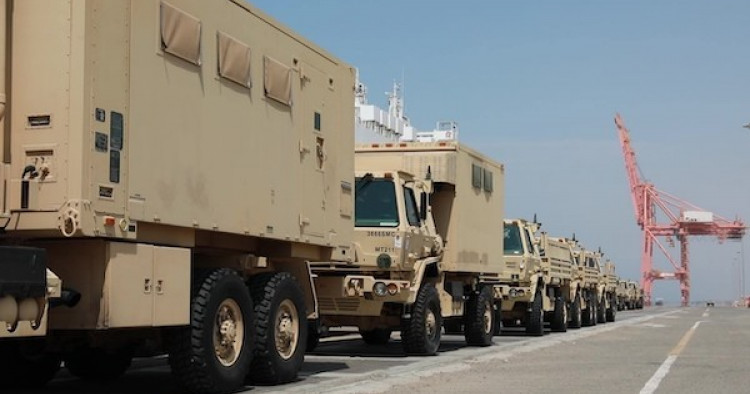
With its strategic prioritization of the Indo-Pacific and European theatres, the United States has had to significantly adjust its defense posture in the Middle East through new concepts and procedures to safeguard collective security interests.
The result is at least the beginning of a more dynamic and flexible approach to military deployment in the US Central Command (CENTCOM)’s Area of Responsibility. Instead of emphasising large and permanent basing, the United States will surge assets and resources from other locations depending on threats and needs.
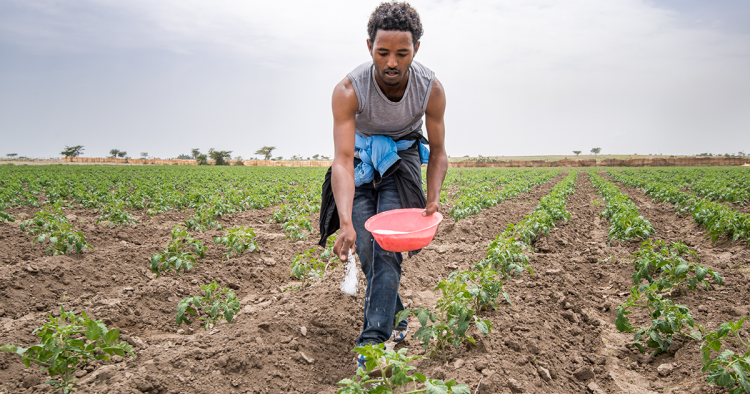
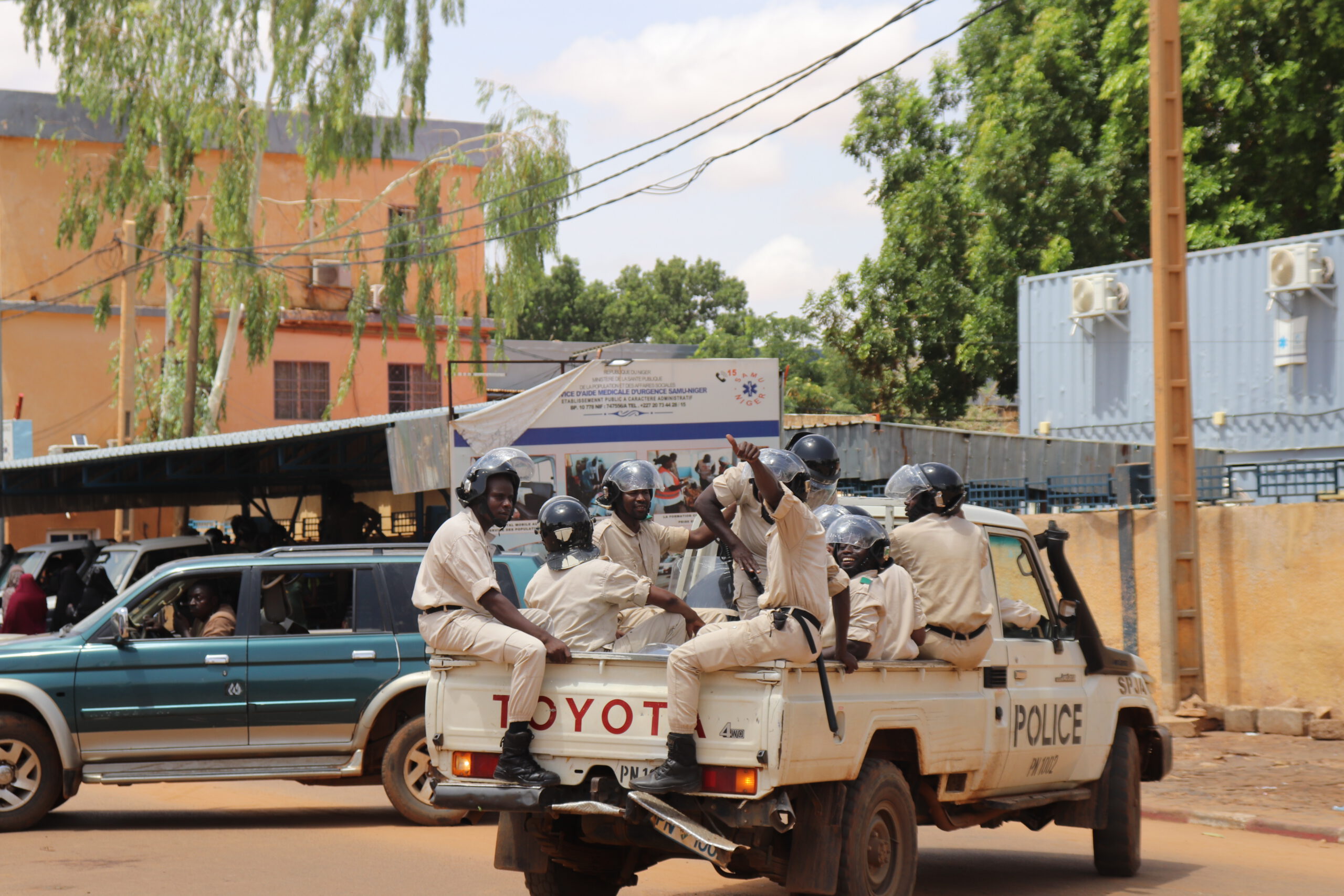
It is Niger's food crisis that requires international intervention
Niger’s new junta may be days away from facing an intervention force from its neighbours, as the Economic Community of West African States, or Ecowas, backed by France and other western nations, seeks to restore Niger’s ousted President, Mohamed Bazoum.
Two decades on, Iraq’s ongoing, if fragile, cultural revival
Although it has fallen off the international news cycle, Baghdad is booming, high on rising oil prices and full, once again, of neo-Abbasid, petroleum-fueled aspirations. Thanks to new anti-money laundering legislation, funds are being funneled not only into hotels and real estate but also into new cultural enterprises. So what does culture in Iraq look like in 2023?
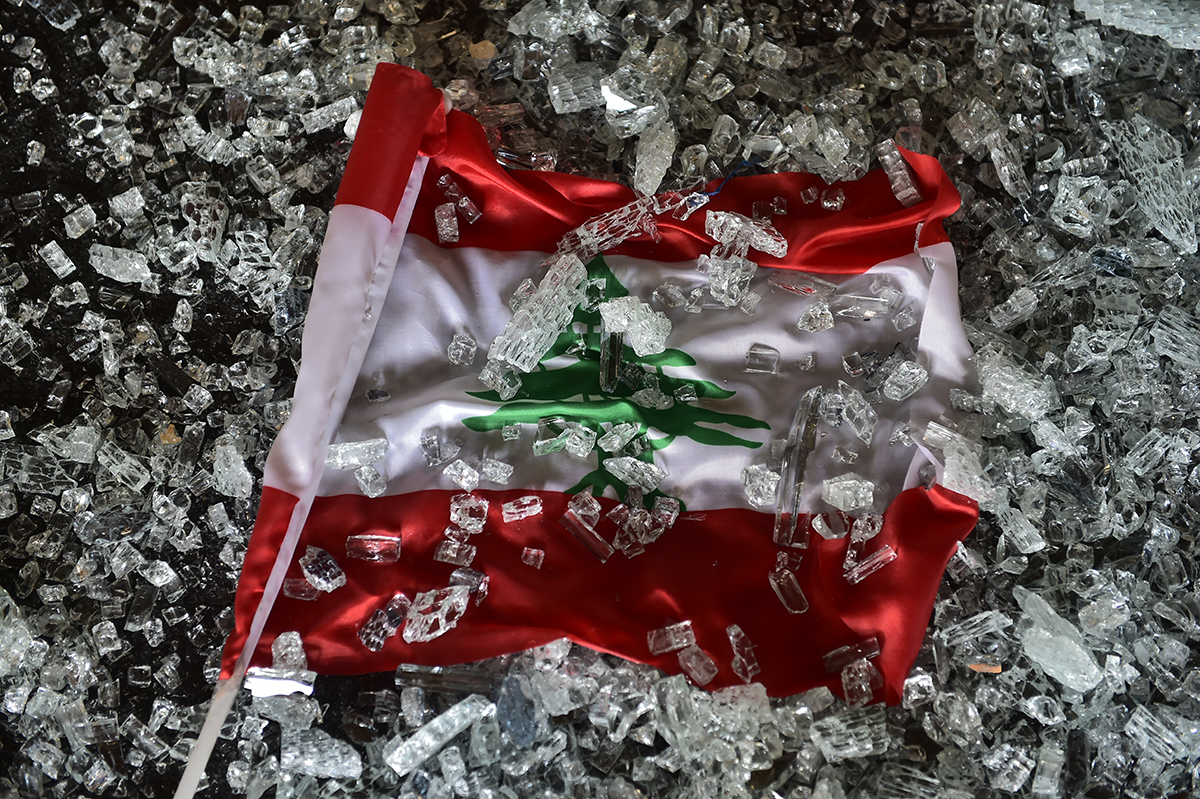
The Beirut blast three years on: The case for international accountability
Three years on from the Beirut port blast, Hezbollah, with the support of Lebanon’s political elite, has managed to obstruct and even quash the domestic judicial process for holding those responsible for the explosion accountable and delivering justice to both victims and a battered nation. The international community must uphold its responsibility toward the Lebanese people by enabling a U.N. fact-finding mission to investigate the blast, sanctioning those responsible for obstructing justice, and making ending impunity the centerpiece of international mediation on the Lebanese crisis.
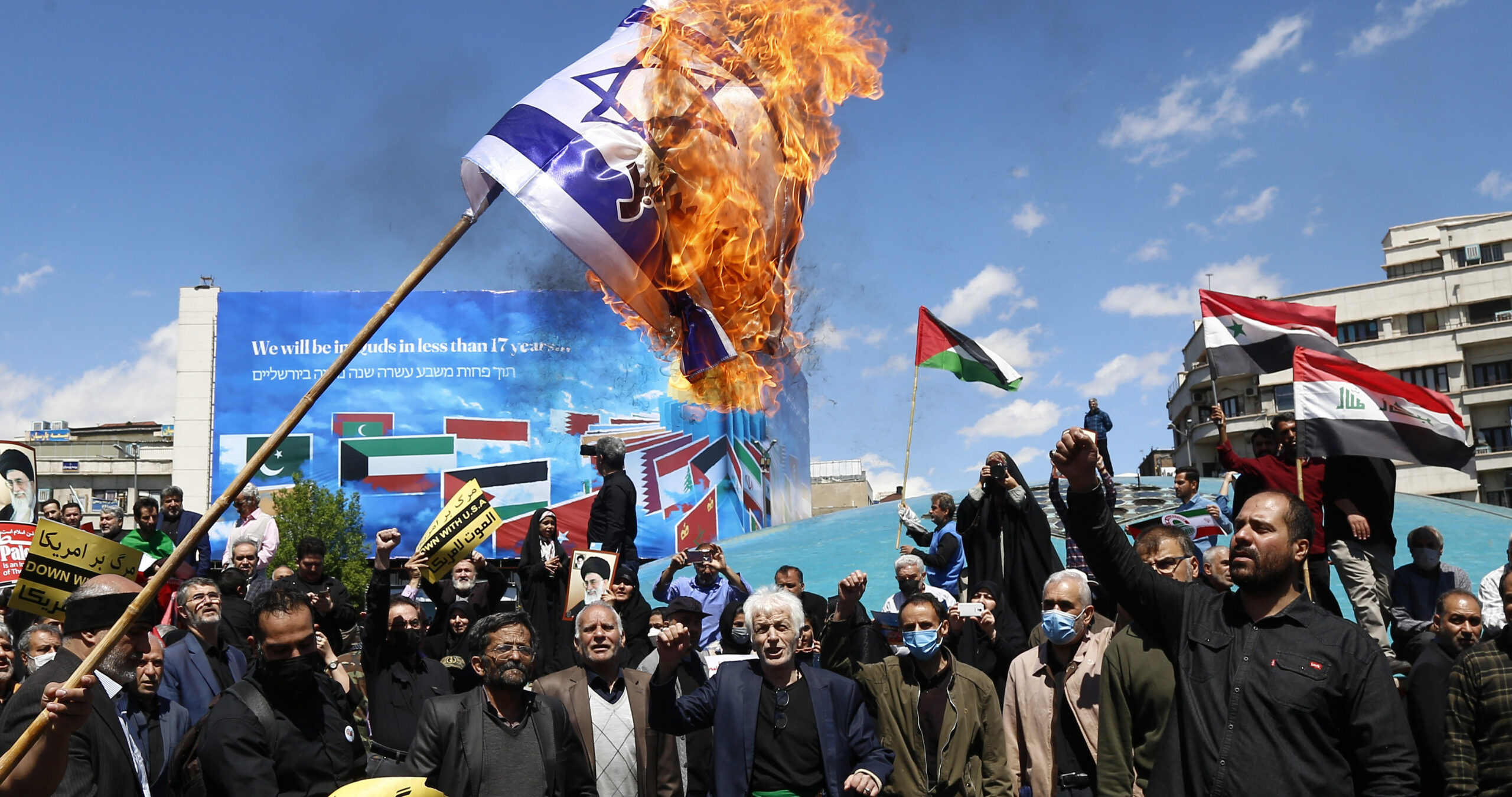
Iran gleefully eyes the protests in Israel, looking for weaknesses to exploit
As Israel grapples with fundamental questions of identity and societal fissures years in the making, Iran and its Axis of Resistance continue to employ their escalation-ready approach of pushing the envelope in multiple geographic theaters, launching cyber operations to foment disunity in Israeli society, and attempting to neutralize the regional gains Israel has made after signing the Abraham Accords with several Arab neighbors in 2020.
Breaking down the details of the UAE’s climate strategy
In the race to manage climate change, the UAE is ramping up its efforts in a bid to accelerate its transition to a green economy. In the first two weeks of July 2023, it published several important documents laying out its actions and objectives, including a revised version of the national climate pledges it made under the Paris Agreement, as well as a number of targeted policies and strategies.
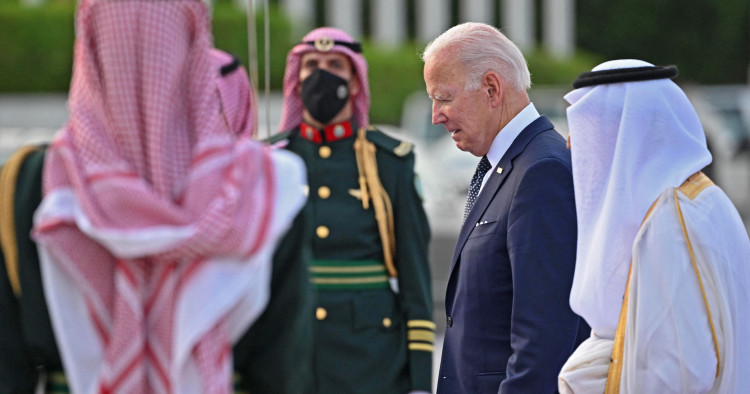
A defense treaty is not how Biden should fix the Saudi relationship
The United States has likely reached a crossroads in its relationship with Saudi Arabia. President Joe Biden can reconcile with Riyadh and use its influence to reshape the Middle East to Washington’s liking and stabilize the global energy markets. Or else the Saudis most probably will tie their fortunes much closer to China, thus complicating America’s top foreign-policy priority.
Normalizing Assad has made Syria’s problems even worse
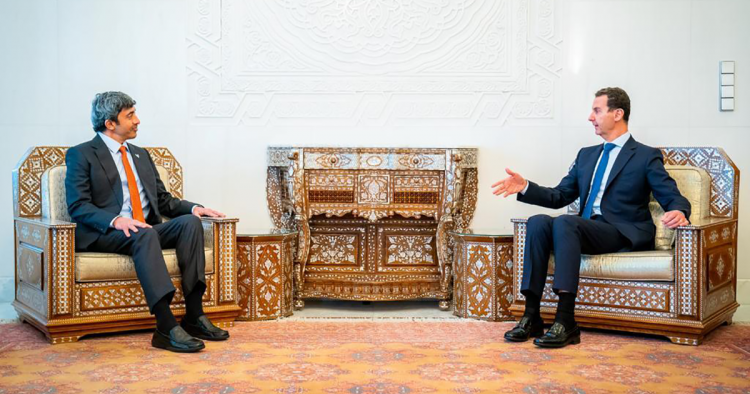
Three months ago, Saudi Arabia kick-started a concerted regional effort to reengage and normalize Syria’s regime within the Middle East and, Riyadh hoped, farther afield. On April 18, Saudi Foreign Minister Faisal bin Farhan met with Syrian President Bashar al-Assad in the Syrian capital of Damascus. Just one month later, on May 19, the Arab League embraced one of the world’s most notorious war criminals for the first time since 2011.
Effectiveness, not size, key to US involvement in Middle East
In the summer of 2016, I was honoured to be asked by former US national security advisor Stephen Hadley and former US Secretary of State Madeleine Albright to help design a wargame, or a simulated crisis, to test whether more or less US engagement in the Middle East would be more beneficial for US interests and regional security.
The crisis revolved around a fictitious incident at sea between Saudi and Iranian naval forces. We postulated that several small attack craft belonging to the Iranians confronted a Saudi frigate in the Arabian Gulf southwest of the island of Abu Musa.
Iran’s renewed Africa policy: Raisi’s ambition and the perception of Western decline
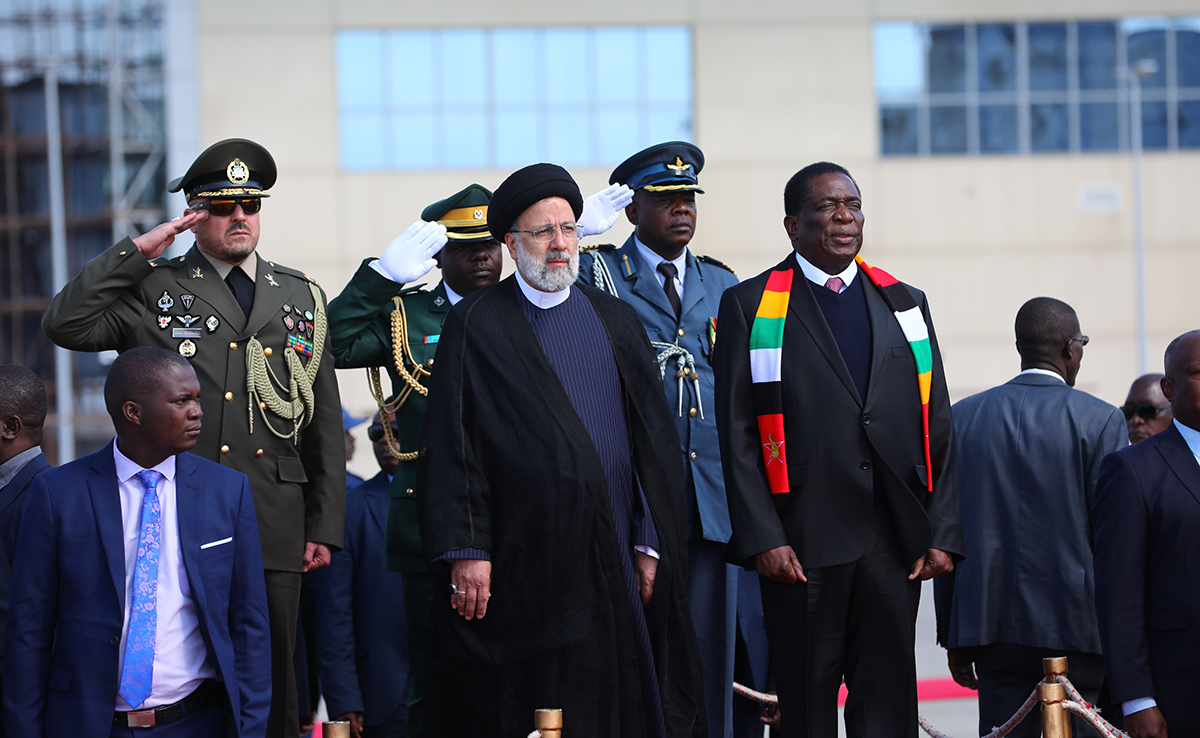
Amin Naeni discusses the revival of Iranian foreign policy with non-Western states, particularly African nations, in light of President Raisi’s recent visit to the continent. Additionally, the piece touches upon how this process has differed between Raisi versus Ahmadinejad, and whether Raisi’s Africa policy will prove any more successful than his predecessor’s.
A difficult road ahead for Israel’s far-right government despite its victory
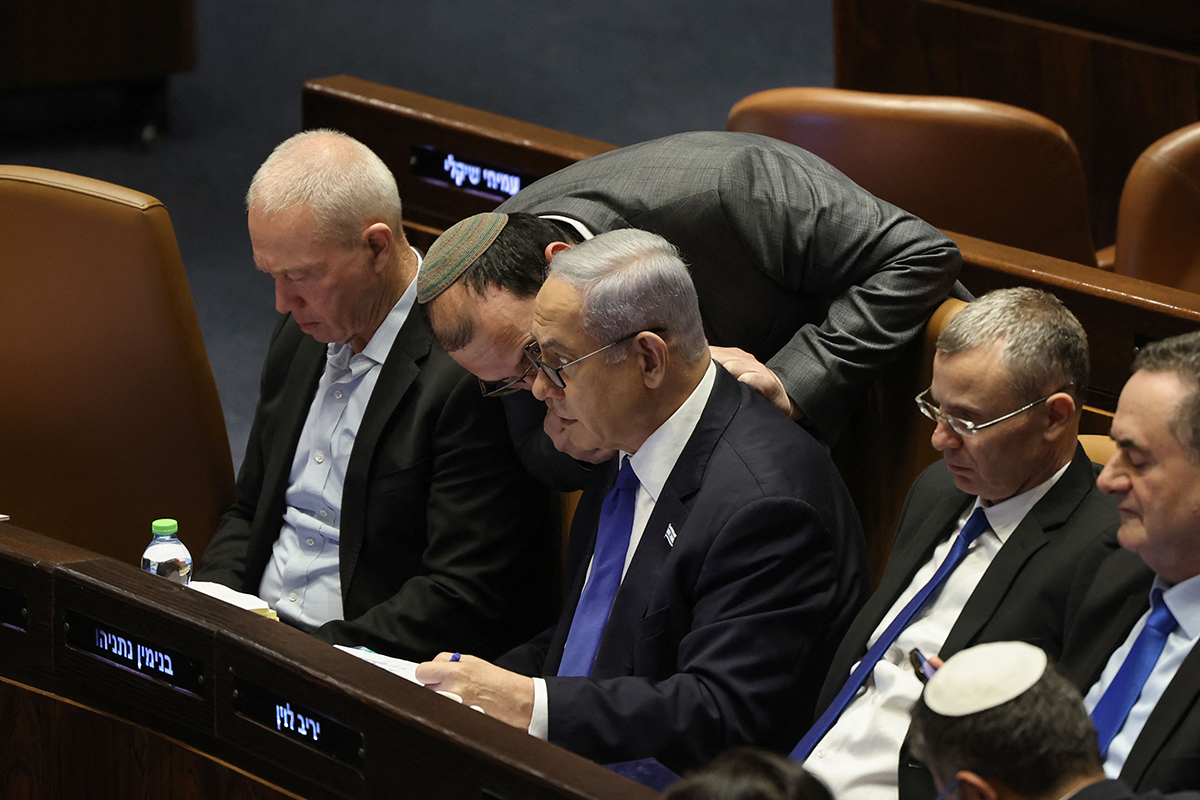
On July 24, the Knesset voted to limit the powers of the Supreme Court to strike down legislation as the first step in a comprehensive “judicial overhaul” orchestrated by Israel’s far-right government. This is by no means the “end” of Israeli democracy. To the contrary, the coalition that forced it through is itself the product of some unlikely circumstances and may not survive much longer, especially given the economic, security, and diplomatic chal-lenges it will very shortly face.