Mid-term election success will tempt the American president to go for quick wins, but he must enter into talks with an eye on the global demand for energy
New opportunities in gas production to define future of Middle East energy giants
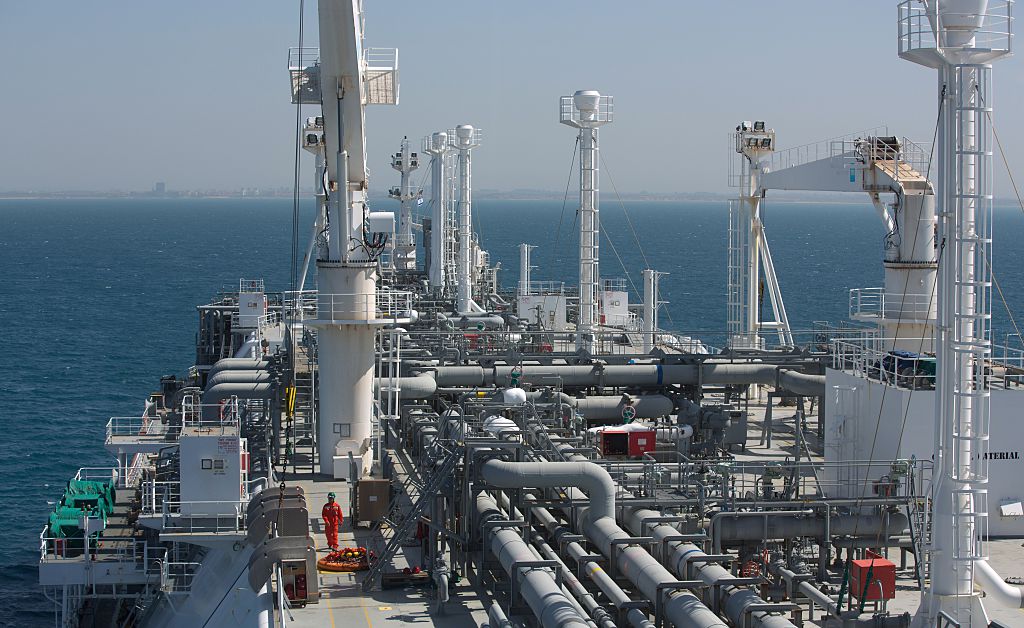
While there will continue to be a market for oil and associated petrochemical products for some time to come, the short- and medium-term opportunities in gas production will be transformational for some MENA states.
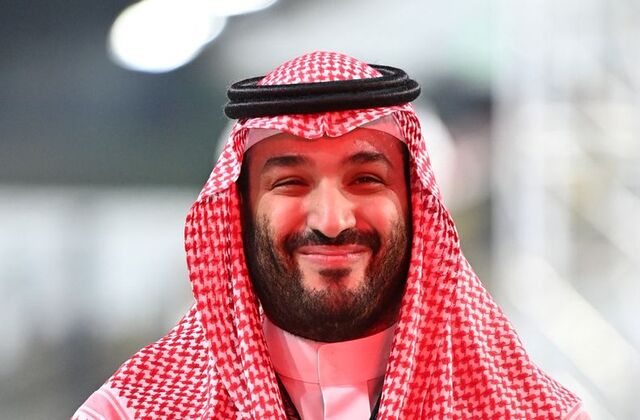
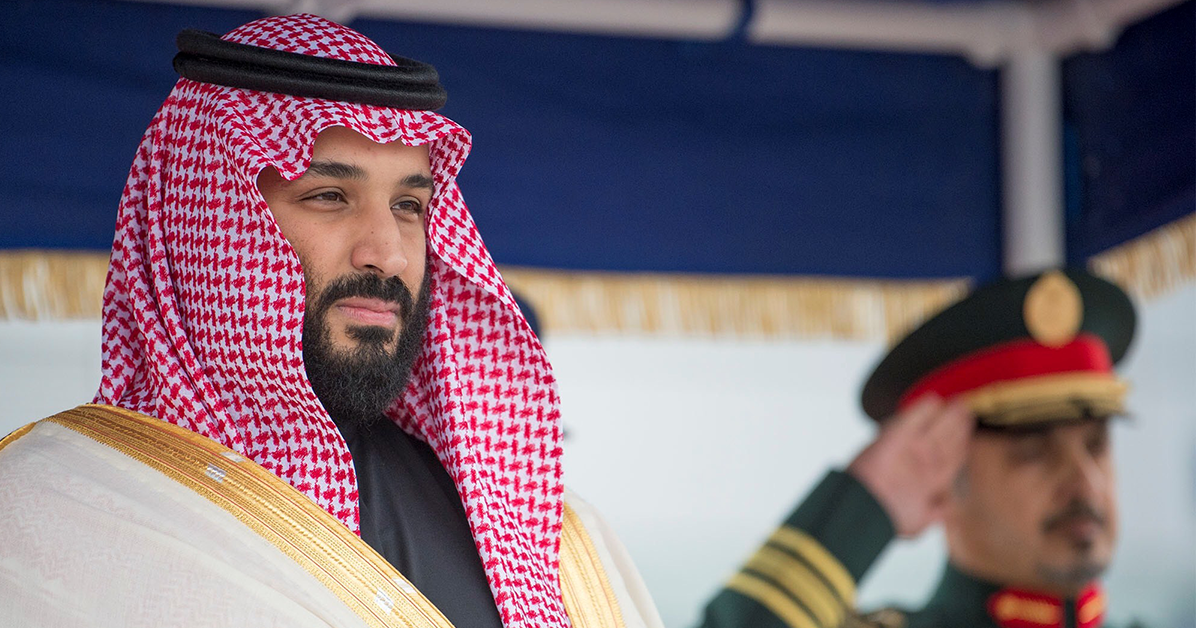
When gaming out the country’s likely political trajectory, most fellow Saudi watchers I know agree that the likelihood of the kingdom imploding is slight, but were that to come to pass, the consequences for the U.S. and the rest of the world would be enormous. Yet Saudi Arabia has managed to negotiate several turbulent events in its recent history with a rather remarkable lack of destabilization. And it’s most likely to continue along that trend, even in the face of what could be more storms to come.
الأسباب التي تجعل الإدارة الذاتية الخيار المرحلي الأفضل للمجتمع المحلي
هذا يضعنا أمام تسأل مهم، لماذا باتت ردود الفعل للمجتمعات المحلية على الإدارة الذاتية وجناحها العسكري ردود محدودة أو منعدمة في كثير من الأحيان؟، رغم أن هذه المجتمعات خاضت معارك طاحنة ضد النظام و تنظيم “داعش” لذات هذه الأسباب.
Why the AANES is the best interim option for local communities in northeastern Syria
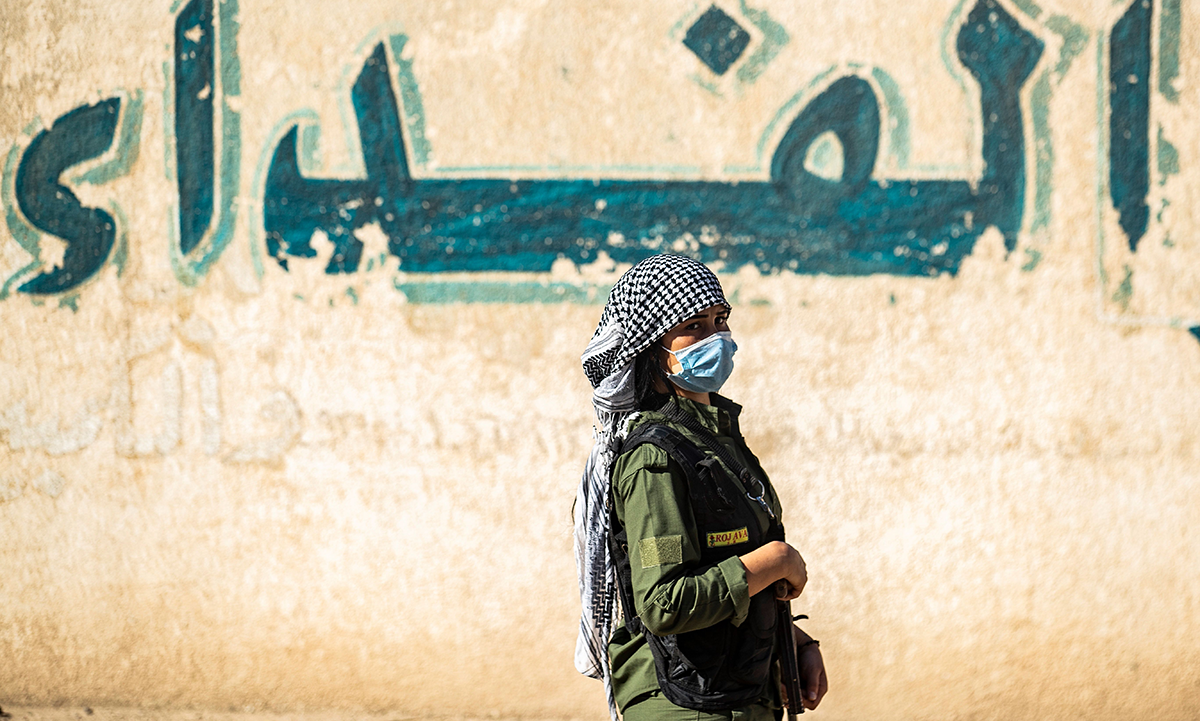
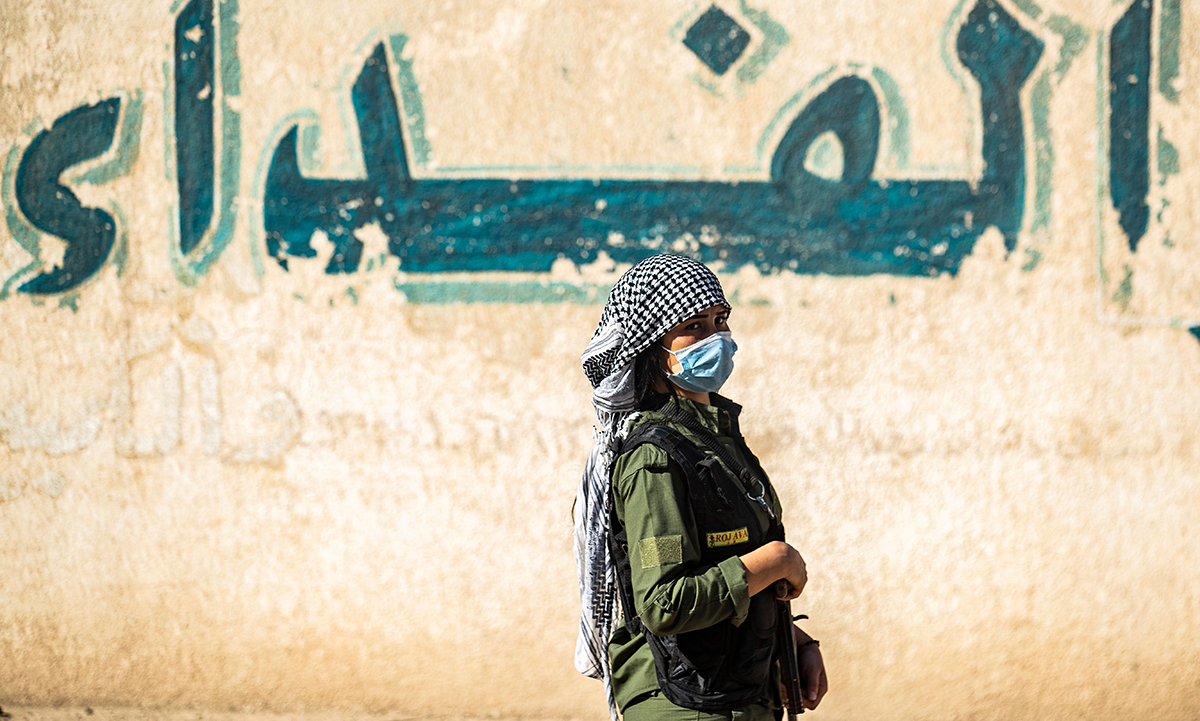
In early June, the SDF, the military wing of the AANES, raided the al-Mouh neighborhood in Abu Hamam in eastern Deir ez-Zor. They burned down several houses under the pretext that their owners were wanted for smuggling oil derivatives to areas under Syrian regime control, but the incident did not provoke any response from the al-Shaitat tribe affected. This raises an important question: Why do local communities respond to attacks by the AANES and its military wing in at most a limited way when these same communities fought fierce battles against the Syrian regime and ISIS when they carried out similar attacks?
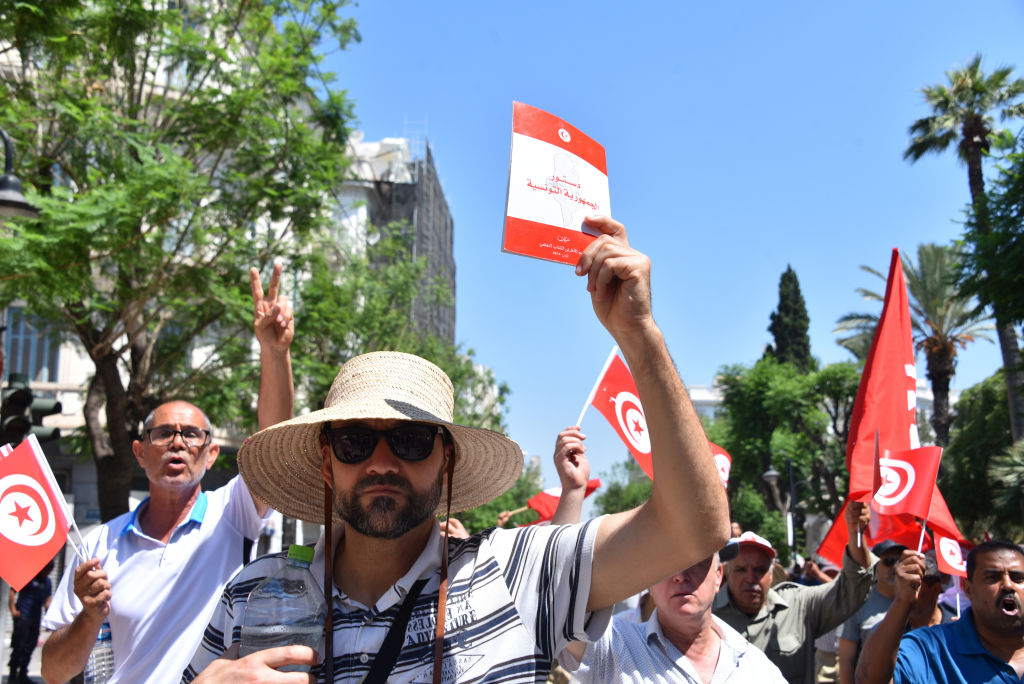
Intissar Fakir is joined by Marwa Haddar and Fadil Aliriza to discuss the economic issues Tunisia is facing, international financial institutions’ role in the crisis, and the government’s actions, or lack thereof, to help the country.
The war in Ukraine: A test for Algiers’ non-alignment doctrine
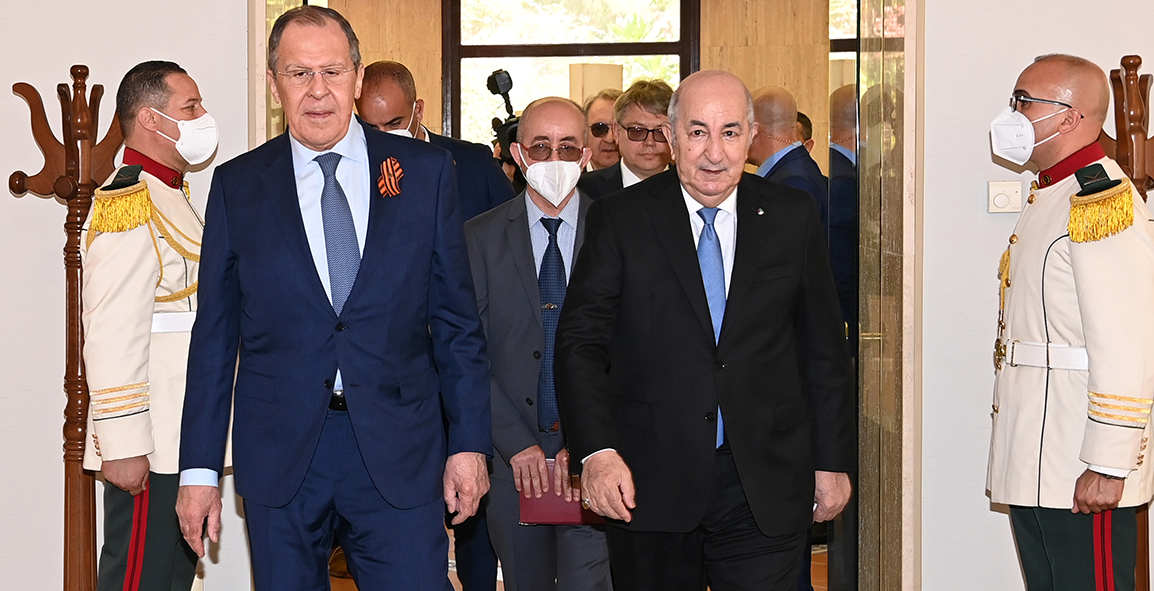
Russian President Vladimir Putin’s decision to invade Ukraine in late February could have unprecedented consequences for North Africa. Algeria will be swept up in the resulting shifts, forcing the country’s civilian and military leadership to make difficult international calculations.
Erdoğan’s opportunism in the wake of the Russia-Ukraine war
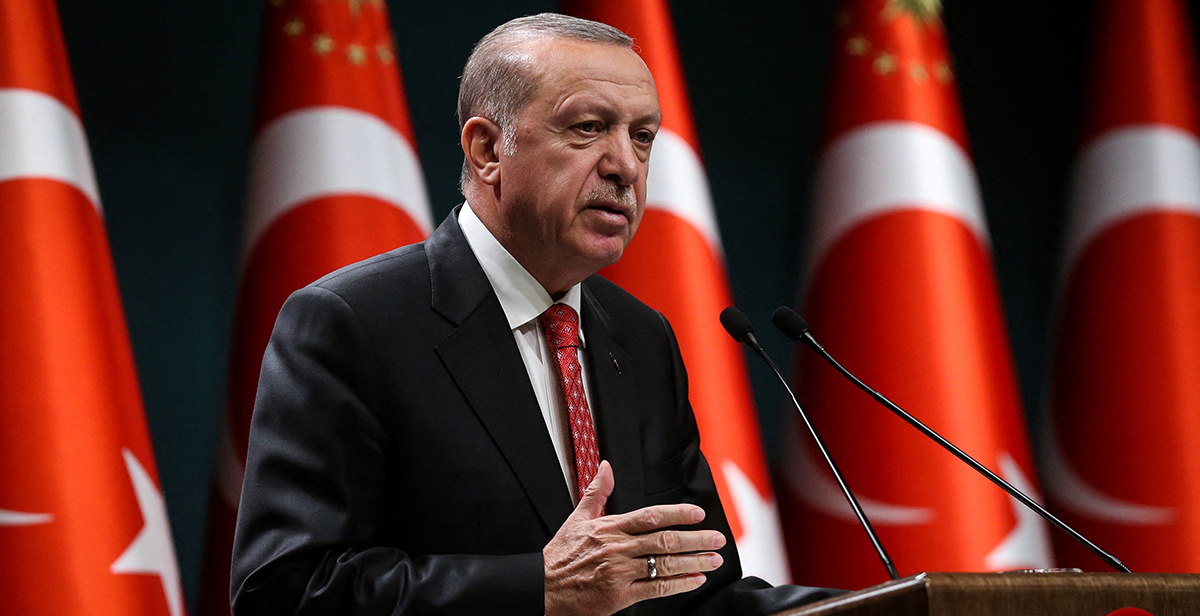
Turkish President Recep Tayyip Erdoğan is notorious for pursuing a one-man foreign policy strategy to consolidate his popularity with his nationalist voter base. He has utilized bold, and sometimes reckless, foreign policy as a vehicle for his political ambitions. Now, Russia’s invasion of Ukraine has opened up new high-risk opportunities for Erdoğan to improve his domestic image, especially as the next Turkish presidential and parliamentary elections approach.
King Abdullah sends subliminal messages about a “Middle East NATO” alliance
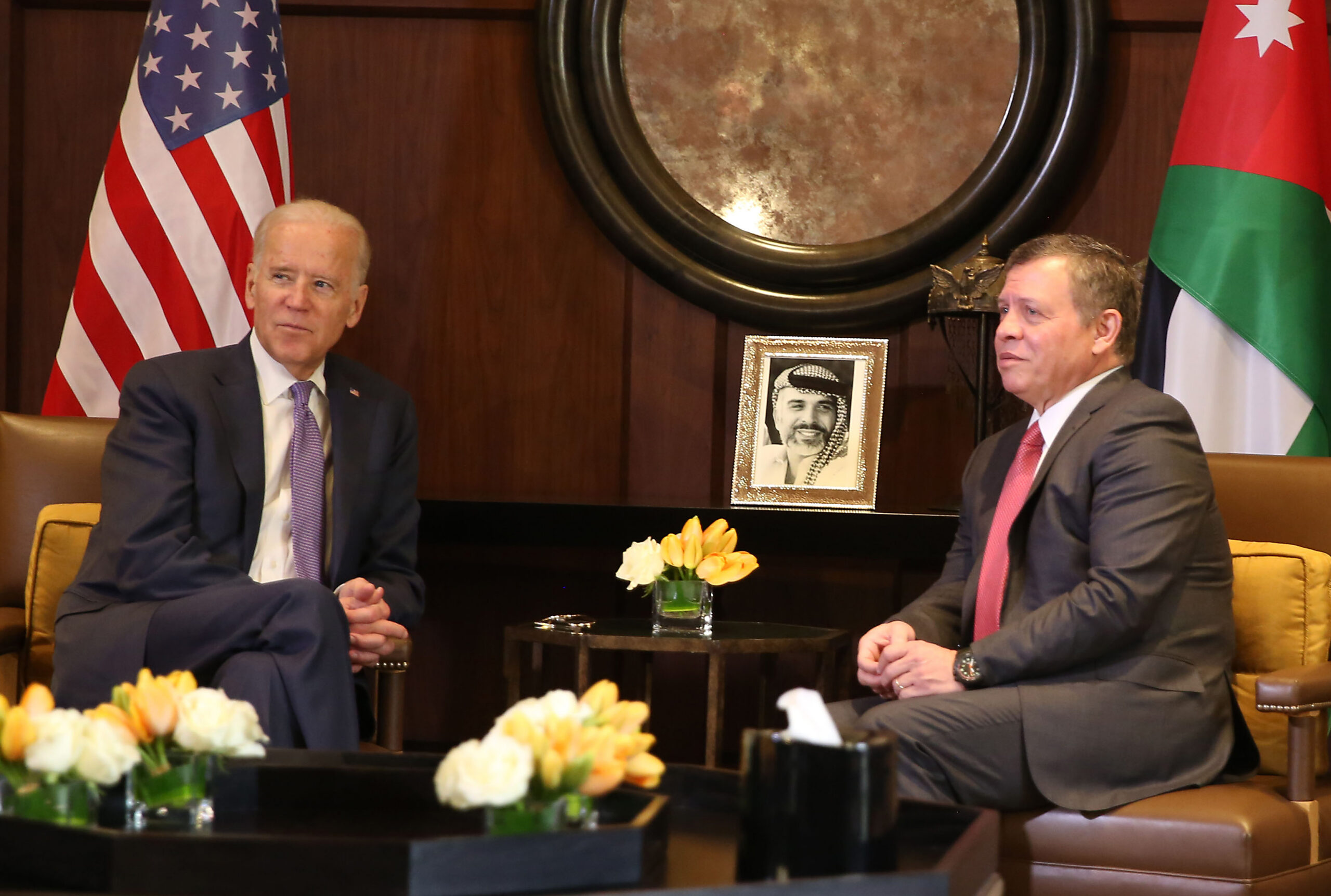
Given Jordan’s often cautious diplomatic demeanor, the best way to respond to media reports that the U.S. was about to launch a “Middle East NATO” regional alliance on the eve of President Joe Biden’s visit to the region was to step in and take a stand. And it seems that King Abdullah thought that saying “yes” to the idea when he meant “yes but” would be the best response at this stage.
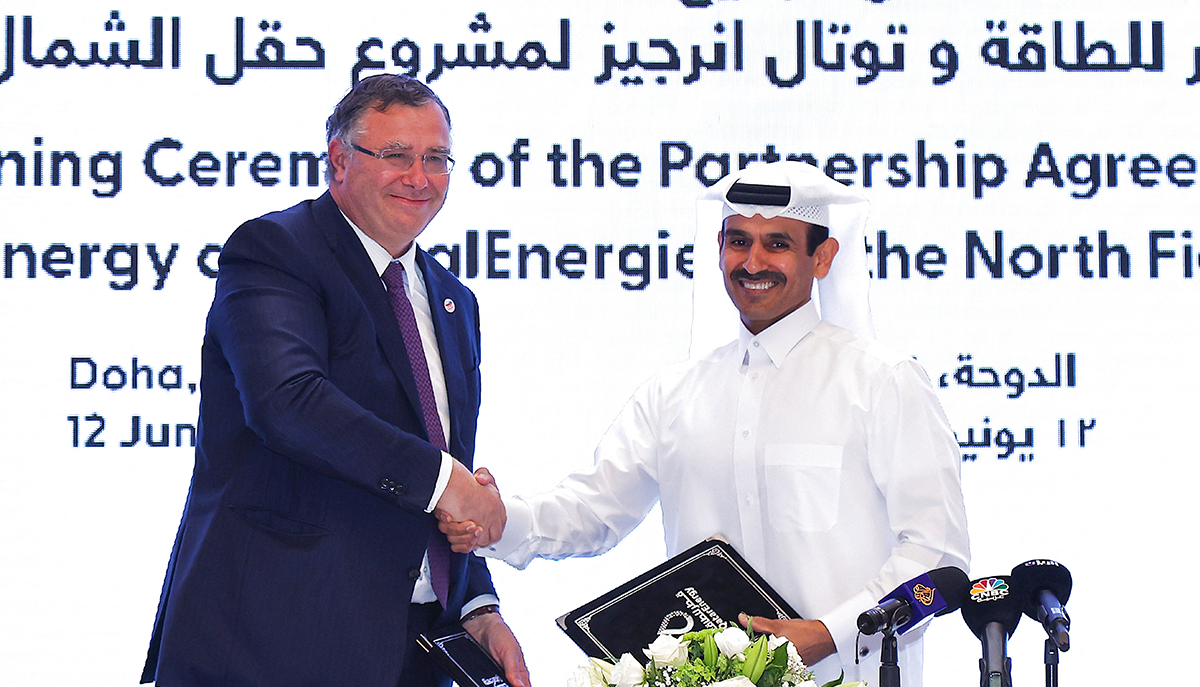
Qatar strengthens ties with international energy players through North Field East Project
Throughout the month of June, Qatar Energy, the state-owned energy company responsible for delivering the newly named North Field East Project, captivated the attention of global energy players. After more than six months of bid evaluation, the Qataris have selected the partners in the drive to expand their LNG capacity. While all partners have minor interests, the Qataris have publicly secured participation from representative Western energy players.
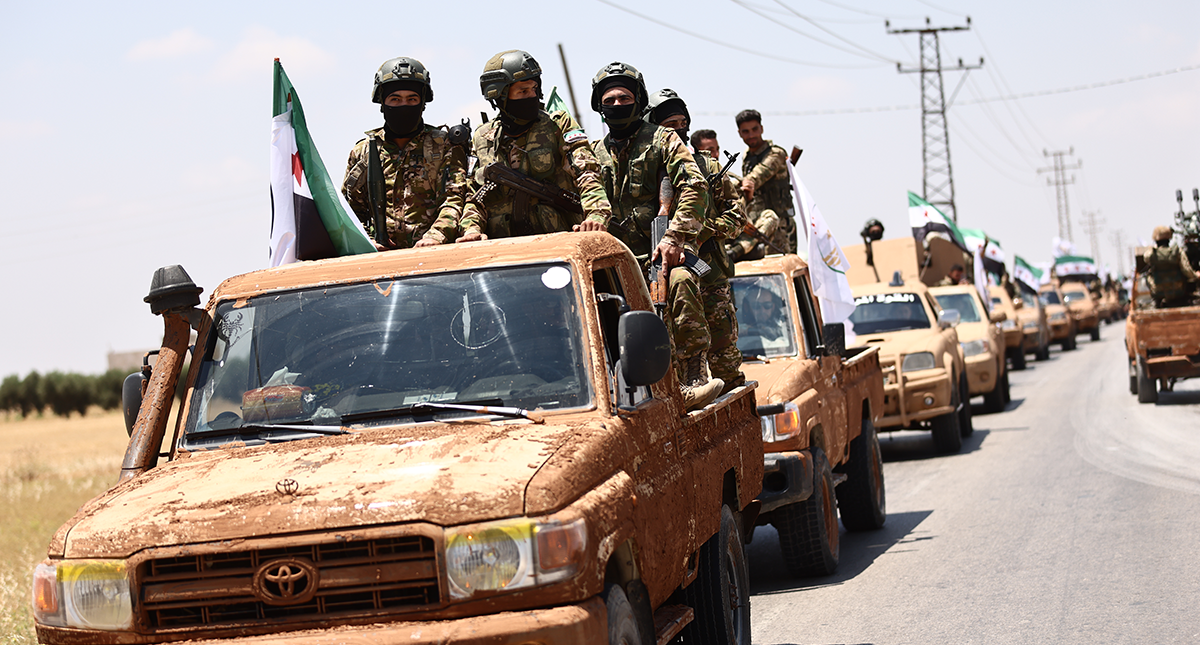
How Iran sees Turkey’s plan for a new military operation in Syria
As the threat of a new Turkish military incursion into northern Syria looms, other international stakeholders in the Syrian crisis continue to voice their concerns over Ankara’s ambitions. At odds with Turkey since 2011 over its desire to overthrow the regime of Syrian President Bashar al-Assad and its support for an array of armed opposition factions, Iran has been increasingly vocal of late in opposing a potential new Turkish military operation.
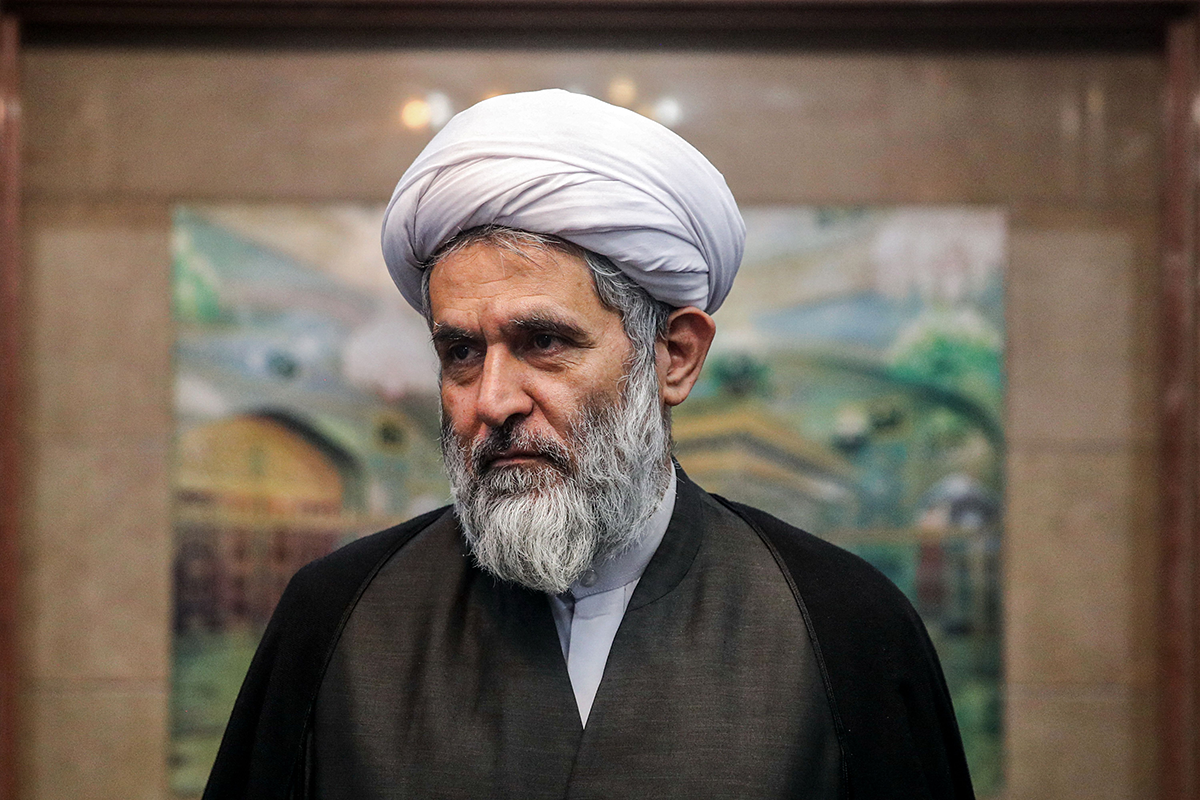
The departure of Hossein Taeb from his post as the head of Iran’s Islamic Revolutionary Guard Corps’ Intelligence Organization triggered a wave of reshuffling in the command structure of the guardsmen. But the story is more than just a reaction to Iran’s unsuccessful terrorist targeting of Israelis in Turkey and counterintelligence lapses. There are internal power struggles and a natural maturation of the Islamic Republic’s security structure that also likely figured into the decision to remove Taeb.
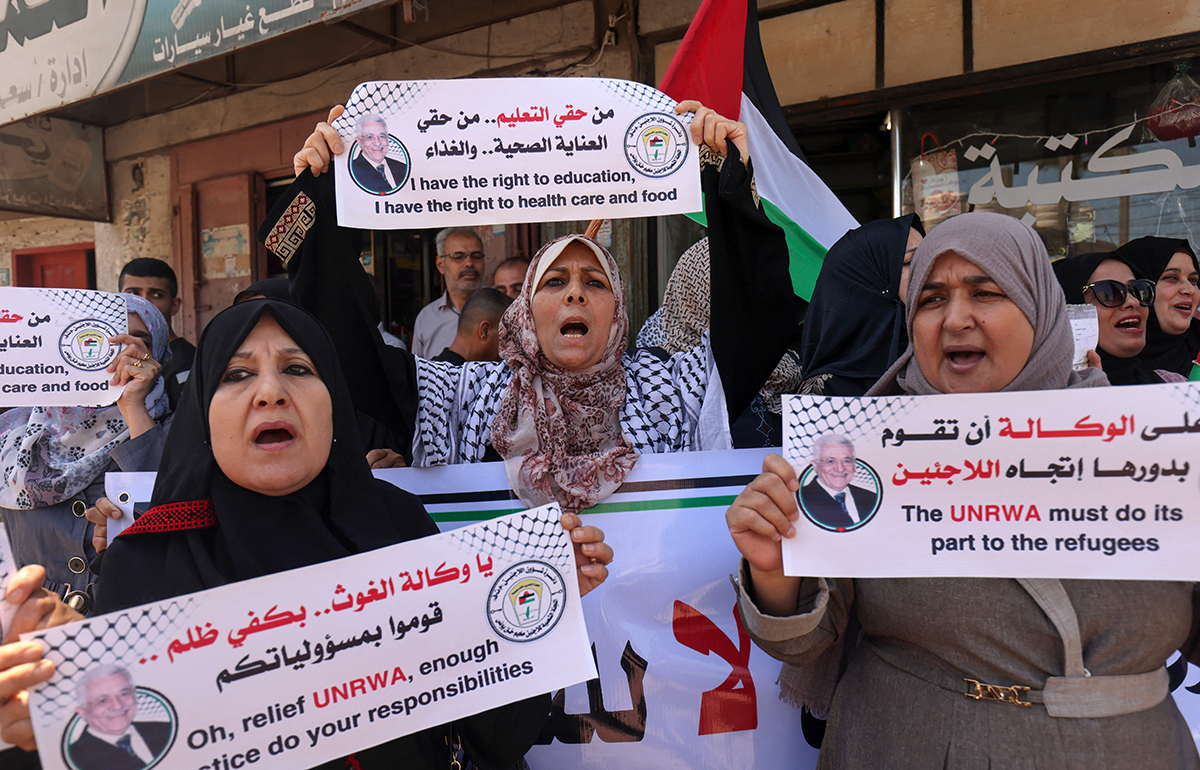
Fearing a collapse: Palestinian refugees and UNRWA’s worsening financial crisis
In early June 2022, the Advisory Commission of the United Nations Relief and Works Agency for Palestinian Refugees in the Near East met in Beirut. Facing a $100 million budget deficit and the indifference of donor countries, UNRWA’s future is uncertain.
Randa Slim is joined by Farhad Alaadin and Marsin Alshamary to discuss the latest political events in Iraqi Parliament, Muqtada al-Sadr, and what the future of Iraqi politics could look like moving forward.