This individual is a guest contributor. MEI is not able to assist with contact requests.
Rebecca Anne Proctor is an independent journalist, editor, author, and broadcaster based in Dubai and Rome, from where she covers the Middle East and North Africa. She is the former editor-in-chief of Harper’s Bazaar Art and Harper’s Bazaar Interiors.
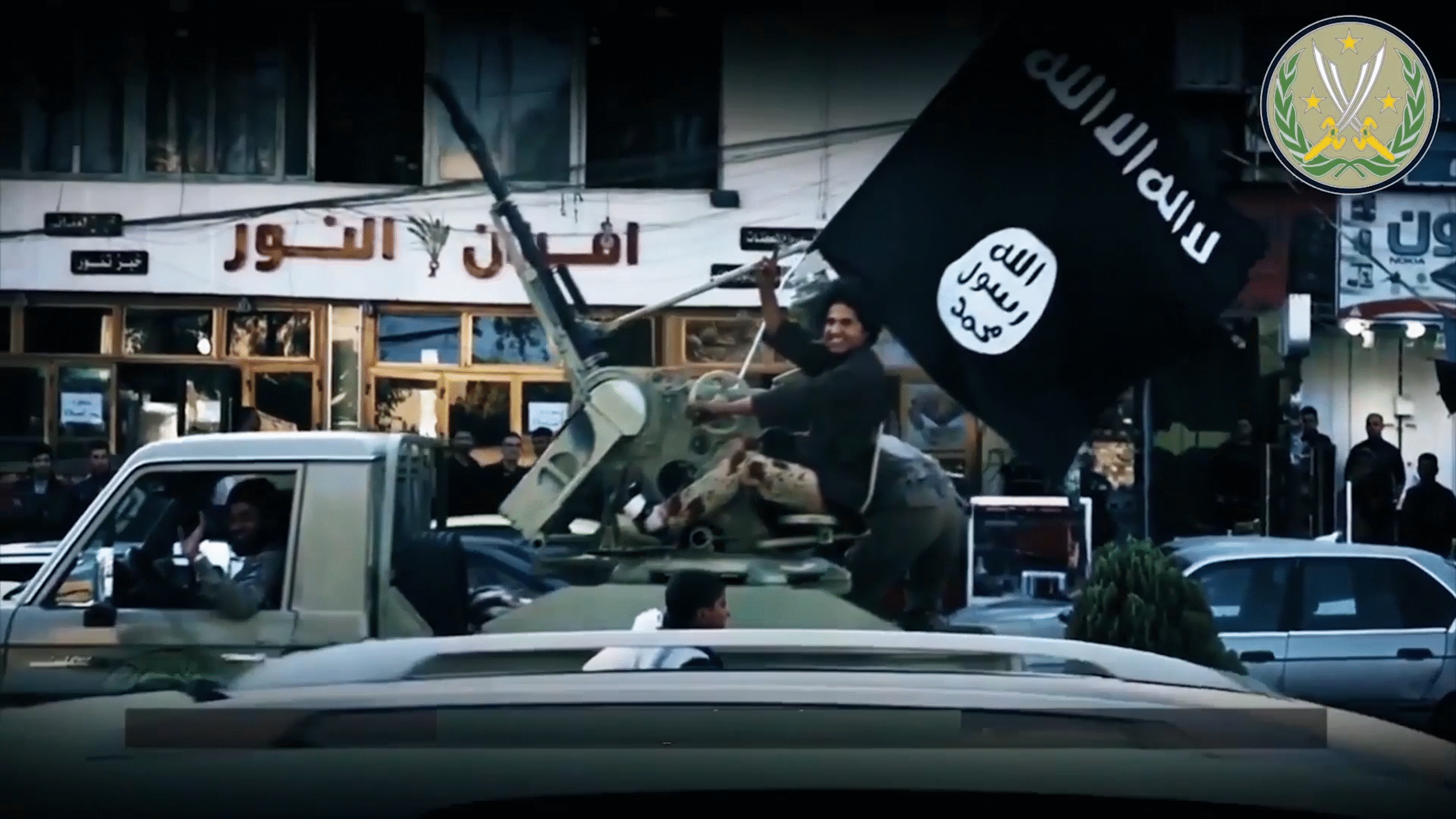
Shiraz Maher – Co-Director of the International Centre for the Study of Radicalisation (ICSR) – and Charles Lister – Director of MEI’s Syria and Countering Terrorism and Extremism Programs – speak to MEI Editor in Chief Alistair Taylor about ISIS and the detainee dilemma. What is the international community to do with the tens of thousands of foreign ISIS detainees and their families, including children, held in makeshift facilities in northeastern Syria under the control of the Syrian Democratic Forces?
Change and continuity in EU’s foreign policy in the MENA region: What to expect from the new political cycle in Brussels
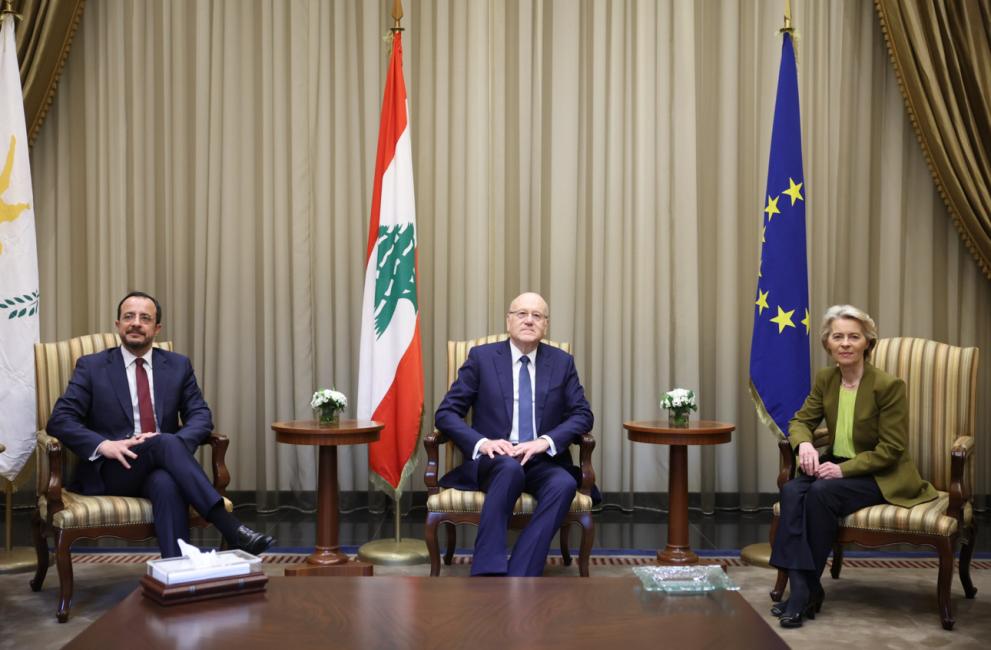
In the corridors of power in Brussels, it is common to hear that the position of the EU High Representative for Foreign Affairs and Security Policy is an impossible job. It may actually become even more difficult for the outgoing Estonian Prime Minister Kaja Kallas, who is set to succeed the Spanish Josep Borrell as the European Union’s foreign policy chief in the coming weeks.
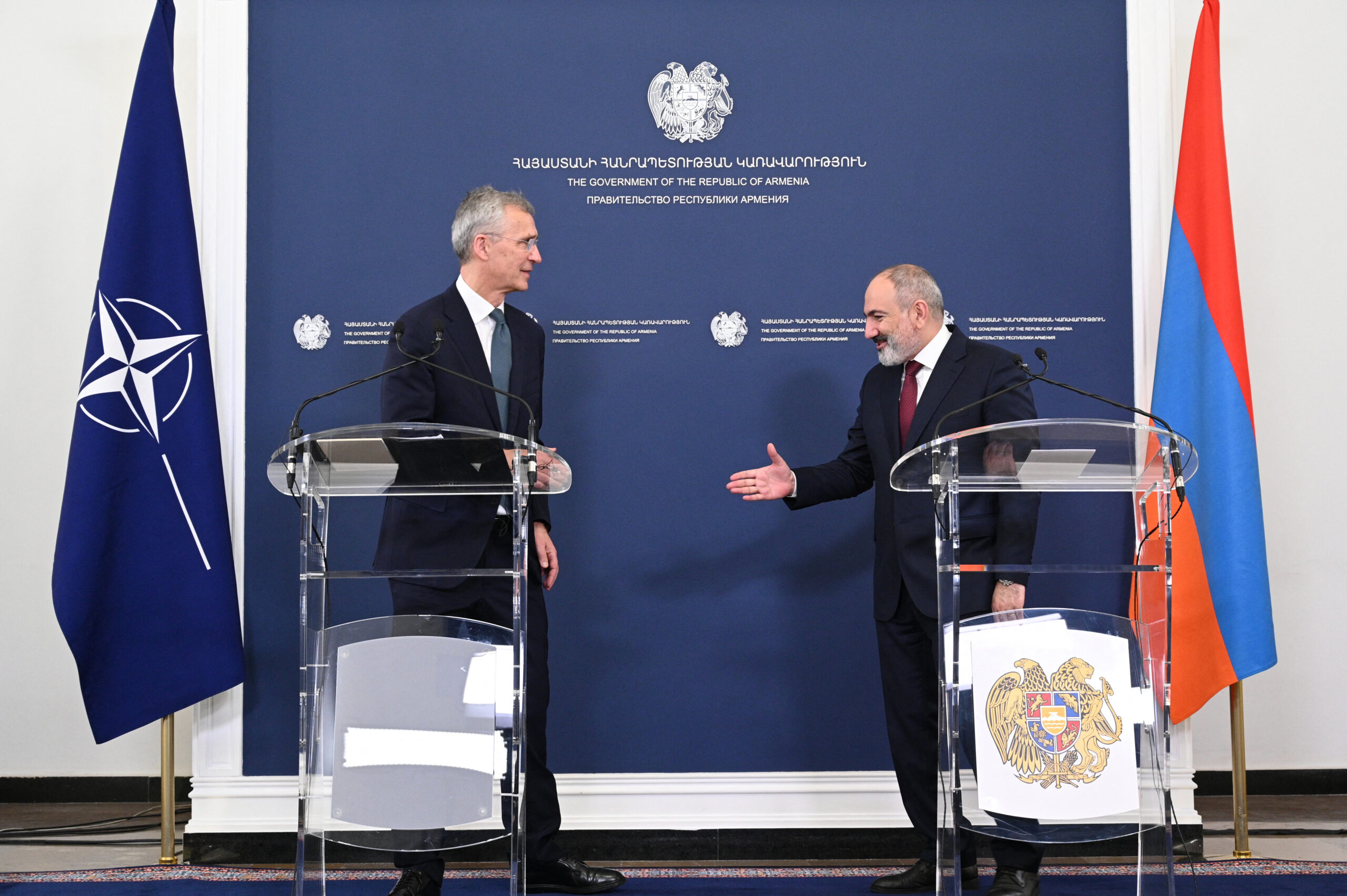
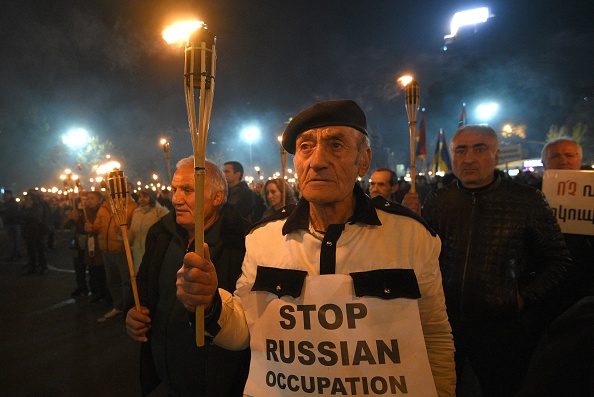
De-Russification: Understanding the trajectory and reversibility of Armenia’s Western pivot
The question of whether Armenia’s recent shift away from reliance on Russia is reversible is central to understanding its democratization trajectory. In recent years, Armenia’s dependency on Russia for security and economic stability has been severely tested, particularly during the 2020 Second Karabakh War and subsequent Azerbaijani incursions on sovereign Armenian territory, where Russia’s lack of support led to widespread disillusionment. This discontent has spurred Armenia to diversify its security, economic, and diplomatic ties, with a notable strengthening of relations with the United States. However, the sustainability of this shift remains uncertain, as it hinges on various societal factors and internal dynamics.
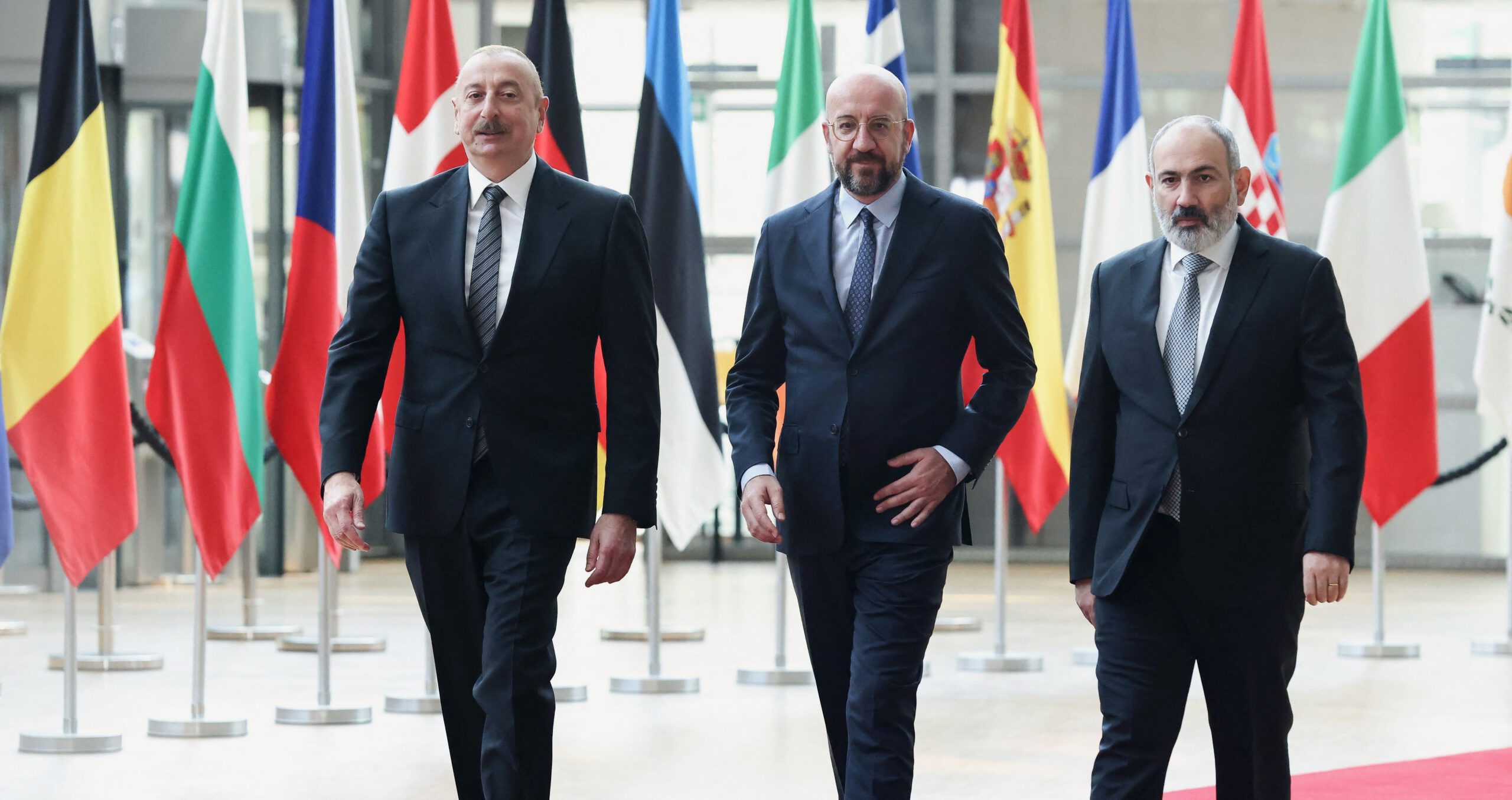
Azerbaijan-Armenia peace talks: The status quo and an emerging diplomatic breakthrough
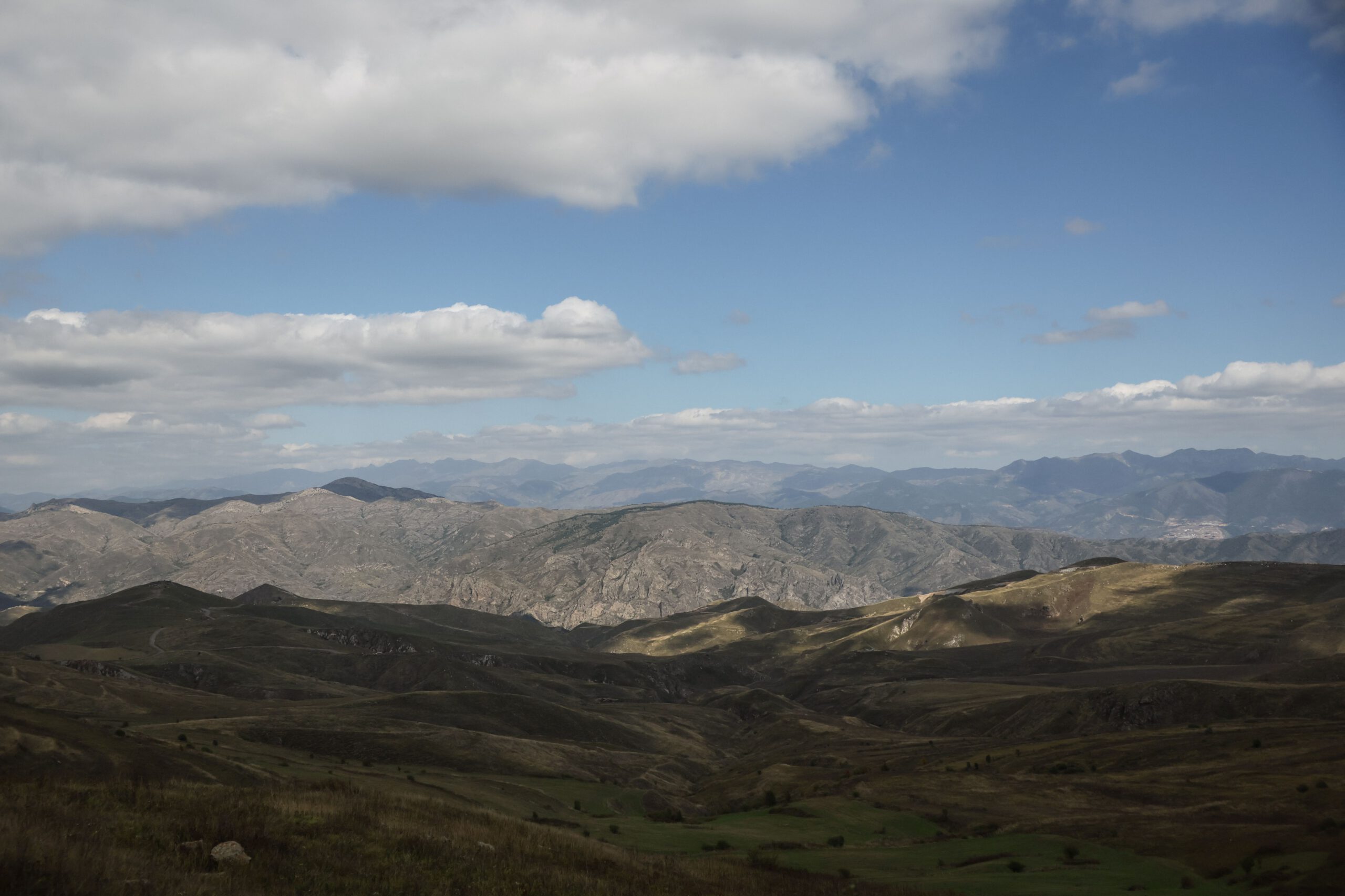
Azerbaijan’s takeover of Karabakh in September 2023, while a disruptive event, has opened the window for renewed dialogue to peacefully resolve the longstanding tensions between Azerbaijan and Armenia. While the ongoing negotiations are unlikely to lead to a comprehensive peace deal in the near term, they could alter the strategic calculus of key actors in the region. The most likely and consequential outcome of the talks will be a peace framework agreement that could rebalance the regional status quo, potentially leading to a peace deal between Armenia and Azerbaijan.
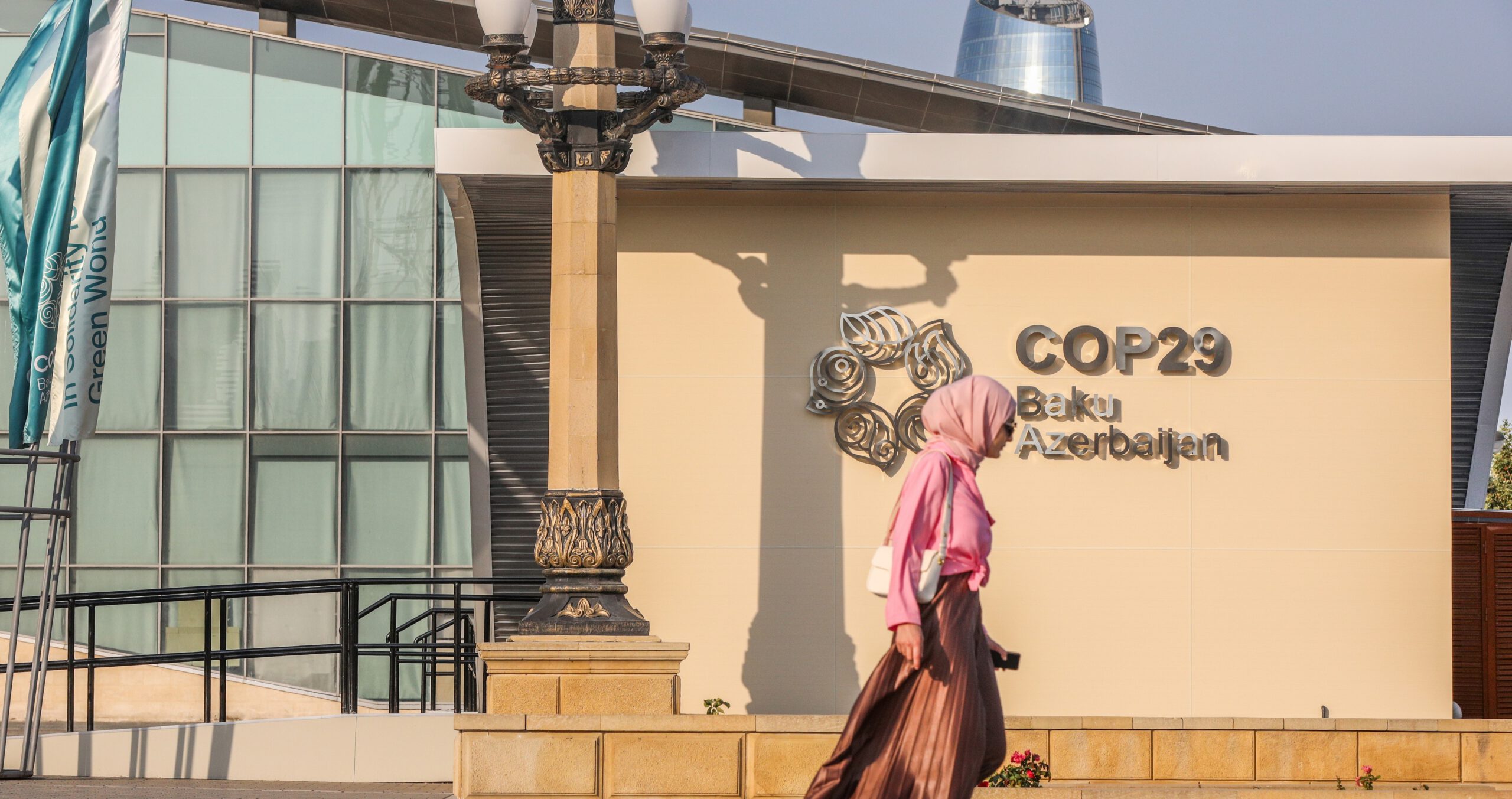
Azerbaijan’s green shift: Energy transition, COP29 commitments, and US collaboration
Azerbaijan seeks to establish itself as a major actor in the global energy transition space as it prepares to host the 2024 UN Climate Change Conference (COP29) in Baku, on November 11-22. COP29 offers many opportunities to improve US-Azerbaijani energy cooperation, including by coordinating the United States’ clean energy technology goals with Azerbaijan’s renewable energy revolution.
Russia’s relations with Hezbollah amid escalation on Lebanon-Israel border
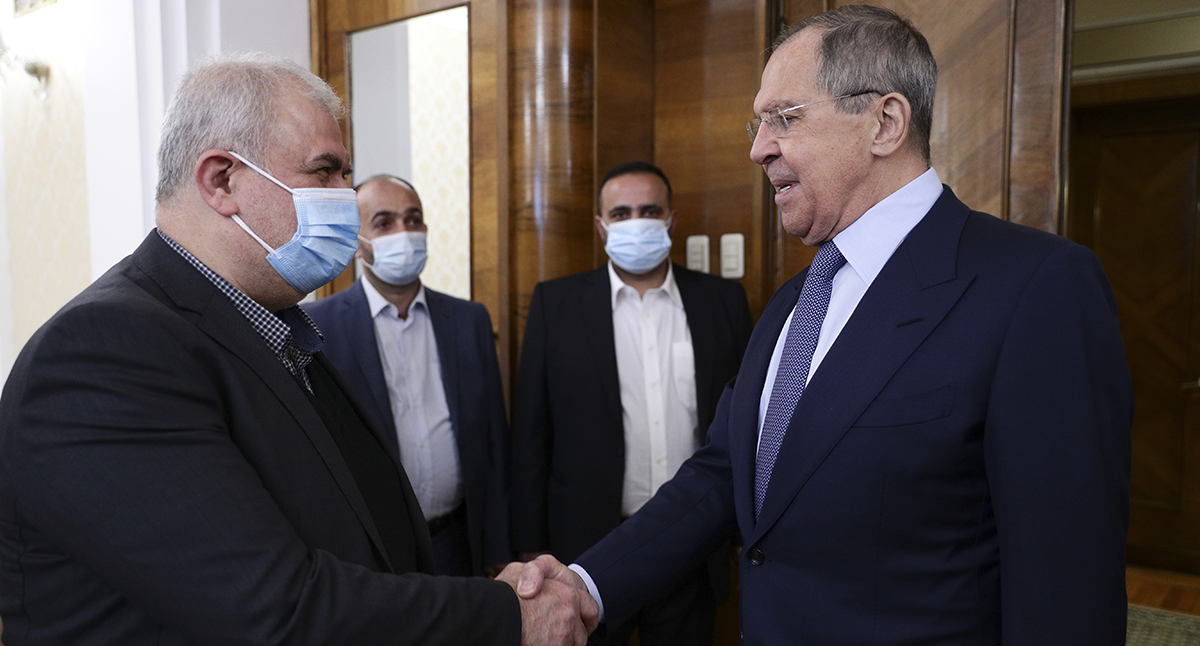
Russia’s concern about an escalation of hostilities in Lebanon reflects its long-standing partnership with Hezbollah. Due to this multidimensional relationship, Russia has urged Iran to exercise restraint against Israel to prevent the outbreak of a destructive hot war in Lebanon.
Algeria’s 2024 presidential elections: Keeping up with populist authoritarianism
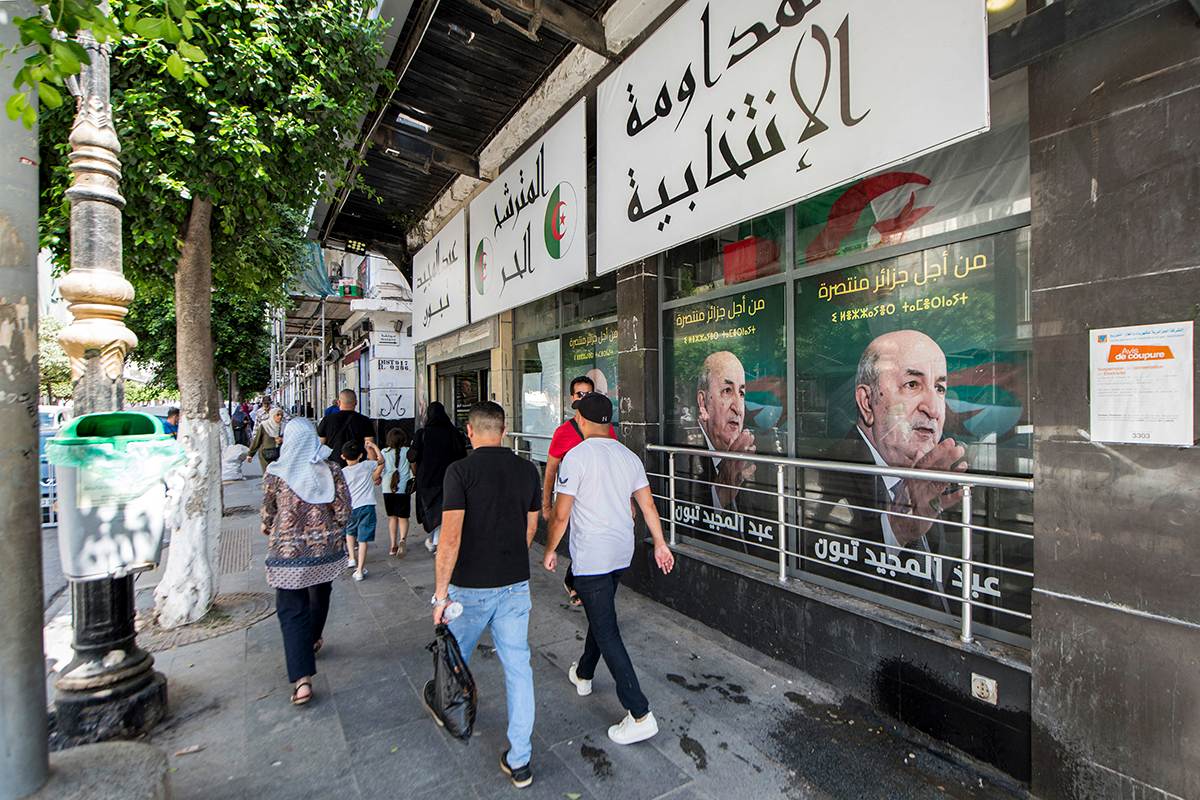
Algeria is poised for a presidential election on Sept. 7 that, while seemingly predetermined, reveals the complexities of a political landscape profoundly shaped by popular disillusionment following the failure of the 2019 Hirak protest movement. Five years on, incumbent Abdelmadjid Tebboune is promising a second term based on the “continuation of the social state,” but his attempt to renew a social contract based on populist promises of a neoliberal economic renewal is colliding with the lack of institutional reforms necessary to achieve them.
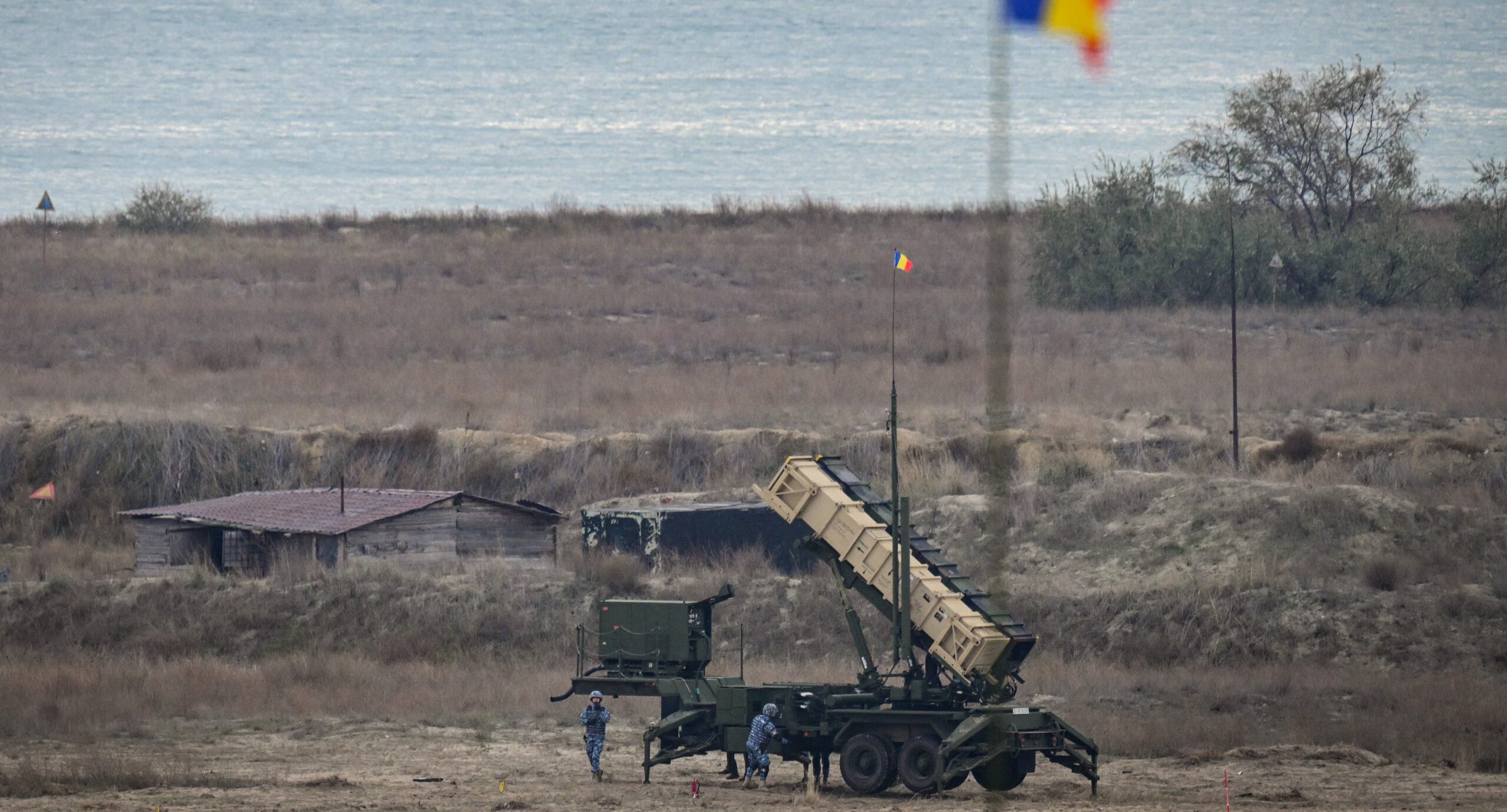
After the Cold War, the Romanian government chose to slim down its sizeable defense industry, but it essentially maintained its state-backed structure, personnel, and management, thus producing a thoroughly inefficient system. Today, Romania retains a proclivity to purchase Western, and particularly American, defense equipment; but it has often neglected any thorough assessments of life cycle costs or real force design considerations.
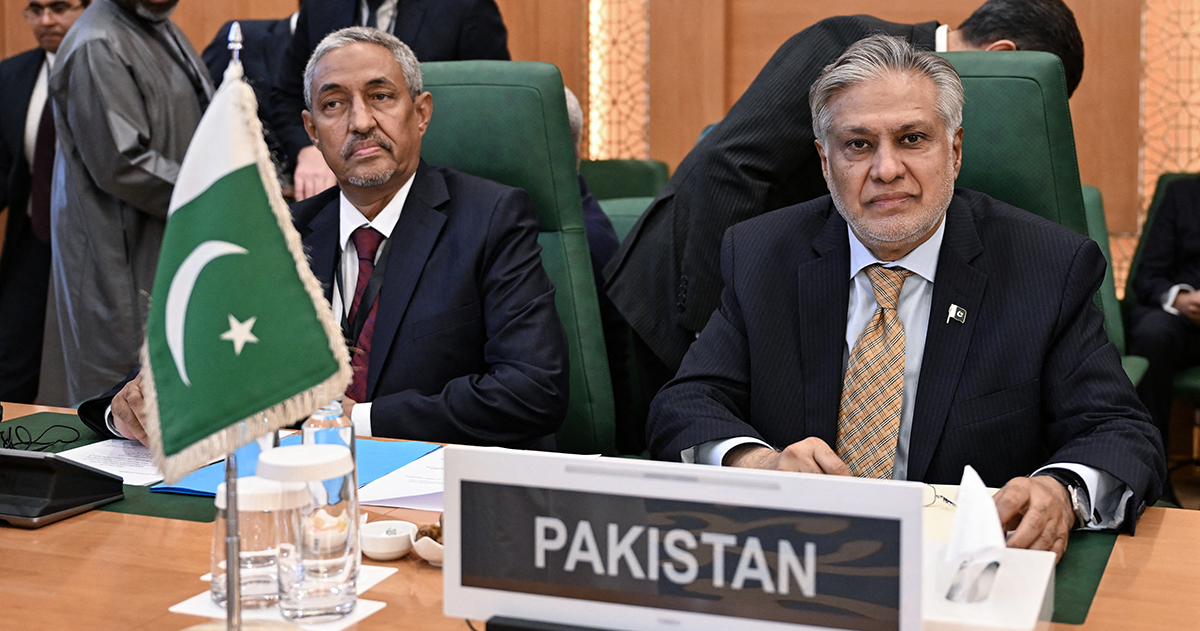
Pakistan’s shifting positions on the plight of Palestinians and relations with Israel
It is ironic that Pakistan and Israel are both countries created in the name of religion, at around the same time, and yet they have no formal relations. While Pakistan’s animosity toward Israel is rooted in the displacement of Palestinians, it has also served as a means of burnishing the country’s credentials within the community of Muslim nations and pushing back against India, which maintains increasingly close ties with Israel.