The Latest from Salam Kawakibi

America Cannot Afford to Miss This Opening in Lebanon
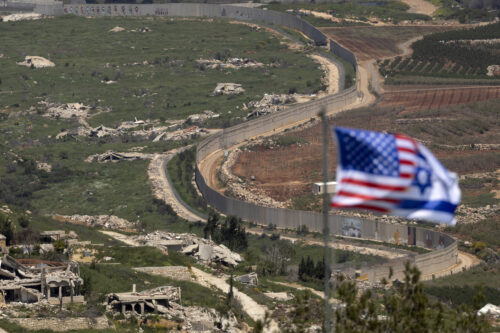
President Donald Trump has an opportunity to do something no American president has managed in nearly half a century: end the war between Israel and Lebanon for good.
A Lasting Iran Resolution Needs Arab Input
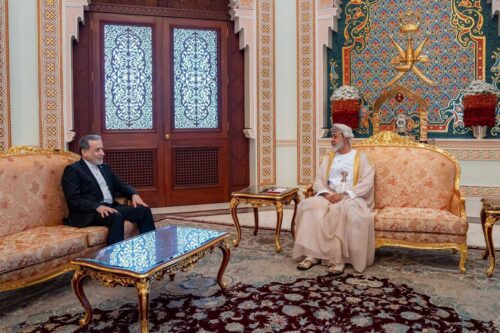
In the Trump administration’s diplomatic track with Tehran, one crucial variable is missing: steady US engagement with its Arab partners, particularly in the Gulf, on what the strategic endgame with Iran looks like.

Test of Wills: Iran’s Ability to Outlast the US Blockade
The standoff in the Hormuz is not simply a question of whether Tehran can survive economic pressure, but whether Washington can sustain the pressure at an acceptable cost.
America Is Fighting the Wrong Drone War
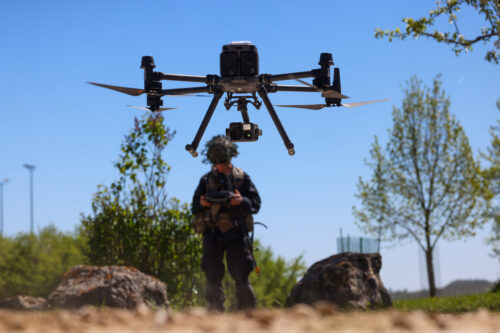
For two decades, US drones hunting terrorists across the mountains of South Asia were the symbol of American military power: precise, lethal, and unmatched. That era is now over. Drones are no longer exquisite tools of counterterrorism and have evolved into something far more common and destabilizing: cheap, expendable, and mass-produced tools of attrition.

Why Some Gen Z Protests Succeeded as Others Stumbled
In 2025, youth protests over corruption, precarity and broken promises by government officials swept across multiple regions around the world. Demonstrations in Nepal forced early elections, while unrest in Peru toppled a president. In Morocco, Kenya, Indonesia and Serbia, young people mobilized around similar grievances, with widely varying effect.

A New-Old Regime in Tehran
The Gulf’s Iran Problem Isn’t Solved
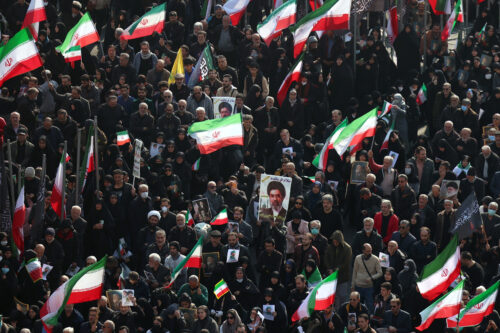
Operation Epic Fury has delivered tactical gains without a viable strategic end state. The Strait of Hormuz remains effectively closed, Iran’s leadership has reorganized, and the diplomatic track has fractured.

Turkish Foreign Policy
After a decade of post-Arab Spring isolation, Turkey’s leaders have recognized that their ambition to position the country as an agenda-setter on the world stage requires active engagement in all directions. President Recep Tayyip Erdoğan’s consolidation of executive authority has centralized foreign policy decision-making and tied it to his domestic political priorities, transforming the country’s revisionist approach to one shaped primarily by personal and pragmatic interests.

Mending the Rift: Iran and the UAE’s Post-War Ties
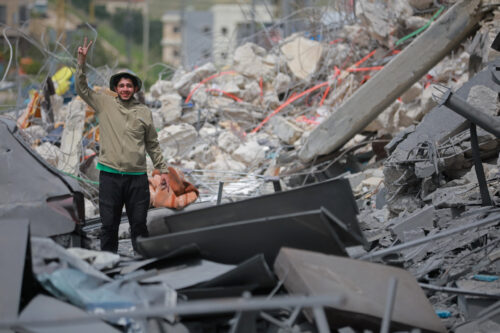
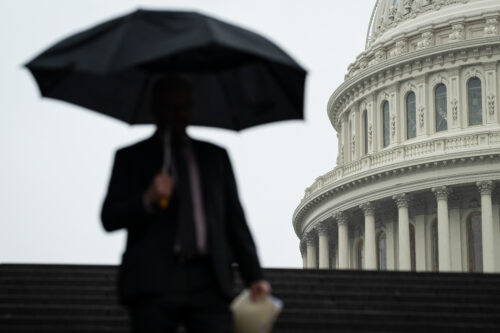
Iran War Is Souring Americans on the Middle East
The opposition in Congress is attempting to force a war powers vote on the Trump administration’s Iran operation, with an eye toward the 60-day deadline on military action legally imposed on the executive branch; and key defense-spending measures are also on the immediate horizon. These actions on Capitol Hill could shape the trajectory of how the US moves forward in Iran and the region — and influence Americans’ overall appetite for long-term engagement in the Middle East.
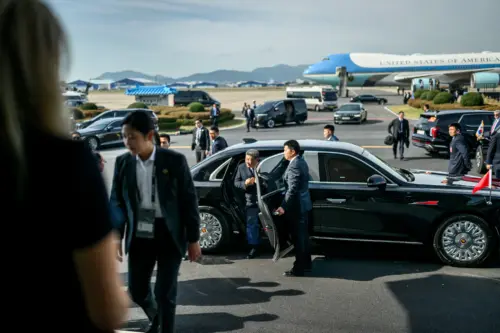
How China Is Positioning Itself Ahead of the Trump–Xi Summit
Chinese Foreign Minister Wang Yi has just concluded a two-day visit (April 9–10) to North Korea, in his first trip to Pyongyang in more than six years. The visit emphasized strengthening high-level exchanges and expanding practical cooperation. With U.S. President Donald Trump set to arrive in Beijing in mid-May for a high-stakes summit with President Xi Jinping, the visit forms part of broader diplomatic activity across multiple fronts.



