This individual is a guest contributor. MEI is not able to assist with contact requests.
Sara Sadek is an affiliated researcher and coordinator at the Center for Migration and Refugee Studies (CMRS) at the American University in Cairo. She obtained an MA in Refugee Studies from the University of East London. Since 2005, she has worked on various research projects on Iraqi and Sudanese communities in Egypt, contributing to a report on Iraqis in Egypt and recently producing a paper on challenges of integration for Iraqis in Arab states for the Henry L. Stimson Center’s forthcoming volume Transnational Challenges.
الولايات المتحدة لديها فرصة لفرض تنازلات على إيران في صفقة محتملة
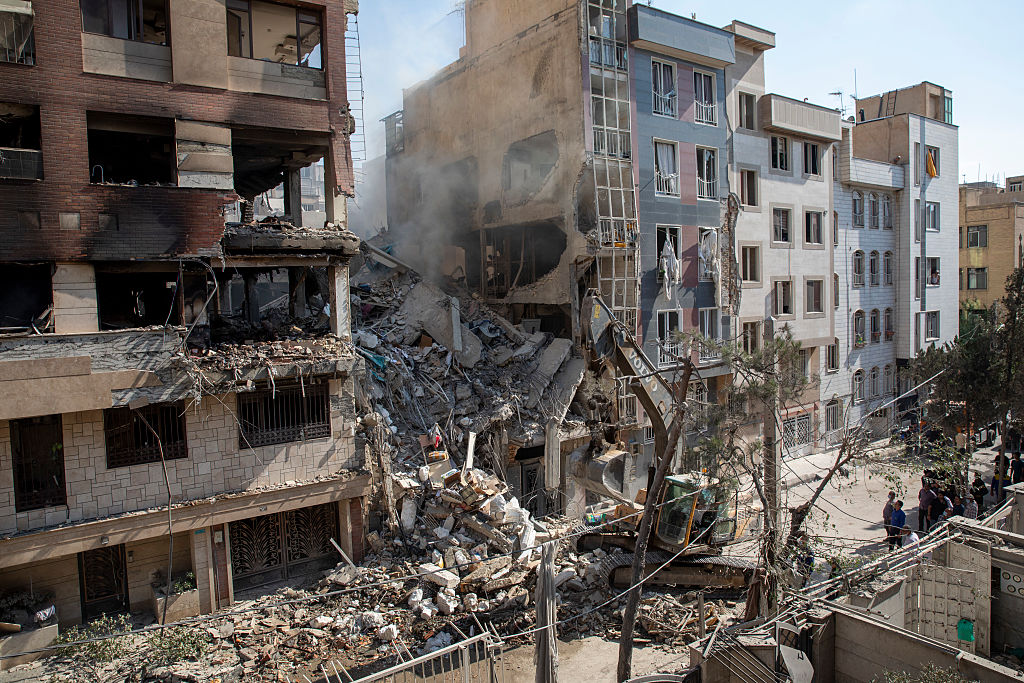
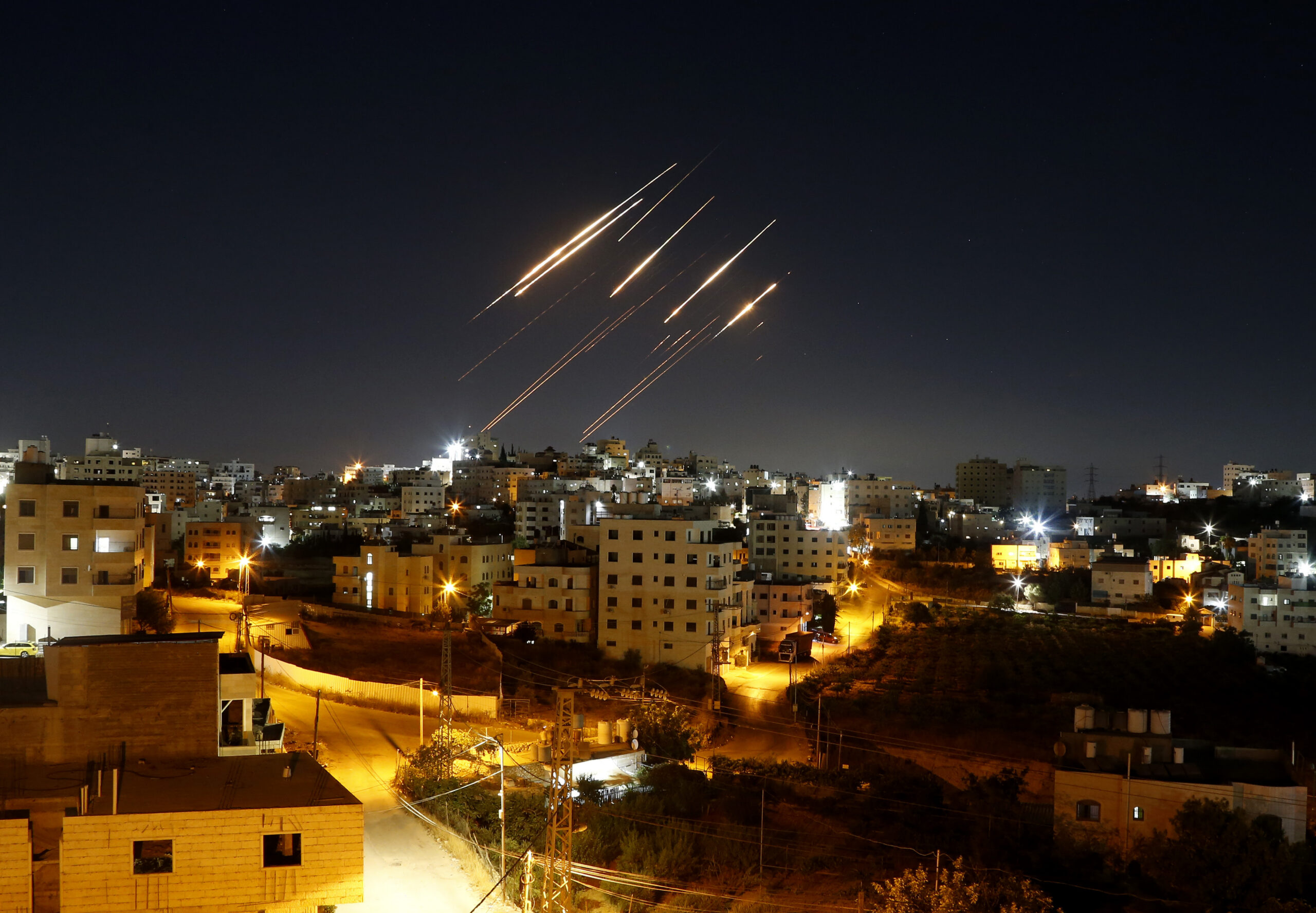
مع اشتداد الصراع بين إسرائيل وإيران، تتزايد التحذيرات من أن الحرب قد تؤدي إلى انتشار إشعاعي خطير ومدمر في معظم أنحاء المنطقة. لكن مواقف مختلف الأطراف الفاعلة الرئيسية في الخليج وخارجه فتحت الباب أمام تسوية سياسية أوسع بين الولايات المتحدة وإيران يمكن أن تنهي الأعمال العدائية قبل أن يتحقق مثل هذا السيناريو الخطير.
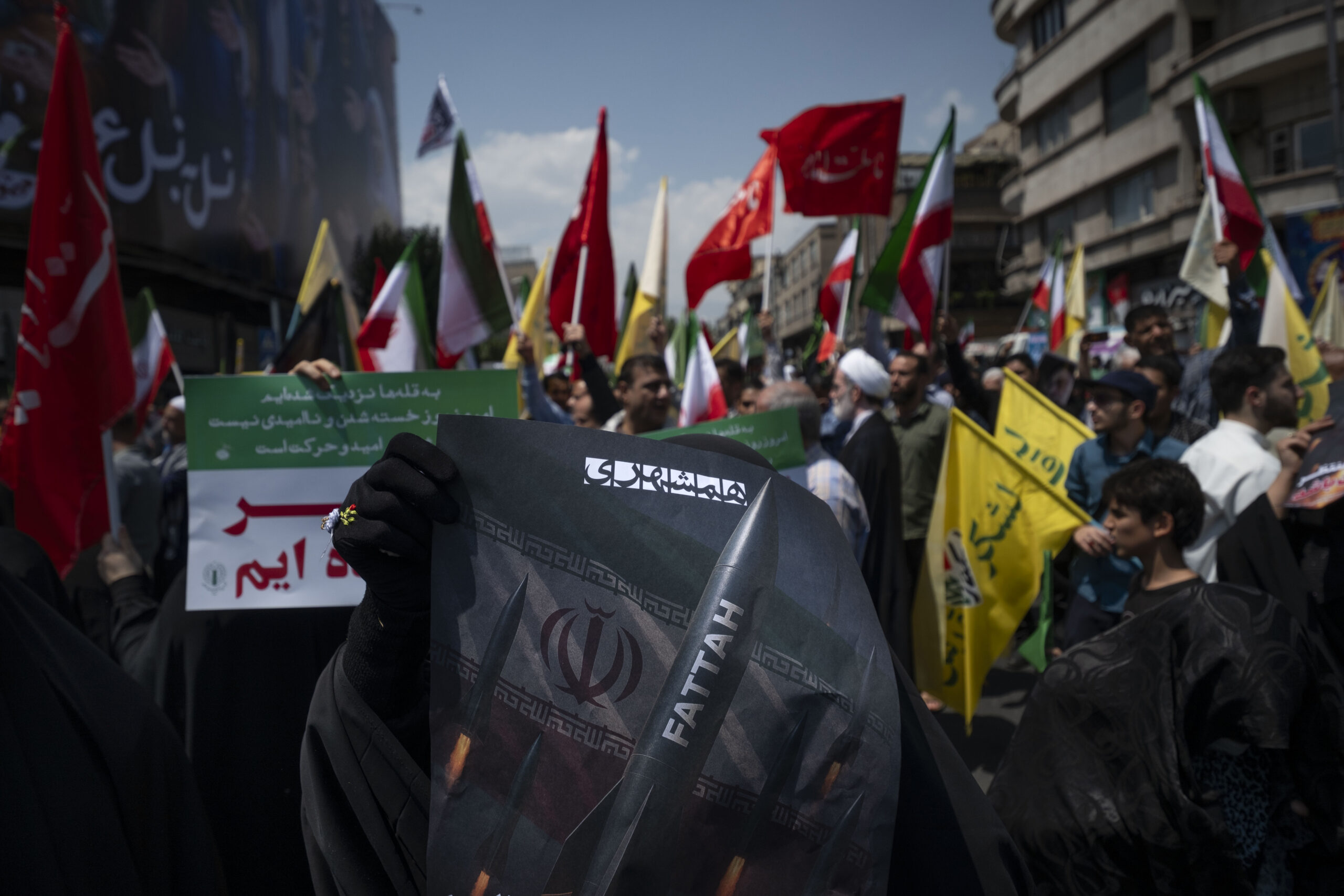
As the war between Iran and Israel continued, Supreme Leader Ayatollah Ali Khamenei delivered a speech on June 17, framing the conflict as an “imposed war” and calling for national unity. But instead of using this moment to explore diplomatic off-ramps, particularly as President Donald Trump signaled the possible direct participation of the United States in the war on the side of Israel, Khamenei opted for posturing over negotiation and left the Iranian people even more fearful about the future.
A divided and distracted America edges towards another major Middle East war
As the world watches and waits to see whether the conflict between Israel and Iran escalates into a wider war and whether the United States gets more directly involved, Americans remain sharply divided and mostly distracted by events closer to home, for now.
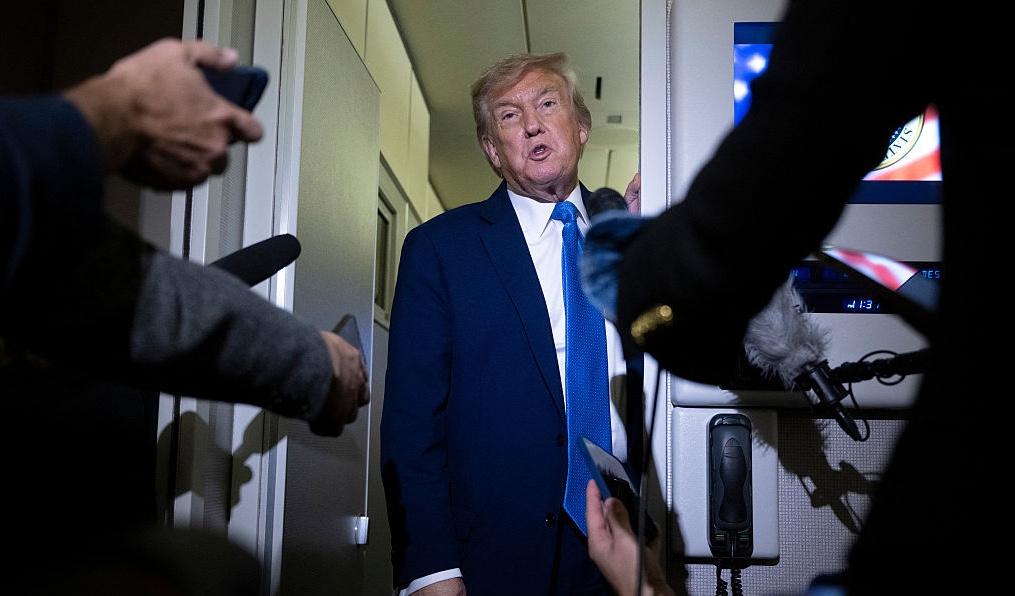
President Donald Trump threatens Iranian Supreme Leader Ali Khamenei. But measured language and disciplined policy can help prevent escalation and protect American interests.
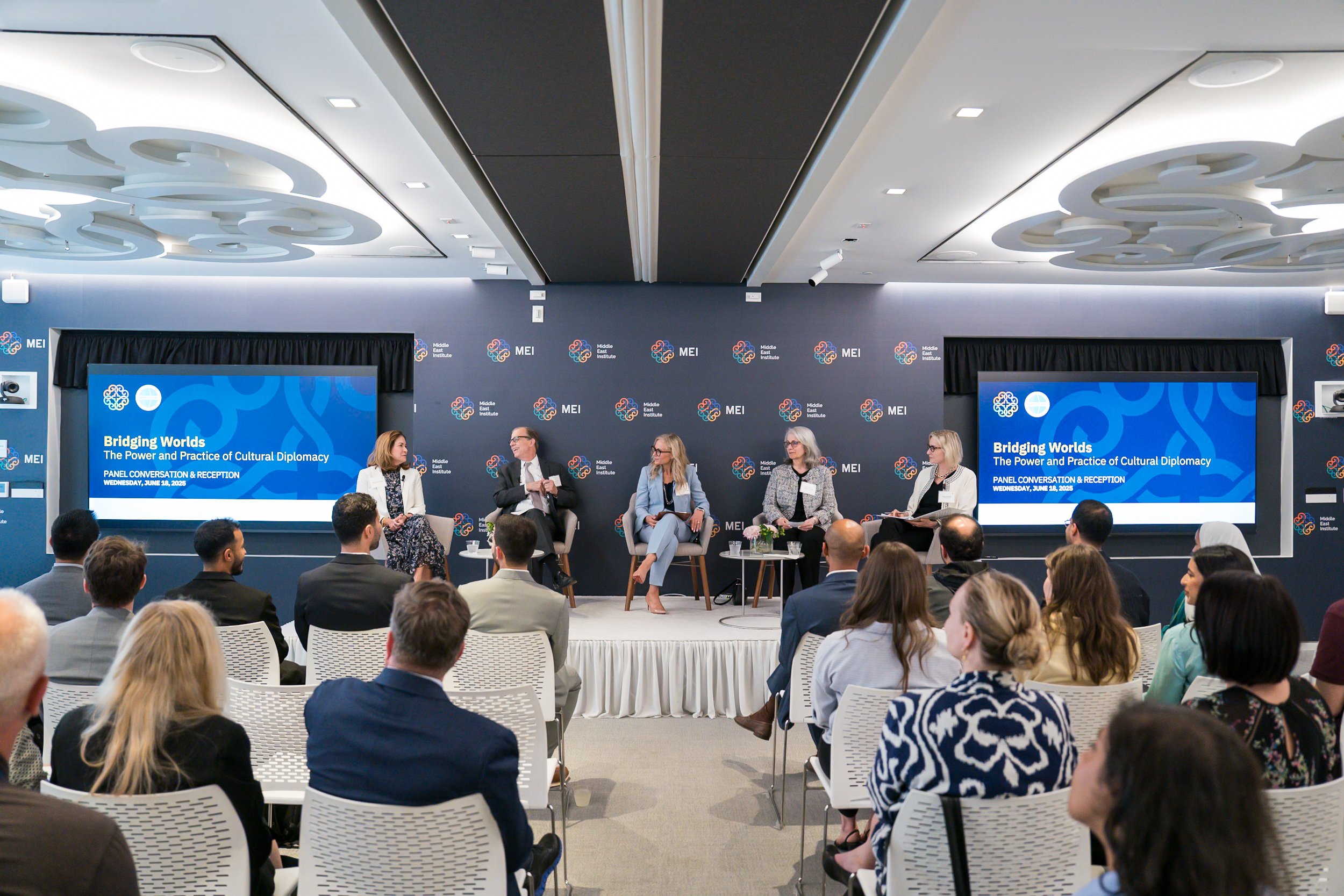
تستكشف هذه الجلسة كيف يمكن للدبلوماسية الثقافية أن تكون أداة قوية لتعزيز التفاهم المتبادل، ودفع المصالح الوطنية، وبناء علاقات دولية دائمة في زمن يتسم بالتغيرات العالمية السريعة.
Bonus Episode: Updates on the Israel-Iran Conflict
Welcome to a special Bonus Episode of Middle East Focus. We’re pleased to bring you access to a recent MEI press briefing on the evolving Israel-Iran conflict, recorded on June 16, 2025. You’ll hear from MEI’s Distinguished Diplomatic Fellows Barbara A. Leaf and Alan Eyre, as well as our Distinguished Military Fellow Gen. Kenneth F. McKenzie, Jr., USMC (ret.), who bring decades of firsthand experience working on Iran policy and regional security issues.
The Israel-Iran war: Scenarios for the days — and years — ahead
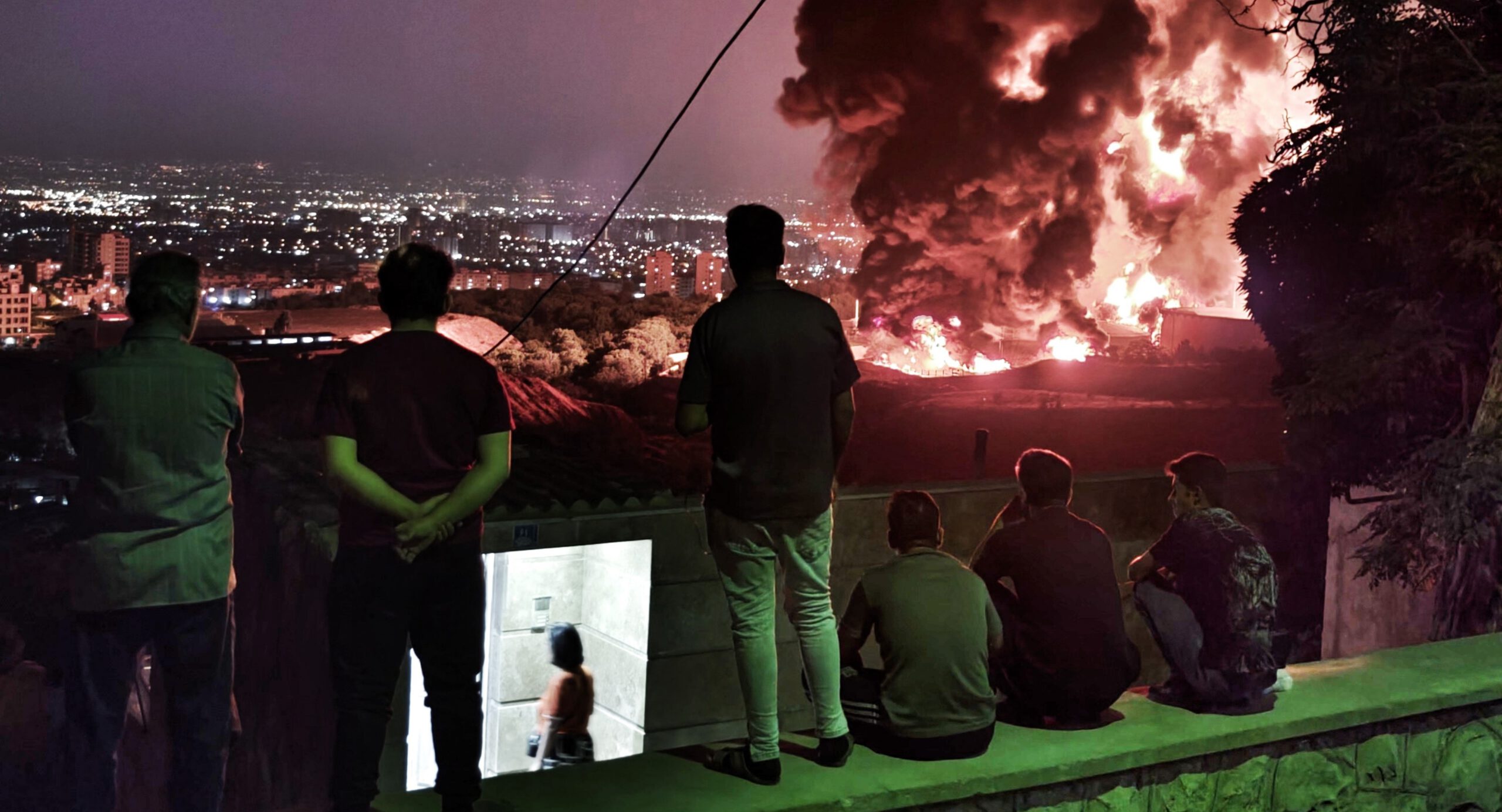
The evolving confrontation with Israel and the United States places the Islamic Republic of Iran at a critical inflection point. Tehran faces choices that range from limited negotiation and strategic restraint to escalation and eventual collapse. The following analysis explores the key scenarios that could unfold in the coming days, weeks, and years.
The Iran-Israel Conflict and the Future of the Iranian Regime
Senior Fellow Alex Vatanka joins hosts Alistair Taylor and Matthew Czekaj to examine the dramatic escalation between Israel and Iran following Israel’s targeted strikes on Iranian nuclear sites, infrastructure, and senior IRGC officials. Vatanka discusses how the Iranian regime is responding, the risk of wider regional conflict, and whether the current campaign could mark the beginning of the end for the Islamic Republic.
Where do we go from here? Day 5 of the Israel-Iran war
The past four days have clarified much about what Israel wants from this conflict, what Iran can and cannot do to fight back, and what decisions confront the American president over the next few days.
This episode was originally recorded on June 9, 2025, featuring a wide-ranging conversation with Eyal Hulata—Israel’s former National Security Advisor—about the dire humanitarian situation in Gaza, his role in shaping Israeli security policy, and where he believes the conflict is headed.
In light of recent developments between Israel and Iran, we reconnected with Eyal to capture his latest analysis. The first segment of this episode was re-recorded on June 16, 2025, to reflect Eyal’s current views and predictions regarding the unfolding regional developments.
Sanctions are lifting, but Syrians still can’t go home
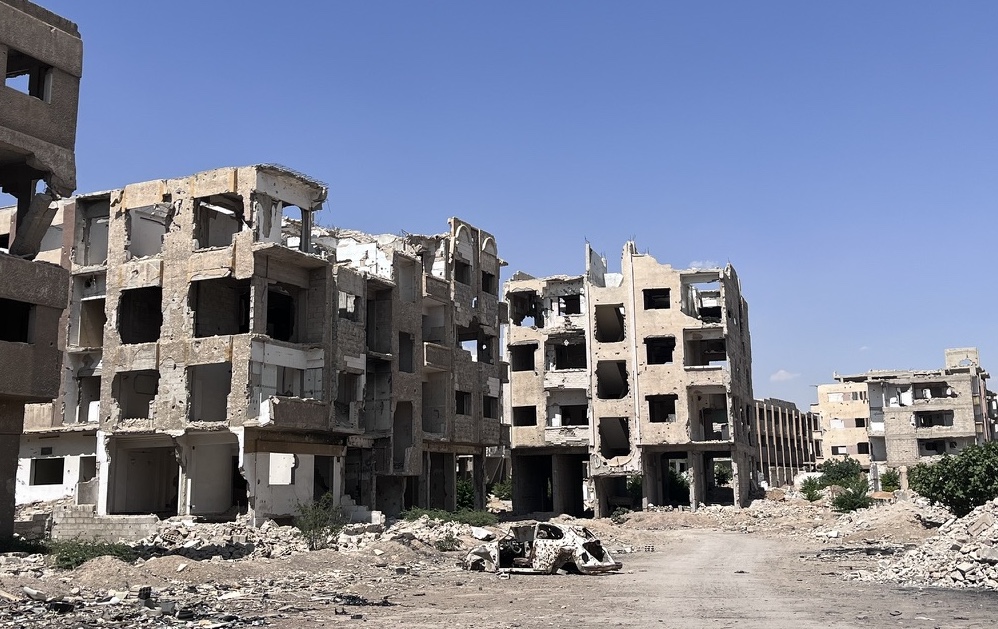
On May 23, President Donald Trump’s administration suspended the majority of sanctions on Syria, marking the most sweeping shift in the policy of the United States toward Damascus in over a decade. But lifting sanctions will not magically make Syria safe for return. For millions of displaced Syrians, their country remains a minefield — literally and bureaucratically.