This individual is a guest contributor. MEI is not able to assist with contact requests.
Shahmahmood Miakhel is the Country Director in Afghanistan for the US Institute of Peace (USIP). Prior to that he was a Governance Advisor for the United Nations Assistance Mission in Afghanistan (UNAMA), and, from 2003–2005, a Deputy Minister of the Interior in the Government of Afghanistan. In 1994–1995 he worked for the United Nations Development Programme (UNDP) and United Nations Office for Project Services (UNOPS) in South and Southeast Afghanistan helping to establish District Rehabilitation Shuras (DRS). He also worked as a reporter for the Pashto service of the Voice of America from 1985–1990.
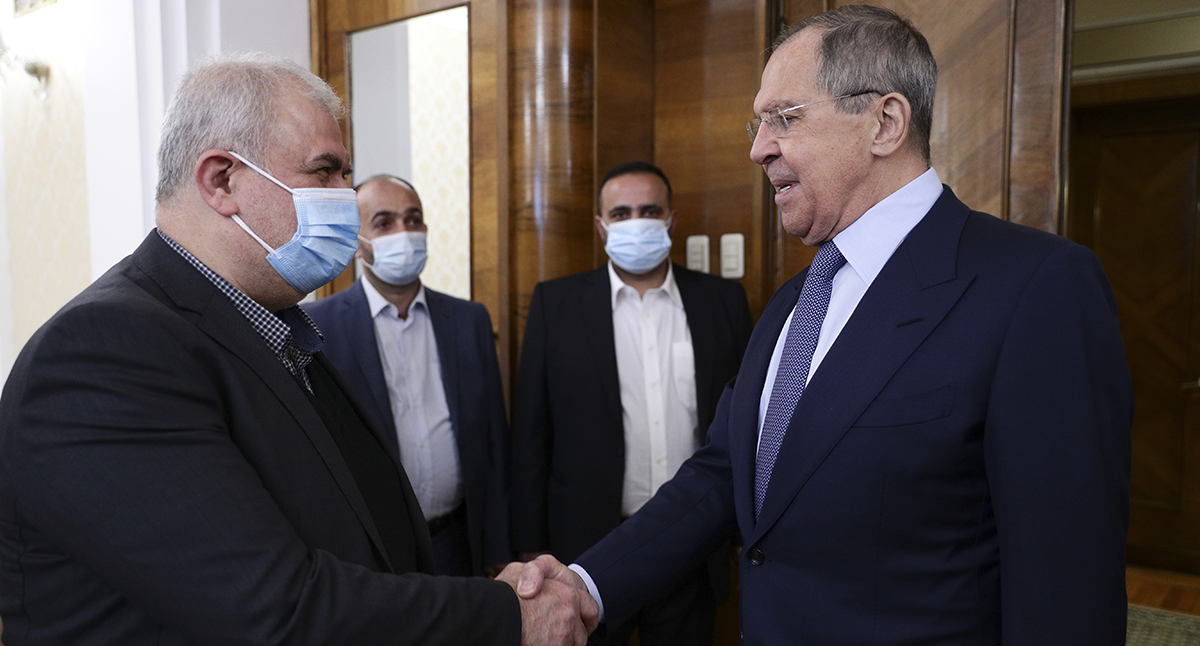
Russia’s relations with Hezbollah amid escalation on Lebanon-Israel border
Russia’s concern about an escalation of hostilities in Lebanon reflects its long-standing partnership with Hezbollah. Due to this multidimensional relationship, Russia has urged Iran to exercise restraint against Israel to prevent the outbreak of a destructive hot war in Lebanon.
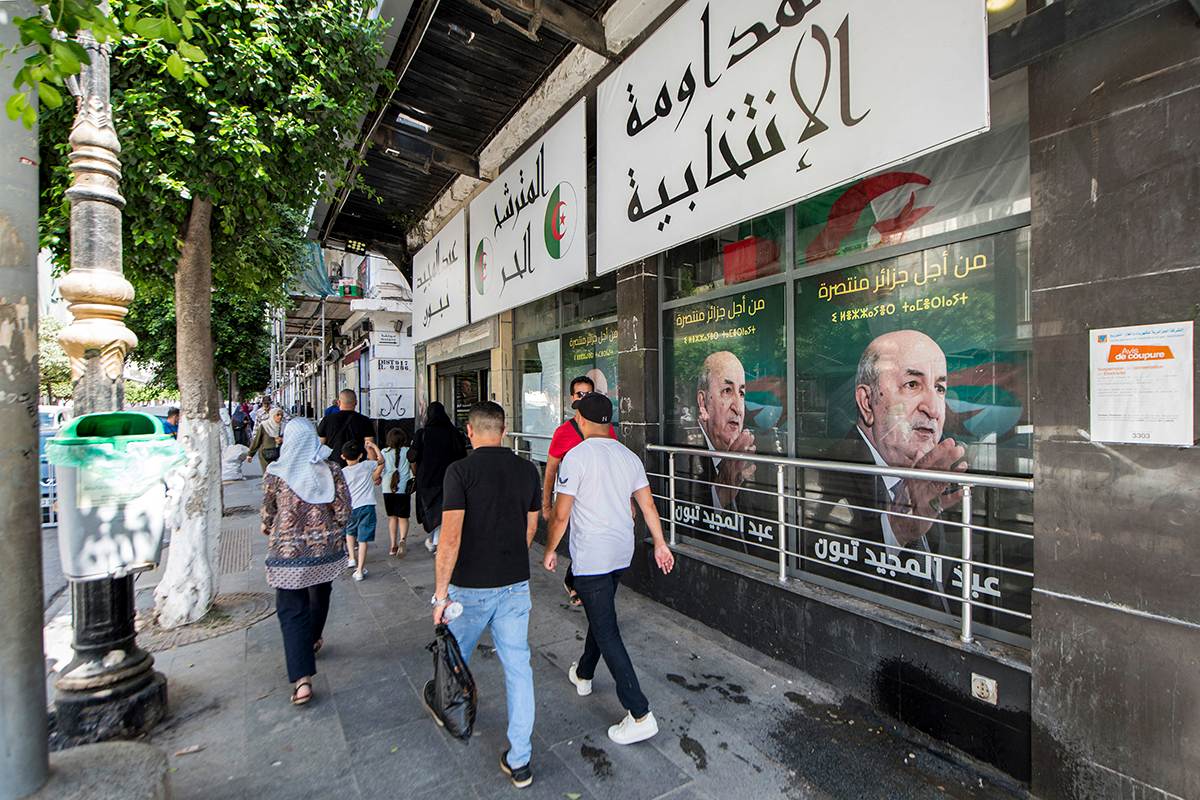
Algeria’s 2024 presidential elections: Keeping up with populist authoritarianism
Algeria is poised for a presidential election on Sept. 7 that, while seemingly predetermined, reveals the complexities of a political landscape profoundly shaped by popular disillusionment following the failure of the 2019 Hirak protest movement. Five years on, incumbent Abdelmadjid Tebboune is promising a second term based on the “continuation of the social state,” but his attempt to renew a social contract based on populist promises of a neoliberal economic renewal is colliding with the lack of institutional reforms necessary to achieve them.
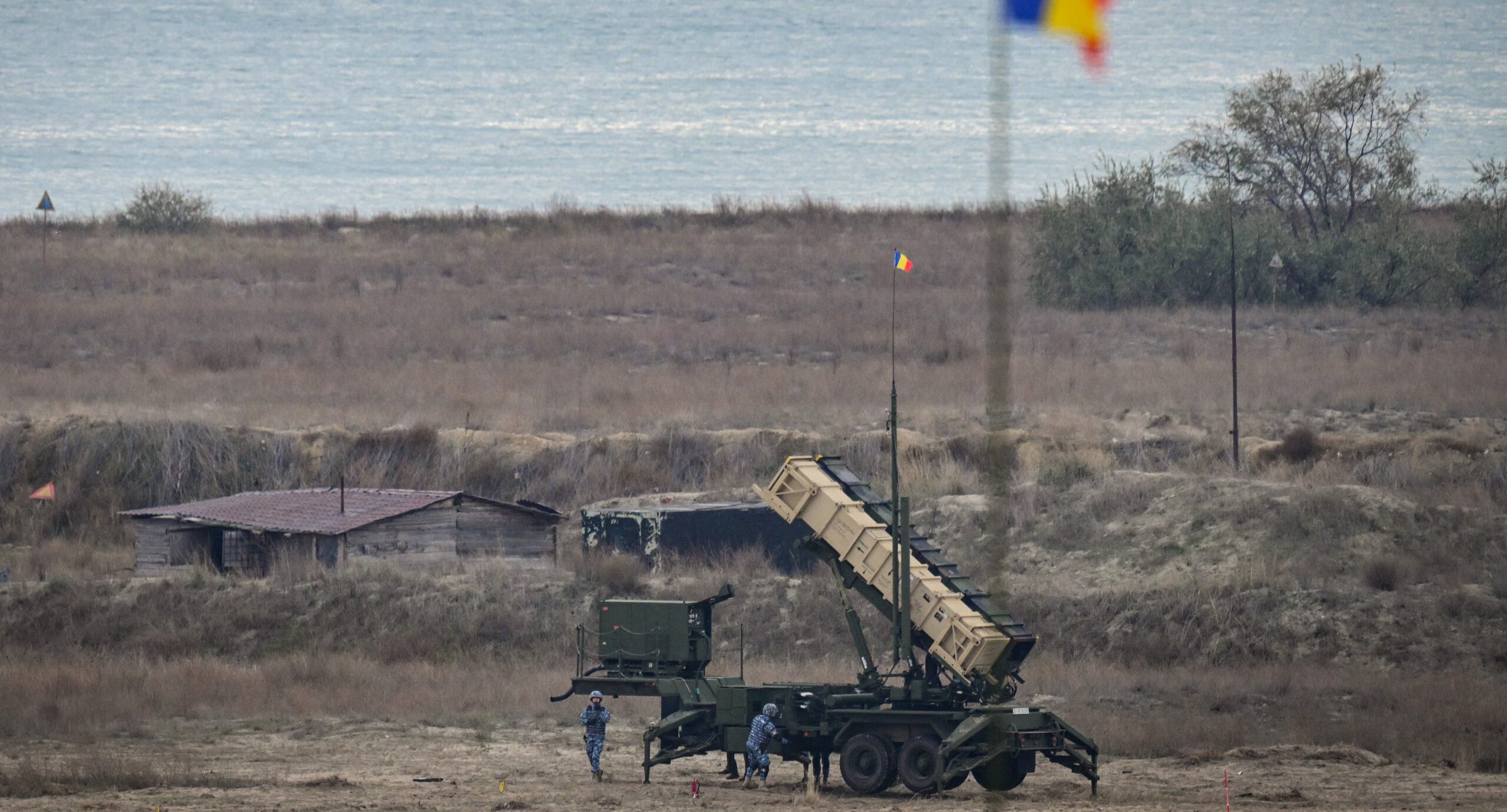
After the Cold War, the Romanian government chose to slim down its sizeable defense industry, but it essentially maintained its state-backed structure, personnel, and management, thus producing a thoroughly inefficient system. Today, Romania retains a proclivity to purchase Western, and particularly American, defense equipment; but it has often neglected any thorough assessments of life cycle costs or real force design considerations.
Pakistan’s shifting positions on the plight of Palestinians and relations with Israel
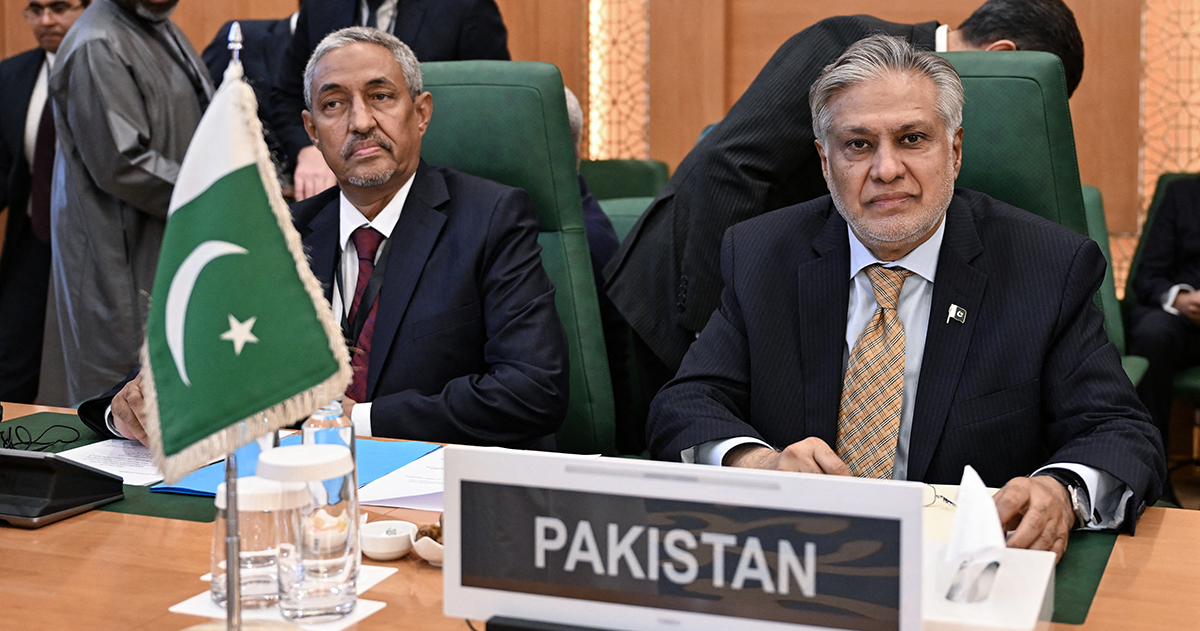
It is ironic that Pakistan and Israel are both countries created in the name of religion, at around the same time, and yet they have no formal relations. While Pakistan’s animosity toward Israel is rooted in the displacement of Palestinians, it has also served as a means of burnishing the country’s credentials within the community of Muslim nations and pushing back against India, which maintains increasingly close ties with Israel.
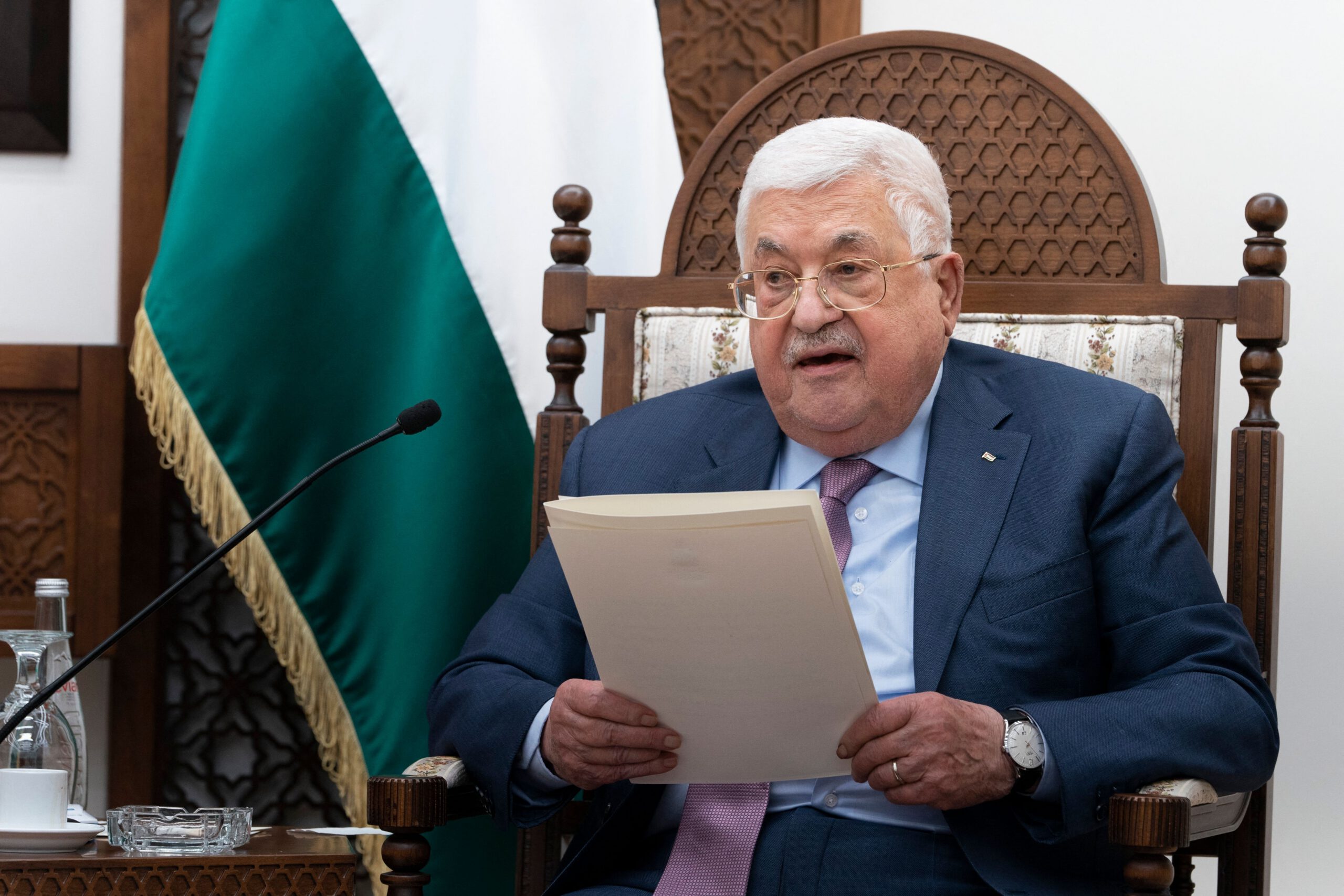
For nearly two decades, Palestinian leadership has been fractured. Along with a basic division between Hamas in Gaza and the Palestinian Authority in the West Bank, numerous other groups have competed for influence. In late July, leaders of all 14 Palestinian political factions, including Fatah and Hamas, met in Beijing to issue a call for national unity.
تشكل الجهود المستمرة التي تبذلها مختلف الفصائل في ليبيا للسيطرة على البنك المركزي الليبي (CBL) خطراً واضحاً ومحدقاً على البلد بأسره، مما يهدد سلامته وأمنه واقتصاده.
Pezeshkian’s presidency is Khamenei’s Hail Mary moment
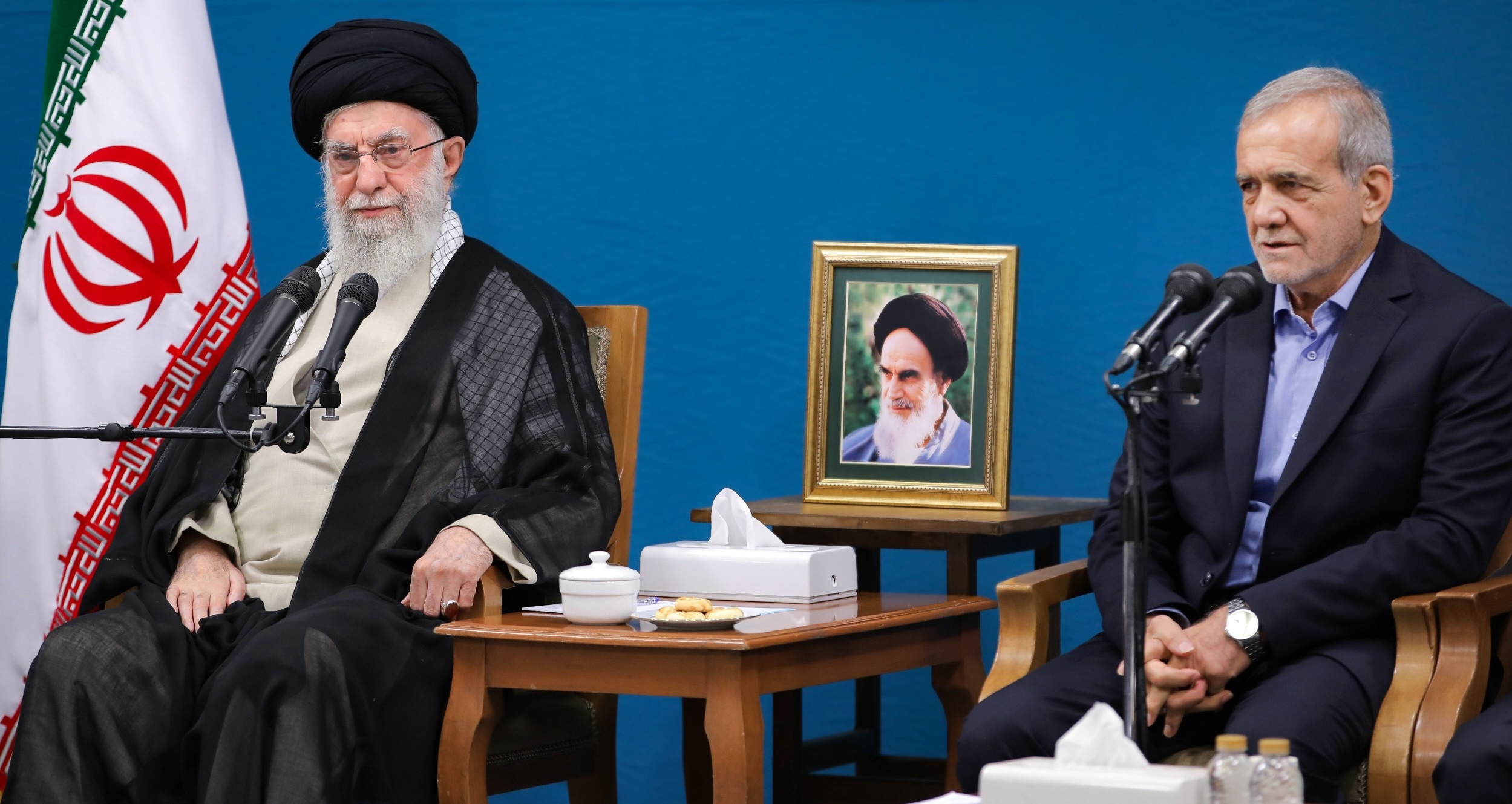
It is critical to understand Ayatollah Ali Khamenei’s plans for the presidency of Masoud Pezeshkian at this moment in time. Changing course is a necessity for a regime beset by a long list of ailments, many of which are rooted in Tehran’s foreign policy choices. For Khamenei, Pezeshkian will not be as much of an instigator of change as he will be an implementor of policy shifts that the leader deems necessary.
Securing the quantum future: The imperative for global collaboration
As China makes substantial strides in quantum R&D, the global community must urgently address vulnerabilities in our digital networks. The Middle East, like many other regions, stands at a critical juncture in this technological race, where quantum innovation brings both opportunities and risks.
After Hezbollah’s retaliation, no broader war for now, but the conflict drags on
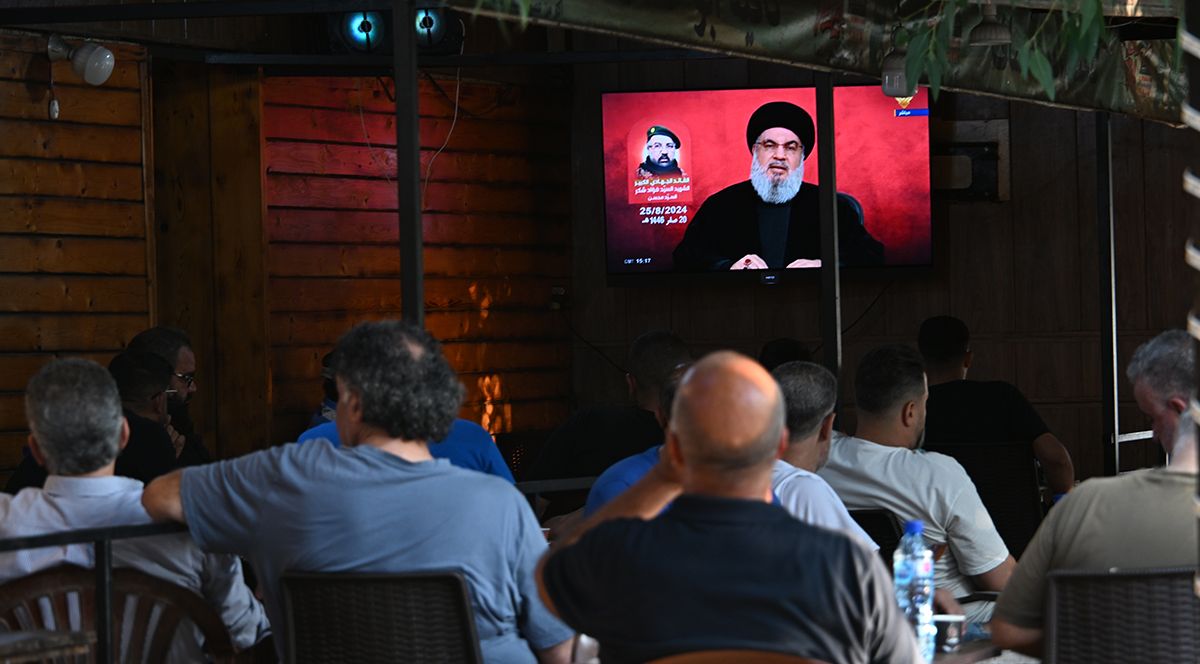
On Aug. 25, Hezbollah retaliated for Israel’s assassination of senior commander Fuad Shukr on July 30, launching 340 rockets and tens of drones from southern Lebanon and the eastern Beka’a region. Hezbollah’s retaliation started shortly after Israel undertook what it called a “preemptive strike,” in which 100 fighter jets targeted Hezbollah military sites, including rocket launching platforms, to thwart a larger attack that, according to Israeli officials, involved up to 6,000 rockets.
مع وصول الشرق الأوسط إلى حافة الهاوية، كيف يمكن للولايات المتحدة إعادة ضبط ردها؟
The Middle East teeters on the precipice of a substantial escalation, threatening to more fully draw in Lebanon, Iran, and perhaps other countries. What happens in the coming days, along with the decisions made by adversaries and allies alike, will determine if that happens.