تمت ترجمة هذا النص بواسطة الذكاء الاصطناعي وقد يحتوي على أخطاء.
تخطي إلى المحتوى
Special Episode: Saudi Oil After the East-West Pipeline Attack
  • Podcast
  • Special Episode: Saudi Oil After the East-West Pipeline Attack

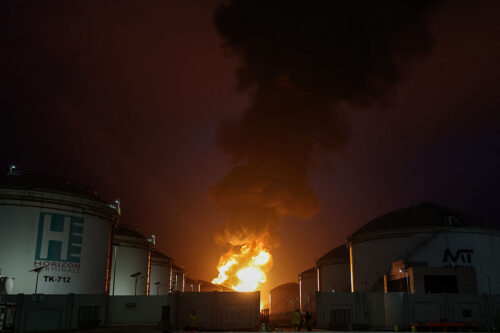
    Saudi Arabia’s East-West pipeline is back in operation after a drone attack from Iraq, blamed on Iran-backed militias, shut it down for nearly two weeks. The pipeline is the kingdom’s main way to export oil while the Strait of Hormuz is closed, so the shutdown dealt another blow to global energy markets. How vulnerable is this route, and what does that mean for the kingdom and the world economy? This episode of Middle East Focus features a recent MEI Virtual Briefing in which Director of Communications Zeina Al-Shaib is joined by MEI Senior Fellow Colby Connelly and MEI Affiliate Yesar Al-Maleki. They examine the new geopolitical risks facing the oil market, what further losses of global supply could mean for Saudi Arabia and the world economy, and which buffers outside the Persian Gulf could ease the pressure.
    October 1, 2026

    The Middle East Beyond the Iran War
  • Report
  • The Middle East Beyond the Iran War

    This article is part of a collection of short essays written by the Fellows of the Middle East Institute to explore aspects of the ongoing war with Iran. The intent of the collection is to help readers see new and unexpected elements of the dynamics and impact of the ongoing hostilities and to think harder, deeper, and broader about the implications of the conflict.

    September 28, 2026

    Yemen: The Houthis’ Role in the Next Evolution of the Axis of Resistance
  • التحليل
  • Yemen: The Houthis’ Role in the Next Evolution of the Axis of Resistance

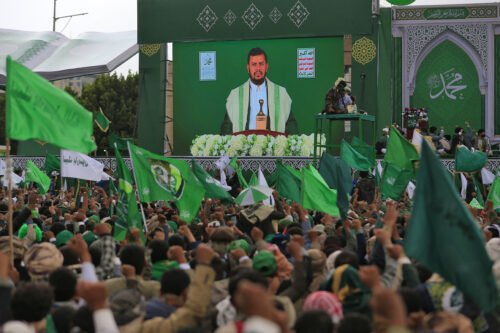
    The outbreak of the war with Iran demonstrated the strategic value of maritime chokepoints in the Islamic Republic’s confrontation with the United States. But as Tehran’s strategy of using the Strait of Hormuz to pressure Washington seems to be backfiring, Iran is working with the Houthis to strengthen its leverage over another strategic chokepoint: the Bab el-Mandeb. The recent escalation in Yemen should be viewed within this context.

    الخبراء البارزون

    تصفية حسب
    4509 Results
    MEI Art Gallery – First Friday Open House
  • فنون وثقافة
  • MEI Art Gallery – First Friday Open House

    Join us to see our latest exhibition, Beyond the Weave: Contemporary Dialogues with AlSadu, at the upcoming First Friday Open House as part of Art Walk Dupont.

    March 6, 2026, 6:00 PM – 8:00 PM

    MEI Art Gallery, 1763 N St NW, Washington DC 20036

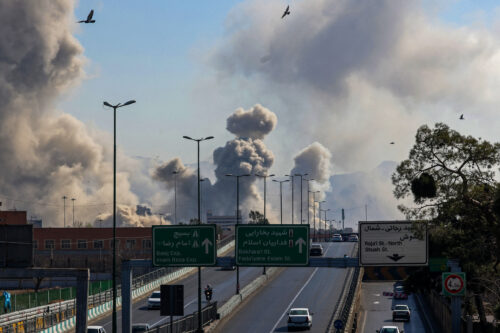
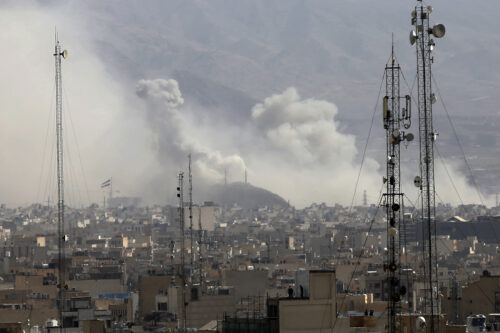
    Intelligence questions as the war with Iran enters a more uncertain phase
  • التحليل
  • Intelligence questions as the war with Iran enters a more uncertain phase

    Following the tactical surprise of US-Israeli strikes on Iran, a crucial next step is the assessment of judgments about Iranian military sustainability, regime cohesion, escalation dynamics, regional spillover, allied responses, and plausible end states, and how those judgments interact with allied positioning, diplomatic activity, and economic constraints.

    How to prevent the Iran war from becoming a vortex that draws in more countries
  • التحليل
  • How to prevent the Iran war from becoming a vortex that draws in more countries

    By attacking Iran without clear objectives or an exit strategy, the US and Israel turned what was the greatest strategic and chronic threat to regional security into an unpredictable set of imminent dangers. A fundamental task for US national security is to prevent this conflict from becoming a vortex that increasingly pulls in other powers.

    Lebanon on the Brink: Hizballah, Iran, and the War’s Spillover
  • Podcast
  • Lebanon on the Brink: Hizballah, Iran, and the War’s Spillover

    Hosts Alistair Taylor and Matthew Czekaj are joined by MEI Senior Fellow Fadi Nicholas Nassar to discuss Hizballah’s role in the escalating conflict in the Middle East and the implications for Lebanon. A day after the United States and Israel launched a joint military campaign against Iran, Tehran’s Lebanese proxy fired missiles at northern Israeli territory. Israel responded swiftly and forcefully, and Lebanon’s government and population now fear the Iranian-backed militia is dragging the country back into war. The conversation explores the broader repercussions of Hizballah’s actions against the backdrop of a widening war in Iran and Lebanon’s quickly evolving political climate. Nassar also outlines recommendations for how Lebanon can move forward as a sovereign and effective state.

    March 5, 2026

    China in the crossfire: Calculated moves amid the US-Iran showdown
  • التحليل
  • China in the crossfire: Calculated moves amid the US-Iran showdown

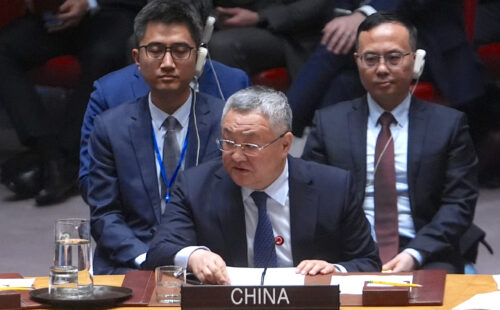
    The launch of large-scale US and Israeli strikes against Iran places Beijing in a strategically uncomfortable position. This campaign is the most significant US military operation since the Iraq War, unfolding across a region central to China’s energy security and commercial ambitions.

    Is Turkey the New Iran — Or Is that the Wrong Question?
  • Podcast
  • Is Turkey the New Iran — Or Is that the Wrong Question?

    The balance of power in the Middle East is shifting. Iran is on the defensive — its military capabilities were badly degraded by last year’s 12 days of Israeli and US strikes, and growing protests at home have made the regime look more vulnerable than it has in years.

    After the Iran War: What Is America’s Long Game in the Middle East?
  • Podcast
  • After the Iran War: What Is America’s Long Game in the Middle East?

    Brian is joined by Dana Stroul, Director of Research and Shelly and Michael Kassen Senior Fellow at the Washington Institute for Near East Policy, to examine US objectives in the Middle East in the midst of the ongoing war between the US, Israel, and Iran. Drawing on her extensive experience in US policymaking, most notably as the Pentagon’s top civilian official responsible for the Middle East from 2021 to 2023, Dana offers an insider’s perspective on this strategic moment. Together, Dana and Brian unpack the rapidly developing situation in Iran, the fragility of the ceasefires in Gaza and Lebanon, the shifting landscape in Syria after Assad, and the United States’ role in a region that may be on the cusp of transformation.

    After Khamenei: Iran enters its most uncertain transition since 1979
    Photo by Majid Saeedi/Getty Images
  • التحليل
  • After Khamenei: Iran enters its most uncertain transition since 1979

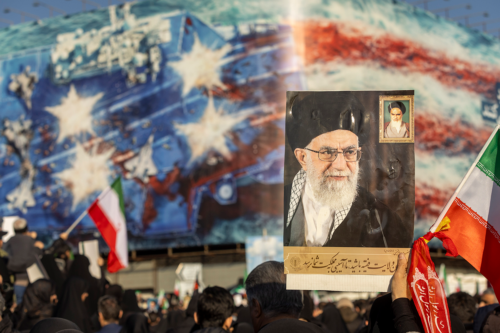
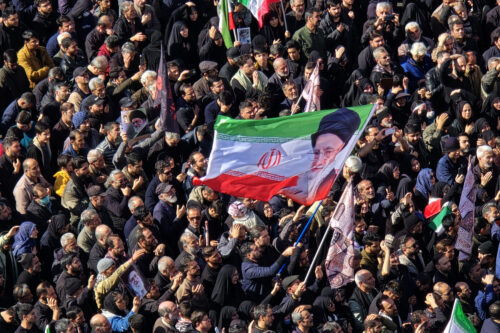
    For nearly four decades, Ayatollah Ali Khamenei embodied the Islamic Republic’s certainty: a singular authority who shaped every major decision on war and peace, repression and reform, economics and ideology. His death, in a coordinated US-Israeli strike on his Tehran command compound on February 28, has ripped that certainty away in the most violent fashion imaginable.

    اقرأ مجلة الشرق الأوسط

    أقدم مطبوعة محكمة مخصصة لدراسة الشرق الأوسط المعاصر، تغطي مجلة MEI الرائدة السياسة والمجتمع والثقافة في المنطقة.