Dynamic Force Employment is the Future of America’s Middle East Presence
The US Department of Defense has stepped up and proposed some creative ideas regarding the future of America’s military presence in the Middle East region, as exemplified by the adoption of the concept of dynamic force employment.
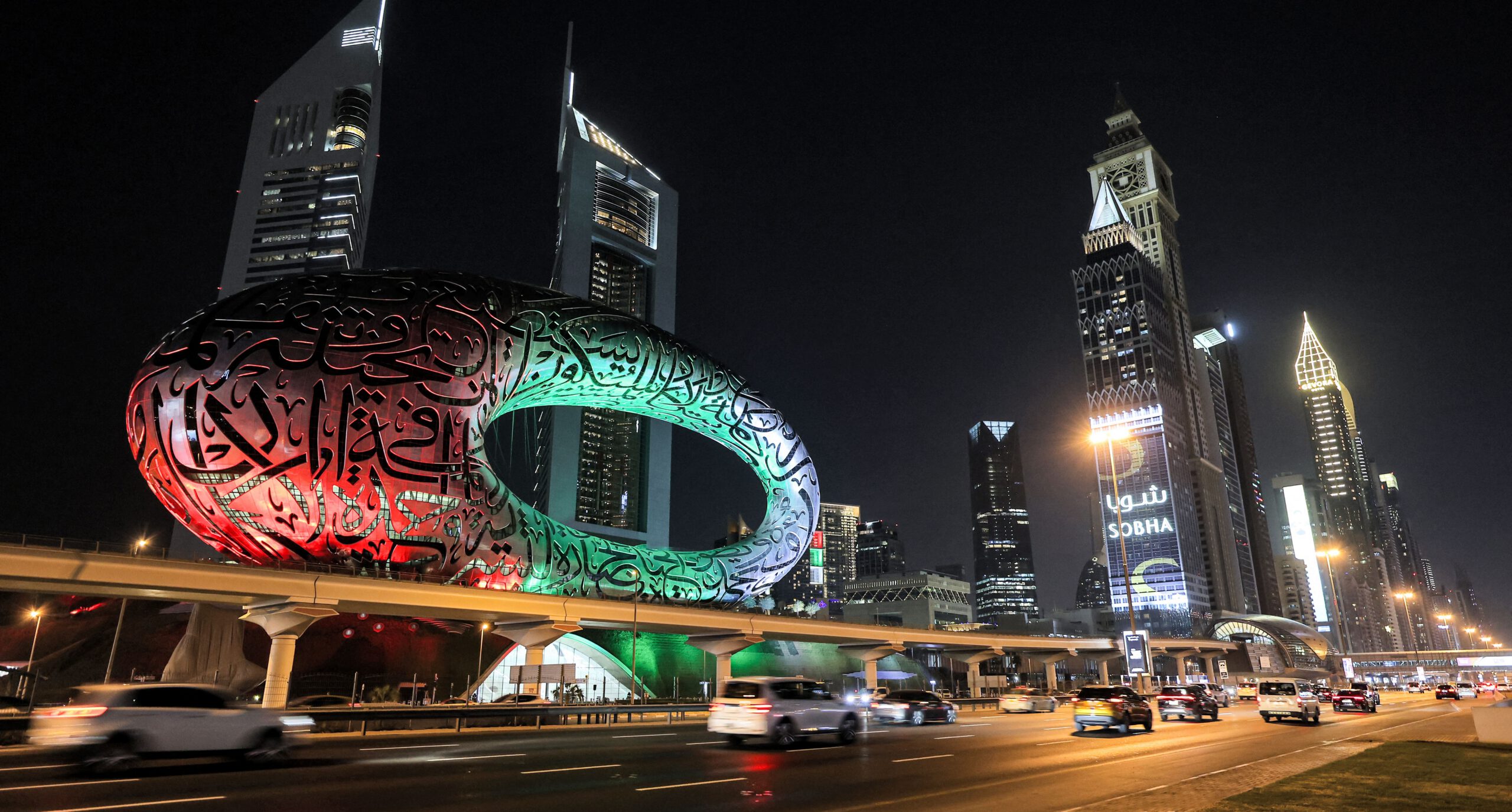
Two weeks ago, I had the privilege of joining more than 800 fellow futurists, and another 1,500 “futures-adjacent” collaborators, from over 100 countries at the second annual forum convened by the Dubai Future Foundation. Arriving with high expectations, I left even more enthused than I’d anticipated, and with invaluable new learning from those around me.
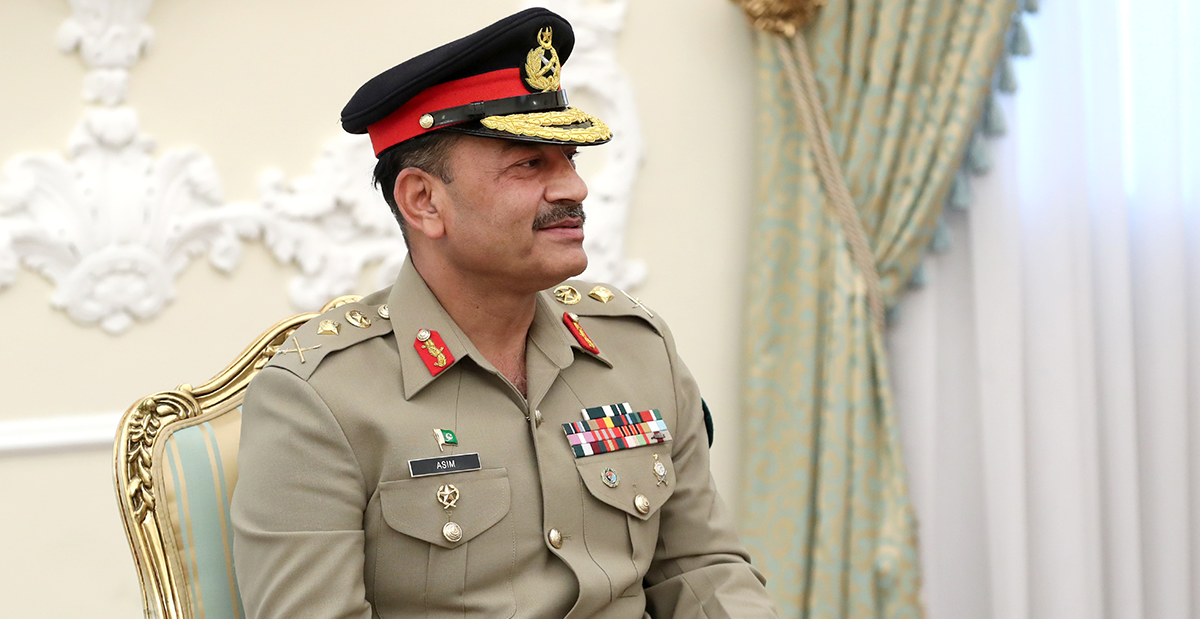
Pakistan’s military and foreign policy under Gen. Asim Munir
Gen. Qamar Javed Bajwa orchestrated a paradigm shift in Pakistan’s traditional geostrategic focus, transitioning from geopolitics to geoeconomics. His successor, Gen. Asim Munir, in command of Pakistan’s military for the past year, now faces the challenging task of turning Gen. Bajwa’s unrealized vision into a reality, a goal that requires cultivating positive interdependence and multi-alignment with a diverse range of partners, while also ensuring domestic stability.
Gaza war hasn’t halted de-escalation efforts in Yemen
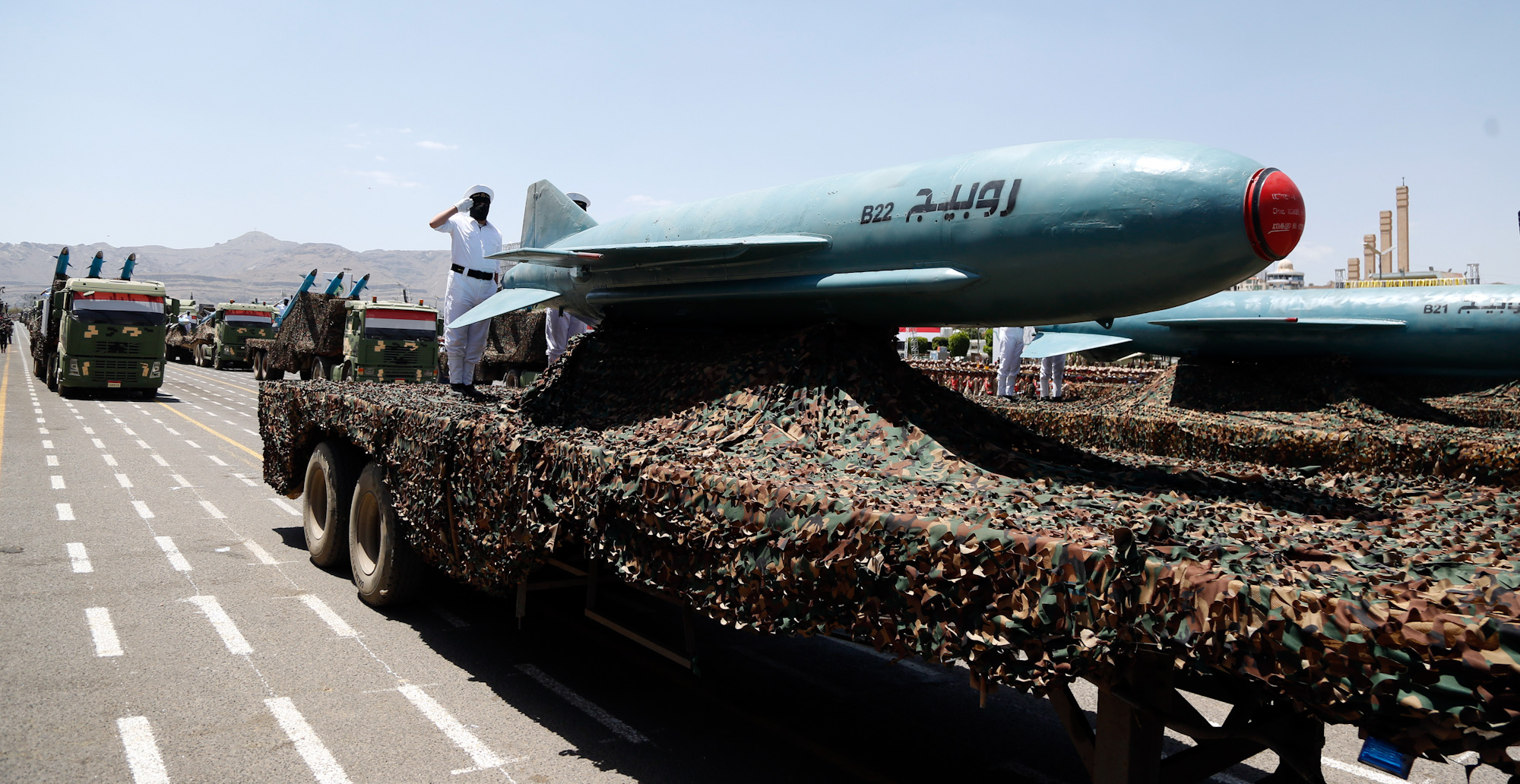
Over the past two months, the Houthi rebels in Yemen have launched missiles and drones into Israel, attacked several commercial ships in the Red Sea, and threatened to block all ships sailing to Israel, regardless of nationality, until Gaza receives humanitarian aid. In the Gulf, there is a growing fear that the situation could constrain ongoing de-escalation talks between Riyadh, the Republic of Yemen Government, and the Houthis, or even take them back to square one were conflict dynamics to escalate.
Transformational implications of moving toward smart cities in the Gulf
As Gulf nations embrace the opportunities presented by developing smart cities, challenges such as cybersecurity and infrastructure sustainability must be addressed through strategic policies and trusted partnerships to ensure a secure and sustainable digital transition.
AI global governance regime gradually taking shape
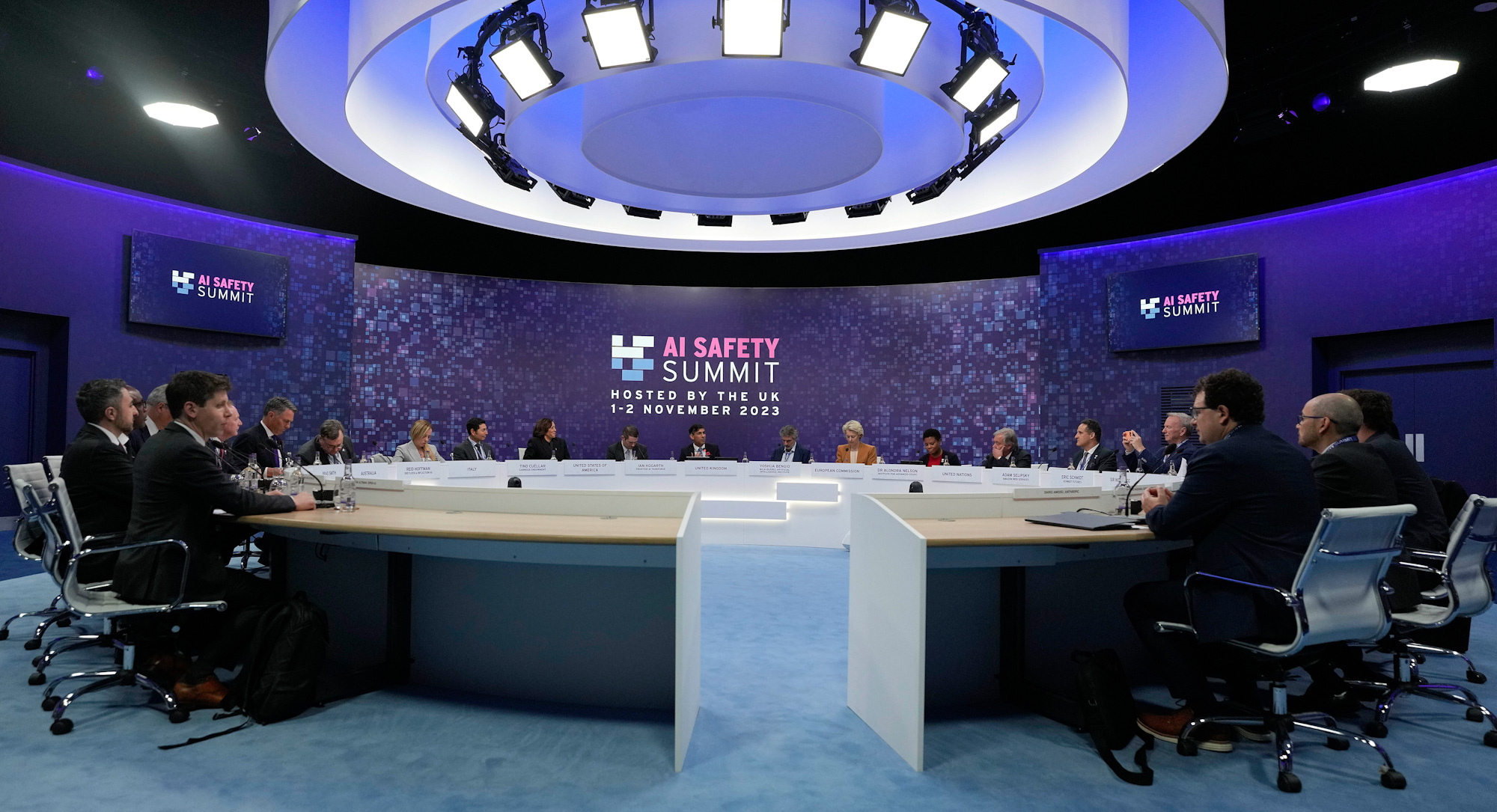
In recent years, the international community has witnessed a surge in momentum toward the development of standards for artificial intelligence (AI) governance. The AI Safety Summit, convened last month by Prime Minister Rishi Sunak, marked a diplomatic milestone and a definite step in the right direction. However, its impact is contingent on the ability of the global community to navigate the multiparty landscape of AI governance.
The Middle East's critical mineral resources: A key to the clean energy transition?
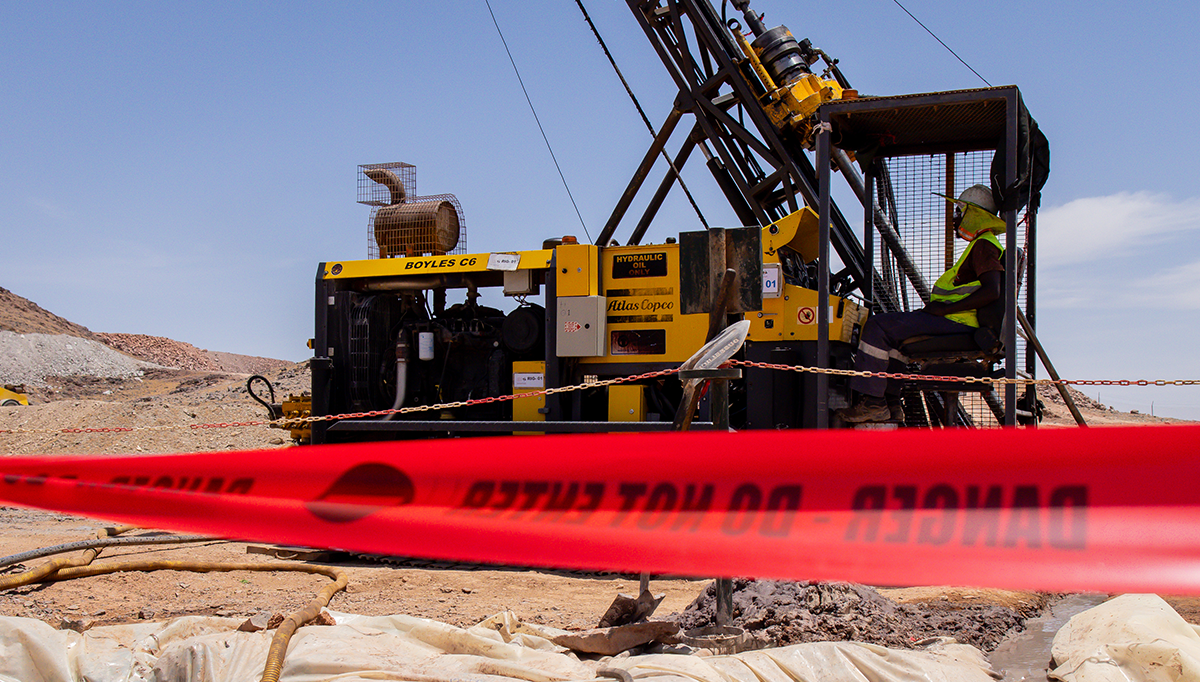
The transition toward renewable and clean energy sources, both in the Middle East and around the world, relies on the availability of critical minerals. Critical minerals are set to be the foundation upon which a sustainable, clean energy future is built, catalyzing innovation and progress on a global scale.
Essential questions about the Russia-Hamas link: The evidence and its implications
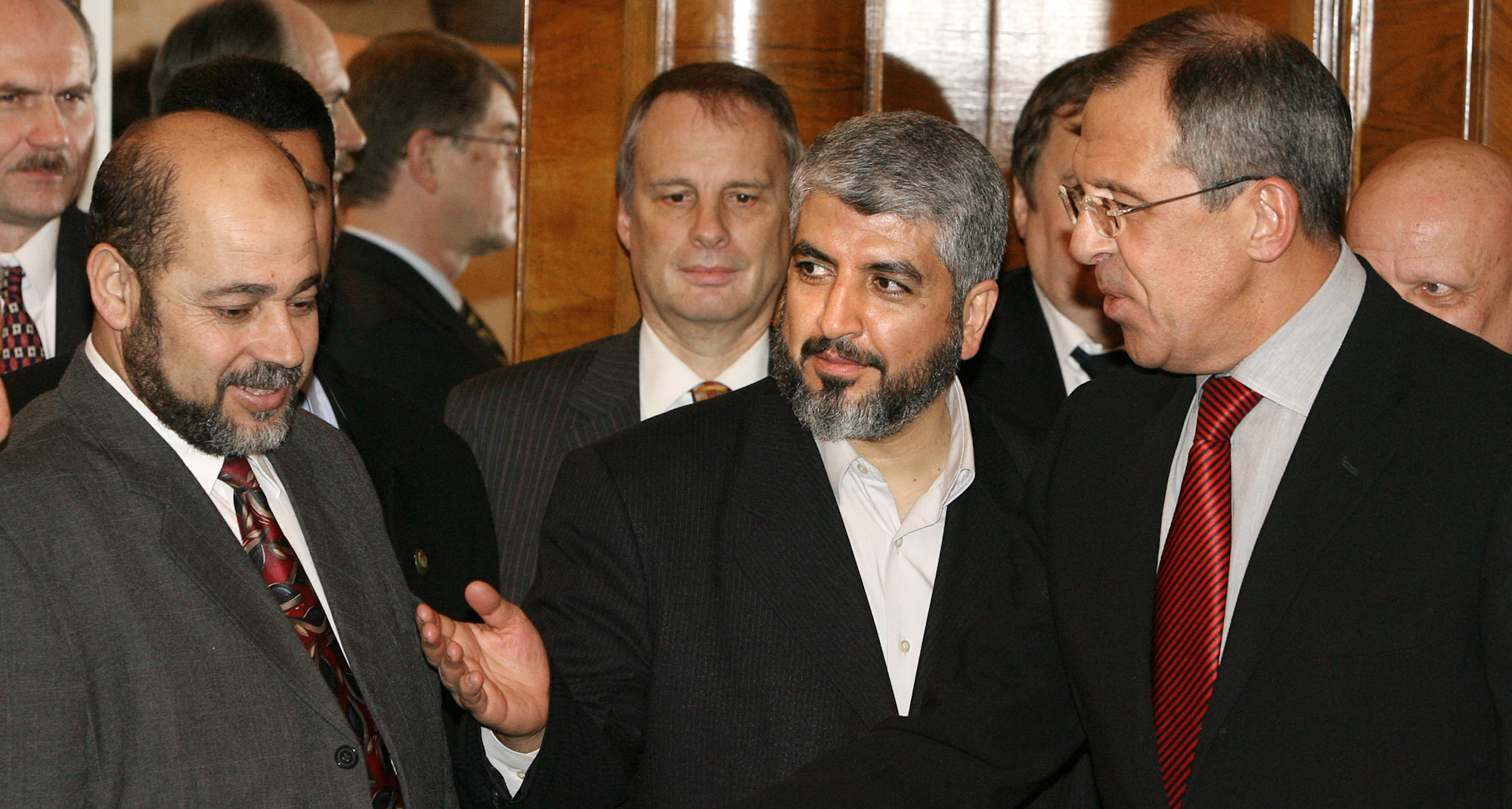
As the war in Gaza continues to unfold, essential questions about Russian and Iranian support for Hamas remain. They include whether Russia played any role in providing support to Hamas ahead of its Oct. 7 attack on Israel. Evidence available from foreign-language publications in Russian, Persian, Arabic, and Hebrew, as well as those in English, provides provocative leads, which, if accurate, have serious potential implications.
After the Gaza War: The Risks of Deterrence and the Chances of Peace
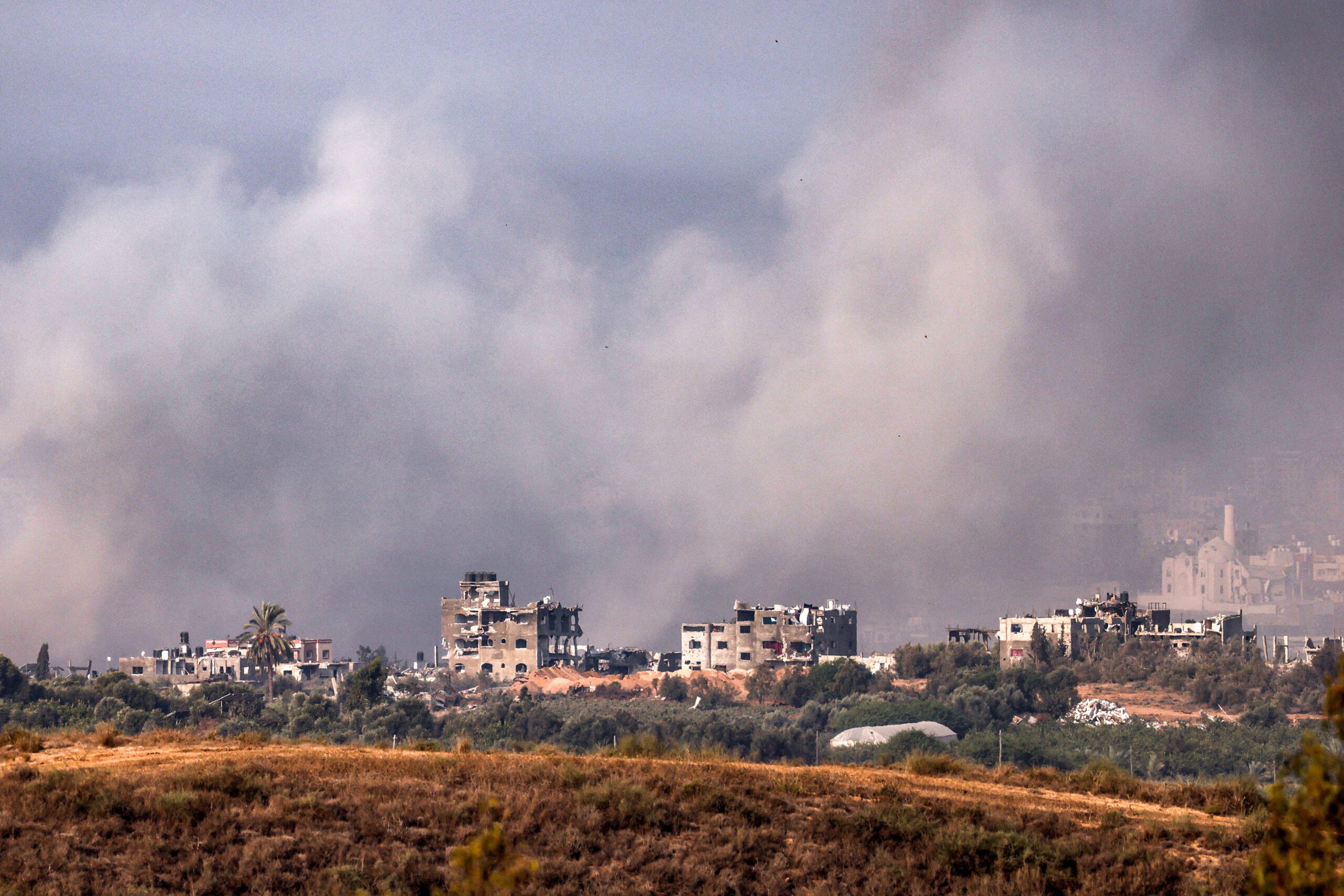
Policymakers in the United States, Europe, and the Middle East are rightly focused on where the current crisis in Gaza is headed. The humanitarian disaster hovering over the region since Hamas’ October 7 attacks on Israel has resulted in countless lives lost and now threatens regional and global security. Among many of the issues occupying policymakers is the concern that new fronts in the war will open, potentially involving the West Bank, Hezbollah, the Houthis, and even Iran.
The closer Israel gets to destroying Hamas, the more likely war with Hezbollah becomes
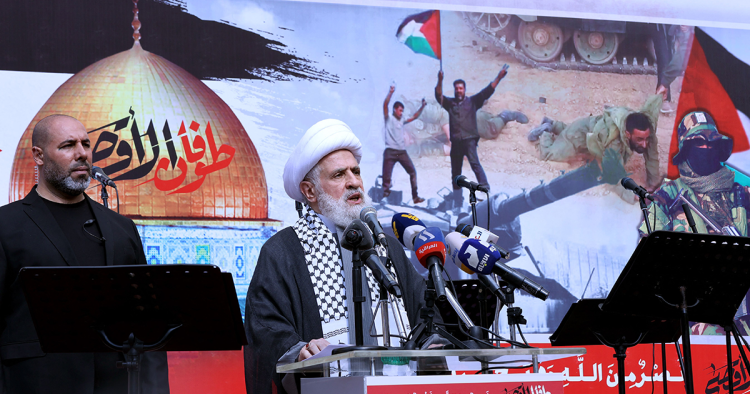
He leads an army of more than 100,000 dedicated and battle-hardened fighters equipped with thousands of missiles, rockets, and armed drones that can hit targets deep inside Israel with pinpoint accuracy. He inspires and commands the loyalty of Iran-backed militias across the Arab world.
So when Hassan Nasrallah, the head of the Lebanese Hezbollah and the most powerful non-state actor in the world, says that he doesn’t wish to broaden the war in Gaza to help his Palestinian ally Hamas, the region should breathe a sigh of relief – because his words matter.
Israel’s Response to Iran in Syria: Choosing Between Escalation and Accommodation
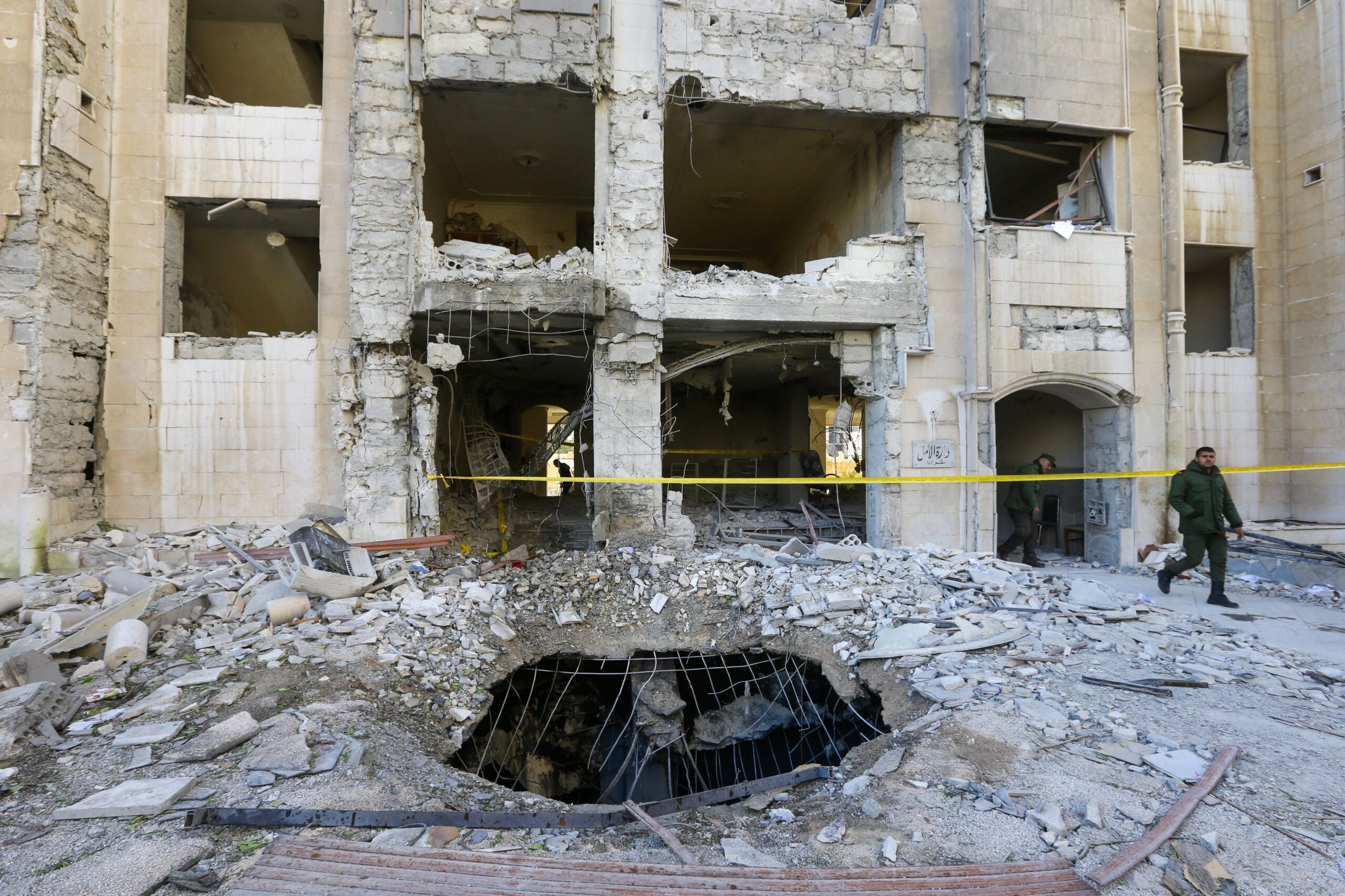
The following quantitative analysis explores the core of Israel’s strategic airstrikes in Syria between 2013 and August 2023, a critical aspect of its defense policy during this time, aimed at mitigating Iranian influence in the region and protecting its national borders.
Despite the Houthis’ geographical distance from Israel and perceived limited capabilities, the threat they represent is all too real and if underestimated, they have the potential to derail diplomatic efforts and destabilize the region, with potentially catastrophic consequences.
Iranian-backed militia attacks on coalition forces threaten to ignite eastern Syria
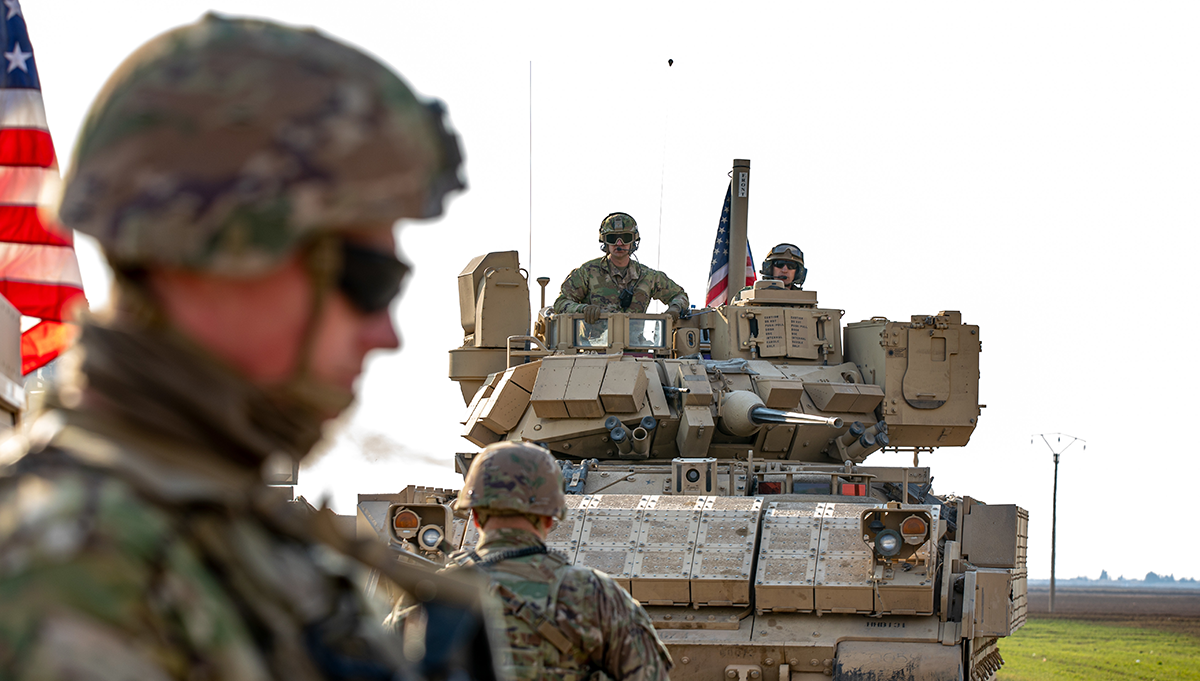
Over the last three weeks, there has been a notable escalation in attacks targeting international coalition bases in northeastern Syria orchestrated by Iranian-backed militias operating in Iraq and Syria. Concurrently, there have been reports indicating the establishment of operational centers aimed at coordinating these strikes. These developments appear to be part of an effort to exploit the widespread popular discontent with the United States and Israel, with the strategic aim of expanding and consolidating Iranian influence in Syria.