Iulia Joja interviews Henry Sokolski, the executive director of the Nonproliferation Policy Education Center, about how tactical nuclear weapons might play into Vladimir Putin’s Ukraine strategy.
Opinion: Meet the tough women leaders taking on Vladimir Putin
It’s striking, the large number of brave women who are leading the protests against Iran’s violent and vicious theocratic regime. It’s likewise notable that young women lead the Ukrainian organization just awarded the Nobel Peace Prize. Arguably less noticed yet equally important: Across Europe, it’s women who are transcending political and geographic boundaries to call for an end to Russia’s brutal aggression.
Today’s episode challenges preconceived notions about Iranian society, the hijab, and the regime clinging to power in Tehran. Joining us today for an enlightening conversation are two Iran experts, Marjan Keypour Greenblatt and Alex Vatanka. Marjan is the founder and director of the Alliance for Rights of All Minorities (ARAM), a non-resident scholar with MEI’s Iran Program, and a member of the Anti-Defamation League’s Task Force on Middle East Minorities. Alex is the director of MEI’s Iran Program and a Senior Fellow with the Frontier Europe Initiative.
Syrian foreign policy in the Caucasus and Ukraine: An unbalanced, Russia-centered approach
The embattled Syrian regime’s need to preserve Russian military and political support has compelled Damascus to adopt the Kremlin line in its foreign policy positions toward the former Soviet space.
Is Chechnya’s leader a ticking time-bomb for Russian-Turkish relations?
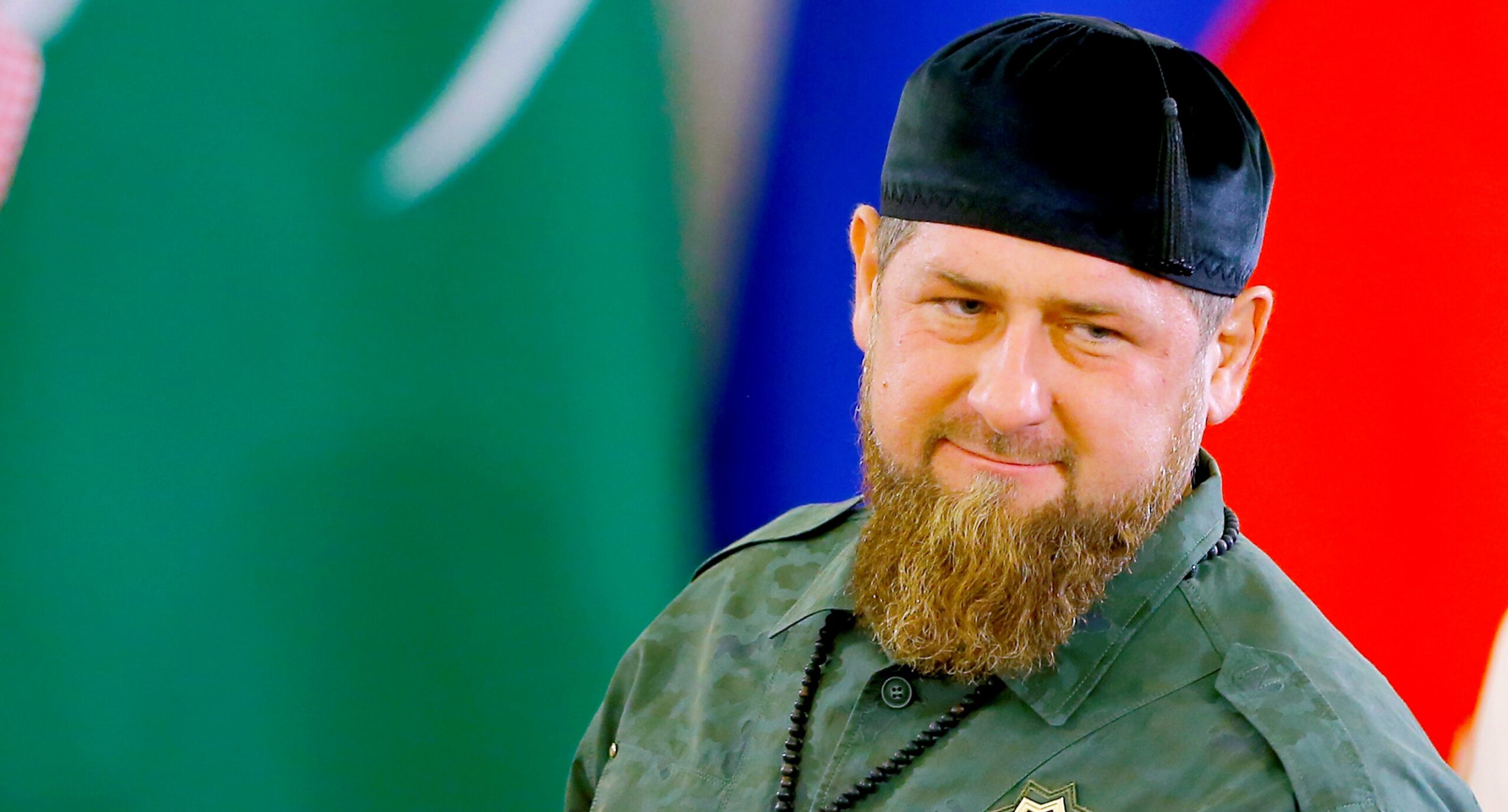
Chechen strongman and close Putin ally Ramzan Kadyrov claims he met with Turkish officials to discuss cooperation. If true, the claim would signify Turkey’s possible backsliding on some of its previous commitments as well as trigger a negative reaction from Ukraine.
Why the Afghan peace process failed, and what could come next?
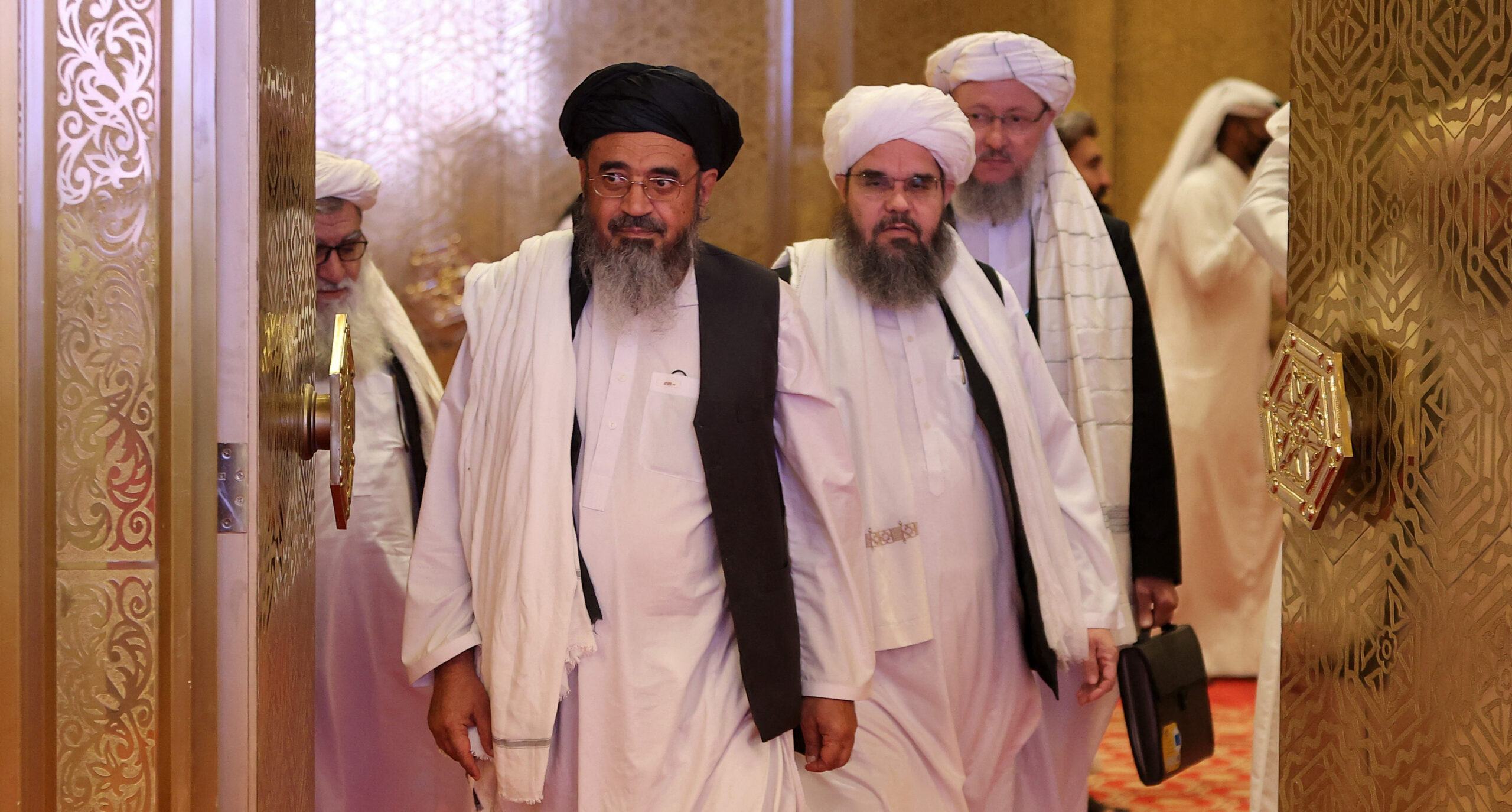
Multiple factors converged to derail the peace process prior to the U.S. withdrawal from Afghanistan. The lessons from this failure can inform policymakers on how to successfully pursue a new round of political peace talks involving the Taliban and all major segments of Afghan society.
Despite official hype of a “strategic partnership,” Iranian public is skeptical of Russia
The Iranian government has invested heavily in trying to sway public attitudes to embrace closer relations with Russia; but a plurality of Iranians would like to see balanced ties with all nations and for Tehran to pursue a mature, pragmatic overseas agenda.
“Fauda” is the name of the gripping Israeli television series about to launch its fourth season on Netflix. Fauda means “chaos” in Arabic and is the word Israeli special forces use when they lose control of an operation. Russian President Vladimir Putin is now creating chaos to snatch victory from the jaws of defeat.
Russia Created a Refugee Crisis, and Now Putin Is Weaponizing It
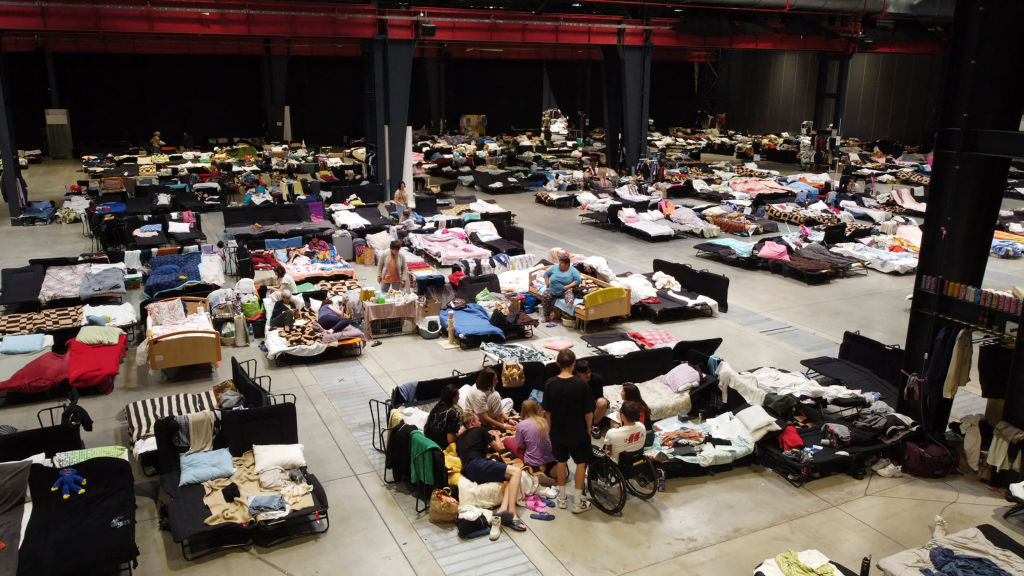
Vladimir Putin’s hybrid war in Ukraine has created a multifaceted humanitarian crisis that the Kremlin plans to weaponize against the West to further provoke instability and chaos. Refugees have poured out of Ukraine since his February 24 invasion, and Russia’s attacks on Ukraine’s agricultural sector—from grain-export blockades to theft to strikes on agricultural facilities—are creating disruptions to the global food supply that are likely to create even more refugees worldwide. Foreign Minister Sergei Lavrov is touring Africa this week, blaming the West for the food crisis. Western leaders must realize the full destabilizing potential of Russia’s weaponization of the refugee crisis. In response, the United States should combine conventional military support with multilateral information operations to counter Russia’s plans.