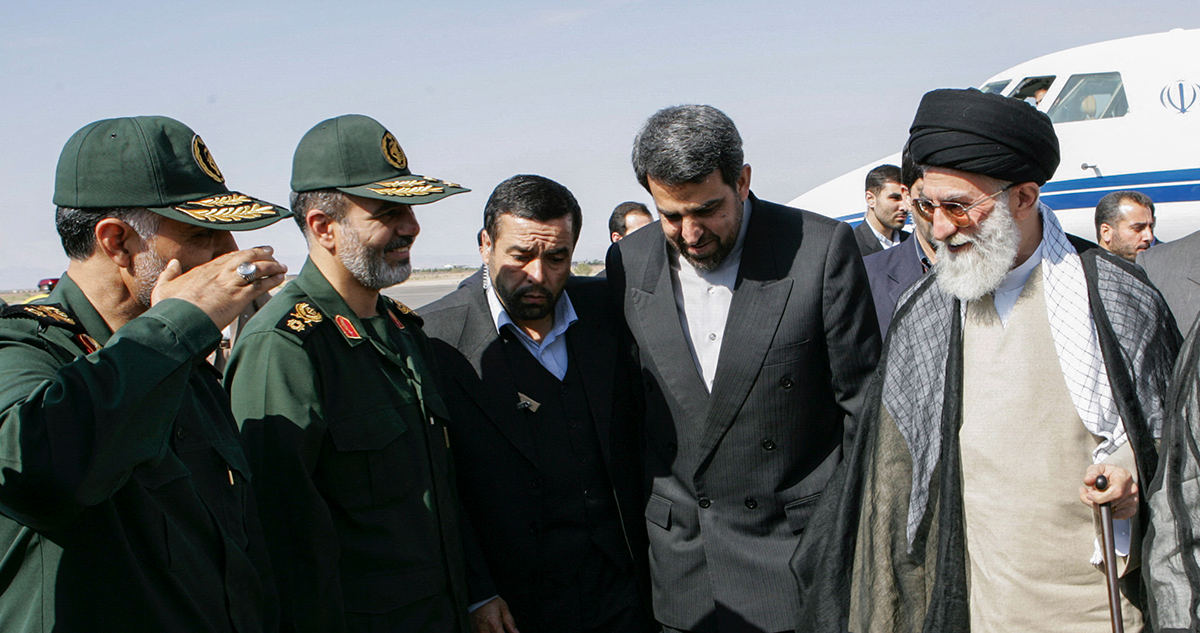
Washington says it doesn’t know who runs Iran. Tehran insists its leadership is united. MEI Senior Fellow Alex Vatanka joins hosts Alistair Taylor and Matthew Czekaj to sort out where the truth lies. They look at the small circle of political and military figures now steering the war effort in Tehran: who they are, how they make decisions, and how unified they really are. They also discuss the current state of US-Iran negotiations, the role of the upcoming midterm elections in the United States, and how the Islamic Republic is preparing for a potential renewal of conflict afterward.
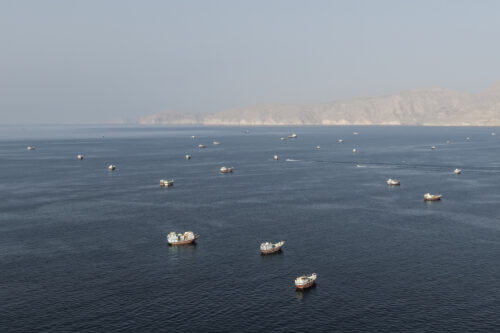
Crude oil is flowing out of the Gulf again, but the market is no better prepared for another disruption in the Strait of Hormuz. It has assembled a temporary system for managing one. Crude exports from the Gulf, excluding Iran, returned to pre-war levels in September, while total Gulf shipments reached 15.5 million barrels a day, more than 80% of the pre-conflict volume.
As a result of the Iran war, Turkish thinking about nuclear weapons appears to be shifting. Iran’s emergent ability to threaten regional states (and possible determination to acquire a nuclear weapon itself), growing concern about Israeli aggressiveness, doubts about US security guarantees, and greater Saudi nuclear autonomy are all pushing Ankara to consider a future nuclear option.
Since 1967, Israeli settlements in the West Bank have been a contested feature of the Israeli-Palestinian conflict. The ultimate disposition of the settlements and ongoing activity related to their growth have repeatedly defied agreement in negotiations over a resolution to the conflict.
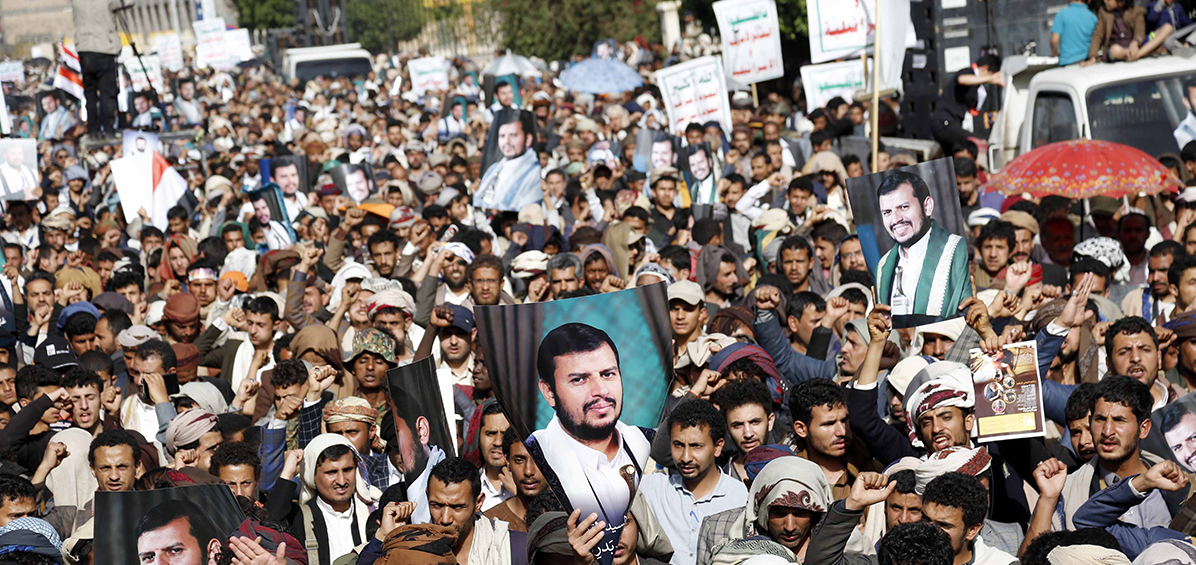
The Houthis are a political-military faction and Zaydi religious movement founded in northwestern Yemen in the 1980s. A key member of Iran’s Axis of Resistance with links to other militant organizations in the Arabian Peninsula and the Horn of Africa, the group has continued to pose a threat to Western interests on a global scale.
The India-Middle East-Europe Economic Corridor (IMEC) is a proposed multinational infrastructure initiative aimed at upgrading connectivity between the three regions through integrated trade, energy, and digital networks. Announced at the G20 summit in New Delhi in September 2023, IMEC is envisioned partially as a counterweight to China’s international infrastructure project, the Belt and Road Initiative.
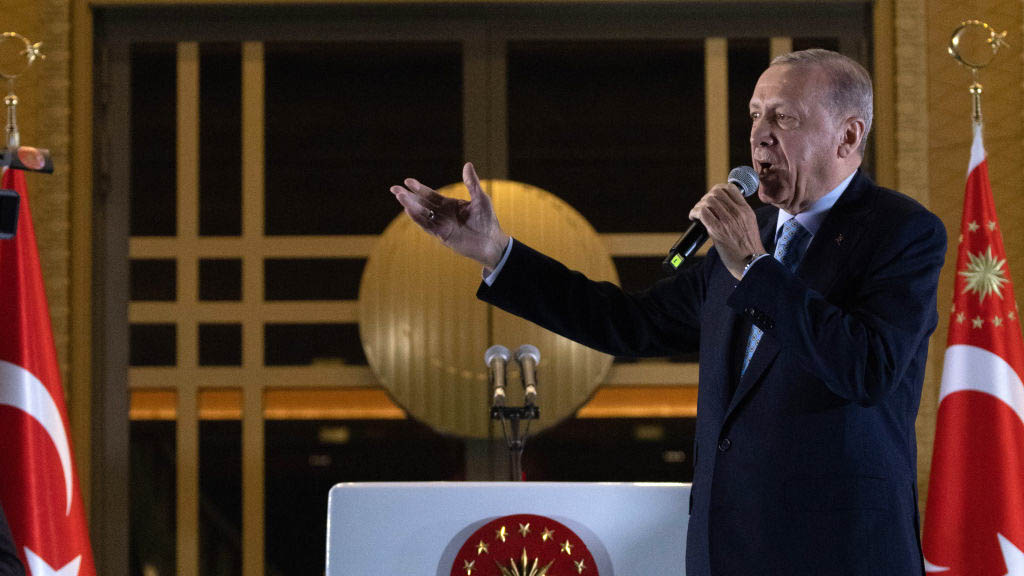
After a decade of post-Arab Spring isolation, Turkey’s leaders have recognized that their ambition to position the country as an agenda-setter on the world stage requires active engagement in all directions. President Recep Tayyip Erdoğan’s consolidation of executive authority has centralized foreign policy decision-making and tied it to his domestic political priorities, transforming the country’s revisionist approach to one shaped primarily by personal and pragmatic interests.
MEI Senior Fellow Brian Katulis engages friends, colleagues, and policy experts in casual conversations on the most important happenings in the Middle East.
The recent removal of IRGC commander Ali Shamkhani from his role as the head of the Islamic Republic of Iran’s top foreign and security policy body, the Supreme National Security Council (SNSC), has triggered assessments about the potential implications for Tehran’s external calculus. But the changes at the SNSC should not be viewed in isolation. Rather, they must be understood and assessed in the context of a much deeper transformational project that began in 2019, personally spearheaded by Supreme Leader Ayatollah Ali Khamenei.
The Houthi partnership model: Is there a strategy behind the tactics?
With the international community viewing the latest “de-escalation roadmap” as paving the way for yet another transitional power-sharing agreement in an effort to “end” Yemen’s protracted conflict, it is useful to review how the Houthis have navigated past partnerships to understand how things may play out in the future.
Iran’s security chief Shamkhani did his job but had to go
Late last month, Iran’s Supreme Leader Ali Khamenei opted to replace the secretary of the Supreme National Security Council (SNSC), Ali Shamkhani. The latter’s removal after 10 years spent in this key role has generated much speculation, misinformation, and outright disinformation.
David Schenker | 'Taking the Edge Off the Middle East' Ep. 1
Middle East Focus Presents: ‘Taking the Edge Off the Middle East’ with Brian Katulis
A series of casual conversations with leading policy professionals on the most important happenings in the Middle East today – hosted by MEI VP for Policy Brian Katulis.
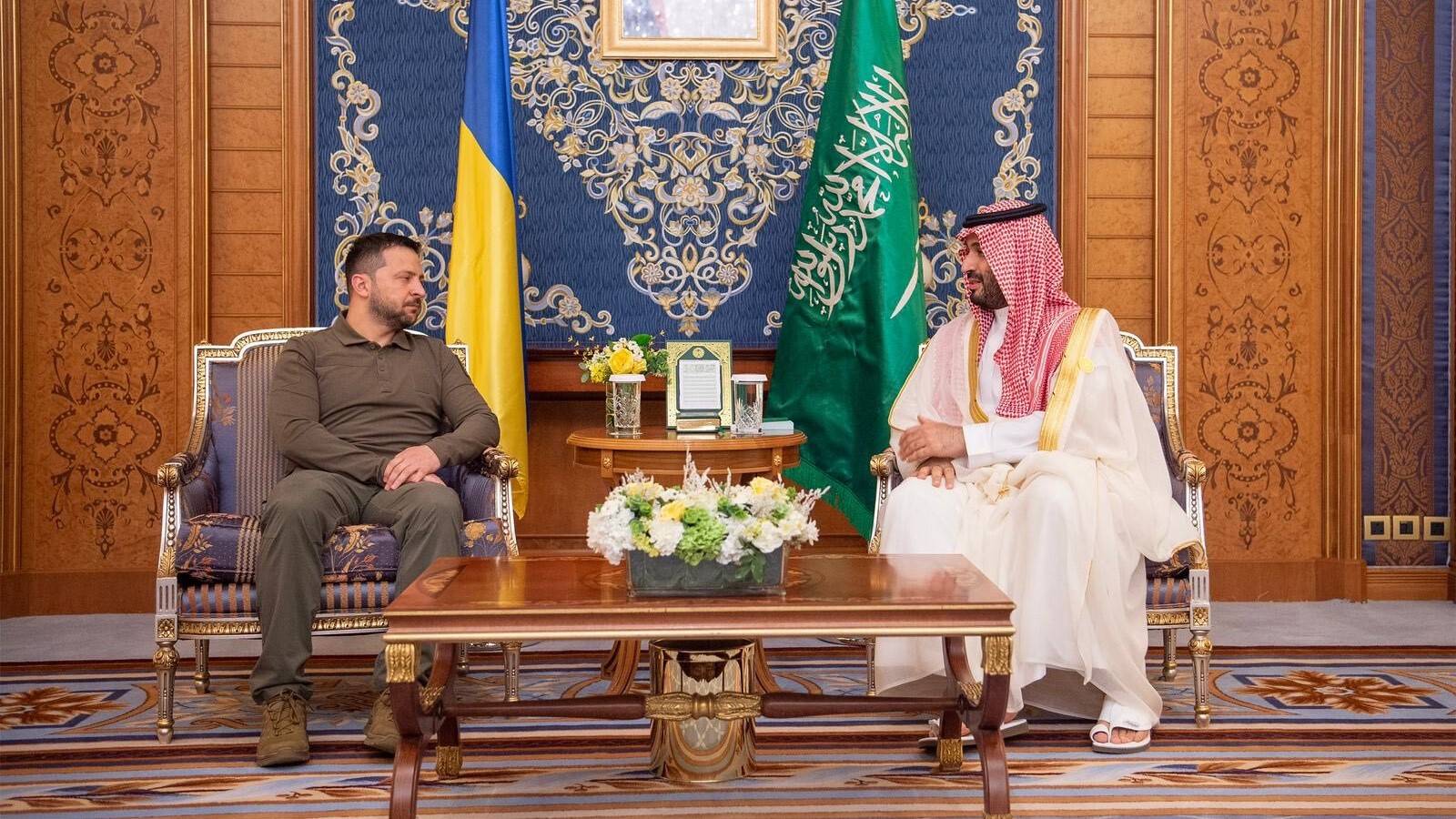
David Schenker – Director of the Program on Arab Politics at the Washington Institute for Near East Policy – sits down with Brian to discuss the beginnings of his career, his time in the Trump Administration, and the pros and cons of US-MENA policy.
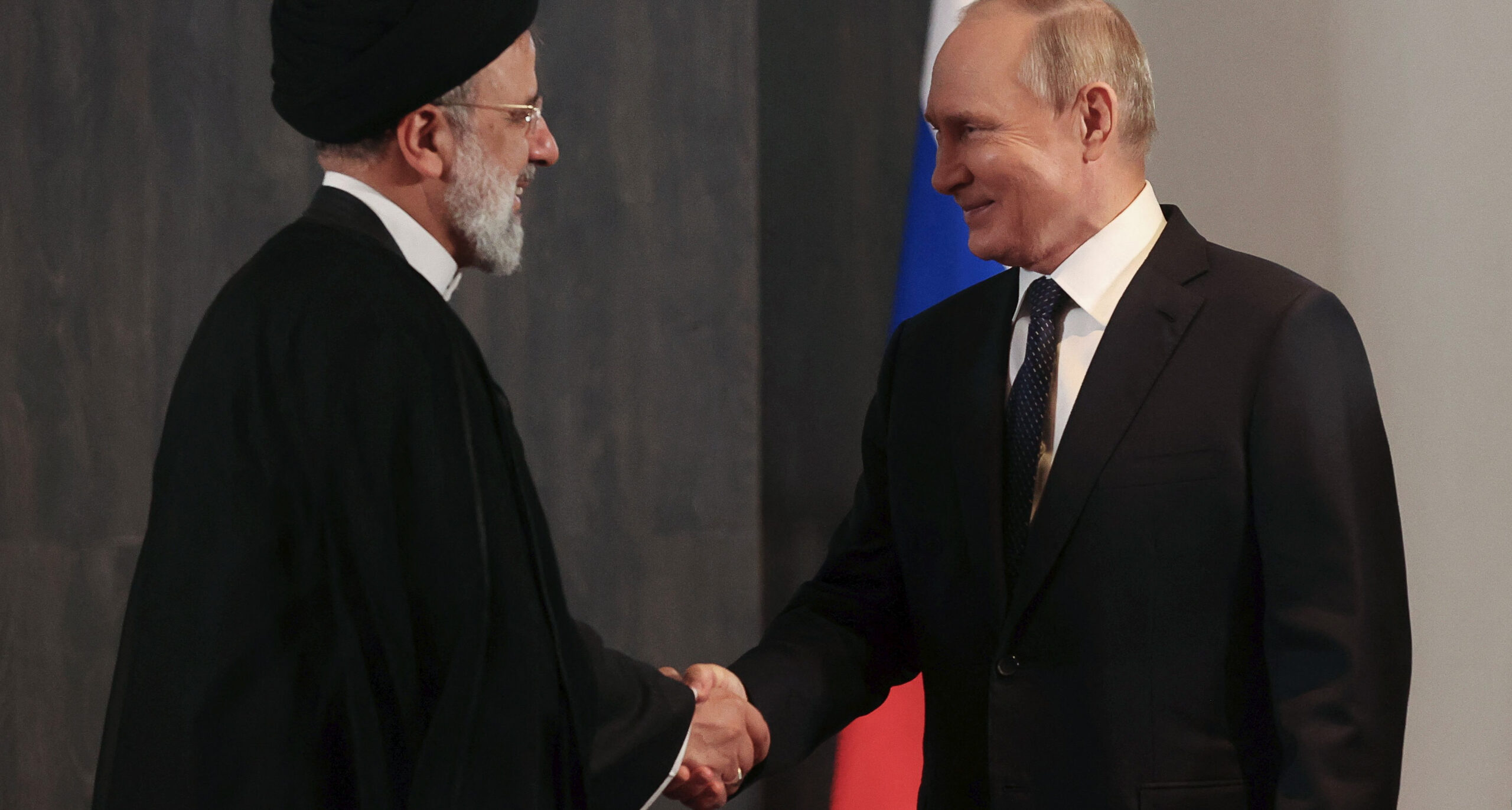
Diagnosing Iran’s emerging pivot toward Russia and China
Since Raisi’s election to the presidency, Iran is pursuing a two-tiered foreign policy: a vigorous and determined shift toward Russia and China on the one hand, while, on the other hand, making incremental concessions on its nuclear program to give the impression that another deal can be struck to replace the JCPOA. The former approach is being implemented with almost zero fanfare and the latter with extensive publicity.
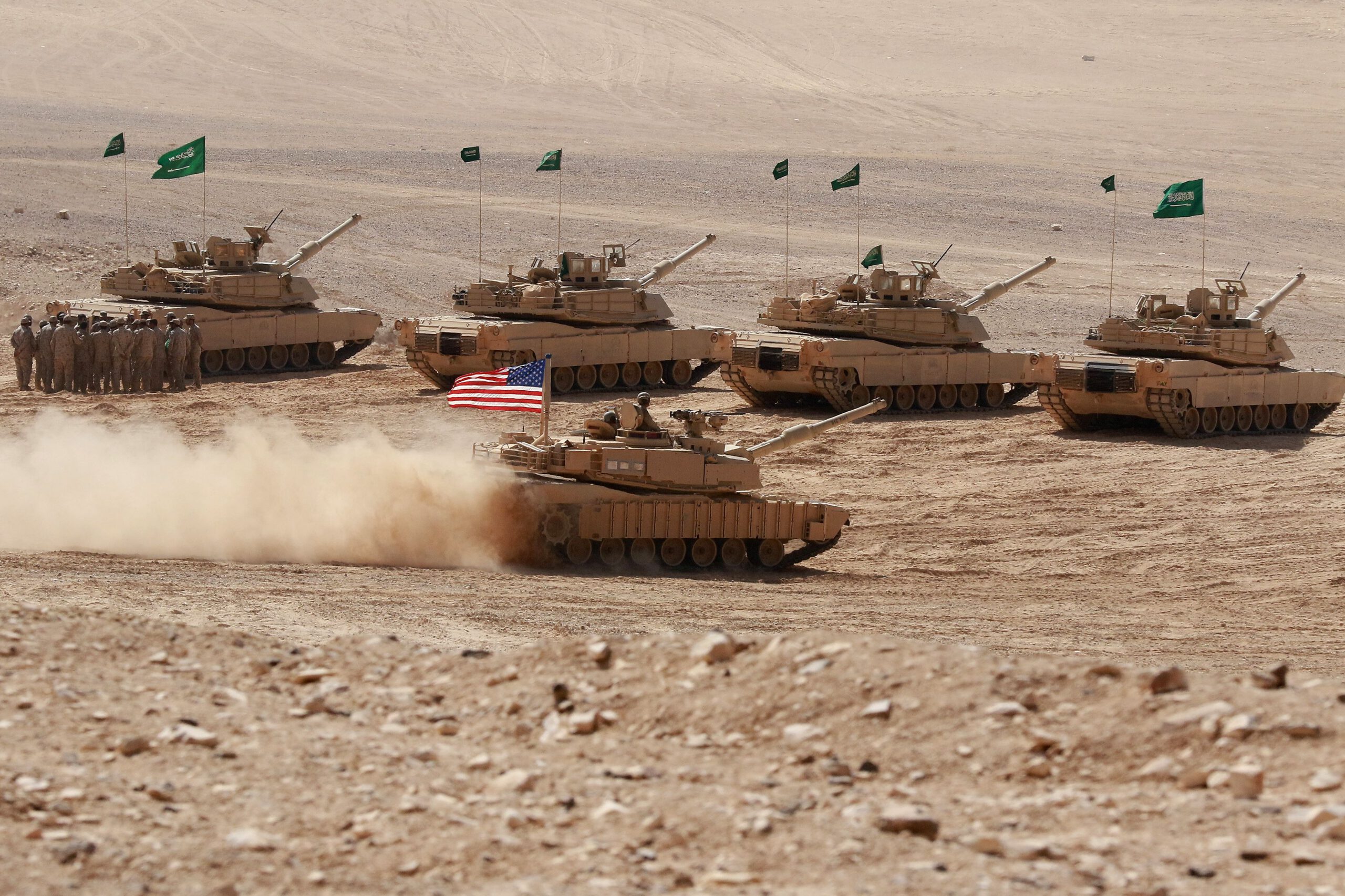
A Defense Pact Will Not Upgrade U.S.-Saudi Security Relations
After years of strain, both U.S. and Saudi leaders have now stated that they want stronger relations. But a treaty alliance with Saudi Arabia is neither politically realistic nor strategically wise for the United States.
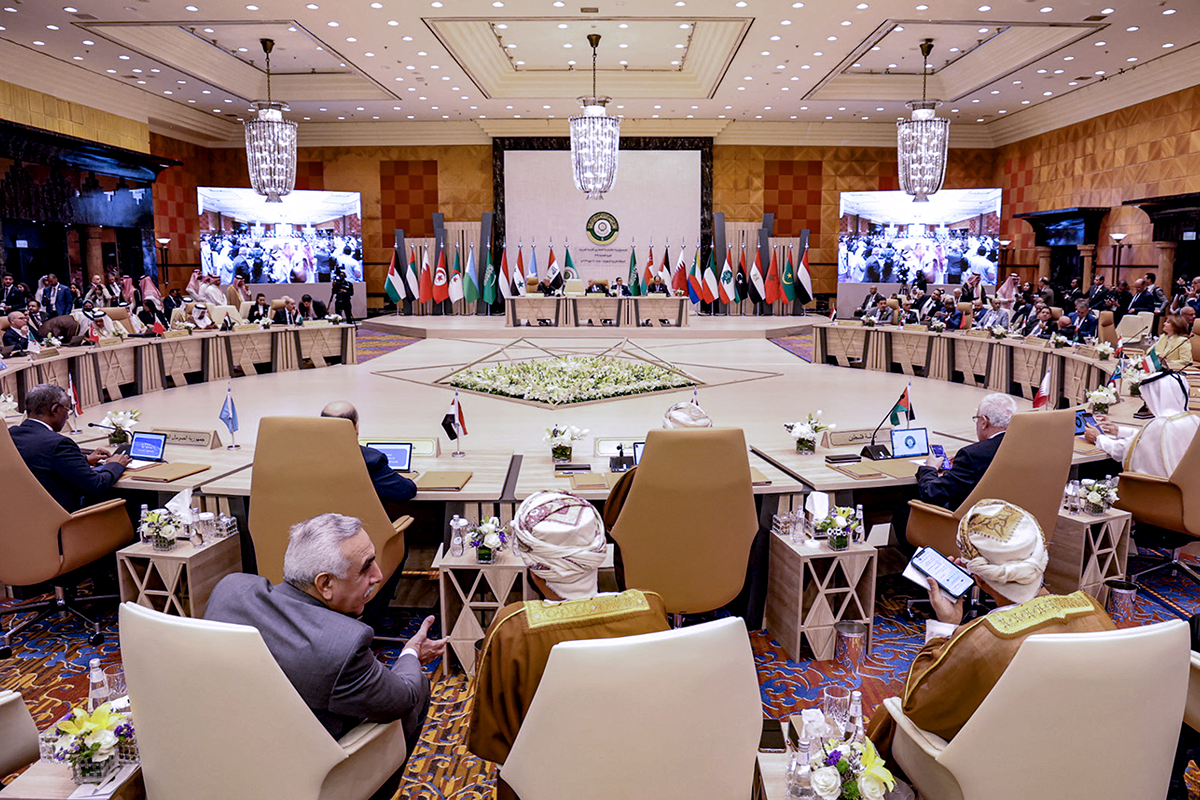
Stabilizing instability: The challenges of Middle East peacebuilding
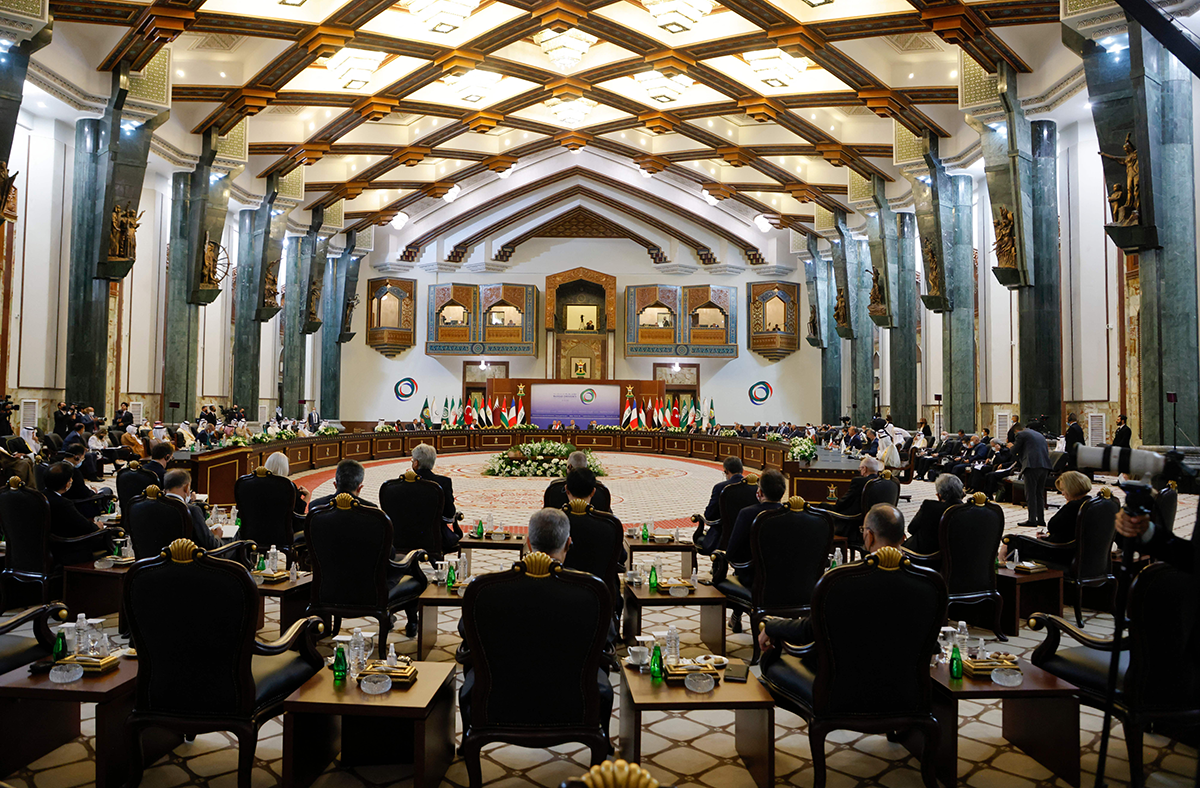
The Middle East is experiencing a remarkable spate of diplomacy, de-escalation, and normalization. This is generally a positive development, as the region needs to take charge of its own destiny. But normalization and de-escalation does not always lead to meaningful conflict resolution; indeed, sometimes the reverse is true. What needs to be done so that this positive momentum can be the first phase of a more meaningful set of engagements to build a more lasting regional peace and integration?
Putting Diplomacy First in the Middle East: Creating Incentives for De-Escalation
The Middle East is undergoing a historic transformation with unprecedented opportunities to build new relationships, de-escalate tensions, and foster conditions for stronger integration. At the same time, the region remains on edge because of ongoing tensions in Yemen, Syria, Iraq, and other conflict zones, a civil war that broke out recently in Sudan, along with the overarching challenges presented by fraught relations between Iran, Israel, and several Arab Gulf countries — with the longer-term implications of the still-fragile Iranian-Saudi rapprochement yet to be fully assessed.
India-Taliban relations: A careful balancing act, driven by pragmatism
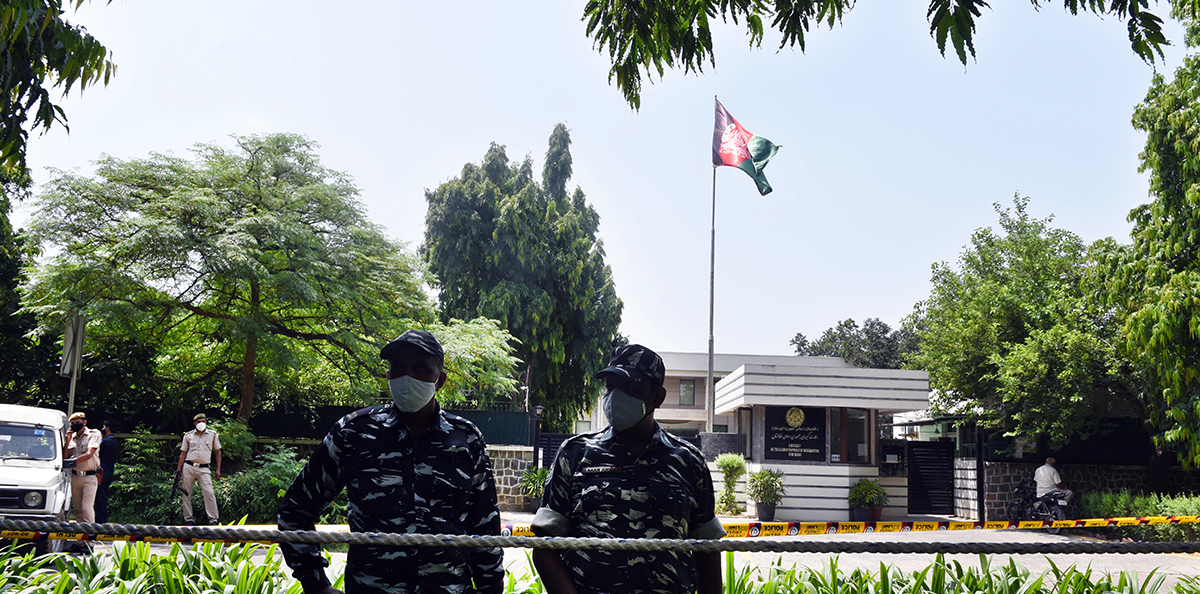
An ongoing power struggle for the position of ambassador at the Afghan embassy in New Delhi underlines India’s diplomatic quandary about the nature of its engagement with the Taliban regime in Afghanistan.
The Slowing Down of Israel-Arab Relations Under the Netanyahu Government
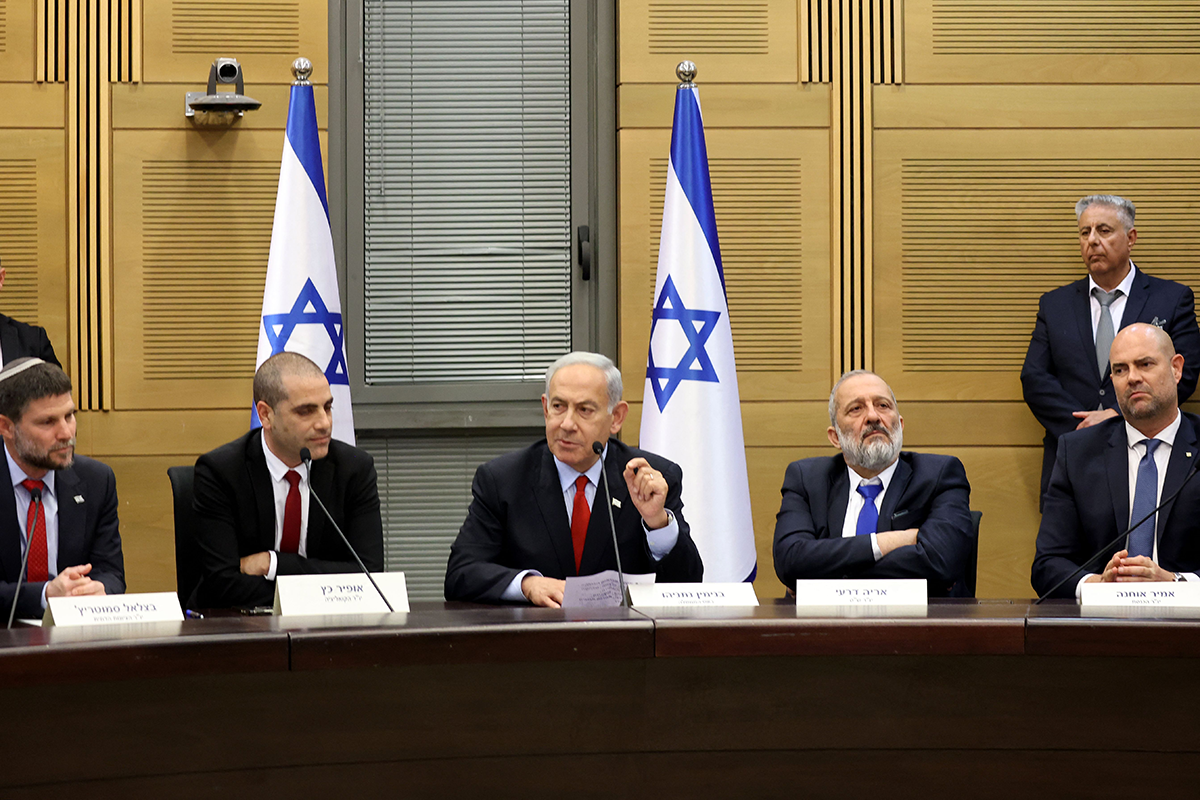
Dynamics between Israel and the Arab world have taken a turn for the worse in the first few months of the new Israeli government. The positive momentum in Israel-Arab relations, which Prime Minister Netanyahu himself was key in generating through the signing of the Abraham Accords and which picked up pace during the Bennett-Lapid government that followed, has slowed down. Only limited progress may be feasible under the current government, but conditions for positive change do exist and include marginalizing Israeli extremists, avoiding a flare-up with the Palestinians, reducing the domestic turmoil in Israel, and ensuring the effective involvement of the U.S. and the EU.
War as a catalyst for greater Black Sea-Gulf interconnectivity
Russia’s full-scale invasion of Ukraine has destabilized and distressed the entire Black Sea neighborhood. Yet despite the war, or perhaps because of it, strategically important foreign direct investments into Black Sea littoral countries, including from the Gulf, have endured or even grown.
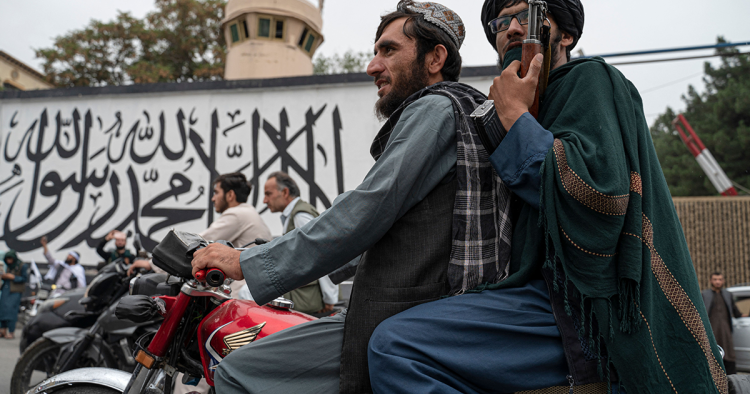
The United States should diplomatically recognize Afghanistan’s Taliban government. That’s not easy for us to say as a former Afghan ambassador and former CIA regional counterterrorism chief. Doing so will be perceived as a painful betrayal to many, but the alternative—allowing Afghanistan’s dangerous descent into a hermit kingdom and forsaking the insight and means to influence or shape events—would mean more dire consequences for all.
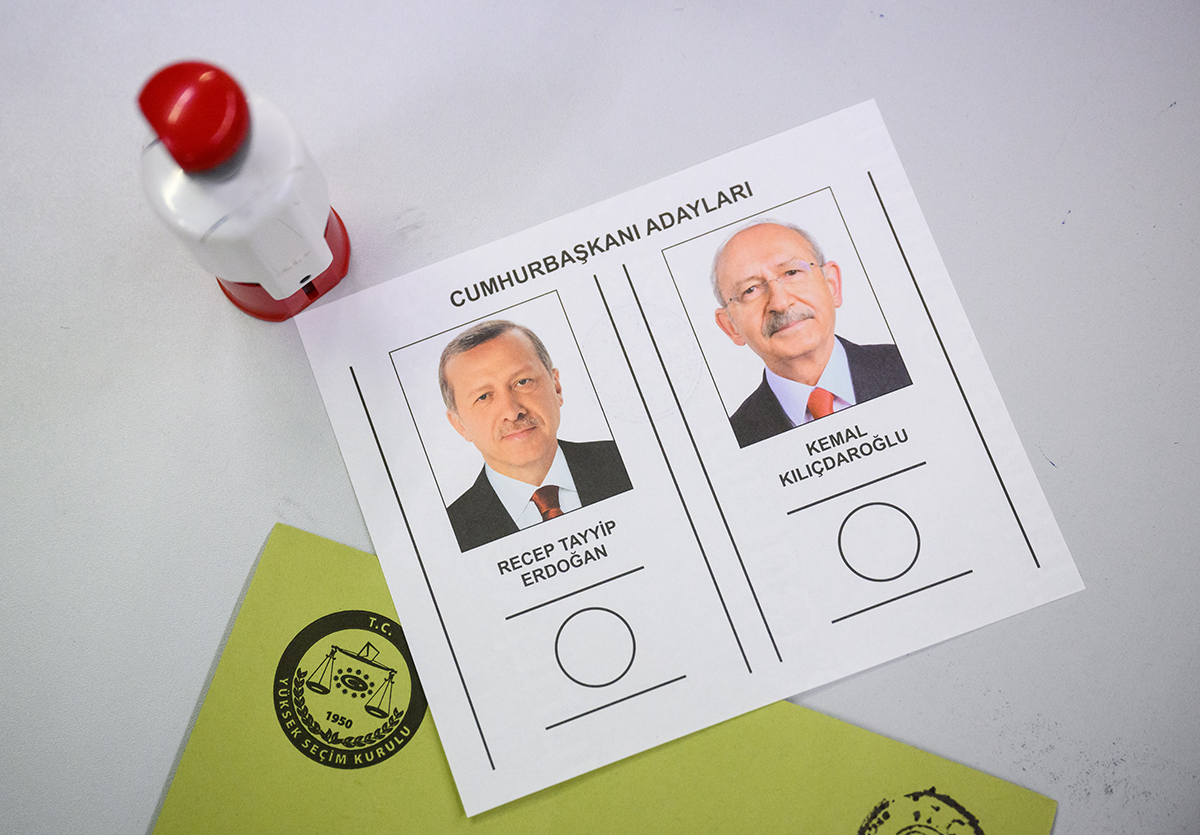
To analyze the crossroads Turkey faces in the 2023 elections, it could prove useful to “look back from the alternative futures” and explore how the possible outcomes might play out. What could it look like if we look back from 2030 to another victory by Erdoğan? And how might have the last seven years played out had the opposition won?
The oldest peer-reviewed publication dedicated to the study of the modern Middle East, MEI’s flagship journal covers politics, society, and culture in the region.