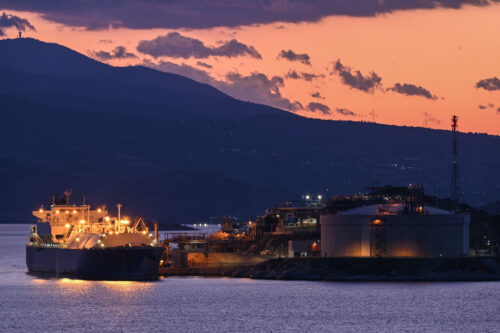
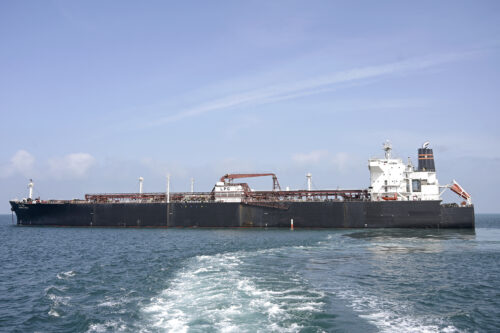
In less than two decades, a string of offshore discoveries has turned the Eastern Mediterranean into a significant gas-producing region, making Israel an exporter, twice lifting Egypt into the ranks of liquefied natural gas (LNG) exporters, and giving Cyprus finds it has yet to bring to market. This backgrounder explores the potential and challenges of exploiting and managing LNG resources in the region.
Deadlock in Gaza and the West Bank at a Breaking Point
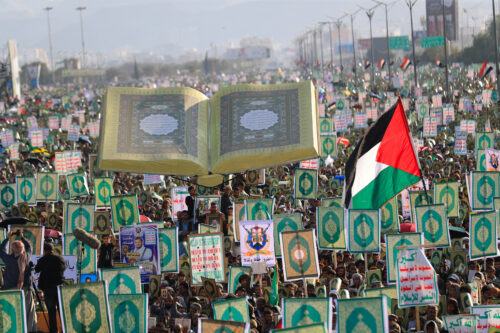
A year after world leaders gathered in Sharm el-Sheikh to mark the end of the war in Gaza, Israel controls about 70% of the Strip, Hamas retains its arms, and reconstruction has yet to begin. Meanwhile, in the West Bank, record settler violence and settlement expansion are colliding with a Palestinian Authority on the brink of fiscal collapse. Hosts Alistair Taylor and Matthew Czekaj are joined by MEI Associate Fellow Tahani Mustafa to discuss why the Gaza peace plan is deadlocked, an increasingly emboldened Israel in the West Bank, Mahmoud Abbas’s postponement of Palestinian elections, the Palestinian Authority’s deepening economic crisis, and what role the US could play.
MINURSO’s Future: What the Security Council’s Choice May Reveal
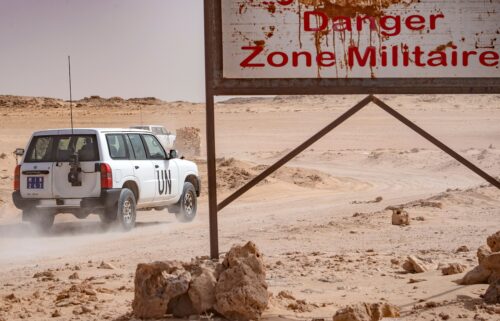
As the United Nations Security Council (UNSC) approaches the October 31 renewal deadline of the UN Monitoring Mission in Western Sahara (MINURSO), the mission’s longer-term future remains uncertain. Another largely unchanged renewal remains a likely immediate outcome. But beyond that holding pattern, three possible scenarios are also on the table.
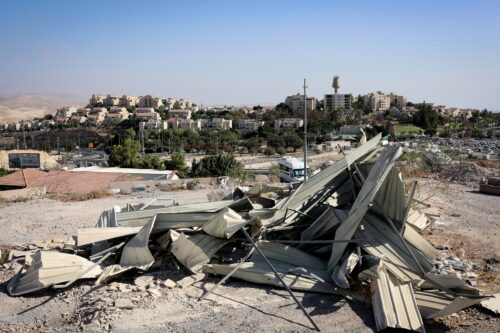
Since 1967, Israeli settlements in the West Bank have been a contested feature of the Israeli-Palestinian conflict. The ultimate disposition of the settlements and ongoing activity related to their growth have repeatedly defied agreement in negotiations over a resolution to the conflict.
The Houthis are a political-military faction and Zaydi religious movement founded in northwestern Yemen in the 1980s. A key member of Iran’s Axis of Resistance with links to other militant organizations in the Arabian Peninsula and the Horn of Africa, the group has continued to pose a threat to Western interests on a global scale.
The India-Middle East-Europe Economic Corridor (IMEC) is a proposed multinational infrastructure initiative aimed at upgrading connectivity between the three regions through integrated trade, energy, and digital networks. Announced at the G20 summit in New Delhi in September 2023, IMEC is envisioned partially as a counterweight to China’s international infrastructure project, the Belt and Road Initiative.
After a decade of post-Arab Spring isolation, Turkey’s leaders have recognized that their ambition to position the country as an agenda-setter on the world stage requires active engagement in all directions. President Recep Tayyip Erdoğan’s consolidation of executive authority has centralized foreign policy decision-making and tied it to his domestic political priorities, transforming the country’s revisionist approach to one shaped primarily by personal and pragmatic interests.
MEI Senior Fellow Brian Katulis engages friends, colleagues, and policy experts in casual conversations on the most important happenings in the Middle East.
Iulia-Sabina Joja and Charles Lister discuss the parallels between the wars in Ukraine and Syria, the similarities of Russia’s tactics in both conflicts, and what the recent history in Syria may signal for Ukraine in the months ahead.
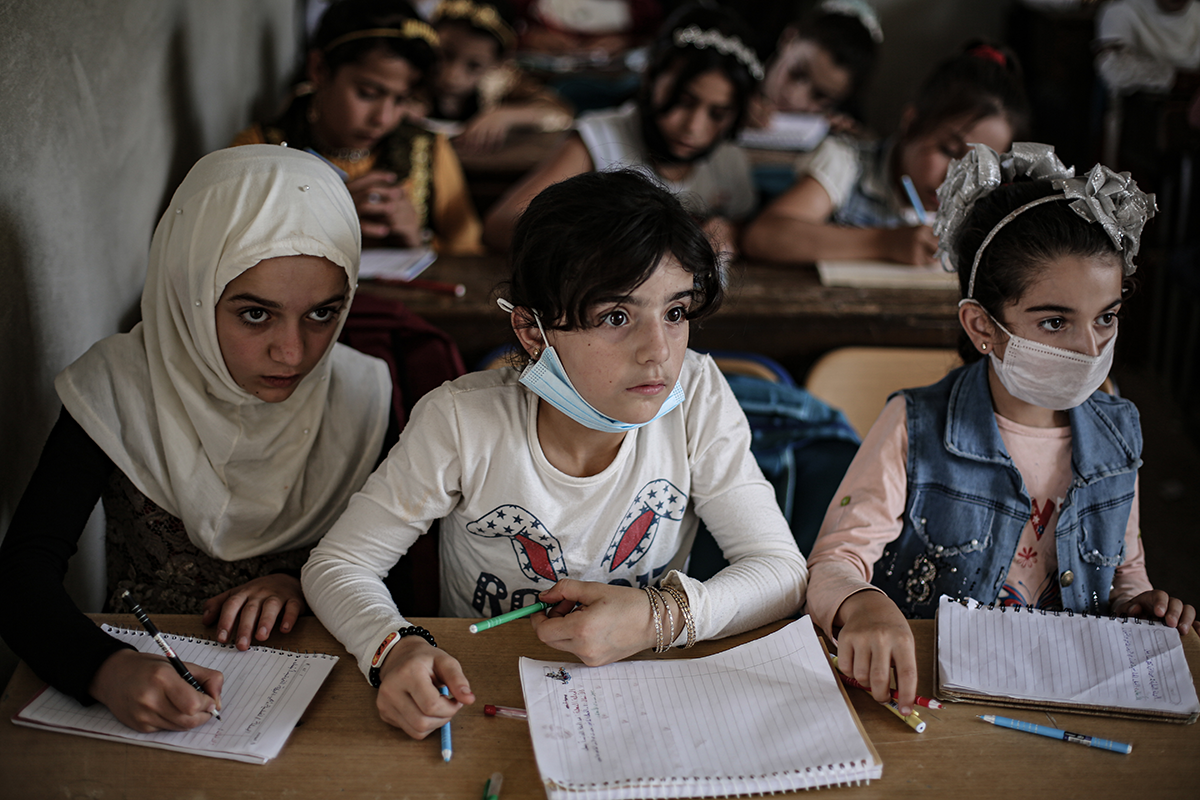
Syria’s Education Crisis: A Sustainable Approach After 11 Years of Conflict
Education in Syria faces major disruptions amid the ongoing humanitarian catastrophe. Failure by international governments to act urgently endangers the prospects of stabilizing Syria and facilitating recovery.
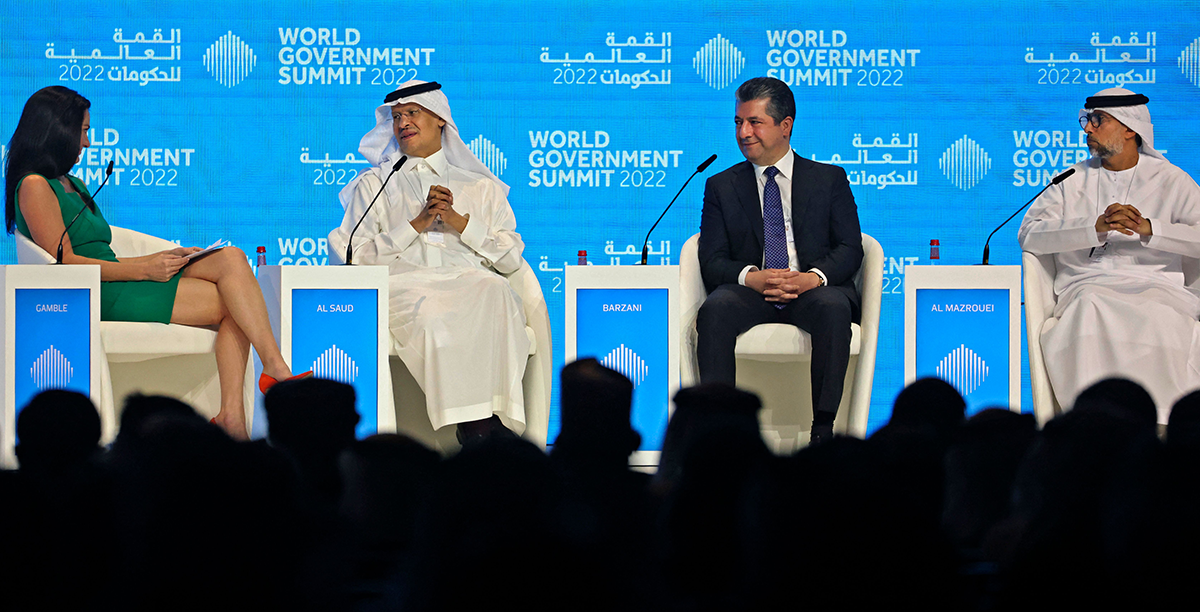
Gulf oil producers feel vindicated, but don’t expect them to turn on Russia
The war in Ukraine has brought back to the forefront the conversation about the need for new investments in oil and gas for the foreseeable future. As the calls multiply for Gulf producers to step in and fill the gap in gas and oil supplies as Russia faces sanctions, producers now feel vindicated after being shunned, and even targeted, at the COP26 in Glasgow last year.
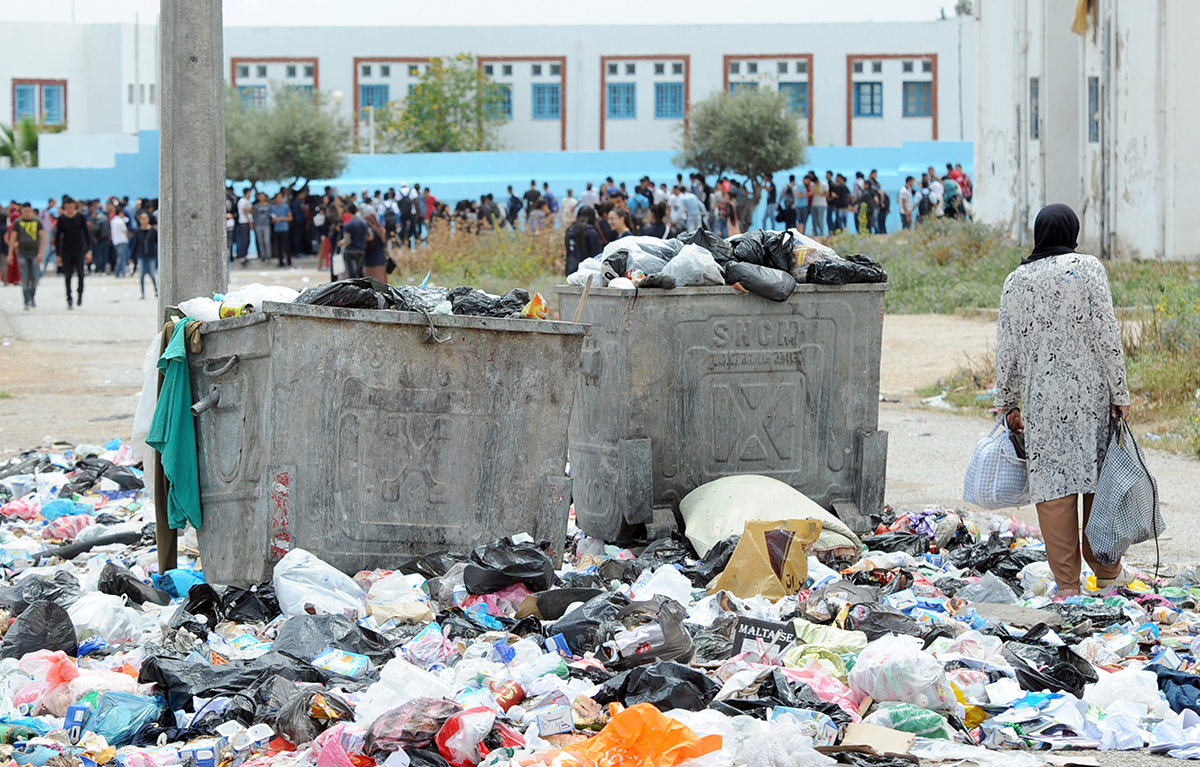
Solving Tunisia’s growing waste management problem
Given its outsized role in contributing to greenhouse gas emissions, waste management is an issue of global importance. Landfills account for almost 5% of total global greenhouse gas emissions and 12% of the world’s emissions of methane. The associated challenges are particularly acute in North Africa, and especially in Tunisia.
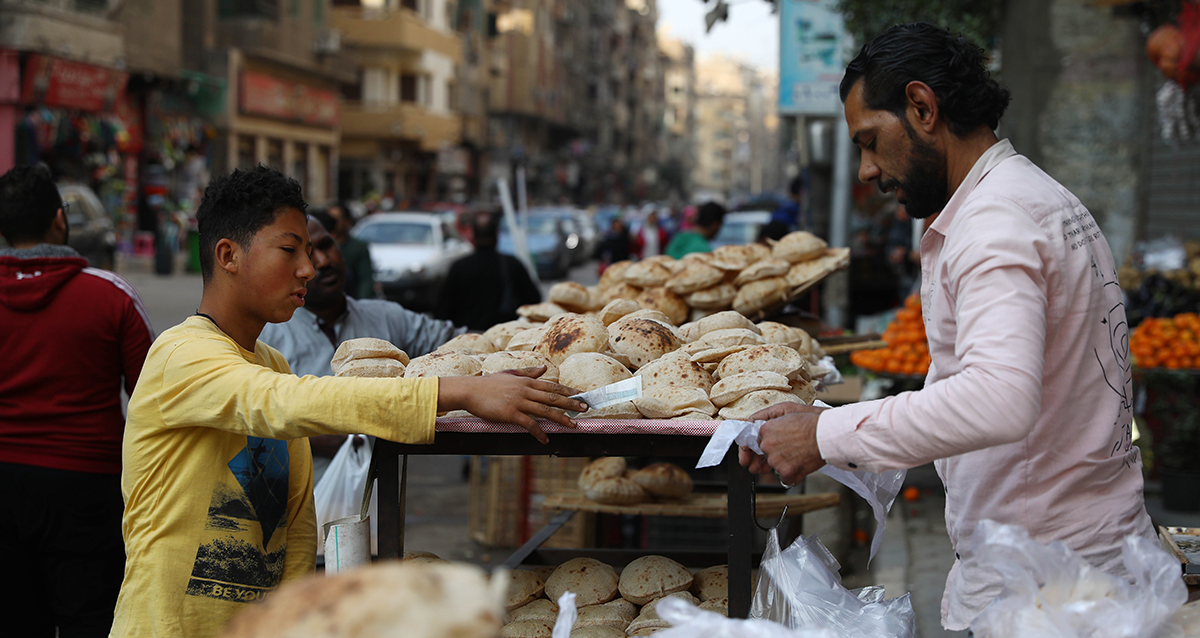
The Russia-Ukraine war might finally bring about a rise in Egypt’s bread prices
As the price of wheat has shot up following the Russian invasion of Ukraine, so too has the cost of Egypt’s bread subsidies, raising questions over their sustainability and potentially opening the door for an increase in the price of subsidized bread for the first time in decades.
President Erdoğan, as the leader of a middle-sized power strengthening an independent role, wants to enhance the reputation and expand that role for Turkey regionally and globally by achieving a balance of Ukrainian and Russian influence in the region.
China’s evolving conflict mediation in the Middle East
Since the early 2000s, China has exhibited a degree of flexibility regarding its policy of non-interference in internal affairs, exemplified through a broader series of mediatory efforts in civil wars in the Middle East and North Africa (MENA) region. China’s approach to conflict management has evolved, as have its motivations. This paper examines this evolution through the window of China’s conflict management in Sudan, Libya, and Syria.
How will the war in Ukraine affect EU-MENA relations?
While most analyses of the war in Ukraine have tended to focus on the intra-European dimension, it is worth exploring the potential consequences of this conflict for the EU’s relations with countries further afield, especially those in the Middle East and North Africa.
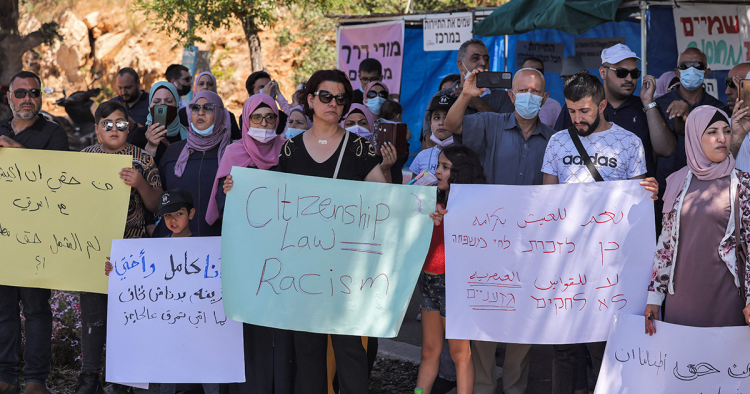
مرة أخرى، عرقلة إسرائيلية غير قانونية للم شمل العائلات الفلسطينية
أقر البرلمان الإسرائيلي، في العاشر من آذار مارس الجاري ، مشروع قانون يمنع منح الجنسية للفلسطينيين من الضفة الغربية المحتلة وقطاع غزة المتزوجين من مواطنين إسرائيليين.
الوجود الإيراني في الحسكة السورية دور متنامي ومصدر تهديد مباشر للقوات الأمريكية
زيادة القدرات العسكرية واللوجستية للمليشيات الإيرانية في محافظة الحسكة، ازداد منذ مطلع عام 2022، بعد أن كان وجودها يقتصر على مجموعات عسكرية صغيرة وبعض المليشيات المحلية المدعومة من إيران، لكن الأحداث الأخيرة فتحت المجال لها للتغلغل داخل المجتمعات المحلية، مستغلة تراجع الدور الروسي في المنطقة وخلافات العشائر العربية مع الإدارة الذاتية وقوات سوريا الديمقراطية.
Iran’s growing presence in Syria’s al-Hasakah poses a direct threat to US forces
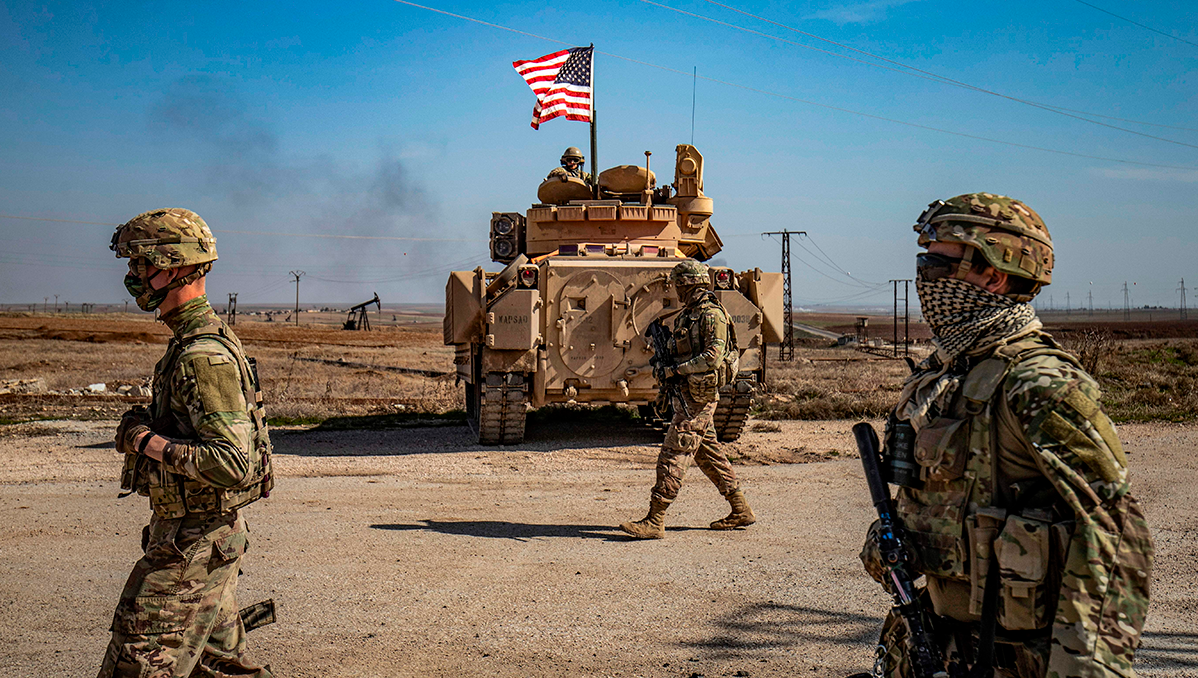
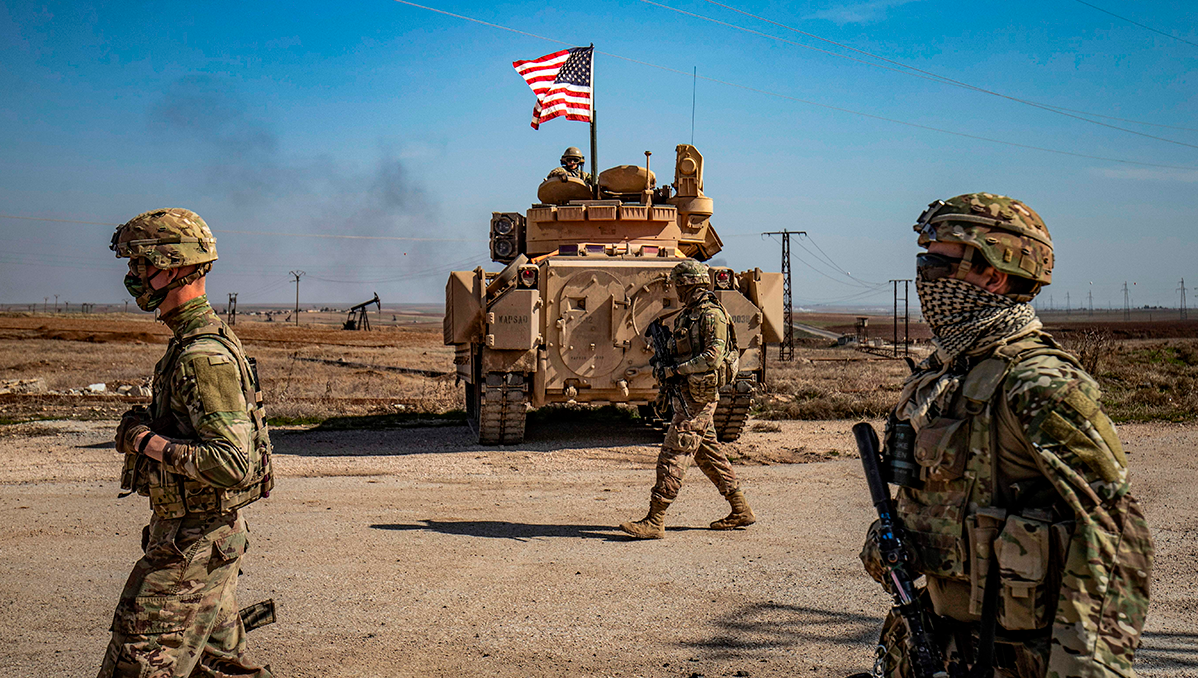
During February and early March 2022, the militias of the Iranian Islamic Revolutionary Guard Corps (IRGC) located in Syria’s al-Hasakah Governorate brought in several shipments of weapons and military equipment in an effort to strengthen their military and security presence in the governorate, which is considered the richest in Syria in terms of oil and agricultural wealth.
Yemen: Ending the War, Building a Sustainable Peace
Seven years on from the launch of the Saudi-led coalition’s military campaign on March 26, 2015, the civil war in Yemen remains stalemated. The fundamental realities of the conflict have not changed substantially in over five years. Meanwhile, the conditions under which the majority of innocent Yemenis are living continue to deteriorate. It’s time to consider measures that can promote an end to the conflict and lay the groundwork for post-conflict reconstruction.
Amid efforts to normalize Assad’s regime, the need for a new US Syria policy is clear
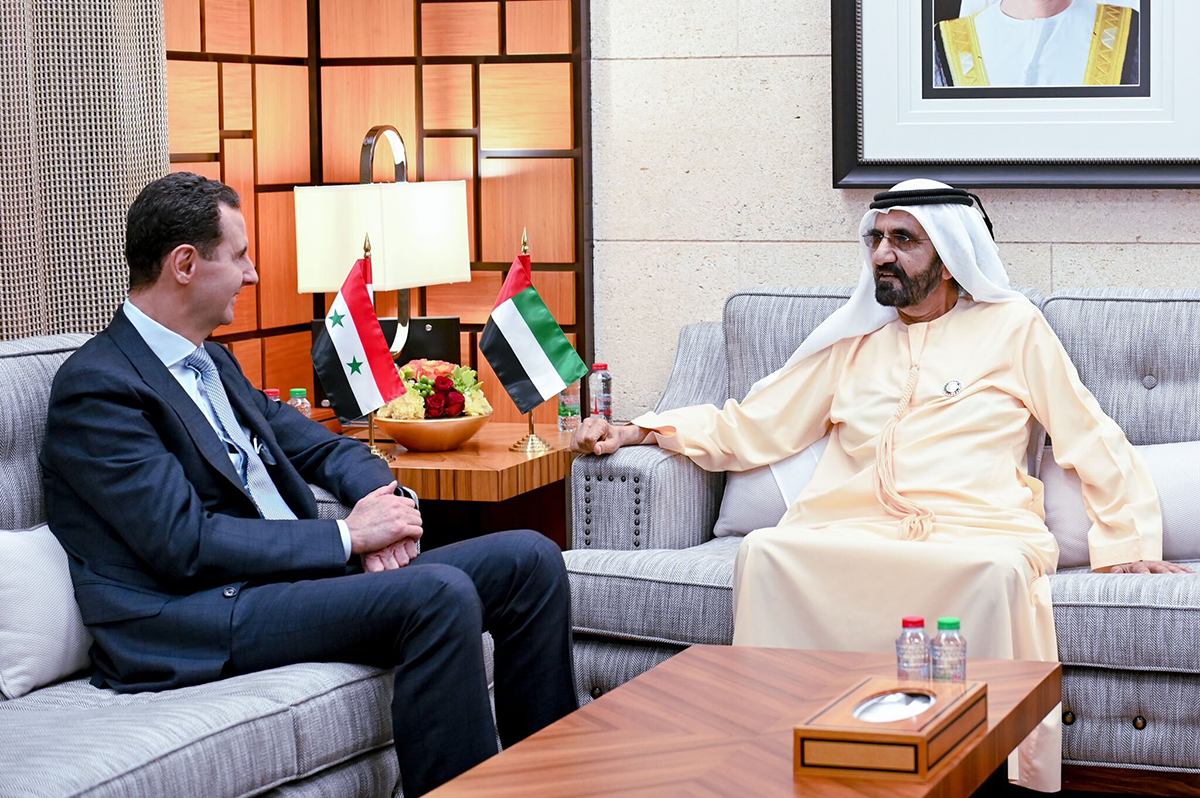
The decision by the UAE to host Syria’s President Bashar al-Assad in Dubai on March 18 has drawn deep consternation across the U.S. government and Congress, as well as in allied capitals in Europe and some in the Middle East.
China draws closer to the Taliban as regional foreign ministers prepare to meet in Beijing
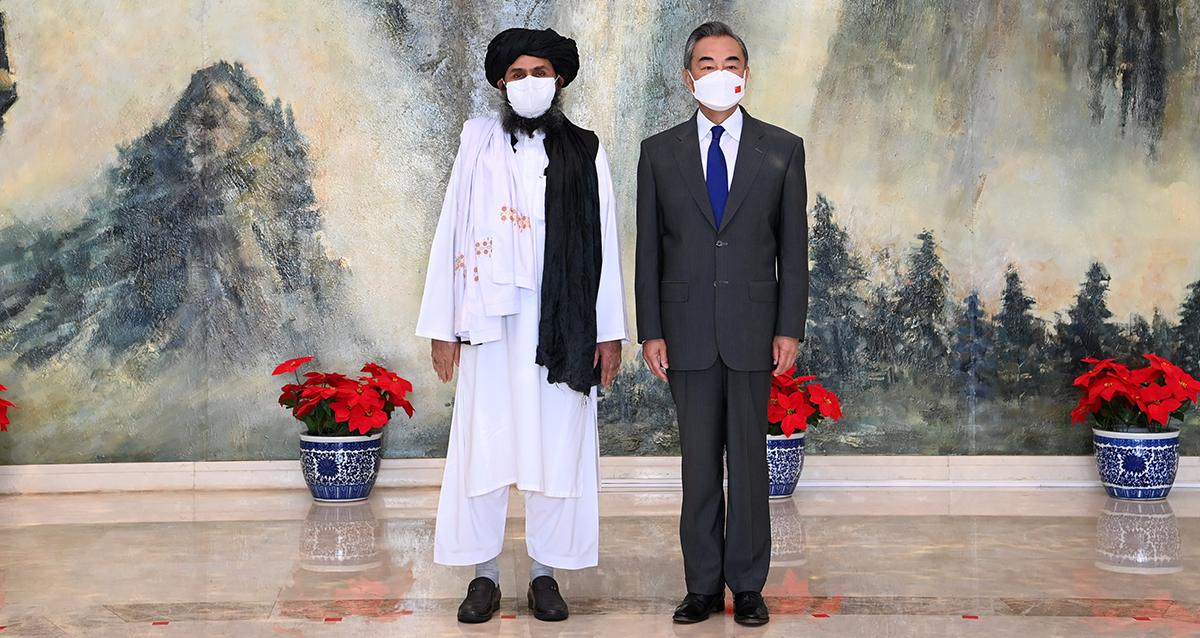
Despite the loss of crucial foreign aid, a deepening food crisis, and a sinking economy, little attention has been given to the effects of Afghanistan’s current political instability on the Taliban’s international relations. The international community has certainly taken an interest in Afghanistan, urging the Taliban to implement reforms, such as political representation for all Afghan ethnicities and respect for women’s rights, particularly when it comes to education and work. For its part, however, China has not let such concerns get in the way of establishing strong ties with the Afghan Taliban.
The oldest peer-reviewed publication dedicated to the study of the modern Middle East, MEI’s flagship journal covers politics, society, and culture in the region.