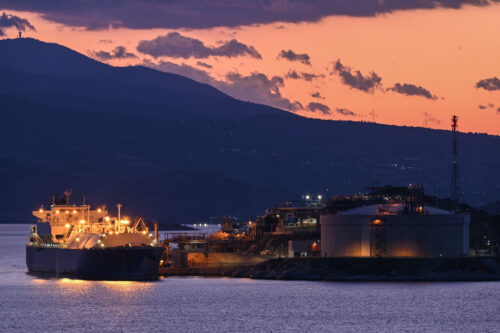
In less than two decades, a string of offshore discoveries has turned the Eastern Mediterranean into a significant gas-producing region, making Israel an exporter, twice lifting Egypt into the ranks of liquefied natural gas (LNG) exporters, and giving Cyprus finds it has yet to bring to market. This backgrounder explores the potential and challenges of exploiting and managing LNG resources in the region.
Deadlock in Gaza and the West Bank at a Breaking Point
A year after world leaders gathered in Sharm el-Sheikh to mark the end of the war in Gaza, Israel controls about 70% of the Strip, Hamas retains its arms, and reconstruction has yet to begin. Meanwhile, in the West Bank, record settler violence and settlement expansion are colliding with a Palestinian Authority on the brink of fiscal collapse. Hosts Alistair Taylor and Matthew Czekaj are joined by MEI Associate Fellow Tahani Mustafa to discuss why the Gaza peace plan is deadlocked, an increasingly emboldened Israel in the West Bank, Mahmoud Abbas’s postponement of Palestinian elections, the Palestinian Authority’s deepening economic crisis, and what role the US could play.
MINURSO’s Future: What the Security Council’s Choice May Reveal
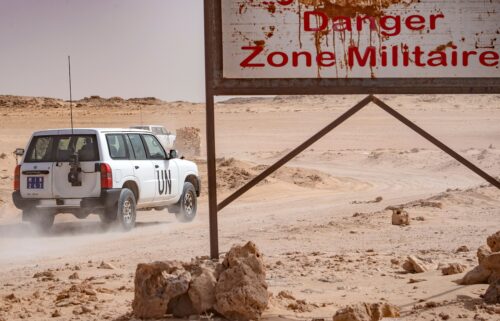
As the United Nations Security Council (UNSC) approaches the October 31 renewal deadline of the UN Monitoring Mission in Western Sahara (MINURSO), the mission’s longer-term future remains uncertain. Another largely unchanged renewal remains a likely immediate outcome. But beyond that holding pattern, three possible scenarios are also on the table.
Since 1967, Israeli settlements in the West Bank have been a contested feature of the Israeli-Palestinian conflict. The ultimate disposition of the settlements and ongoing activity related to their growth have repeatedly defied agreement in negotiations over a resolution to the conflict.
The Houthis are a political-military faction and Zaydi religious movement founded in northwestern Yemen in the 1980s. A key member of Iran’s Axis of Resistance with links to other militant organizations in the Arabian Peninsula and the Horn of Africa, the group has continued to pose a threat to Western interests on a global scale.
The India-Middle East-Europe Economic Corridor (IMEC) is a proposed multinational infrastructure initiative aimed at upgrading connectivity between the three regions through integrated trade, energy, and digital networks. Announced at the G20 summit in New Delhi in September 2023, IMEC is envisioned partially as a counterweight to China’s international infrastructure project, the Belt and Road Initiative.
After a decade of post-Arab Spring isolation, Turkey’s leaders have recognized that their ambition to position the country as an agenda-setter on the world stage requires active engagement in all directions. President Recep Tayyip Erdoğan’s consolidation of executive authority has centralized foreign policy decision-making and tied it to his domestic political priorities, transforming the country’s revisionist approach to one shaped primarily by personal and pragmatic interests.
MEI Senior Fellow Brian Katulis engages friends, colleagues, and policy experts in casual conversations on the most important happenings in the Middle East.
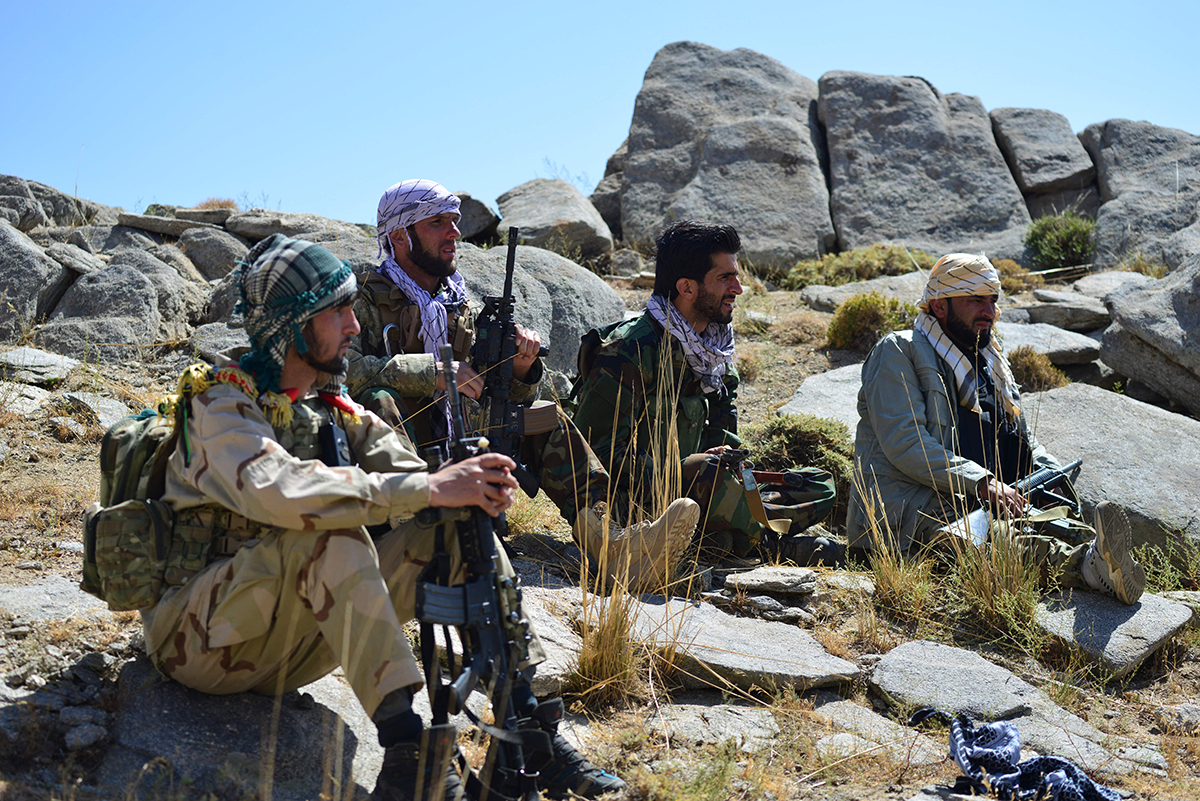
Supporting anti-Taliban fighters will spark a return to civil war, antagonize Pakistan, and draw the United States back into a conflict it sought to put behind it.
Tensions between Iran and Azerbaijan are high right now but both sides will very likely soon step down. Neither Tehran nor Baku can afford to let recent events lead to a full-fledged crisis or a military showdown between the two Shi’a Muslim-majority countries. On the surface, this latest spat is about Azerbaijan’s resentment toward Iran for providing an economic lifeline through trade and transit options to its landlocked arch nemesis, Armenia. In reality, the split that underpins the ongoing Iranian-Azerbaijani tensions is more about fundamental foreign policy choices that Tehran and Baku have each made and are unlikely to reverse.
Why Washington has provided King Abdullah with political cover to engage the Assad regime
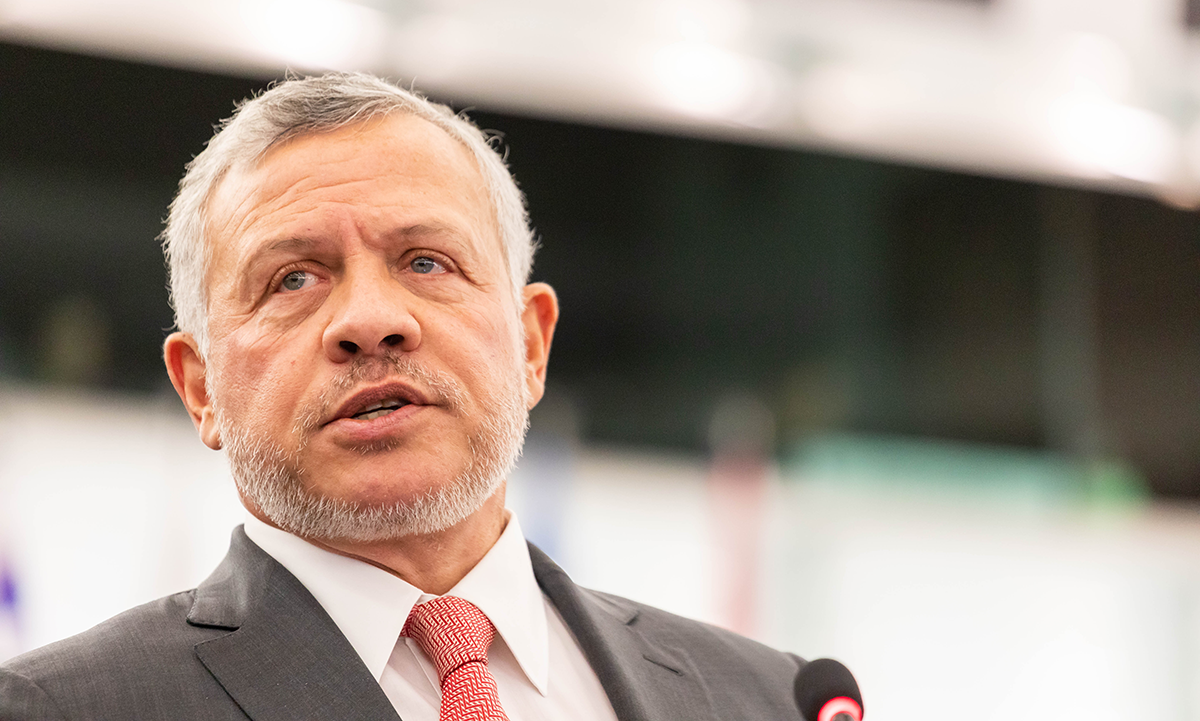
Jordan is going full speed ahead in normalizing relations with the Syrian regime, 10 years after it suspended political and economic ties with its northern neighbor in the wake of the eruption of the Syrian uprising. On Oct. 3, and in the first public contact between Abdullah and Syrian President Bashar al-Assad since 2011, Amman announced that the king had received a call from Assad. Talks focused on bilateral relations and ways to strengthen cooperation. The king stressed Jordan’s support for efforts to back Syrian territorial integrity, sovereignty, and unity. Jordan had allowed the Syrian embassy to remain open in Amman and kept a skeleton staff at its embassy in Damascus.
Does a new Israeli government mean a new regional policy? A look at the first 100 days
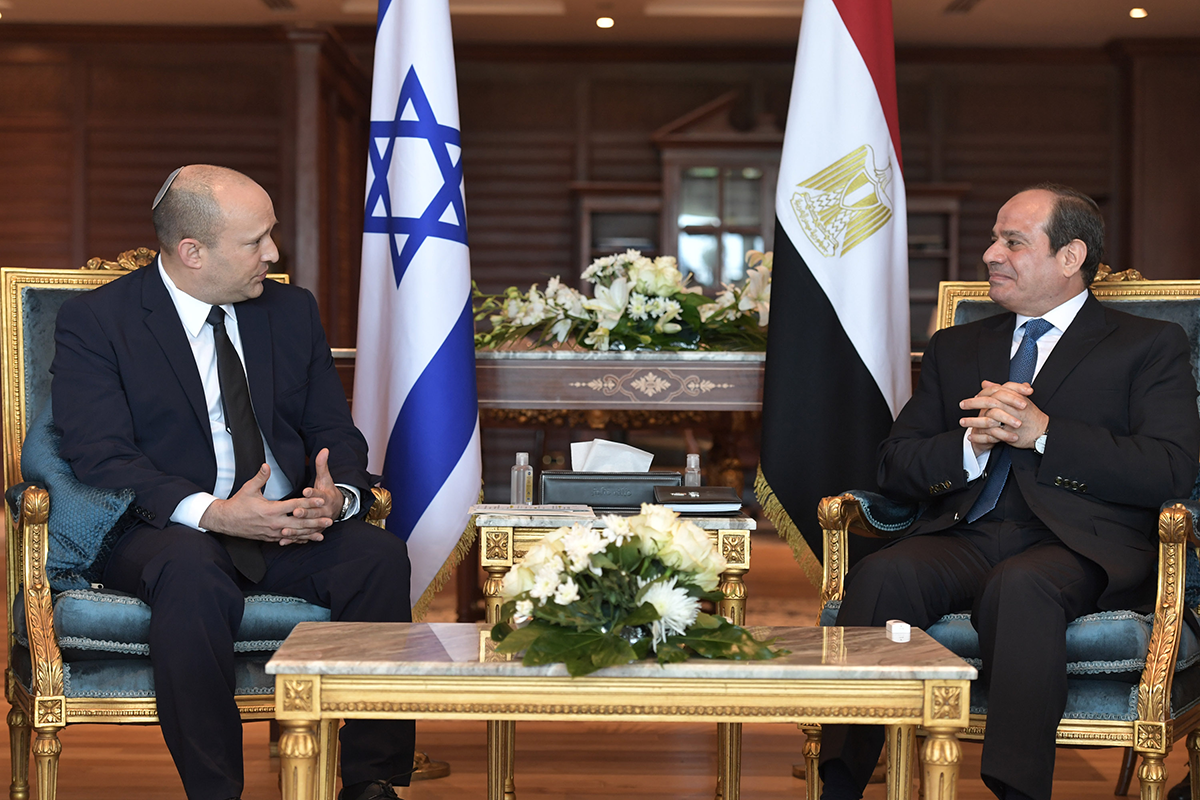
Naftali Bennett found his way to the Israeli prime minister’s office, even though his party won only six out of 120 seats in the Knesset (the Israeli parliament) in the March 2021 elections. He replaced the country’s long-time prime minister, Benjamin Netanyahu, who held the position for a combined total of 12 years and set the tone for Israeli policy, especially in the region. With the new government, formed in June, recently passing the 100-day mark, it is time to ask whether the change in the prime minister’s office has resulted in a real change in Israel’s regional policy.
Algeria’s foreign policy: Between hope and reality
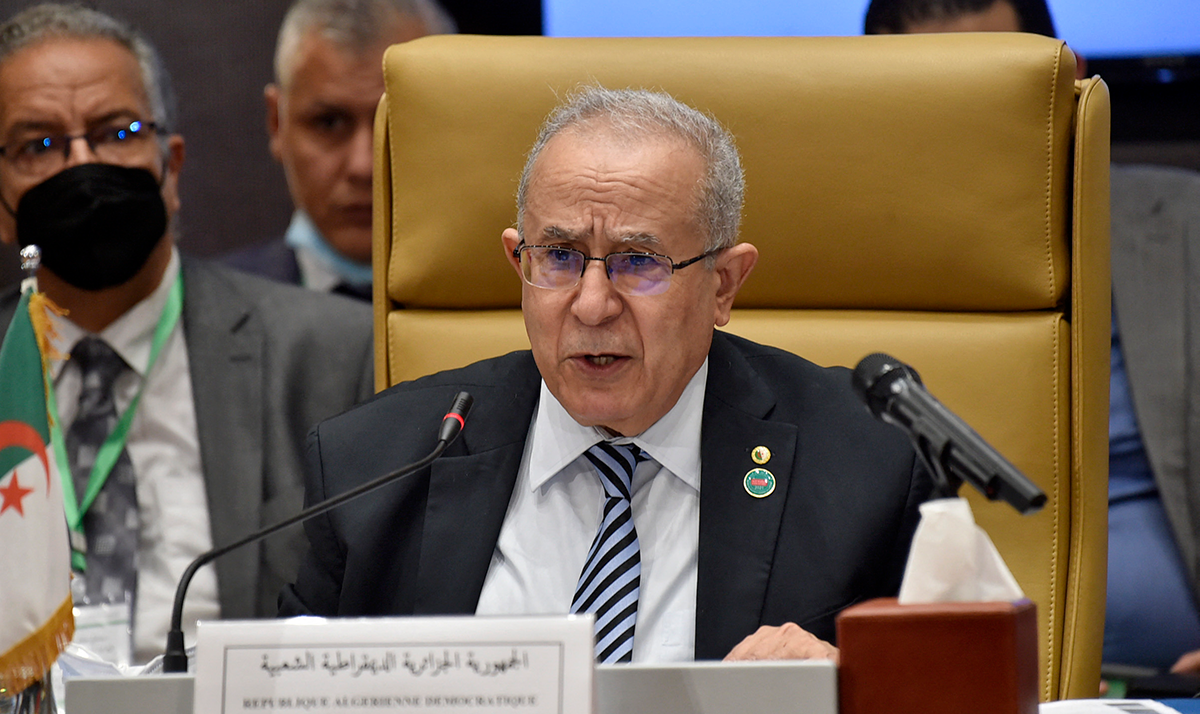
On Oct. 2, Algerian authorities recalled their ambassador to France for consultations amid rising tensions between the two countries. This followed France’s imposition of stricter restrictions on visa quotas for Algerians and critical comments from the French president, Emmanuel Macron. Relations between France and Algeria have long been complicated for historical reasons, but this latest episode comes after a bigger diplomatic crisis between Algeria and Morocco, which resulted in Algiers announcing on Aug. 25 that it was cutting diplomatic relations with Rabat. These actions demonstrate Algeria’s newly assertive foreign policy approach that capitalizes on its military and diplomatic corps. This includes high-level meetings of Army Chief of Staff Said Chengriha and frequent visits by Foreign Minister Ramtane Lamamra to Algeria’s neighbors to rehabilitate the country’s image after years of absence.
Avoiding water bankruptcy in the drought-troubled Southwest: What the US and Iran can learn from each other
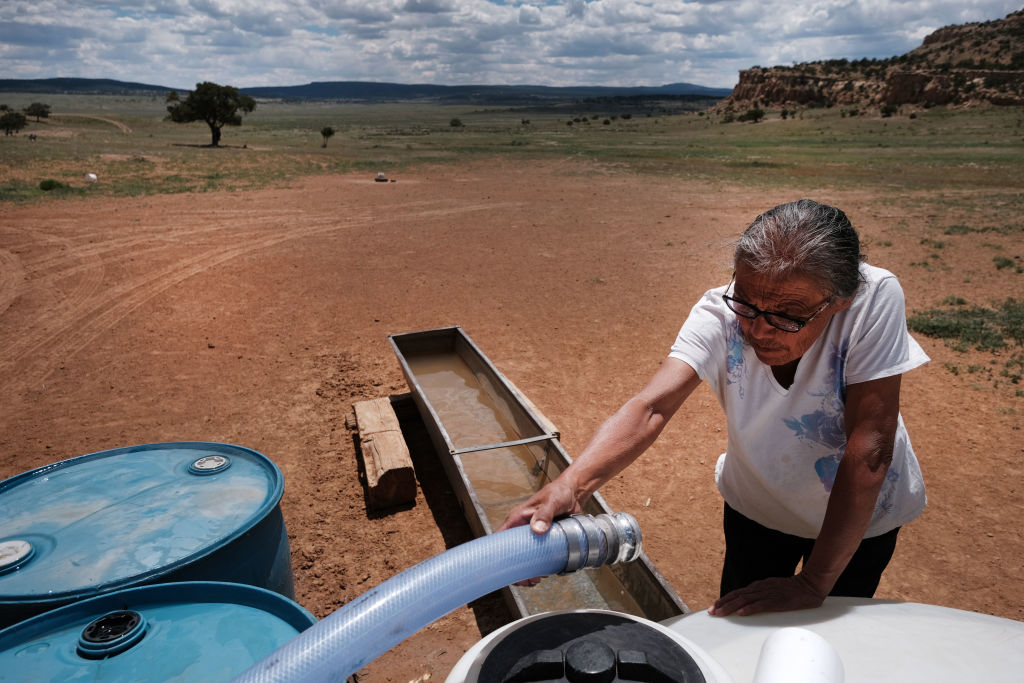
It was another hot, dry year in the western U.S., with almost the entire region in drought. Vital reservoirs have fallen to dangerous lows. More than 7,000 miles away, Iran is grappling with water problems that are similar to the U.S. Southwest’s but more severe.
Moscow may be disillusioned with the new officials in Tehran
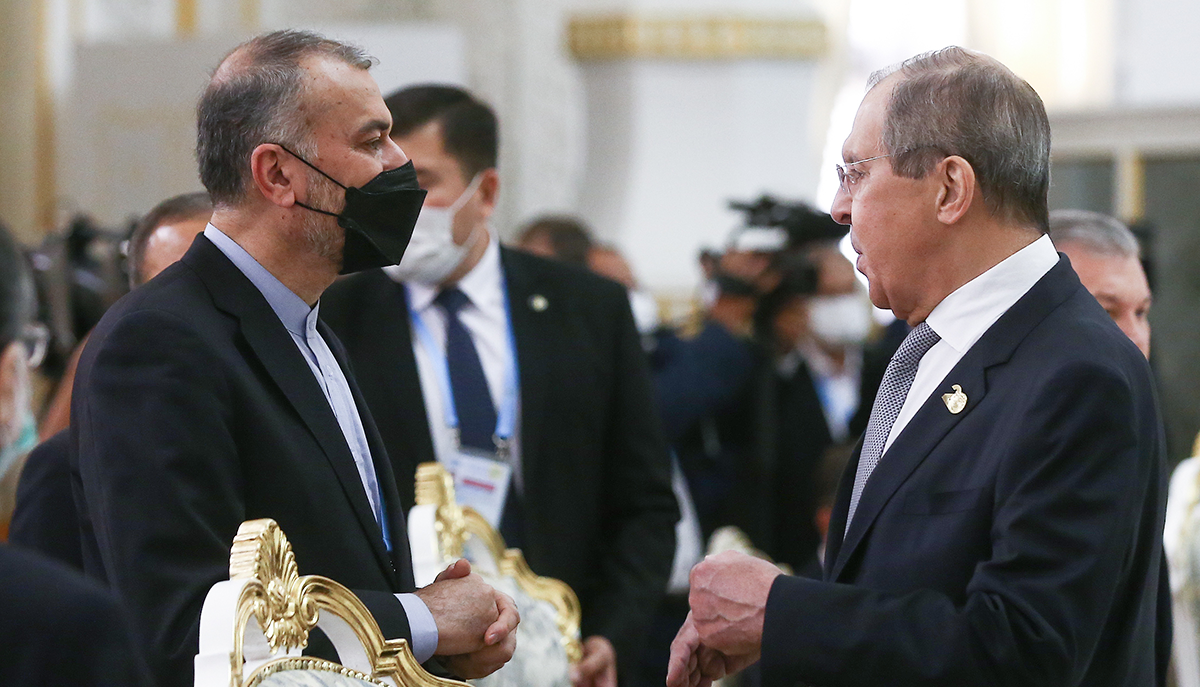
The new government of Iran, under President Ebrahim Raisi, still looks like a black box. It isn’t yet clear what policy the new officials in Tehran want to pursue in the nuclear negotiations — or even if they will negotiate at all. Hossein Amirabdollahian, Iran’s new foreign minister, shed some light on this darkness and said that “consultations are underway within the new Iranian government on how to continue the Vienna nuclear talks.” It appears the “consultations” have reached a meaningful point and the replacement of key positions has begun in the foreign policy apparatus. As a first move, Ali Bagheri Kani, a conservative close to former top nuclear negotiator Saeed Jalili, replaced Abbas Araghchi, the political deputy foreign minister. The emerging new team in Tehran looks strange not only to the U.S. and Europe, but also to Russia.
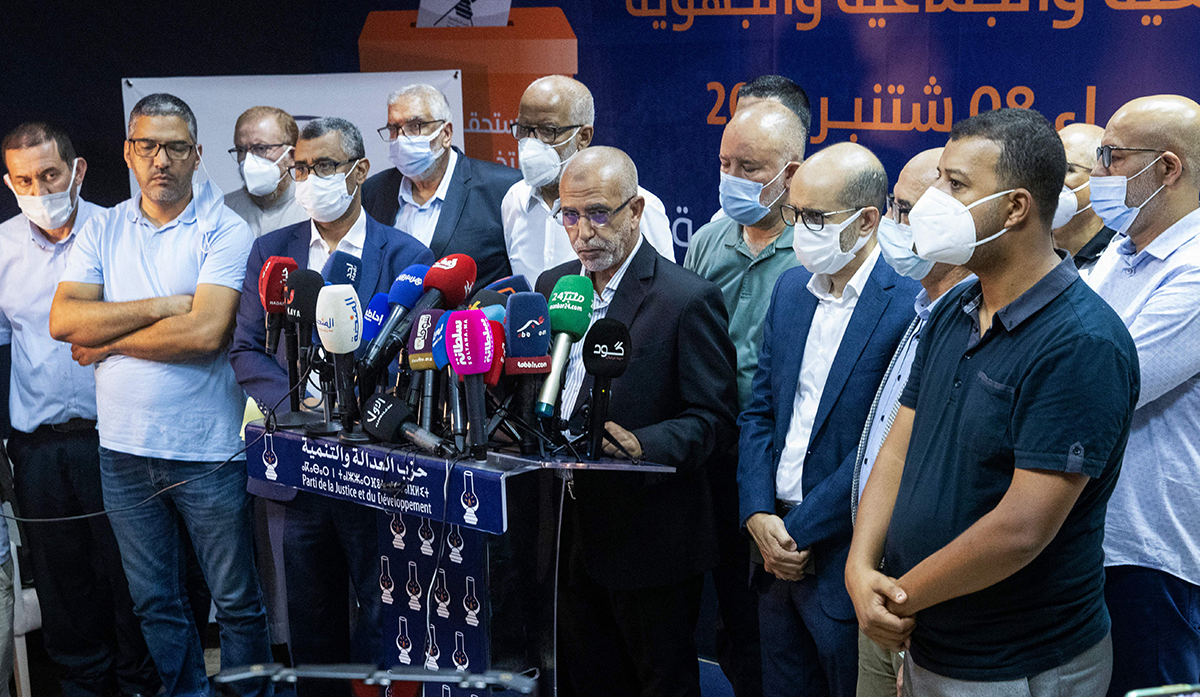
Across the Maghreb, support for all outside actors, including China and Russia, remains low
In recent years, China and Russia have gradually increased their influence in the Maghreb. The two powers, relative newcomers to the regional scene compared to Europe and the U.S., have been building stronger commercial, security, and diplomatic ties to the Maghreb countries of Morocco, Algeria, and Tunisia. However, these ties have not yet translated into significant popular approval or support.
ما هي احتمالات إعادة إحياء القيادة المركزية للقاعدة؟ يستعرض إبراهيم الأصيل رأياً لتشارلز ليستر مدير برنامج مكافحة الإرهاب في المعهد. — Ibrahim Al-Assil Charles Lister
تواجه طالبان مجتمعاً متنوعاً ومنقسماً، فهل تنجح في حكمه؟ يستعرض إبراهيم الأصيل رأياً لمارفين وينبوم مدير برنامج أفغانستان وباكستان في المعهد. — Ibrahim Al-Assil
أين تقع سوريا على سلّم أولويات إدارة بايدن؟ وما هي احتمالات انسحاب عسكري قريب للقوات الأمريكية وكيف ستكون انعكاساته على الأرض؟ تجيب جمانة قدّور على هذه الأسئلة الهامة وتلقي الضوء على المستجدات في الملف السوري. — Ibrahim Al-Assil Jomana Qaddour
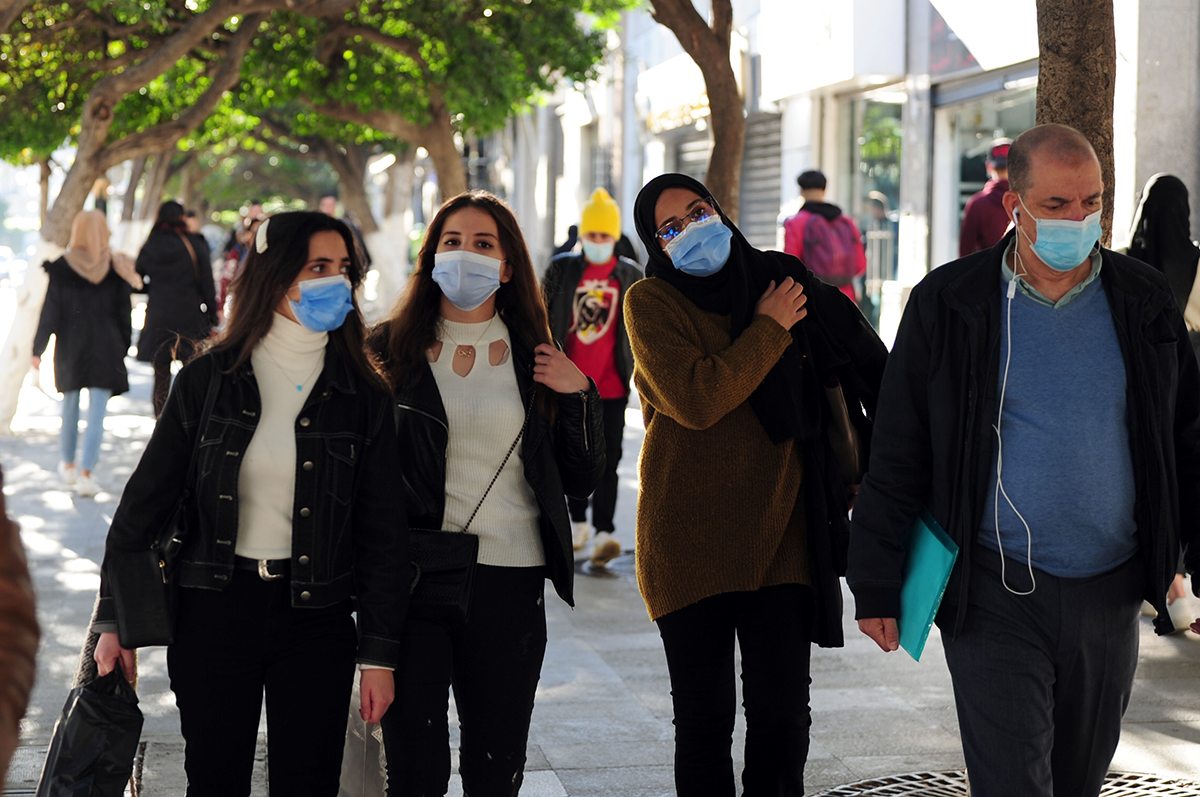
Algeria: Amid concerns about the pandemic and its economic impact, some optimism for the future
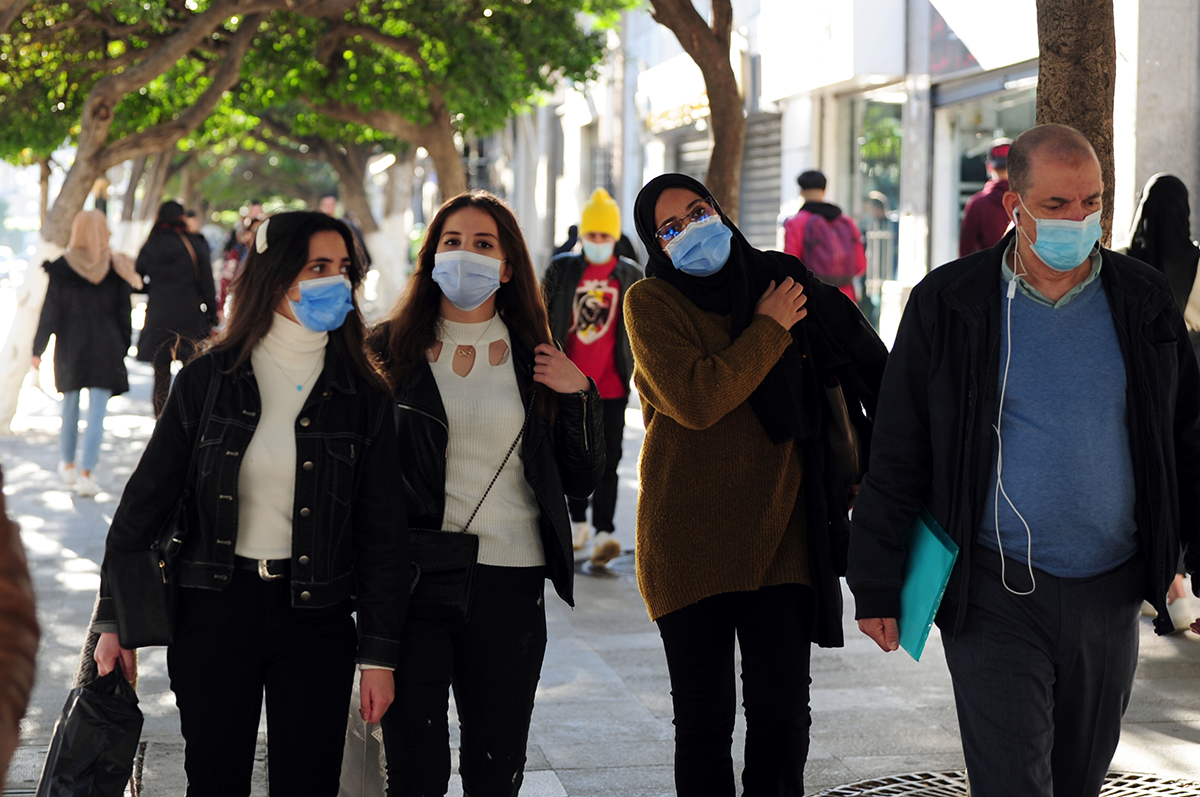
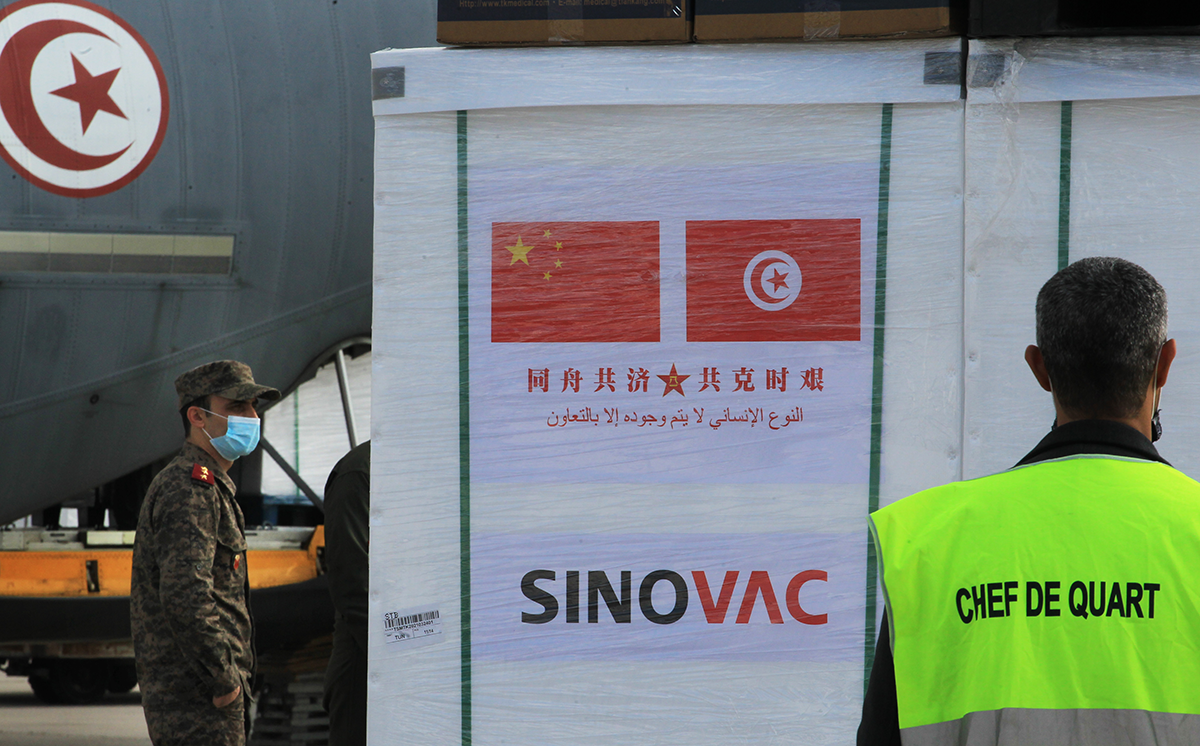
The Arab Barometer’s survey results for Algeria paint the picture of a population understandably worried about the COVID-19 pandemic and its economic impact. In surveys carried out in the country from August 2020 to April 2021, the spread of the virus and the business outlook consistently emerged as the top two challenges ahead, with economic concerns rising to the top position and overtaking the health situation over this period. Because of the spread of the Delta variant, Algiers has been struggling to contain the transmission of the virus. New cases and deaths quickly escalated between July and August 2021, taking the health care system to the brink of collapse.
The oldest peer-reviewed publication dedicated to the study of the modern Middle East, MEI’s flagship journal covers politics, society, and culture in the region.