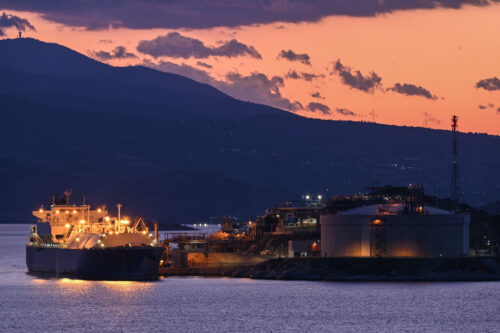
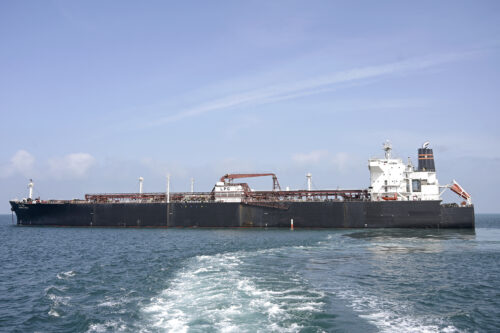
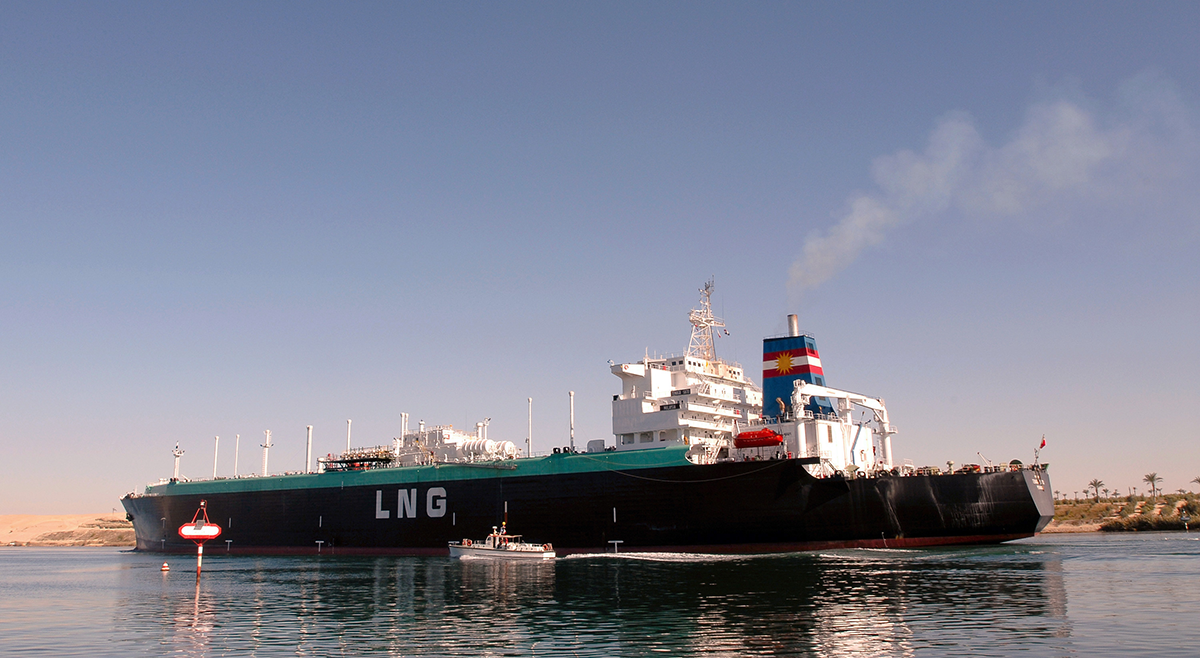
In less than two decades, a string of offshore discoveries has turned the Eastern Mediterranean into a significant gas-producing region, making Israel an exporter, twice lifting Egypt into the ranks of liquefied natural gas (LNG) exporters, and giving Cyprus finds it has yet to bring to market. This backgrounder explores the potential and challenges of exploiting and managing LNG resources in the region.
Deadlock in Gaza and the West Bank at a Breaking Point
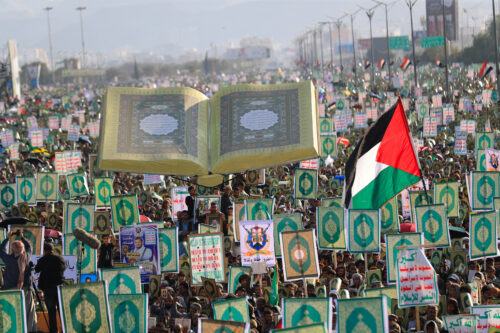
A year after world leaders gathered in Sharm el-Sheikh to mark the end of the war in Gaza, Israel controls about 70% of the Strip, Hamas retains its arms, and reconstruction has yet to begin. Meanwhile, in the West Bank, record settler violence and settlement expansion are colliding with a Palestinian Authority on the brink of fiscal collapse. Hosts Alistair Taylor and Matthew Czekaj are joined by MEI Associate Fellow Tahani Mustafa to discuss why the Gaza peace plan is deadlocked, an increasingly emboldened Israel in the West Bank, Mahmoud Abbas’s postponement of Palestinian elections, the Palestinian Authority’s deepening economic crisis, and what role the US could play.
MINURSO’s Future: What the Security Council’s Choice May Reveal
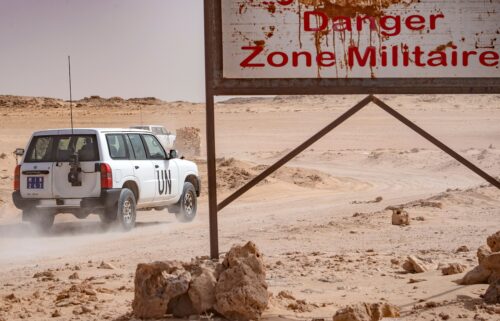
As the United Nations Security Council (UNSC) approaches the October 31 renewal deadline of the UN Monitoring Mission in Western Sahara (MINURSO), the mission’s longer-term future remains uncertain. Another largely unchanged renewal remains a likely immediate outcome. But beyond that holding pattern, three possible scenarios are also on the table.
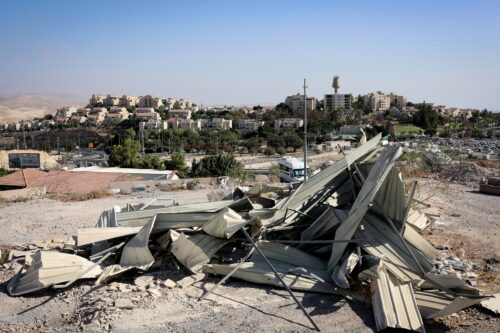
Since 1967, Israeli settlements in the West Bank have been a contested feature of the Israeli-Palestinian conflict. The ultimate disposition of the settlements and ongoing activity related to their growth have repeatedly defied agreement in negotiations over a resolution to the conflict.
The Houthis are a political-military faction and Zaydi religious movement founded in northwestern Yemen in the 1980s. A key member of Iran’s Axis of Resistance with links to other militant organizations in the Arabian Peninsula and the Horn of Africa, the group has continued to pose a threat to Western interests on a global scale.
The India-Middle East-Europe Economic Corridor (IMEC) is a proposed multinational infrastructure initiative aimed at upgrading connectivity between the three regions through integrated trade, energy, and digital networks. Announced at the G20 summit in New Delhi in September 2023, IMEC is envisioned partially as a counterweight to China’s international infrastructure project, the Belt and Road Initiative.
After a decade of post-Arab Spring isolation, Turkey’s leaders have recognized that their ambition to position the country as an agenda-setter on the world stage requires active engagement in all directions. President Recep Tayyip Erdoğan’s consolidation of executive authority has centralized foreign policy decision-making and tied it to his domestic political priorities, transforming the country’s revisionist approach to one shaped primarily by personal and pragmatic interests.
MEI Senior Fellow Brian Katulis engages friends, colleagues, and policy experts in casual conversations on the most important happenings in the Middle East.
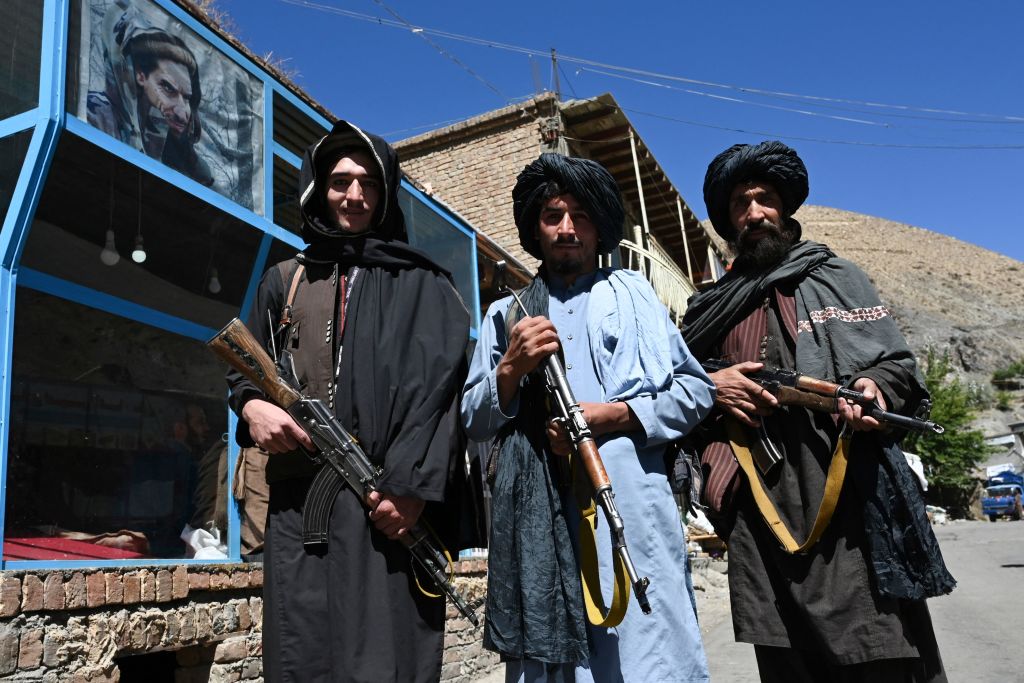
Iran and the Taliban after the US fiasco in Afghanistan
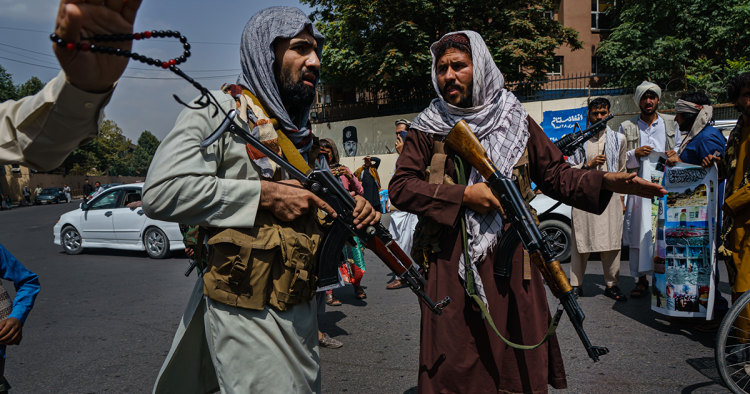
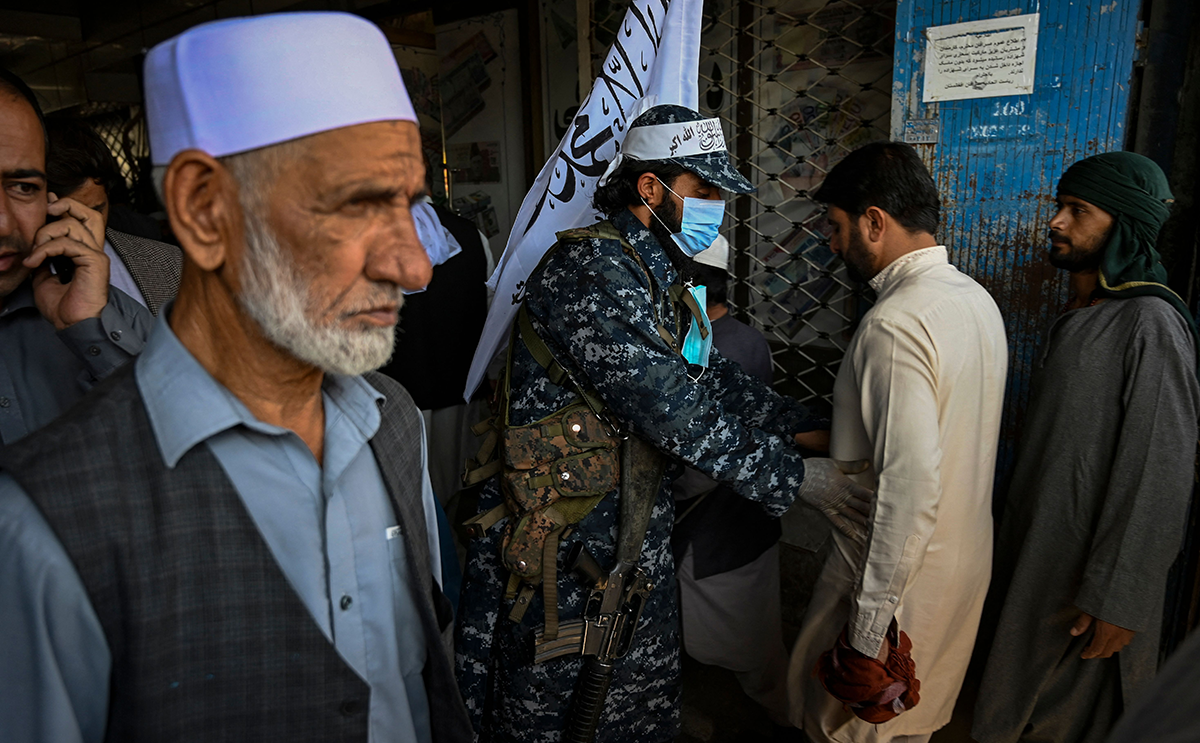
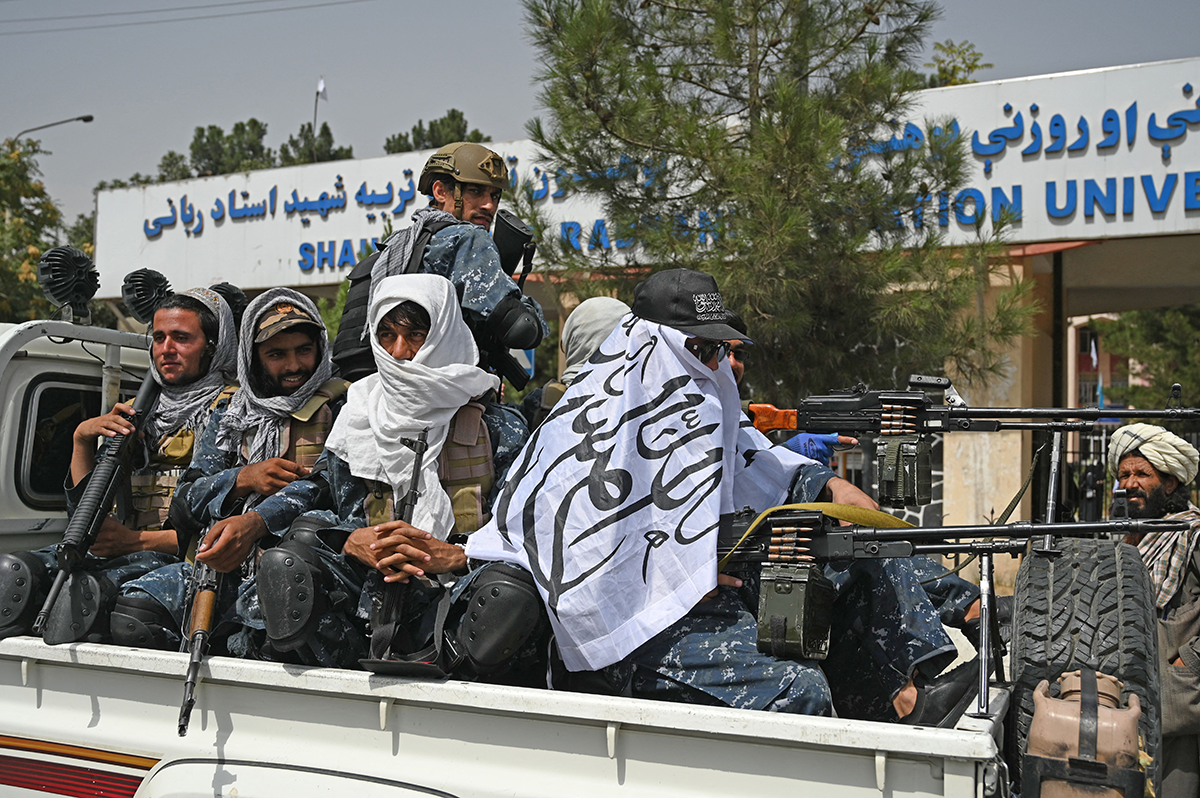
For Iran, Washington’s Afghanistan fiasco has been touted as confirmation that U.S. policy in the Islamic world is doomed to fail. The immediate geopolitical and ideological gains, however, could be overshadowed by the potential challenges that a Taliban-ruled Afghanistan may pose for Iran’s security and regional interests in the long run.
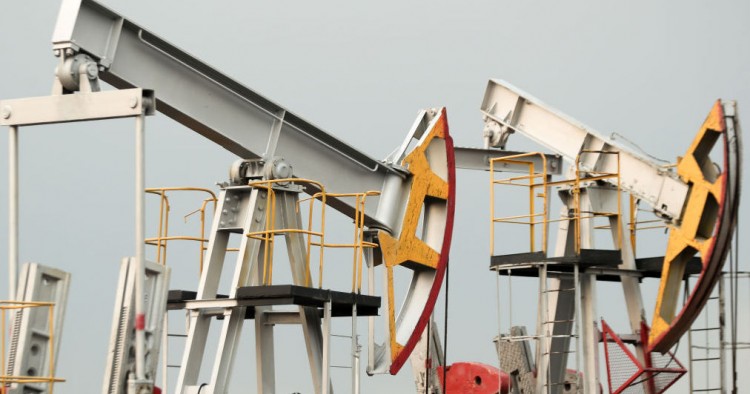
Egypt is currently the fastest-growing Arab exporter of liquefied natural gas (LNG), according to a report released by the Organization of Arab Petroleum Exporting Countries on Aug. 16. The report showed that Egypt exported around 1.4 million tons of LNG in the second quarter of 2021, having not exported any LNG during the same period in 2020.
ديجافو مرة أخرى في أفغانستان: التفاوض مع طالبان لإنقاذ المواقع التراثية
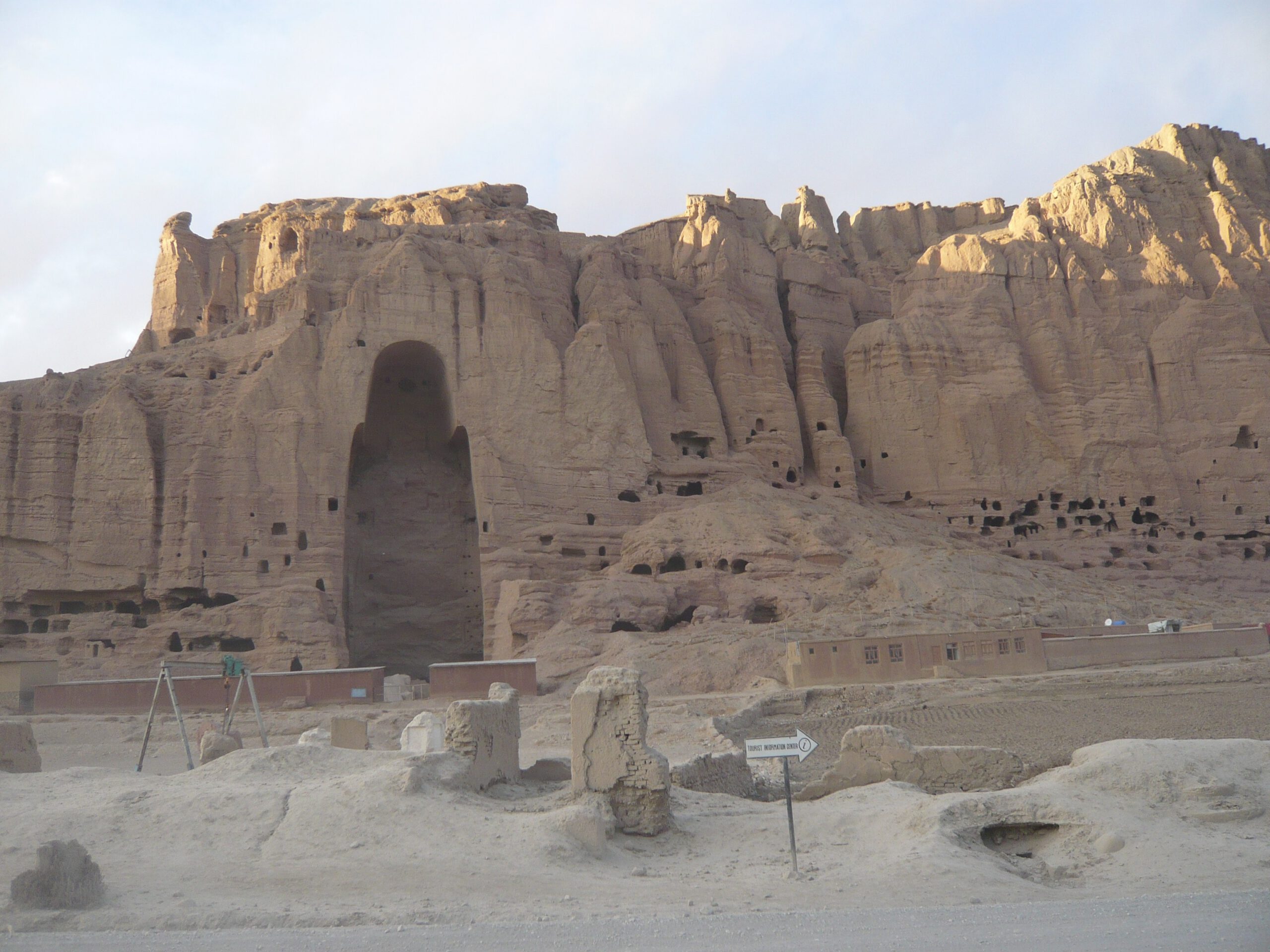
بينما يشاهد العالم استيلاء طالبان على أفغانستان وما أعقب ذلك من أحداث متلاحقة، يبدو الأمر وكأنه “ديجافو” أو تكرار لمعاناة أبناء هذه الأمة. ومع عودة طالبان إلى وادي باميان، وهو أحد مواقع التراث العالمي لليونسكو الذي أجاز فيه الملا عمر تدمير تمثالين من القرن السادس لبوذا قبل 20 عامًا، ندرك أننا شاهدنا هذا الفيلم من قبل ونعرف كيف تكون نهايته.
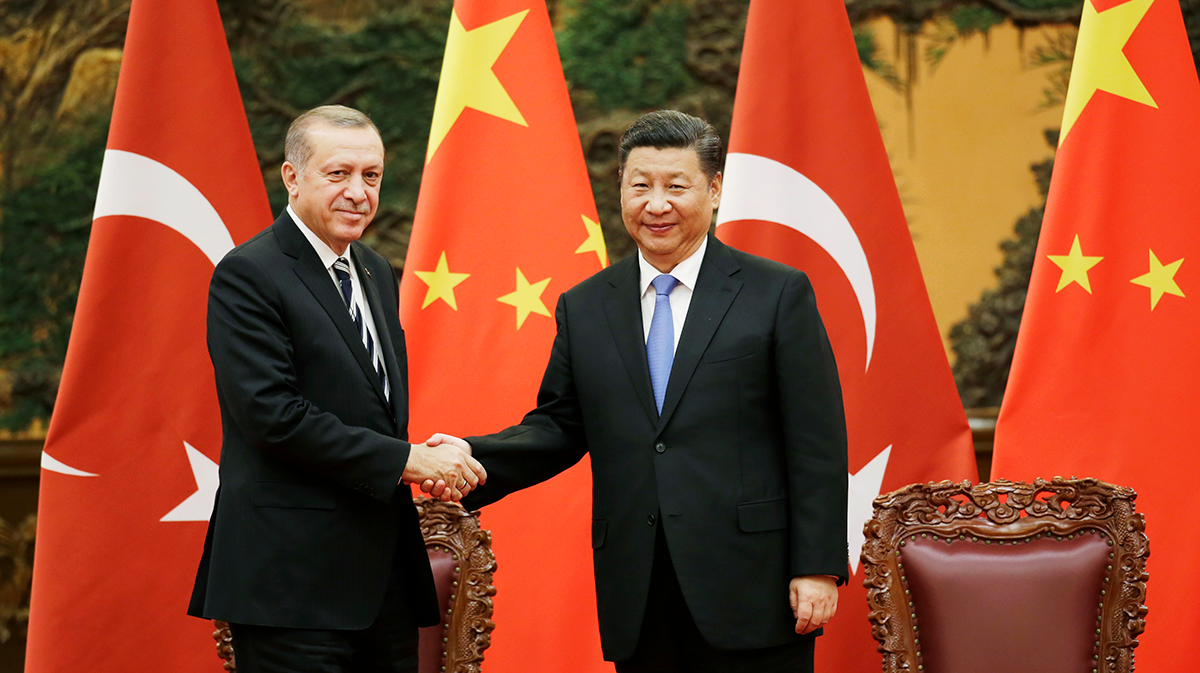
Courting danger, Erdoğan ramps up reliance on China
China’s recent multi-sectoral engagements in Turkey suggest that the Black Sea region’s significance is on the rise in Beijing, and under President Erdoğan, Turkey has consistently sought its favor and investment.
OPEC+ oil producers are unlikely to step back from their plans to increase production, as both the short-term market forecasts and long-term expectations of structural changes in the global oil market are forcing producers to focus more on market share expansion.
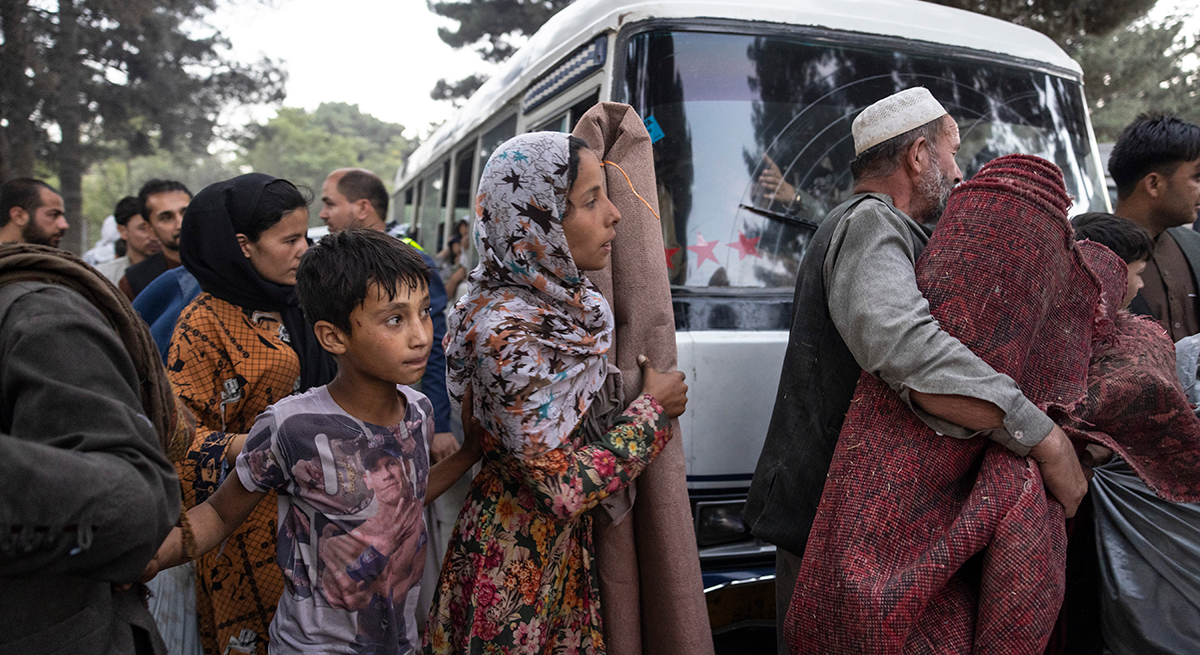
The Afghan refugee crisis: What does it mean for Iran?
The images of desperate Afghan citizens trying to leave their country, beyond highlighting a massive human tragedy, may become a symbol of the so-called war on terror. Many of those Afghans already understand the feeling of abandoning their homes, because their families experienced it. They know what happens when foreign armies withdraw from their country and the tragedies that can ensue. The difference this time, however, was the deadline — only a few weeks.
The consequences of Lebanon’s constitutional crisis
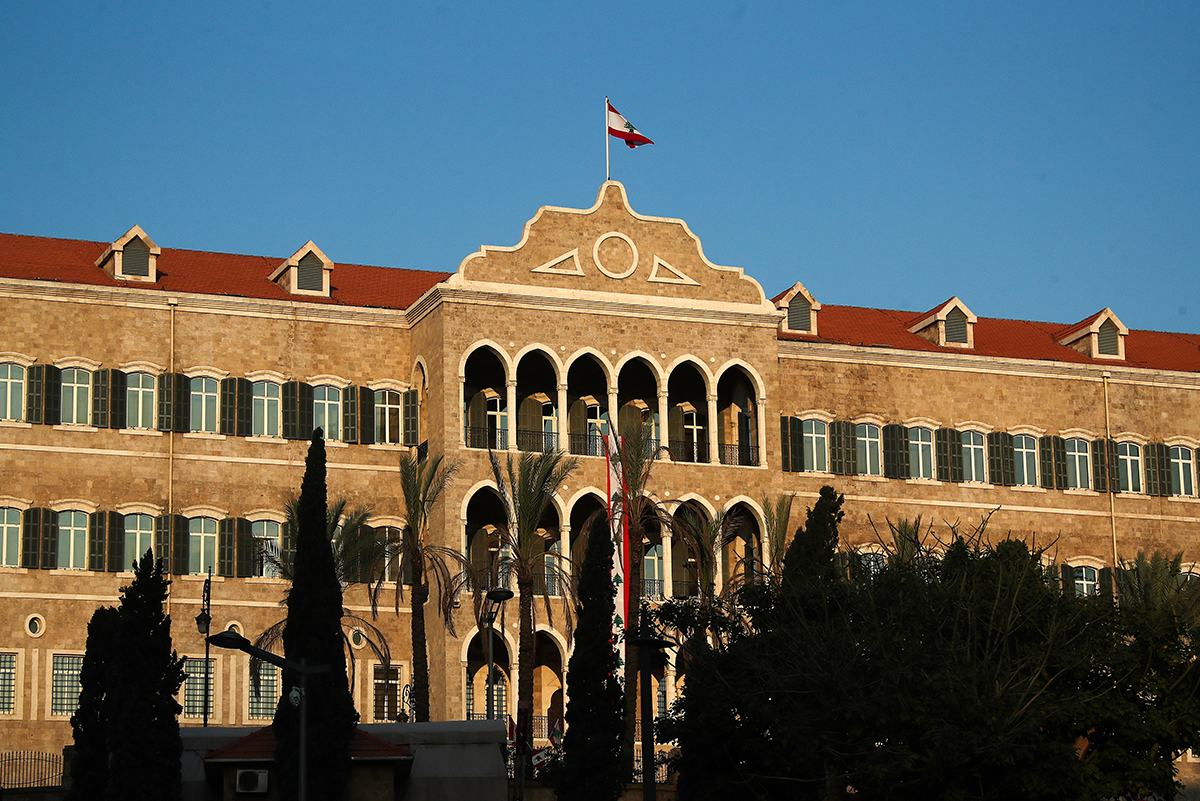
Lebanon is currently facing an unprecedented constitutional crisis that, if left to simmer, will further worsen the country’s numerous predicaments. Three decades after the Ta’if Agreement that ended the 1975-90 war, officials and warlords failed to implement a real reconciliation that could usher in civil order in a country known for its intrinsic vulnerabilities. Although a diverse society, Lebanon has always suffered from inherent political contradictions and currently agonizes over — among other calamities — major constitutional and political crises that, even though they are engulfed by crumbling socio-economic conditions, remain far more threatening than most imagine. How can the Lebanese put an end to such ongoing deterioration? And can Lebanon’s “business-political” class resolve some of the many crises confronting the country?
Afghanistan must address existential and structural challenges before tapping natural resource wealth
Right now, Afghanistan is on the cusp of an economic collapse, not some Chinese investment bonanza. Its immediate challenges are existential. And until economic, political, and security conditions stabilize, and legal and regulatory frameworks for investments are in place, Afghanistan’s connectivity and mineral wealth dreams will remain just that.
Though aware of the weaknesses of the former Afghan government, none of the Central Asian governments seemed prepared for the rapidity and decisiveness of the Taliban victory. Not unreasonably, Central Asians fear that it will spur the growth of regional terrorism and extremism, either through direct Taliban sponsorship or inspiration. The five Central Asian states backed the anti-Taliban opposition in the 1990s and then the U.S.-led NATO military campaign in Afghanistan after 2001. Presently, the Central Asian governments are eschewing policies that could antagonize the new regime while looking for indications whether the Taliban have genuinely turned over a new leaf and renounced international terrorism. If they have, then some Central Asian countries seem open to economic and perhaps other cooperation. If not, Central Asians will likely rely on Russia for enhanced security support.
حلقة 49: أزمة الحكومة في لبنان — مع كريس أبي ناصيف
:أسئلة الحلقة ما هو وضع التشكيل الحكومي في لبنان اليوم؟ أزمة الكهرباء ومحاولات حزب الله والولايات المتحدة احتكار المواد والأدوية في لبنان — إبراهيم الأصيل كريس أبي ناصيف
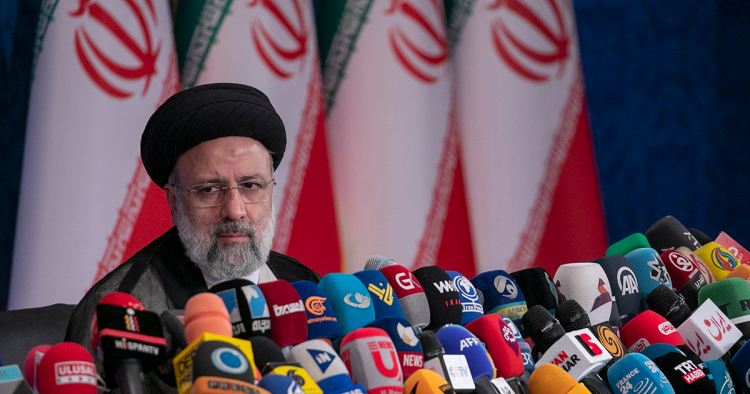
Ebrahim Raisi, the eighth president of Iran, has taken over at a time when the Islamic Republic is facing a series of major potential crises. Over the next several decades, these crises could have consequences that will not only affect Iran itself, but may reverberate across the region as well. This article will address the 13 crises facing Raisi’s government and Iranian society more broadly.
The return of the pharaohs: The rise of Egypt’s civilization-state
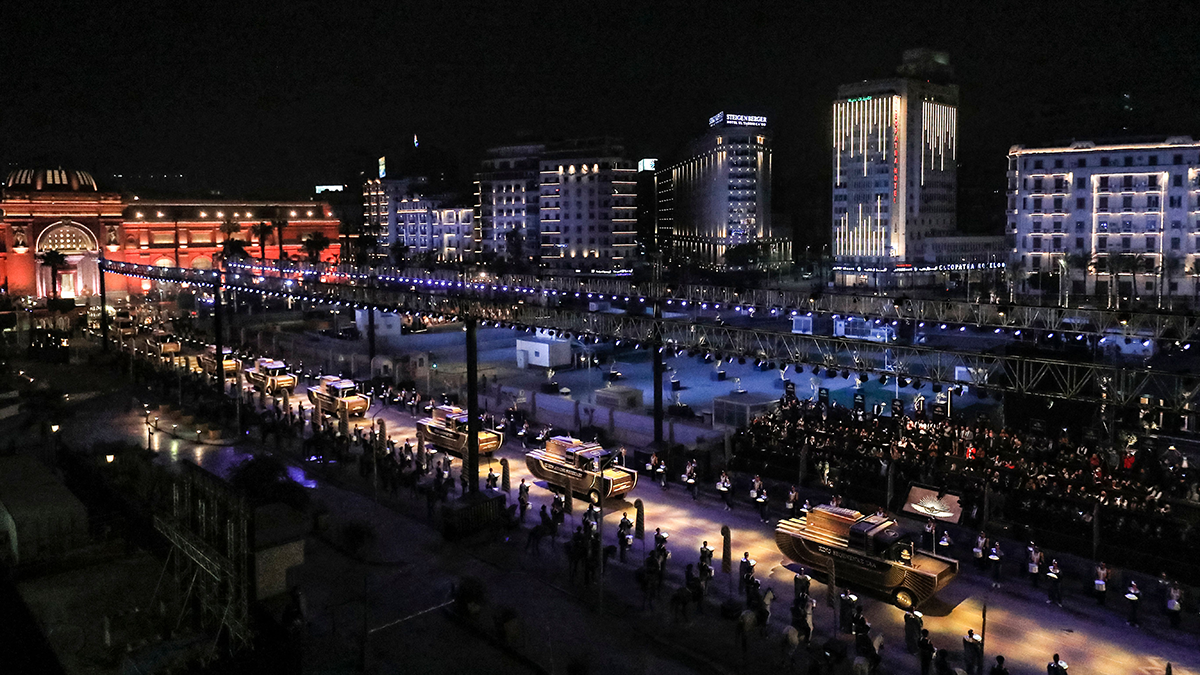
After decades of soul searching to define itself as a state, Egypt is building its own civilization-state and seeks to join an emerging club of nations that center historical and cultural tradition in their policy and governance structures and reject the West’s cultural dominance. The civilization-state is the prism through which Western capitals should view and understand Egypt’s domestic and foreign policy moves.
The oldest peer-reviewed publication dedicated to the study of the modern Middle East, MEI’s flagship journal covers politics, society, and culture in the region.