MINURSO’s Future: What the Security Council’s Choice May Reveal
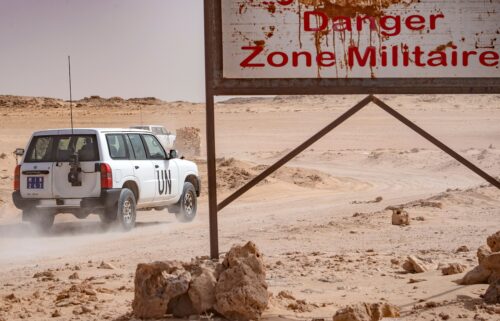
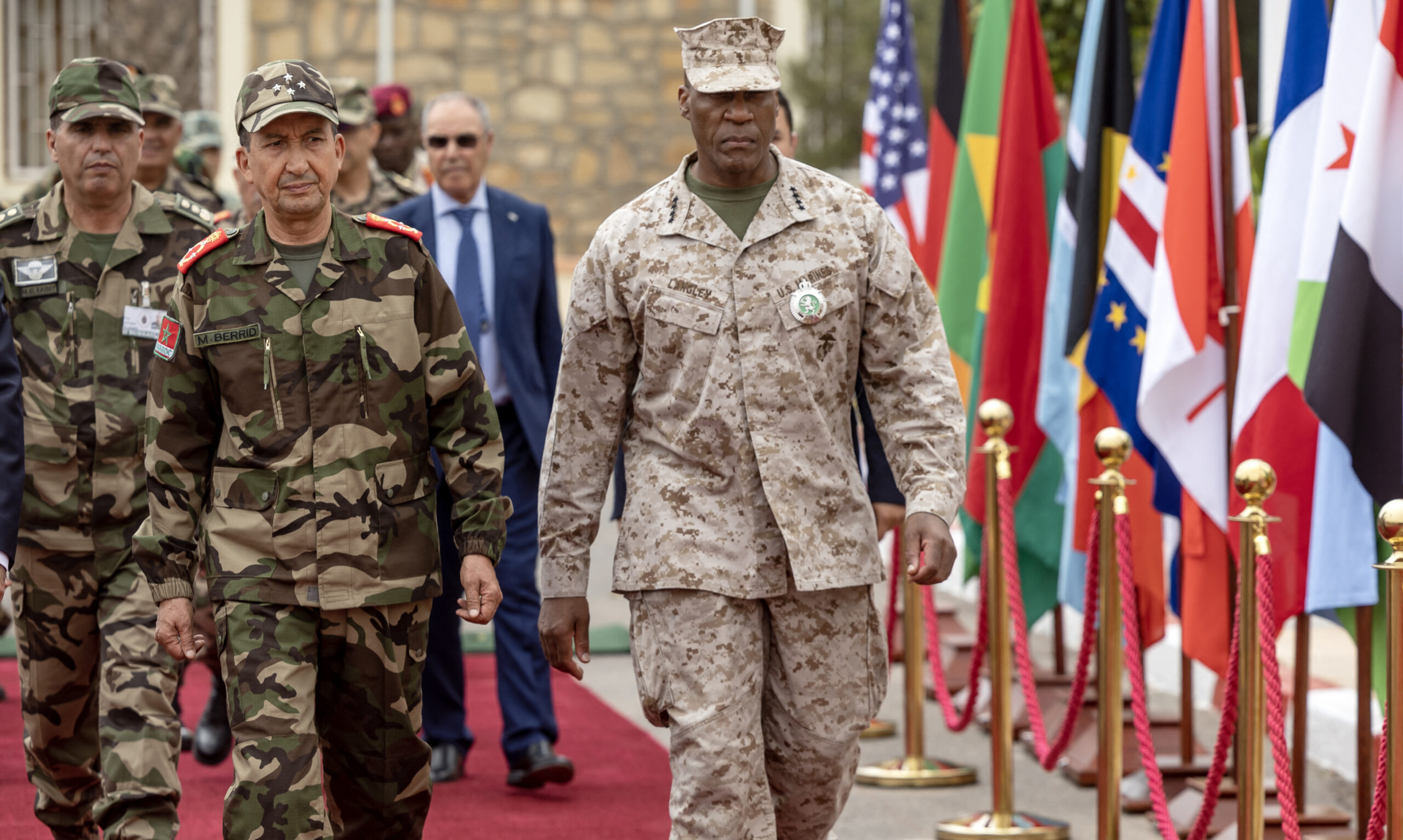
As the United Nations Security Council (UNSC) approaches the October 31 renewal deadline of the UN Monitoring Mission in Western Sahara (MINURSO), the mission’s longer-term future remains uncertain. Another largely unchanged renewal remains a likely immediate outcome. But beyond that holding pattern, three possible scenarios are also on the table.
How Lebanon can be Trump’s first success in a troubled region
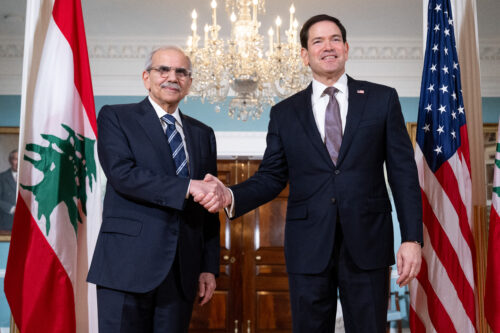
The Trump administration has done more than any of its predecessors to restore sovereignty for a much traumatized nation, Lebanon. The Israel Defense Forces’ operations in 2024 against Hezbollah decimated that organization, long the “A Team” in global terror.
Kim Ghattas on a Murder That Explains the Middle East
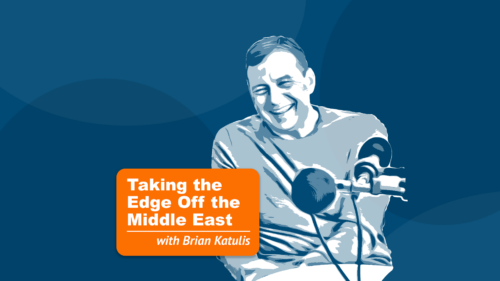
Brian sits down with author and Emmy Award-winning journalist Kim Ghattas to talk about her new book, The Best Kind of American, which tells the story of the 1984 assassination of Malcolm Kerr, then president of the American University of Beirut. They discuss her inspiration for the project, what Kerr’s murder revealed about the Middle East at the time, and why his story still resonates four decades later.
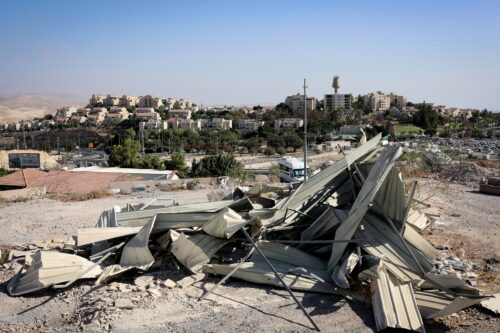
Since 1967, Israeli settlements in the West Bank have been a contested feature of the Israeli-Palestinian conflict. The ultimate disposition of the settlements and ongoing activity related to their growth have repeatedly defied agreement in negotiations over a resolution to the conflict.
The Houthis are a political-military faction and Zaydi religious movement founded in northwestern Yemen in the 1980s. A key member of Iran’s Axis of Resistance with links to other militant organizations in the Arabian Peninsula and the Horn of Africa, the group has continued to pose a threat to Western interests on a global scale.
The India-Middle East-Europe Economic Corridor (IMEC) is a proposed multinational infrastructure initiative aimed at upgrading connectivity between the three regions through integrated trade, energy, and digital networks. Announced at the G20 summit in New Delhi in September 2023, IMEC is envisioned partially as a counterweight to China’s international infrastructure project, the Belt and Road Initiative.
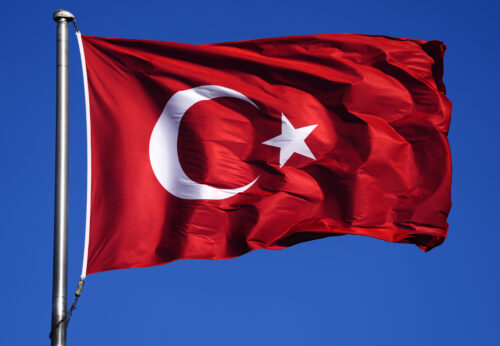
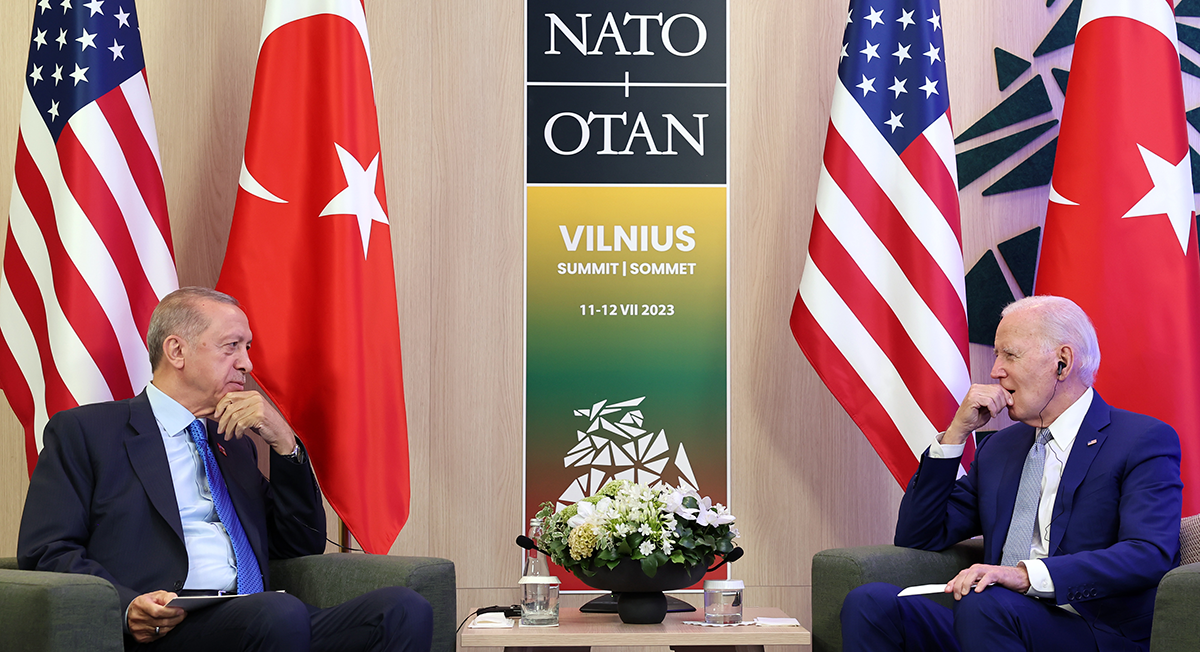
After a decade of post-Arab Spring isolation, Turkey’s leaders have recognized that their ambition to position the country as an agenda-setter on the world stage requires active engagement in all directions. President Recep Tayyip Erdoğan’s consolidation of executive authority has centralized foreign policy decision-making and tied it to his domestic political priorities, transforming the country’s revisionist approach to one shaped primarily by personal and pragmatic interests.
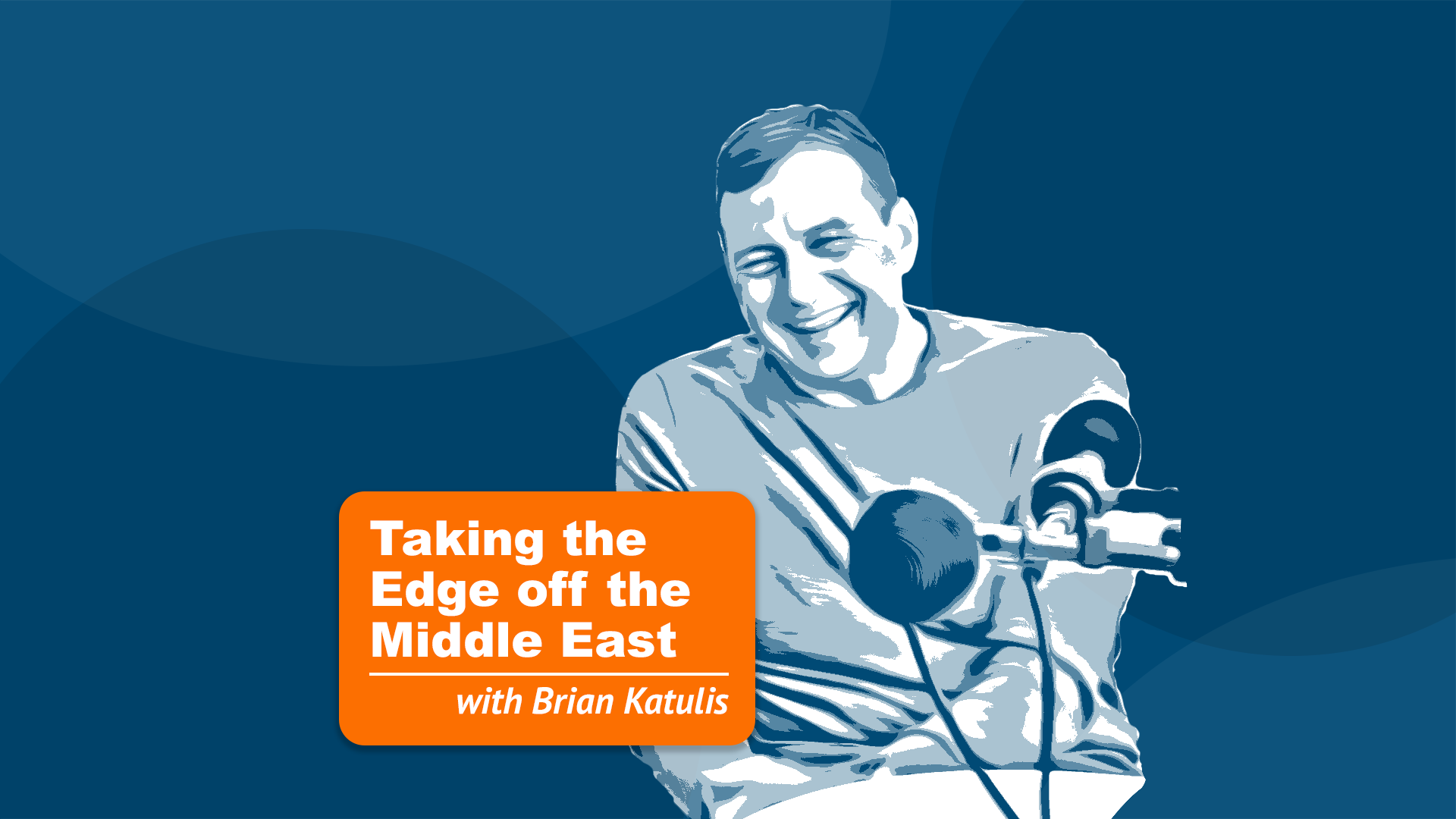
MEI Senior Fellow Brian Katulis engages friends, colleagues, and policy experts in casual conversations on the most important happenings in the Middle East.
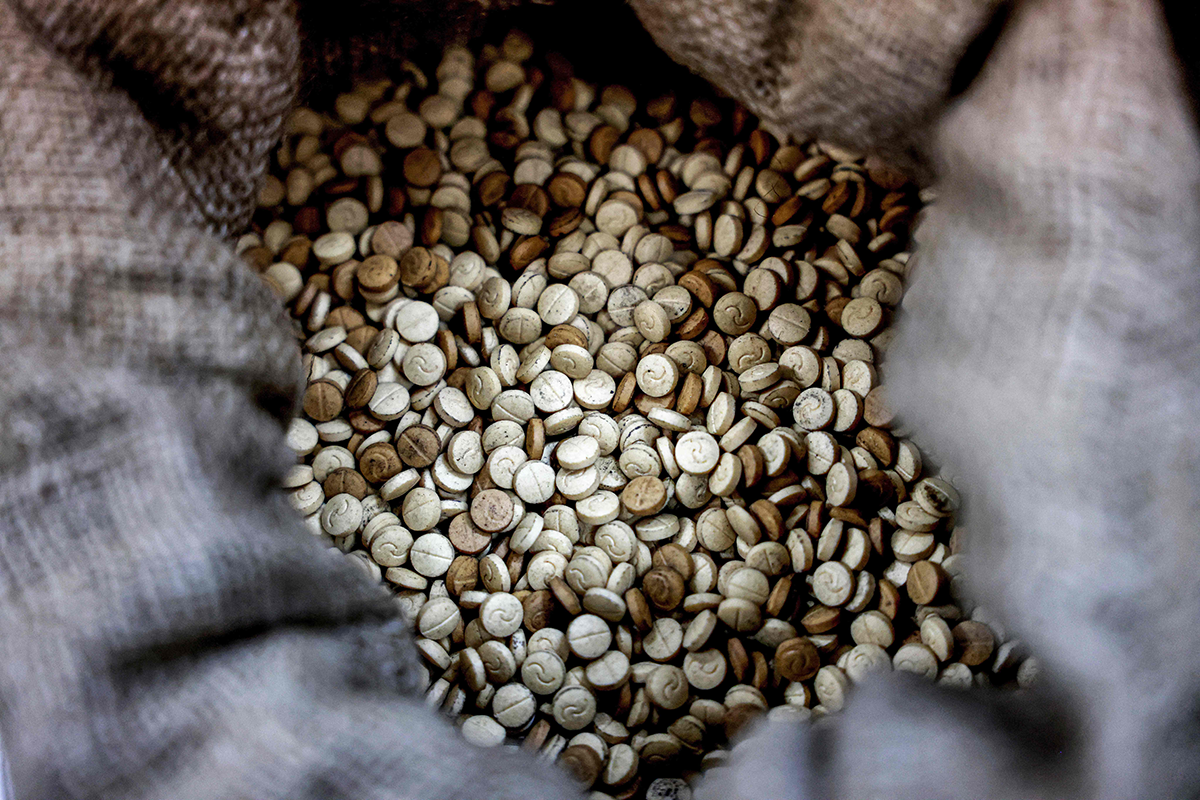
Smoke and mirrors: The Syrian regime's dubious anti-drug campaigns
The Syrian regime recently announced that it had arrested over 2,000 people in Damascus on drug-related charges during the first half of 2024. However, the relatively small amount of drugs confiscated suggests the regime is focusing on arresting users and street-level pushers rather than going after the major producers and traffickers. This highlights how the Syrian regime manipulates drug crackdowns to serve multiple agendas while ensuring the flow of illicit drugs continues uninterrupted.
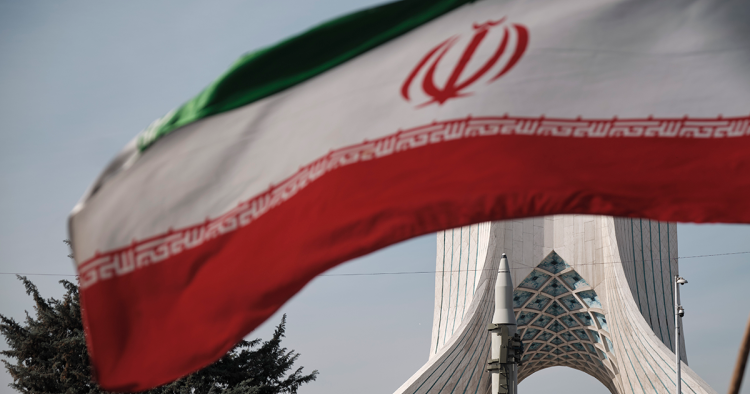
Iran’s foreign policy has generally been characterized by continuity in the postrevolutionary period, yet its motives have transformed over time. This research paper argues that Islamic fundamentalism goaded and motivated foreign policy in the first decade of the Islamic Republic of Iran. After the death of Ayatollah Ruhollah Khomeini, the country’s foreign policy maintained a fundamentalist posture, but was forcefully driven by policies to guarantee its political survival.
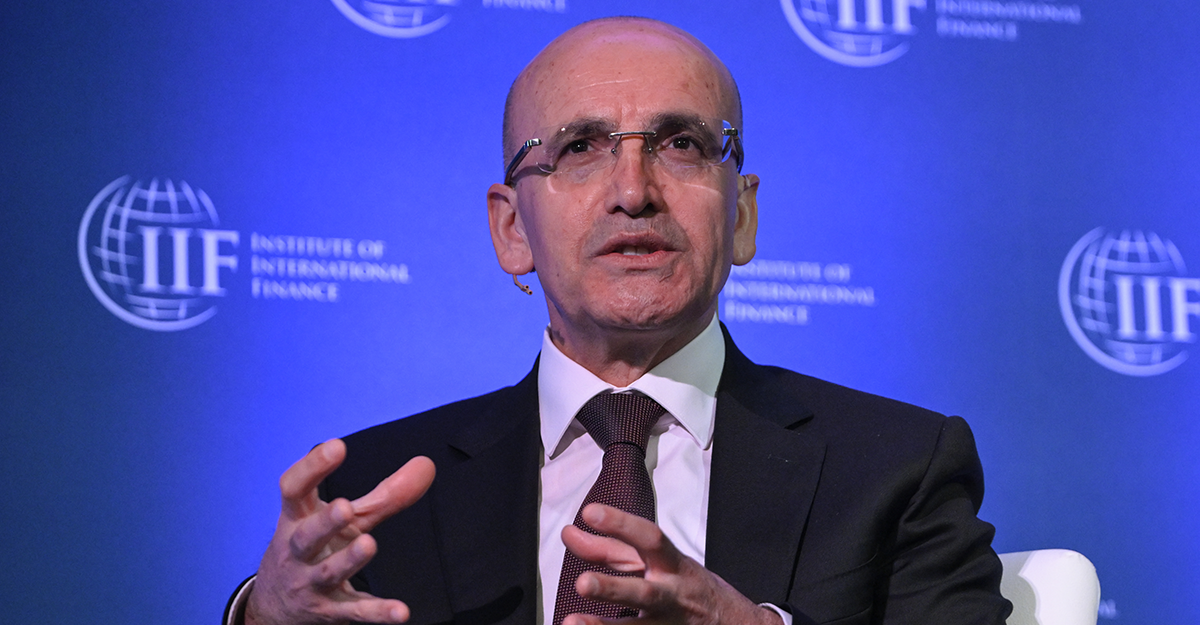
What Comes Next for Turkey? Prospects for Change on the Political, Economic, and Foreign Policy Fronts
After two decades in power and following the Justice and Development Party’s historic defeat in the 2024 local elections, Turkish President Recep Tayyip Erdoğan is now at his most vulnerable. What comes next is not only important for the future prospects of Turkish democracy but also holds important lessons for autocrats across the world. Scholars Evren Balta, Seda Demiralp, Edgar Şar, and M. Murat Kubilay seek to answer key questions about the country’s political, economic, and foreign policy trajectory in a new report from the Middle East Institute.
The weight of past mistakes and the post-election push for economic normalization
For years under President Recep Tayyip Erdoğan, Turkey pursued an unconventional monetary policy. The situation, long untenable, finally became unsustainable in the run-up to the presidential and parliamentary elections in May 2023. In the immediate aftermath of the vote, President Erdoğan announced a dramatic shift, returning to orthodox monetary policy. While there have been tangible improvements on a number of fronts as a result, the country faces both declining household purchasing power in the short term and a range of broader economic challenges in the longer run.
Normalizing transactionalism: Turkish foreign policy after the 2023 elections
Similar to the normalization trends in domestic politics, the Justice and Development Party (AKP) government has bolstered normalization in foreign policy, aiming for integration into regional and international blocs. The domestic economic and political crises further underscored this trend, and the results of the March 2024 local elections demonstrated to the government that its polarizing discourse no longer resonates either inside or outside the country. This article analyzes the changing domestic political dynamics of foreign policy, Turkey’s role in the Western alliance with a specific emphasis on the Ukrainian War, and the Middle East normalization process in light of the Gaza conflict.
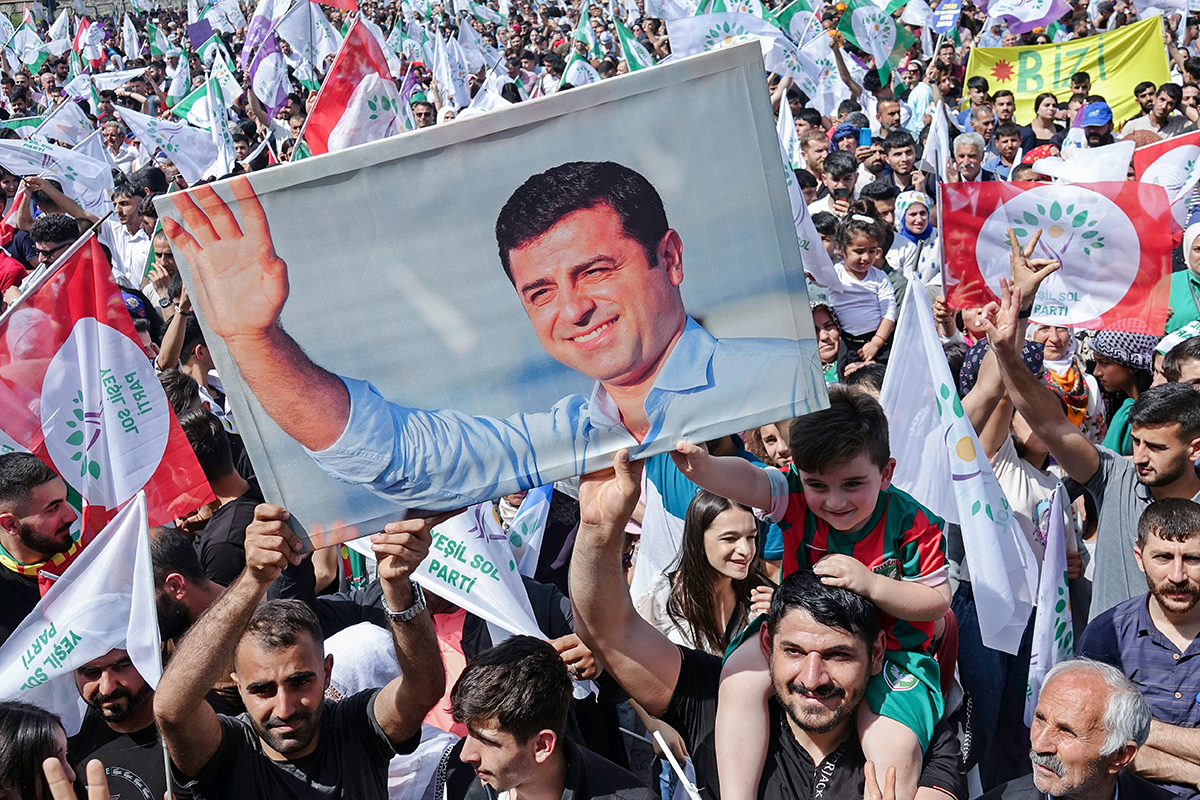
If the pro-Kurdish Peoples’ Equality and Democracy Party (DEM) were to take a more active role in efforts to peacefully resolve the Kurdish issue in Turkey, it could potentially help to break the current impasse. What this role might entail and whether the party is capable of playing it effectively are key questions. This piece will explore these issues by examining the experience of its predecessor, the Peoples’ Democratic Party (HDP), over the past decade, as well as the debates following the May 2023 general elections and March 2024 local elections.
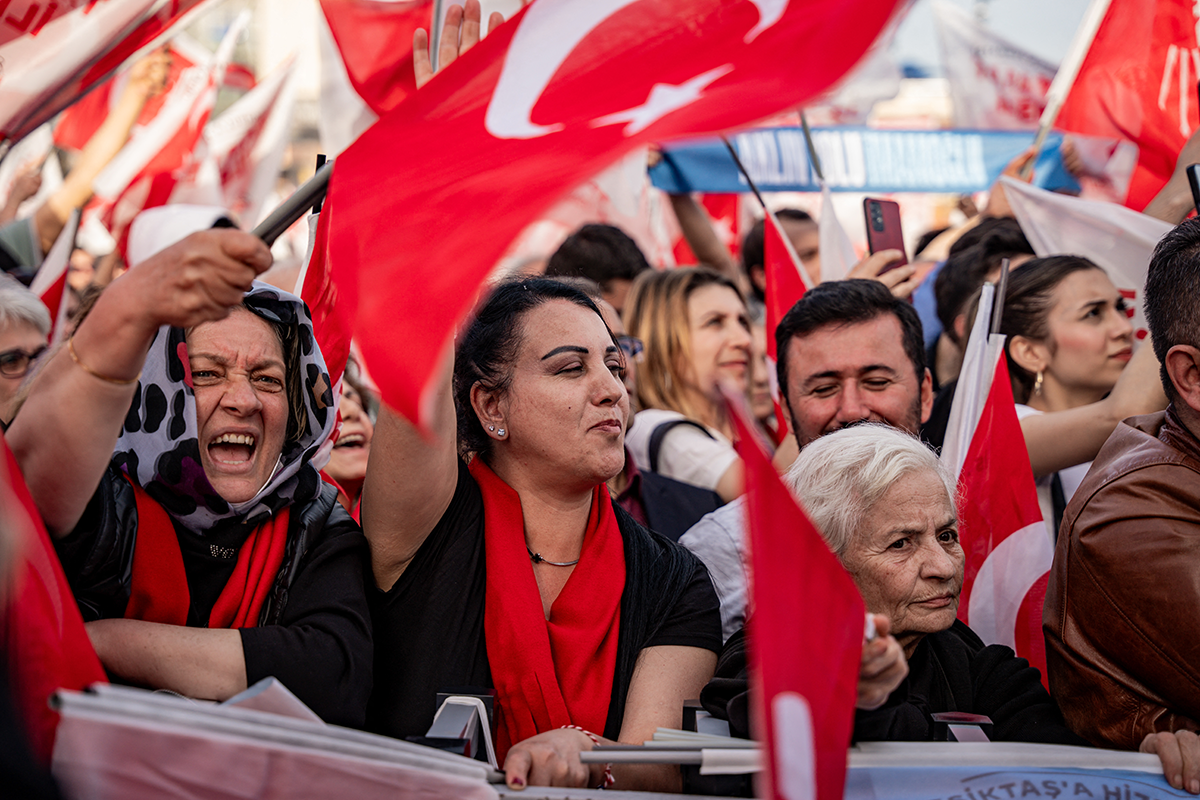
Turkey after the 2024 elections: Transition to democracy or bumpy road to authoritarian consolidation?
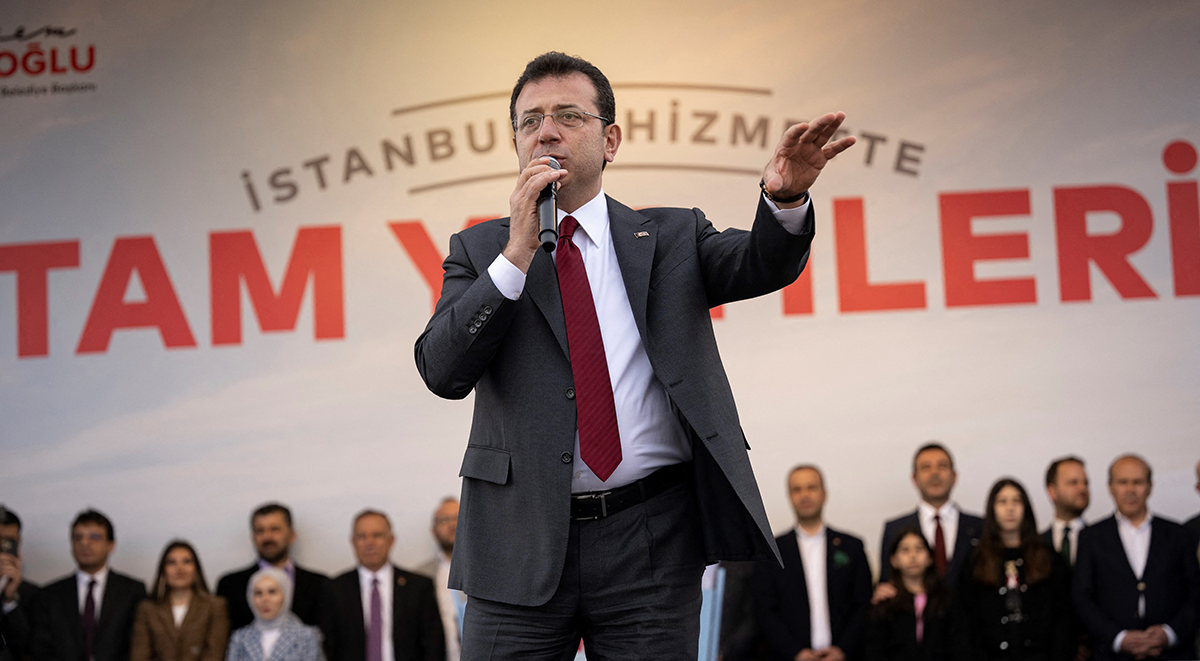
While the 2023 elections caused widespread disappointment among op-position voters and an acute rise in political apathy, the 2024 elections once again restored hopes for Turkish democratization. About a month after the local elections, President Erdoğan held a private meeting with CHP leader Özgür Özel at the AKP headquarters. The meeting ended with both leaders announcing the beginning of a new period in Turkish politics, which Erdoğan described as a “softening” and Özel as a “normalization.”
Central Asian states look to Iran as they seek to expand regional transit corridors
When Russia launched its full-scale invasion of Ukraine in late February 2022, it prompted the Central Asian states, and others, to reconsider Iran’s potential role as a transit country. In a little more than two years, Central Asia’s view of Iran has changed from international pariah to key link in lucrative trade routes.
NATO, North Africa, and the Sahel: Squaring the triangle of insecurity
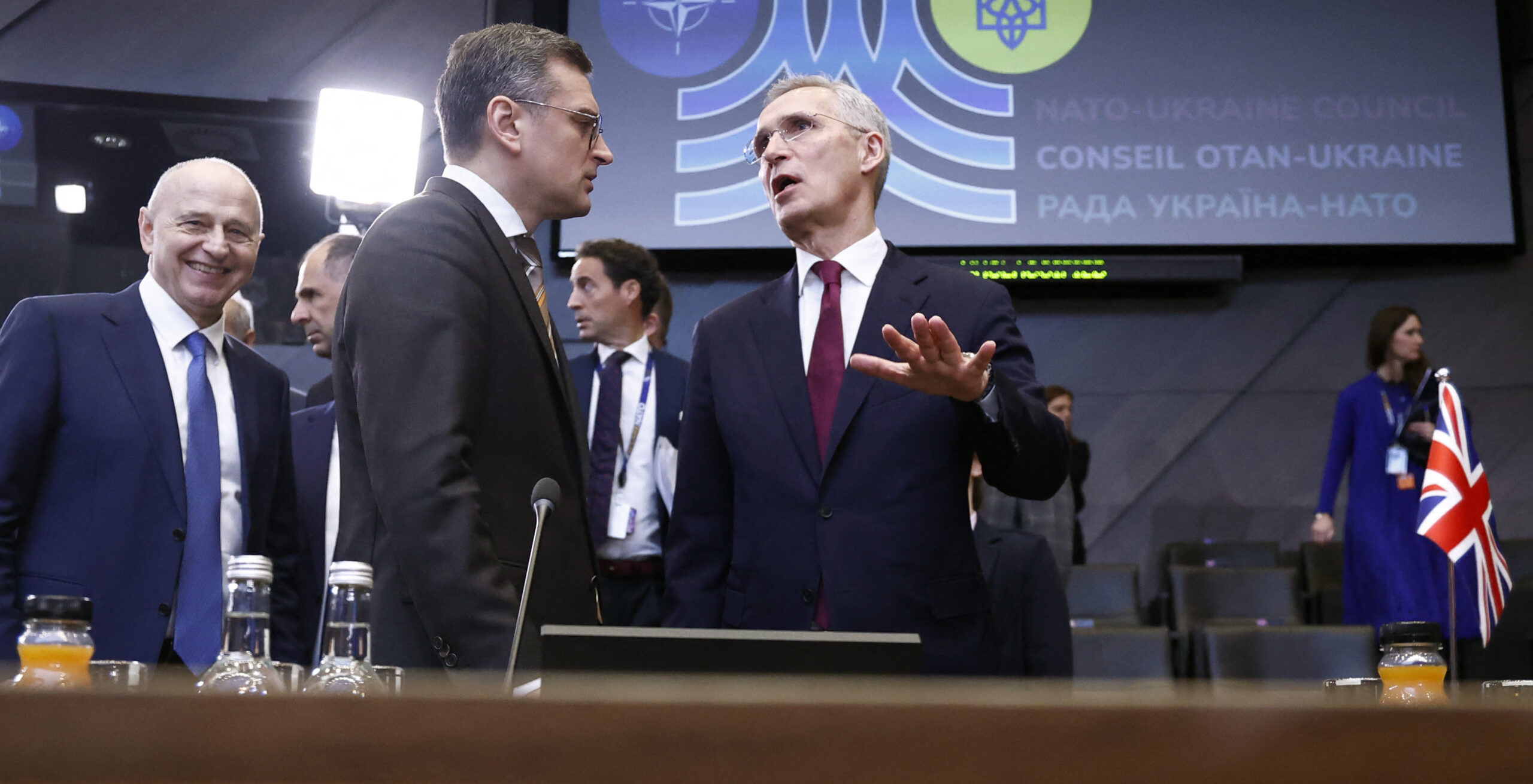
With NATO celebrating 75 years since its founding, Alliance members will gather in Washington, DC, on July 9-11, for a historic summit. Two of the key issues on the agenda will be addressing the acute threats emanating from the Black Sea region and adopting a strategic approach toward the Middle East and Africa.
What’s at stake as Iran heads to a presidential runoff?
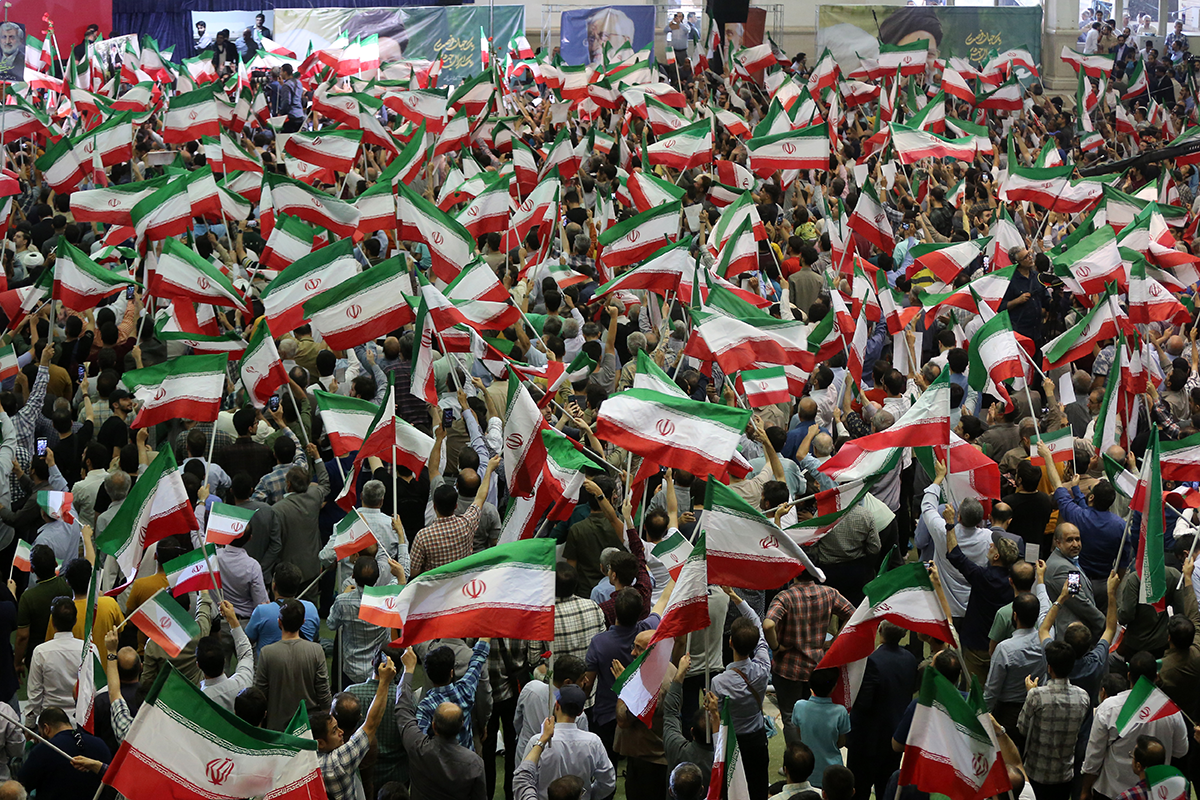
On June 28, Iran held its third election in the span of just four months. A fourth contest, a presidential runoff, is scheduled for July 5. And yet the opposite of election fervor has gripped the country. The June 28 election made history by setting a new record low for turnout, with official data suggesting 39.9% of voters cast a ballot. Participation is unlikely to rise in the second round, on July 5, but where turnout will end up is the million-dollar question.
On the Eve of the Washington Summit: Shoring up NATO’s Vulnerable Flanks
On July 9-11, Washington will host the leaders of NATO’s 32 member states for a special anniversary summit, celebrating 75 years since the Alliance’s founding. But the NATO heads of state and government are unlikely to spend much time reminiscing. Their agenda will be full, spanning from Ukraine, Russia, wars in the Middle East, China, terrorism, cyber threats, NATO enlargement, boosting Allied capabilities, freedom of navigation around the world, nuclear deterrence, and more.
New EU aid and investment in Egypt linked to migration control
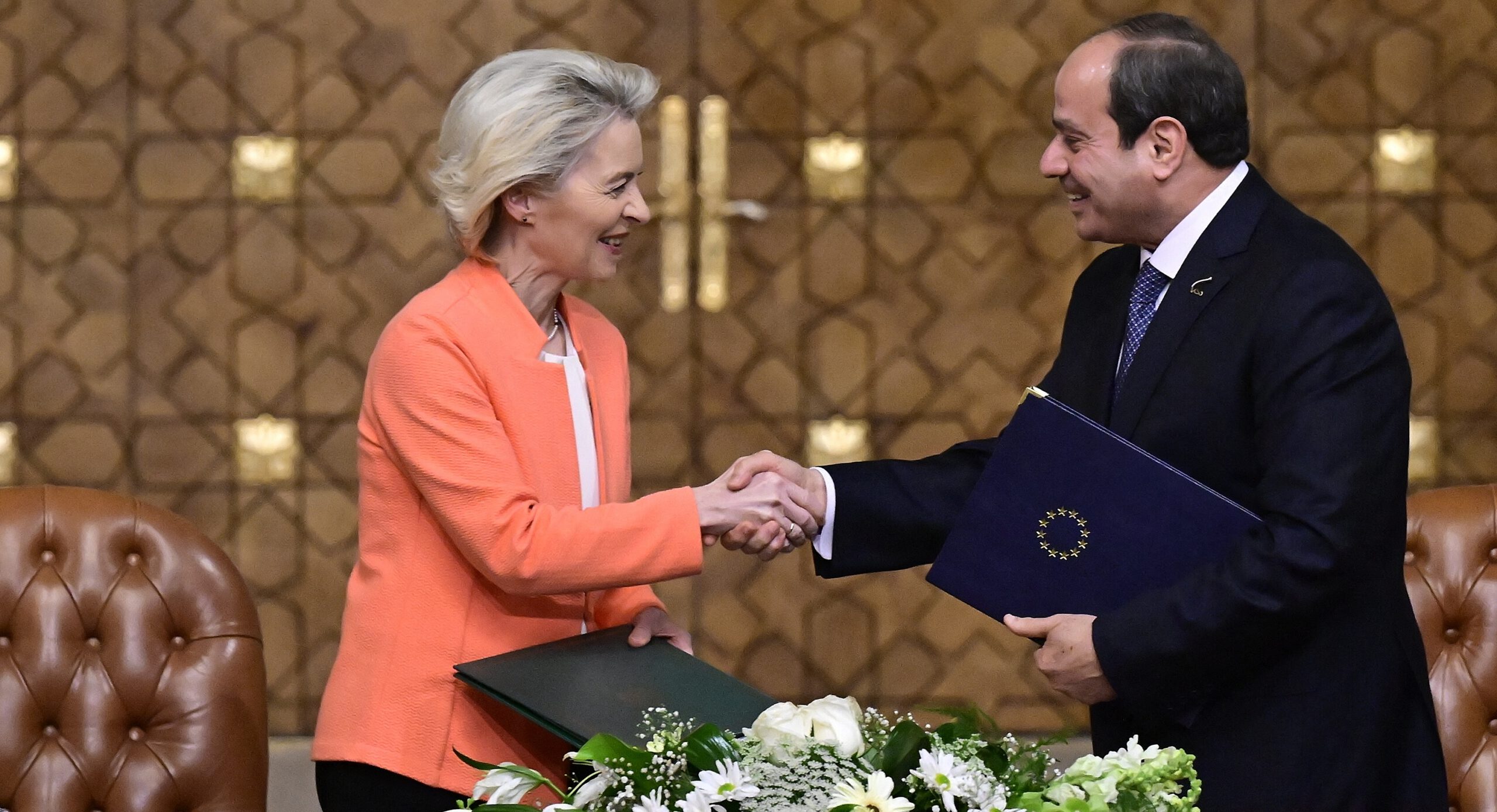
On June 29, at an aid and investment conference in Cairo, Egypt and the EU reached a €1 billion investment deal, and over 20 MoUs, collectively worth approximately €40 billion in private investment, were signed on the sidelines. Little mention has been made of migration in the new European agreement with Egypt, but there is little doubt that it is a pivotal factor.
In its 2022 Strategic Concept, NATO declared the Black Sea Region (BSR) of strategic importance for the Alliance, yet this recognition has never translated into NATO developing a proper strategy toward its critical southeastern flank. That glaring gap must be addressed right away.
The oldest peer-reviewed publication dedicated to the study of the modern Middle East, MEI’s flagship journal covers politics, society, and culture in the region.