The Coming Debate Over the US Military Presence in the Gulf
The war with Iran is hardly over, but the debate over the shape and nature of the post-conflict American posture in the Gulf region is just beginning. Undoubtedly, how the war ends will affect how the United States adjusts its role. While this debate is still in its early stages, something of a conventional wisdom is already developing in policy circles that could seriously compromise American influence in the Middle East.
This report explores maritime security conditions in the Mediterranean and the evolving US engagement in the region. As critical infrastructure becomes increasingly vulnerable to sabotage, freedom of navigation is undermined by conflict, and energy disputes generate tension, US policy focus on the region has become fragmented and disengaged. The authors call for a sustained American role to strengthen maritime domain awareness, allied coordination, infrastructure protection, and the capacity to respond when Mediterranean crises affect US and transatlantic interests.
Curb Your Enthusiasm: Why the Midterms Might Not Change Much in US Middle East Policy
With less than a week before the midterm elections in the United States, the spotlight is on the economy and cultural divides. US foreign policy remains mostly on the sidelines, but this year’s inconclusive Iran war and its effect on America’s economy have shaped the broader political environment in this electoral cycle.
Since 1967, Israeli settlements in the West Bank have been a contested feature of the Israeli-Palestinian conflict. The ultimate disposition of the settlements and ongoing activity related to their growth have repeatedly defied agreement in negotiations over a resolution to the conflict.
The Houthis are a political-military faction and Zaydi religious movement founded in northwestern Yemen in the 1980s. A key member of Iran’s Axis of Resistance with links to other militant organizations in the Arabian Peninsula and the Horn of Africa, the group has continued to pose a threat to Western interests on a global scale.
The India-Middle East-Europe Economic Corridor (IMEC) is a proposed multinational infrastructure initiative aimed at upgrading connectivity between the three regions through integrated trade, energy, and digital networks. Announced at the G20 summit in New Delhi in September 2023, IMEC is envisioned partially as a counterweight to China’s international infrastructure project, the Belt and Road Initiative.
After a decade of post-Arab Spring isolation, Turkey’s leaders have recognized that their ambition to position the country as an agenda-setter on the world stage requires active engagement in all directions. President Recep Tayyip Erdoğan’s consolidation of executive authority has centralized foreign policy decision-making and tied it to his domestic political priorities, transforming the country’s revisionist approach to one shaped primarily by personal and pragmatic interests.
Iran’s political system has not yet developed stable party structures. Most parties are still loose coalitions of individuals and interest groups that combine their own interpretation of Ayatollah Ruhollah Khomeini’s legacy with their personal interests. As party affiliation remains relatively weak, members of one party often have run as candidates for another party or are on several electoral lists. Similarly, unregistered parties or electoral platforms also field candidates for both presidential and parliamentary elections on an ad hoc basis.
Ten years ago, in the summer of 1998, I arrived in Tehran after an absence of more than two decades. Three vignettes describe some of what I experienced and why I decided to stay.
In assessing the progress of the revolution in Iran, it might be useful to recall how other revolutions of the 20th century fared at the 30-year interval. Using their commencement rather than the actual seizure of power as the baseline, the 30th anniversaries of major 20th century revolutions were 1940 for Mexico, 1947 for the Soviet Union, 1964 for China (using the “Long March” as the year), 1975 for Vietnam, 1983 for Cuba (dating its beginning with the attack on the Moncada Barracks), 1984 for Algeria, and 2008 for Nicaragua.
Back to the Future: Bazaar Strikes, Three Decades after the Iranian Revolution
This essay series examines the roles that community-based organizations (CBOs) have played as active participants in the process of “governing” megacities—whether in service delivery, risk mitigation, or the creation of
The Revolutionary Legacy: A Contested and Insecure Polity
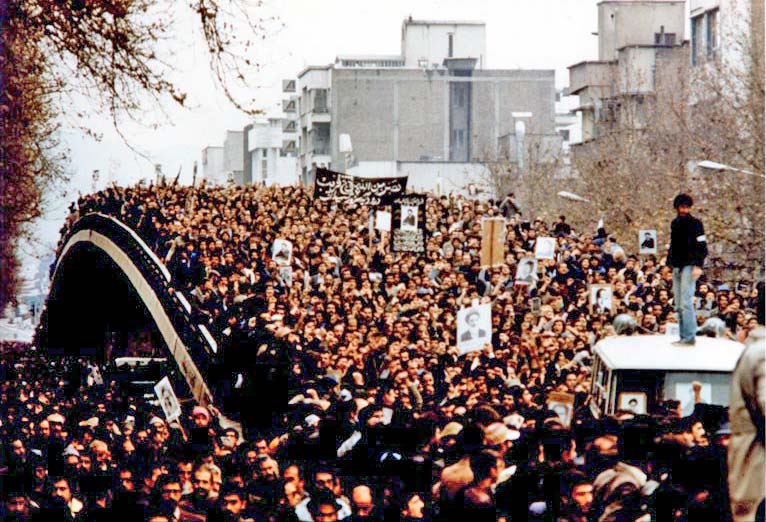
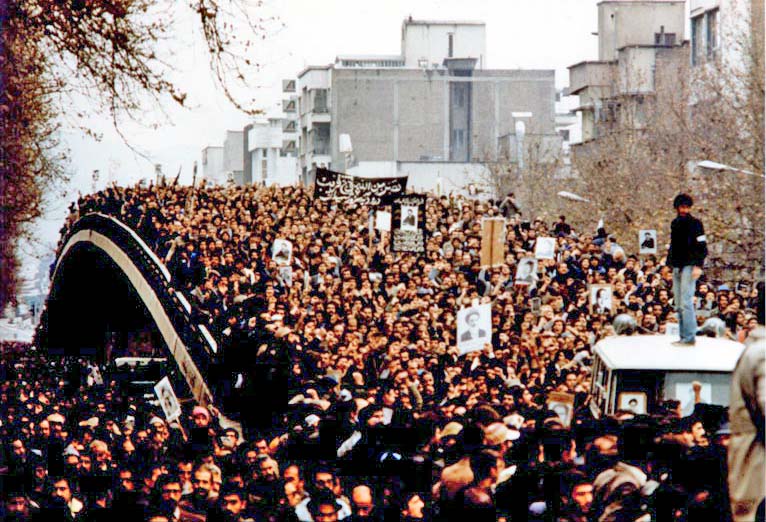
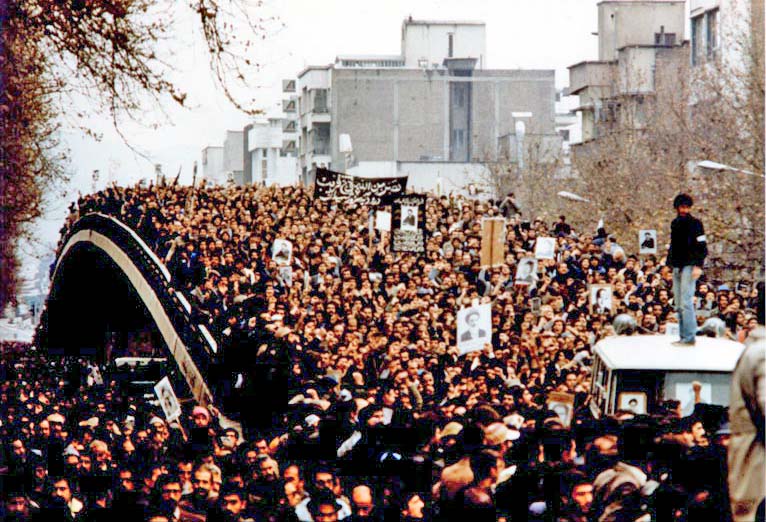
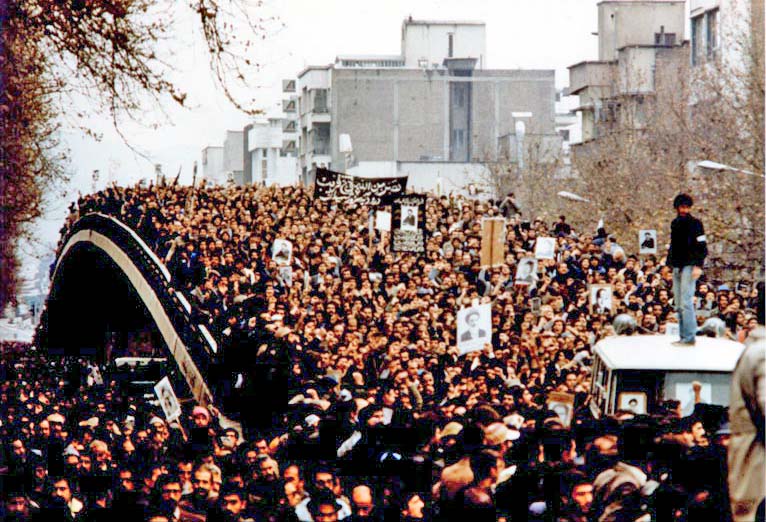
Islamic Iran will enter its 30th year with almost as much political noise as it generated at its inception. On the one hand, Iran’s nuclear program and the confrontation it has engendered are daily reminders of the regional and global dimensions of Iran’s revolution. On the other hand, the incessant squabbling among various branches of the government as well as among different political factions point to the fact that, more than anything else, the revolution was about an end to a one-man dominated political system.
The establishment of several para-governmental organizations (bonyads) following the revolution of 1979 in Iran has created a large socio-economic sector. This sector tried to harness a mass society by creating parallel structures of revolutionary legitimacy and authority in order to contribute to the consolidation process.
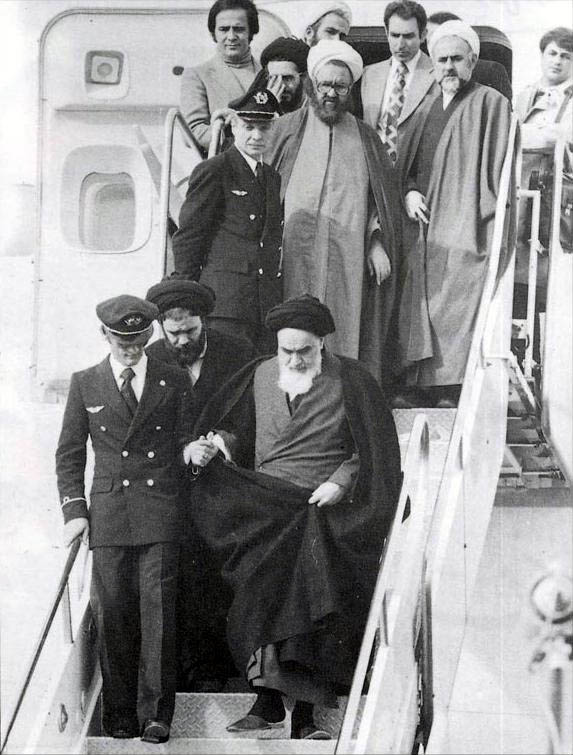
How is it possible that the Islamic Republic of Iran has lasted 30 years? Some of the revolutionaries themselves are probably surprised by this longevity. In 1979, they wrote a constitution that enshrined Imam Ruhollah Khomeini as the leader of the Islamic Republic. Surely they didn’t expect him to live another 30 years, past age 100, but their insistence on Khomeini’s unique characteristics made it unlikely that anybody else would be qualified to succeed him.
The execution of the original project of the Islamic Revolution in Iran has been repeatedly deferred for various reasons. More recently it is the increasing secularization of society under theocratic rule that is hindering the implementation of the original project despite a monopolization of political power by core elite factions.
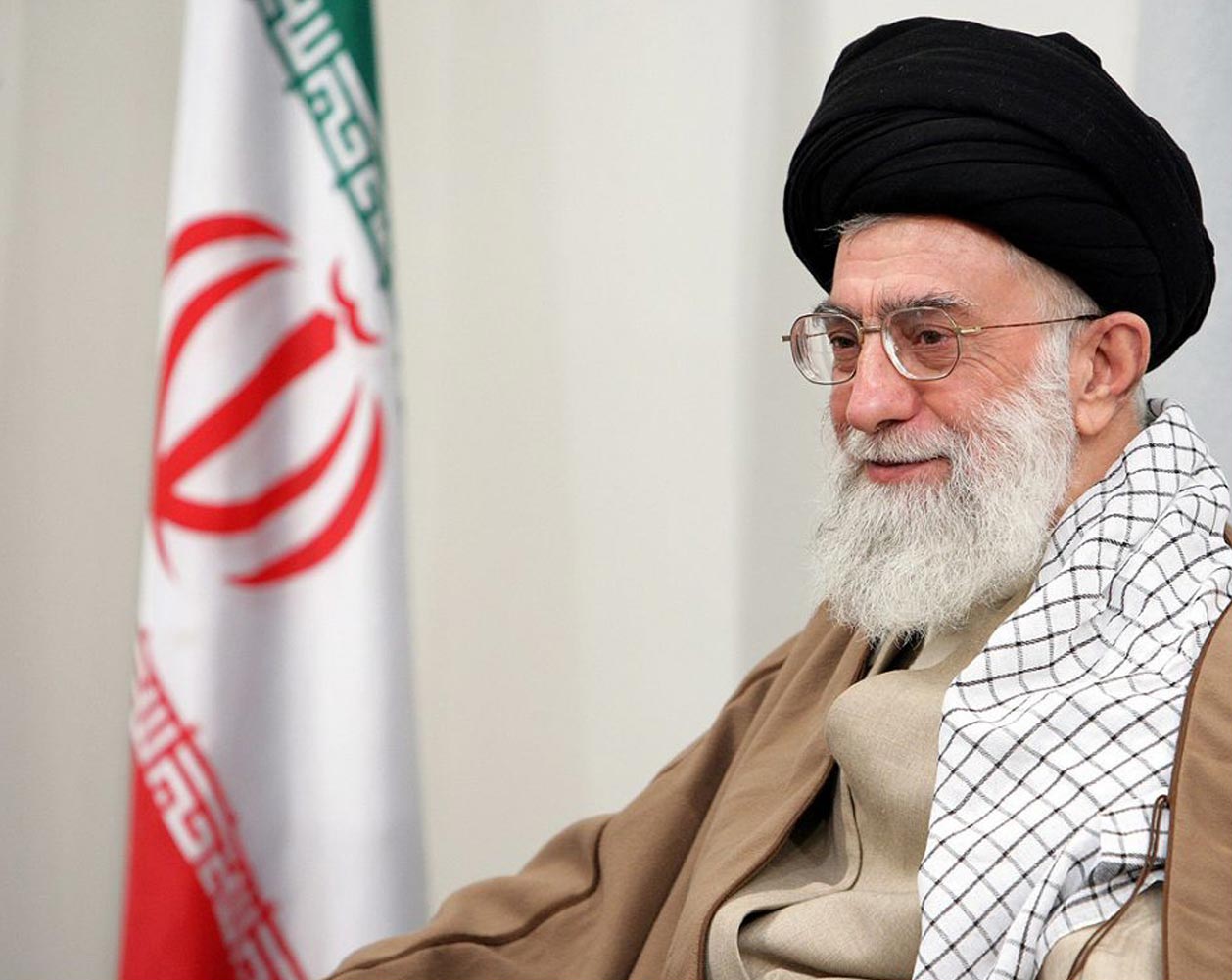
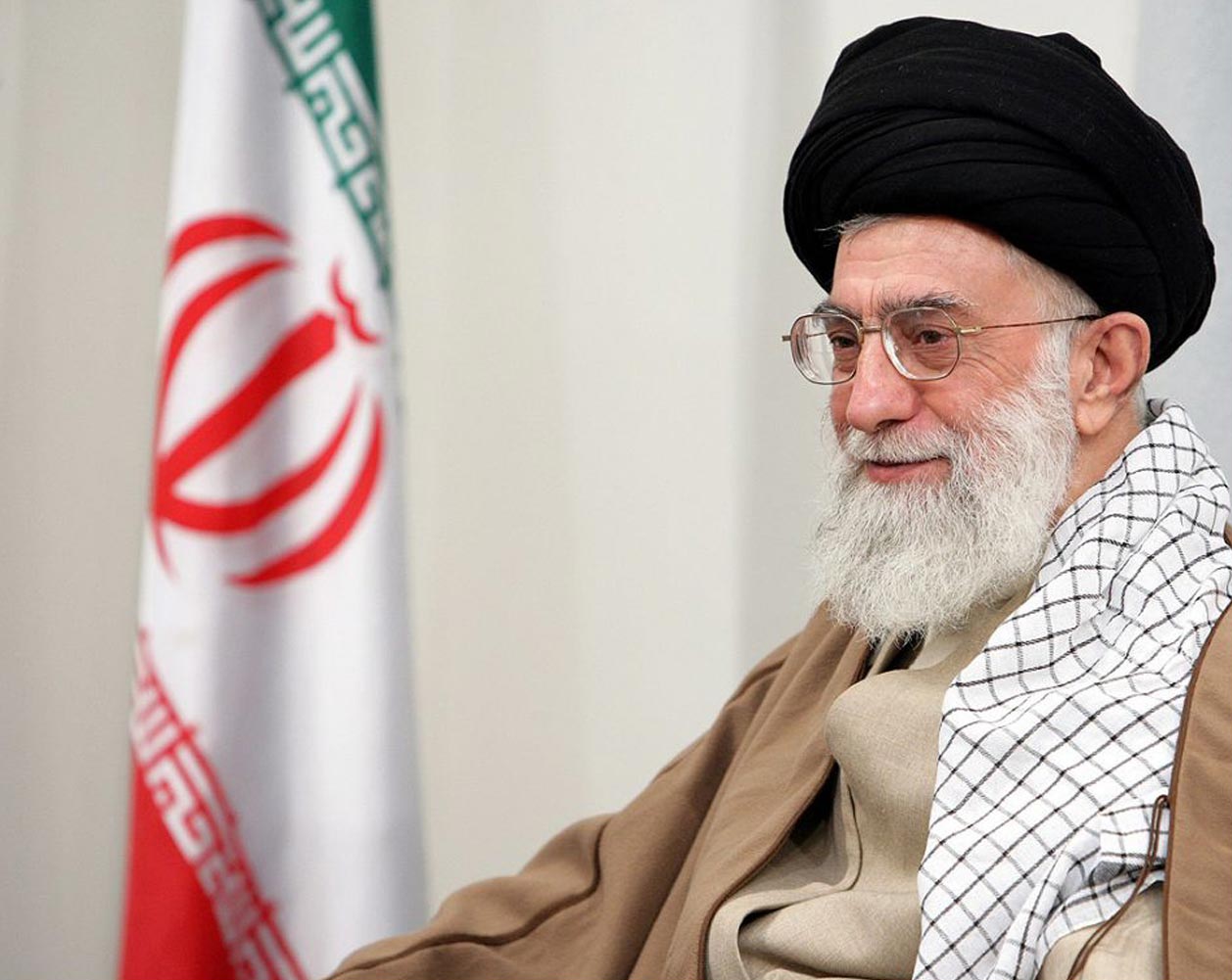
Thirty years ago, Ayatollah Khomeini proclaimed equity and social justice as the Revolution’s main objective. His successor, Ayatollah Khamene’i, continues to refer to social justice as the revolution’s defining theme. Similarly, Presidents Khatami and Ahmadinejad, though they are from very different political persuasions, placed heavy emphasis on social justice in their political rhetoric.
Each year during the anniversary of the revolution, which in Iran is called Dahe-ye Mobarakeh Fajr(The Sacred Ten Days), the Islamic regime leaves no doubt in Iranians’ minds about the causes of the Islamic Revolution.
The term revolution has become a cliché — it is in such common usage that we have forgotten it started its linguistic life as a metaphor. The metaphor was that of a wheel turning upon its axis. The idea, derived from that, is of sweeping change, reminding perhaps of the older, medieval idea of the wheel of fortune (to be found on the tarot card with that name, for example); bringing the mighty low and raising the lowly up on high.
تُعد المجلة الرئيسية لمعهد الشرق الأوسط أقدم مطبوعة محكّمة مكرّسة لدراسة الشرق الأوسط الحديث، وتغطي المجلة الرئيسية في المعهد السياسة والمجتمع والثقافة في المنطقة.