In less than two decades, a string of offshore discoveries has turned the Eastern Mediterranean into a significant gas-producing region, making Israel an exporter, twice lifting Egypt into the ranks of liquefied natural gas (LNG) exporters, and giving Cyprus finds it has yet to bring to market. This backgrounder explores the potential and challenges of exploiting and managing LNG resources in the region.
Deadlock in Gaza and the West Bank at a Breaking Point
A year after world leaders gathered in Sharm el-Sheikh to mark the end of the war in Gaza, Israel controls about 70% of the Strip, Hamas retains its arms, and reconstruction has yet to begin. Meanwhile, in the West Bank, record settler violence and settlement expansion are colliding with a Palestinian Authority on the brink of fiscal collapse. Hosts Alistair Taylor and Matthew Czekaj are joined by MEI Associate Fellow Tahani Mustafa to discuss why the Gaza peace plan is deadlocked, an increasingly emboldened Israel in the West Bank, Mahmoud Abbas’s postponement of Palestinian elections, the Palestinian Authority’s deepening economic crisis, and what role the US could play.
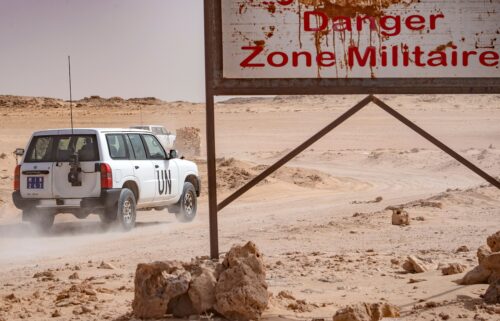
MINURSO’s Future: What the Security Council’s Choice May Reveal
As the United Nations Security Council (UNSC) approaches the October 31 renewal deadline of the UN Monitoring Mission in Western Sahara (MINURSO), the mission’s longer-term future remains uncertain. Another largely unchanged renewal remains a likely immediate outcome. But beyond that holding pattern, three possible scenarios are also on the table.
Since 1967, Israeli settlements in the West Bank have been a contested feature of the Israeli-Palestinian conflict. The ultimate disposition of the settlements and ongoing activity related to their growth have repeatedly defied agreement in negotiations over a resolution to the conflict.
The Houthis are a political-military faction and Zaydi religious movement founded in northwestern Yemen in the 1980s. A key member of Iran’s Axis of Resistance with links to other militant organizations in the Arabian Peninsula and the Horn of Africa, the group has continued to pose a threat to Western interests on a global scale.
The India-Middle East-Europe Economic Corridor (IMEC) is a proposed multinational infrastructure initiative aimed at upgrading connectivity between the three regions through integrated trade, energy, and digital networks. Announced at the G20 summit in New Delhi in September 2023, IMEC is envisioned partially as a counterweight to China’s international infrastructure project, the Belt and Road Initiative.
After a decade of post-Arab Spring isolation, Turkey’s leaders have recognized that their ambition to position the country as an agenda-setter on the world stage requires active engagement in all directions. President Recep Tayyip Erdoğan’s consolidation of executive authority has centralized foreign policy decision-making and tied it to his domestic political priorities, transforming the country’s revisionist approach to one shaped primarily by personal and pragmatic interests.
MEI Senior Fellow Brian Katulis engages friends, colleagues, and policy experts in casual conversations on the most important happenings in the Middle East.
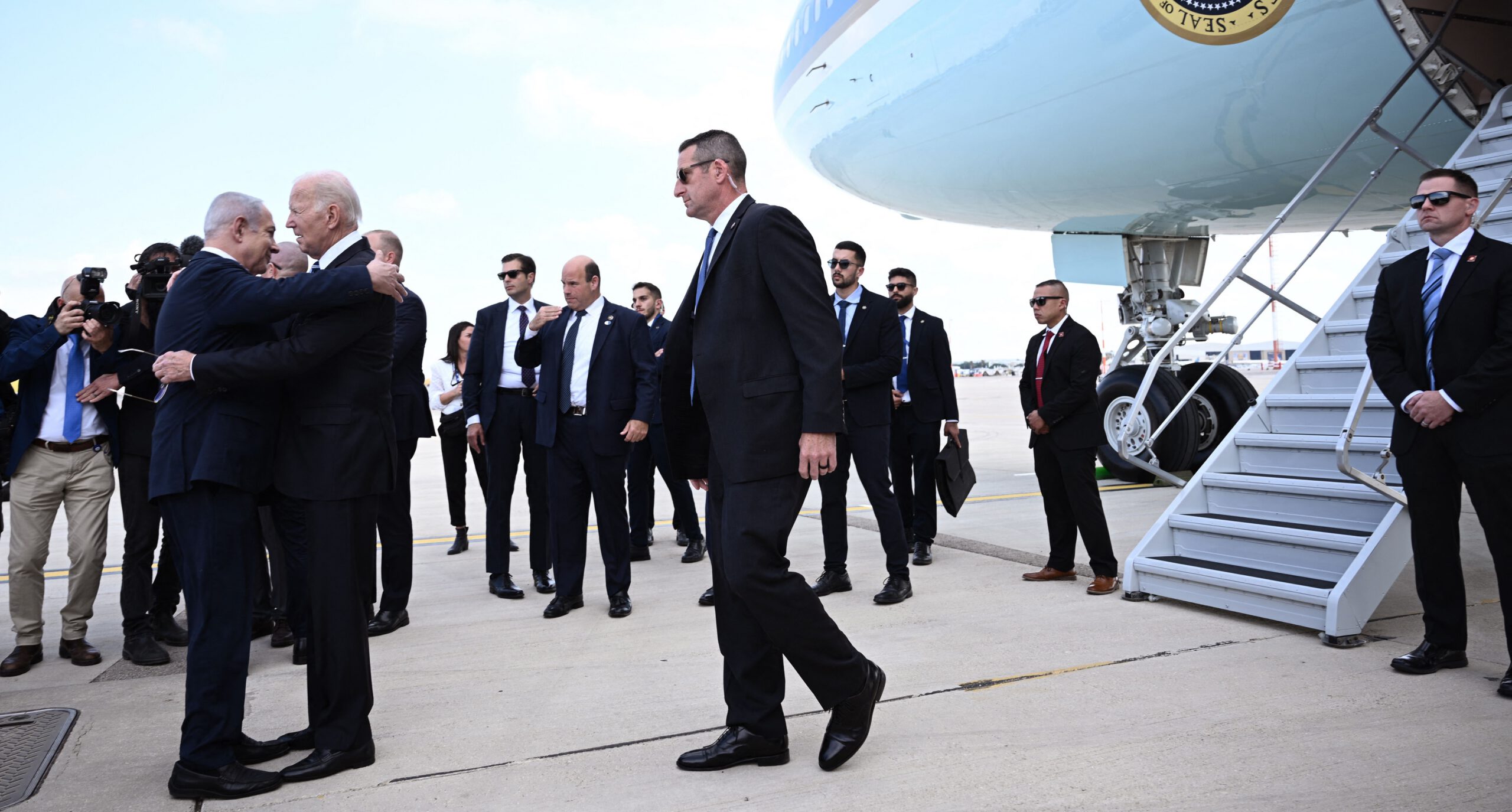
The intensity of the Oct. 7 terrorist attacks by Gaza and the ensuing crisis have already had a significant and dramatic impact on relations between the United States and Israel. The resolute American backing reflects the purest expression of the strategic partnership that has existed between Israel and the U.S. for more than five decades.
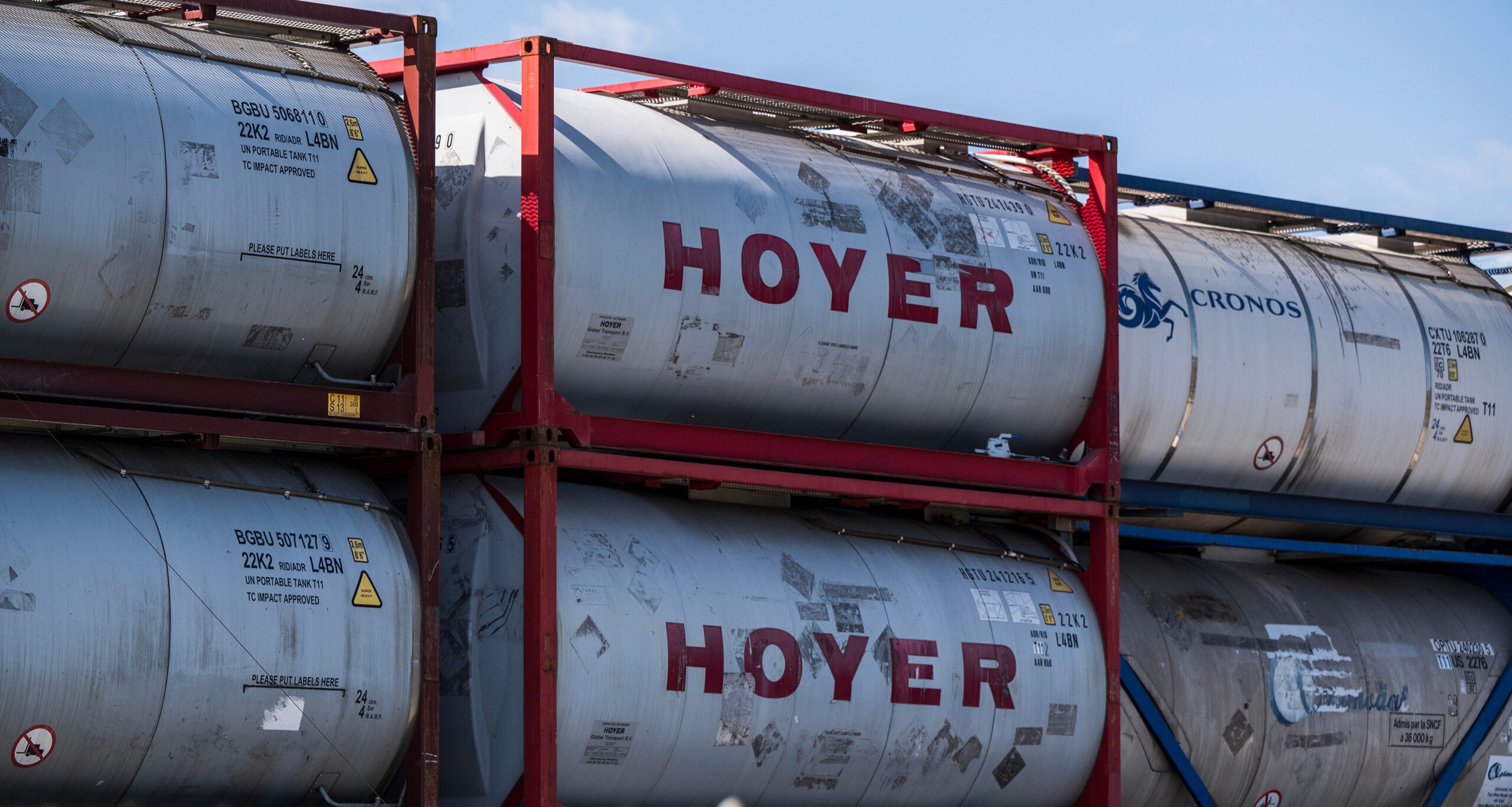
Enhancing Morocco's energy supplies with ISO tank and small-scale LNG
With no new interregional or international gas pipelines currently planned, gas-poor Morocco should consider alternative import schemes, such as LNG import via ISO tank containers, utilizing its well-developed port, rail, and road infrastructure.
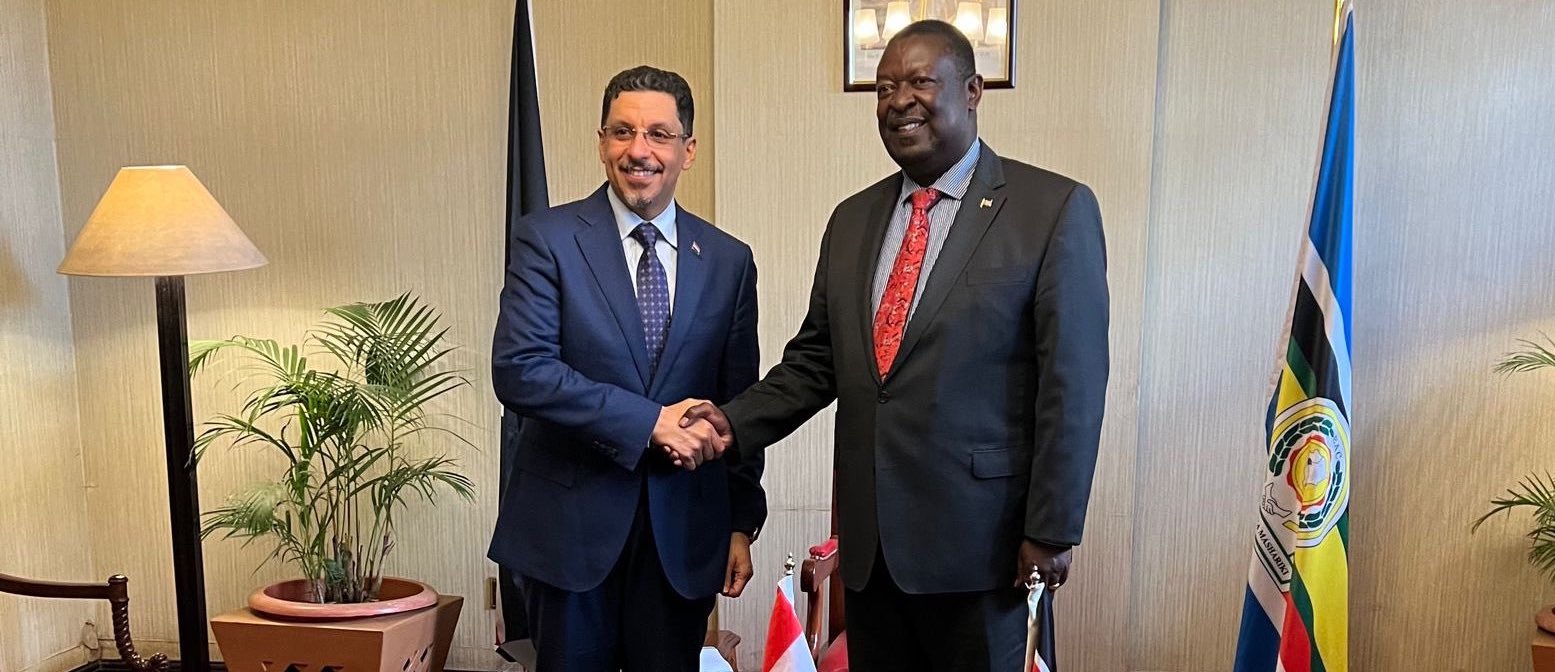
In mid-October 2023, Yemen’s foreign minister traveled to Kenya to attend the Munich Leaders Meeting in Nairobi and met with Kenyan officials on the sidelines. Although bilateral ties between the two countries date back centuries, Yemeni-Kenyan relations have yet to reach their full potential. The conclusion of a political consultation agreement would pave the way for the resumption of ministerial-level bilateral committees between the two governments.
The Israel-Hamas war and prospects for a ground invasion
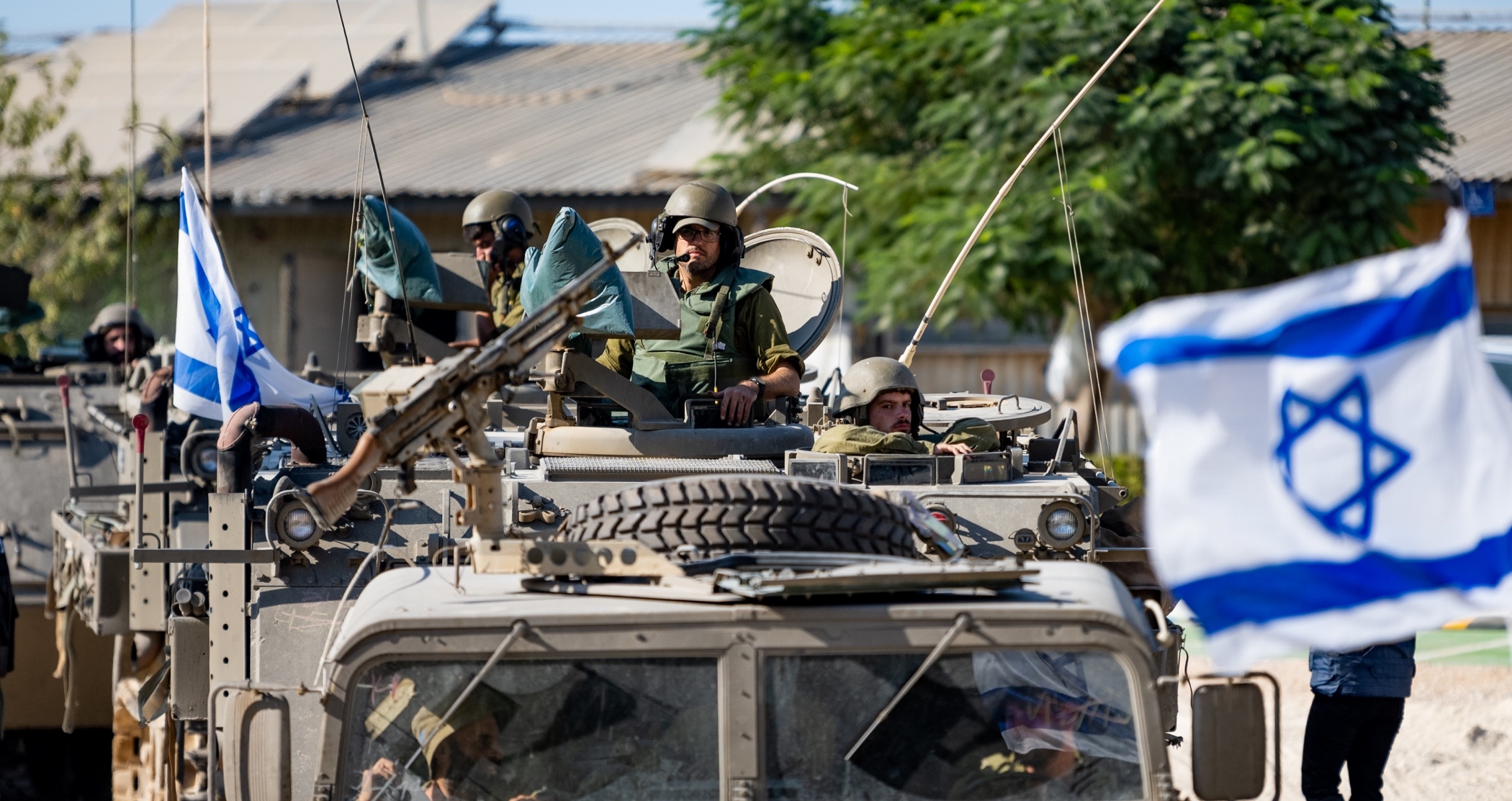
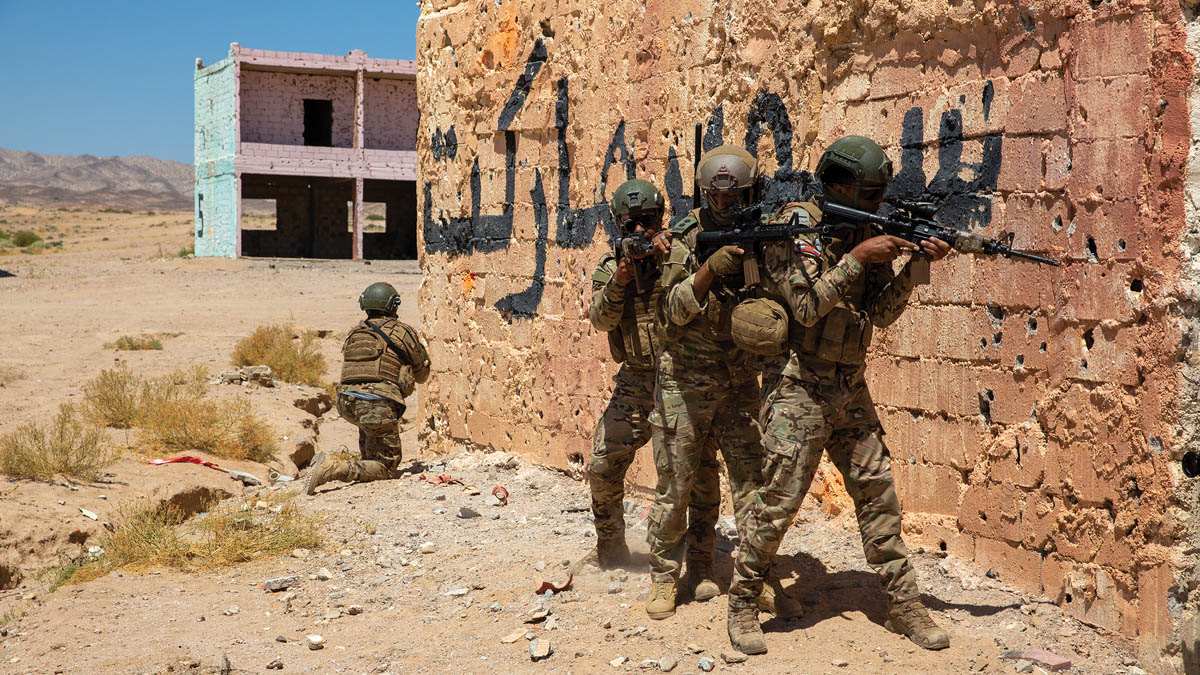
On the military implications of Israel’s impending ground invasion in Gaza. Featuring Bilal Y. Saab (Senior Fellow and Founding Director of the Defense and Security Program) and Joseph L. Votel (Distinguished Senior Fellow on National Security).
Expert Views: US diplomacy and the Israel-Hamas war
What further diplomatic steps should the U.S. take to respond to the Israel-Hamas war and its broadening regional reverberations? MEI has asked a group of former U.S. ambassadors and senior government officials specializing in the region to weigh in.
Israel can damage Hamas but a ground invasion of Gaza will be challenging
The Israeli government does its military no favours when it says that the goal of a ground invasion of Gaza is to “wipe out” or “destroy” Hamas. Such maximalist and eminently unrealistic objectives puts the Israel army in a bind: how to translate this political bluster into practical and achievable military objectives.
For the better part of a decade, Turkey and the U.S. have been locked in what might be considered an unhappy marriage, marked by bitter misunderstandings and growing distrust. Some optimists had hoped that something of a reset might be possible, but recent events, both in Turkey’s ongoing conflict with the PKK and because of the ripple effects from Israel’s war with Hamas, likely mean that U.S.-Turkish relations, far from improving, will get colder yet in the months to come.
The October 7 Hamas attack: An Israeli overreliance on technology?
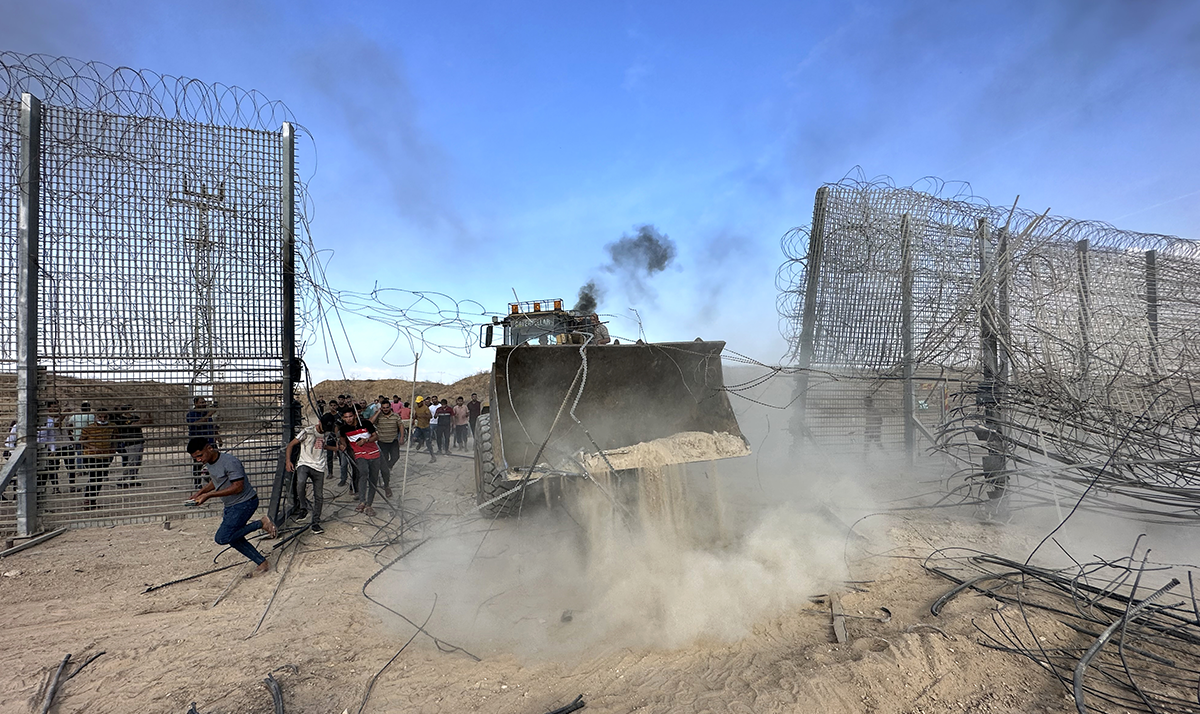
Did the IDF rely too heavily on advanced technologies in its effort to secure and fortify Israel’s border with Gaza? That is one of many questions that have arisen in the days since Hamas’ Oct. 7 incursion into Israel and attacks on Israeli forces and civilians. The absence of early warnings from data collected via sensors, cameras, and surveillance drones along the border’s “smart fence,” as well as the penetration of the Iron Dome missile defense system, has led to a sense that Israel experienced a tragic “high-tech failure.”
Israel’s failures and response to the Hamas attack: A preliminary assessment
The Israeli lack of preparedness for, and weak initial response to, the Hamas attack on Oct. 7 encompassed four key failures. But its consequences may bring far-reaching political changes and internal reforms.
In Israel-Hamas war, Russia's leverage erodes, outflanked by US naval power
Russia, historically viewed as a major stakeholder and player in the Middle East since the Cold War, is seeing its leverage eroding as the Hamas-Israel war enters its third week, and the Kremlin is absent despite attempts to mediate the conflict.
The Houthis’ Red Sea missile and drone attack: Drivers and implications
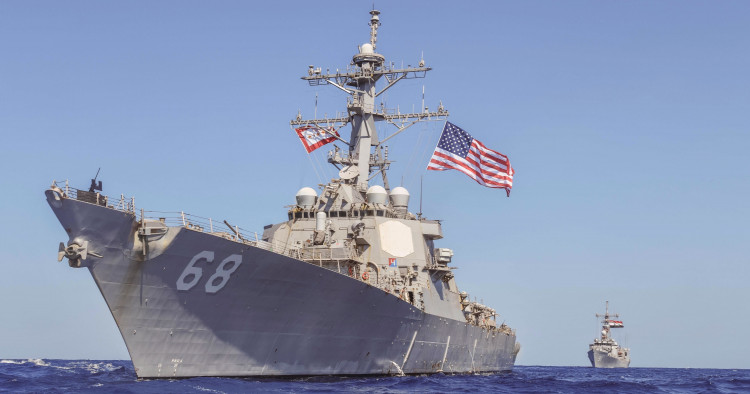
On Oct. 19, the Pentagon press secretary confirmed that the Iran-backed Houthi militia targeted the USS Carney, an Arleigh Burke-class guided-missile destroyer, in the Red Sea. The USS Carney reportedly intercepted three cruise missiles and several drones without sustaining any damage or casualties. Although the Houthis have yet to claim responsibility for the attack, the drones and missiles were likely fired from north-western, Houthi-held positions in Hodeida and Hajjah governorates on Yemen’s Red Sea coast and were headed “north,” most likely toward Israel.
Built For Growth: Energy Storage Systems In The Gulf
Increasing deployment of large-scale grid-integrated Energy Storage Systems (EES) in Gulf Arab states is being driven by the implementation of renewable energy systems. More and more, variable renewable energies are being integrated into the grid as upgrades to transmission and distribution networks are being deferred. As a result, demand for ESS is likely to grow.
Israel has the capacity to significantly damage Hamas with a ground offensive. But politics will restrain it throughout
There is political logic behind the Israeli government’s declaration that it will ‘wipe Hamas off the Earth’.
The Israeli public want to see Hamas destroyed once and for all, given the unprecedented mass murder it just committed.
Israeli Prime Minister Benjamin Netanyahu and his colleagues, already under intense pressure for allowing the attack to take place (and for putting Israel in a vulnerable position by pursuing anti-democratic policies) were compelled to make big promises. Their maximalist goals reflect the stakes in their fight for political survival.
The oldest peer-reviewed publication dedicated to the study of the modern Middle East, MEI’s flagship journal covers politics, society, and culture in the region.