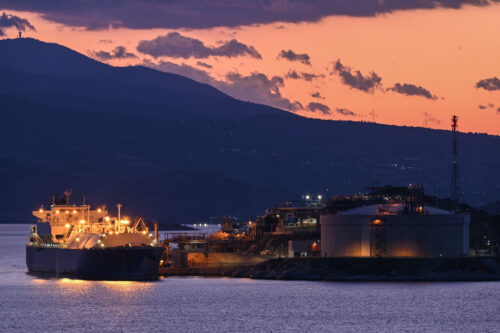
In less than two decades, a string of offshore discoveries has turned the Eastern Mediterranean into a significant gas-producing region, making Israel an exporter, twice lifting Egypt into the ranks of liquefied natural gas (LNG) exporters, and giving Cyprus finds it has yet to bring to market. This backgrounder explores the potential and challenges of exploiting and managing LNG resources in the region.
Deadlock in Gaza and the West Bank at a Breaking Point
A year after world leaders gathered in Sharm el-Sheikh to mark the end of the war in Gaza, Israel controls about 70% of the Strip, Hamas retains its arms, and reconstruction has yet to begin. Meanwhile, in the West Bank, record settler violence and settlement expansion are colliding with a Palestinian Authority on the brink of fiscal collapse. Hosts Alistair Taylor and Matthew Czekaj are joined by MEI Associate Fellow Tahani Mustafa to discuss why the Gaza peace plan is deadlocked, an increasingly emboldened Israel in the West Bank, Mahmoud Abbas’s postponement of Palestinian elections, the Palestinian Authority’s deepening economic crisis, and what role the US could play.
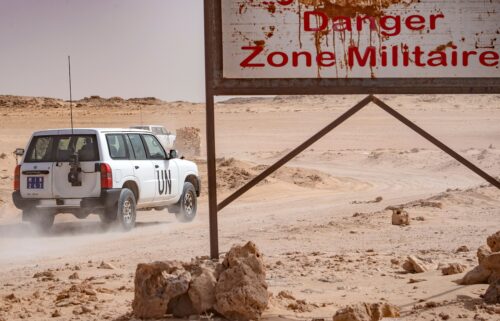
MINURSO’s Future: What the Security Council’s Choice May Reveal
As the United Nations Security Council (UNSC) approaches the October 31 renewal deadline of the UN Monitoring Mission in Western Sahara (MINURSO), the mission’s longer-term future remains uncertain. Another largely unchanged renewal remains a likely immediate outcome. But beyond that holding pattern, three possible scenarios are also on the table.
Since 1967, Israeli settlements in the West Bank have been a contested feature of the Israeli-Palestinian conflict. The ultimate disposition of the settlements and ongoing activity related to their growth have repeatedly defied agreement in negotiations over a resolution to the conflict.
The Houthis are a political-military faction and Zaydi religious movement founded in northwestern Yemen in the 1980s. A key member of Iran’s Axis of Resistance with links to other militant organizations in the Arabian Peninsula and the Horn of Africa, the group has continued to pose a threat to Western interests on a global scale.
The India-Middle East-Europe Economic Corridor (IMEC) is a proposed multinational infrastructure initiative aimed at upgrading connectivity between the three regions through integrated trade, energy, and digital networks. Announced at the G20 summit in New Delhi in September 2023, IMEC is envisioned partially as a counterweight to China’s international infrastructure project, the Belt and Road Initiative.
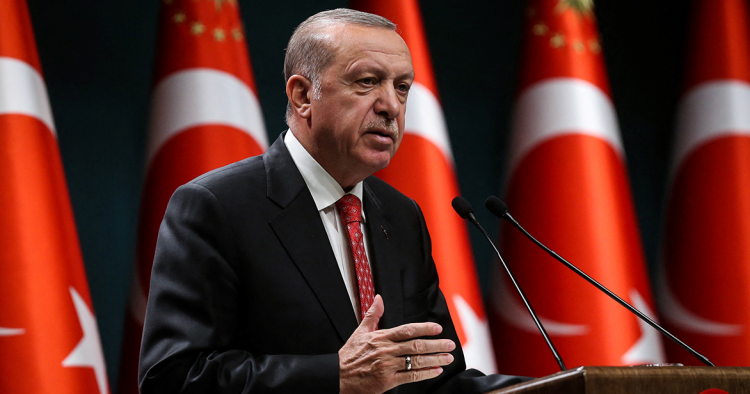
After a decade of post-Arab Spring isolation, Turkey’s leaders have recognized that their ambition to position the country as an agenda-setter on the world stage requires active engagement in all directions. President Recep Tayyip Erdoğan’s consolidation of executive authority has centralized foreign policy decision-making and tied it to his domestic political priorities, transforming the country’s revisionist approach to one shaped primarily by personal and pragmatic interests.
MEI Senior Fellow Brian Katulis engages friends, colleagues, and policy experts in casual conversations on the most important happenings in the Middle East.
Autocracy not reform remains Erdoğan’s recipe for Turkey
Since Turkey’s presidential election in May, western analysts have held out hope that Recep Tayyip Erdoğan will moderate his strongman style of rule. Feeding their optimism are several steps Erdoğan has taken, including appointing market-friendly technocrats to his economic team, replacing the hardline interior minister, dialling down anti-western rhetoric and voicing support for Sweden’s Nato membership. All these moves, however, are aimed at strengthening Erdoğan’s one-man rule, and the west is helping him.
Director of MEI’s Climate and Water Program Mohammed Mahmoud speaks to energy and sustainable infrastructure expert Lucia Fuselli on the role of climate financing – a critical component of initiatives aimed at reducing greenhouse gas emissions and bolstering climate resilience.
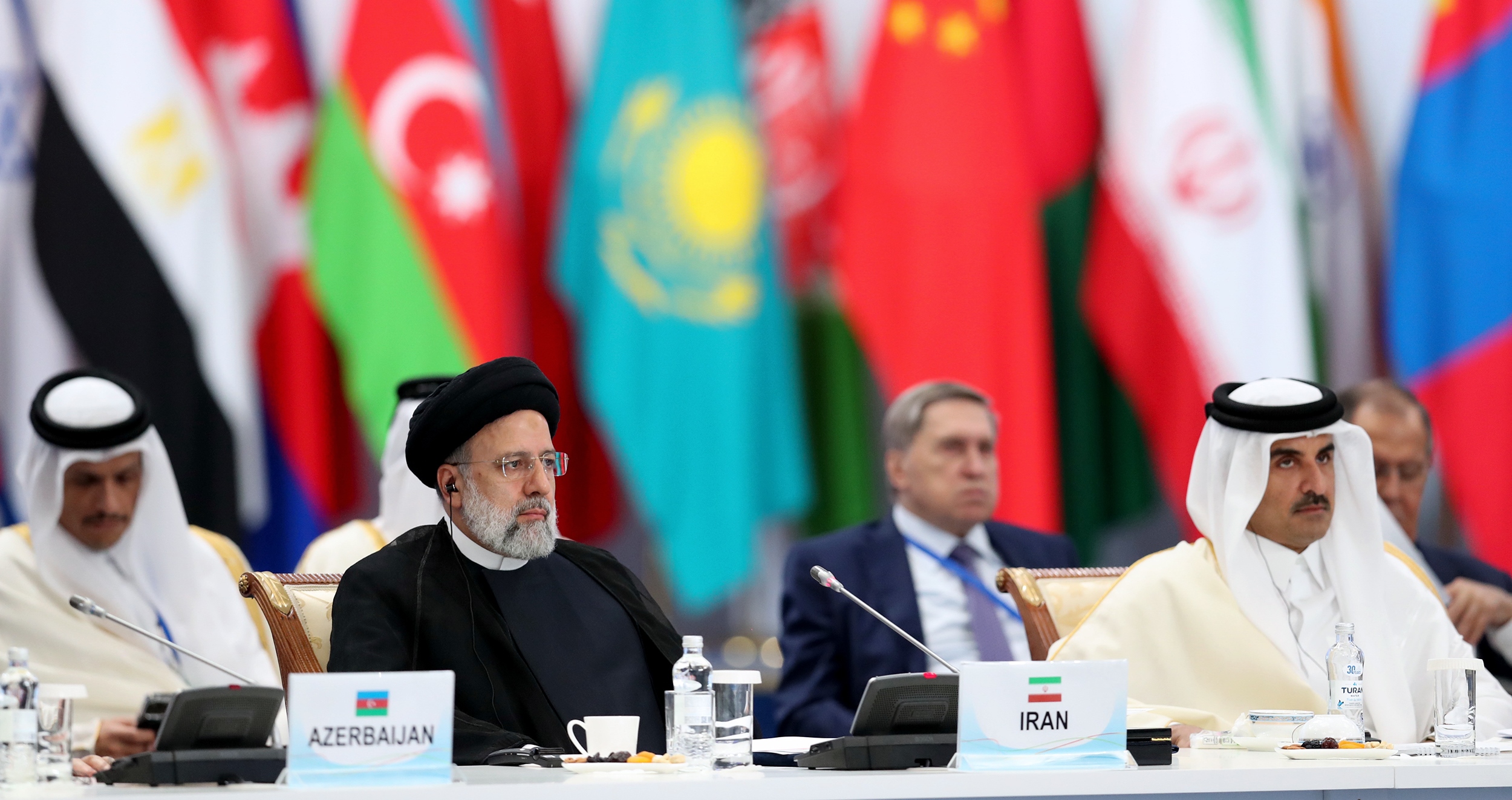
Deciphering Iran’s UNGA agenda: Lessons learned from past CICA summits
When the Iran’s President Ebrahim Raisi, visits New York for the opening of the UNGA this week, he will try to project a sense of confidence and argue that the Iranian regime is purportedly committed to building ties with its neighborhood by promoting and referring to its membership in various regional dialogue forums. Yet their existence has historically not moderated Iranian behavior.
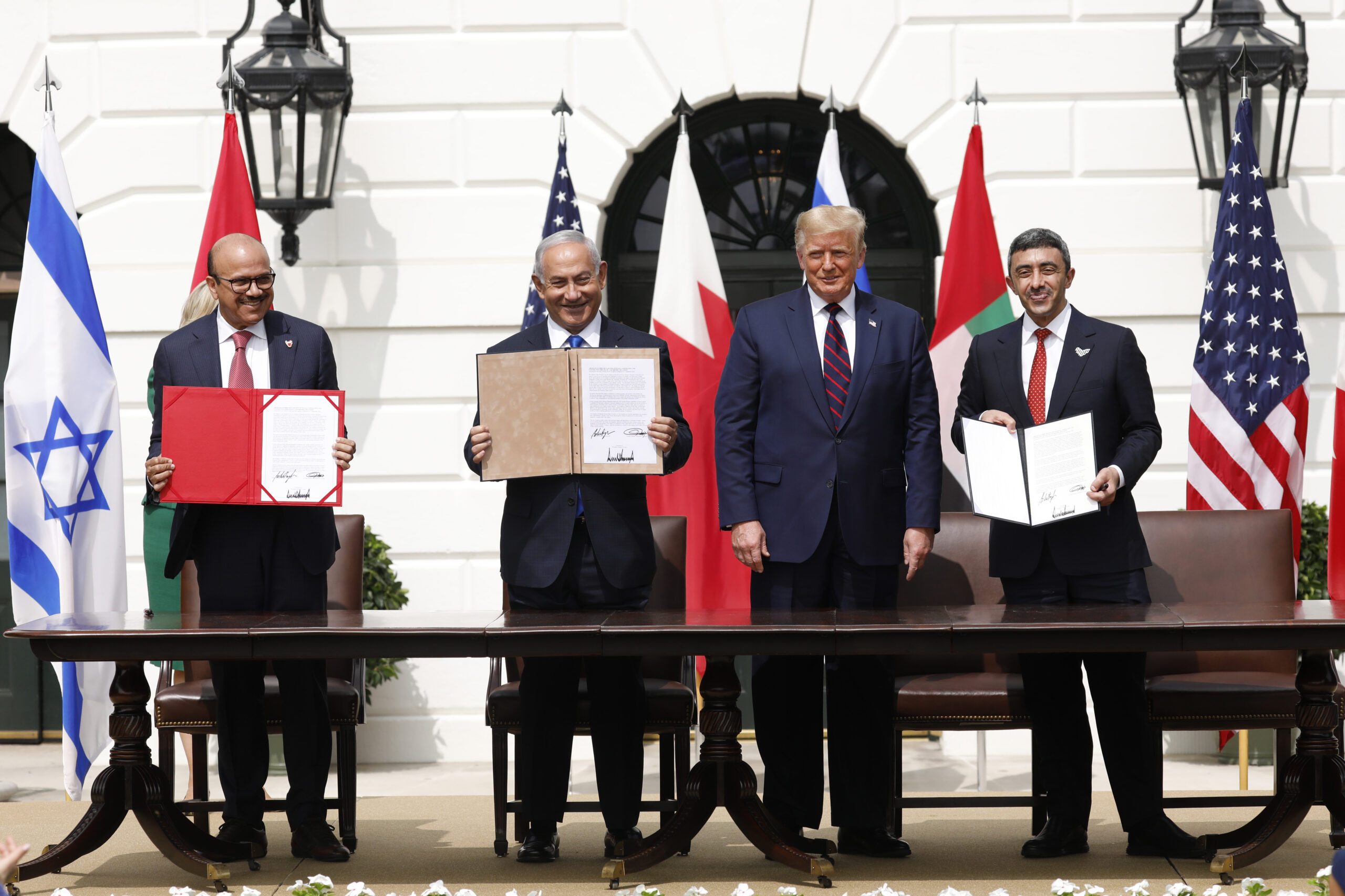
As the original Abraham Accords signatories — Israel, the United Arab Emirates, and Bahrain — observe the third anniversary of their September 2020 agreement, there is a sufficient basis to evaluate whether the Abraham Accords are real, hype, or something in-between. Much like the case a year ago, the results so far remain mixed.
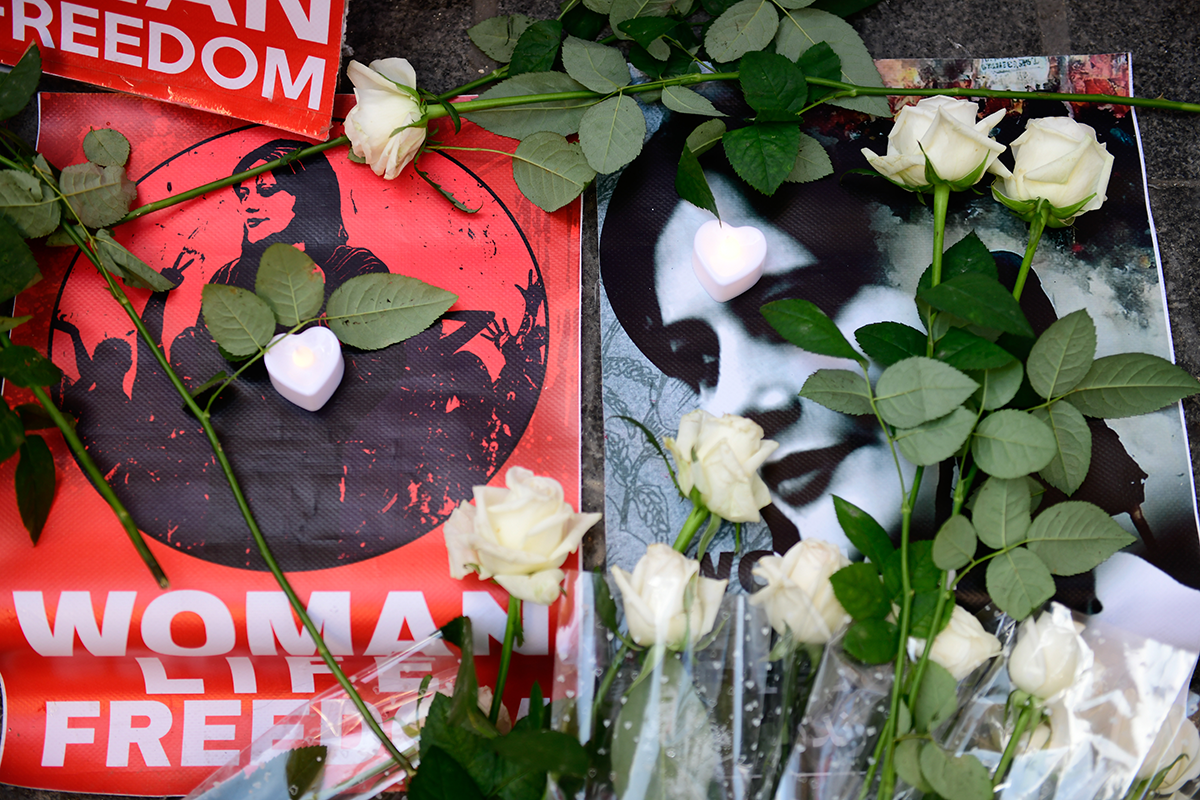
At a deadlock: Spontaneous protests and the Iranian regime
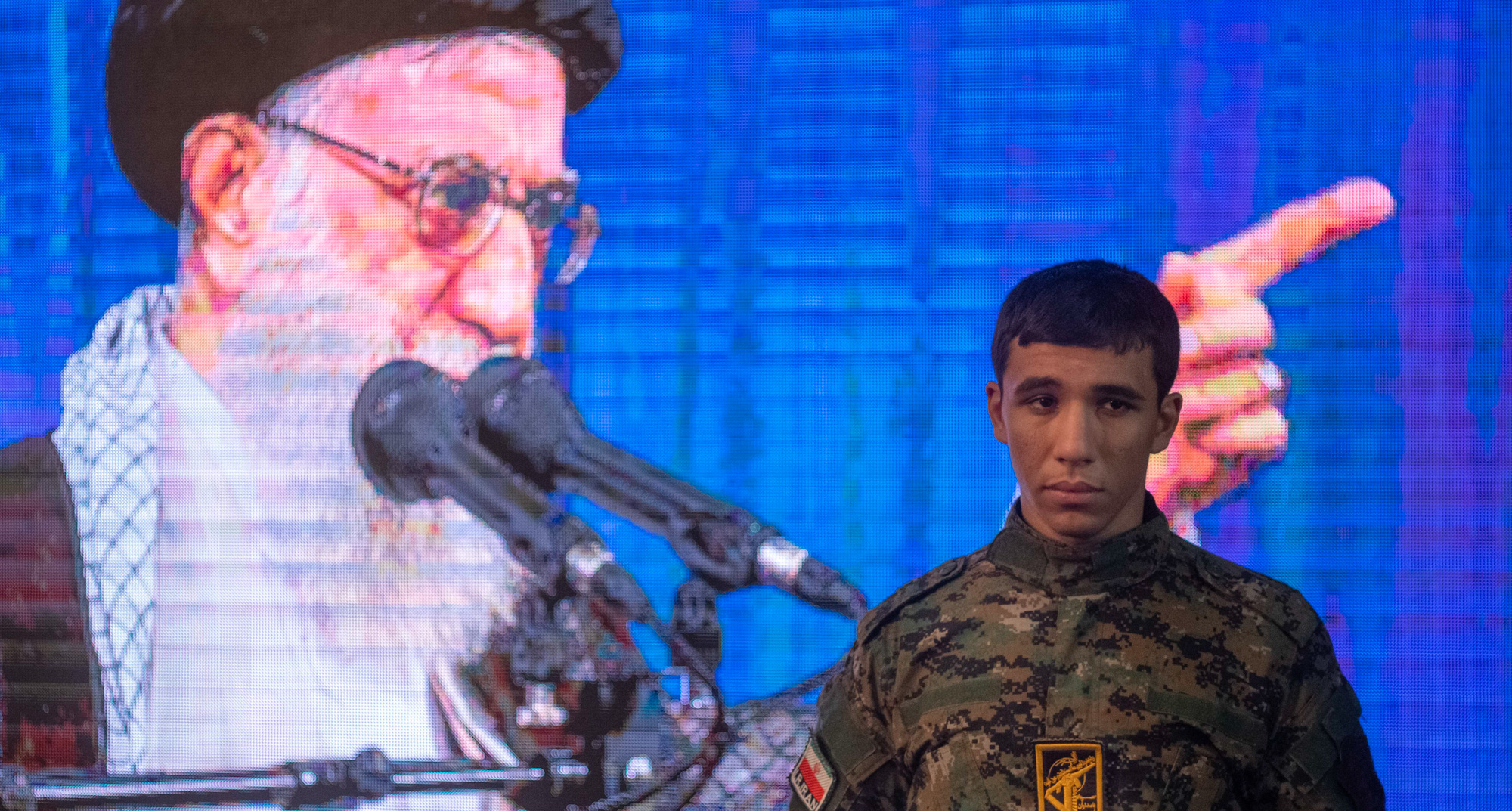
One year after the tragic death of Mahsa Jina Amini sparked nationwide protests, the Islamic Republic of Iran has been striving to suppress dissent while the spirit of resistance among the people has become an integral part of everyday life. Supreme Leader Ayatollah Ali Khamenei and his allies have failed to address underlying social grievances, and there are no indications that society will remain passive. With both sides actively resisting one another, the options for the Iranian regime and the protest movement have narrowed, potentially leading to a reignition of demonstrations and street confrontations.
From normalization to non-aggression: The next step in Iran-Saudi ties
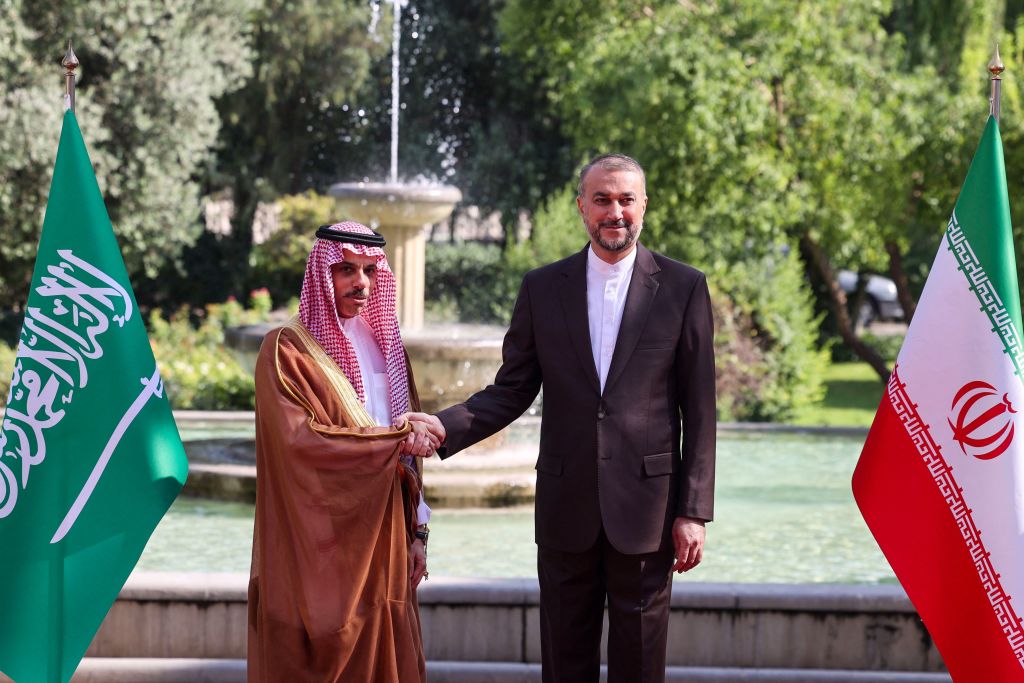
The groundbreaking March 2023 normalization deal between Saudi Arabia and Iran could potentially reshape the political landscape of the Middle East. It has already paved the way for de-securitization and the resumption of diplomatic relations. However, critical security issues remain unresolved, casting doubt on the long-term sustainability of the process. Capitalizing on this rare opportunity, Riyadh and Tehran should move forward to finalize a comprehensive non-aggression pact as the foundation for their future security relations.
The costs and benefits of Saudi-Israeli normalisation
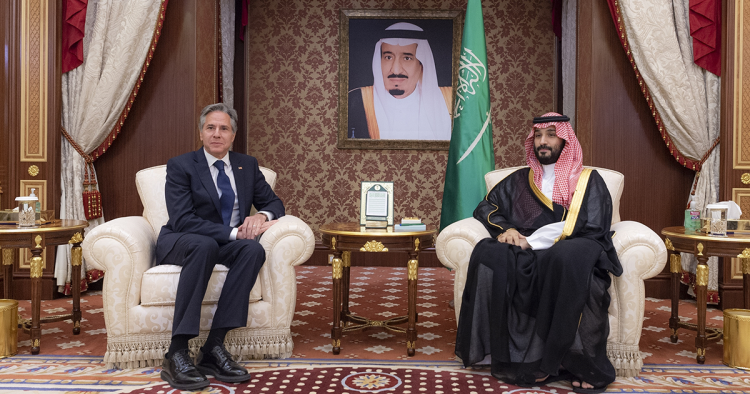
For all the hype about the potential normalisation of ties between Saudi Arabia and Israel, it remains vastly unclear whether the United States — the indispensable enabler and guarantor of such a deal — is willing or able to accept the kingdom’s conditions to reach an agreement.
In return for its cooperation, Saudi Arabia wants from Washington a formal defence pact, assistance in building a civilian nuclear programme, and expedited access to high-end US weapons, including F-35 fifth-generation fighter aircraft.
A last chance for reforms squandered: Iranian regime doubles down after 2022 protests
History might very well show that the people’s protests that broke out in September 2022 in Iran were the final opportunity for the Islamist regime to change political course. But as the past year has shown, the regime in Tehran utterly failed to seize the moment.
After an uprising and violent crackdown, Syria’s Deir ez-Zor is at a critical juncture
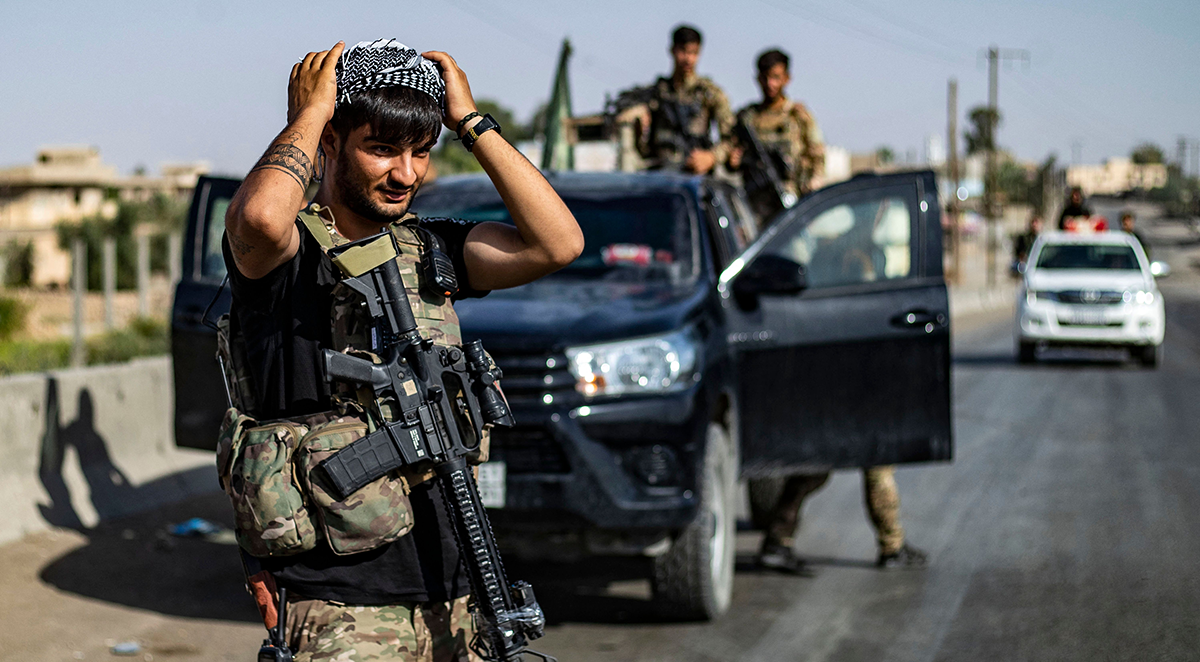
On Sept. 8, the Kurdish-led SDF, a key U.S. ally, announced the end of its “Operation Security Enhancement” in Deir ez-Zor in northeast Syria. While framed as an operation targeting ISIS sleeper cells and criminals, it aimed at quashing an armed uprising led by Arab tribesmen, particularly members of the Akidat tribe. While multiple factors may have contributed to fueling the uprising, the importance of the region’s longstanding grievances cannot be overstated.
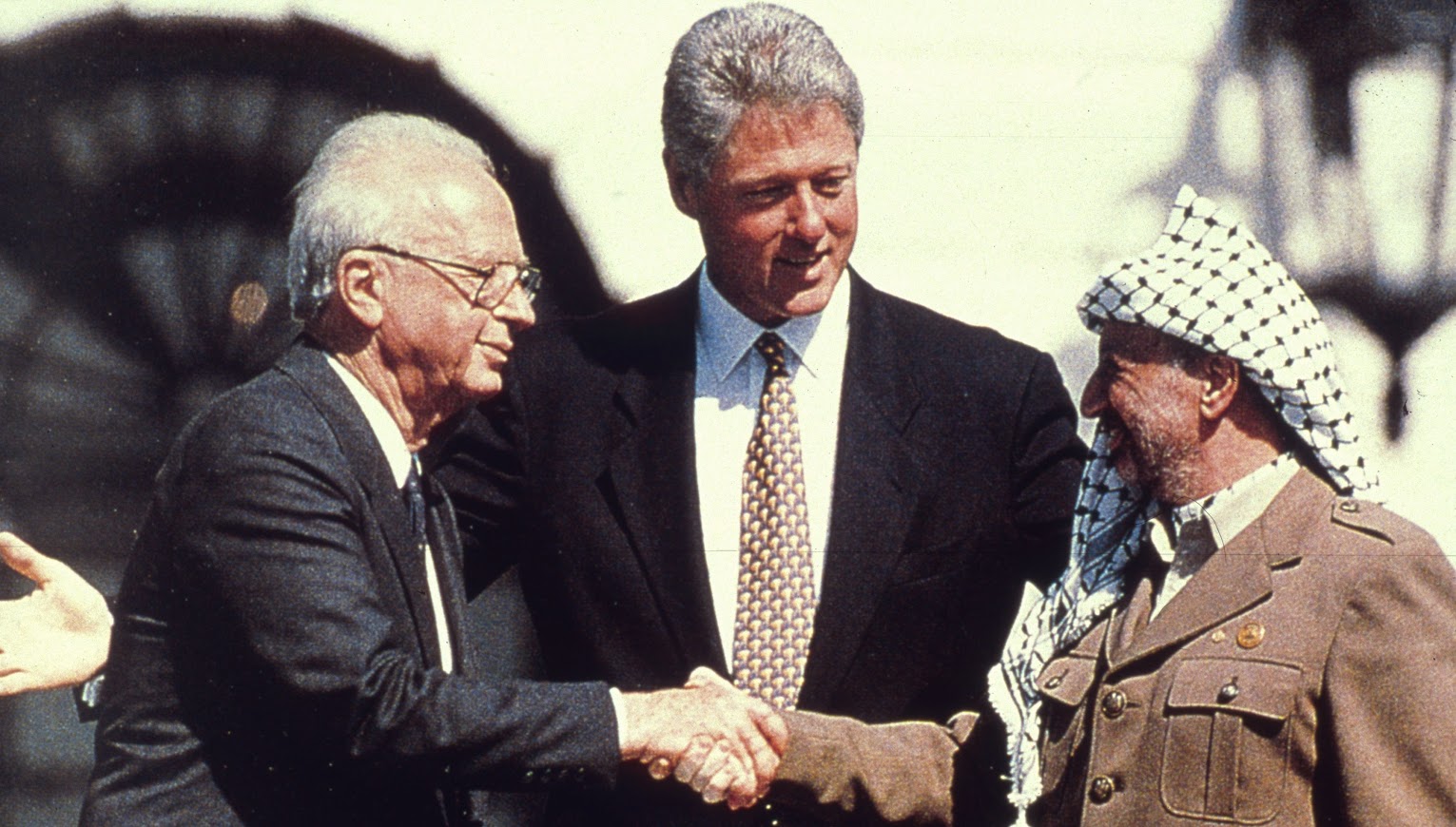
Thirty years on since its historic signing, the Oslo Accords framework continues to define virtually all aspects of Israeli-Palestinian relations as well as America’s and the broader international community’s approach to the peace process. Yet Oslo’s extraordinary longevity stands not as a testament to its utility but to its unmitigated and ongoing failure.
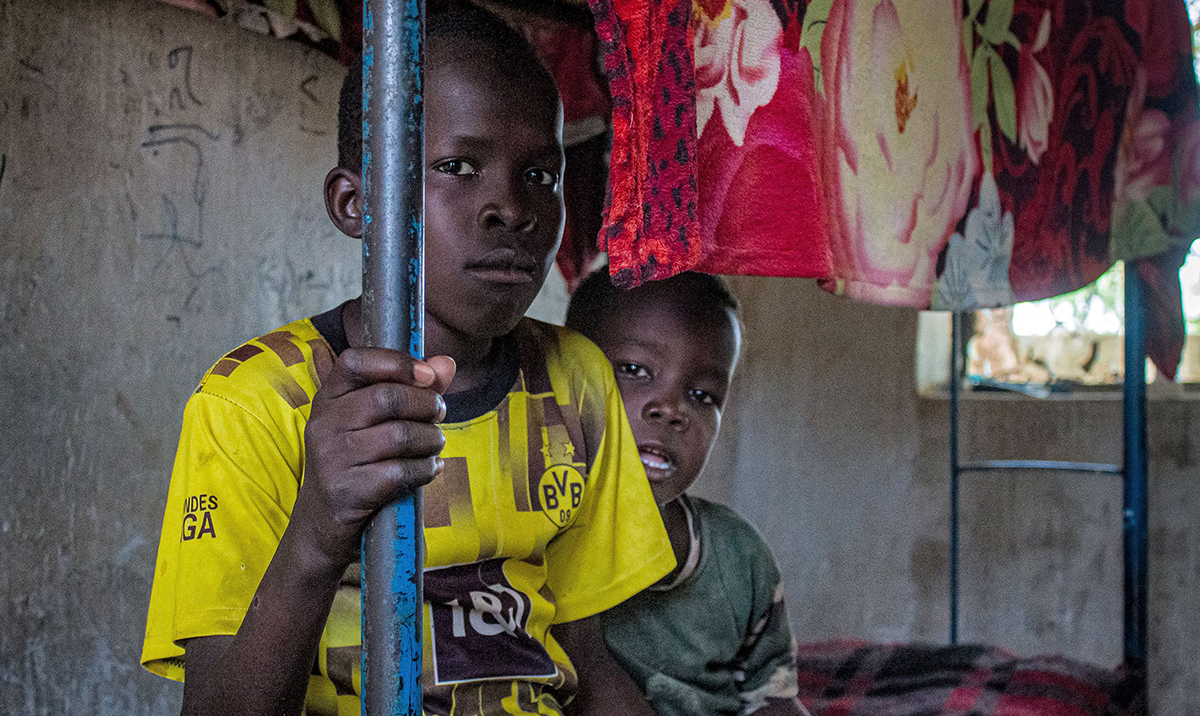
Nearly five months on, Sudan’s war between its army and largest paramilitary force has destroyed much of Khartoum, the adjacent cities of Bahri and Omdurman, as well as key towns in Darfur. The warring forces have killed thousands of civilians, destroyed critical infrastructure, and forced a staggering 4.9 million people to flee their homes. The U.N. is providing important humanitarian assistance, but it should be doing far more, especially to advance accountability and improve coordination in the messy diplomatic arena. Both the high-level week in New York and the Human Rights Council session in Geneva present opportunities that it should not squander.
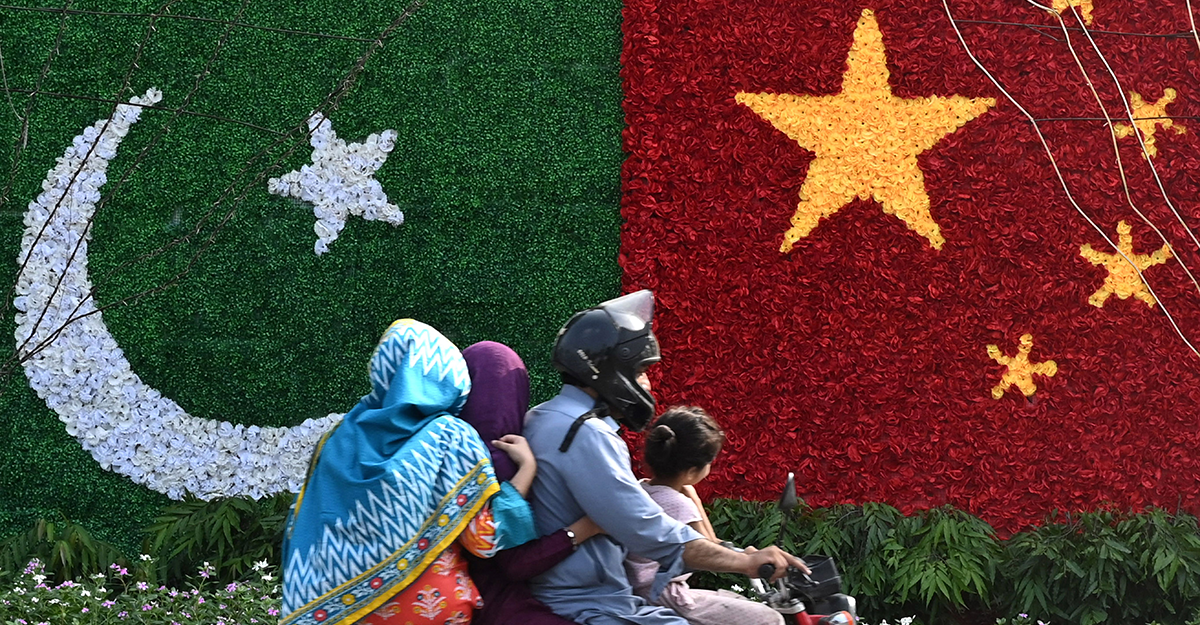
Beyond diplomacy: Charting China's multifaceted partnership with Pakistan
Pakistan’s intensifying economic, political, and security instability is not good news for China’s strategic investments. So, what are Beijing’s options?
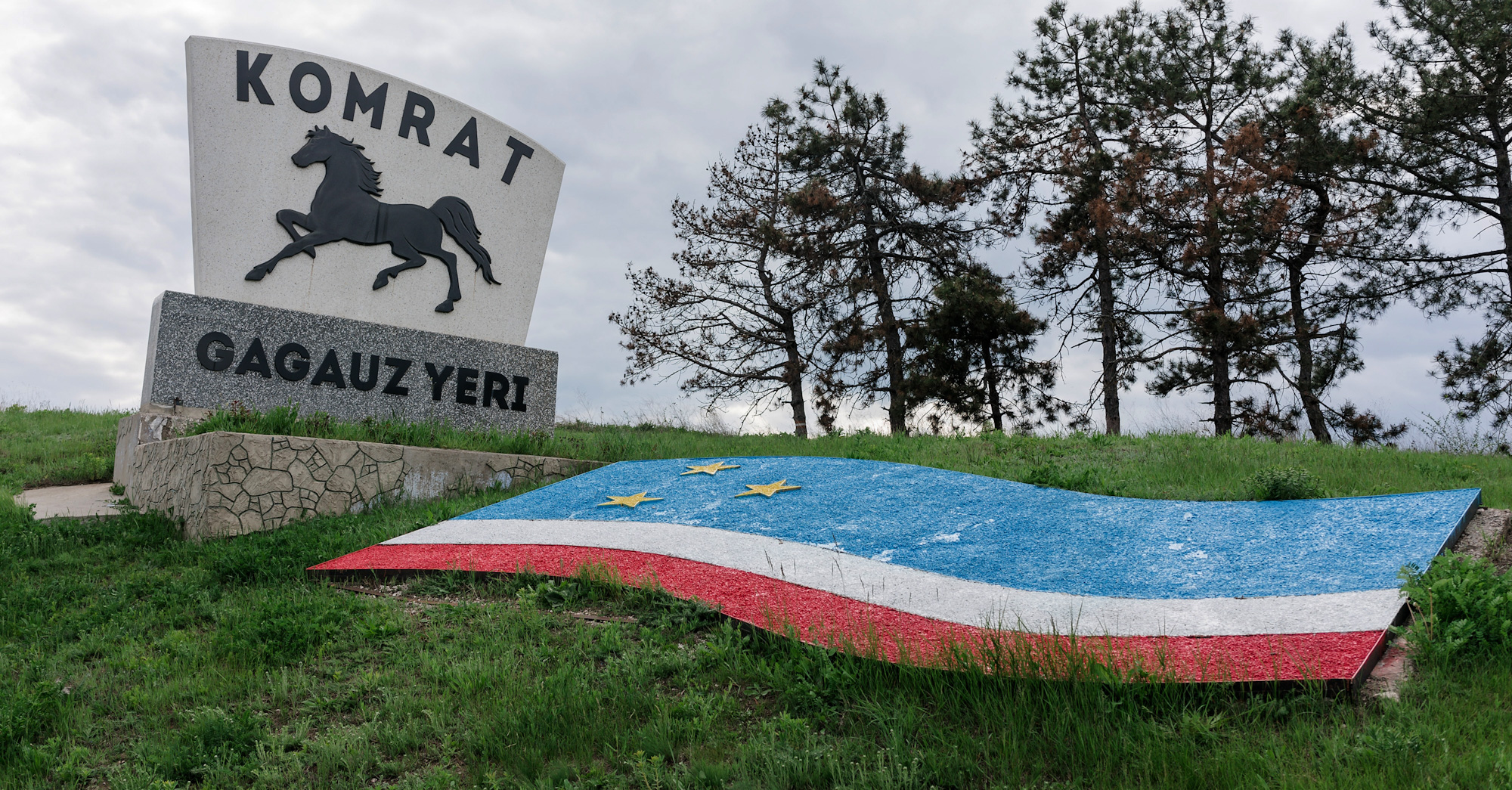
Understanding Moldova’s ethnic dynamics: Minority rights, external influence, and pathways to unity
Moldova is a country with a rich tapestry of multiple ethnic identities and linguistic traditions, but one where policymakers have long grappled with the complexities of preserving minority rights, fostering national unity, and addressing regional autonomy through engagement with the Gagauz minority.
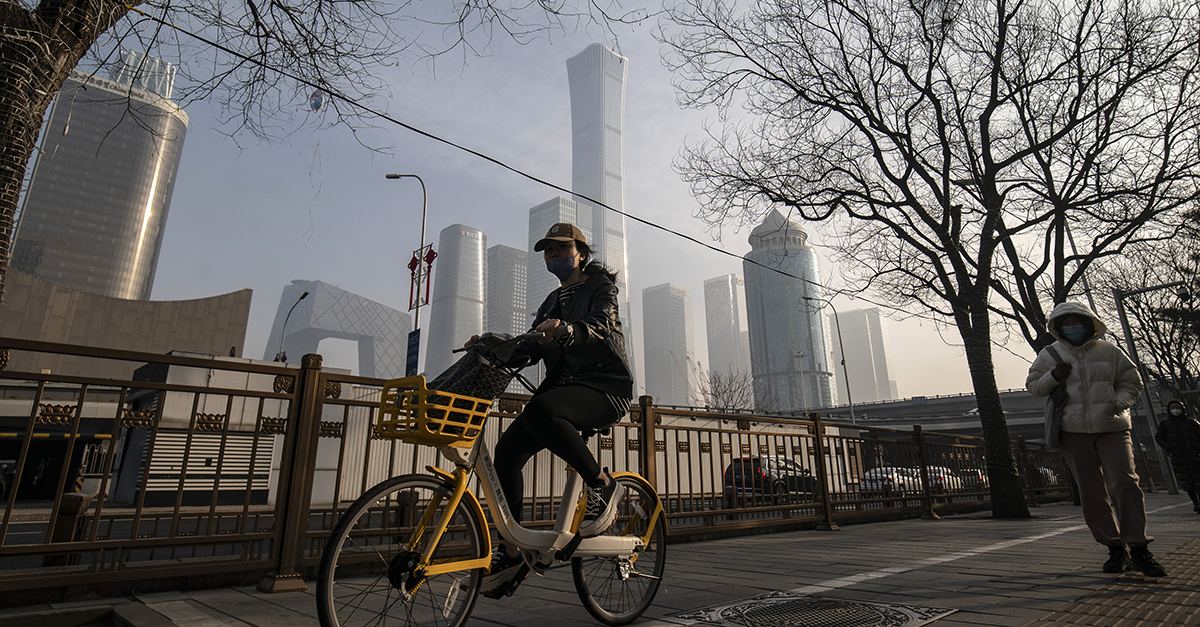
What do China’s economic woes mean for the Middle East?
At the start of 2023, optimism was high that China would see a rapid recovery in consumer spending and an acceleration in GDP growth. Since then, however, the world’s second-largest economy has been in the doldrums. China’s ailing economy is a problem not just for China but for the entire world. A prolonged slowdown or a sudden financial crash, were it to occur, would ripple across global markets — including the countries of the Middle East, whose economies have become increasingly intertwined with that of China.
The oldest peer-reviewed publication dedicated to the study of the modern Middle East, MEI’s flagship journal covers politics, society, and culture in the region.