Over the past several weeks, the Houthis have seized the port city of Mokha, Yemen’s western coastline, and several islands in the Bab el-Mandeb Strait, and they are now massing around Marib and Taiz in the first major frontline shift since 2022. MEI Associate Fellow Nadwa Al-Dawsari joins host Matthew Czekaj to unpack the latest developments. Together, they discuss what has allowed the Houthis to advance against Yemeni government forces, the role the militant group plays in Iran’s regional strategy, and what it will take to contain the threat.
I was a teenage Afghan refugee in Pakistan’s tribal areas when the Twin Towers fell. Almost nobody around us understood the politics of what had happened, but we knew that something had changed for good. Afghanistan, which until then had been our private tragedy and our first exile from Taliban rule, had suddenly become the world’s concern, with the United States leading the response.
Though it has fallen out of the headlines because of the Iran war, Syria has had a dramatically consequential summer. Hosts Alistair Taylor and Matthew Czekaj are joined by MEI Senior Fellow Charles Lister to take stock of recent developments: the dissolution of the Kurdish-led Syrian Democratic Forces, Israeli strikes and the friction with Turkey they have exposed, the standoff in Sweida, as well as Damascus’s bid to turn Syria into a trade corridor between the Mediterranean and the Gulf. Is the transition consolidating or fragmenting nearly two years after the fall of the Assad regime?
اتفاق الدفاع الاستراتيجي بين باكستان والمملكة العربية السعودية: بنية أمنية جديدة في منطقة الشرق الأوسط الكبير
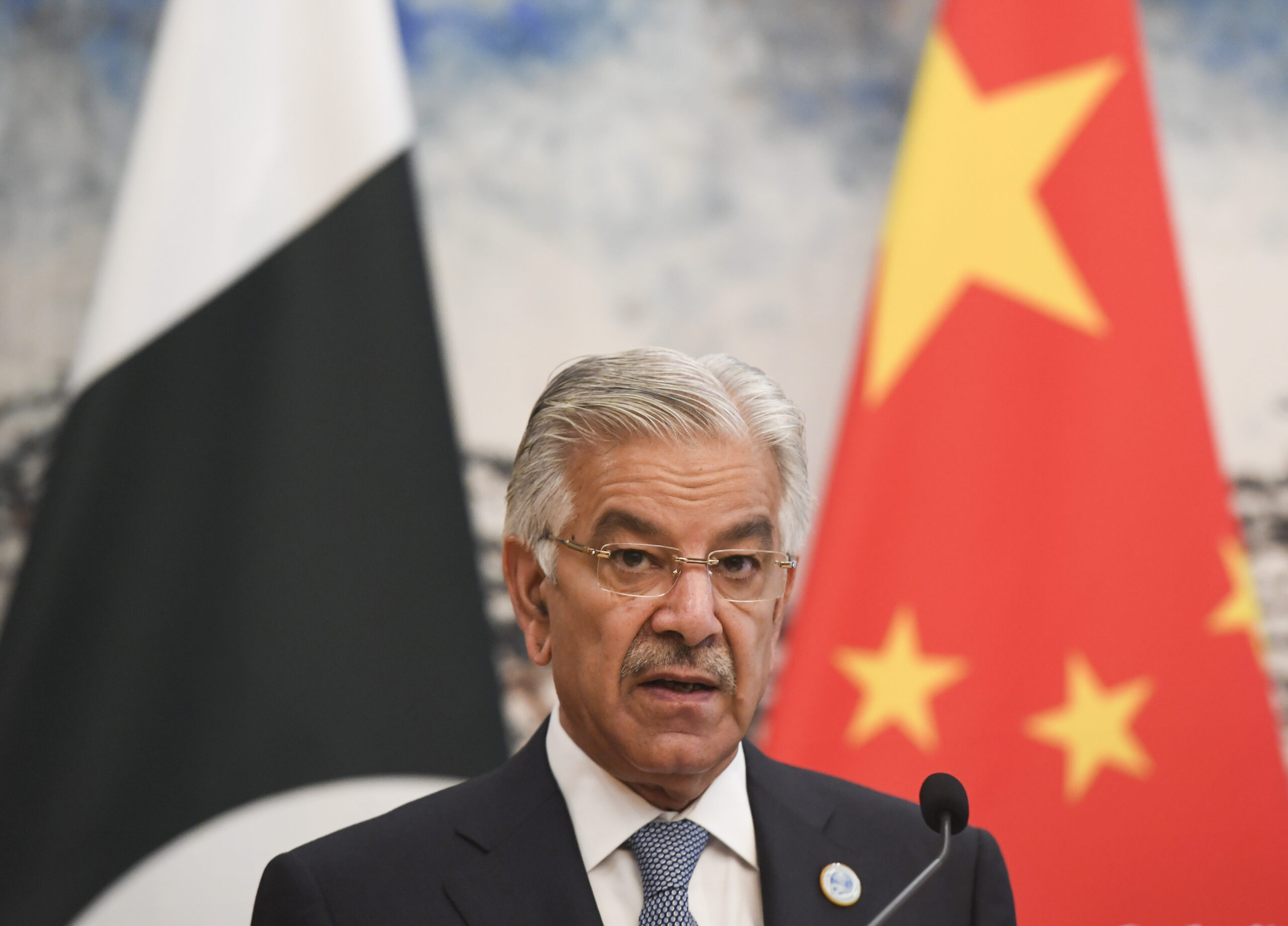
في أعقاب الضربة التي شنتها إسرائيل في 9 سبتمبر على أهداف لحماس في قطر، اتخذت باكستان خطوات سريعة وهامة في سياستها الخارجية رداً على ذلك، واتخذت موقفاً حازماً بشكل غير معتاد. وقد تأثر هذا التحول إلى حد كبير بقائد الجيش الباكستاني، المشير عاصم منير. فالأخير مصمم على تعزيز الاستقلالية الاستراتيجية لبلاده ونفوذها الدبلوماسي في بيئة دولية تزداد تعقيداً، من خلال وضع باكستان في موقع الفاعل الأمني الرئيسي والقوة المتوسطة الصاعدة على الساحة العالمية.
نفوذ صامت، مكاسب هادئة؟ الصين وميثاق الدفاع السعودي-الباكستاني
اتفاقية الدفاع المتبادل الاستراتيجي (SMDA) بين المملكة العربية السعودية وباكستان، التي تم توقيعها في الرياض في 17 سبتمبر، هي أكثر بكثير من مجرد تعهد ثنائي. فهو يمثل إعادة ترتيب عميقة للتحالفات في الخليج وجنوب آسيا، مما يعكس ويعزز التآكل الأوسع نطاقاً لسيادة الولايات المتحدة في البنية الأمنية الأوروبية الآسيوية. في حين ركزت معظم التعليقات الأولية على الالتزام المذهل من قبل ملكية خليجية ثرية بالدفاع عن دولة جنوب آسيوية حائزة للأسلحة النووية، فضلاً عن مسألة ما إذا كانت باكستان قد مدت بالفعل مظلتها النووية إلى المملكة العربية السعودية، فإن القصة الأعمق هي على الأرجح التقدم المحتمل للصين.
A Middle East NATO? Regional Security Options After Doha
Israel’s September 9 strike on Hamas leaders in Doha rattled Gulf capitals and revived a decades-old debate over whether the region needs a NATO-style defensive alliance. MEI Senior Fellow Jason Campbell joins hosts Alistair Taylor and Matthew Czekaj to unpack why past attempts at collective defense have fallen short, whether this moment is different, and what the crisis means for US security strategy in the Middle East.
ضربة إسرائيل لدوحة قد تزيد من زعزعة استقرار المنطقة وتقوض شراكات الأمن الأمريكية
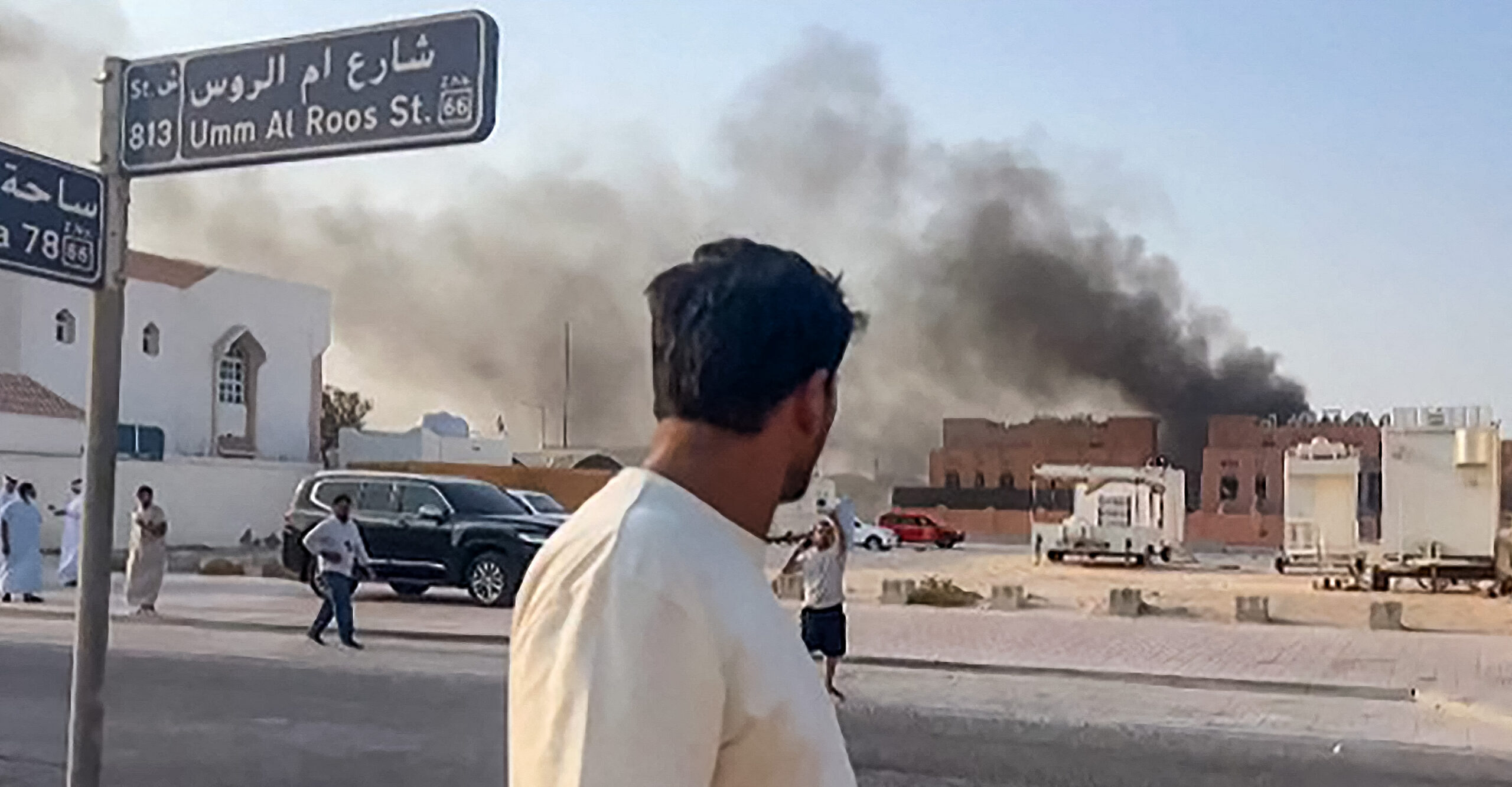
لا تزال تداعيات الضربة الإسرائيلية التي استهدفت فريق التفاوض التابع لحركة حماس في الدوحة أمس تتردد أصداؤها في جميع أنحاء العالم، وستستمر في ذلك في المستقبل المنظور. وتداعياتها عميقة وستغير المشهد الجيوسياسي ليس فقط في الشرق الأوسط، بل على نطاق عالمي على الأرجح.
على اليونيفيل إعادة ضبط نفسها أو العودة إلى ديارها
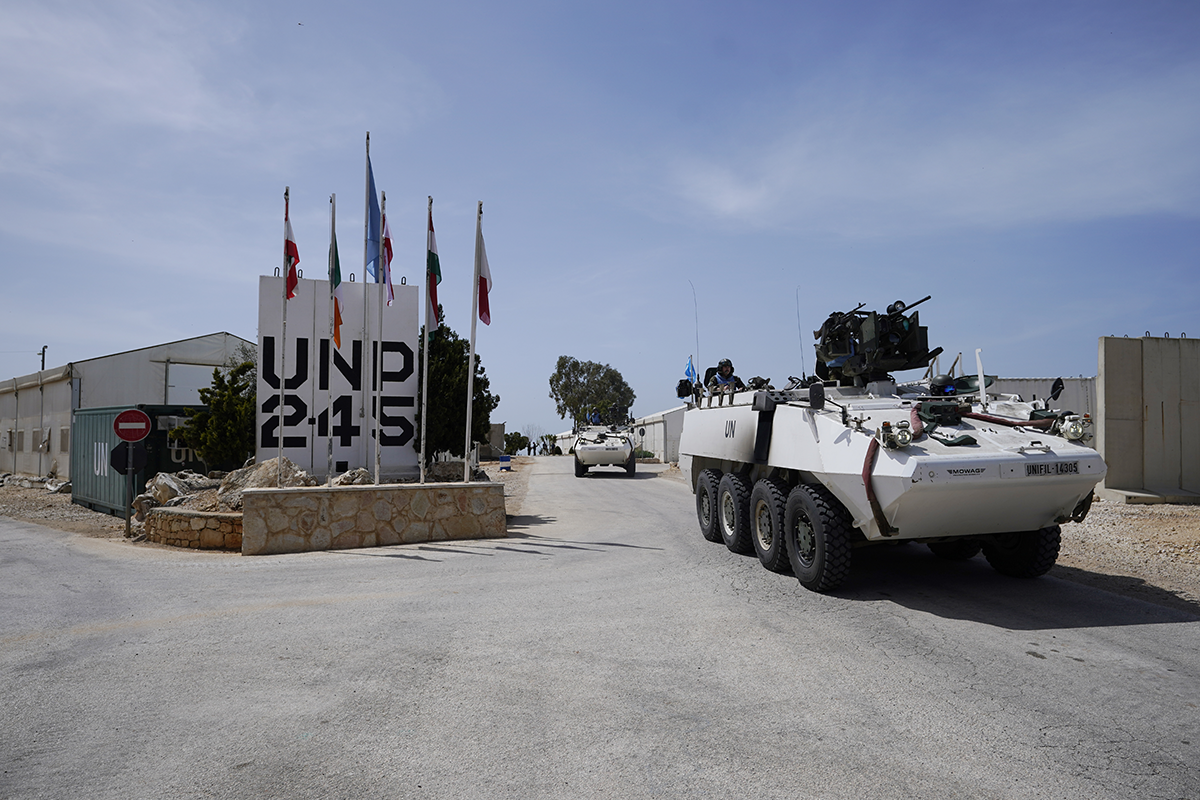
في نهاية شهر أغسطس، سيتم النظر في مستقبل قوة الأمم المتحدة المؤقتة في لبنان (يونيفيل)، التي أنشئت منذ ما يقرب من 50 عامًا، في نيويورك، حيث سيناقش مجلس الأمن تجديد ولايتها. بعد ما يقرب من عقدين من الزمن على تحولها بموجب قرار مجلس الأمن الدولي رقم 1701، أصبحت يونيفيل الآن جزءًا من المشكلة التي أنشئت لحلها. فقد فشل عشرة آلاف من جنود القبعات الزرقاء من حوالي 50 دولة، بما في ذلك الدول الأعضاء الرئيسية في منظمة حلف شمال الأطلسي (الناتو)، في وقف الصراع الأخير بين إسرائيل وحزب الله، وإذا استمرت الأمور على ما هي عليه، فسوف يفشلون في منع الصراع التالي.
لبنان وولاية اليونيفيل: نزع سلاح حزب الله واستعادة السيادة
مع مرور نصف عام على تشكيل الحكومة الجديدة في لبنان، وانتهاء ولاية قوة الأمم المتحدة المؤقتة في لبنان (يونيفيل) في نهاية الشهر، يمر لبنان بمرحلة حاسمة. في هذه الحلقة منبرنامج "ميدل إيست فوكس"، ينضم إلى المضيفين أليستر تايلور وماثيو تشيكاي فادي نيكولاس نصار، زميل أول في معهد الشرق الأوسط، لتقييم ما إذا كان بإمكان الدولة اللبنانية استعادة سيادتها، بدءاً بنزع سلاح حزب الله وفرض وقف إطلاق النار.
الخطوط الأمامية الرقمية: ما كشفت عنه الحرب التي استمرت 12 يوماً عن تطور استراتيجية إيران السيبرانية
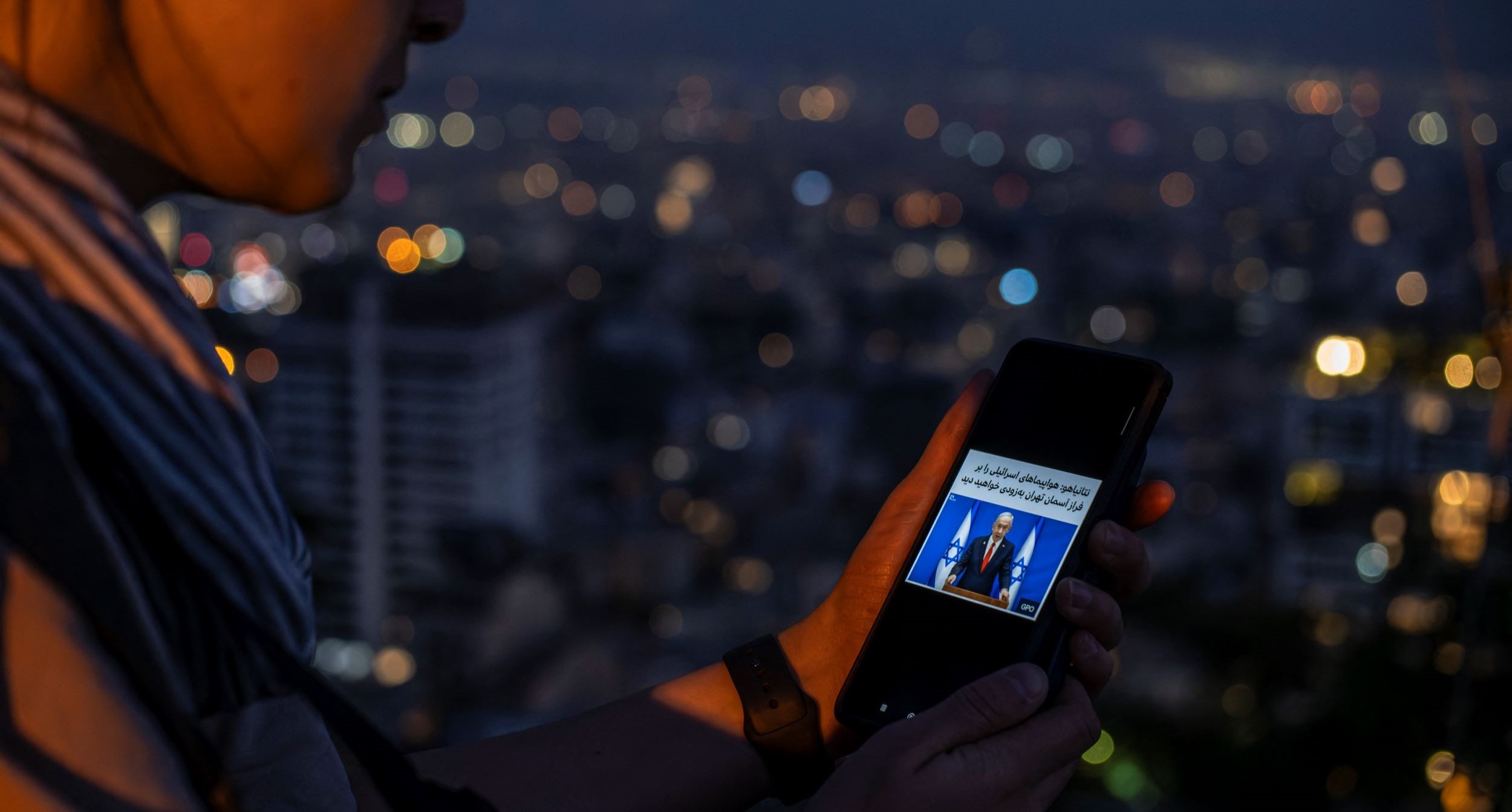
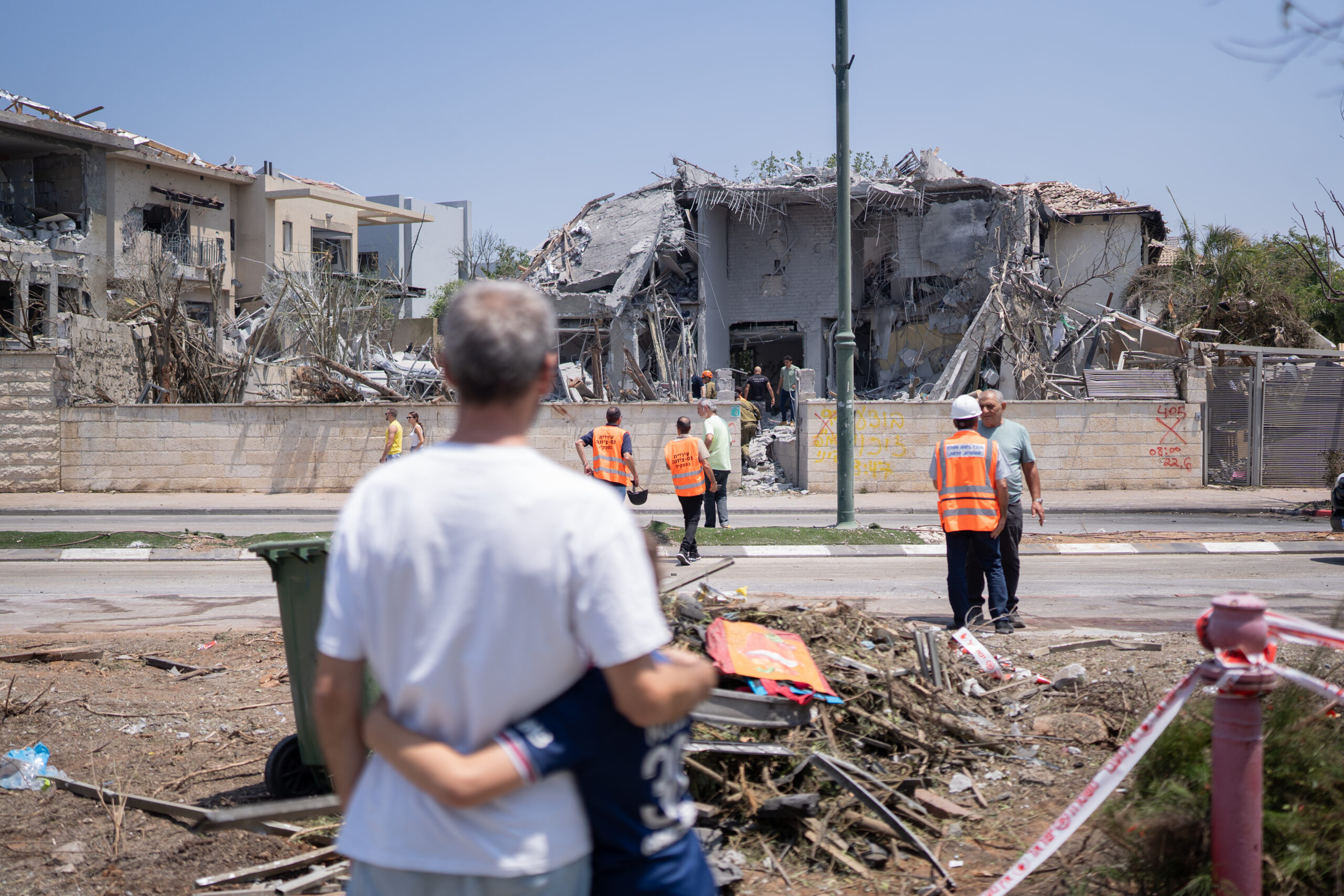
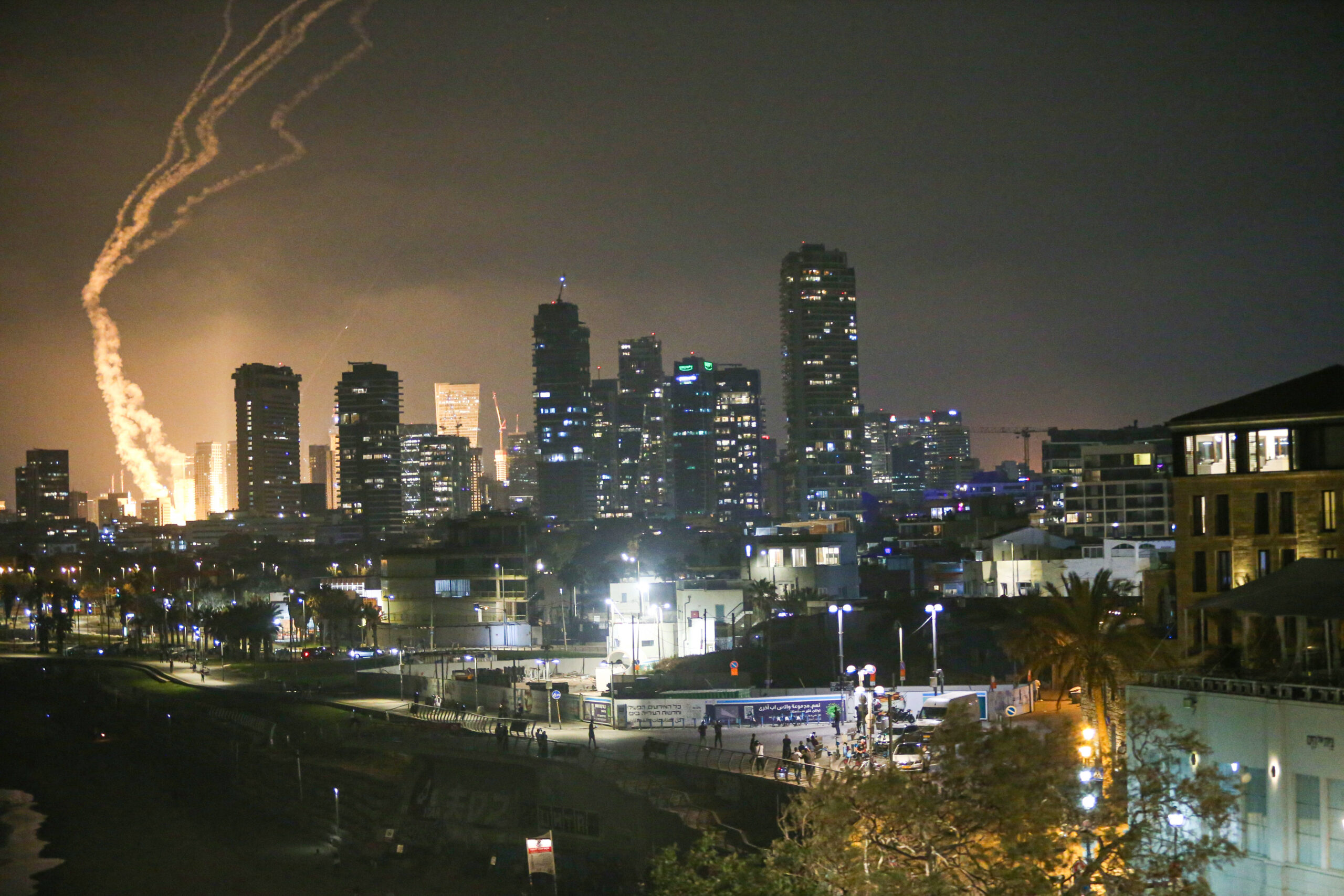
خلال الحرب بين إسرائيل وإيران في يونيو، دارت معركة أكثر هدوءًا ولكنها مهمة في الفضاء الإلكتروني، مما يسلط الضوء على كيفية قيام طهران بتحسين استخدامها للأدوات الرقمية لتشكيل ساحة المعركة، والتحكم في الروايات المحلية، وإبراز نفوذها في الخارج. على الرغم من عدم فعالية استجابة إيران الإلكترونية من الناحية العملياتية إلى حد كبير، إلا أنها شكلت مرحلة جديدة في تطورها الاستراتيجي.
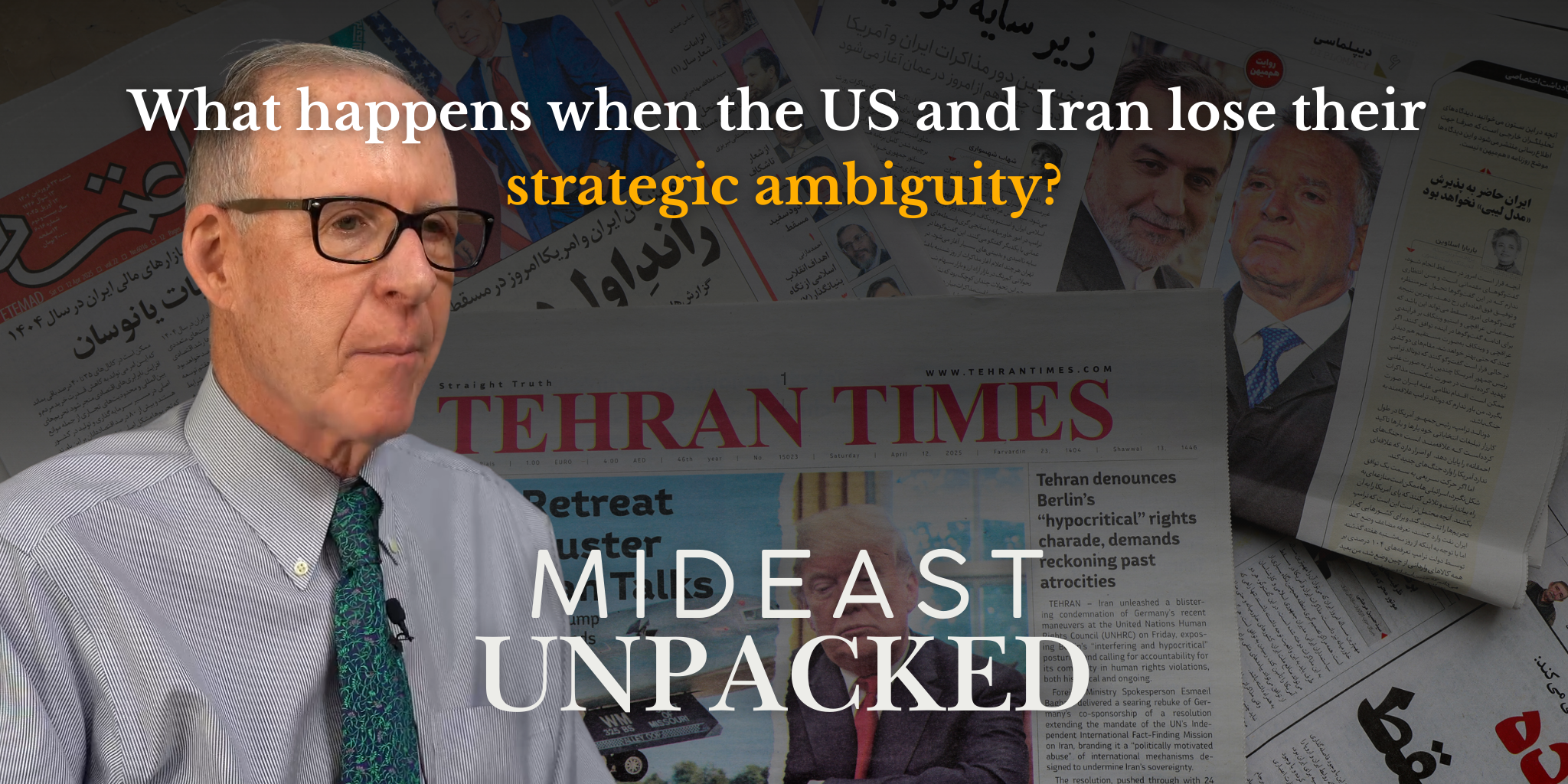
ماذا يحدث عندما تفقد الولايات المتحدة وإيران غموضهما الاستراتيجي؟
يحلل روس هاريسون، زميل أول في معهد الشرق الأوسط (MEI)، كيف يمكن لهذا النهج في السياسة الخارجية أن يساعد في التخفيف من حدة الصراع، وكيف أن واشنطن وطهران قد قوضتا غموضهما خلال الحرب الأخيرة التي استمرت 12 يوماً، مع عواقب محتملة طويلة الأمد على الاستقرار الإقليمي.
قدرة باكستان على التوفيق بين علاقاتها مع الولايات المتحدة وإيران تختبرها الحرب بين إسرائيل وإيران
عندما اندلعت الحرب بين إسرائيل وإيران وقررت الولايات المتحدة مساعدة الجانب الإسرائيلي بضرب برنامج إيران النووي، توقعت كل من طهران وواشنطن أن تقف إسلام أباد إلى جانب مواقفهما. وضع هذا الوضع الحكومة الباكستانية في موقف حساس سياسياً ودبلوماسياً.
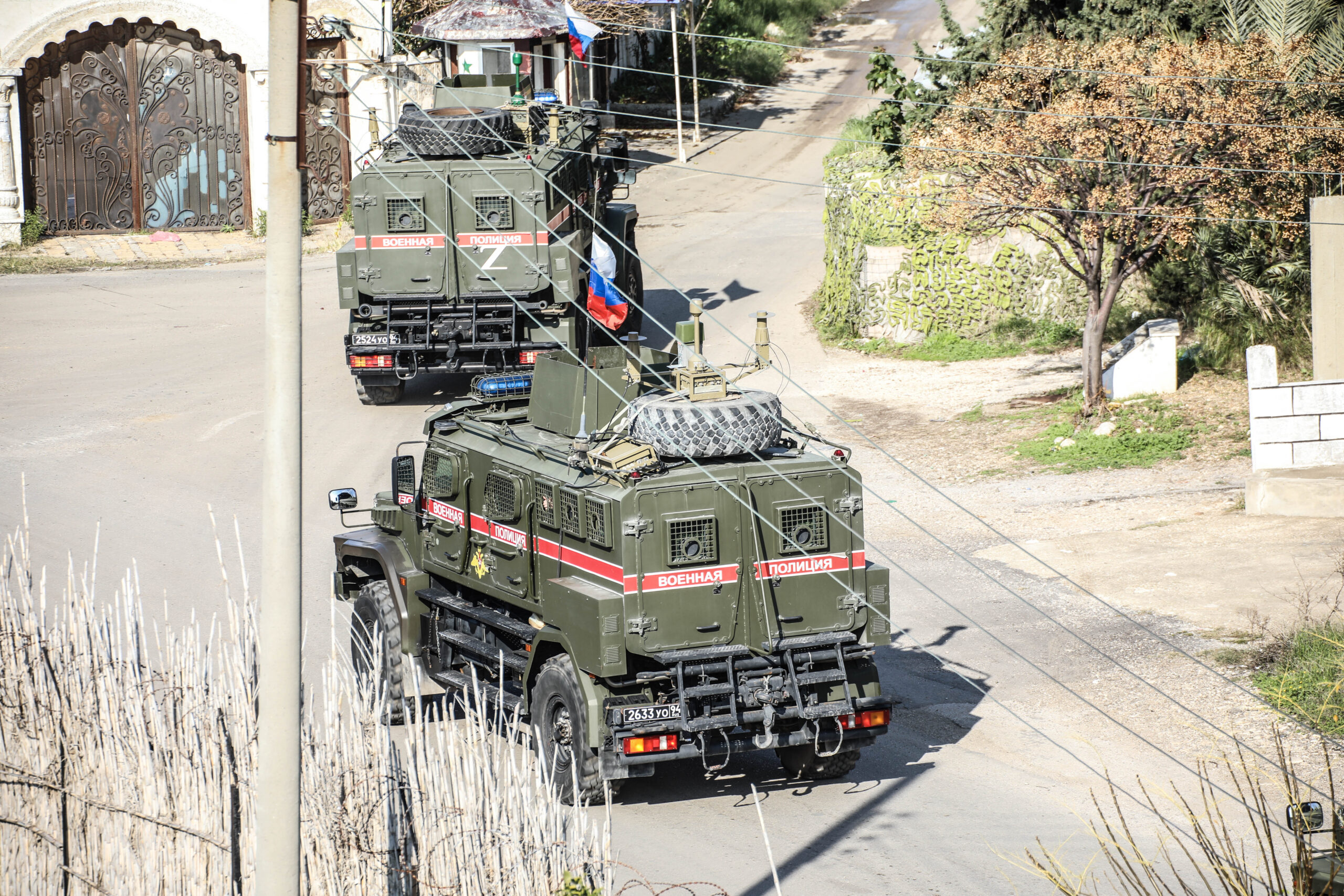
الوجود العسكري الروسي في سوريا ما بعد الأسد: عبء أمني متزايد يقوض الاستقرار
بعد مرور ستة أشهر على سقوط نظام الأسد، لا يزال الوجود العسكري الروسي في سوريا راسخًا في مواقع استراتيجية مثل قاعدة حميميم الجوية وميناء طرطوس على الساحل، وكذلك مطار القامشلي في الشمال الشرقي. وقد أدى هذا الاستمرار إلى إثارة جدل متزايد حول دور موسكو في سوريا الجديدة.
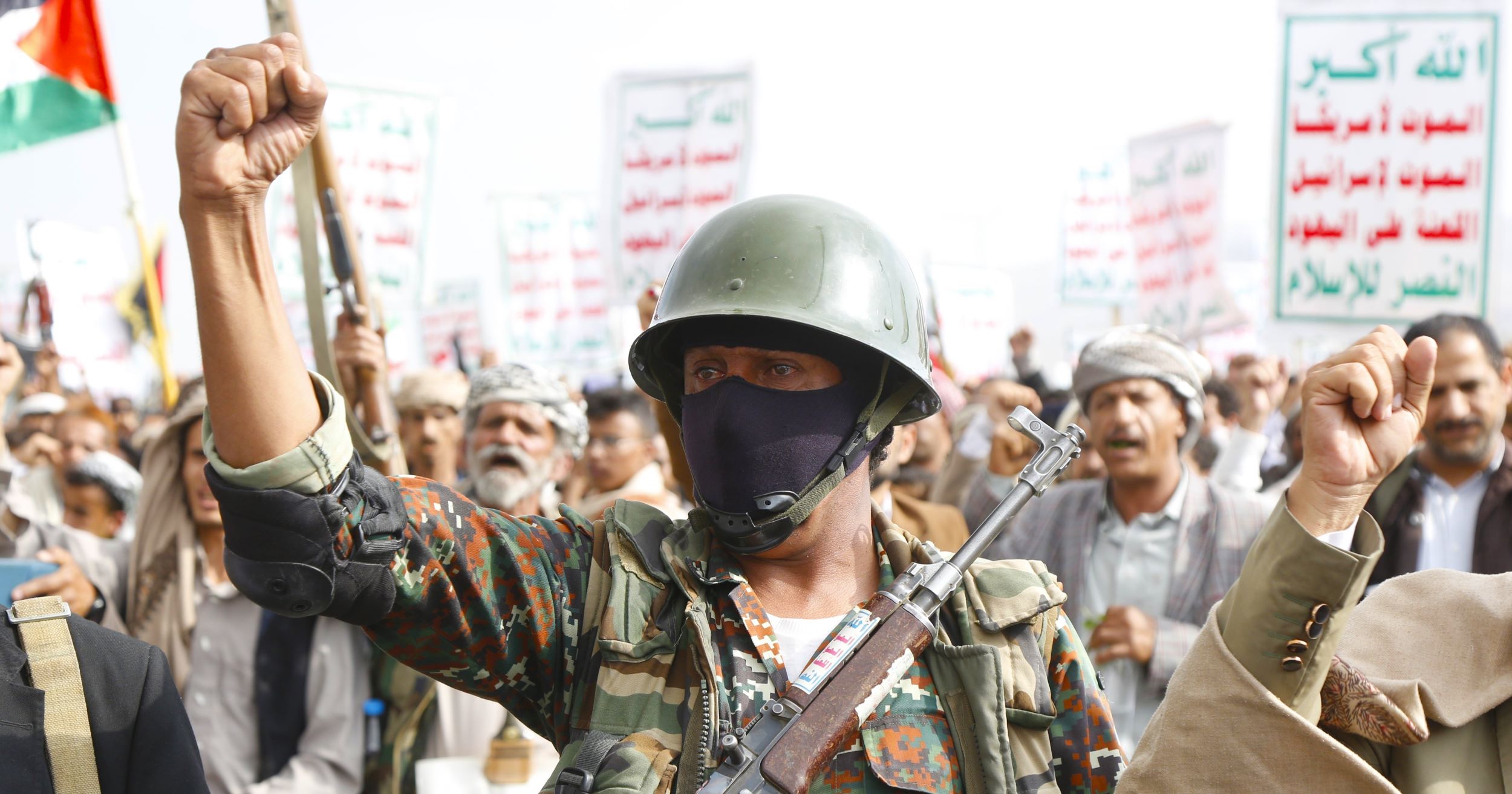
توازن القوى في اليمن بعد وقف إطلاق النار بين الولايات المتحدة والحوثيين
أدى وقف إطلاق النار الذي تم التوصل إليه في 6 مايو بين الولايات المتحدة وميليشيا الحوثي في اليمن إلى تعزيز توازن القوى داخل الدولة التي مزقتها الحرب وترسيخ الوضع الراهن للحرب الأهلية في البلاد. في المقابل، من المحتمل أن تؤدي نتيجة الحرب التي اندلعت بعد ذلك بين إسرائيل وإيران واستمرت 12 يوماً إلى زعزعة هذا الوضع الراهن مؤقتاً مرة أخرى؛ لكن من غير المرجح أن يتمكن التحالف المناهض للحوثيين في اليمن، الذي يعاني من الانقسامات، من استغلال هذه الفرصة.
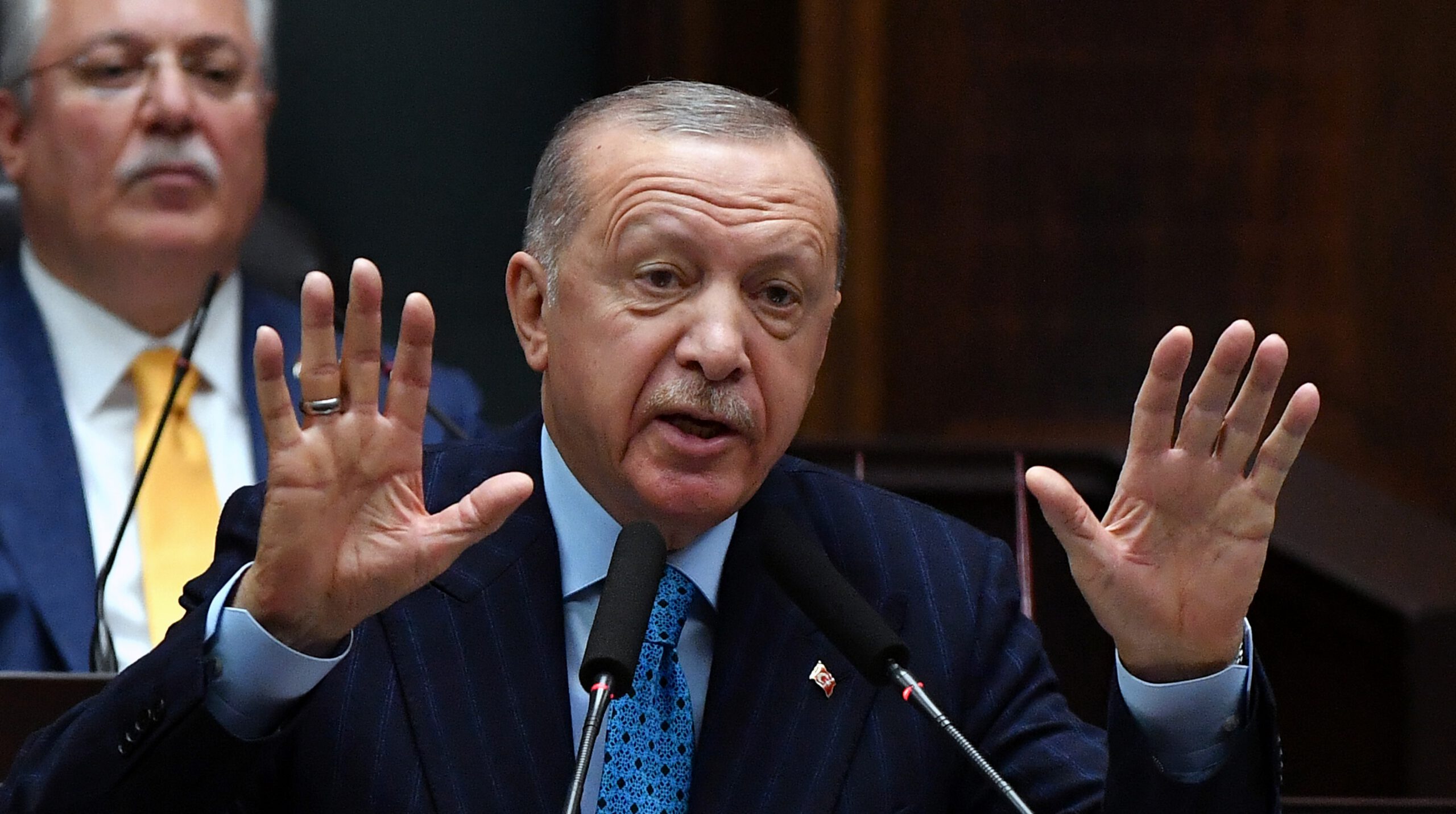
في مرمى النيران: كيف تقوض الحرب بين إيران وإسرائيل أجندة أردوغان
تهدد الحرب الشاملة التي تشنها إسرائيل على إيران بقلب الديناميات الإقليمية وتوازن تركيا الدقيق. ويشكل هذا الصراع تهديدات فورية ومخاطر استراتيجية طويلة الأمد لتركيا.
الولايات المتحدة لديها فرصة لفرض تنازلات على إيران في صفقة محتملة
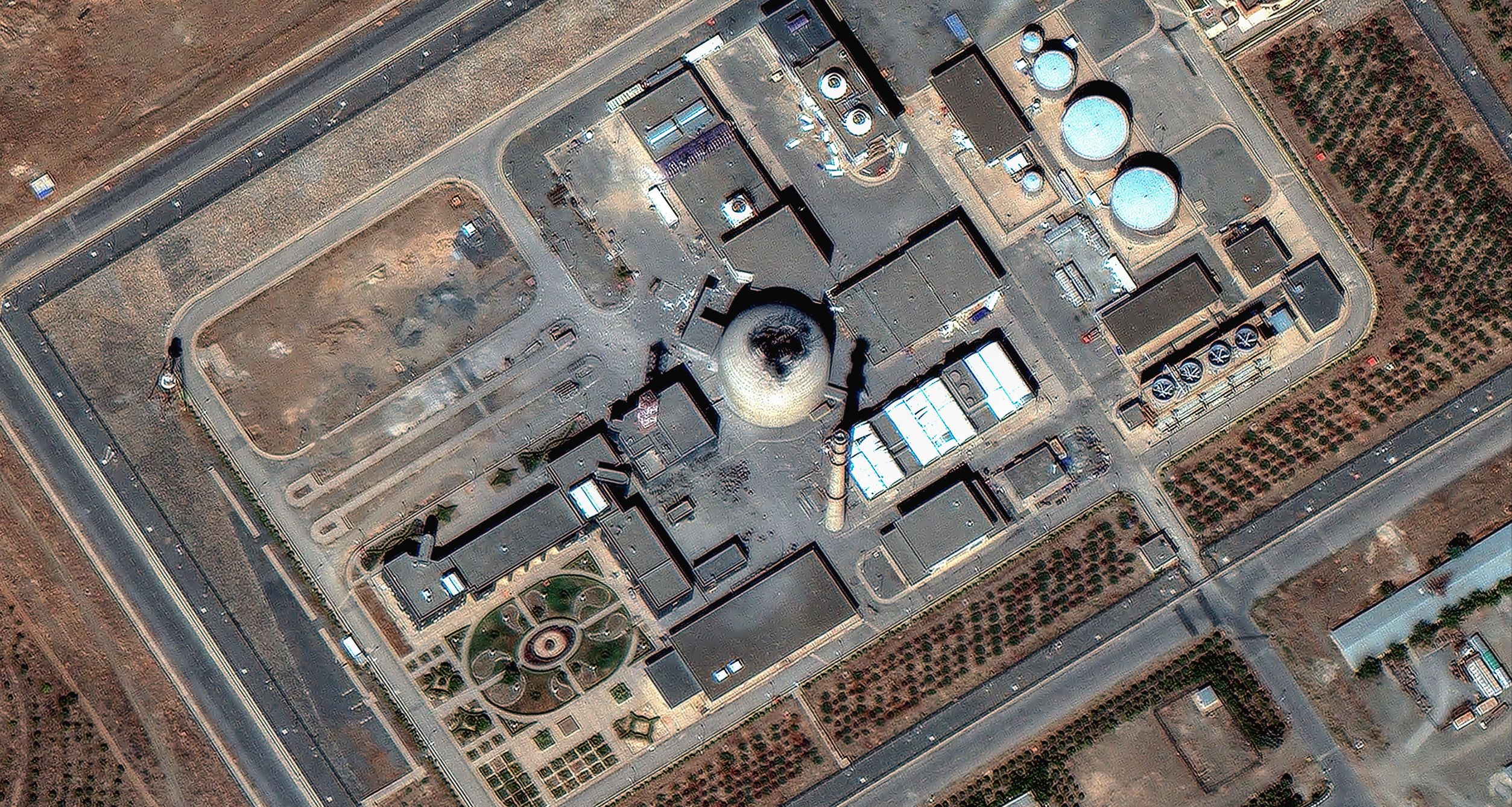
مع اشتداد الصراع بين إسرائيل وإيران، تتزايد التحذيرات من أن الحرب قد تؤدي إلى انتشار إشعاعي خطير ومدمر في معظم أنحاء المنطقة. لكن مواقف مختلف الأطراف الفاعلة الرئيسية في الخليج وخارجه فتحت الباب أمام تسوية سياسية أوسع بين الولايات المتحدة وإيران يمكن أن تنهي الأعمال العدائية قبل أن يتحقق مثل هذا السيناريو الخطير.