MENA Energy Recap, Q2-2026: Mideast Energy Confronts its Hormuz Era
The MENA Energy Recap is a quarterly review of key energy developments that took place in the region from April through June of 2026 and what they signal in the months ahead. The Recap views these developments through the lens of policy and strategy, energy security, and markets.
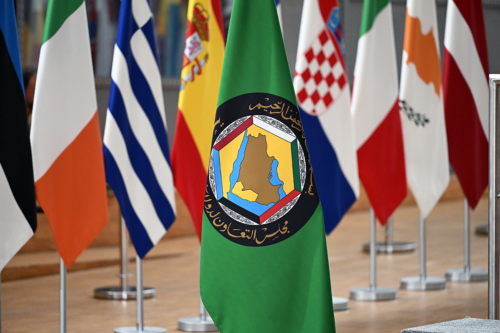
The Other MoU: Launching a Europe-Gulf Resilience Initiative After the US-Iran Deal
The Islamabad Memorandum of Understanding (MoU) between the United States and Iran may have ended one of the most consequential Middle Eastern crises in decades, but it has not resolved the strategic problem it exposed. Whether the 60-day talks it set in motion will produce a final agreement remains far from certain.Yet the central lessons are already clear: Iran has preserved significant leverage, Washington has had to scale back its ambitions, and Europe and the Gulf face the prospect of protracted regional tension. Europe and the Gulf should therefore use the aftermath of the US-Iran deal to articulate their own “other MoU”: a Europe-Gulf Resilience initiative.
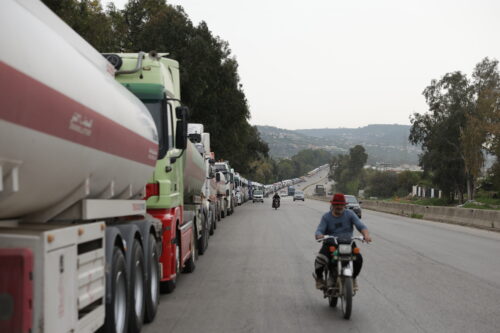
When Will Energy Markets Recover From the Iran War?
Two and a half months into the blockade of the Strait of Hormuz, what lessons can markets draw from the resulting global energy shock? Colby Connelly, MEI Senior Fellow, joins hosts Alistair Taylor and Matthew Czekaj to assess the crisis’s impact on the energy industry. Together, they examine how producers are responding to the conflict in both the short and long term, how this moment differs from past energy disruptions, and how regional reverberations may shape international energy policies going forward.
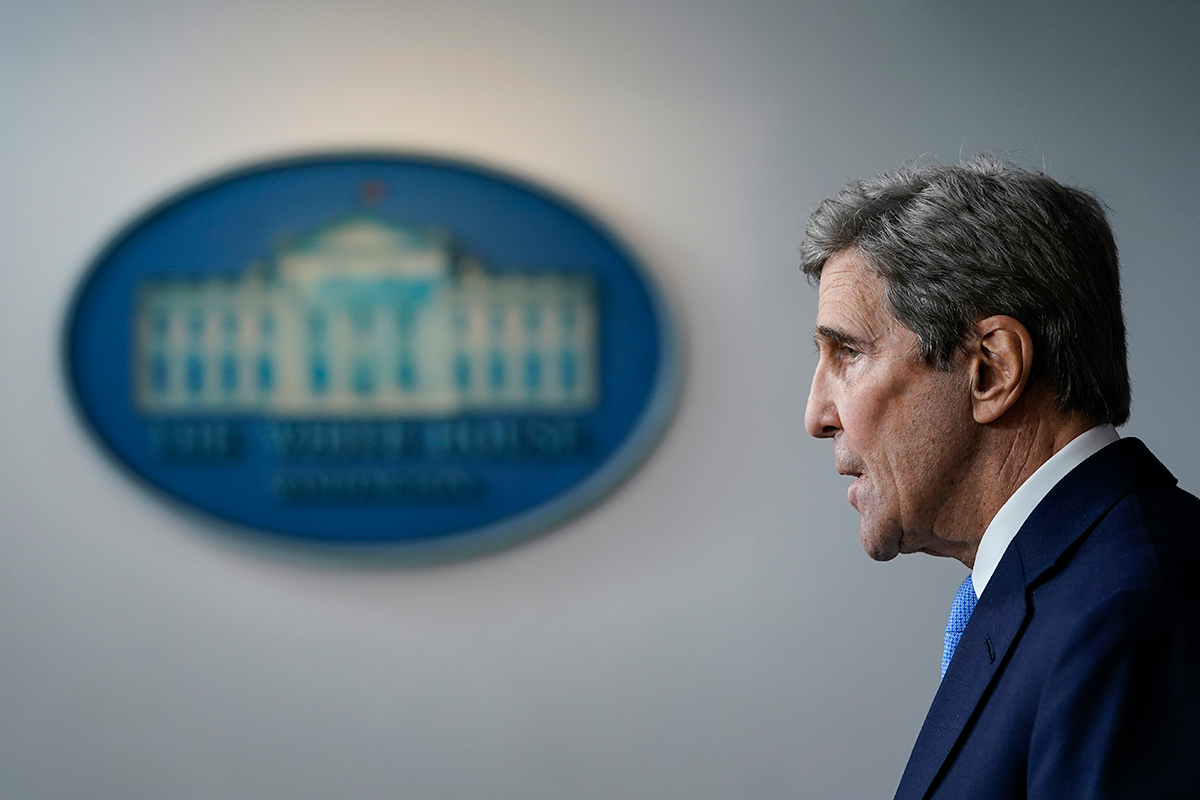
The Biden administration’s goals in climate policy, renewable energy infrastructure investment both domestically and globally (the Build Back Better World, or B3W, initiative), and its Middle East policy may be on the verge of a collision. While the administration would like to dial back its engagement in the Middle East at least militarily, the region will be essential to meeting U.S. foreign and domestic energy goals.
Exploring the rising workforce participation among Saudi women
In the past few months, several articles have been written on the significant rise in the Saudi female labor force participation rate (LFPR) from 17.7% in Q2, 2016 to 33.2% in Q4, 2020. Interestingly, this increase in female LFPR was not coupled with a rise in unemployment, which often occurs when workforce participation rises for a particular group. In fact, the unemployment rate among female nationals declined to its lowest level in four years, at 24.4% in Q4, 2020. However, it still remains over twice as high as that for male nationals. Another positive labor market indicator, albeit one receiving little attention from analysts, is the significant change in the employment rate among Saudi women. In other words, Saudi women not only increased their share in the workforce, but were also able to gain jobs once they entered the labor force.
Singapore and the Gulf: Economic engagement beyond hydrocarbons
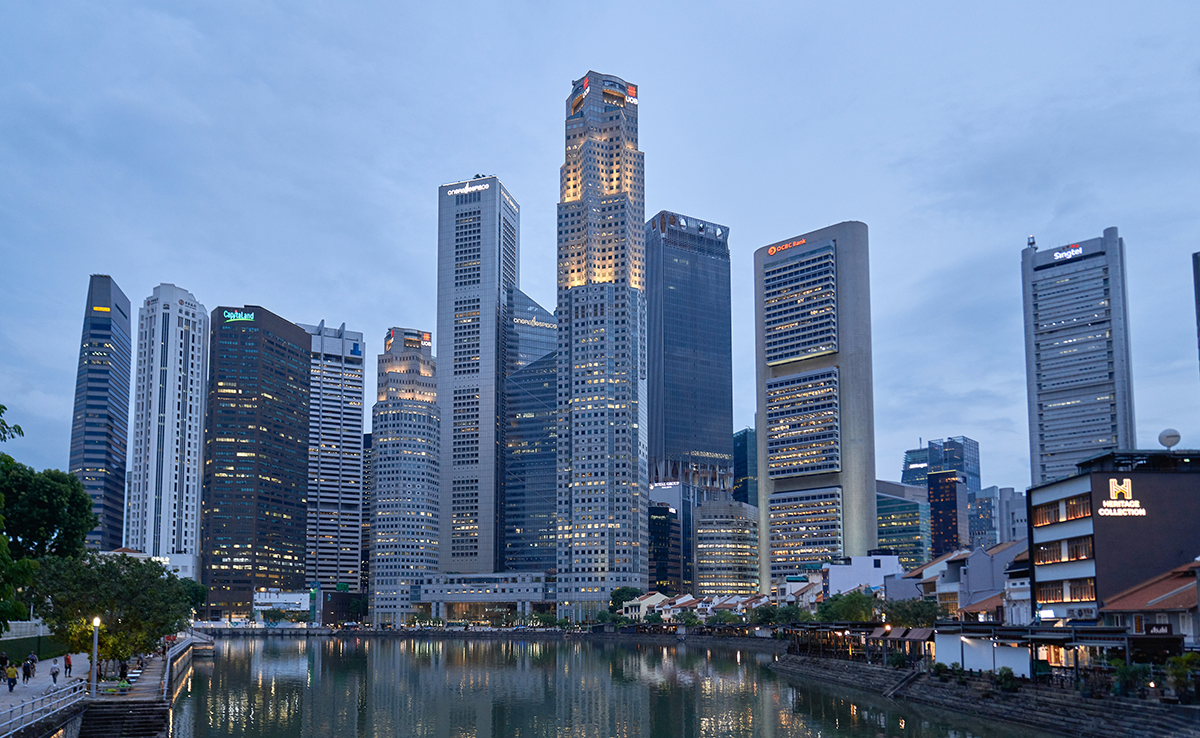
Oil and gas have long dominated trade and investment flows between Singapore and the Gulf. In the wake of two new projects — one in Singapore and the other in the United Arab Emirates — unveiled last month, this article considers whether Singapore and the Gulf are on the cusp of a new level and type of economic relations.
The factor of Iranian oil, while important for the situation in the oil market, turned out to be somewhat overestimated in terms of its impact on OPEC+ decision-making.
The promise and the pitfalls of Iraq’s tripartite New Mashreq
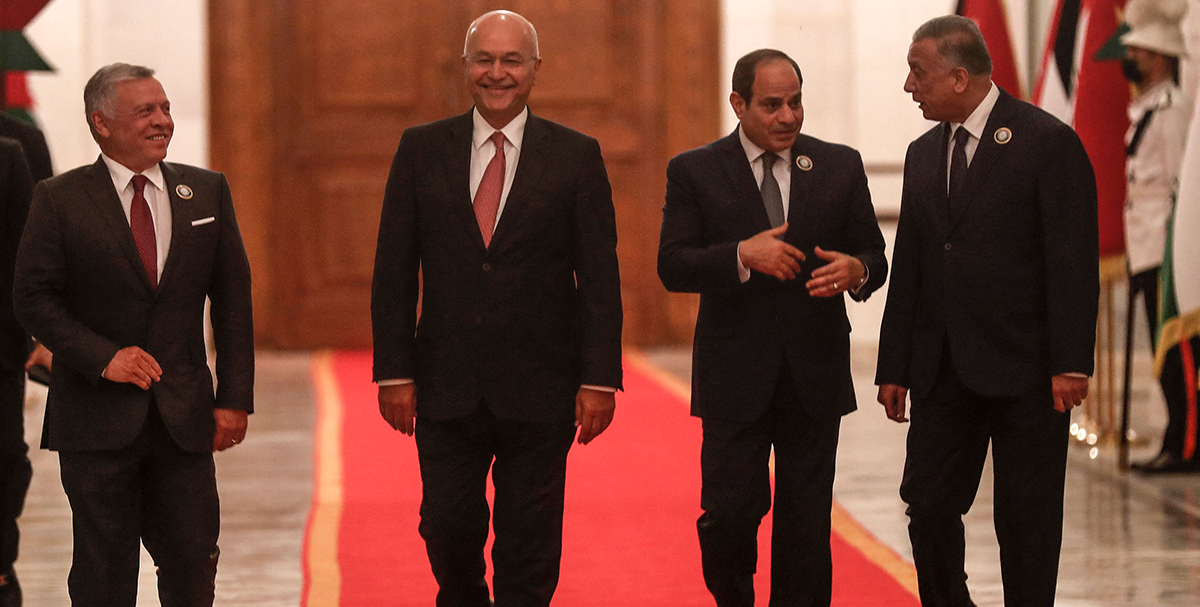
Sunday was a festive day in Baghdad. The last time Iraqis had received an Egyptian president 30 years ago, the region was gearing up for war and uncertainty as the late President Hosni Mubarak shuttled between Baghdad and Gulf capitals prior to Saddam Hussein’s invasion of Kuwait in 1990. The circumstances were quite different on June 27, when Egyptian President Abdel-Fattah el-Sisi and King Abdullah II of Jordan were given the red-carpet treatment at a tripartite summit marking the fourth meeting between the leaders of the three countries aiming to form a new regional alliance.
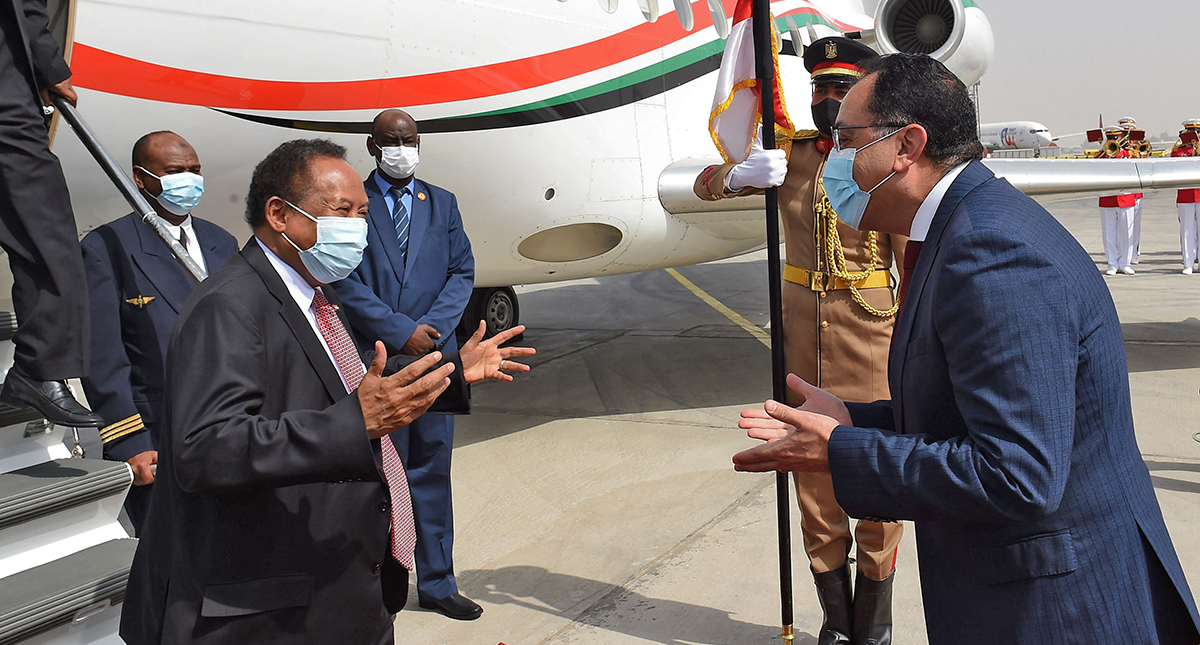
Egypt, Ethiopia, and Sudan are caught in a dangerous deadlock over the Nile River and despite what the international community seems to think, the risk of military confrontation among the three nations is not at all far-fetched. Addis Ababa began the second phase of filling the reservoir behind its giant Grand Ethiopian Renaissance Dam (GERD) in early May without an agreement with the riparian nations — Egypt and Sudan. However, much has changed over the past year and the second filling has played out rather differently from the first last July. In the intervening months Egypt has ramped up its diplomatic outreach and emerged as an influential player in the Nile Basin, the Horn of Africa, and East and Central Africa. Cairo succeeded in forging strategic alignment with Khartoum to exert diplomatic pressure on Addis Ababa, forming webs of alliances with different regional powers across East and Central Africa and the Horn of Africa to project power and influence, and exerting geopolitical forward pressure on Ethiopia in parallel with the diplomatic track to solve the GERD dispute.
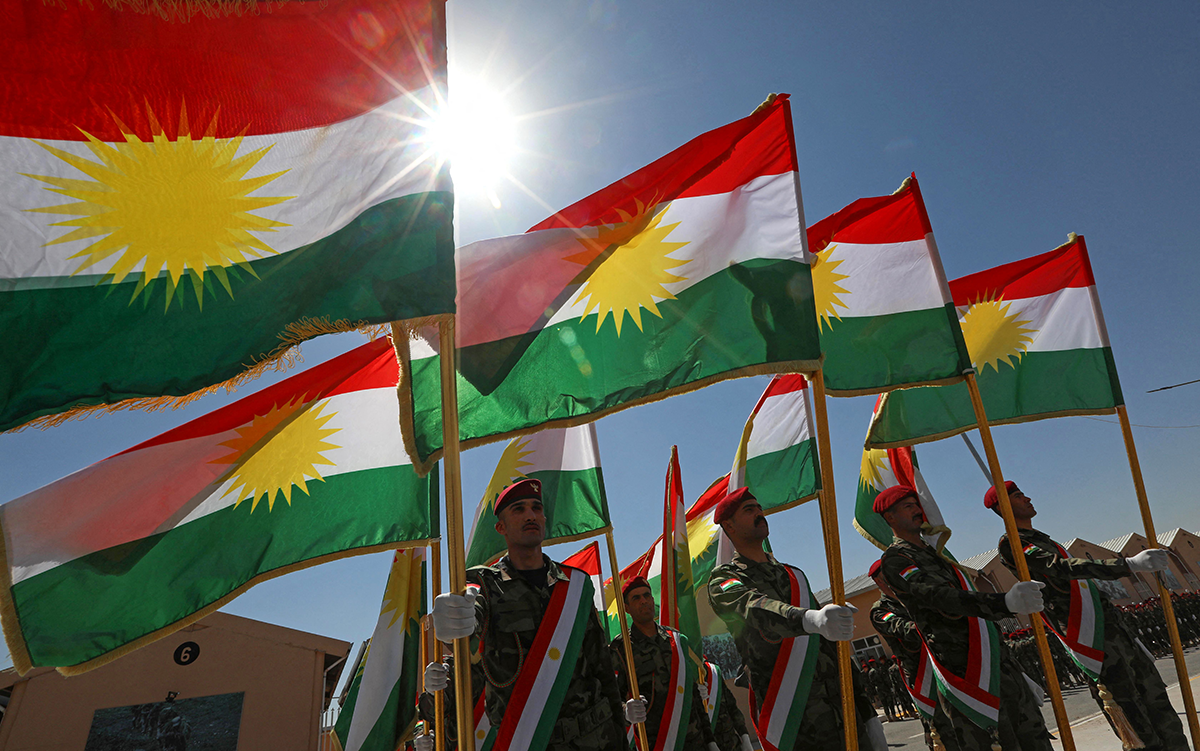
Games without Frontiers: Renegotiating the Boundaries of Power in Iraqi Kurdistan
Over the past year, intensifying political and economic conflicts between the Kurdistan Region’s two hegemonic parties, the Kurdistan Democratic Party and the Patriotic Union of Kurdistan, have challenged the legal and institutional order in which the Kurdistan Regional Government operates. A new generation of leadership within the parties, a fraught relationship with the federal government, and a prolonged economic crisis have strained the relationship between the two parties to its breaking point.
With the Hope Line, Iran aims to boost seawater transfer to fight growing drought
Blessed with milder temperatures than its Gulf neighbors as well as abundant rain and snow fall, Iran is one of the last countries in the region to introduce a seawater transfer plan to fight unprecedented levels of drought. The plan, once fully implemented, could help build water corridors linking the shores of Iran’s southern Gulf to those of its northern Caspian Sea. Named the Hope Transfer Line, the plan promises prosperity for farmers and industrialists, and potable water for communities in some 10,000 villages and urban areas located in so-called Red Zones, a category that applies to regions coping with severe water scarcity.
In this policy paper, Dr. Karen E. Youngsets out to delineate and compare economic diversification efforts underway in the GCC that might prove useful in the Iraqi context, for the state as a whole, and measures that might be adopted in the context of the Kurdistan region.
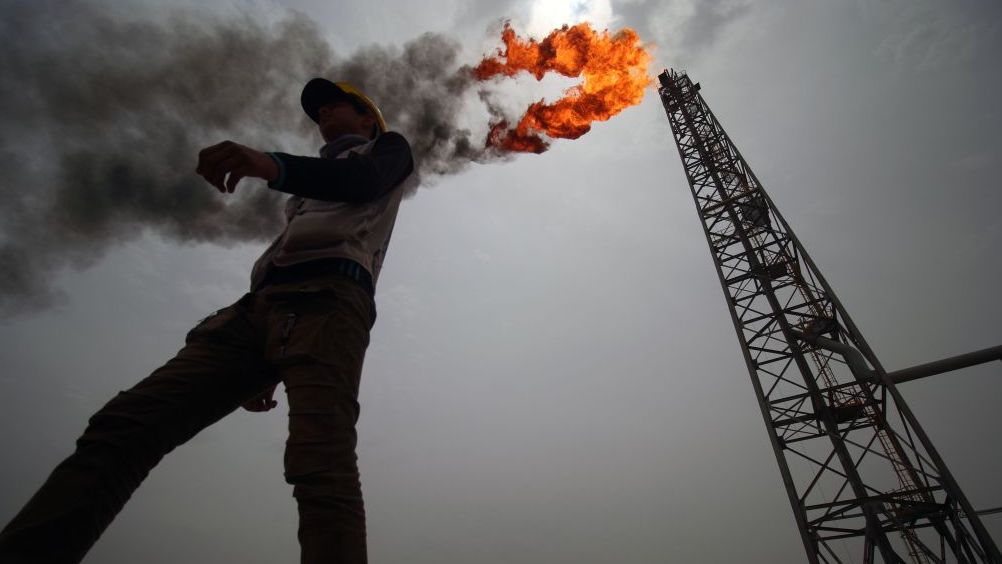
Iranian sanctions evasion and the Gulf’s complex oil trade
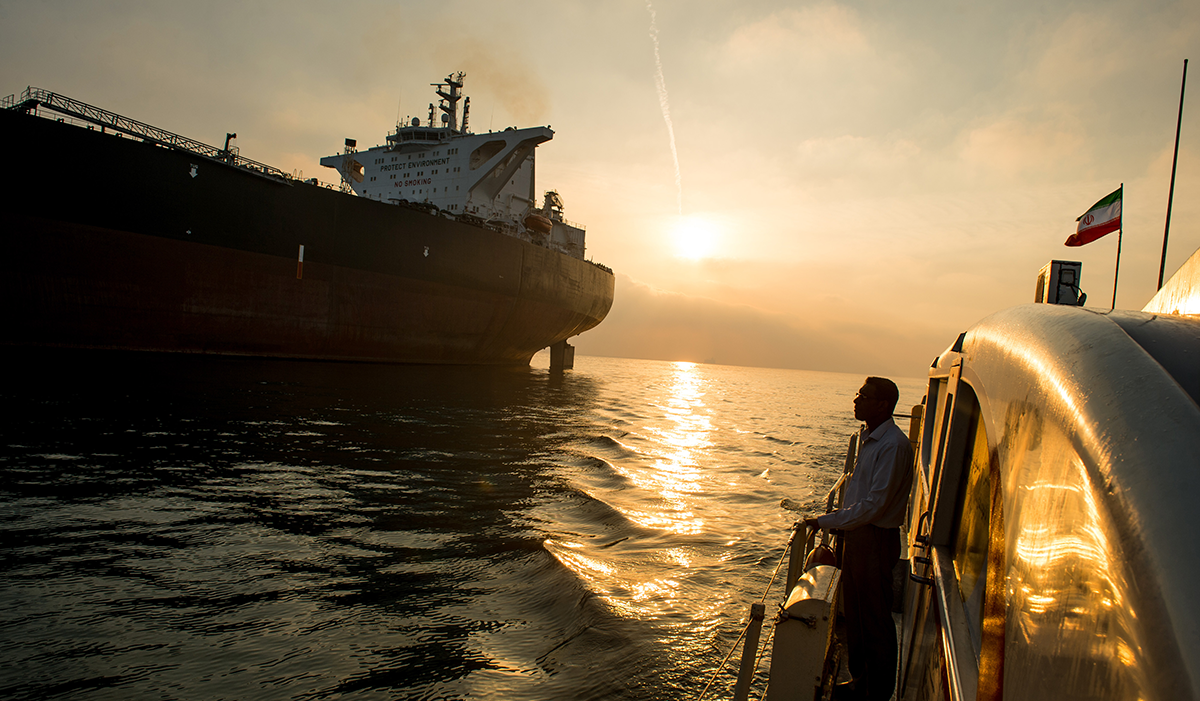
Sanctions have had a devastating impact on Iran’s oil production and exports, preventing much-needed investment in the country’s ageing fields and barring it from legally exporting crude oil to global customers. Using a range of evasion tactics, however, Iran has succeeded in circumventing sanctions and maintaining a steady — albeit much lower — level of crude exports. The Gulf’s complex regional oil market has facilitated these tactics, providing the perfect environment for trade in oil that U.S. sanctions designate as illicit.
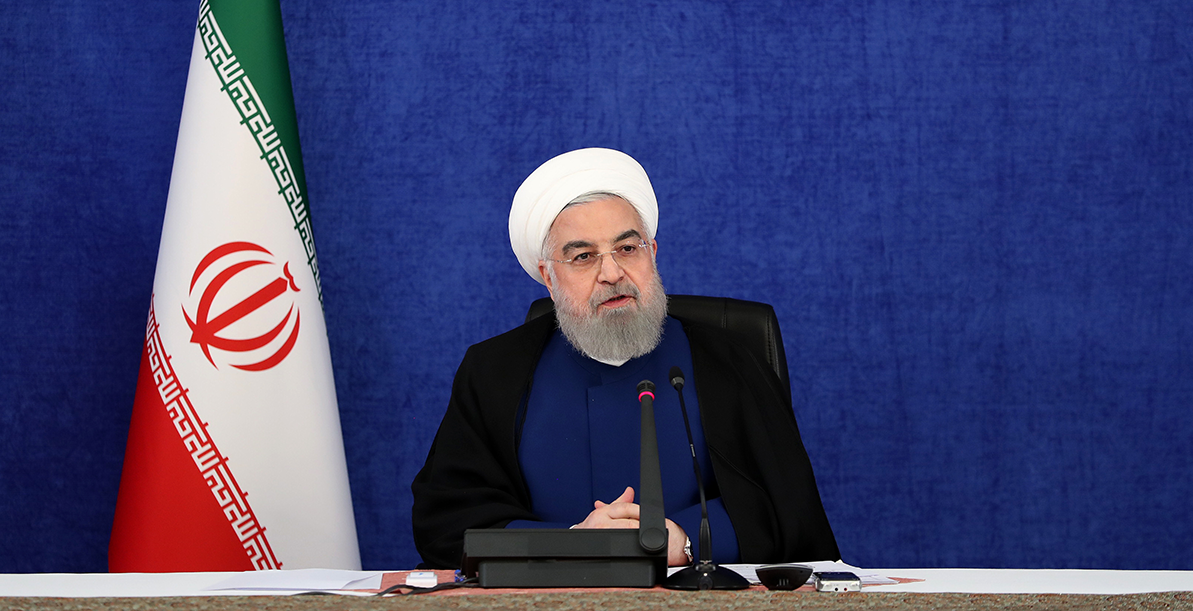
EU-Iran relations: Toward a diplomatic confrontation?
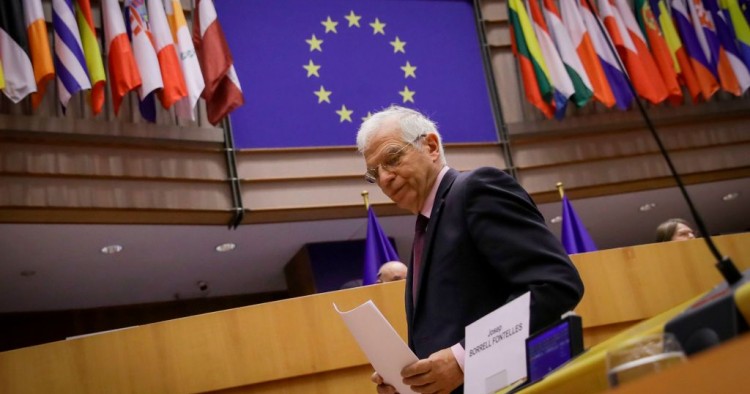
When the EU’s high representative for foreign affairs and security policy, Josep Borrell Fontelles, took office in December 2019, he emphasized the need to preserve the 2015 Joint Comprehensive Plan of Action (JCPOA) and cooperate with Iran. At the same time, he criticized then-U.S. President Donald Trump for maintaining extended sanctions — which in practice prevented leading European firms from concluding large contracts with partners in Iran — and for the U.S.’s withdrawal from the provisions of the treaty.
Key environmental challenges facing the Middle East
The Middle East and North Africa faces a host of major environmental challenges, from water scarcity and food insecurity to climate change adaptation. In recognition of Earth Day on April 22 and in conjunction with MEI’s Climate Week 2021 events, we asked experts and scholars to weigh in with their thoughts on the most pressing environmental issues facing the region.