After decades of political setbacks, Iran’s former Revolutionary Guards commander has returned to the center of power. Is he an incidental beneficiary of war, or have observers underestimated him all along?
The Unavoidable Neighbor: Managing Iran Beyond the War
Gulf states and their partners are increasingly looking beyond their most immediate interests of containing the war with Iran. While recent talks between Saudi Arabia, Turkey, Pakistan, and Iran have kept de-escalation on the agenda, a broader regional security framework and non-aggression pact has also emerged, envisioning a longer-lasting solution to regional conflicts. The talks have yet to produce a settlement, but they reflect a growing recognition that Gulf security cannot depend entirely on Washington. Iran will still be there, and its neighbors will have to find ways of living with it.
This report explores maritime security conditions in the Mediterranean and the evolving US engagement in the region. As critical infrastructure becomes increasingly vulnerable to sabotage, freedom of navigation is undermined by conflict, and energy disputes generate tension, US policy focus on the region has become fragmented and disengaged. The authors call for a sustained American role to strengthen maritime domain awareness, allied coordination, infrastructure protection, and the capacity to respond when Mediterranean crises affect US and transatlantic interests.
بعد مرور عام على سقوط الأسد، تواجه سوريا لحظة حاسمة. على واشنطن أن تقود المسيرة.
بعد مرور عام على سقوط نظام الأسد، لا تزال سوريا تمر بمرحلة انتقالية هشة للغاية نحو نظام سياسي جديد. وتواجه البلاد تحديات هائلة في مجال إعادة الإعمار، تقدر بتعابير تصل إلى مئات المليارات من الدولارات، وهو ما يتجاوز بكثير قدرات الحكومة السورية الجديدة. وبدون قيادة واستثمارات أمريكية مستدامة، سيكون انتقال سوريا بطيئاً وهشاً وقابلاً للانعكاس بشكل خطير.
The United States plans to submit a resolution on Gaza to the United Nations Security Council (UNSC) by the end of November. Reportedly, thelatest draftendorses President Donald Trump’s 20-point plan, recognizes the Board of Peace (BoP) as a “transitional governance administration,” and authorizes the BoP to establish an International Stabilization Force (ISF). The UN resolution is a first stepto achieving buy-in from potential ISF contributors. In turn, a viable ISF will be one key to moving beyond the cease-fire to securing the 20-point plan’s envisioned Hamas disarmament, further Israeli military withdrawal, and a path to Palestinian governance. The US faces several dilemmas as it seeks to transition from cease-fire to stabilization and beyond.
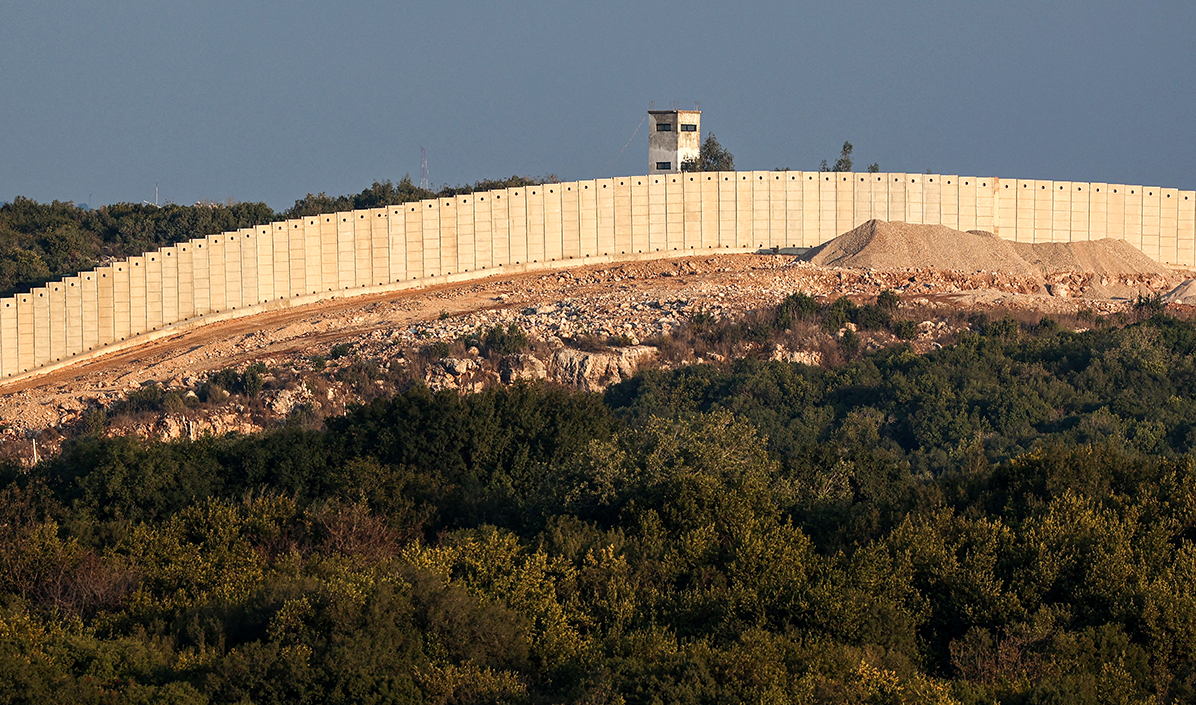
التحدي الرئيسي الذي يواجه لبنان اليوم هو ما إذا كان البلد سيتطور إلى دولة فاعلة أم سيستمر في الكفاح من أجل البقاء. لكن مع إصرار المسؤولين اللبنانيين الآن على أن الدولة "تحتكر السلاح" وتصبح الحكم الفاصل في مسائل الحرب والسلام، يطرح سؤال مهم: أين يبدأ لبنان وينتهي من الناحية الإقليمية؟
نفوذ صامت، مكاسب هادئة؟ الصين وميثاق الدفاع السعودي-الباكستاني
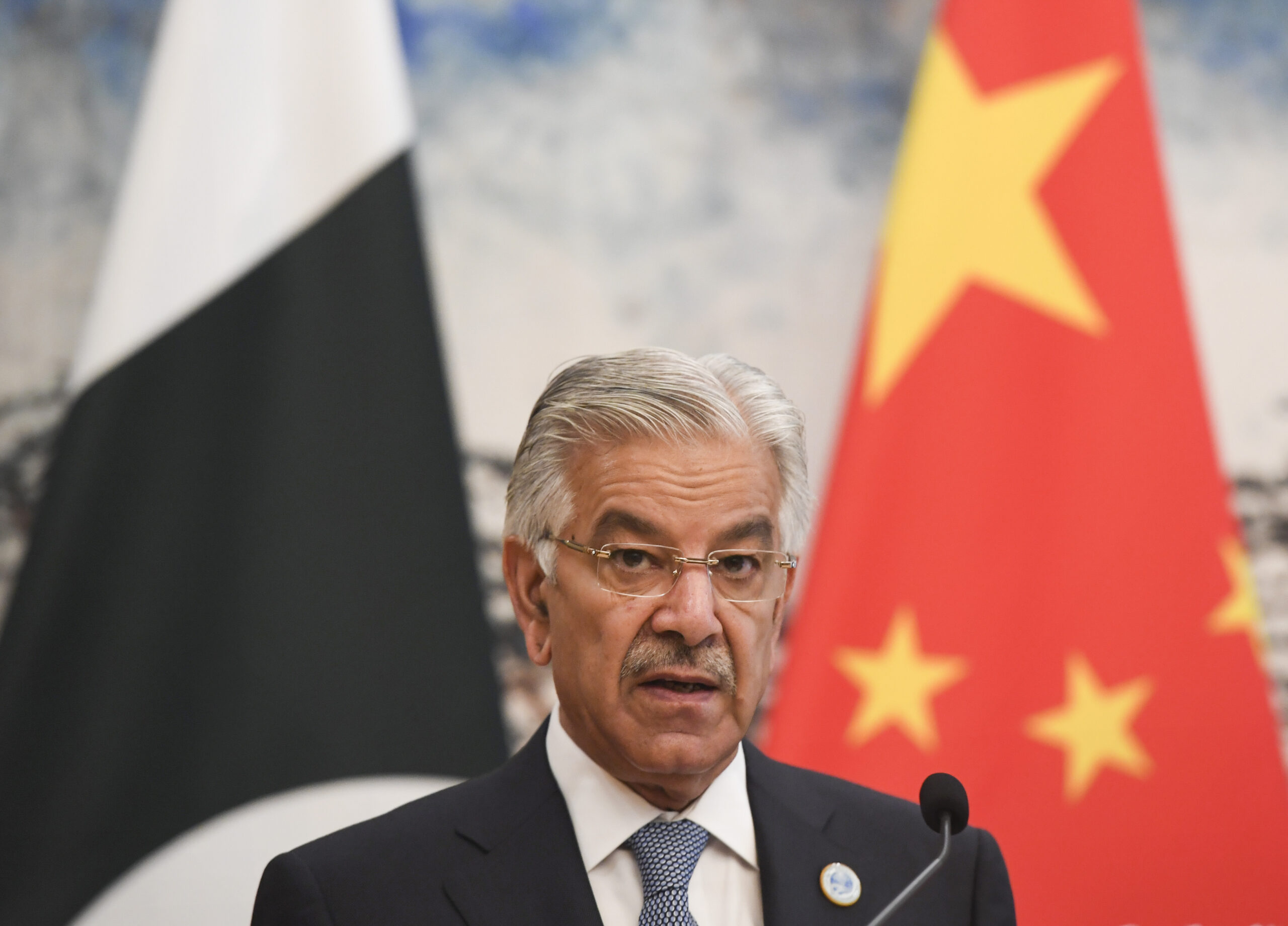
اتفاقية الدفاع المتبادل الاستراتيجي (SMDA) بين المملكة العربية السعودية وباكستان، التي تم توقيعها في الرياض في 17 سبتمبر، هي أكثر بكثير من مجرد تعهد ثنائي. فهو يمثل إعادة ترتيب عميقة للتحالفات في الخليج وجنوب آسيا، مما يعكس ويعزز التآكل الأوسع نطاقاً لسيادة الولايات المتحدة في البنية الأمنية الأوروبية الآسيوية. في حين ركزت معظم التعليقات الأولية على الالتزام المذهل من قبل ملكية خليجية ثرية بالدفاع عن دولة جنوب آسيوية حائزة للأسلحة النووية، فضلاً عن مسألة ما إذا كانت باكستان قد مدت بالفعل مظلتها النووية إلى المملكة العربية السعودية، فإن القصة الأعمق هي على الأرجح التقدم المحتمل للصين.
قد تكون الأسابيع المقبلة حاسمة في صراع أوروبا الطويل لإدارة طموحات إيران النووية. في 28 أغسطس، أعلنت المملكة المتحدة وفرنسا وألمانيا أنها ستفعّل آلية العقوبات "الاستعادة". وسيحدد نجاح مغامرة أوروبا مستقبل عدم الانتشار ومصداقية أوروبا كلاعب استراتيجي.
مع اقتراب أيام الصيف الحارة في شهر أغسطس، يسعدنا أن نشارككم قائمة مختارة من الكتب الصيفية التي تضم بعضًا من الكتب المفضلة لدى نائب الرئيس لشؤون السياسات كين بولاك عن المنطقة. تغطي القائمة مجموعة متنوعة من الموضوعات المهمة والمثيرة للاهتمام، وتقدم توصيات لأي شخص مهتم بتعميق فهمه للشرق الأوسط.
The 12-day Israel-Iran war: China’s response and its implications
Last June’s Israel-Iran conflict became a revealing stress test for Beijing’s Middle East strategy, its role in global diplomacy, and the coherence of what some have described as an emergent “Axis of Upheaval” between China, Russia, and Iran.
الوجود العسكري الروسي في سوريا ما بعد الأسد: عبء أمني متزايد يقوض الاستقرار
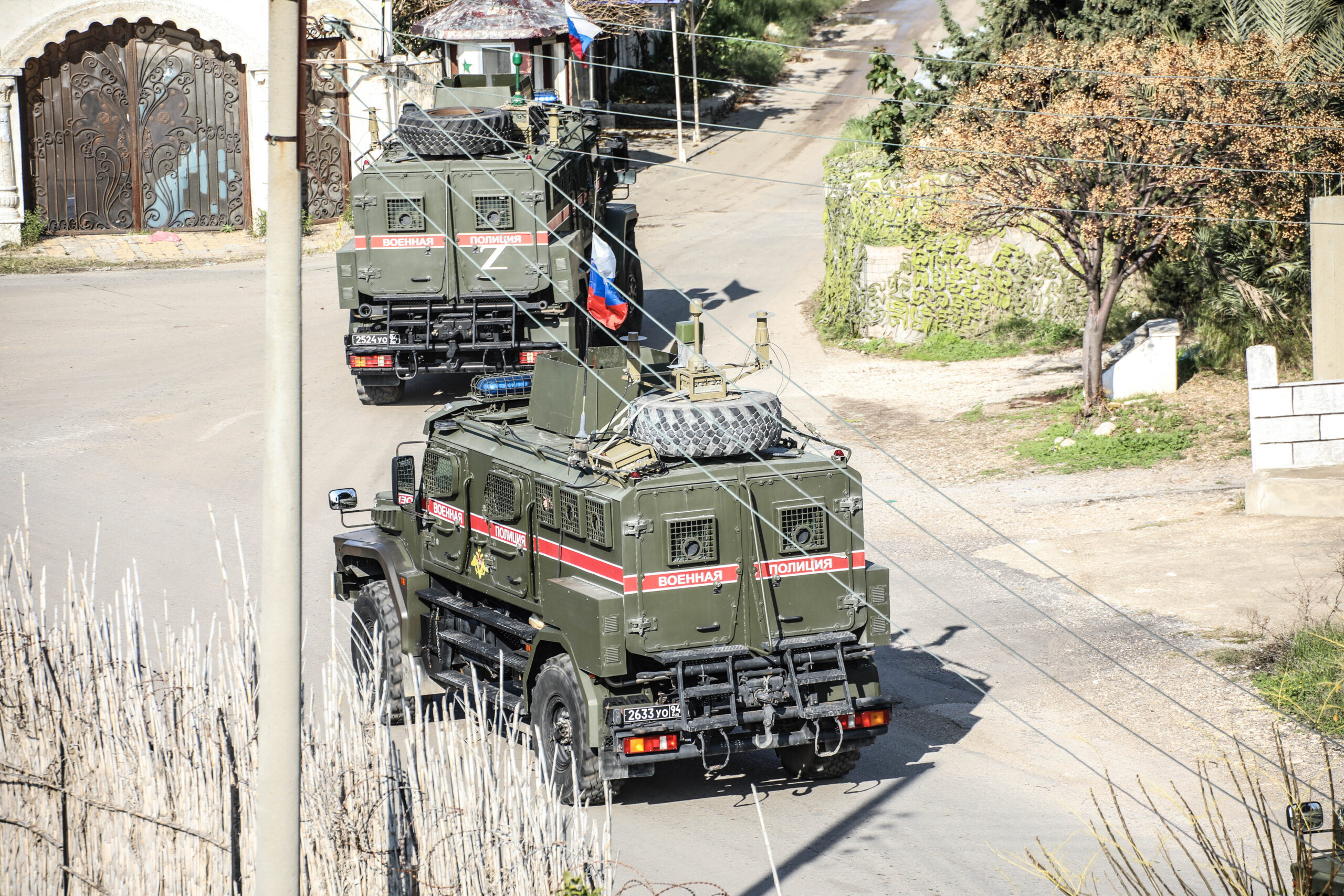
بعد مرور ستة أشهر على سقوط نظام الأسد، لا يزال الوجود العسكري الروسي في سوريا راسخًا في مواقع استراتيجية مثل قاعدة حميميم الجوية وميناء طرطوس على الساحل، وكذلك مطار القامشلي في الشمال الشرقي. وقد أدى هذا الاستمرار إلى إثارة جدل متزايد حول دور موسكو في سوريا الجديدة.
After the 12-Day War: Iran, Israel, and the Future Regional Order
The dust has barely settled following the dramatic 12-day war between Israel and Iran, but its political and strategic reverberations are already shaping the future of the Middle East. In this episode of Middle East Focus, Ross Harrison, senior fellow and book series editor at the Middle East Institute, joins hosts Alistair Taylor and Matthew Czekaj to assess what comes next — from Tehran’s internal power recalibrations to the future of Iran’s forward defense strategy, and shifting regional alliances.
الولايات المتحدة لديها فرصة لفرض تنازلات على إيران في صفقة محتملة
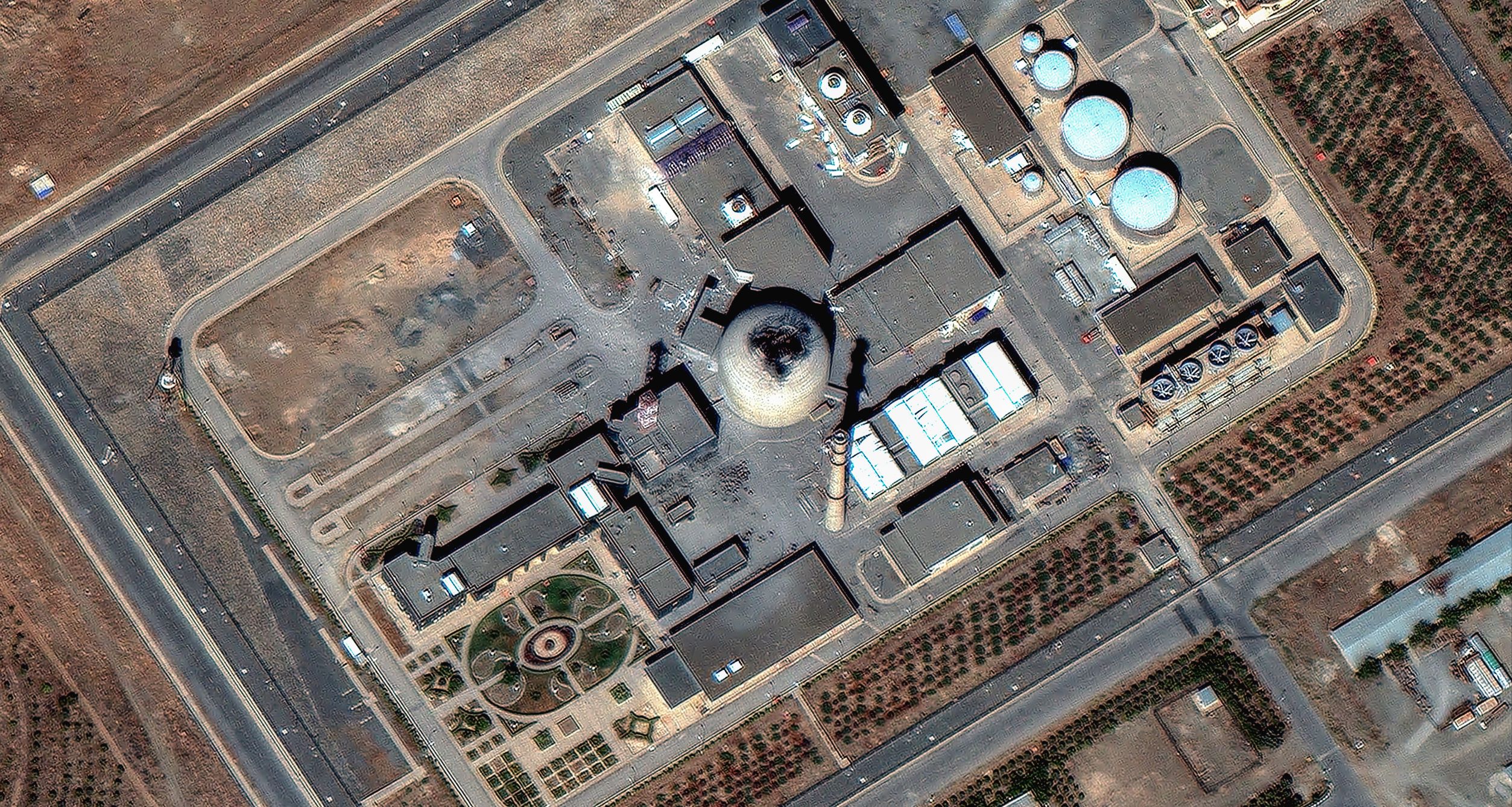
مع اشتداد الصراع بين إسرائيل وإيران، تتزايد التحذيرات من أن الحرب قد تؤدي إلى انتشار إشعاعي خطير ومدمر في معظم أنحاء المنطقة. لكن مواقف مختلف الأطراف الفاعلة الرئيسية في الخليج وخارجه فتحت الباب أمام تسوية سياسية أوسع بين الولايات المتحدة وإيران يمكن أن تنهي الأعمال العدائية قبل أن يتحقق مثل هذا السيناريو الخطير.
The Iran-Israel Conflict and the Future of the Iranian Regime
Senior Fellow Alex Vatanka joins hosts Alistair Taylor and Matthew Czekaj to examine the dramatic escalation between Israel and Iran following Israel’s targeted strikes on Iranian nuclear sites, infrastructure, and senior IRGC officials. Vatanka discusses how the Iranian regime is responding, the risk of wider regional conflict, and whether the current campaign could mark the beginning of the end for the Islamic Republic.
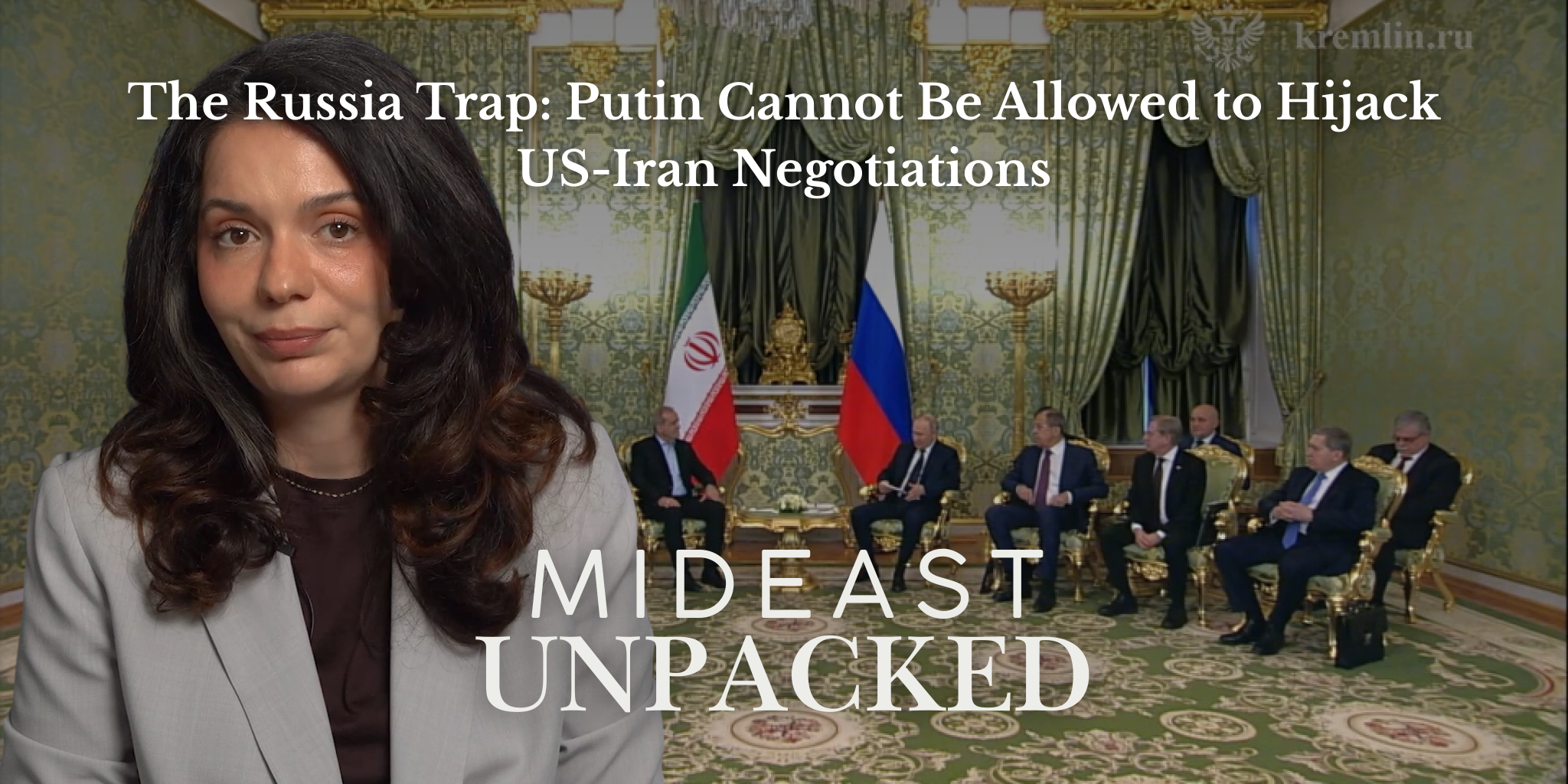
فخ روسيا: لا يمكن السماح لبوتين باختطاف المفاوضات بين الولايات المتحدة وإيران
توجه يوليا جوجا، زميلة أولى في معهد الشرق الأوسط (MEI)، تحذيراً حاداً ومناسباً من منح روسيا دوراً مباشراً في المفاوضات بين الولايات المتحدة وإيران. فبدلاً من أن تلعب موسكو دور الوسيط المحايد، فإنها تريد الاستفادة من هذه اللحظة لإعادة تشكيل ميزان القوى في الشرق الأوسط. من الاجتماعات في مسقط إلى توثيق التحالفات مع طهران وبكين، تكشف جوجا كيف أن دبلوماسية بوتين لا تهدف إلى تحقيق السلام بقدر ما تهدف إلى تعزيز نفوذ روسيا في مواجهة الولايات المتحدة. وينبغي على واشنطن أن تولي اهتمامًا وثيقًا لهذا الأمر.
Iran appears to be reorienting its approach to diplomatic engagement with its neighbors and the West by prioritizing the economic benefits of cooperation. A possible withdrawal of support for the Houthis is the latest significant potential outcome of Iran’s shifting stance. The following are five factors to watch for as a Tehran under duress reformulates its policies.