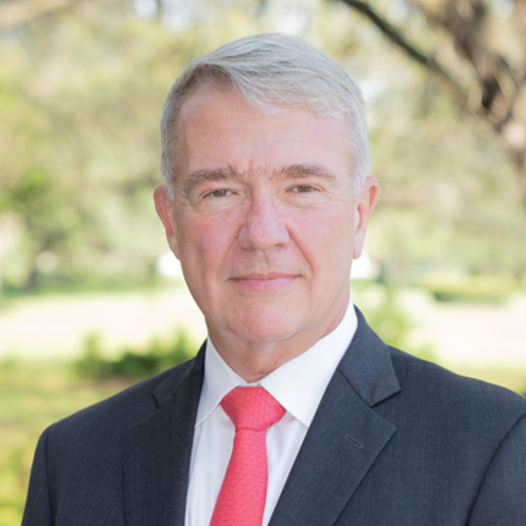
Reflections on a Diplomatic Career in the Middle East: A Conversation With Ambassador Yael Lempert
Brian is joined by Amb. (ret.) Yael Lempert, Vice President for Outreach at MEI, to discuss her career in diplomacy and the importance of US diplomatic efforts abroad. She shares stories from postings across the Middle East in Baghdad, Cairo, Tripoli, Jerusalem, and Amman and examines how her personal and professional experiences shaped her approach to the work. Together, Brian and Yael discuss the realities of life in the Foreign Service, the core tenets of American diplomacy, and why it matters in today’s Middle East.
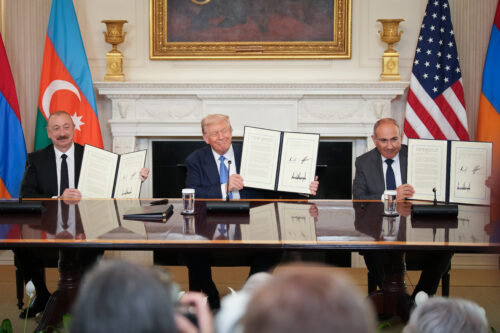
Trump’s South Caucasus Peacemaking Is His Most Successful, but It Remains Unfinished
Of all the fronts in President Trump’s peacemaking agenda, the South Caucasus has delivered the most concrete results. The August 2025 Washington Declaration, signed between Armenia and Azerbaijan and witnessed by Trump, marked an important step toward peace in the region. The two sides initialed a peace agreement and advanced plans to unblock regional connectivity, including through the establishment of the Trump Route for International Peace and Prosperity (TRIPP), which would connect Azerbaijan to its Nakhijevan exclave through southern Armenia. Implementation of TRIPP has since made notable progress, but construction has yet to start. A breakthrough on those two tracks would, in turn, unlock Armenia–Türkiye normalization, transforming a long-fractured region into an area of trade and interdependence.
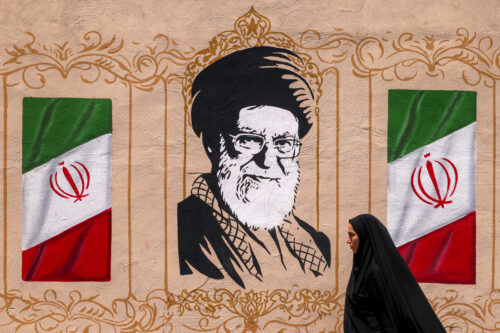
Wars don’t just end. They get interpreted, reinterpreted, and turned into strategic doctrine. That is what happened after the Iran-Iraq War of the 1980s, a conflict that saw the United States back Tehran’s Iraqi adversaries. The war taught Tehran three lessons it never unlearned: that Washington wants the Islamic Republic gone, that Iran stands essentially alone in the world, and that it cannot survive a direct, overt fight with the U.S. and Israel.
اتفاق الدفاع الاستراتيجي بين باكستان والمملكة العربية السعودية: بنية أمنية جديدة في منطقة الشرق الأوسط الكبير
في أعقاب الضربة التي شنتها إسرائيل في 9 سبتمبر على أهداف لحماس في قطر، اتخذت باكستان خطوات سريعة وهامة في سياستها الخارجية رداً على ذلك، واتخذت موقفاً حازماً بشكل غير معتاد. وقد تأثر هذا التحول إلى حد كبير بقائد الجيش الباكستاني، المشير عاصم منير. فالأخير مصمم على تعزيز الاستقلالية الاستراتيجية لبلاده ونفوذها الدبلوماسي في بيئة دولية تزداد تعقيداً، من خلال وضع باكستان في موقع الفاعل الأمني الرئيسي والقوة المتوسطة الصاعدة على الساحة العالمية.
نفوذ صامت، مكاسب هادئة؟ الصين وميثاق الدفاع السعودي-الباكستاني
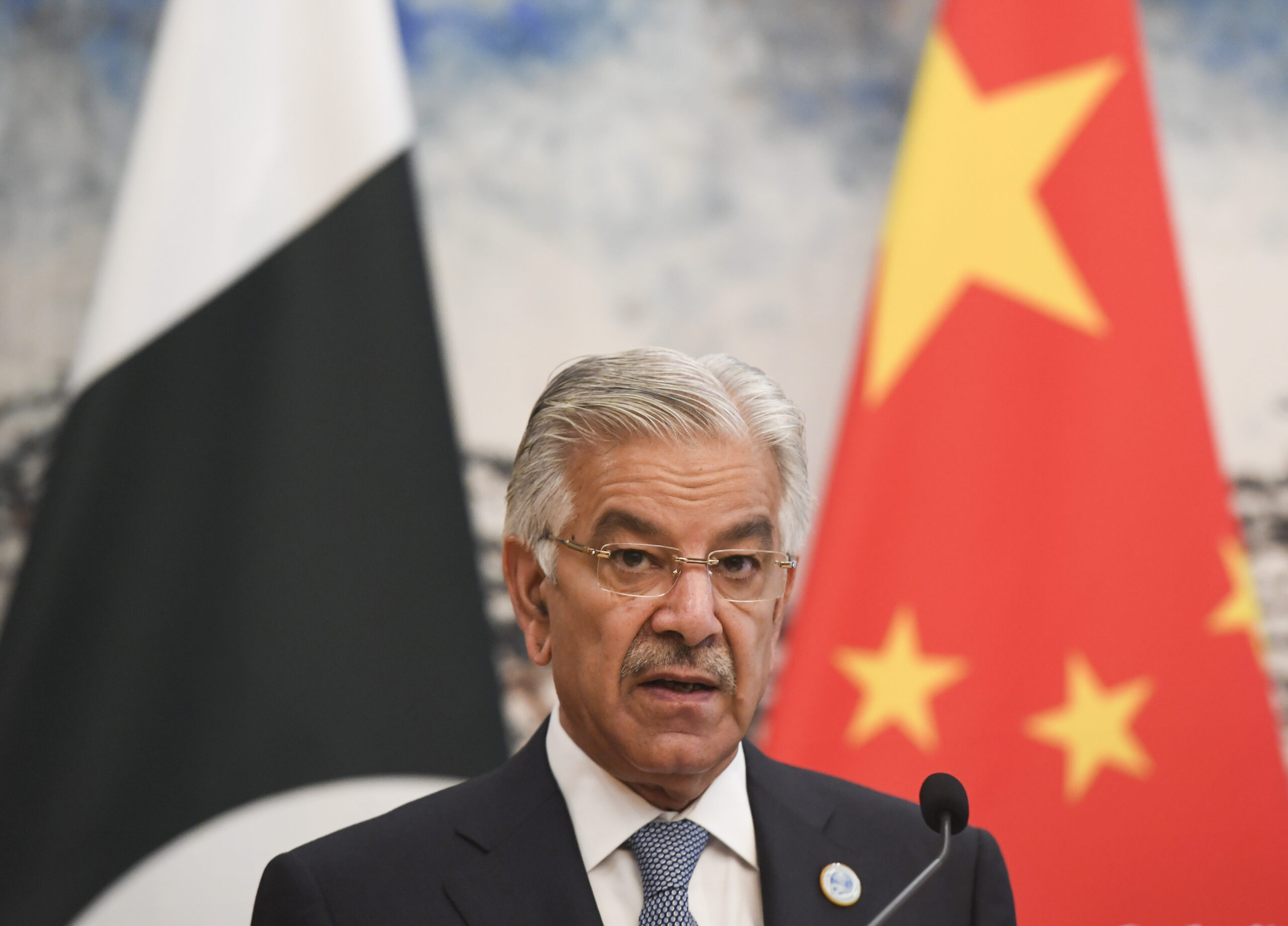
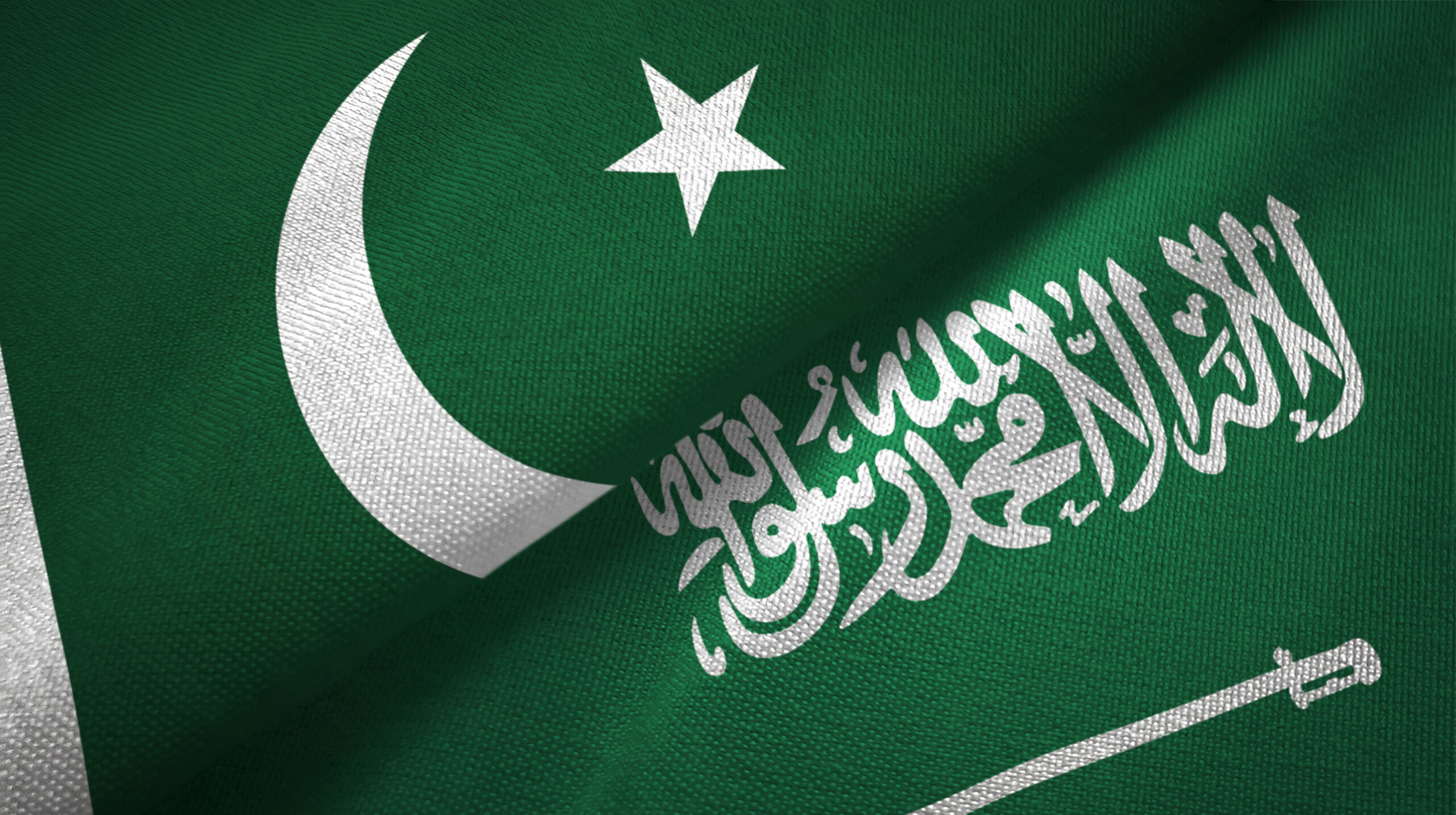
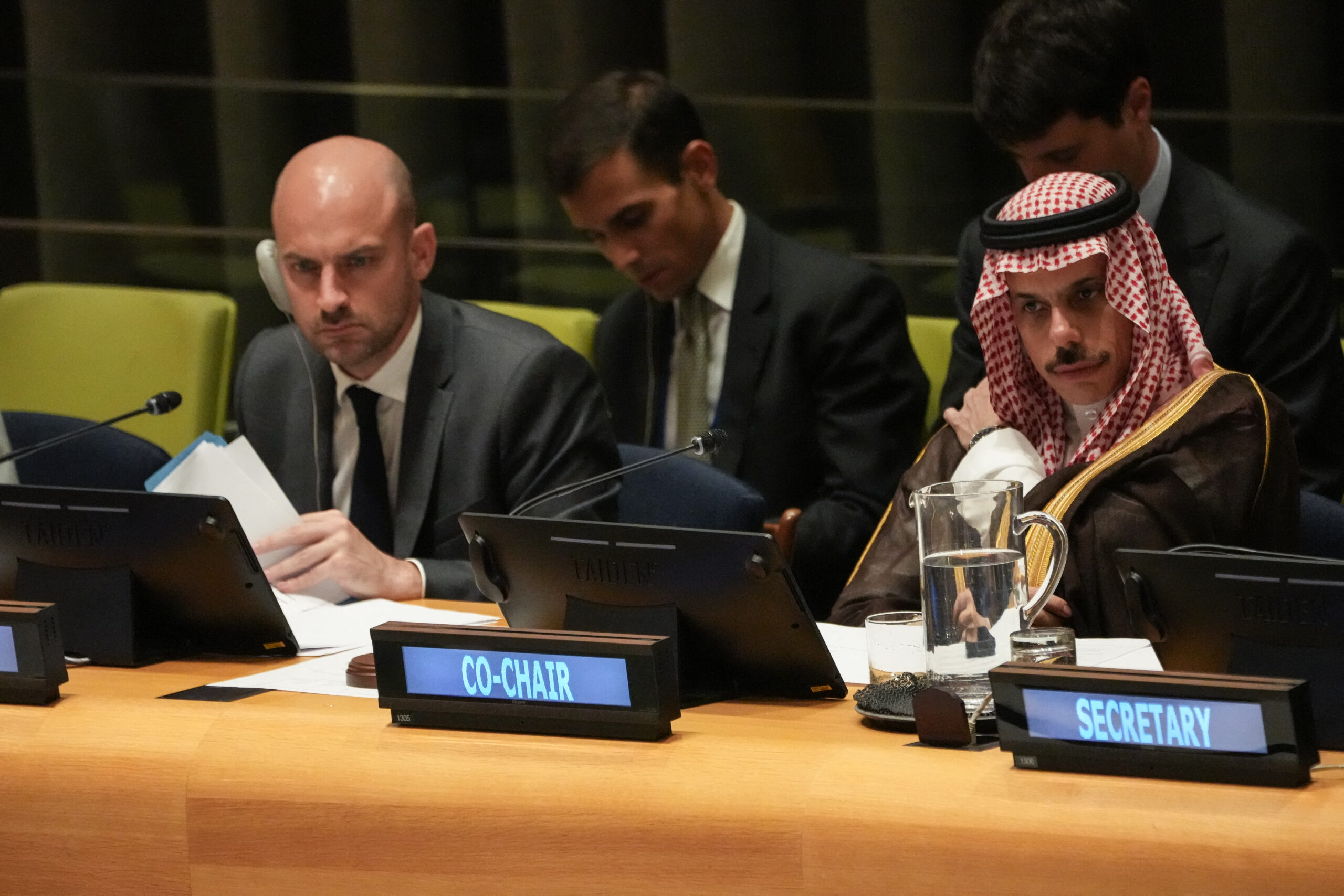
اتفاقية الدفاع المتبادل الاستراتيجي (SMDA) بين المملكة العربية السعودية وباكستان، التي تم توقيعها في الرياض في 17 سبتمبر، هي أكثر بكثير من مجرد تعهد ثنائي. فهو يمثل إعادة ترتيب عميقة للتحالفات في الخليج وجنوب آسيا، مما يعكس ويعزز التآكل الأوسع نطاقاً لسيادة الولايات المتحدة في البنية الأمنية الأوروبية الآسيوية. في حين ركزت معظم التعليقات الأولية على الالتزام المذهل من قبل ملكية خليجية ثرية بالدفاع عن دولة جنوب آسيوية حائزة للأسلحة النووية، فضلاً عن مسألة ما إذا كانت باكستان قد مدت بالفعل مظلتها النووية إلى المملكة العربية السعودية، فإن القصة الأعمق هي على الأرجح التقدم المحتمل للصين.
لا تصدقوا الضجة الإعلامية: الحقيقة المتواضعة للاتفاقية الدفاعية السعودية-الباكستانية
أثار اتفاق الدفاع السعودي الباكستاني المبرم في 17 سبتمبر موجة من التعليقات المتحمسة حول وجود المملكة العربية السعودية الآن تحت المظلة النووية الباكستانية وكيف أن واقعًا استراتيجيًا جديدًا يلوح في الأفق في منطقة الخليج الفارسي وجنوب آسيا. على المحللين أن يهدئوا من روعهم. فالردع الموسع أمر بالغ الصعوبة. يكمن الشيطان في التفاصيل، التي لا نعرف عنها شيئًا.
السلام في الشرق الأوسط — أو الغموض البناء في الاتجاه المعاكس
بعد عامين مروّعين — بدأوا في صباح يوم 7 أكتوبر 2023 المروّع — هناك الآن فرصة لإنهاء حرب غزة. هذه الفرصة موجودة ليس لأن الاقتراح المكون من 20 نقطة الذي أصدرته الولايات المتحدة في 29 سبتمبر 2025 هو نموذج للتفاصيل الدبلوماسية أو الفروق الدقيقة. إنها موجودة لأن راعيها، الرئيس دونالد ترامب، يبدو مصمماً على عدم قبول الرفض كإجابة.
الشباب المغربي يحتج بغضب على وعود التنمية التي لم تف بها الحكومة
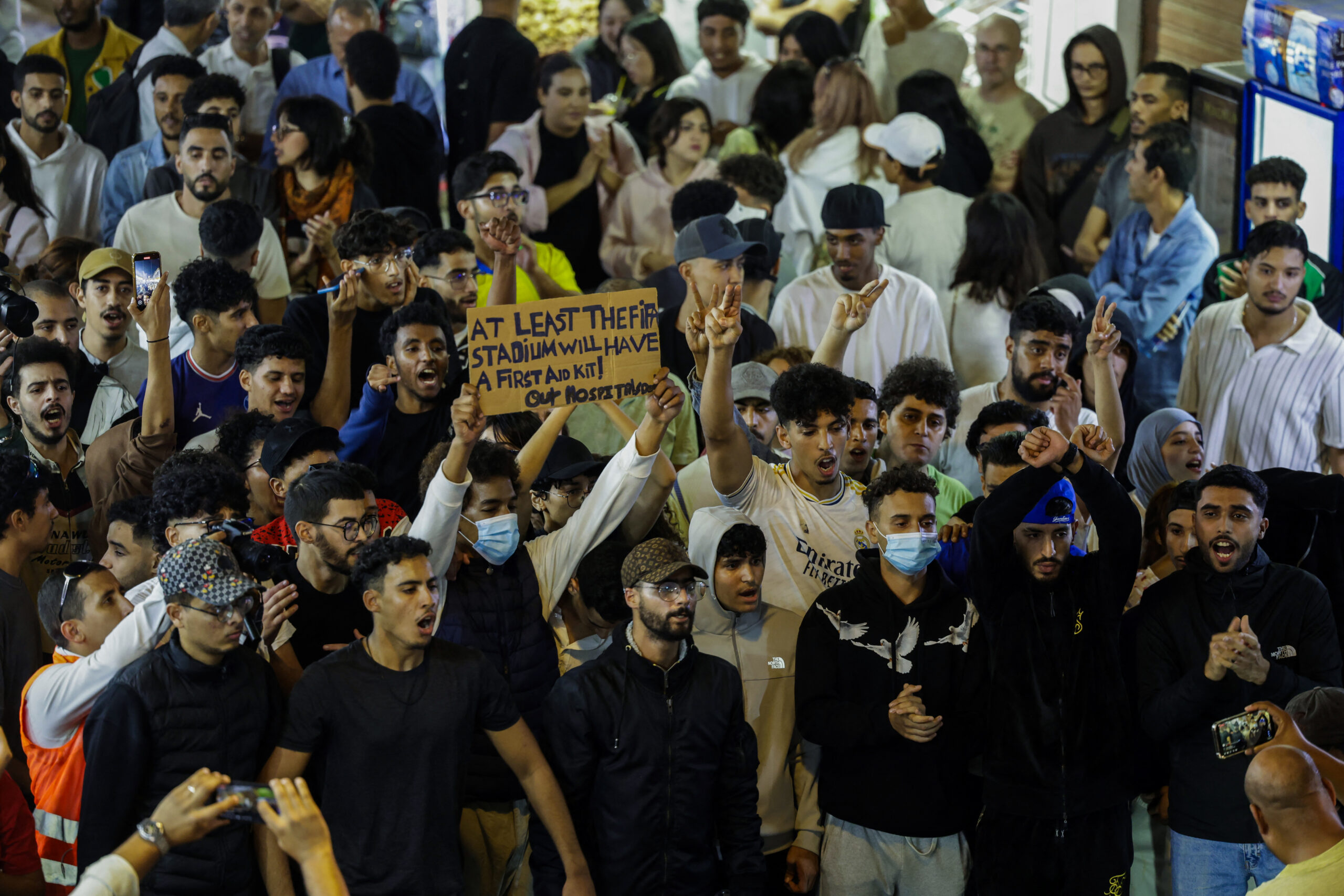
يحتج مئات الشباب المغاربة في 11 مدينة منذ 27 سبتمبر تحت شعار "GenZ 212". كان الدافع الرئيسي وراء المظاهرات هو الإحباط الشعبي العميق من عجز المغرب المستمر عن الوفاء بخططه ووعوده التنموية. سيكون من الصعب على الحكومة معالجة هذا النوع من السخط الواسع بسرعة ومصداقية.
تحول استراتيجي في سياسة الولايات المتحدة تجاه الشرق الأوسط مع خطاب ترامب على الساحة العالمية
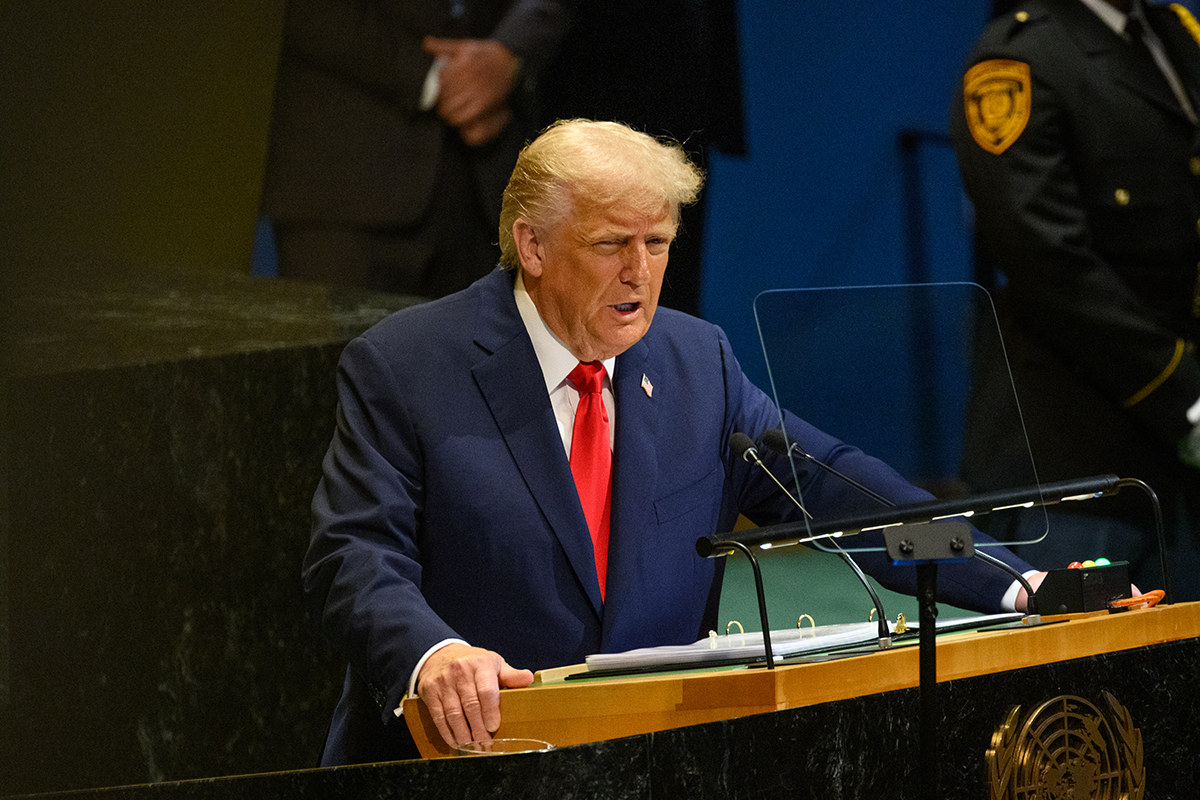
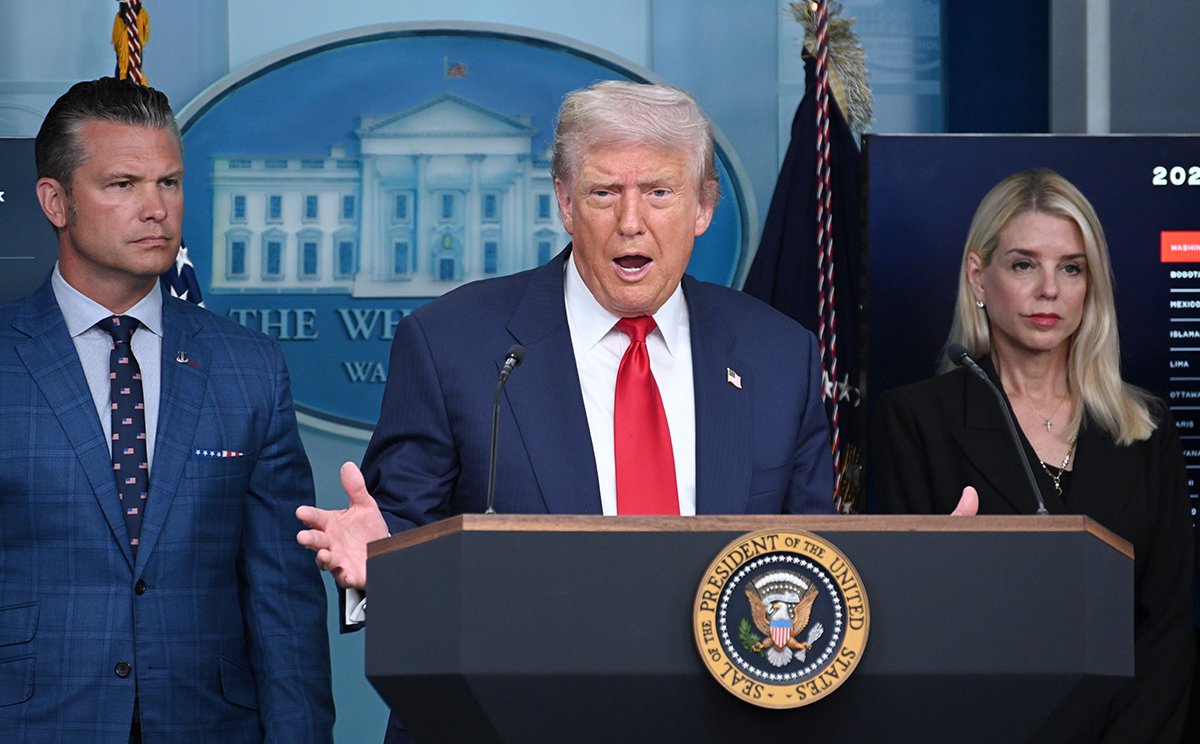
استغل الرئيس دونالد ترامب خطابه هذا الأسبوع أمام الجمعية العامة للأمم المتحدة لتعزيز أسلوبه الفريد في صنع السياسة الخارجية الأمريكية وانتقاد الآخرين، بما في ذلك الأمم المتحدة نفسها. لكن ترامب لم يفعل الكثير لخلق إطار عمل لصياغة حلول لمعالجة المشاكل والتحديات الأمنية الشائكة.
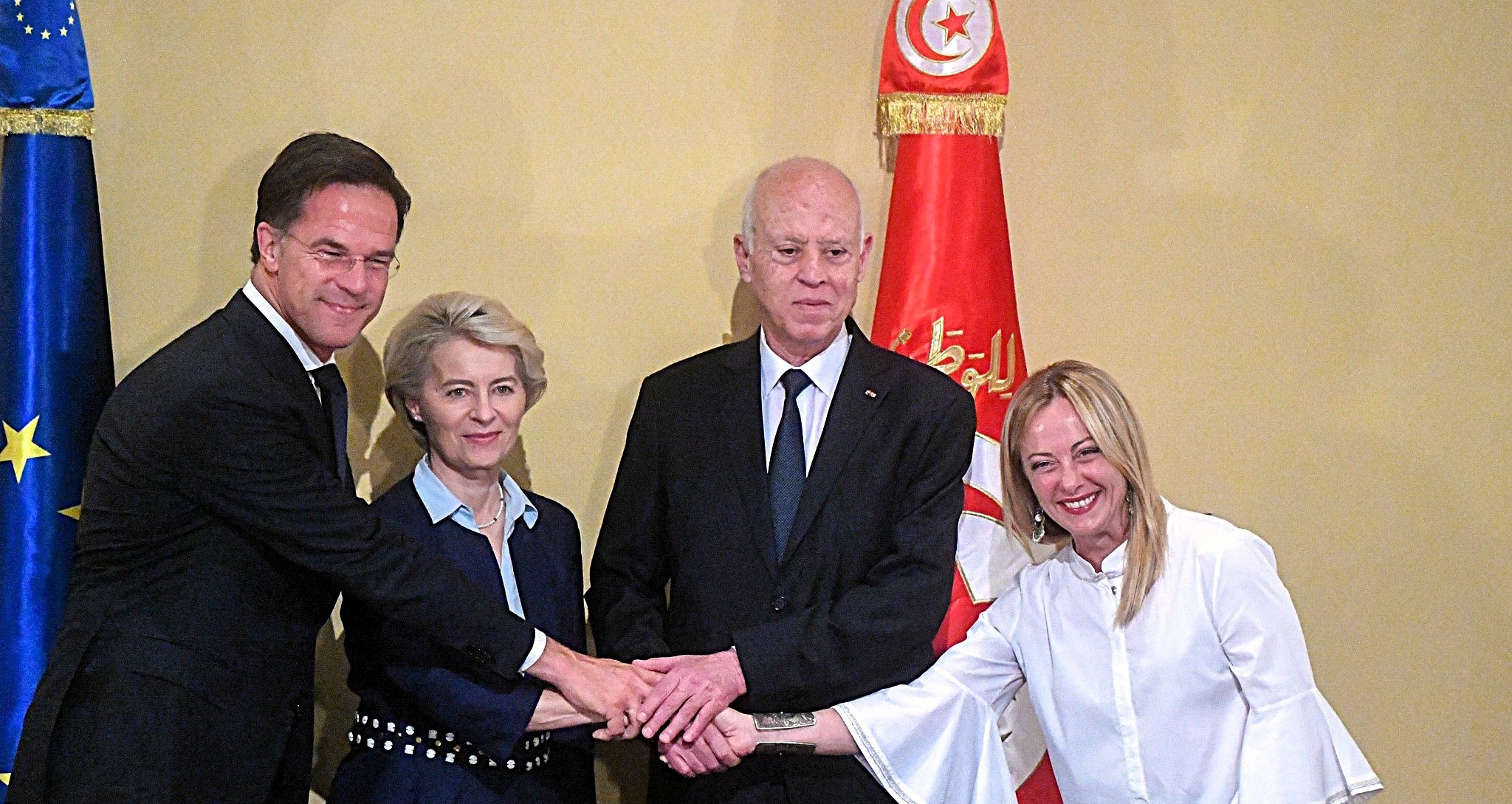
تحول دول شمال أفريقيا علاقاتها الدبلوماسية الطويلة الأمد إلى فرص جديدة للضغط، مستخدمة تدفقات الهجرة وإمدادات الطاقة والشراكات الأمنية كورقة مساومة. تعمل هذه التكتيكات والاستراتيجيات الجديدة على إعادة تشكيل الدبلوماسية الإقليمية.
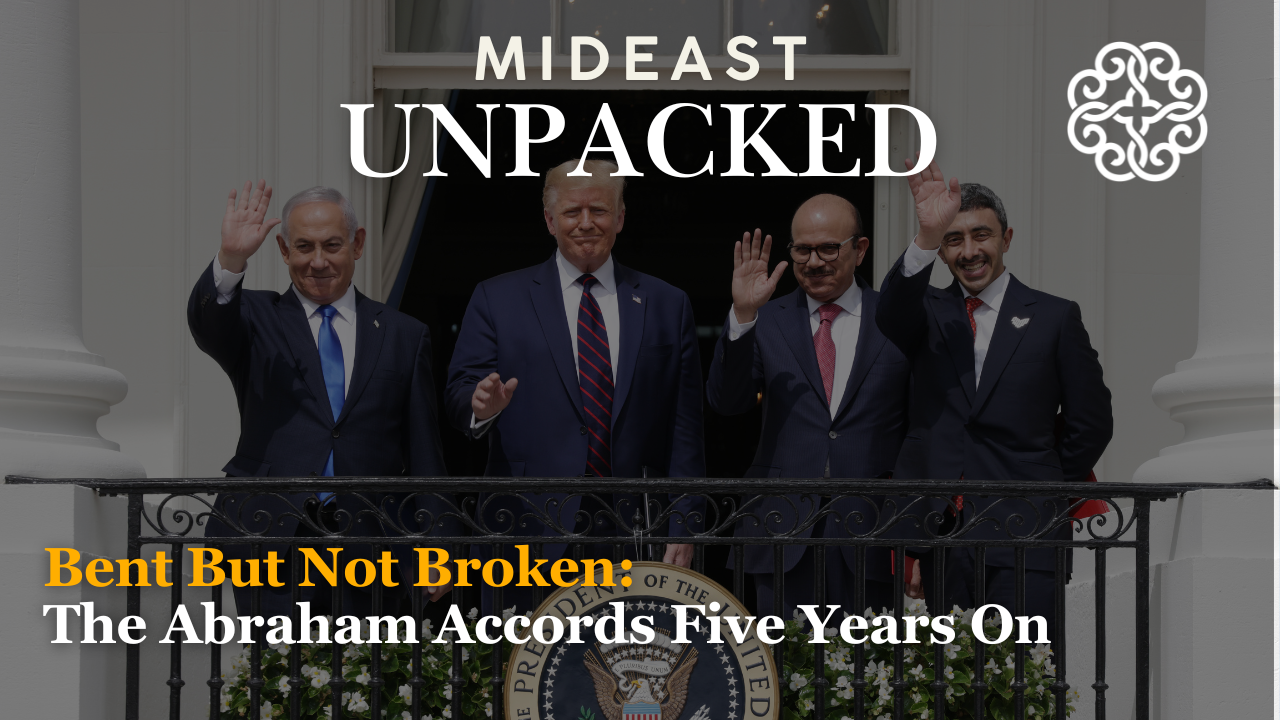
منحنية لكن غير مكسورة: اتفاقيات أبراهام بعد خمس سنوات
في الذكرى الخامسة لاتفاقيات أبراهام، يتأمل براين كاتوليس من معهد الشرق الأوسط (MEI) في مدى استمراريتها ومستقبلها: "لن يتم خرق اتفاقيات أبراهام. قد تتعرض للانحراف، لكنني أعتقد أنها ستبقى سارية. لكنها لن تتوسع بأي شكل من الأشكال حتى يتم إحراز تقدم في القضية الفلسطينية". ويحلل كاتوليس أصل الاتفاقيات ونقاط قوتها وقيودها والتحديات الرئيسية التي يجب معالجتها حتى تصبح أقوى.
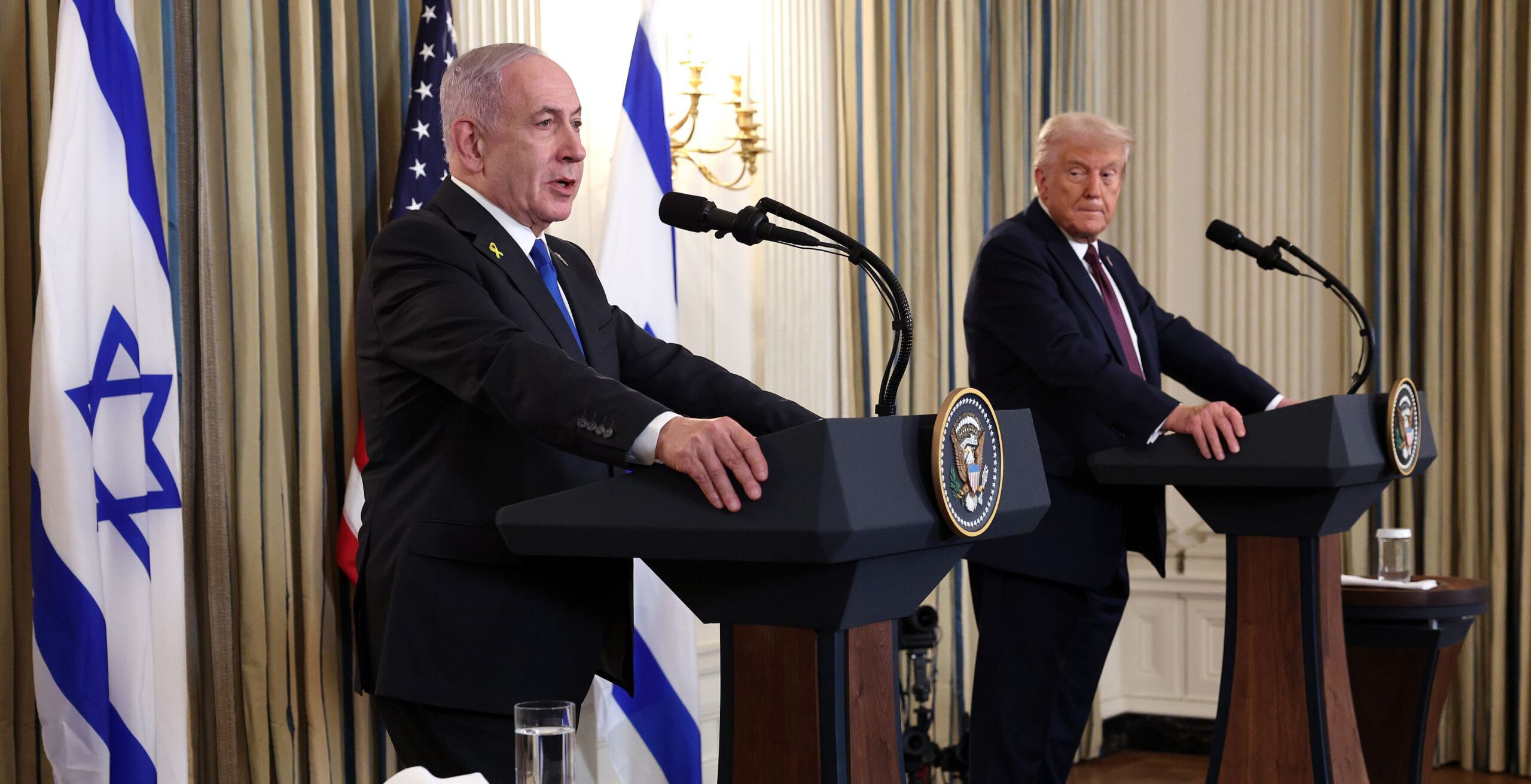
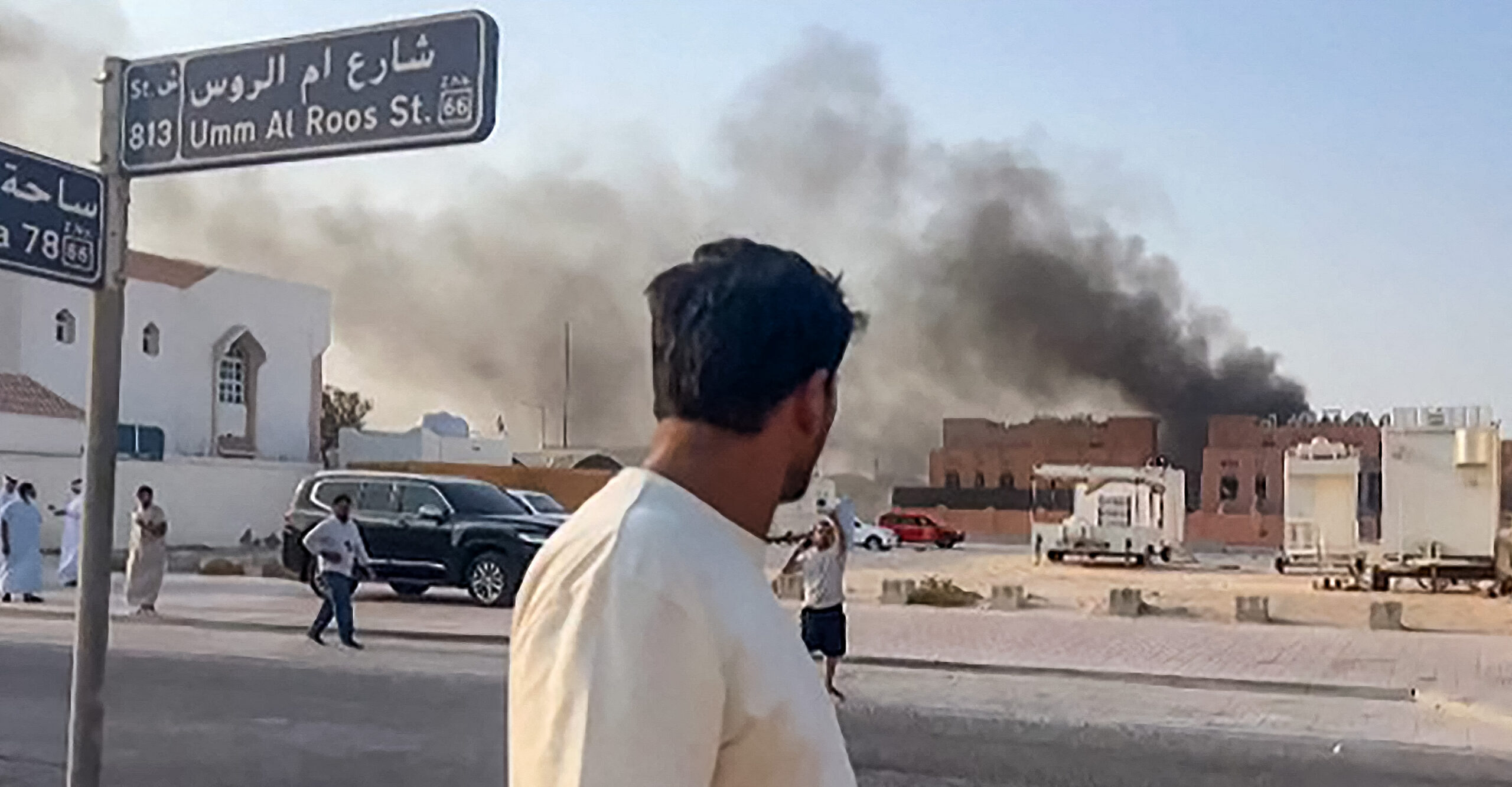
ضربة إسرائيل لدوحة قد تزيد من زعزعة استقرار المنطقة وتقوض شراكات الأمن الأمريكية
لا تزال تداعيات الضربة الإسرائيلية التي استهدفت فريق التفاوض التابع لحركة حماس في الدوحة أمس تتردد أصداؤها في جميع أنحاء العالم، وستستمر في ذلك في المستقبل المنظور. وتداعياتها عميقة وستغير المشهد الجيوسياسي ليس فقط في الشرق الأوسط، بل على نطاق عالمي على الأرجح.
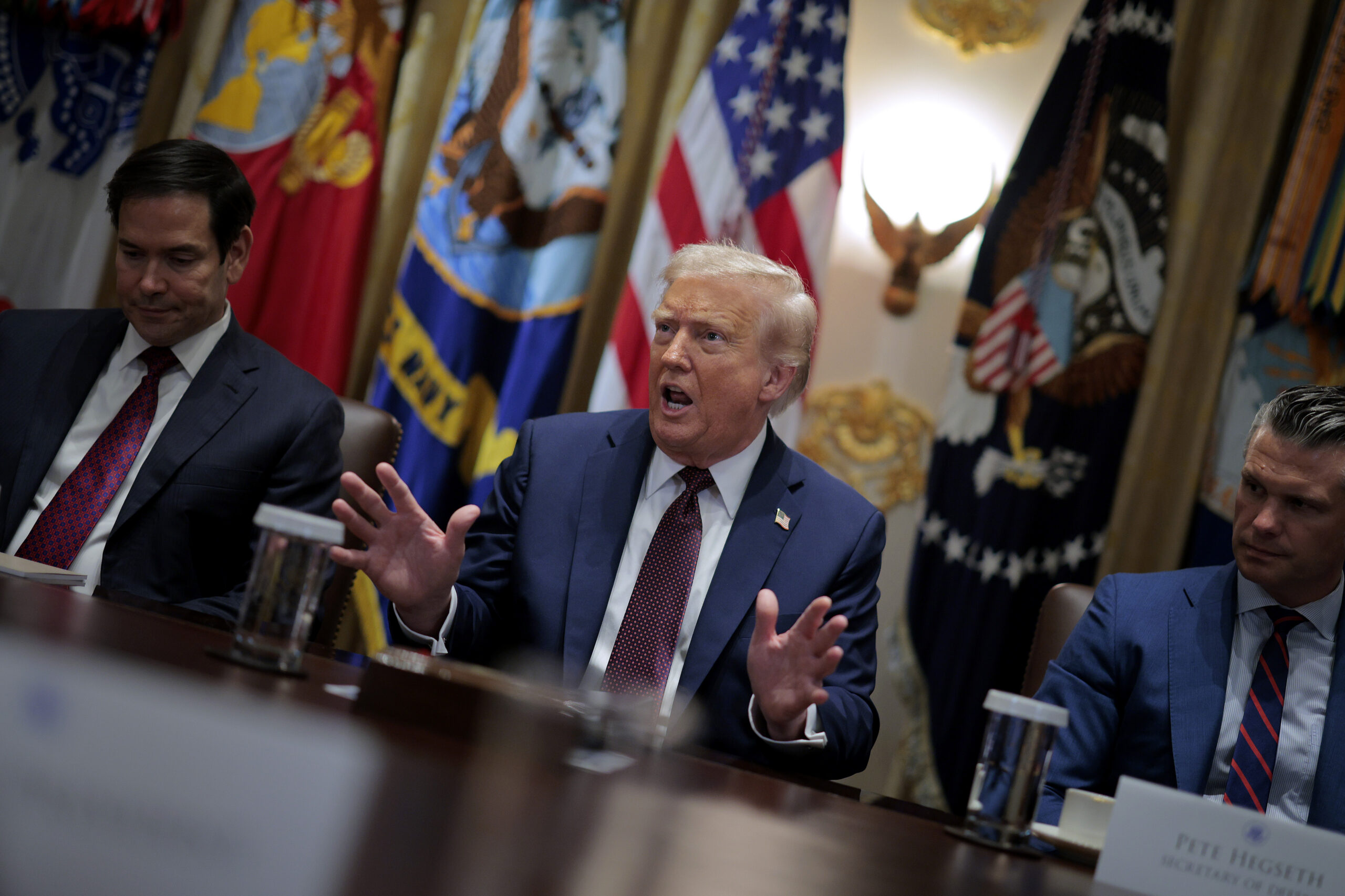
ترامب يائس لتحقيق تقدم في سياسته الخارجية الصاخبة والغاضبة
أكثر ما يلفت الانتباه في سياسة دونالد ترامب الخارجية بعد سبعة أشهر من ولايته الثانية هو فشلها في تحسين الموقف الاستراتيجي العام للولايات المتحدة في العالم. لا يزال الوقت مبكراً، لكن سلسلة الإجراءات المحمومة التي اتخذها فريق ترامب، إلى جانب خطابه المثير للجدل والمثير للانقسام في كثير من الأحيان، قد حجبت سجله الضعيف في تحقيق انتصارات دولية مهمة للولايات المتحدة.
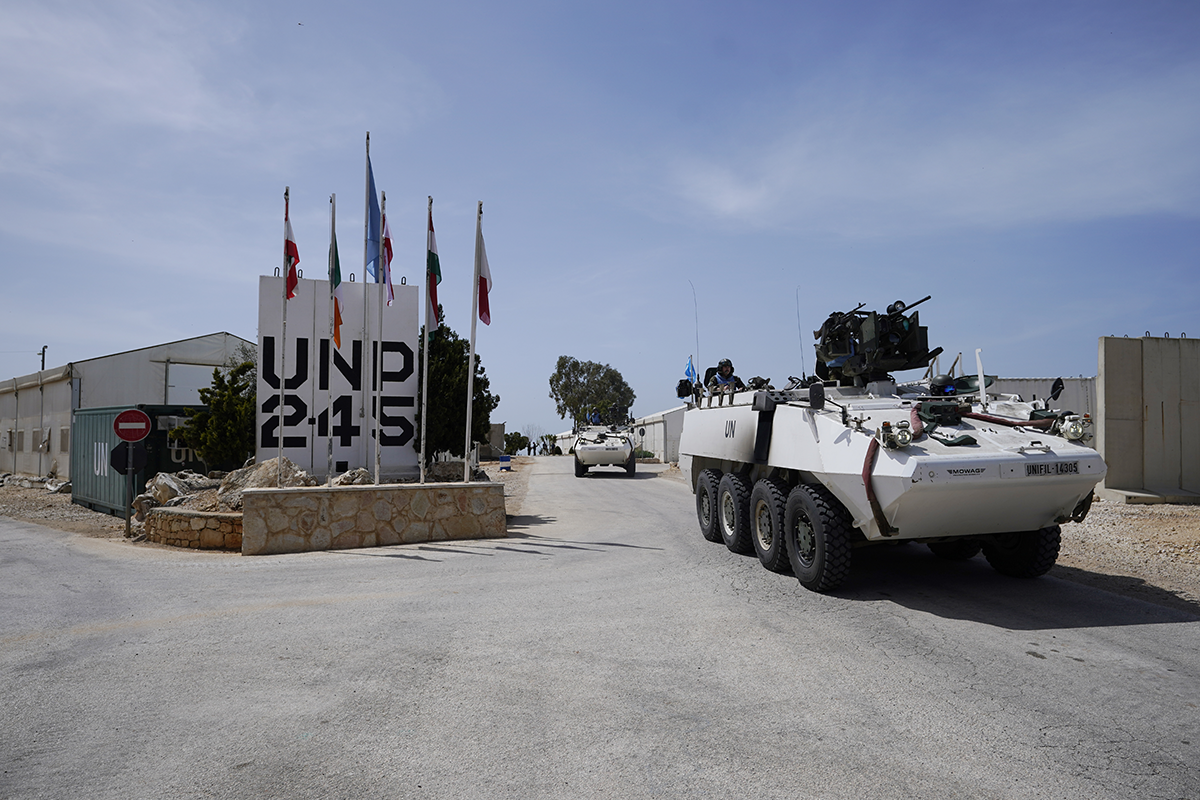
على اليونيفيل إعادة ضبط نفسها أو العودة إلى ديارها
في نهاية شهر أغسطس، سيتم النظر في مستقبل قوة الأمم المتحدة المؤقتة في لبنان (يونيفيل)، التي أنشئت منذ ما يقرب من 50 عامًا، في نيويورك، حيث سيناقش مجلس الأمن تجديد ولايتها. بعد ما يقرب من عقدين من الزمن على تحولها بموجب قرار مجلس الأمن الدولي رقم 1701، أصبحت يونيفيل الآن جزءًا من المشكلة التي أنشئت لحلها. فقد فشل عشرة آلاف من جنود القبعات الزرقاء من حوالي 50 دولة، بما في ذلك الدول الأعضاء الرئيسية في منظمة حلف شمال الأطلسي (الناتو)، في وقف الصراع الأخير بين إسرائيل وحزب الله، وإذا استمرت الأمور على ما هي عليه، فسوف يفشلون في منع الصراع التالي.
دبلوماسية ترامب غير المتوقعة والمتمثلة في تشتيت الانتباه غالباً ما تأتي بنتائج سلبية
تتجه الأنظار هذا الأسبوع إلى ألاسكا، حيث سيعقد الرئيس الأمريكي دونالد ترامب اجتماعًا حاسمًا مع الرئيس الروسي فلاديمير بوتين لمناقشة إنهاء الحرب في أوكرانيا. لكن الولايات المتحدة لا تزال منشغلة بعدة قضايا داخلية، بما في ذلك التوترات المستمرة حول الشرطة والهجرة والضوابط والتوازنات داخل نظام الحكم الأمريكي. كل هذا يأتي في وقت يستمر فيه تراجع الموقف السياسي الداخلي لترامب، بما في ذلك بين أعضاء حزبه.
في الوقت الذي تسعى فيه إدارة ترامب إلى توسيع نطاق اتفاقيات أبراهام في الشرق الأوسط إلى القوقاز وآسيا الوسطى، فإنها تتجاهل التغير الجذري في النظرة السائدة في العالم العربي والإسلامي. ففي حين كان يُنظر إلى إسرائيل في الماضي على أنها داود الذي يقاتل جالوت المتمثل في العالم العربي، يبدو أن الأدوار قد انعكست اليوم. فإسرائيل، المدعومة بقوة عسكرية لا حدود لها ودعم أمريكي ثابت، يُنظر إليها بشكل متزايد ليس فقط كقوة إقليمية، بل كقوة مهيمنة في المنطقة مدعومة من الولايات المتحدة. بالنسبة لدول الخليج العربية، يمثل هذا التحول معضلة: هل يمكن لجالوت أن يكون شريكًا في السلام؟
مسارات متباينة بعد 7 أكتوبر: نهج إسرائيل العسكري المتطرف وتراجع السعودية الاستراتيجي
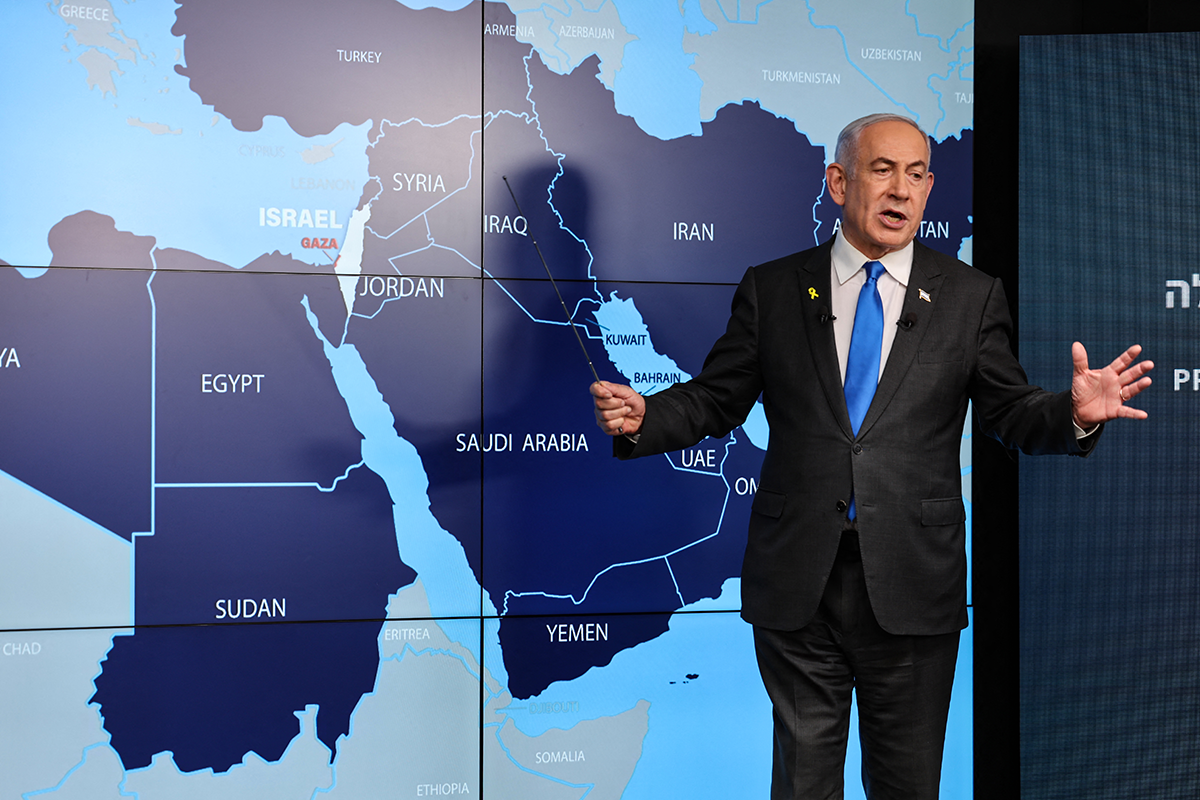
أدى هجوم حماس في 7 أكتوبر 2023 إلى تحطيم النموذج الأمني الذي طالما اتبعته إسرائيل، واستبدال الردع المحدود بحملة طموحة تهدف إلى تفكيك حماس، ومواجهة حزب الله وغيره من وكلاء إيران، واستهداف برنامج إيران النووي بشكل مباشر بدعم من الولايات المتحدة. وفي تناقض صارخ، أعطت المملكة العربية السعودية الأولوية للاستقرار الإقليمي وتخفيف حدة التوتر، واستعادة العلاقات مع إيران، والتركيز على تحولها الاقتصادي في إطار رؤية 2030.
دول الخليج في منطقة الشرق الأوسط المتقلبة بعد الحرب
خرجت دول الخليج العربية الملكية من الهجمات الإسرائيلية والأمريكية على إيران في يونيو الماضي دون أن تتعرض لأضرار تذكر، باستثناء هجوم صاروخي انتقامي محدود شنته إيران على القاعدة الجوية الأمريكية في قطر. لكن من منظور أوسع، عززت هذه الحرب القصيرة، التي كانت جزءًا من الصراع الإقليمي الأوسع الذي بدأ بهجوم حماس على إسرائيل في أكتوبر 2023، هشاشة الوضع الأمني للملكيات الخليجية.