فخ الشرعية: كيف تدعم المؤسسات الدولية سيطرة الحوثيين على اليمن
لسنوات، كان الافتراض السائد هو أن بقاء الحوثيين يعتمد على الانتصارات في ساحة المعركة والدعم الإيراني. وكلاهما ضروريان، ولكن هناك عامل ثالث حاسم وغالباً ما يتم تجاهله: تسليح المشاركة الدولية. وفي نمط يتكرر باستمرار، فإن المشاركة دون مساءلة تقوي سلوك الحوثيين بدلاً من أن تخففه.
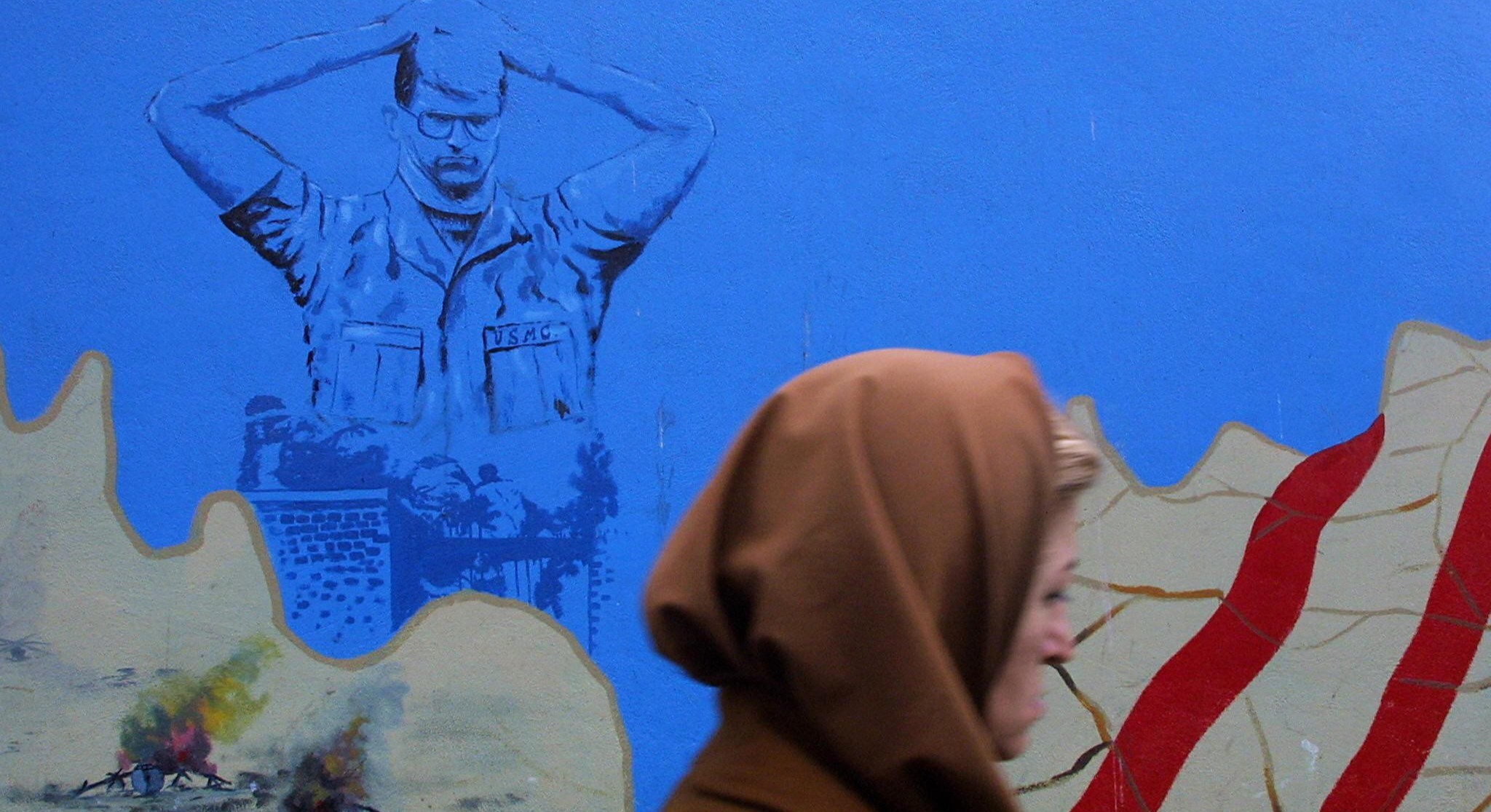
محرمات الندم: تأملات إيرانية حول الاستيلاء على السفارة الأمريكية في عام 1979
لعقود طويلة، كان الاستيلاء على السفارة الأمريكية في طهران عام 1979 رمزاً لعدالة التحدي الثوري للجمهورية الإسلامية الإيرانية وشرعية "المقاومة" كأيديولوجية للدولة. والتشكيك في ذلك يعني التشكيك في منطق المشروع برمته.
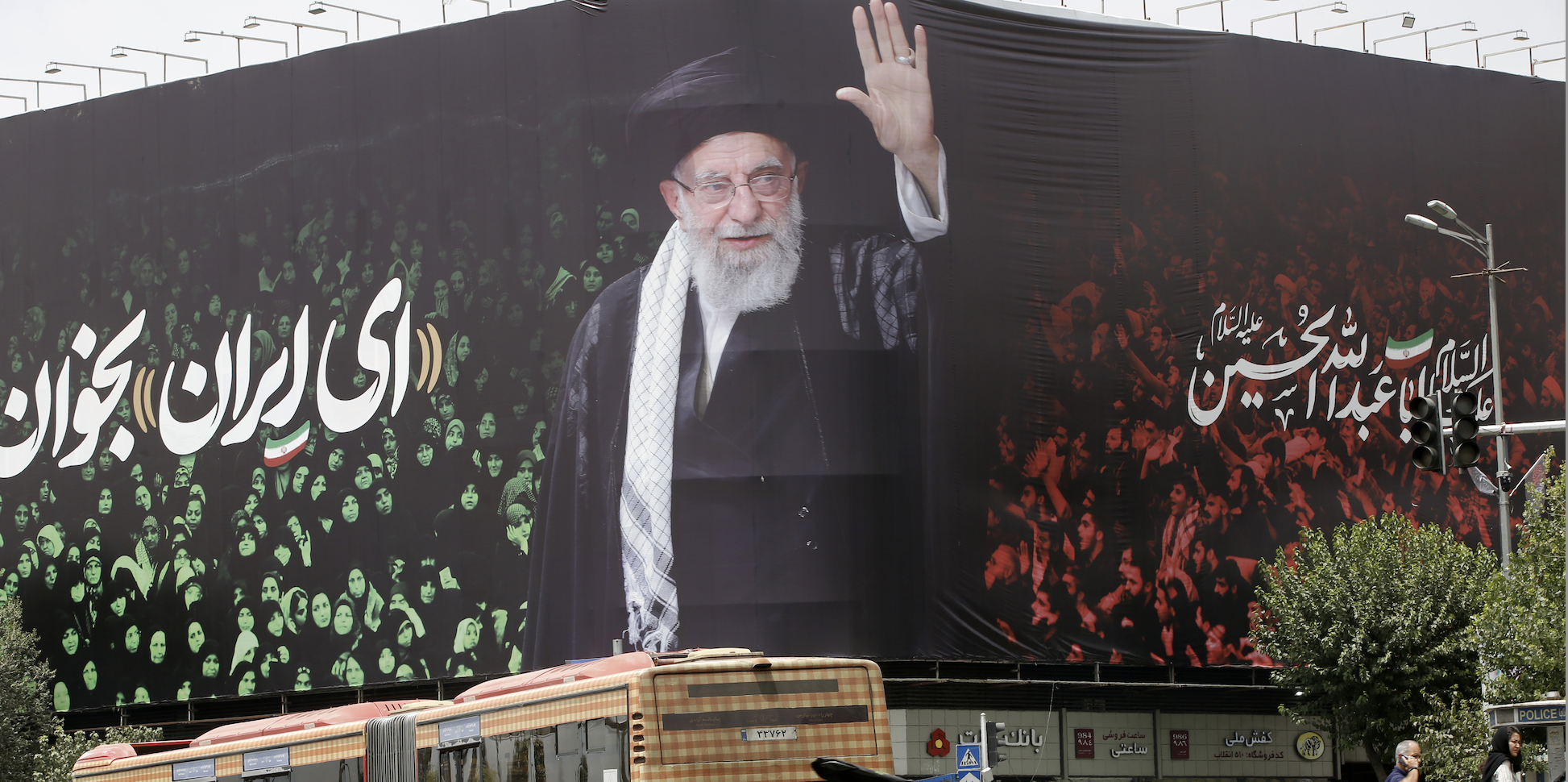
حرب الأيام الاثني عشر: قادة إيران يواجهون خيارات متضائلة
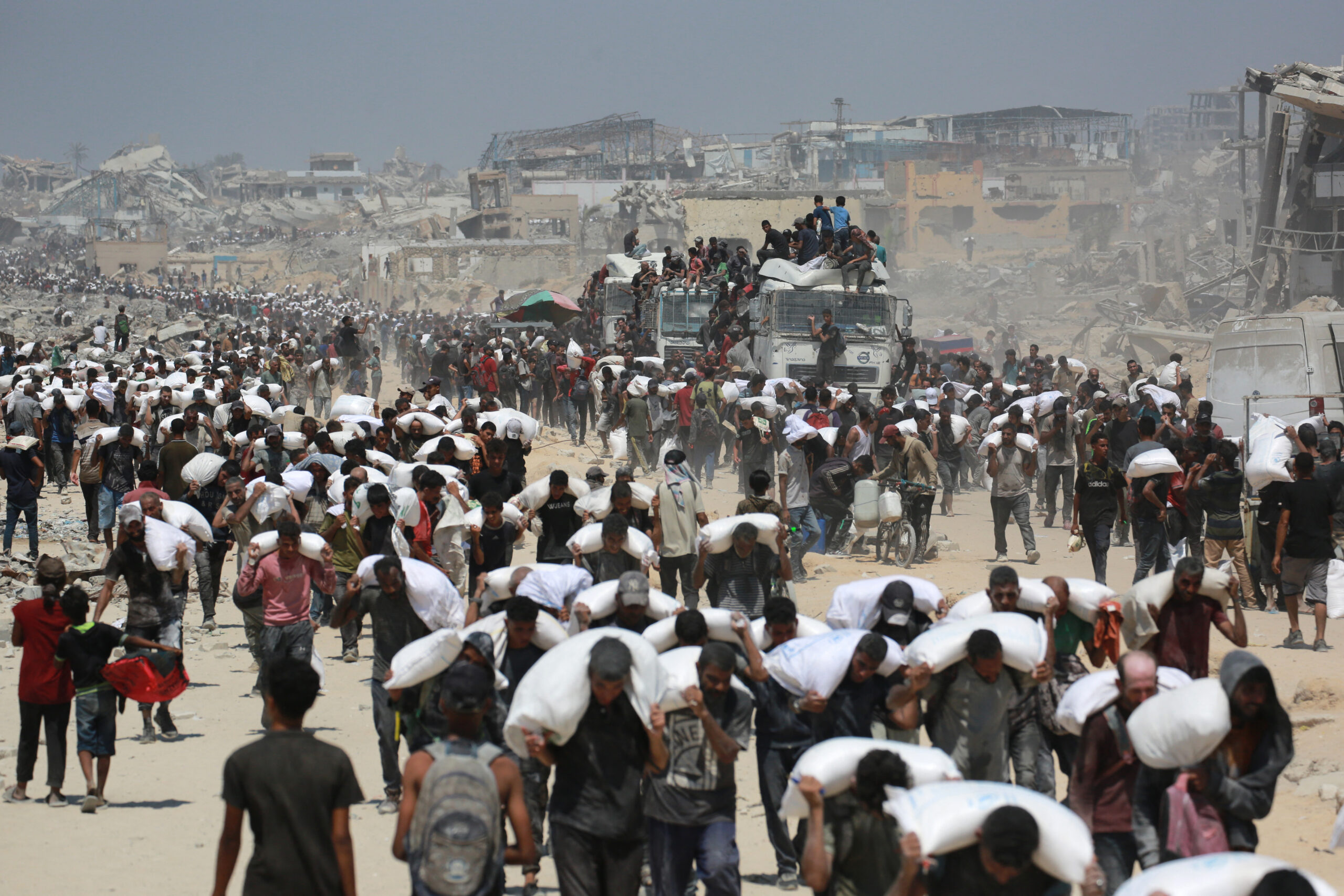
كان الصراع مع إسرائيل الذي دام 12 يوماً قصيراً، لكنه ترك ندبة. كانت حرباً اتسمت بضربات غير مسبوقة في عمق الأراضي الإيرانية، دفعت القيادة في طهران إلى مواجهة حقائق طالما سعت إلى تجنبها.
في هذه الحلقة منبرنامج "ميدل إيست فوكس"، ينضم إلى المضيفين أليستر تايلور وماثيو تشيكاي، الباحثة البارزة في معهد الشرق الأوسط إنتصار فقير، لمناقشة حركة الاحتجاج الأخيرة "GenZ 212" في المغرب، التي اجتاحت عدة مدن في أنحاء البلاد لأسابيع. ما الذي دفع الشباب المغربي إلى النزول إلى الشوارع؟ تحلل فقير الدوافع الكامنة وراء الاحتجاجات ومطالب المتظاهرين ورد فعل الحكومة. ثم تتعمق المحادثة أكثر في الجيل الصاعد في المغرب وكيف ينظر إلى آفاق مستقبله.
السفير رايان كروكر يقدم تقريراً عن زيارته إلى لبنان وسوريا في الفترة من 12 إلى 17 أكتوبر، كجزء من وفد صغير نظمه مكتب المفوضية السامية للأمم المتحدة لشؤون اللاجئين (UNHCR) في واشنطن.
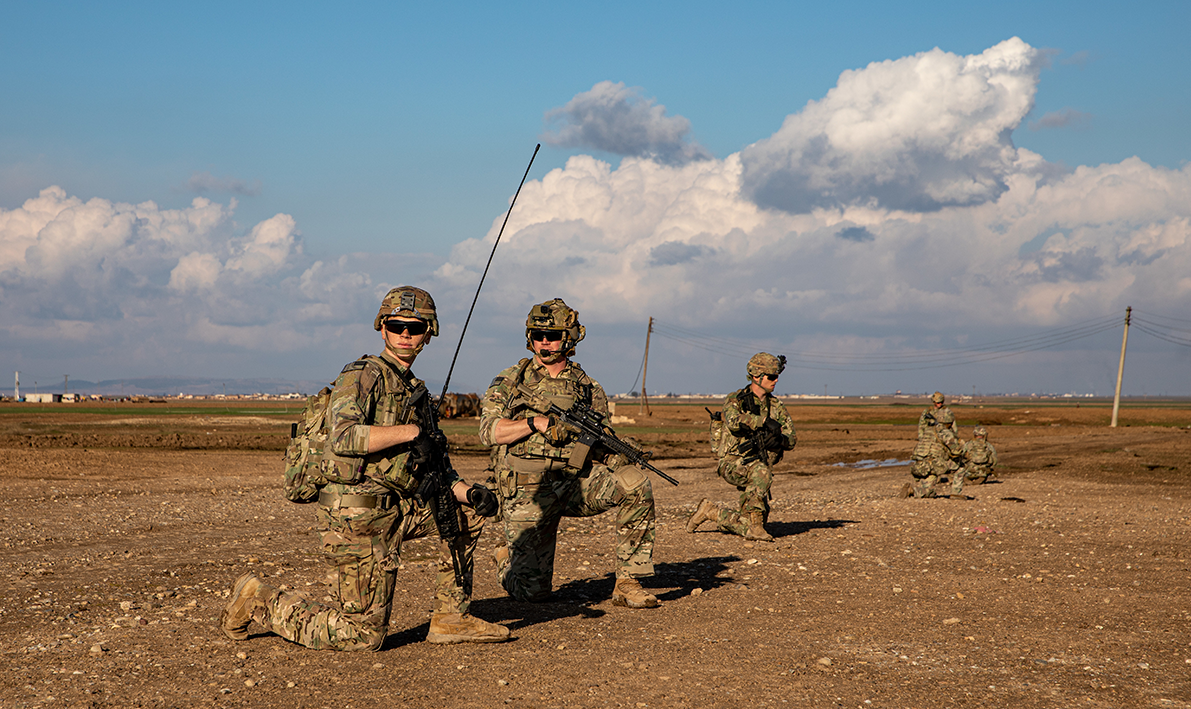
كانت العملية المشتركة في الدمير في منتصف أكتوبر هي الخامسة من نوعها بين التحالف العالمي لمحاربة داعش والحكومة السورية لمواجهة تنظيم الدولة الإسلامية، وسط دعوات غربية لدمشق للانضمام رسمياً إلى الجهود الدولية. ما هو على المحك وما هي السيناريوهات المحتملة في المستقبل؟
US Policy in the Middle East: Third Quarter 2025 Report Card
President Donald Trump continued to rewrite the playbook of US foreign policy this summer and early fall, with mixed results on the global stage but producing some important openings for progress in the Middle East due to a negotiated Gaza cease-fire and hostage-release deal.
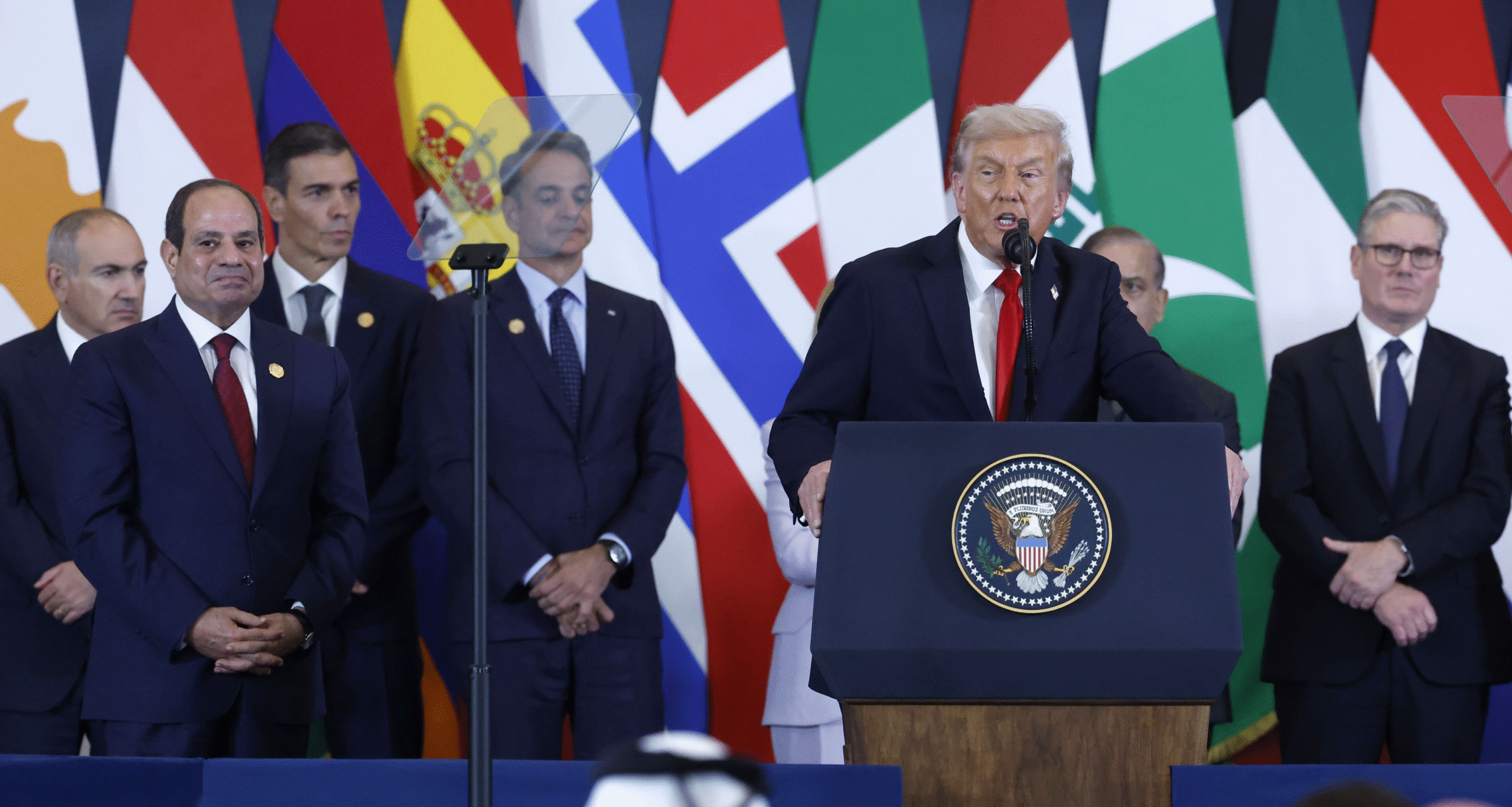
ترامب 2.0 والشرق الأوسط: تقييم الأشهر التسعة الأولى
في هذه الحلقة منبرنامج "ميدل إيست فوكس"، يتحدث المقدمان أليستر تايلور وماثيو تشيكاج مع براين كاتوليس، الزميل البارز في معهد الشرق الأوسط، حول سياسة الولايات المتحدة في الشرق الأوسط في ظل الإدارة الثانية لدونالد ترامب. بعد تسعة أشهر من ترامب 2.0، ما مدى التغيير الذي حدث بالفعل؟ يحلل كاتوليس نهج الإدارة تجاه القضايا الرئيسية، بما في ذلك وقف إطلاق النار في غزة وآفاق السلام الأوسع نطاقًا، وتداعيات الحرب التي استمرت 12 يومًا مع إيران، وكيف تدير واشنطن علاقاتها مع شركائها الإقليميين.
A Passion for Policy: Marvin Weinbaum on Afghanistan, Pakistan, and U.S. Engagement Abroad
Brian Katulis speaks with Dr. Marvin Weinbaum—senior fellow at the Middle East Institute, professor emeritus of political science at the University of Illinois at Urbana-Champaign, and former Department of State analyst—about his remarkable career spanning more than five decades in academia, government, and policy analysis. Drawing on his deep expertise in Afghanistan and Pakistan, Weinbaum reflects on the evolution of U.S. foreign policy, the lessons learned from state-building efforts, and how personal conviction and intellectual curiosity have shaped his life’s work.
دور الولايات المتحدة في تعزيز الديمقراطية: استمرارية أم انهيار؟
على مدى معظم السنوات الثمانين الماضية، اعتبرت الولايات المتحدة نفسها - وغالبًا ما تصرفت على هذا النحو - رائدة عالمية للديمقراطية. من خلال قوة القدوة، ومن خلال دبلوماسيتها وتحالفاتها الأمنية وبرامج المساعدة التي تقدمها، سعت واشنطن إلى تعزيز المؤسسات الديمقراطية ومقاومة الاستبداد.
بالطبع، لم يكن سجل الولايات المتحدة مثالياً على الإطلاق. فقد دعمت في بعض الأحيان قادة استبداديين سعياً وراء مكاسب استراتيجية أو اقتصادية. لكنها كانت بشكل عام قوة دافعة للديمقراطية في جميع أنحاء العالم.
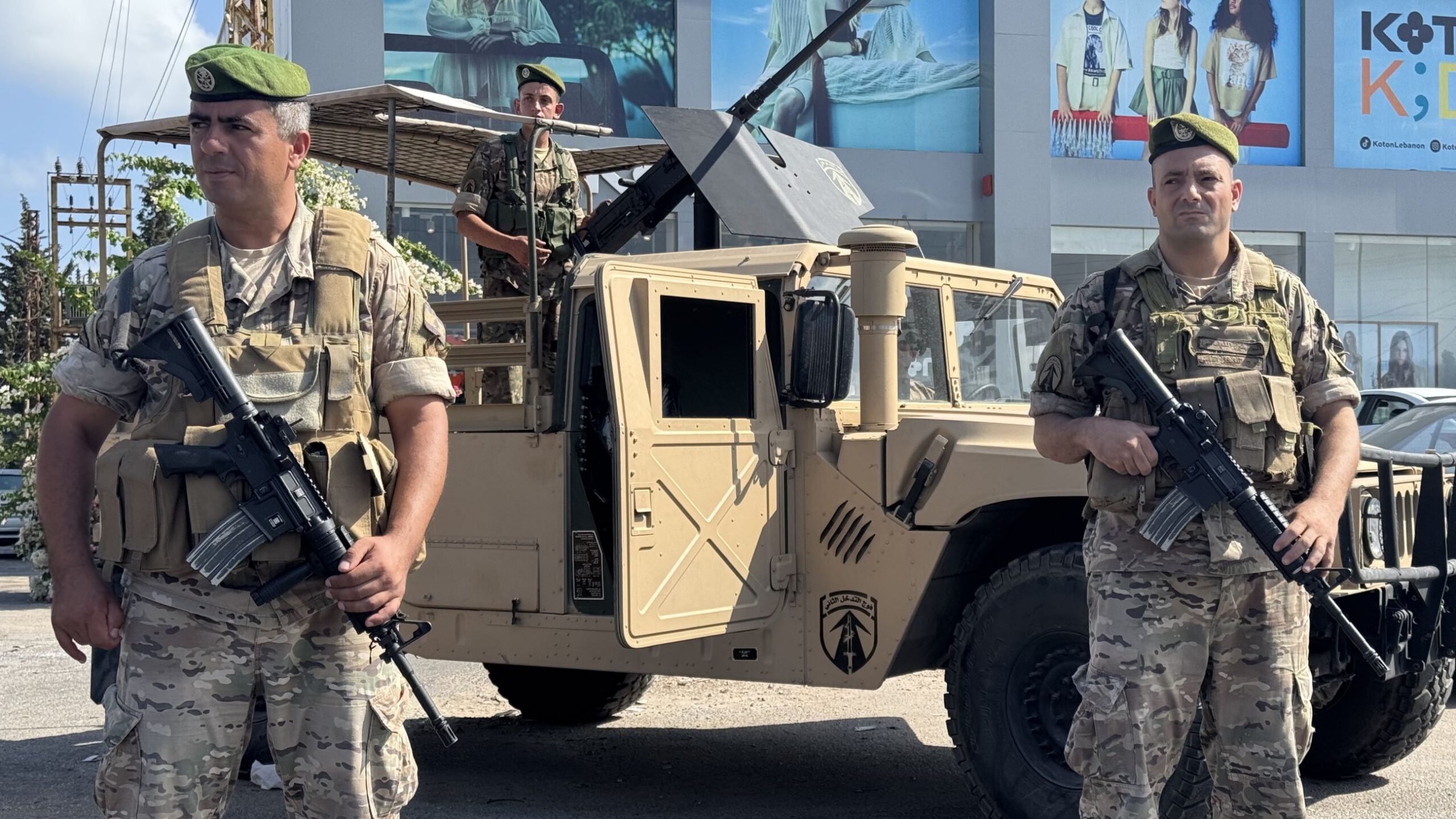
إن اغتنام الفرصة التي لا تتكرر إلا مرة واحدة في كل جيل في لبنان يتوقف على قدرته على حل مشكلته الأساسية: استعادة احتكار الدولة للقوة وسلطتها الحصرية في تقرير شؤون الحرب والسلام. يجب على بيروت، بدعم متزايد من الولايات المتحدة، أن تركز على تحقيق إنجازات ملموسة وانتصارات استراتيجية تضفي زخماً على عملية نزع سلاح حزب الله وتجعل إعادة الدولة لسلطتها أمراً لا رجعة فيه.
Lebanon’s judicial independence and the end of impunity
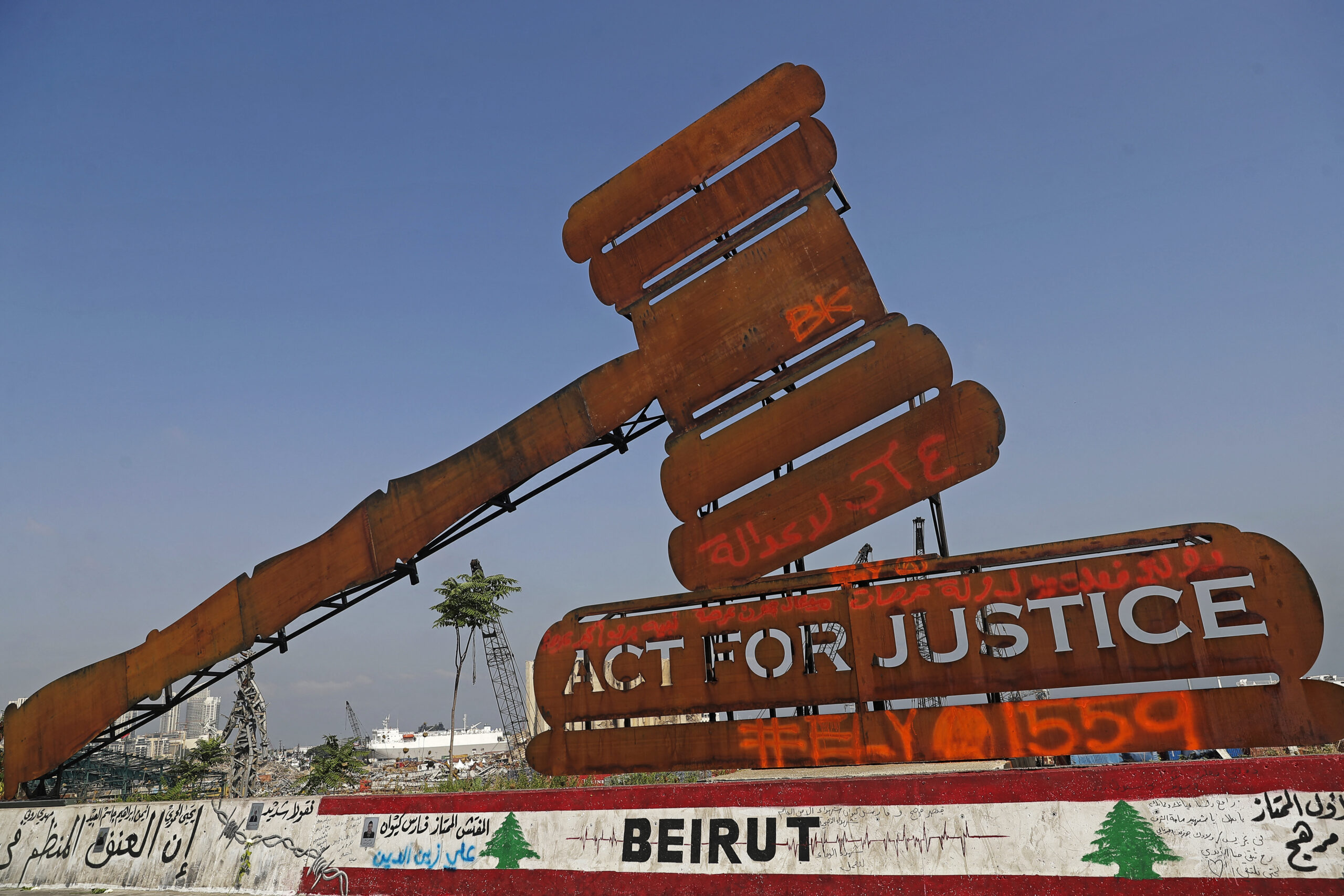
Judicial independence is at the core of any successful democracy, and for decades, this issue has been a matter of public concern in Lebanon. At a time when a credible window of opportunity for change has opened in Lebanon, restoring judicial independence is both a necessity and a prerequisite to enable the judiciary to carry out its duties and end the impunity under which it has historically operated.
Priority policies for an economic recovery in Lebanon
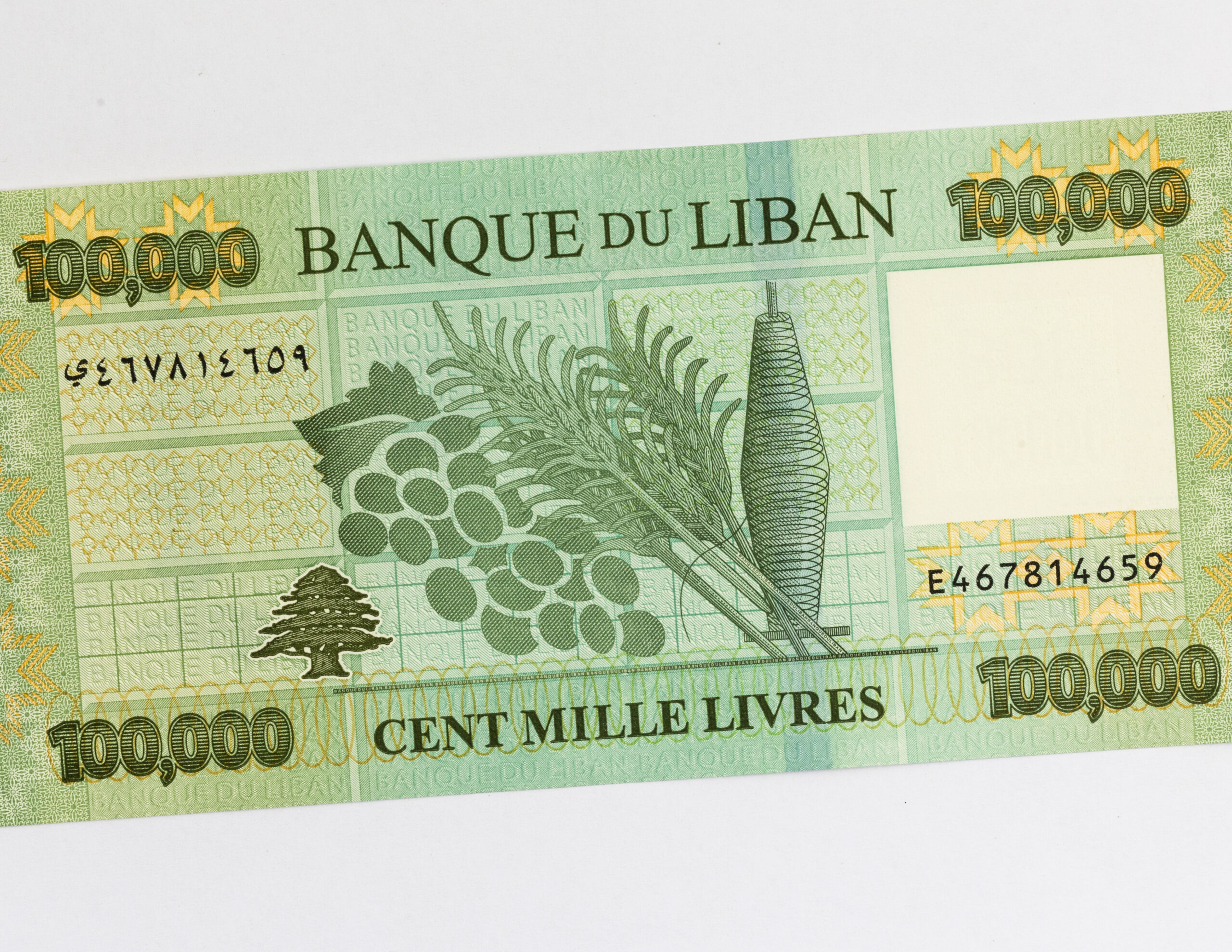
The current government in Lebanon is keen to encourage financial recovery and find a new path to economic growth. A thorough understanding of the causes behind the country’s recession and the factors constraining a recovery are necessary to shape policy priorities. These are also important as an input into the discussions of the 2026 budget and to the ongoing negotiations with the International Monetary Fund (IMF). Using the wrong framework for these decisions could yield low economic growth, which would be harmful for a quick and decisive economic recovery. Conversely, improved economic outcomes and broad buy-in, following public consultations, will ease the implementation of politically difficult reforms. Thus, policymakers must take great care to develop a narrative about how to achieve progress in the short and medium terms that is adjusted to local circumstances.
Restoring both domestic and international confidence in the Lebanese government will ultimately depend on taking tangible steps towards economic revival. This article presents key policy options to achieve this result, including rebuilding trust through improved governance and judicial reforms, investing in digital infrastructure, driving sustainable growth via regional integration and innovation, and balancing economic revival with sovereign debt restructuring.