تمت ترجمة هذا النص بواسطة الذكاء الاصطناعي وقد يحتوي على أخطاء.
تخطي إلى المحتوى

John Calabrese is a senior fellow at the Middle East Institute (MEI) and book review editor for The Middle East Journal. His work focuses on the international relations of the Middle East, with a particular emphasis on cross-regional ties between the Middle East and Asia. He also teaches US foreign policy at American University.

Dr. Calabrese is the author of China’s Changing Relations with the Middle East (Printer Publishers, 1991) and Revolutionary Horizons: Regional Foreign Policy in Post-Khomeini Iran (Palgrave Macmillan, 1994). He has edited several books and written numerous articles on Middle Eastern international relations.

He holds a PhD in International Relations and a Diploma (with Distinction) in Comparative and International Politics from the London School of Economics, and a BA in English and Government from Georgetown University.

The Latest from John Calabrese

تصفية حسب
121 Results
When Conflict No Longer Moves Oil
  • تعليق
  • When Conflict No Longer Moves Oil

    Despite escalating conflicts, sanctions, and strategic rivalry across key producing regions, the global oil market increasingly behaves less like a system gripped by scarcity fears and more like one struggling to absorb abundance.

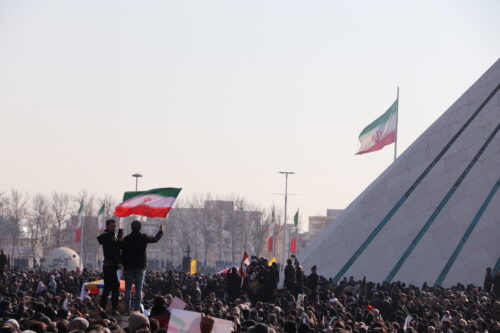
    From Peripheries to Tehran: Iran’s New Geography of Protest
  • تعليق
  • From Peripheries to Tehran: Iran’s New Geography of Protest

    Iran is once again in the midst of nationwide unrest. Protests that erupted in late 2025—initially driven by an acute economic crisis rapidly spreading across the entire country—are ongoing. Whether this latest wave culminates in revolutionary rupture, regime adaptation, or a familiar cycle of repression and exhaustion remains uncertain. What is already clear, however, is that the structural forces animating the unrest extend far beyond the present.

    At the heart of Iran’s protests lies a set of sharp and enduring regional disparities that have long shaped patterns of development, political control, and social mobilization. These center–periphery divides have repeatedly rendered Iran’s border provinces more vulnerable to deprivation, marginalization, and protest, while allowing the political and economic core to absorb shocks with greater resilience. Today, those divides are under unprecedented strain, as economic hardship is no longer confined to the margins but increasingly shared across the country.

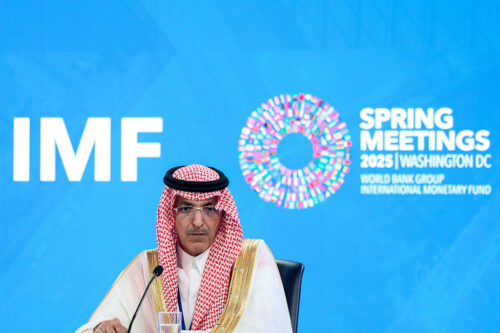
    A New Phase in Vision 2030: From Strategic Exemptions to Broad Ownership
  • التحليل
  • A New Phase in Vision 2030: From Strategic Exemptions to Broad Ownership

    Saudi Arabia is making a bold push to rewire the rules of the game for foreign investment within the Kingdom. The proposed lifting of the 49 percent foreign‐ownership cap in publicly listed companies is emerging as the next frontier of that effort. This reform, scheduled to take effect on February 1, could change the calculus for active and passive global capital, drive fresh scrutiny of regulatory constraints, and test the Kingdom’s ability to follow through in what may prove to be a tight balance between opening up and preserving sovereign control.

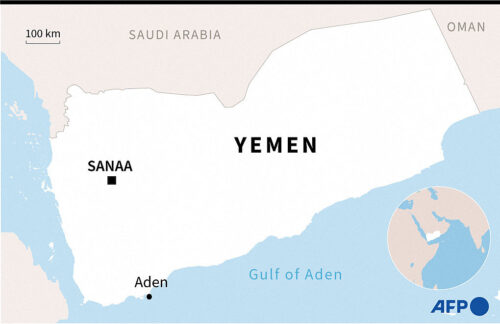
    Yemen’s Southern Front: Strategic Leverage, Fragmentation, and Regional Risk
  • التحليل
  • Yemen’s Southern Front: Strategic Leverage, Fragmentation, and Regional Risk

    Beginning in early December 2025, UAE-backed Southern Transitional Council (STC) forces launched an offensive in eastern Yemen, seizing Seiyun and key military and administrative sites across Wadi Hadhramaut before advancing into al-Mahrah, as Saudi-aligned tribal and government units withdrew under mounting political and military pressure.

    الأعمال غير المنجزة ستحدد أجندة الشرق الأوسط في عام 2026
  • Brief
  • الأعمال غير المنجزة ستحدد أجندة الشرق الأوسط في عام 2026

    بعد عام آخر من التطورات المحورية والتغييرات الجذرية، قد يكون الشرق الأوسط على وشك طي صفحة العديد من الصراعات الطويلة الأمد ومصادر عدم الاستقرار. لكن تحقيق نتائج دائمة للعمليات التي بدأت في عام 2025 سيتطلب تركيزًا حازمًا ومدروسًا من قبل الجهات الفاعلة الإقليمية والولايات المتحدة. بالنظر إلى الاتجاهات الحالية، يقيّم خبراء معهد الشرق الأوسط (MEI) الاتجاه الذي قد تسير فيه المنطقة في عام 2026.

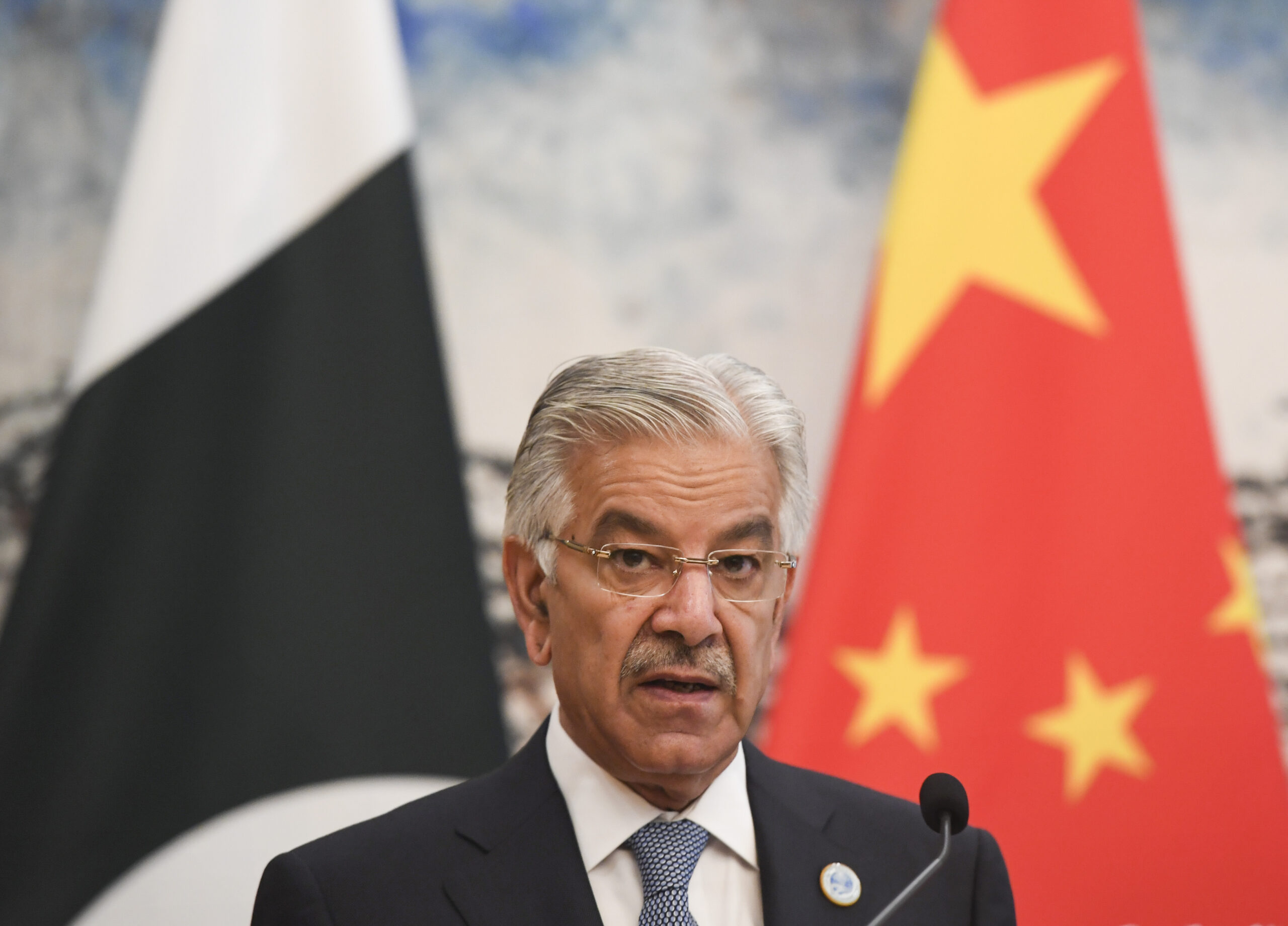
    نفوذ صامت، مكاسب هادئة؟ الصين وميثاق الدفاع السعودي-الباكستاني
    الصورة من تصوير مادوكا إيكيغامي-بول/غيتي إيمدجز
  • التحليل
  • نفوذ صامت، مكاسب هادئة؟ الصين وميثاق الدفاع السعودي-الباكستاني

    اتفاقية الدفاع المتبادل الاستراتيجي (SMDA) بين المملكة العربية السعودية وباكستان، التي تم توقيعها في الرياض في 17 سبتمبر، هي أكثر بكثير من مجرد تعهد ثنائي. فهو يمثل إعادة ترتيب عميقة للتحالفات في الخليج وجنوب آسيا، مما يعكس ويعزز التآكل الأوسع نطاقاً لسيادة الولايات المتحدة في البنية الأمنية الأوروبية الآسيوية. في حين ركزت معظم التعليقات الأولية على الالتزام المذهل من قبل ملكية خليجية ثرية بالدفاع عن دولة جنوب آسيوية حائزة للأسلحة النووية، فضلاً عن مسألة ما إذا كانت باكستان قد مدت بالفعل مظلتها النووية إلى المملكة العربية السعودية، فإن القصة الأعمق هي على الأرجح التقدم المحتمل للصين.

    مغامرة أوروبا في العودة إلى إيران
    الصورة من وكالة فرانس برس عبر غيتي إيمدجز
  • التحليل
  • مغامرة أوروبا في العودة إلى إيران

    قد تكون الأسابيع المقبلة حاسمة في صراع أوروبا الطويل لإدارة طموحات إيران النووية. في 28 أغسطس، أعلنت المملكة المتحدة وفرنسا وألمانيا أنها ستفعّل آلية العقوبات "الاستعادة". وسيحدد نجاح مغامرة أوروبا مستقبل عدم الانتشار ومصداقية أوروبا كلاعب استراتيجي.

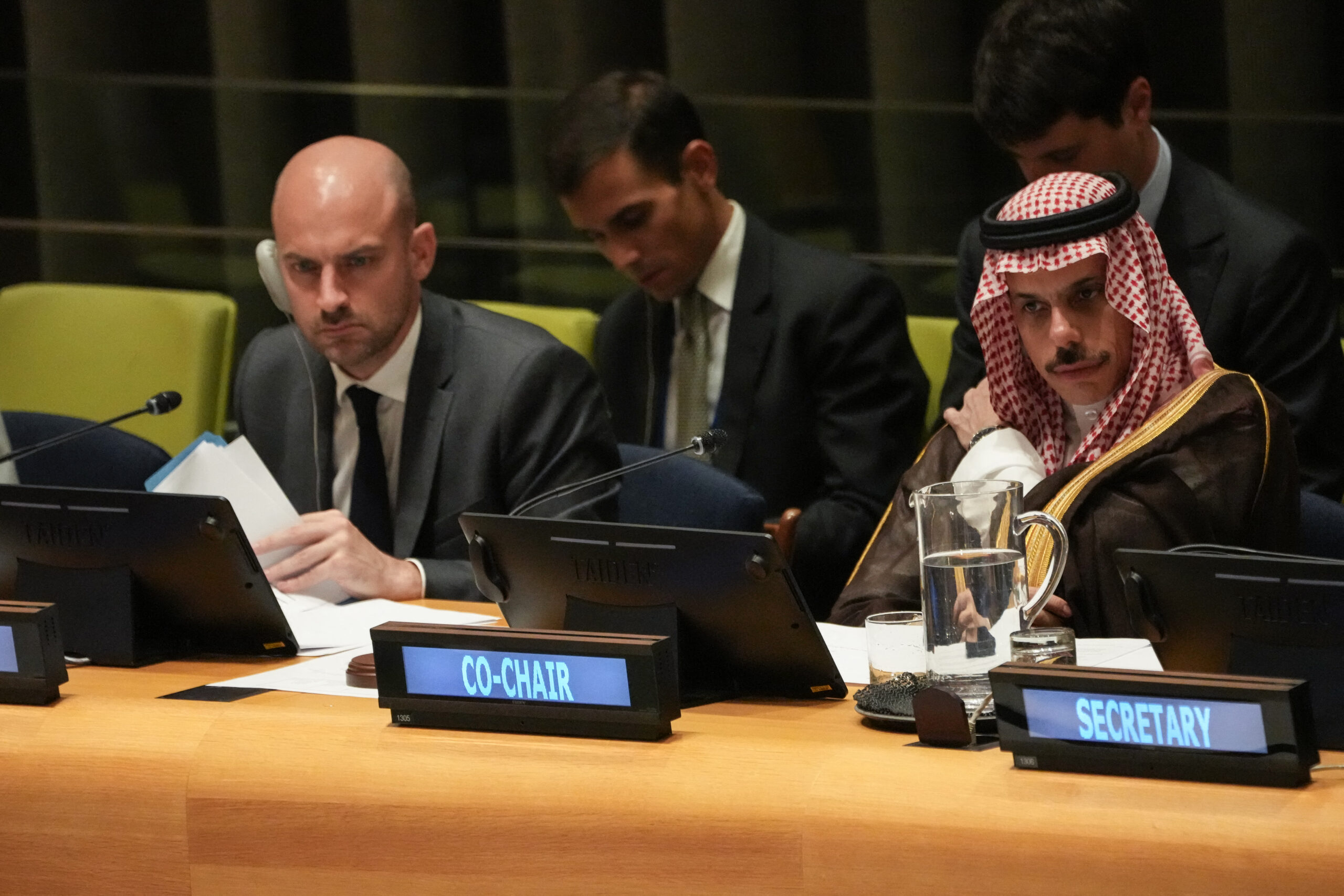
    مسارات متباينة بعد 7 أكتوبر: نهج إسرائيل العسكري المتطرف وتراجع السعودية الاستراتيجي
    الصورة من تيموثي أ. كلاري/AFP عبر Getty Images
  • التحليل
  • مسارات متباينة بعد 7 أكتوبر: نهج إسرائيل العسكري المتطرف وتراجع السعودية الاستراتيجي

    أدى هجوم حماس في 7 أكتوبر 2023 إلى تحطيم النموذج الأمني الذي طالما اتبعته إسرائيل، واستبدال الردع المحدود بحملة طموحة تهدف إلى تفكيك حماس، ومواجهة حزب الله وغيره من وكلاء إيران، واستهداف برنامج إيران النووي بشكل مباشر بدعم من الولايات المتحدة. وفي تناقض صارخ، أعطت المملكة العربية السعودية الأولوية للاستقرار الإقليمي وتخفيف حدة التوتر، واستعادة العلاقات مع إيران، والتركيز على تحولها الاقتصادي في إطار رؤية 2030.

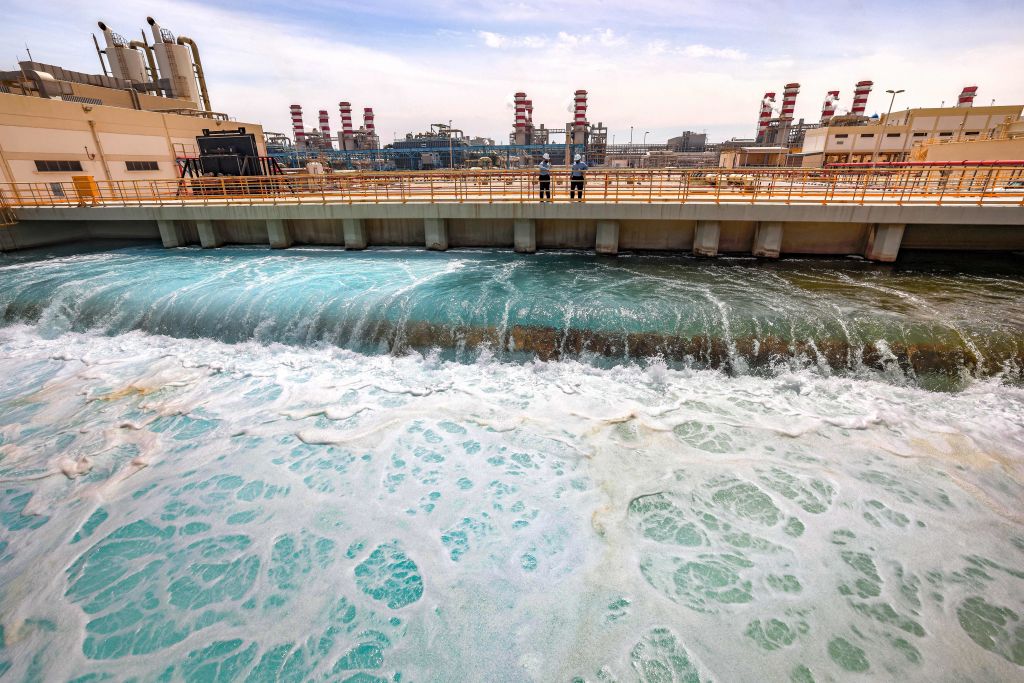
    أزمة المياه في الخليج: لماذا التعاون أمر بالغ الأهمية — ومعقد في الوقت نفسه
    الصورة من فايز نور الدين/وكالة فرانس برس عبر غيتي إيمدجز
  • التحليل
  • أزمة المياه في الخليج: لماذا التعاون أمر بالغ الأهمية — ومعقد في الوقت نفسه

    في 19 يونيو، أثارت تقارير كاذبة عن قيام إسرائيل بشن هجوم على محطة بوشهر النووية الإيرانية حالة من الذعر في جميع أنحاء الخليج. وعلى الرغم من نفي المسؤولين الإسرائيليين لهذه المزاعم، فإنها تعود إلى تحذير رئيس وزراء قطر من كارثة محتملة في حالة حدوث تلوث نووي — انقطاع المياه والغذاء والحياة — بسبب اعتماد دول الخليج على مياه البحر المحلاة. سارعت حكومات دول الخليج إلى طمأنة الجمهور بأنه لم يتم الكشف عن أي إشعاع، لكن هذه الحادثة أبرزت الشعور المتزايد بالضعف في المنطقة. ويمكن أن يساعد اتباع نهج إقليمي لأمن المياه في التخفيف من هذه المخاطر.

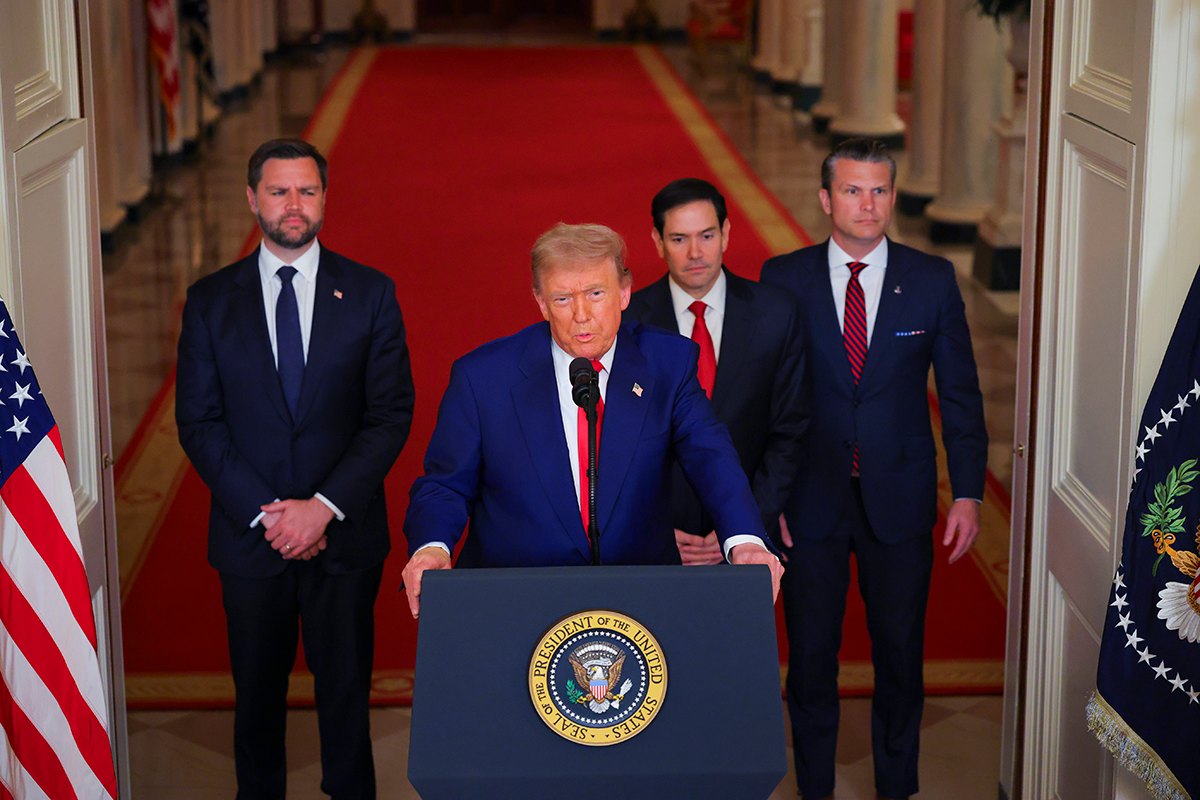
    الولايات المتحدة تدخل حرب إسرائيل مع إيران — ردود فعل خبراء معهد الشرق الأوسط
    الصورة من تصوير كارلوس باريا - بول/غيتي إيمدجز
  • التحليل
  • الولايات المتحدة تدخل حرب إسرائيل مع إيران — ردود فعل خبراء معهد الشرق الأوسط

    قامت الولايات المتحدة بضرب ثلاث منشآت نووية في إيران مساء يوم 21 يونيو، في خضم الصراع المستمر بين إسرائيل وإيران. يقدم باحثو معهد الشرق الأوسط (MEI) تحليلات في الوقت الفعلي للمساعدة في فهم معنى هذا التصعيد وما قد يحدث بعده.

    “Gwadar is the future”: China and Pakistan’s troubled strategic port on the Arabian Sea
    الصورة من قبل AAMIR QURESHI/AFP عبر Getty Images
  • التحليل
  • “Gwadar is the future”: China and Pakistan’s troubled strategic port on the Arabian Sea

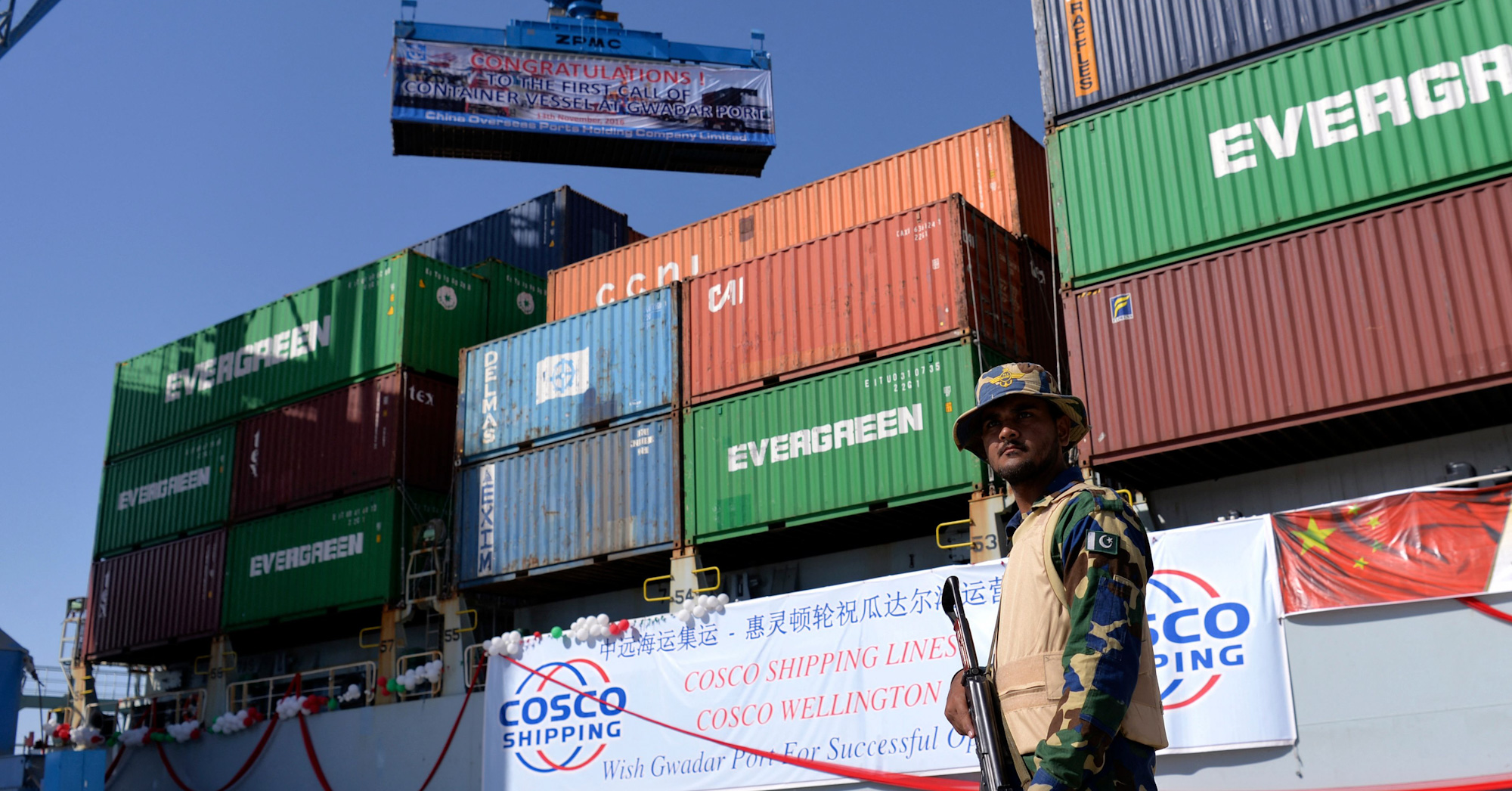
    Strategically located at the mouth of the Strait of Hormuz on the Arabian Sea, Gwadar, once a derelict port, was revitalized as part of the broader development of China-Pakistan Economic Corridor (CPEC) and declared fully operational in 2021. Can a renewed focus on the Gwadar port and the socio-economic and security situation of the surrounding region help Islamabad and Beijing rescue CPEC from failure?