
The shock doctrine of clean energy
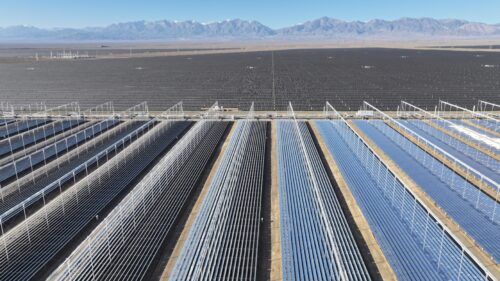
Few events have so abruptly collapsed the boundary between energy policy and national security as the US–Israel war on Iran that erupted in February 2026. The near-closure of the Strait of Hormuz triggered what the International Energy Agency described as the largest oil supply shock on record —driving up energy prices, fueling inflation in Europe, and disrupting supply chains worldwide.
Beyond the Strait of Hormuz: How War Is Redrawing Trade Routes—and Elevating Pakistan
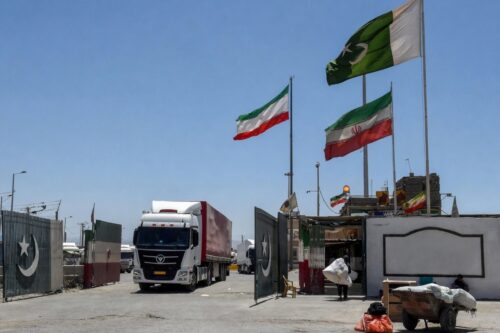
Pakistan is not merely reacting to the current phase of the 2026 Iran war; it is functioning as a system-adjusting intermediary within a rapidly reordering regional landscape. As established channels of diplomacy, trade, and financial coordination have fractured under wartime pressure, Islamabad has emerged as a critical node through which regional and extra-regional actors are progressively rerouting engagement, commerce, and influence.

How Israel-Backed Sweida Became Syria’s Narcotics Capital
In the early hours of Sunday, May 3, Jordanian F-16 fighter jets crossed into Syrian airspace and launched strikes on at least six locations in the southern province of Sweida. In a statement issued hours later, Jordan’s military said that “Operation Jordanian Deterrence” had targeted “factories, facilities and warehouses used by trafficking groups as launch points for smuggling operations into Jordan.”
Why America Can’t Walk Away from the Gulf Economies

The Pakistani General Running Washington’s Backchannel to Tehran
As Washington and Tehran edge closer to escalation, the most critical line of communication keeping the crisis from spiraling is being run not by polished diplomats, but by an unlikely figure: a Pakistani general. Field Marshal Asim Munir, Pakistan’s powerful army chief, has quietly become the key intermediary in the U.S.-Iran standoff, managing what may be the most important backchannel between the two sides. The mediation has thrust Pakistan to the center of the crisis while exposing it to enormous risk.
The Hormuz Crisis and China’s Energy Security Dilemma
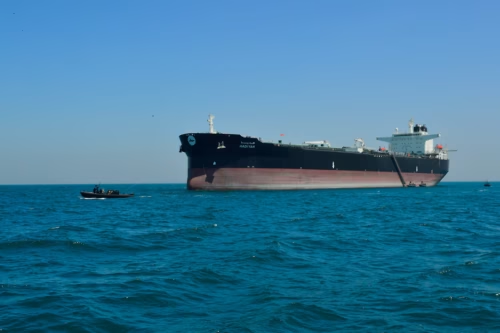
Despite sustained efforts to prioritize energy security across successive policy cycles, China remains exposed to external supply chains it does not control. The core problem is not simply import dependence, but reliance on maritime transit routes – particularly through the Strait of Hormuz – whose security ultimately lies beyond Beijing’s authority. The escalation of the Israel-U.S. war with Iran and the resulting disruption of traffic through Hormuz has transformed a long-recognized strategic risk into an immediate constraint, revealing the limits of China’s ability to ensure stable energy access under conditions of geopolitical contestation.
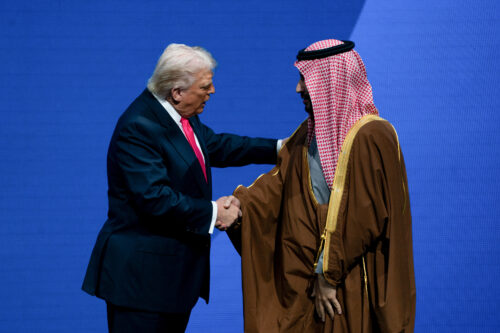
America and the Gulf Still Need Each Other
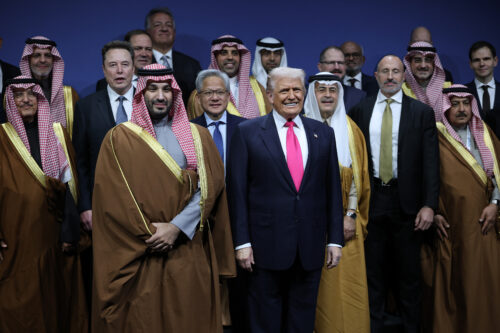
Last May, U.S. President Donald Trump paid a triumphant visit to Saudi Arabia, Qatar, and the United Arab Emirates. Over the course of a four-day tour, he admired the Gulf capitals’ “gleaming marvels,” cheered on their ambitious modernization plans, and showcased over $3 trillion in pledged Gulf investment and “mega-deals” between U.S. and Gulf businesses.

Rebalancing Ambition: Saudi Arabia’s Megaproject Pivot
Saudi Arabia’s Vision 2030 has entered a sobering phase. The kingdom’s most ambitious megaprojects, conceived a decade ago during an era of oil-fueled confidence, are colliding with fiscal reality and a far more volatile external environment shaped by regional conflict and energy market disruption. What is unfolding is not the collapse of Crown Prince Mohammed bin Salman’s (MBS) diversification agenda, but a forced recalibration: a shift away from architectural spectacle toward economic pragmatism, reinforced by tightening fiscal space, institutional reprioritization under the Public Investment Fund’s (PIF) new strategy, and growing exposure to regional security risks.
America Cannot Afford to Miss This Opening in Lebanon
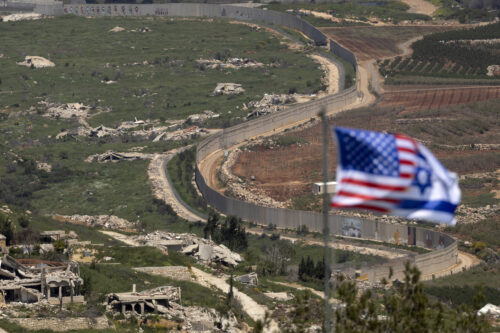
President Donald Trump has an opportunity to do something no American president has managed in nearly half a century: end the war between Israel and Lebanon for good.
A Lasting Iran Resolution Needs Arab Input
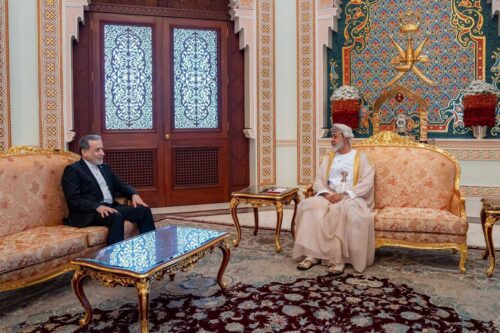
In the Trump administration’s diplomatic track with Tehran, one crucial variable is missing: steady US engagement with its Arab partners, particularly in the Gulf, on what the strategic endgame with Iran looks like.
America Is Fighting the Wrong Drone War
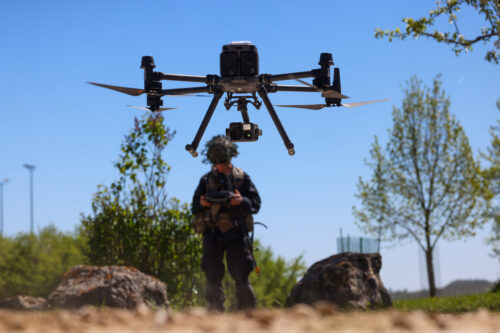
For two decades, US drones hunting terrorists across the mountains of South Asia were the symbol of American military power: precise, lethal, and unmatched. That era is now over. Drones are no longer exquisite tools of counterterrorism and have evolved into something far more common and destabilizing: cheap, expendable, and mass-produced tools of attrition.

Why Some Gen Z Protests Succeeded as Others Stumbled
In 2025, youth protests over corruption, precarity and broken promises by government officials swept across multiple regions around the world. Demonstrations in Nepal forced early elections, while unrest in Peru toppled a president. In Morocco, Kenya, Indonesia and Serbia, young people mobilized around similar grievances, with widely varying effect.
The Gulf’s Iran Problem Isn’t Solved
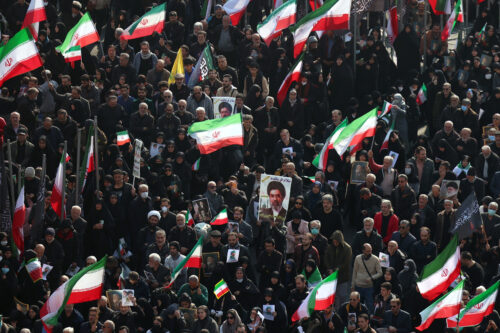
Operation Epic Fury has delivered tactical gains without a viable strategic end state. The Strait of Hormuz remains effectively closed, Iran’s leadership has reorganized, and the diplomatic track has fractured.