MENA Energy Recap, Q2-2026: Mideast Energy Confronts its Hormuz Era
The MENA Energy Recap is a quarterly review of key energy developments that took place in the region from April through June of 2026 and what they signal in the months ahead. The Recap views these developments through the lens of policy and strategy, energy security, and markets.
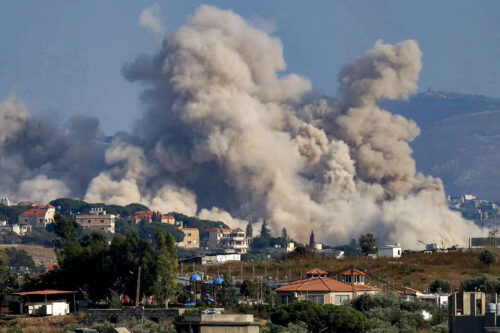
In many ways, the U.S.-Israeli war against Iran and the war in Gaza that preceded it seem transformative. After decades of shadow warfare, Iran and Israel have now attacked each other’s homelands directly. And Israel and the United States have joined forces in a genuinely novel way to wage war against Iran.
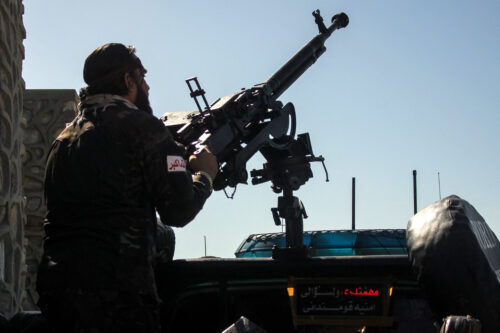
It is now clear the United States is sinking into the quagmire of its war with Iran with no clear idea of how to get out. More than five months of intermittent bombing of Iran have not brought Tehran any closer to surrender. Recurring threats by US President Donald Trump to launch a massive military campaign against the country aren’t causing Iran to submit to US demands.
As the US-Israel-Iran war enters its sixth month, the conflict has taken a sharp turn. After a brief lull in the fighting, Iran launched a surprise ballistic missile attack on US forces on July 28, and the US and Saudi Arabia struck back at Iran-backed militias in Iraq, marking Riyadh’s entry into the war. MEI Senior Fellow Alex Vatanka joins host Alistair Taylor to discuss the escalation, what may come next, and the state of talks over sharing the Strait of Hormuz.
Beyond Ports: China’s Digital Networks of Influence in the Middle East and Africa
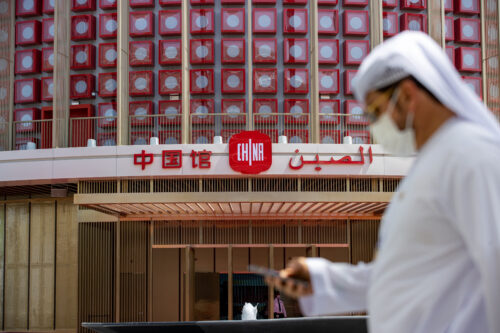
For more than a decade, assessments of Chinese strategy in the Middle East and Africa have focused on assets, including the ports Chinese firms own, the pipelines they finance, and the networks they build. This lens has produced familiar maps of Chinese “footholds” and debates over future military bases, but ownership alone reveals less about influence.
The more useful question is not what China owns, but how Chinese firms become embedded in the operational and digital systems that keep trade corridors moving. Influence derives not from controlling infrastructure outright but from participating in the governance of the networks that move goods, data, finance, and information across them.
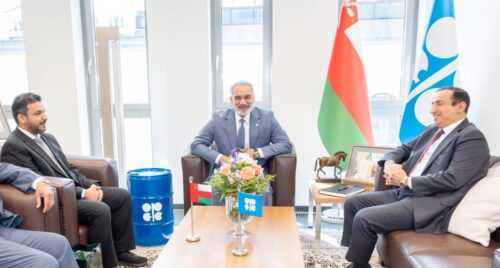
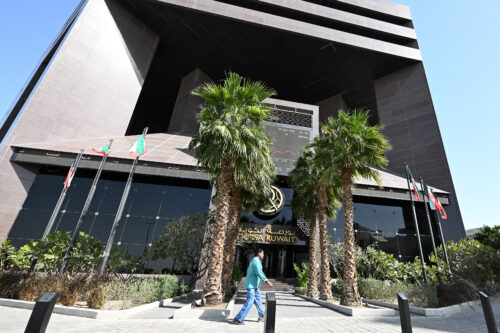
Something more consequential than another oil market disruption is underway. The Iran war has exposed and accelerated an institutional weakness within OPEC that had been building for years. The closure of the Strait of Hormuz, the UAE’s departure, Iraq’s brief flirtation with exit, and the continued rise of U.S. oil production all point to a deeper question about the cartel’s durability. The issue has shifted from OPEC’s ability to manage crises toward whether its model of collective discipline can withstand mounting structural strain.
The ‘navalization’ of economic warfare sees trade routes become zones of force rather than rules
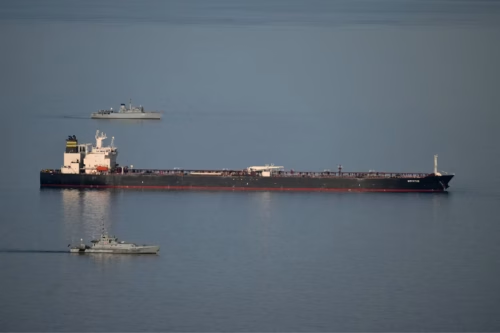
With more than 80% of global trade by volume being transported by sea, maritime shipping lanes are indispensable to the world economy. That fact was starkly illustrated by the war in Iran, which saw Tehran effectively close the Strait of Hormuz to commercial traffic and Washington respond with a blockade of Iranian ports.
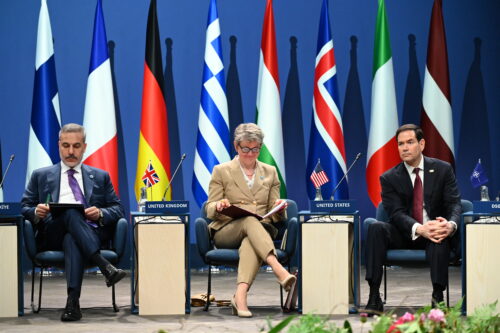
The Other MoU: Launching a Europe-Gulf Resilience Initiative After the US-Iran Deal
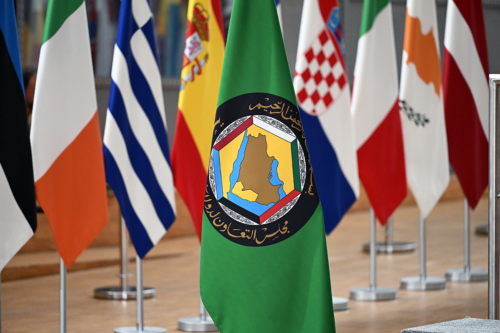
The Islamabad Memorandum of Understanding (MoU) between the United States and Iran may have ended one of the most consequential Middle Eastern crises in decades, but it has not resolved the strategic problem it exposed. Whether the 60-day talks it set in motion will produce a final agreement remains far from certain.Yet the central lessons are already clear: Iran has preserved significant leverage, Washington has had to scale back its ambitions, and Europe and the Gulf face the prospect of protracted regional tension. Europe and the Gulf should therefore use the aftermath of the US-Iran deal to articulate their own “other MoU”: a Europe-Gulf Resilience initiative.
China’s Private Security Companies in the Middle East: Commercial Actors, Strategic Tools
Chinese PSCs are state-adjacent actors embedded in China’s overseas economic expansion, particularly under the Belt and Road Initiative (BRI), generating new arenas of US–China security competition in fragile environments.
The Gulf’s Strategic Paradox: Lost Confidence in the US Security Umbrella, Enduring Trust in the Dollar
This essay argues that the current debate about the future of the international monetary system is not really about Gulf currencies, oil pricing, or de-dollarization in the narrow technical sense. It is about something deeper and more important: whether institutional trust can survive when geopolitical certainty is eroding.
Russia’s Taliban Embrace Signals a New Power Shift in Afghanistan
Sometimes the only thing more frightening than Afghanistan’s problems is the Taliban’s solutions and the recently signed Russia-Taliban military-technical agreement may be the most alarming one yet. The partnership signals that Afghanistan’s security architecture is being rebuilt without the United States, and increasingly by America’s rivals. Washington should pay close attention because the deal hands one of the world’s most repressive regimes a pathway to becoming more capable and deeply entrenched in a regional order where Russian influence is expanding at America’s expense.
Attacked by All Sides Iraq’s New Government Faces Old Problems
After months of deadlock following the November 2025 elections, Iraq’s parliament approved a new government under Prime Minister Ali al-Zaidi on May 14, 2026 — just as the country has become a battleground in the US-Israel-Iran war. Zaidi inherits a daunting brief: reviving a struggling economy, reining in armed factions, and steering Iraq through a perilous regional landscape. Dr. Renad Mansour, deputy director of the Middle East and North Africa Programme and director of the Iraq Initiative at Chatham House, joins host Alistair Taylor to discuss the war’s impact on Iraq — from Iran’s militia networks to the surge of attacks on the Kurdistan region — and how it’s reshaping Baghdad’s ties with Tehran and Washington.
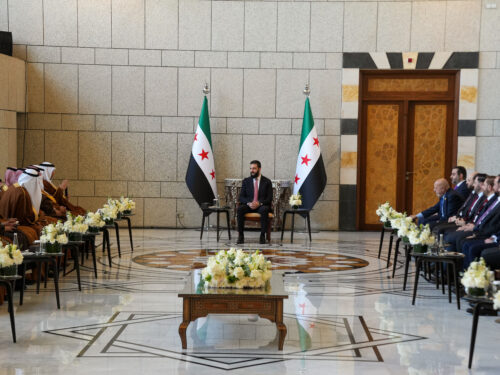
Syria’s Energy Revival and the Gulf’s Strategic Opening
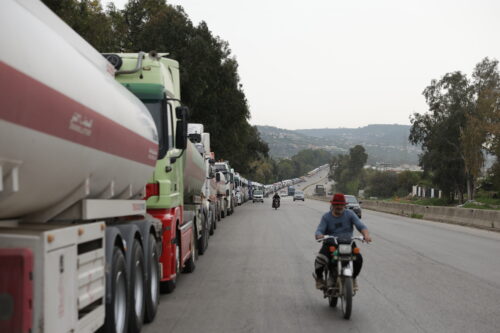
Syria’s shattered energy sector is being rebuilt at a moment of unusual strategic flux across the Middle East, one defined by Iran’s military degradation following sustained U.S. and Israeli strikes in February and March; Russia’s prolonged absorption in its war in Ukraine; and China’s preference for commercial caution over political risk. Together, these shifts have weakened or distracted the external powers that once dominated Syria’s trajectory. The Gulf states have moved in to decisively fill the opening.