This bonus episode of Middle East Focus features an excerpt from a recent MEI Virtual Briefing recorded on January 20. Director of Communications Zeina Al-Shaib is joined by MEI Affiliate Fatima Abo Alasrar and Associate Fellow F. Gregory Gause III to discuss the dramatically changing dynamics in Yemen’s civil war. Last month, Yemen emerged as a focal point of rising tensions between Saudi Arabia and the United Arab Emirates. The Southern Transitional Council, a UAE-backed southern separatist movement, has disbanded in recent weeks, following fierce clashes with Saudi-backed forces. In the conversation, Alasrar and Gause analyze the political, security, and socio-economic shifts affecting Yemen’s internal dynamics and what all this means for regional stability.
What Ankara sees in Riyadh — and why it still needs Abu Dhabi
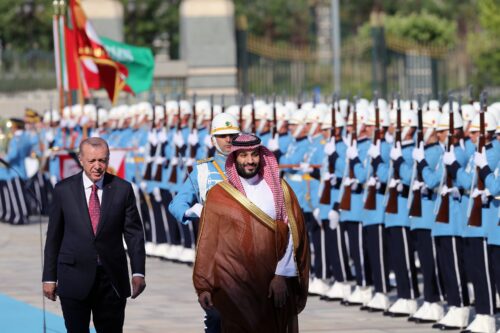
As the rivalry between Riyadh and Abu Dhabi sharpens in Yemen and beyond, Turkey has begun edging closer to Saudi Arabia, sparking claims that a new regional order is taking shape: a Turkey-Saudi axis backed by a NATO-like defense architecture, implicitly aligned against Israel and the United Arab Emirates. This reading overstates the case.
Potential US military strikes on Iran: This won’t be another 12-Day War
President Donald Trump has sharply warned the Iranian regime to halt its brutal crackdown on protesters. Amid speculation that the US is preparing for military action in Iran, Washington should take the lessons and fundamentally different context of its successful June 2025 operation against the Islamic Republic into account as it plans for how to respond.
From coalition to confrontation: Saudi-UAE rivalry in Yemen and its regional implications
The final days of 2025 marked a turning point in the Middle East, as competition between Saudi Arabia and the United Arab Emirates in Yemen spilled out into the open. Tensions between the two coalition partners, which jointly launched a military intervention in Yemen in 2015, have simmered for years and are now rapidly escalating, with far-reaching implications for both Yemen and regional security more broadly.
Iran’s Axis of Resistance After the 12-day War: Adaptation, Restructuring, and Reconstitution
منذ حرب إسرائيل التي استمرت 12 يوماً ضد إيران، دخلت طهران وشبكة وكلائها الإقليميين وحلفائها غير الحكوميين، ما يُعرف باسم محور المقاومة، في مرحلة من السكون الاستراتيجي — هدوء ظاهري يخفي إعادة التسلح والتكيف المالي والتجديد الأيديولوجي.
يجلس براين مع روبرت مالي، وهو مسؤول أمريكي سابق اشتهر بدوره كمفاوض رئيسي في خطة العمل الشاملة المشتركة لعام 2015. يناقش مالي الدوافع وراء كتابه الجديد، "غدًا هو أمس: الحياة والموت والسعي لتحقيق السلام في إسرائيل/فلسطين"، ويقدم تقييمه للوجهات النظر الأمريكية بشأن الحرب في غزة. تستكشف المحادثة أيضًا خلفيته الشخصية باعتباره ابنًا لأب مصري يهودي وأم أمريكية يهودية - وكلاهما من أشد المنتقدين لليسار السياسي - وكيف شكلت تربيته هذه نظرته للعالم، إلى جانب مسيرته المهنية التي امتدت عبر إدارات كلينتون وأوباما وبايدن.
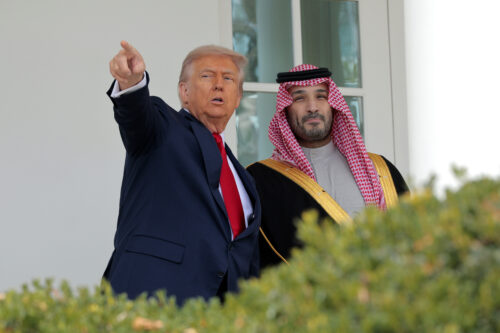
قمة ترامب-محمد بن سلمان: مشاعر طيبة، والتزامات حقيقية، وأسئلة عالقة
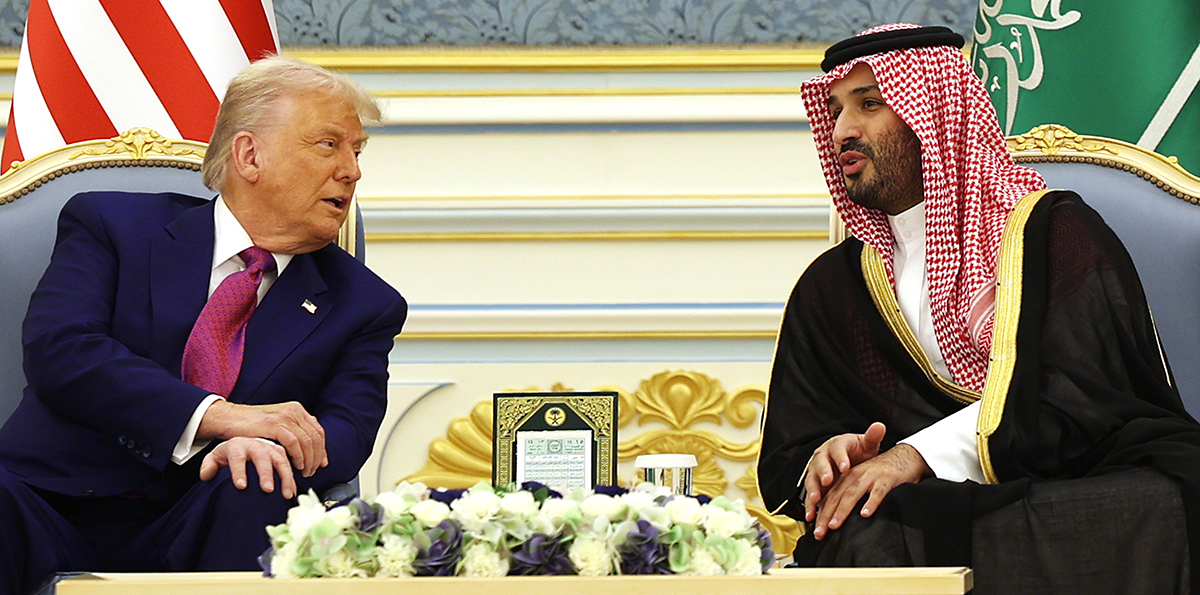
غادر محمد بن سلمان، ولي العهد ورئيس الوزراء وصانع القرار الرئيسي في المملكة العربية السعودية، واشنطن وقمة قمة الرئيس دونالد ترامب بعد أن قدم عددًا من الوعود وتلقى عددًا من الالتزامات. لكن العديد من الأسئلة، بما في ذلك تلك المتعلقة ببنود الأجندة الدبلوماسية المشتركة، ومدى التعاون النووي المدني، وطبيعة التزام الولايات المتحدة الدفاعي تجاه المملكة العربية السعودية، لا تزال دون إجابة.
Special Feature: A Front-Row Seat to Saudi Arabia’s Transformation
In this episode, Brian sits down with Faisal Abbas, editor-in-chief of Arab News. Abbas, who reported on Saudi Crown Prince Mohammed bin Salman’s November 18 visit to the White House, unpacks his impressions from the visit and the opportunities it presents for US-Saudi relations. The conversation also explores the Kingdom’s transformation over the past decade, its relationships with key partners including the United States, and Abbas’s recommendations for deepening the US-Saudi partnership going forward.
تقدم هذه الوثيقة المعلوماتية لمحة عامة عن تاريخ حركة حماس، وأيديولوجيتها وقيادتها، وقدراتها العسكرية وأهدافها، وهجوم 7 أكتوبر، والسياسات والتشريعات ذات الصلة للحكومة الأمريكية، ومستقبل الحركة في غزة.
تخطط الولايات المتحدة لتقديم قرار بشأن غزة إلى مجلس الأمن التابع للأمم المتحدة بحلول نهاية نوفمبر. وبحسب ما ورد، فإن المسودة الأخيرة تؤيد خطة الرئيس دونالد ترامب المكونة من 20 نقطة، وتعترف بمجلس السلام باعتباره "إدارة حكم انتقالية"، وتفوض مجلس السلام بإنشاء قوة استقرار دولية. في مذكرة سياسية جديدة صادرة عن معهد الشرق الأوسط (MEI)، تشرح لوسي كورتزر-إلينبوجن أهمية ذلك بالنسبة للولايات المتحدة والاعتبارات السياسية ذات الصلة.
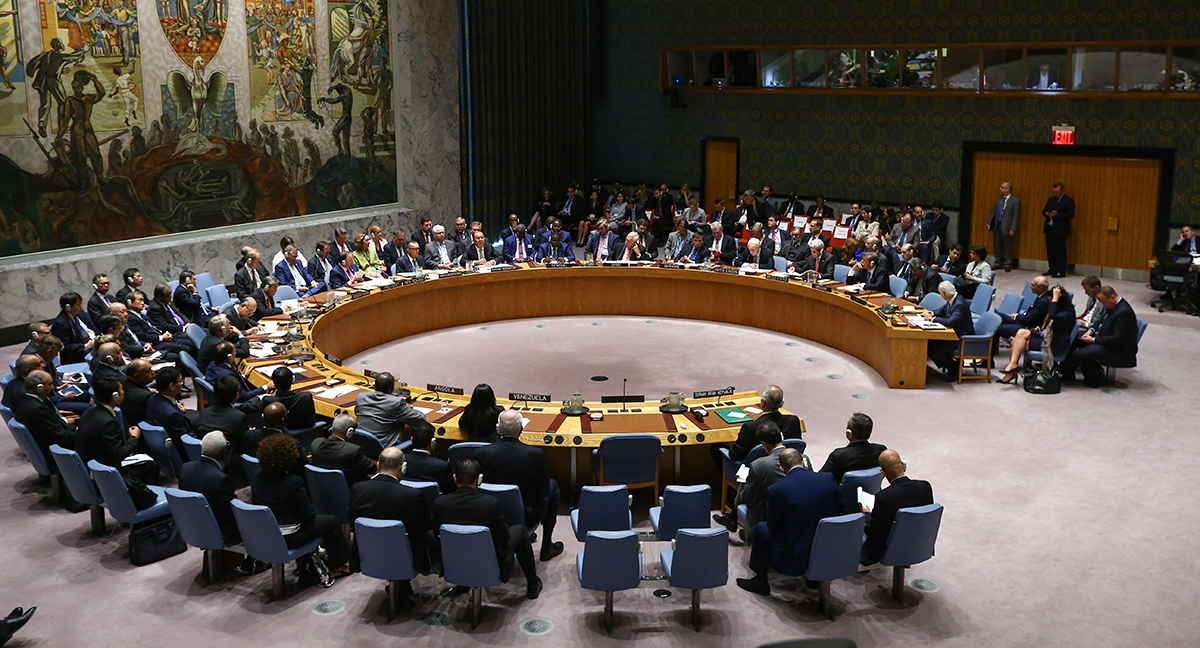
The United States plans to submit a resolution on Gaza to the United Nations Security Council (UNSC) by the end of November. Reportedly, thelatest draftendorses President Donald Trump’s 20-point plan, recognizes the Board of Peace (BoP) as a “transitional governance administration,” and authorizes the BoP to establish an International Stabilization Force (ISF). The UN resolution is a first stepto achieving buy-in from potential ISF contributors. In turn, a viable ISF will be one key to moving beyond the cease-fire to securing the 20-point plan’s envisioned Hamas disarmament, further Israeli military withdrawal, and a path to Palestinian governance. The US faces several dilemmas as it seeks to transition from cease-fire to stabilization and beyond.
On November 18, Saudi Crown Prince Mohammed bin Salman is scheduled to make his first trip to Washington since 2018. In a new MEI Policy Memo, Daniel Benaim breaks down why it matters for the US and the relevant policy considerations.
On November 18, Saudi Crown Prince Mohammed
bin Salman (MBS) is scheduled to make his first trip to Washington since 2018. President Donald Trump has doubled down on the Gulf from the outset of his second term, making Riyadh his first planned overseas trip and reorienting ties around major artificial intelligence (AI) and investment deals. MBS’s visit will test whether both sides can translate ambitious pledges into concrete outcomes. Significant upgrades in defense and security are expected, with movement possible on semiconductor sales and nuclear cooperation. Behind the ambitions, harder questions about Saudi-Israeli normalization and alignment in a rapidly changing region loom as important Oval Office topics.
Over the past week, US President Donald Trump made an extended trip to Asia and threatened military actions against Latin American and African countries. But despite his administration’s continuing ambitions in the Middle East region, few major breakthroughs are expected there in the immediate future due to the government shutdown and unilateral cuts to national security infrastructure.