From the Middle East to West Asia: Redefining America’s Global Strategy
MEI Senior Fellow Mohammed Soliman joins hosts Alistair Taylor and Matthew Czekaj to discuss his new book, West Asia: A New American Grand Strategy in the Middle East. The book argues that it is time for the United States to move decisively away from nation-building and focus instead on order-building, outlining a framework for a new regional order that links Europe to the Indo-Pacific. Soliman also shares how he conceived of the core ideas behind his book and explains why his thesis is especially relevant in today’s geopolitical, economic, and technological landscape.
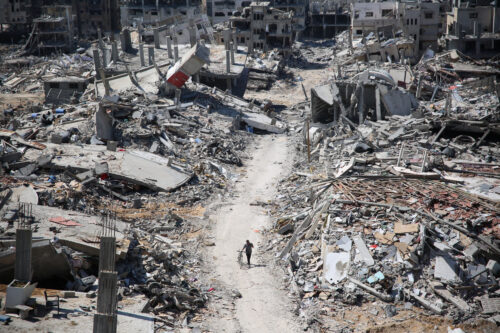
New Questions on the International Stabilization Force for Gaza
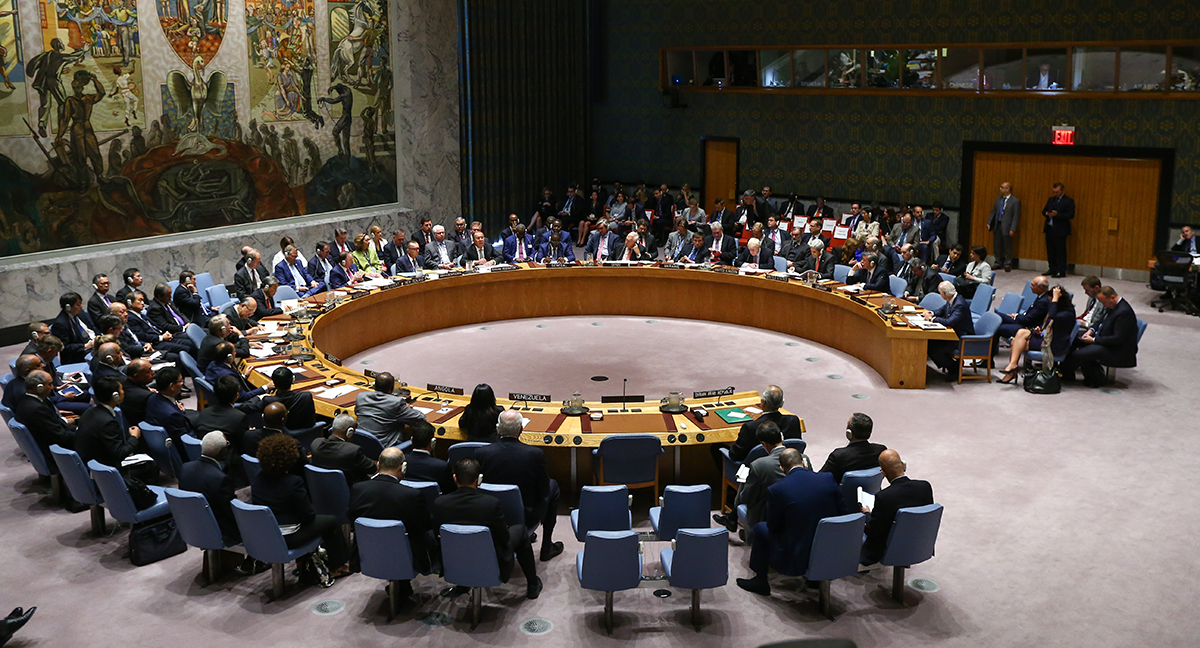
In November 2025, the United States sought and obtained approval for a United Nations Security Council Resolution (UNSCR 2803) endorsing the formation of a Board of Peace (BoP) and International Stabilization Force (ISF) to support the implementation of the 20-point peace plan agreed to by Israel and Hamas the previous month. The ISF’s stated role is to help secure and demilitarize the Gaza Strip, primarily by facilitating the decommissioning of weapons, protecting civilians, and training and advising burgeoning Palestinian police forces. In the intervening months, however, progress on standing up the ISF has stalled, and conflicting messaging from US officials provides more questions than answers.
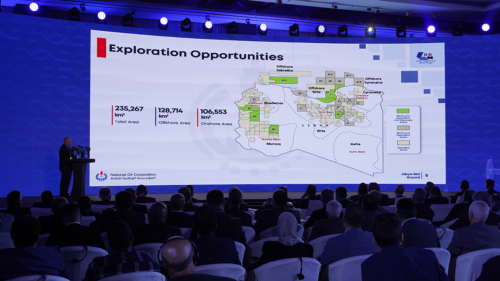
The question facing international oil companies is not whether Libya has oil and gas to develop. It does. The question is whether the country’s current political, economic, and security conditions allow that potential to be converted into reliable returns — and whether near-term changes could alter that calculation.
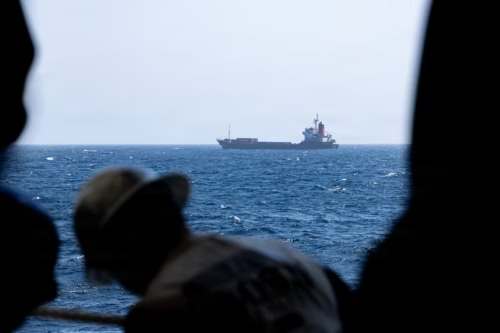
Despite escalating conflicts, sanctions, and strategic rivalry across key producing regions, the global oil market increasingly behaves less like a system gripped by scarcity fears and more like one struggling to absorb abundance.
A New Phase in Vision 2030: From Strategic Exemptions to Broad Ownership
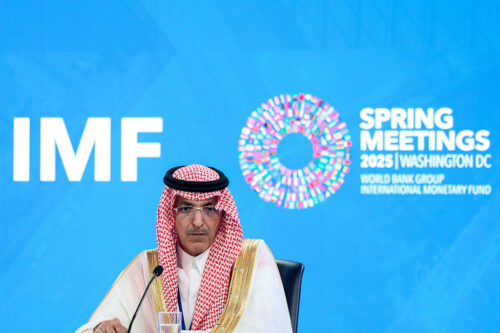
Saudi Arabia is making a bold push to rewire the rules of the game for foreign investment within the Kingdom. The proposed lifting of the 49 percent foreign‐ownership cap in publicly listed companies is emerging as the next frontier of that effort. This reform, scheduled to take effect on February 1, could change the calculus for active and passive global capital, drive fresh scrutiny of regulatory constraints, and test the Kingdom’s ability to follow through in what may prove to be a tight balance between opening up and preserving sovereign control.
Iran’s political deadlock — and a way out the regime is unlikely to take
On Sunday, December 28, Iran’s latest wave of unrest began not on a university campus or in a symbolic political square, but in the very heart of the country’s economic sphere: the Grand Bazaar commercial center in downtown Tehran. What distinguishes the current moment is not simply the persistence of unrest but its emotional register. Iranian commentary increasingly describes not just hardship but a collapse of expectations of a better future.
Brian sits down with Robert Malley, a former US official best known for his role as the lead negotiator of the 2015 Joint Comprehensive Plan of Action. Malley discusses the motivations behind his new book, Tomorrow Is Yesterday: Life, Death, and the Pursuit of Peace in Israel/Palestine, and offers his assessment of American perspectives on the war in Gaza. The conversation also explores his personal background as the son of an Egyptian Jewish father and an American Jewish mother—both outspoken on the political left—and how that upbringing shaped his worldview, alongside a career spanning the Clinton, Obama, and Biden administrations.
The Methods and Means of Greenfield Direct Investment Between China and the GCC States
This article examines the changing volume and allocations of investment flows between China and the Gulf Cooperation Council (GCC) states over the last two decades, roughly from 2003 to the present.
How Palestinian Roots Shaped an American Ambassador
Brian welcomes Ambassador (ret.) Theodore “Ted” Kattouf, who previously served as US Ambassador to Syria and the United Arab Emirates, as well as President and CEO of the leading nonprofit organization Amideast. Kattouf reflects on how his Palestinian-American background shaped his diplomatic career and worldview. The two also take time to honor the life and legacy of Paul Kattouf, Ted’s son and Brian’s high school classmate, who was murdered in 2024.
Trump-MBS summit: Good feelings, real commitments, and unresolved questions
Mohammed bin Salman, the crown prince, prime minister, and main decision-maker in Saudi Arabia, left Washington and his summit with President Donald Trump with a number of promises made and commitments received. But several questions, including on shared diplomatic agenda items, the extent of civilian nuclear cooperation, and the nature of the American defense commitment to Saudi Arabia, remain unanswered.
Special Feature: A Front-Row Seat to Saudi Arabia’s Transformation
In this episode, Brian sits down with Faisal Abbas, editor-in-chief of Arab News. Abbas, who reported on Saudi Crown Prince Mohammed bin Salman’s November 18 visit to the White House, unpacks his impressions from the visit and the opportunities it presents for US-Saudi relations. The conversation also explores the Kingdom’s transformation over the past decade, its relationships with key partners including the United States, and Abbas’s recommendations for deepening the US-Saudi partnership going forward.
MENA Energy Recap, Q3-2025: Gulf Giants Abroad, Fragile Deals at Home
The MENA Energy Recap is a quarterly review of key energy developments that took place in the region from July through September of 2025 and what they signal in the months ahead. The Recap views these developments through the lens of policy and strategy, energy security, and markets.
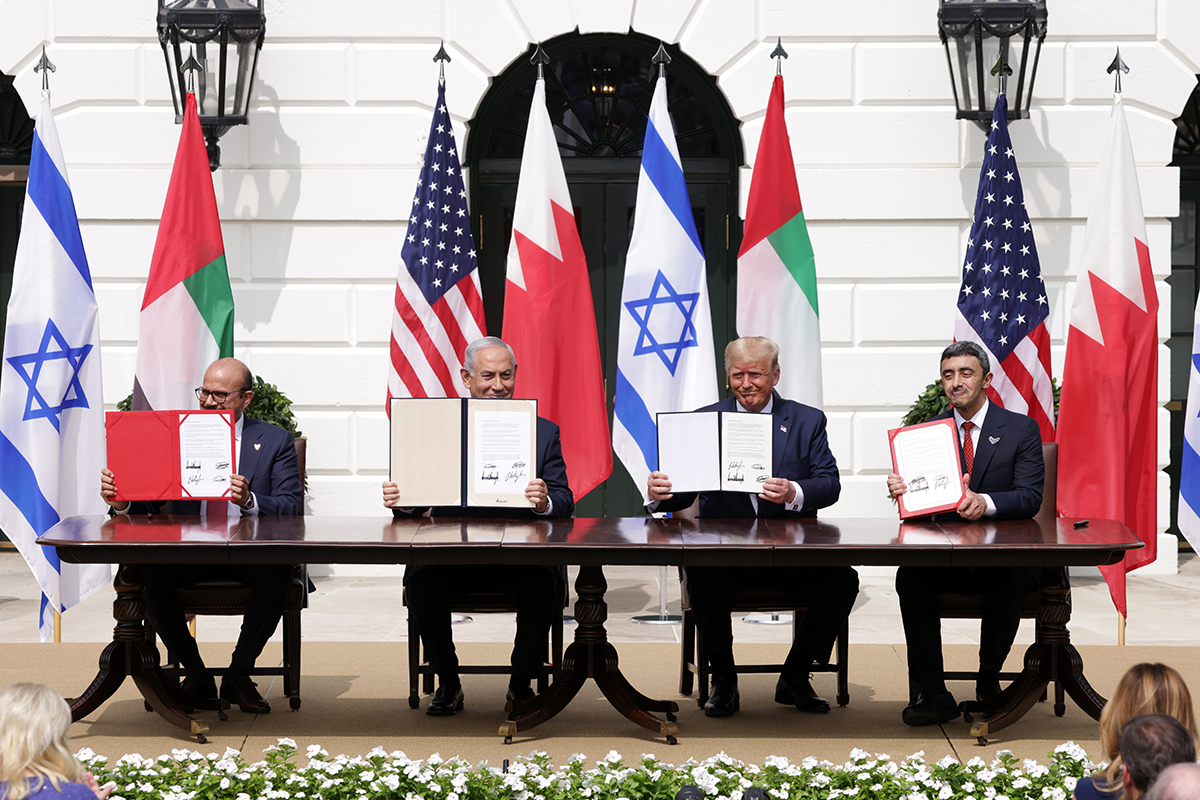
This backgrounder provides an overview of how the Abraham Accords came about, the US interests involved, their economic and strategic consequences, and the prospects for further enlargement going forward.
The United States plans to submit a resolution on Gaza to the United Nations Security Council by the end of November. Reportedly, the latest draft endorses President Donald Trump’s 20-point plan, recognizes the Board of Peace as a “transitional governance administration,” and authorizes the BoP to establish an International Stabilization Force. In a new MEI Policy Memo, Lucy Kurtzer-Ellenbogen breaks down why it matters for the US and the relevant policy considerations.
The United States plans to submit a resolution on Gaza to the United Nations Security Council (UNSC) by the end of November. Reportedly, thelatest draftendorses President Donald Trump’s 20-point plan, recognizes the Board of Peace (BoP) as a “transitional governance administration,” and authorizes the BoP to establish an International Stabilization Force (ISF). The UN resolution is a first stepto achieving buy-in from potential ISF contributors. In turn, a viable ISF will be one key to moving beyond the cease-fire to securing the 20-point plan’s envisioned Hamas disarmament, further Israeli military withdrawal, and a path to Palestinian governance. The US faces several dilemmas as it seeks to transition from cease-fire to stabilization and beyond.