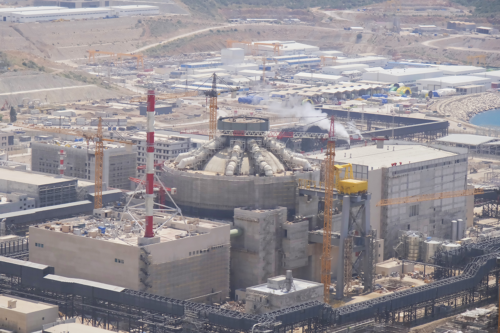
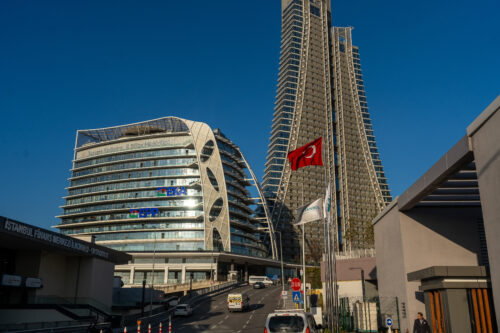
As a result of the Iran war, Turkish thinking about nuclear weapons appears to be shifting. Iran’s emergent ability to threaten regional states (and possible determination to acquire a nuclear weapon itself), growing concern about Israeli aggressiveness, doubts about US security guarantees, and greater Saudi nuclear autonomy are all pushing Ankara to consider a future nuclear option.
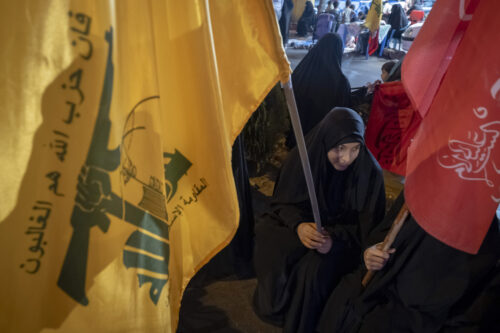
Hizballah: The murderers of elected Lebanese politicians, the killers of peacekeepers, the thugs of the streets they dominated because all other militias had disarmed, the agents of destruction of their own communities on behalf of foreign paymasters reigning 1,000 miles away from Beirut, the brainwashers of children into an ideology of “resistance” that only invited invasion. That’s the Hizballah that today is begging the Lebanese state to return to them the 1,000 pounds of explosives so rudely taken from them by Lebanese soldiers doing their job at a checkpoint in the Bekaa Valley.
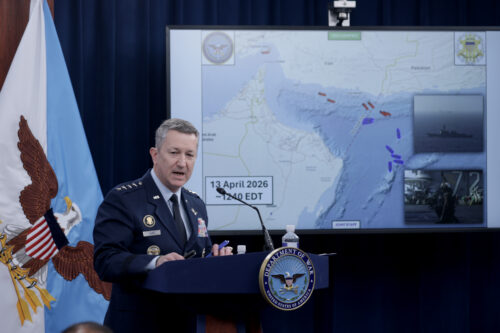
Many of the immediate consequences of the Israeli-American war with Iran are already clear. The further emergence of drones and missiles as dominant weapons of war; the danger to the global economy from the threats to vital chokepoints such as the Strait of Hormuz and the Bab el-Mandeb; and the inadequacy of US weapons procurement, among other issues, have garnered widespread and entirely merited attention.
Since 1967, Israeli settlements in the West Bank have been a contested feature of the Israeli-Palestinian conflict. The ultimate disposition of the settlements and ongoing activity related to their growth have repeatedly defied agreement in negotiations over a resolution to the conflict.
The Houthis are a political-military faction and Zaydi religious movement founded in northwestern Yemen in the 1980s. A key member of Iran’s Axis of Resistance with links to other militant organizations in the Arabian Peninsula and the Horn of Africa, the group has continued to pose a threat to Western interests on a global scale.
The India-Middle East-Europe Economic Corridor (IMEC) is a proposed multinational infrastructure initiative aimed at upgrading connectivity between the three regions through integrated trade, energy, and digital networks. Announced at the G20 summit in New Delhi in September 2023, IMEC is envisioned partially as a counterweight to China’s international infrastructure project, the Belt and Road Initiative.
After a decade of post-Arab Spring isolation, Turkey’s leaders have recognized that their ambition to position the country as an agenda-setter on the world stage requires active engagement in all directions. President Recep Tayyip Erdoğan’s consolidation of executive authority has centralized foreign policy decision-making and tied it to his domestic political priorities, transforming the country’s revisionist approach to one shaped primarily by personal and pragmatic interests.
MEI Senior Fellow Brian Katulis engages friends, colleagues, and policy experts in casual conversations on the most important happenings in the Middle East.
The opposition in Congress is attempting to force a war powers vote on the Trump administration’s Iran operation, with an eye toward the 60-day deadline on military action legally imposed on the executive branch; and key defense-spending measures are also on the immediate horizon. These actions on Capitol Hill could shape the trajectory of how the US moves forward in Iran and the region — and influence Americans’ overall appetite for long-term engagement in the Middle East.
How China Is Positioning Itself Ahead of the Trump–Xi Summit
Chinese Foreign Minister Wang Yi has just concluded a two-day visit (April 9–10) to North Korea, in his first trip to Pyongyang in more than six years. The visit emphasized strengthening high-level exchanges and expanding practical cooperation. With U.S. President Donald Trump set to arrive in Beijing in mid-May for a high-stakes summit with President Xi Jinping, the visit forms part of broader diplomatic activity across multiple fronts.
The US Has Secured a Cease-Fire in Lebanon. But Its Role Shouldn’t End There
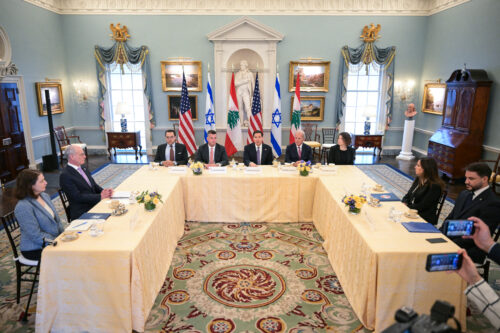
Last Thursday, the US announced a 10-day cease-fire “to enable peace negotiations between Israel and Lebanon”. The State Department statement – reportedly agreed to by both governments – marked a significant diplomatic shift. It included an affirmation that “the two countries are not at war,” a commitment to work toward “full recognition of each other’s sovereignty and territorial integrity,” as well as “achieving a permanent agreement that ensures lasting security, stability, and peace.”
As Lebanese, Israeli, and American teams prepare for their first-ever trilateral leaders summit, it is time to reflect on this opportunity and lessons from the past.
The war with the US and Israel has intensified pressure on the Iranian economy, but it has not represented a fundamentally new shock. The key question is not whether pressure exists, but whether it can be made decisive.
Bonus Episode: Stalled Talks and Next Steps for the US and Iran
This bonus episode of Middle East Focus features a recent MEI Virtual Briefing. Director of Communications Zeina Al-Shaib is joined by MEI Distinguished Diplomatic Fellows Alan Eyre and Daniel Benaim to discuss the historic talks held in Pakistan last weekend between the United States and Iran. Tehran insists the US failed to gain its trust, while the US made its red lines clear and declared it would blockade Iranian ports in the Persian Gulf. What happens next? Eyre and Benaim offer insights into what goes on behind the scenes at such negotiations; identify the core issues at play; explore potential incentives to end the war; analyze the weaponization of energy; as well as assess the role of other regional players in this conflict.
Israel’s killings of Ali Larijani and Kamal Kharazi were meant to do more than remove two senior figures from the Islamic Republic’s political landscape. And yet the regime did not break.
As the international community focuses on the regional and economic reverberations of the US-Israel-Iran war, the wartime experiences of ordinary Iranians and their aspirations for the future have received much less attention. Arash Azizi, a postdoctoral associate at Yale University and contributing writer at The Atlantic, joins hosts Alistair Taylor and Matthew Czekaj to discuss the war’s repercussions for the Iranian population and how the outcome of the conflict may shape the peoples’ lives going forward. Together, they explore Iran’s internal politics, the viability of the opposition, and the conditions needed to achieve democracy in Iran.
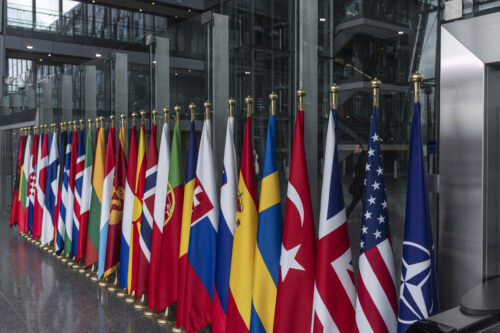
In the midst of a fragile cease-fire to the US-Israeli war on Iran, European leaders remain reluctant to get involved in another Middle Eastern war and are bristling under threats and insults from the US. As the NATO alliance frays and Russian attacks on Ukraine continue, the moment for Europe to take action has arrived, and is fleeting.
Turkey Sees Short-Term Pain, Long-Term Gain in the Iran War
The Iran war has posed significant immediate challenges for Turkey, including rising energy prices. But Turkish officials think that Ankara could reap benefits from the war in the long term.
American Bases in the Gulf: Targets or Deterrents?
Did the presence of American military bases in the Gulf monarchies draw those states into the American-Israeli war against Iran, a war they had no say in initiating and no voice in prosecuting? That is certainly the feeling among some citizens of those states.
Nazanin Boniadi: How the World Can Help Iran’s Democratic Struggle
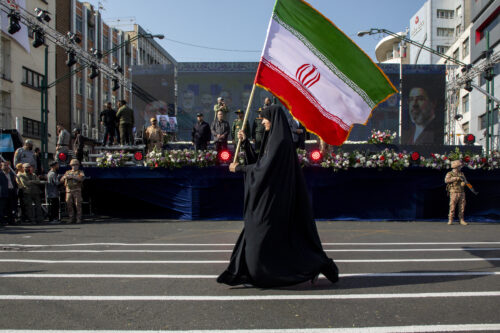
Just weeks before President Trump’s war began, Iran was in the midst of a powerful wave of anti-regime protests spreading across the country. But once the war started, that momentum largely came to a halt. The conflict shifted the focus from dissent to survival and gave the regime an opening to crack down harder. With tighter controls, heightened fear, and everyday life suddenly more precarious, people pulled back from the streets. The protests may have paused, but the resentments that fueled them haven’t gone anywhere.
The oldest peer-reviewed publication dedicated to the study of the modern Middle East, MEI’s flagship journal covers politics, society, and culture in the region.